Logo
Page Top
3rd CHILDREN'S WORKSHOP: METHODS AND TECHNIQUES IN TEACHING RELIGION AND VALUES

3rd CHILDREN'S WORKSHOP: METHODS AND TECHNIQUES IN TEACHING RELIGION AND VALUES

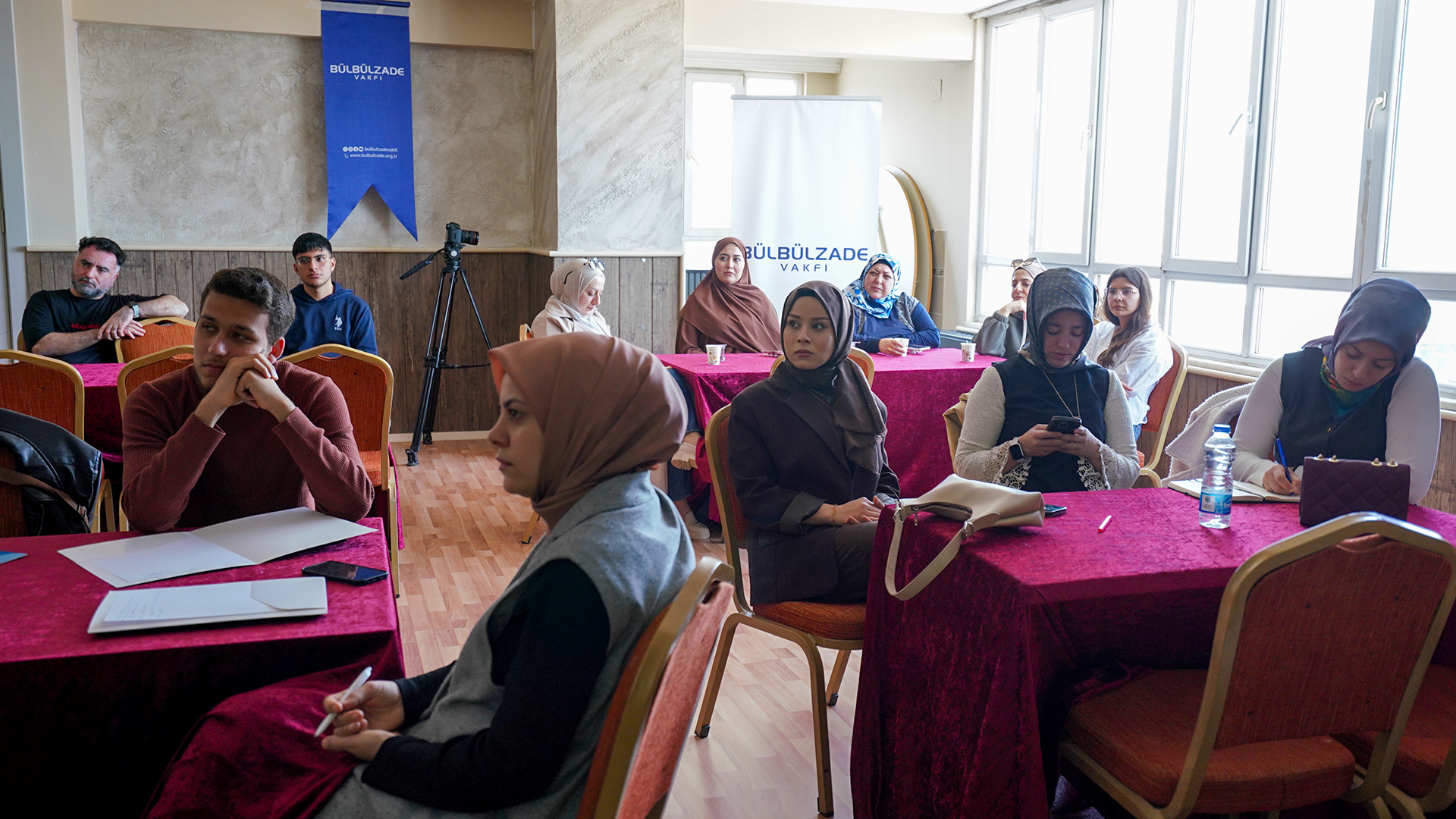
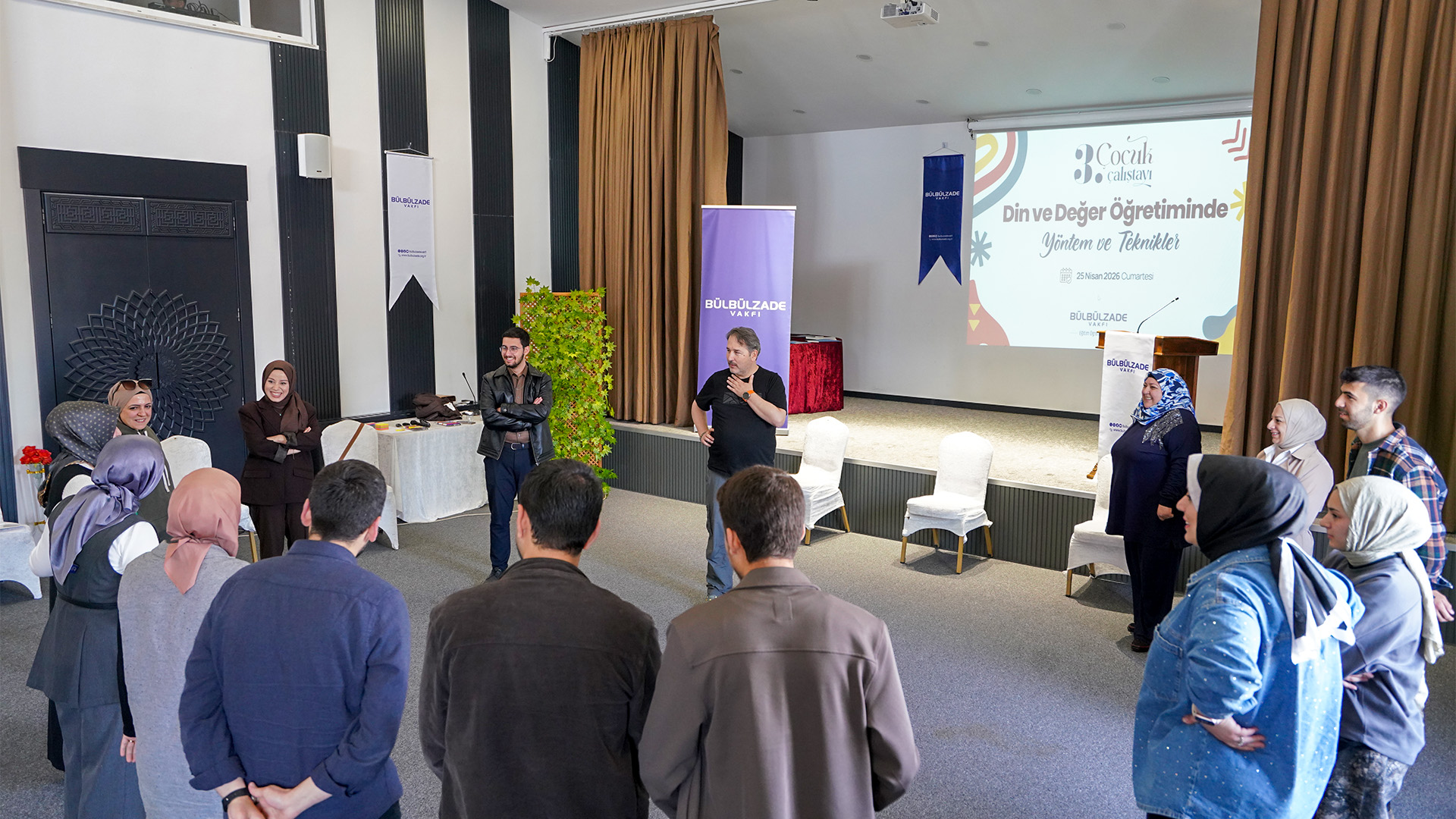
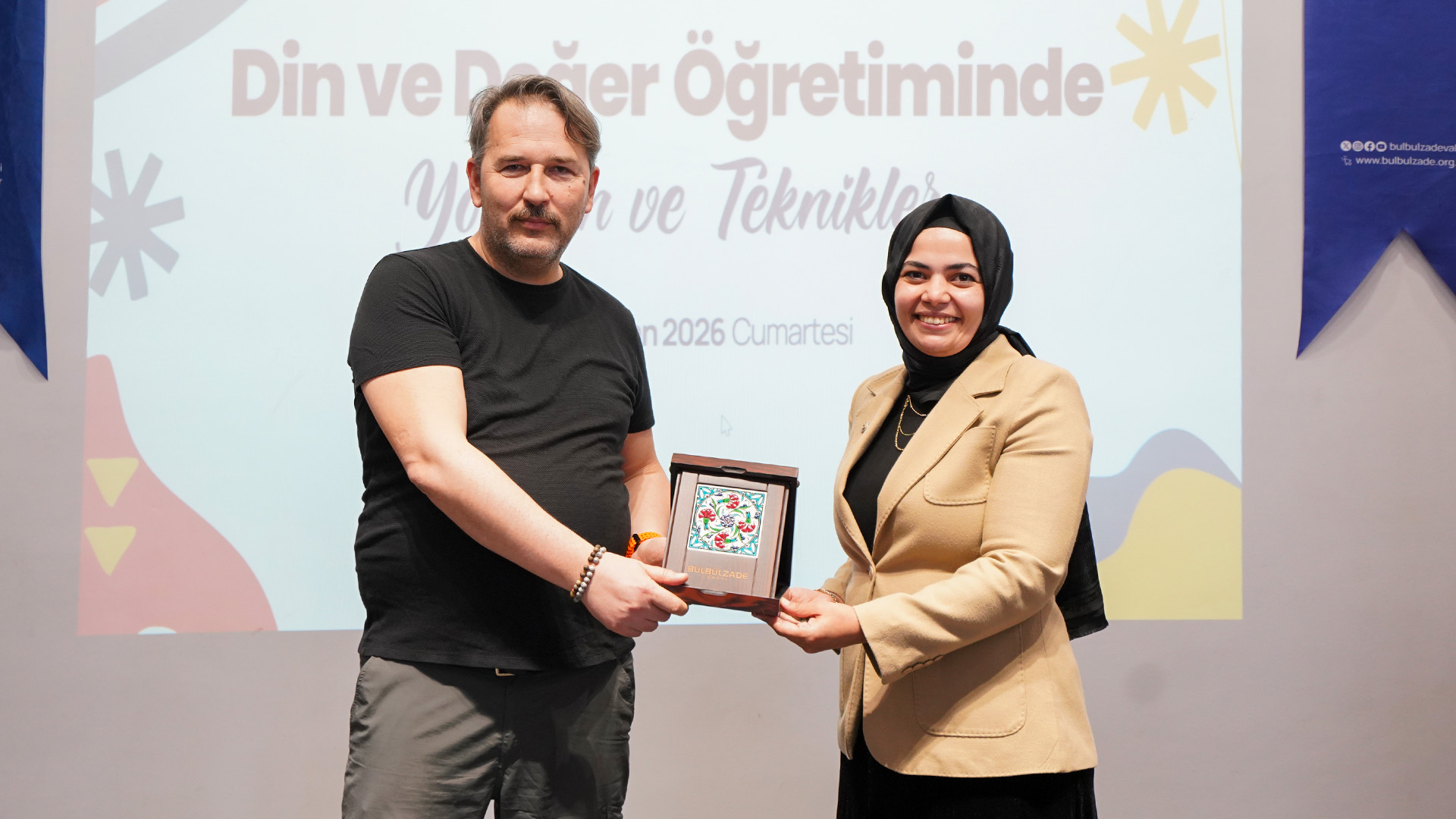
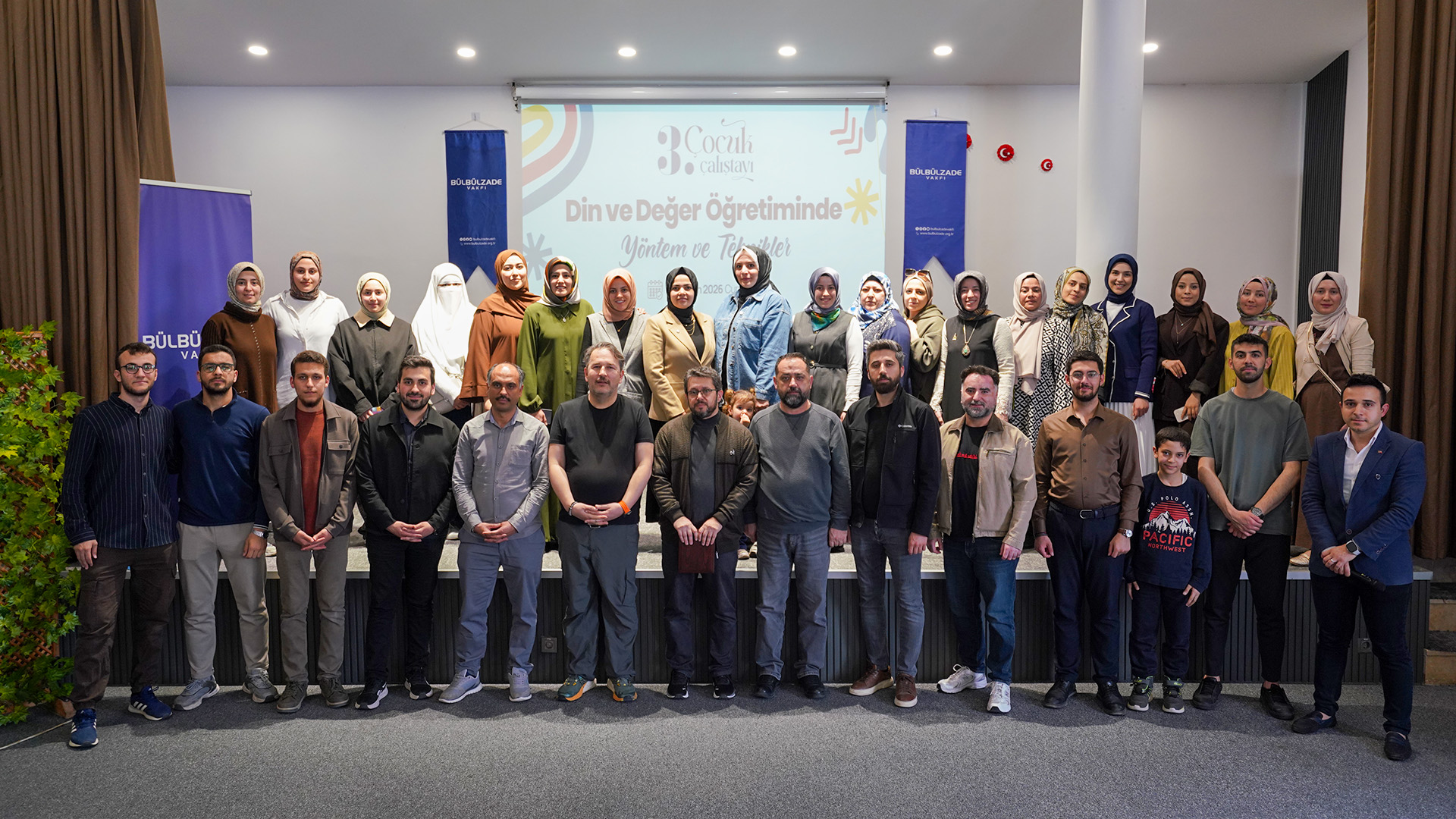
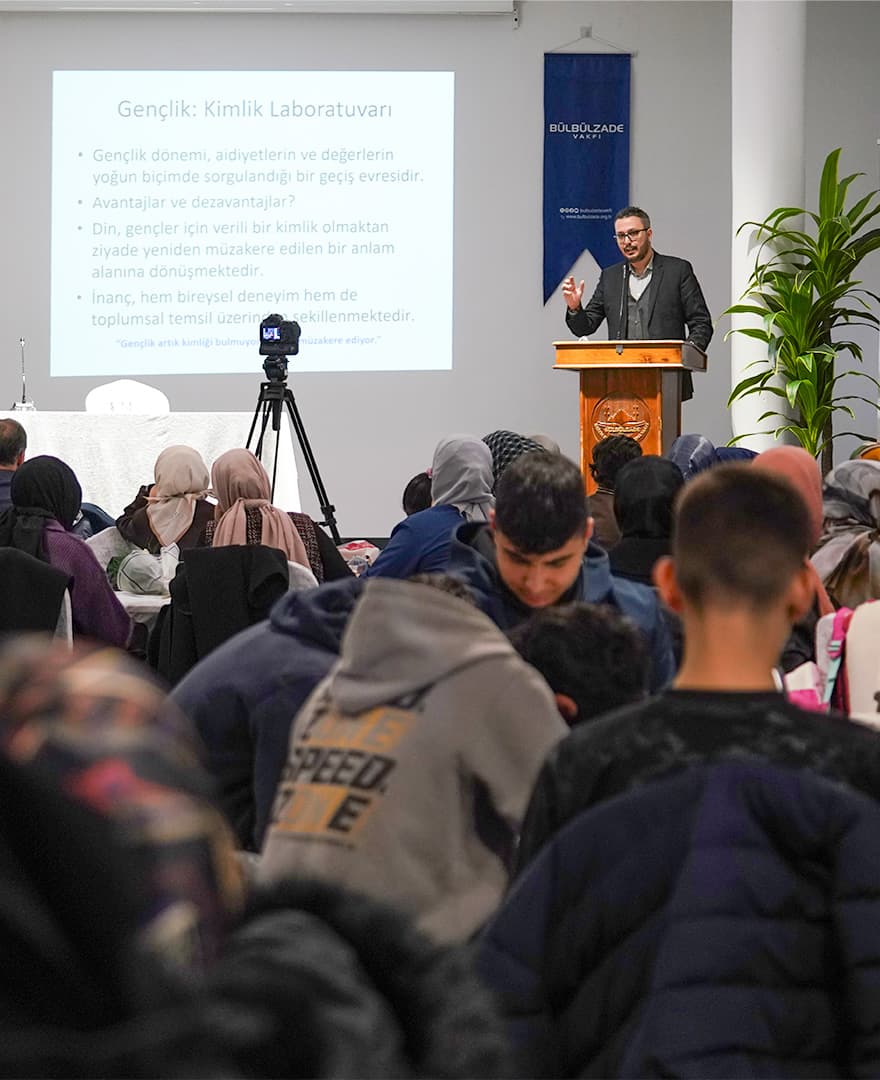
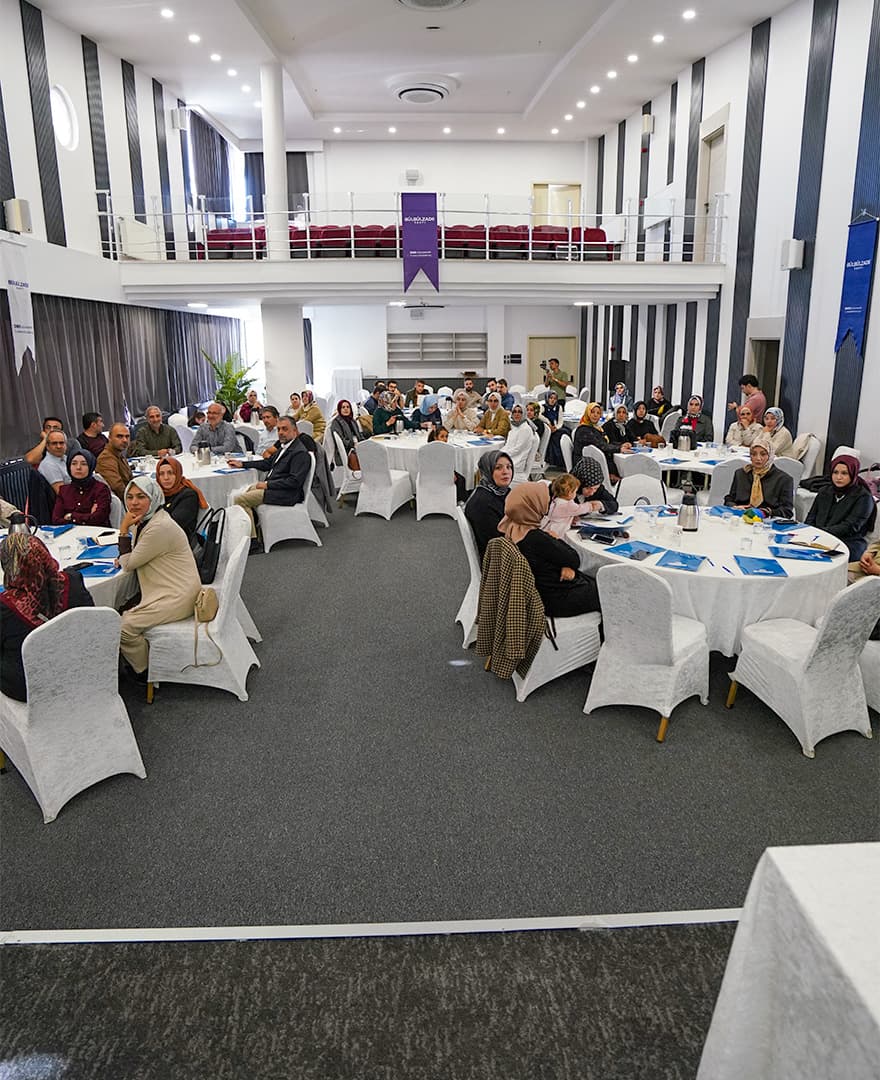
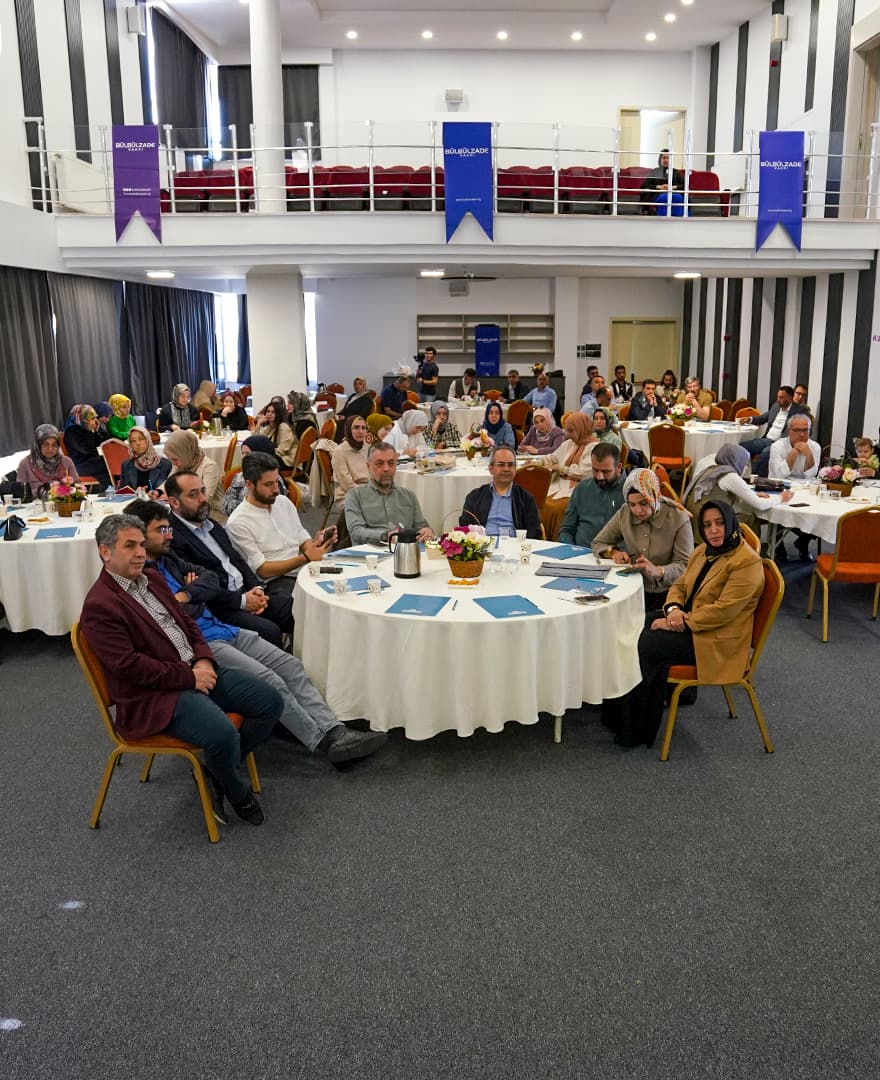
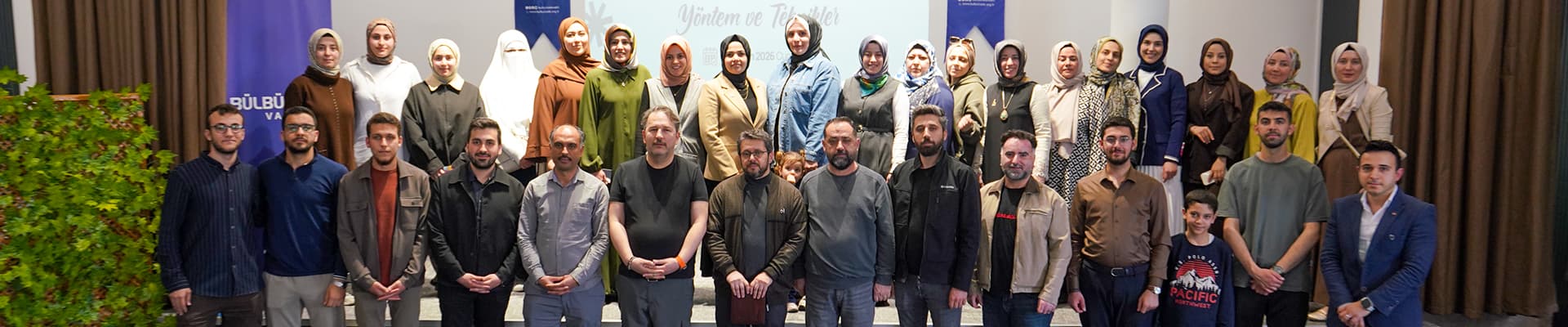
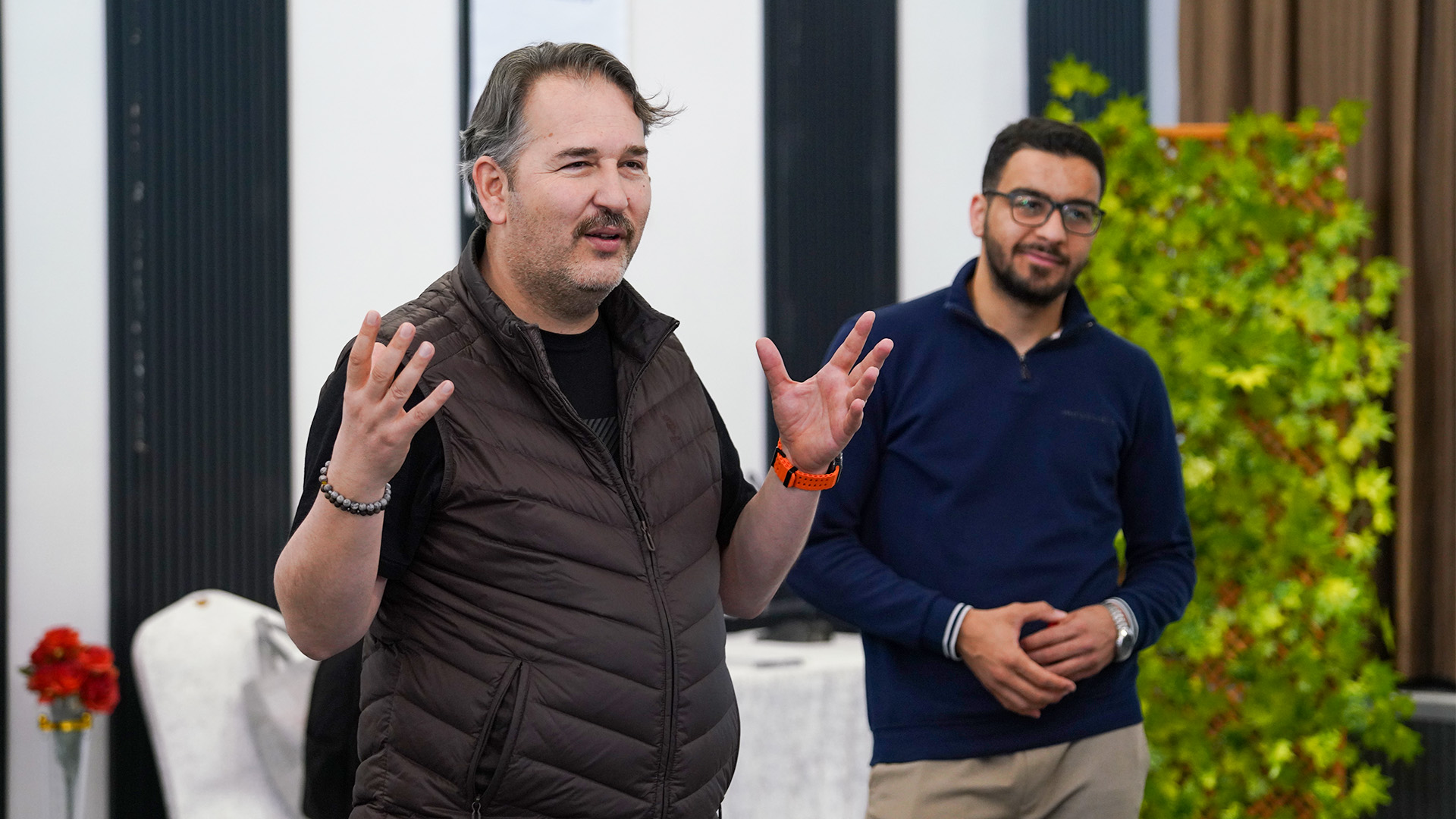
The 3rd Children's Workshop, organized by the Bülbülzade Foundation Education Teachers Unit, was held at Zade Life Hotel Zeugma Hall with the theme "Methods and Techniques in Teaching Religion and Values."

Bülbülzade Foundation has added a new one to its qualified efforts in children's education. The Children's Workshop, organized for the third time this year, brought together teachers and educators to discuss innovative methods in the field of religious and values education. The program, hosted by Zade Life Hotel on Saturday, April 25, 2026, was completed with intense participation and interactive workshops.

The opening speech was delivered by Hatice Neşe Çandır, a member of the Education and Teachers Unit. Emphasizing that education is a process of building a human being, Çandır stated that how we teach is just as important as what we teach. She noted that even the most valuable content cannot reach its goal if the method is not properly constructed, and emphasized that students should be transformed from passive recipients into active subjects in the educational process.

OUR AIM IS TO ENRICH OUR CONCEPTUAL WORLD

Çandır also touched upon the history of this traditional educational marathon organized by the foundation. She stated that the experience gained from the first two workshops laid the groundwork for this year's focus on "Methods and Techniques." Referring to the Concept Workshops and Youth Workshops carried out within the foundation, she emphasized that all these organizations are part of a holistic educational vision that nourishes one another. She noted that the main purpose of these efforts is to enrich the conceptual world of young people and educators and prepare them better for the future. Describing the 3rd Children's Workshop as a ground where experiences are shared and new ideas flourish, she pointed to the power of experiential learning by referencing Confucius’ saying: “I hear and I forget, I see and I remember, I do and I understand.”

THEORETICAL KNOWLEDGE SUPPORTED BY PRACTICE

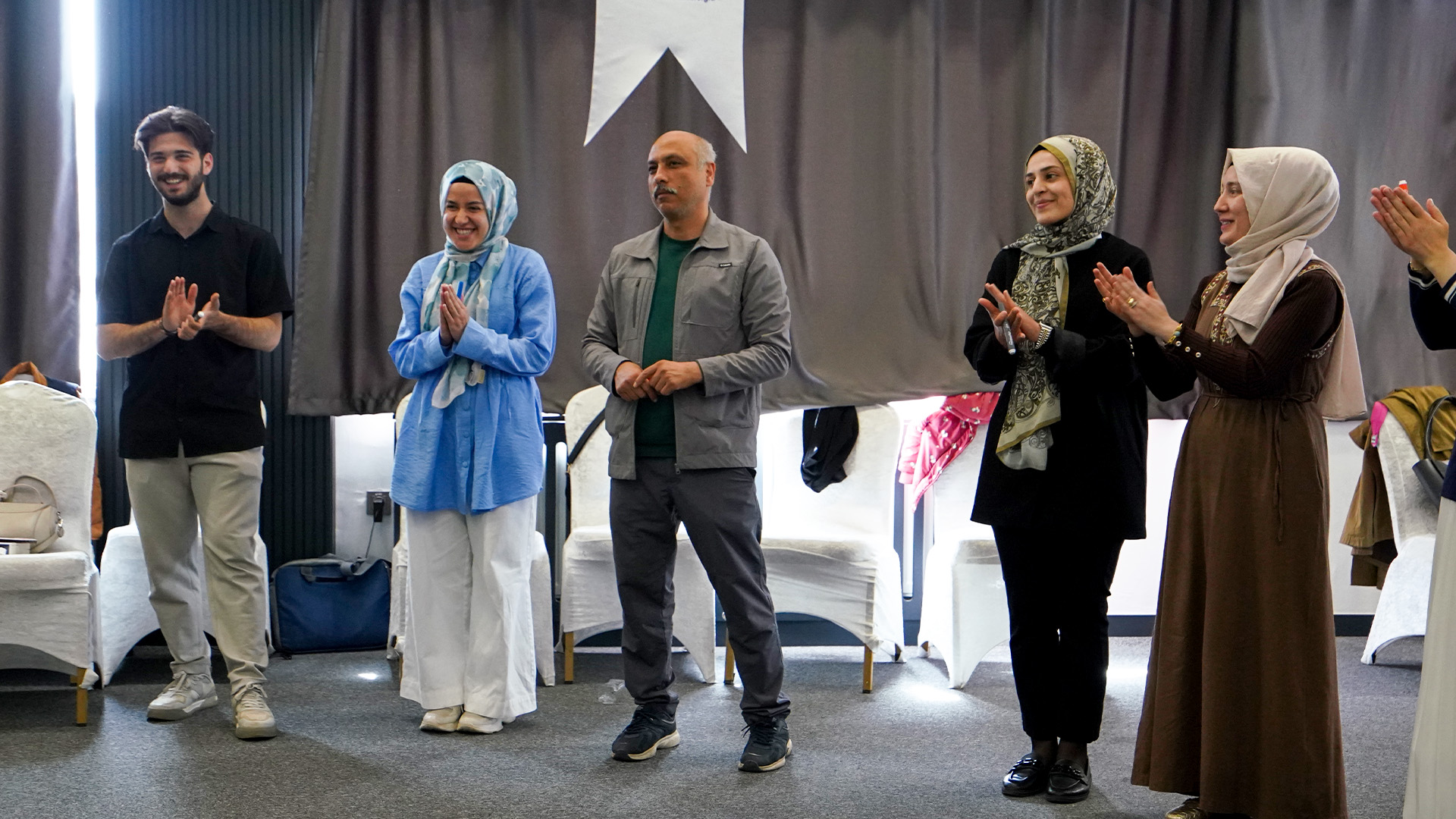
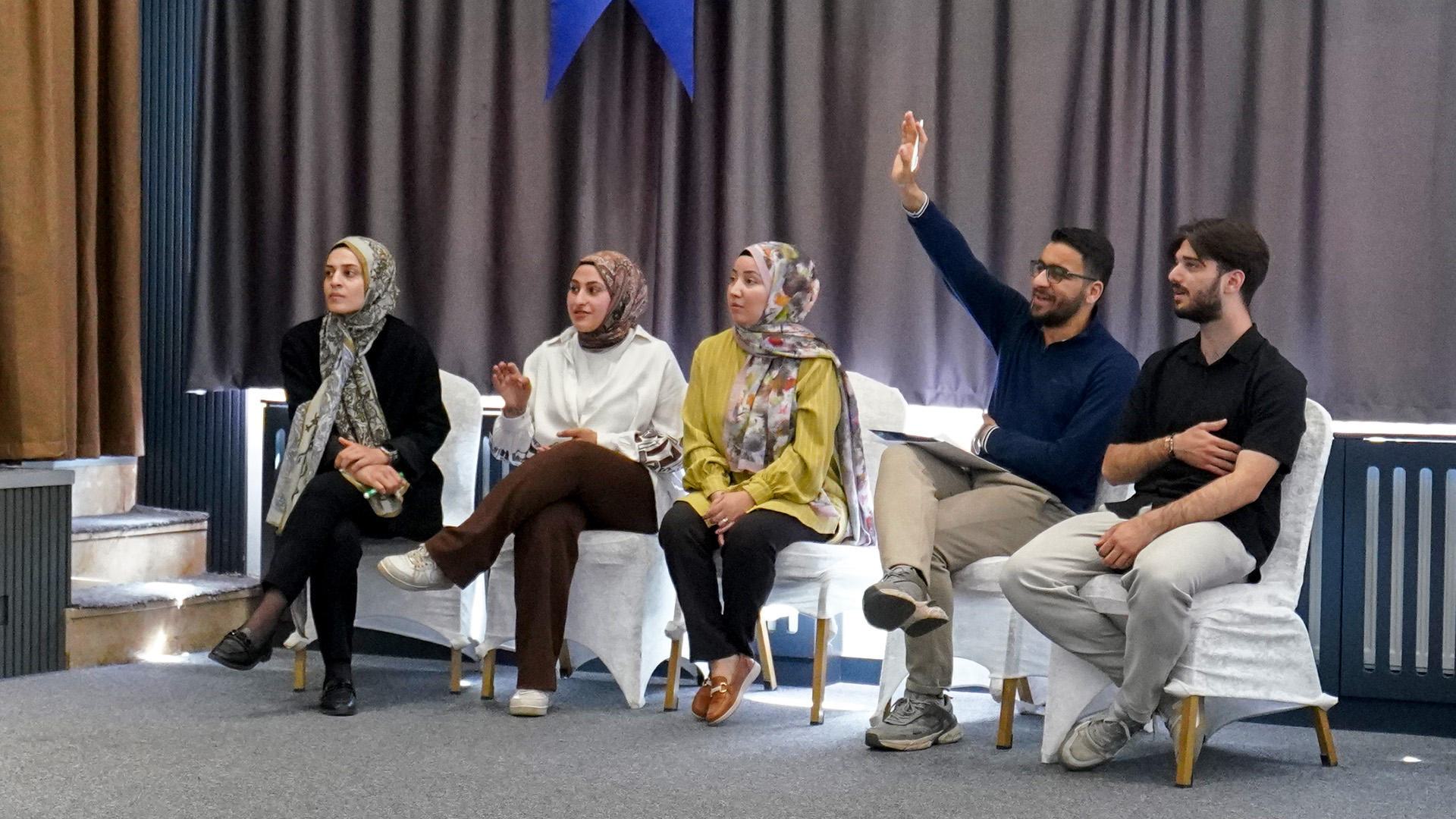
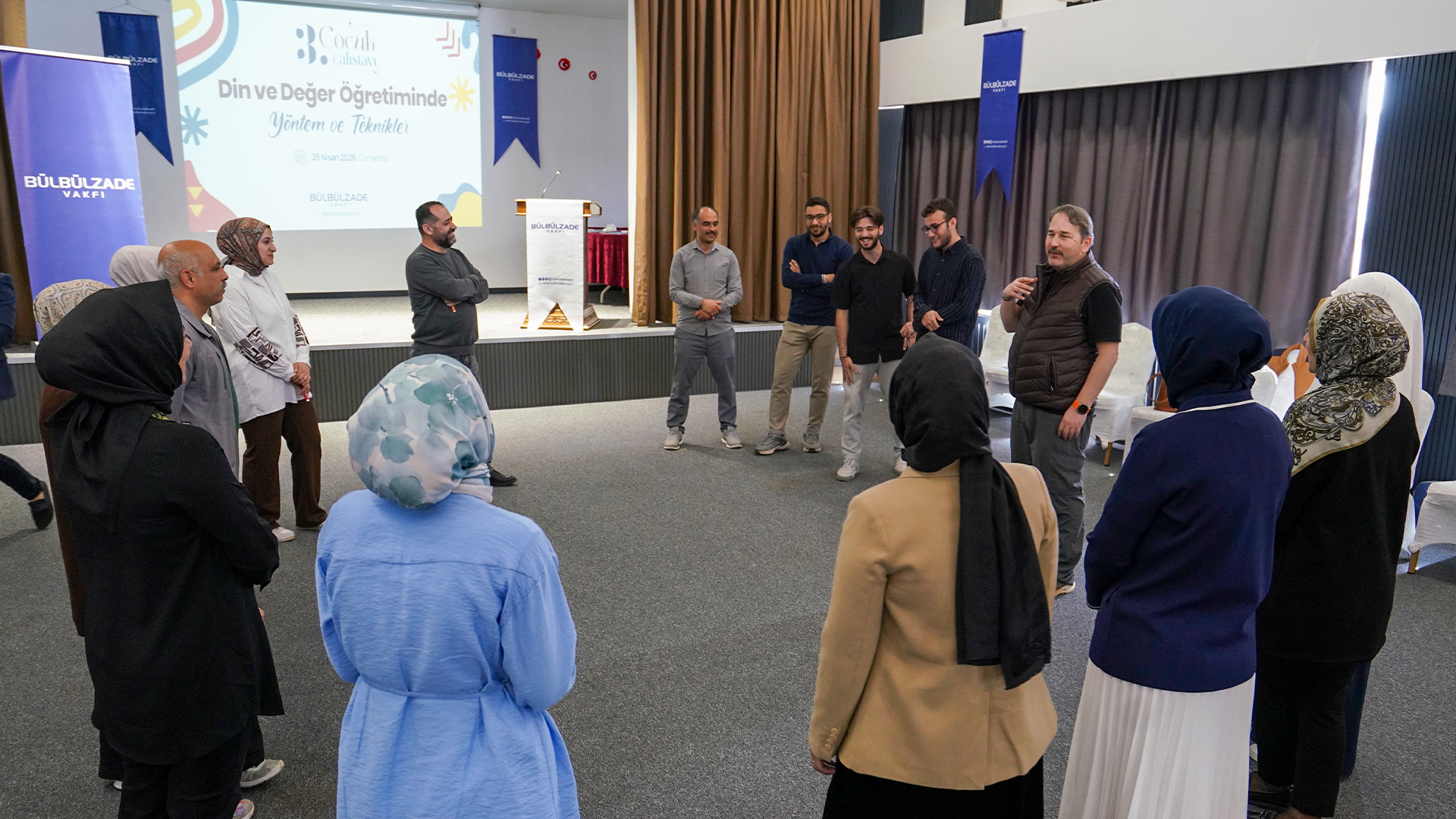
The workshops held within the scope of the program offered participants both an enjoyable and educational experience. Sedat Cankılıç ensured active participation through the “Drama and Game in Education Workshop,” while Mustafa Yılmaz demonstrated the advantages of the applied education model in the “Activity-Centered Education (Method-Technique) Workshop.” Through these drama and game-focused workshops, educators gained different perspectives on teaching processes. In sessions filled with enjoyable moments, new methods and techniques that can be used in education were acquired in a lasting way by supporting theoretical knowledge with practical applications.

THE ART OF BUILDING A HUMAN

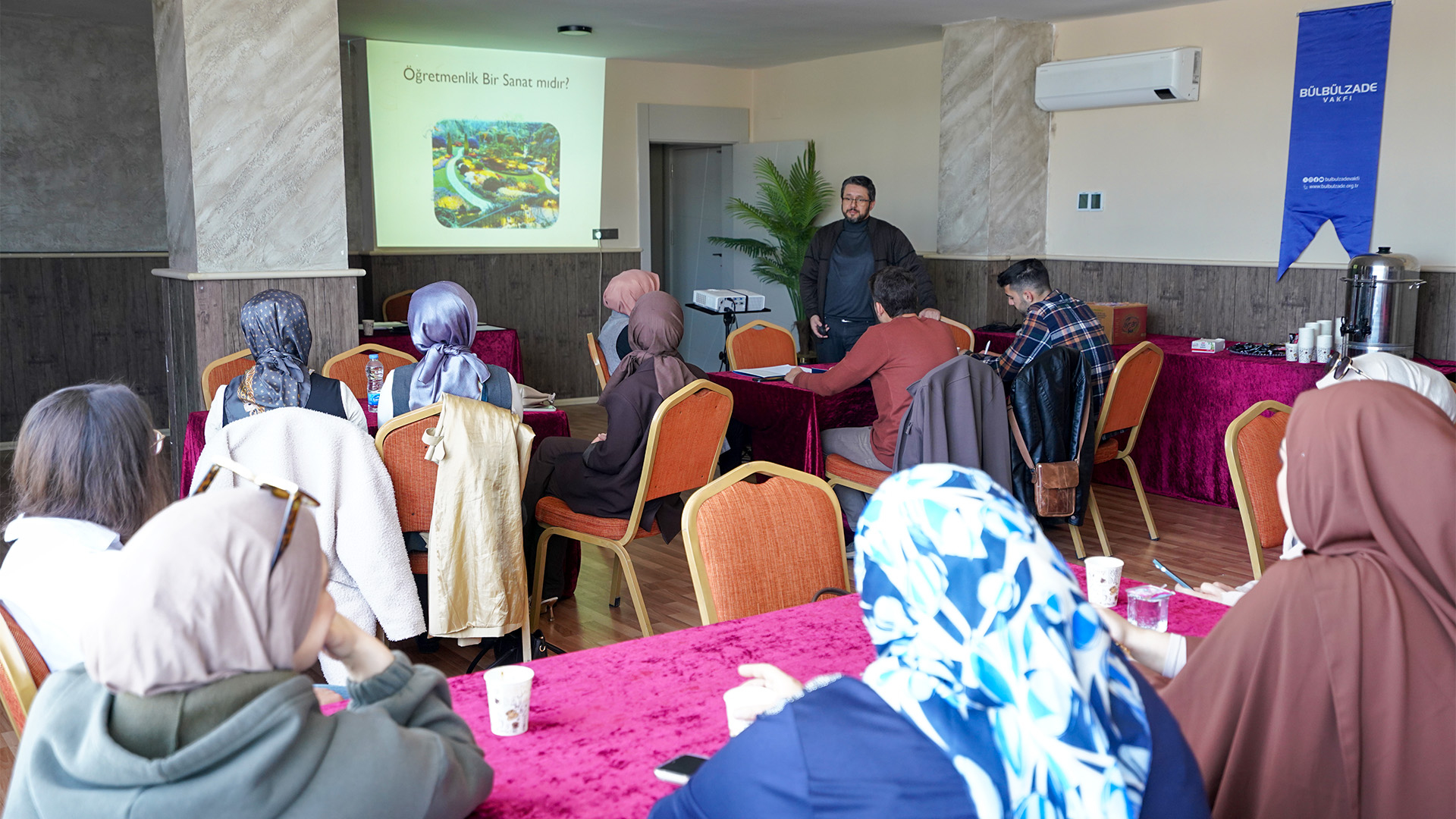
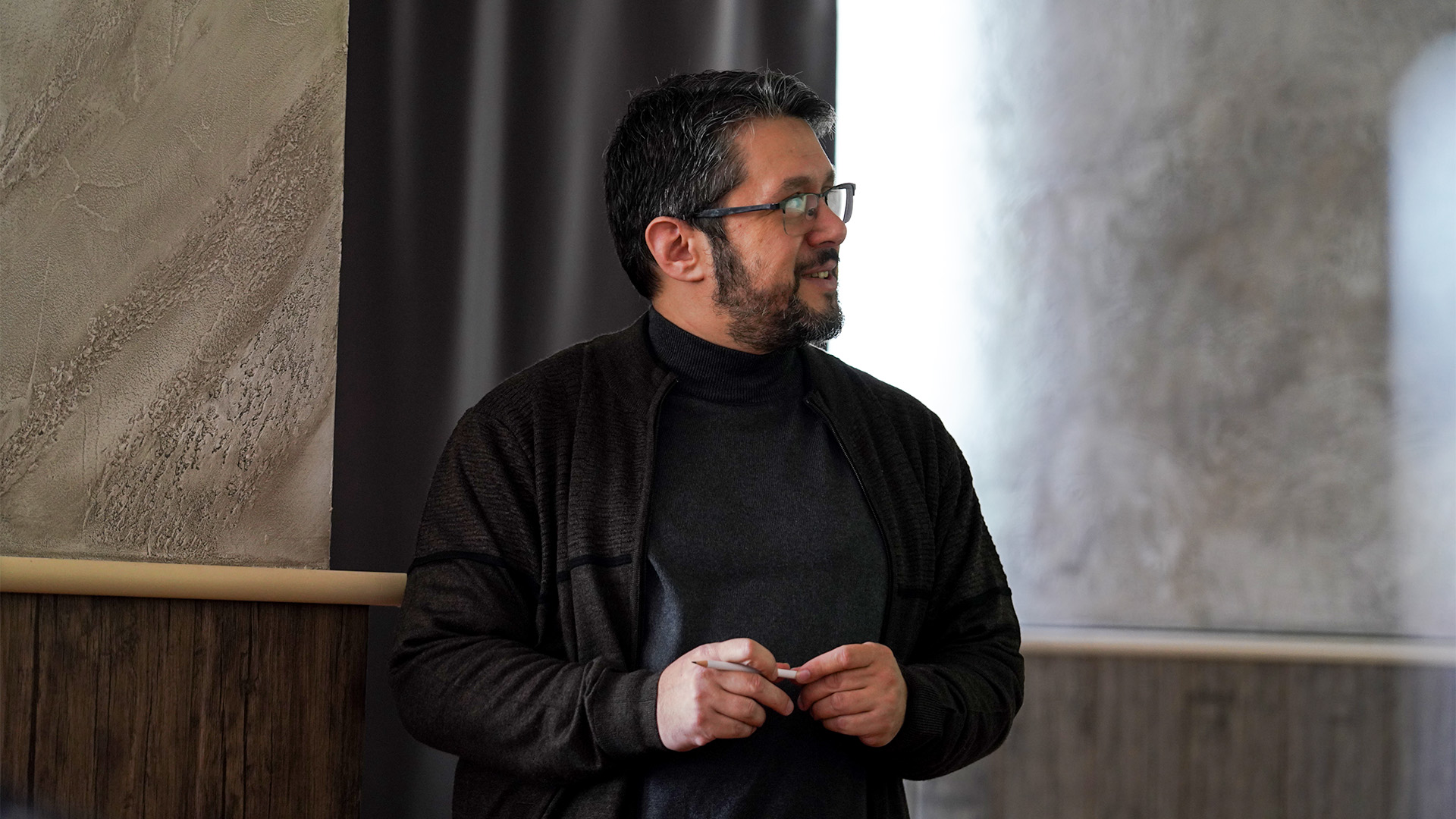
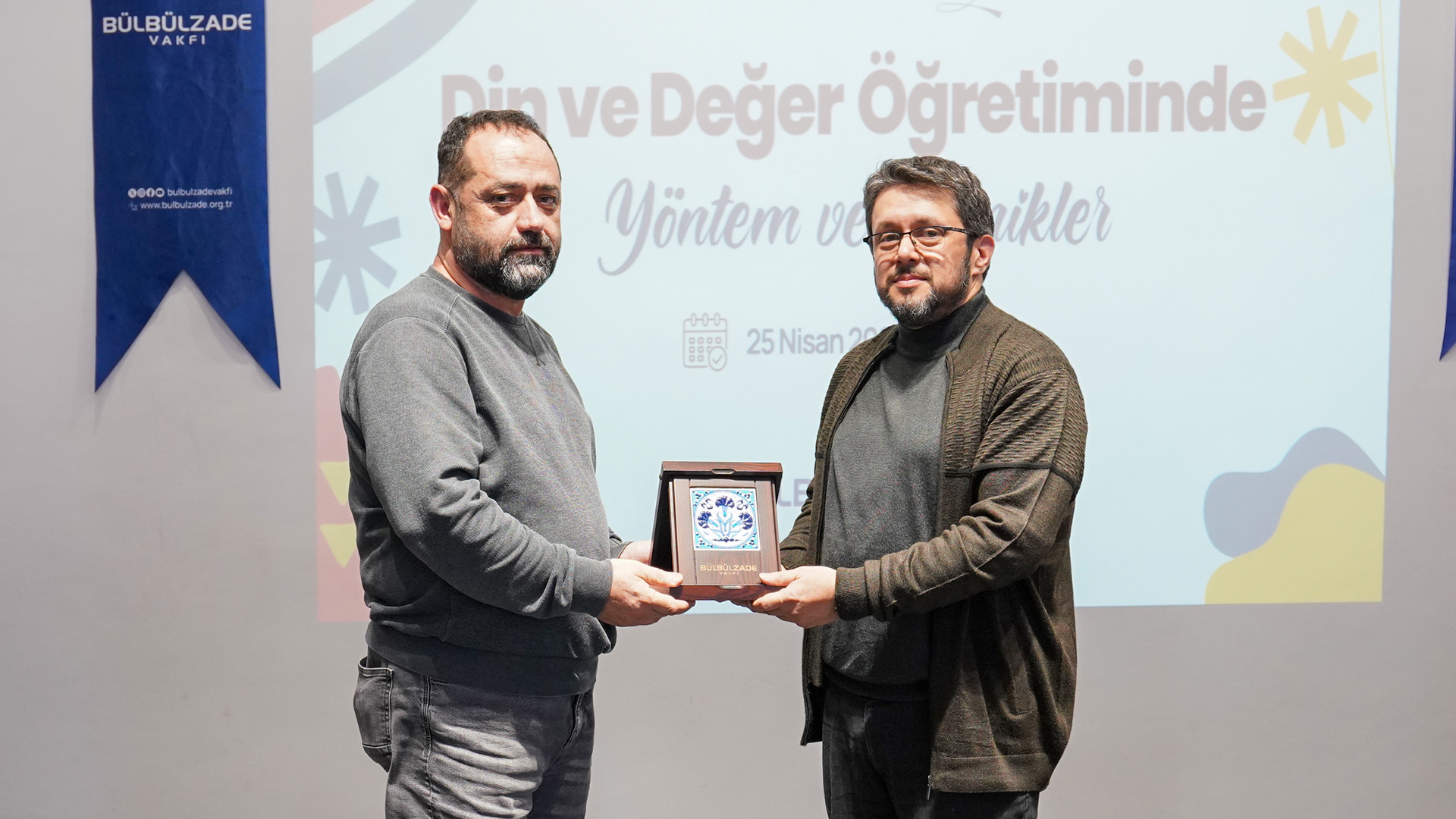
In his presentation within the “Activity-Centered Education Workshop,” Mustafa Yılmaz emphasized that teaching is an “art of building a human” blended with an aesthetic sense. He stated that just as a gardener must know flowers, soil, and climate, a teacher must understand the student’s psychology, social background, and school climate in detail. He pointed out that education carried out without considering the social realities and local culture of Gaziantep would be incomplete, and emphasized that the teacher’s main task is to create an aesthetic harmony and atmosphere of friendship in the classroom like an artist.

PRESENTING KNOWLEDGE AS A MODEL

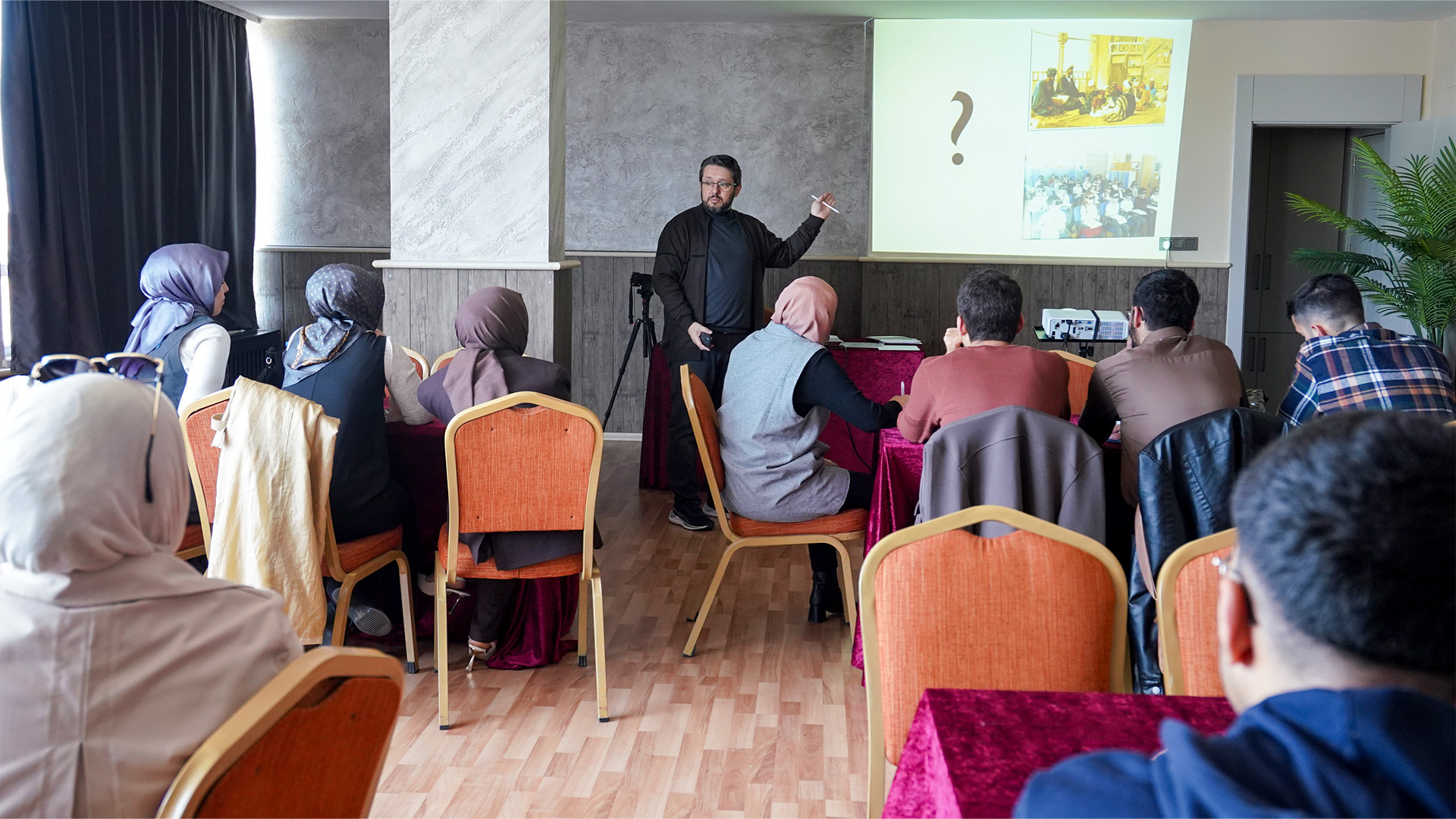
Yılmaz presented concrete examples through interactive dramas and scenes from the film “Neşeli Günler” to understand the changing student profile of the modern era. Unlike the discipline-oriented education approach of the past, he emphasized that today’s students have different motivations for attending school, and therefore knowledge should be presented as a “model” rather than something to be “sold.” He conveyed that effective teaching is only possible through methods and techniques that make the student an active subject, and that teaching without practice and engagement cannot achieve its goal.

CREATING A “MENTAL ANCHOR”

Yılmaz shared activity models applicable at three different stages of education. He explained that pre-topic activities create curiosity and form a “mental anchor” (a stimulus that triggers a certain emotional state, thought, or memory). Through an interactive game conducted with eight participants, he concretized the concept of “order in the universe.” Using this activity, he conveyed that the delicate balance and order in the universe can only exist through the will of a creator. He emphasized that such gamifications transform students from passive listeners into active participants who relate lessons to life.

DISRUPTIVE QUESTIONS

Continuing his presentation, Yılmaz addressed critical thinking techniques and the art of questioning, explaining how disruptive questions activate students' minds. He pointed out that teaching the conquest of Istanbul through modern approaches such as “If you were an Ottoman soldier, what kind of tweet would you post after this victory?” ensures lasting learning. He also illustrated the concept of “fitrah” using a blank A4 paper, emphasizing that humans are born pure and that preserving this essence throughout life is the main goal of education.

CONFIDENCE BASED ON DATA

Yılmaz also demonstrated techniques such as “3-2-1” and “Photo Reading” and how they deepen students’ mental processes. He conducted a reasoning exercise through the relatives of the Prophet using the “3-2-1” technique and explained that photo reading involves understanding the story and wisdom behind an image, not just observing it. He argued that students should gain data-driven confidence by sharing statistics on safety and social justice between the Western world and the Islamic world. The workshop concluded with the message that educators are responsible not only for completing the curriculum but also for achieving lasting aesthetic harmony in students’ emotional worlds.

THE FLEXIBILITY OFFERED BY GAME AND DRAMA

Sedat Cankılıç emphasized in the “Drama and Game in Education Workshop” that drama is a method that develops the ability to cope with challenging scenarios and produce quick solutions. He noted that changing dynamics in society, especially after the pandemic, have made scenarios more complex. Through practical activities, participants experienced viewing situations from the student’s perspective, managing crises, and developing methods appropriate to the moment. At the end of the workshop, he highlighted that the flexibility of games and drama provides educators with alternative perspectives and a “Plan B” for unexpected situations in the classroom.

After a total of six sessions held in the morning and afternoon, a general evaluation was conducted. The 3rd Children's Workshop concluded with a closing session where participants shared their opinions and suggestions.

The first Children's Workshop was held on April 19, 2025, under the title “I Wonder About Allah, I Get to Know My Prophets,” and the second on October 18, 2025, under the title “Small Hearts, Big Questions: How Can We Explain Abstract Concepts to Children?”
Galleries
Image 1
Image 2
Image 3
Image 4
Image 5
Image 6
Image 7
Image 8
Image 9
Image 10
Image 11
Image 12

OUR OTHER ACTIVITIES

For all our work that touches people's lives and for the support we seek
WE ARE TALKING ABOUT ISLAM WITH YOUTH – 2
100%

WE ARE TALKING ABOUT ISLAM WITH YOUTH – 2

February 17, 2026
Let Us Not Suffocate Youth by Narrowing the Sphere of HalalAt the “Talking About Islam with Youth – 2” workshop organized by the Bülbülzade Foundation, the “algocracy” order brought about by the digital age, young people’s identity quests, and the sphere of freedom in religion were discussed. Prof. Dr. Muhammet Enes Kala emphasized that young people’s questioning should be read not as a threat, but as a search for truth.The second of our “Talking About Islam with Youth” workshop series, organized under the leadership of the Education and Teachers Unit of the Bülbülzade Vakfı to understand the world of faith of young people, produce solutions to their problems, and develop an authentic language of communication with them, was held on Saturday, February 14, 2026, at Zade Life Hotel Zeugma Hall. Organized under the main theme “Religious Searches of Youth: Identity, Faith and Society,” the program was completed with a Qur’an recitation, a poetry performance, student presentations, and an illuminating conference by Prof. Dr. Muhammet Enes Kala.YOUTH ASKED, YOUTH SPOKEThe program began in a spiritual atmosphere with a Qur’an recitation and the recitation of the poem Amentü by Muhammet Ensar Cünedioğlu. Following the opening speech delivered on behalf of our foundation by Ayşegül Ağcalar Günaslan, we gave the floor directly to the youth. In the session moderated by our Foundation Director Zeynel Kaplan, our young brothers and sisters addressed matters of faith from their own perspectives. Ahmet Ali Bozar presented on “What Did Religion Tell Us, What Did We Understand?”, İkbal Osanmaz on “Religious Dilemmas Faced by Youth,” Betül Kübra Aydağ on “Freedom and Responsibility in Faith,” and Ali Sait Özmantar on “Youth and Religion in the Postmodern Age: Opportunity or Obstacle?” The insights of the young speakers were followed with great interest by educators and participants in the hall.DO NOT REDUCE RELIGION TO A LIST OF PROHIBITIONSReferring to the youth presentations in his speech, Prof. Dr. Muhammet Enes Kala made striking remarks regarding today’s religious education and language of communication. Stating that one of the fundamental mistakes made while conveying religion is “narrowing the sphere,” Kala said: “We must not narrow the sphere of permissibility (ibaha). Without showing young people the breadth of the halal sphere, we should not directly present the sphere of the haram and suffocate them.”NOT ABRAHAM, BUT THE MODEL OF PROPHET IBRAHIMDrawing attention to the misreading of young people’s questioning processes through the figure of “Abraham” in Western theology and “Prophet Ibrahim” in the Qur’an, Prof. Dr. Kala shared the following important observation: “The Abraham model in Western theology represents blind faith, ‘fideism.’ However, the Prophet Ibrahim described in the Qur’an is a young man who questions, who rejects what is merely imitated, and who seeks verified truth. This search, inquiry, and even opposition that exist in the nature of our youth are in fact innate qualities. We should see their questions not as threats but as efforts to reach the truth.”FROM DEMOCRACY TO ECHO CHAMBERSAddressing the impact of digitalization on faith, Kala stated that today “Democracy” has been replaced by an “Algocracy” regime governed by algorithms. Noting that social media algorithms imprison individuals in “echo chambers,” Kala said: “These echo chambers, where everyone only hears those who think like themselves, prevent us from seeing the whole truth. Our youth are within a digital ‘oasis’; our duty is to transform this oasis into a meaningful space for them.”WHAT IS DISTANCING YOUTH FROM ISLAM?Touching upon the recent rise in discussions on deism and atheism, Prof. Dr. Kala emphasized that this situation should be read not merely as a “deviation” but as a “search for answers.” Kala concluded his remarks by saying: “What did a young person fail to find while being a Muslim that led them into another search? What deficiency in religious representation, justice, or sincerity pushed them to this point? Before judging the youth, we must ask these questions to ourselves.”The program concluded with an open microphone session in which participants’ questions were answered. As the Bülbülzade Foundation, we will continue to listen to the voices of youth and think together with them.
ACTIVITY DETAILS
CONCEPT WORKSHOP
100%

CONCEPT WORKSHOP

November 22, 2025
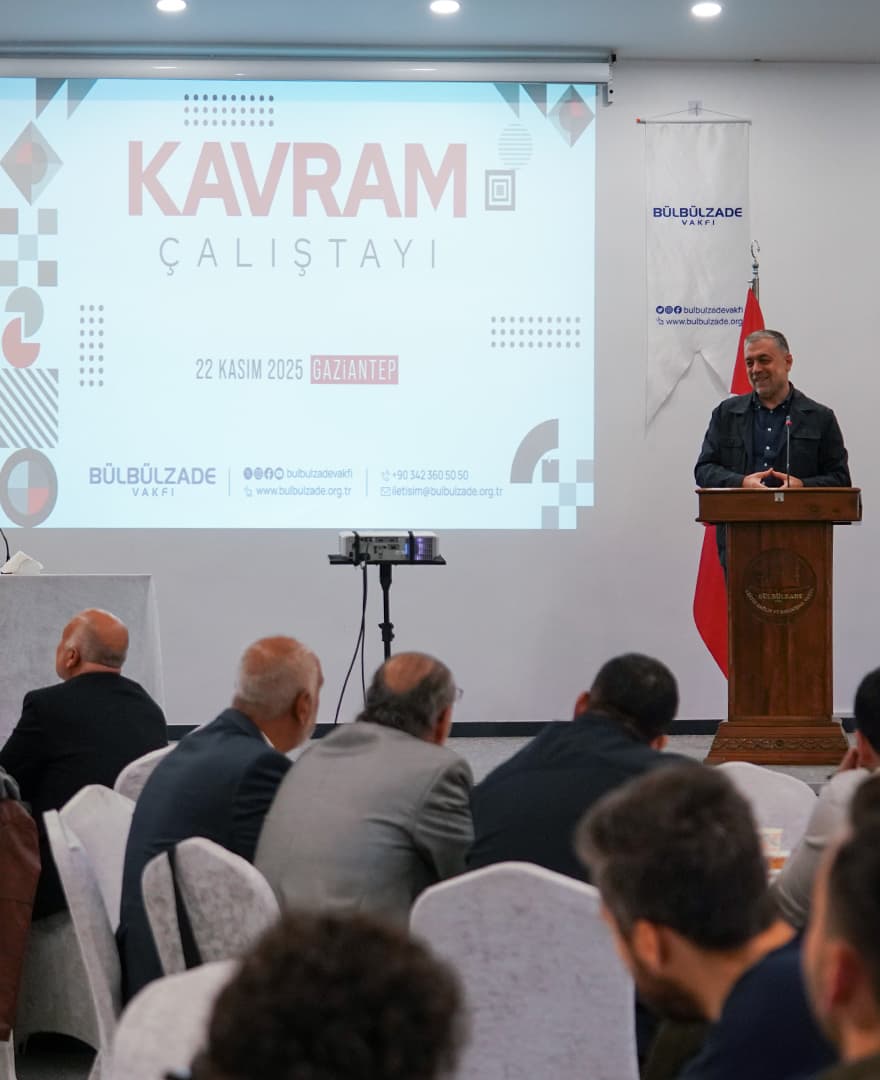
The “Concept Workshop” was held on November 22, 2025, by the Bülbülzade Foundation Education Teachers Unit. The workshop, organized at Zade Life Hotel, was moderated by Ebuzer Nas. The event included various presentations aimed at enhancing conceptual clarity and reassessing intellectual frameworks.The workshop began with an opening speech by Turgay Aldemir, President of the Bülbülzade Foundation. Reflecting on concepts, Aldemir emphasized that the human mind thinks through concepts, yet a sound mind does not reduce truth solely to concepts, stating, “Truth is greater than the concepts and meanings that describe it.”The first session of the workshop continued with a presentation titled “Rethinking Our Concept Sets” by Ali Özcan, President of the Refar Institute. Özcan addressed the background of concepts and the need to reassess established sets of thought.Ebuzer Nas, the coordinator of the Concept Workshop, detailed the intellectual framework of the event in his presentation titled “Purpose and Goals of the Workshop.”The workshop continued with Ahmet Taşkesen’s presentation “Evaluation of Existing Contexts.” After the presentation, focus groups were formed and group discussions were held.The third presentation of the workshop was delivered by Şehadet Gerçek, titled “Identifying New Conceptual Contexts.” Highlighting the importance of concept sets, Gerçek stated, “The time has come for us to produce our own concepts and contexts with a strong, confident, and self-assured psychology.” After the presentation, participants engaged in a brainstorming session on concept analysis, paving the way for new ideas to emerge.Following the analyses, the workshop continued with the sessions “Concepts and Contexts to Be Avoided” and “Risk Analysis,” in which the potential impacts of the conceptual preferences were discussed. Finally, after the session titled “Concepts/Contexts to Be Prioritized and Abandoned,” the workshop concluded with the sharing of views on the subject of concepts and a closing speech.
ACTIVITY DETAILS
2ND CHILDREN'S WORKSHOP: LITTLE HEARTS, BIG QUESTIONS
100%

2ND CHILDREN'S WORKSHOP: LITTLE HEARTS, BIG QUESTIONS

October 18, 2025
2nd Children's Workshop: Little Hearts, Big Questions – How Can We Explain Abstract Concepts to Children?Organized by the Bülbülzade Foundation Teacher Education Unit, the 2nd Children’s Workshop was held under the title “Little Hearts, Big Questions: How Can We Explain Abstract Concepts to Children?”. Educator-Author Şule Kala and Clinical Psychologist Merve Doğanlar gave presentations at the workshop.The opening speech was delivered by Hatice Neşe Çandır, a member of the Education and Teacher Unit. Emphasizing the aim of the second children’s workshop, Çandır stated: “How should we as adults respond to children's abstract questions and what kind of attitude should we adopt? We will seek answers to these questions.” After the opening speech, the results of a survey conducted within the scope of the workshop were shared. In the survey, which evaluated the answers given by families to the questions children ask, the following points were made: “Children learn concepts such as good and evil by concretizing them; they evaluate their behavior through these images. Some participants, however, believe that misusing these images may lead to fear or pressure.” The Education Unit has carried out many educational activities for children, youth, and adults. It was also announced that two upcoming workshops will be held: the “Concept Workshop” and “Discussing Islam with Youth Workshop”.The first presentation of the workshop was delivered by Educator-Author Şule Kala. She addressed how to respond to children's religious questions and provided participants with strategies for age-appropriate answers. Emphasizing the importance of nurturing children’s spiritual world, Kala said: “The answers given to children become seeds of faith. For these seeds to sprout, they need the soil of curiosity, the water of love, and the light of patience. Faith saplings can only flourish through a healthy religious education. It is important to highlight these values in conclusion.”The second presentation was delivered by Clinical Psychologist Merve Doğanlar. She explained how the concept of faith is formed and how children make sense of it. She particularly focused on the questions that children ask their parents. Doğanlar also discussed the brain-based perception of reality, sharing detailed information about the neuropsychological development of children aged 4 to 12.Following the presentations, workshop activities were conducted with the participants. The workshops were organized under four categories: Death–Afterlife, Heaven–Hell, Angels–Devil, and Good–Evil, based on questions children often ask their families. The aim was to seek answers to the questions: “What do children ask most, and how can we respond to them?”. The program concluded with the evaluation of the workshop results.Click here for the survey results of the 2nd Children's Workshop.
ACTIVITY DETAILS
“I WONDER ABOUT GOD I KNOW MY PROPHETS” WORKSHOP
100%

“I WONDER ABOUT GOD I KNOW MY PROPHETS” WORKSHOP

April 23, 2025
“I Wonder Allah, I Know My Prophets” WorkshopBülbülzülzade Foundation Education and Teacher Unit held the workshop program titled “I Wonder Allah, I Know My Prophets” on Saturday, April 19, 2025 at Zade Life Hotel within the foundation. Various university, secondary and primary school educators, academics, experts and parents participated in the training program, which aims to guide children's religious curiosity.The program included important sessions and workshops on how educators and parents should approach the questions children face in the process of getting to know Allah.The first session of the day started with an interview with author Özkan Öze on his book “Allah'ı Merak Ediyorum”. The background of children's questions about Allah, parents' attitudes towards these questions and the correct ways to answer them were discussed in detail.In the second part of the program, a workshop session titled “Children's Religious Curiosity and Adults' Approach” was held. Participants made evaluations on the child-centered approach in religious education through group presentations.Nurcan Yıldırım's talk titled “Style and Prophet Lives”, which started after the lunch break, emphasized how the prophet parables should be explained to children and the importance of a language based on love and compassion.The 2nd Workshop Session of the program was titled “Discussions on the Lives of the Prophets”. Five different groups discussed how to answer the questions that children are most curious about with excerpts from the lives of five prophets from Adam to Moses. In the workshops; various topics such as “Why were humans sent to the world?”, “How to gain questioning and contemplation?”, “Why is forgiveness important?”, “Do miracles really happen?” and “Why did Prophet Moses oppose Pharaoh?” were discussed.Bülbülzade Foundation's Education and Teacher Unit added a new one to its work with educators for children and young people and contributed to equipping the participants with both theoretical knowledge and practical approaches. The program ended with group presentations and general evaluation.
ACTIVITY DETAILS

INITIATE BIG CHANGES WITH ONE SMALL STEP

By joining our projects ranging from education to food security, and from healthcare to social solidarity, you can brighten a life and help us nurture hopes for the future together.


Be a part of change!

Quick Donation
Select Project
₺1.000
₺2.000
₺3.000

EVENTS

SuMoTuWeThFrSa
2930311234
567891011
12131415161718
19202122232425
262728293012
3456789

OUR AFFILIATES

OUR FOUNDATIONS

OUR COLLABORATIONS

Subscribe
You can subscribe to our mailing list to stay informed about the latest updates published by the Bülbülzade Foundation.
Logo

Inspired by the deep-rooted history of Gaziantep, the Bülbülzade Foundation operates with the vision of carrying the cultural heritage of the past into the future. Focusing on social development, our foundation remains committed to contributing to the building of modern Türkiye through high-quality projects in the fields of education and culture.

-

XYouTubeFacebookLinkedInIstagram
Logo

As a result of our foundation’s application, with the Presidential Decree No. 8097 dated January 17, 2024, our foundation has been granted “tax exemption” in accordance with Article 20 of Law No. 4962. Some of the rights granted to our foundation under the aforementioned Law No. 4962, the General Communiqué on Granting Tax Exemption to Foundations, and other related laws are listed below.

Copyright 2024 All rights reserved.Nowismedia
Kişisel veriler3