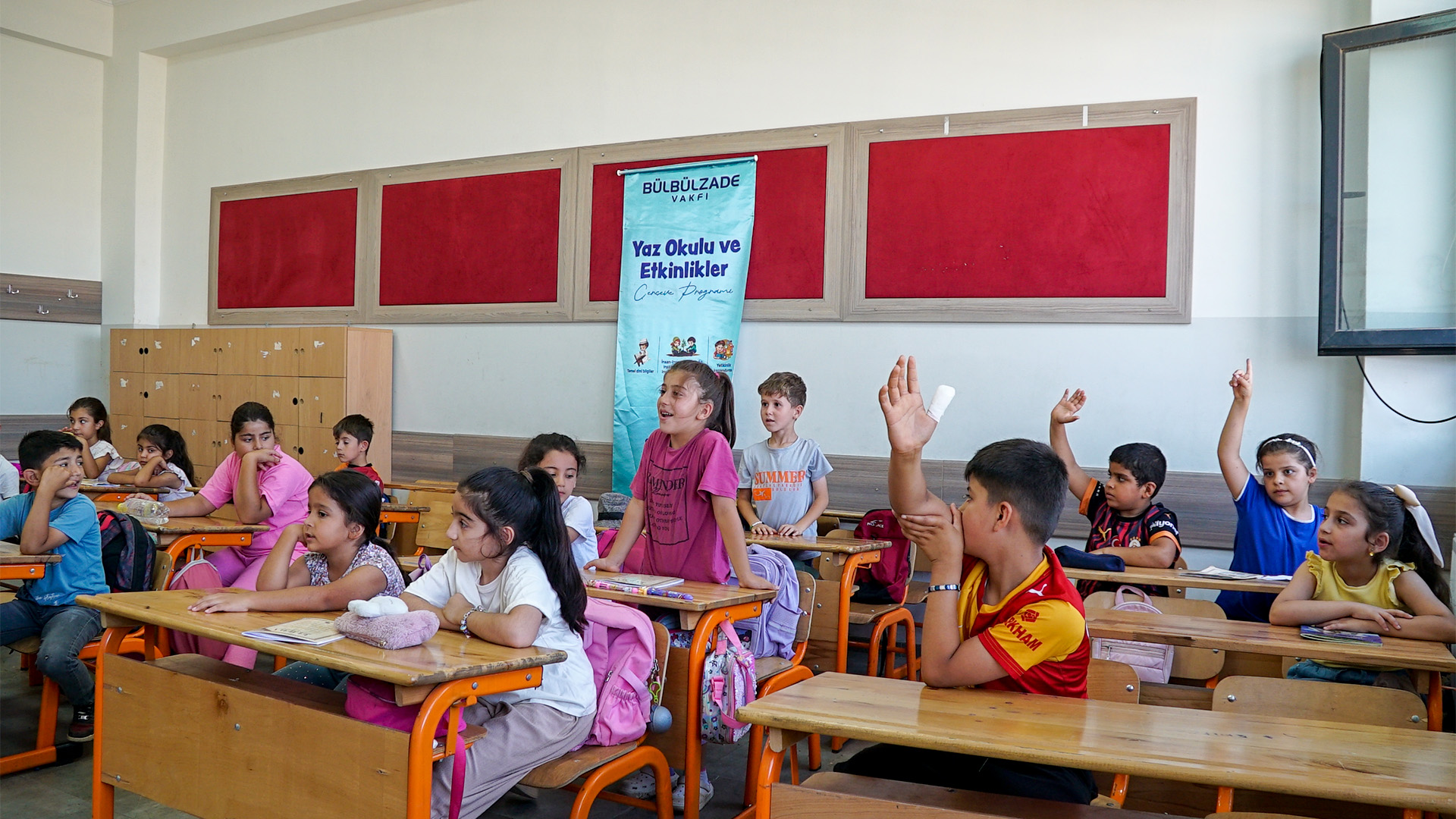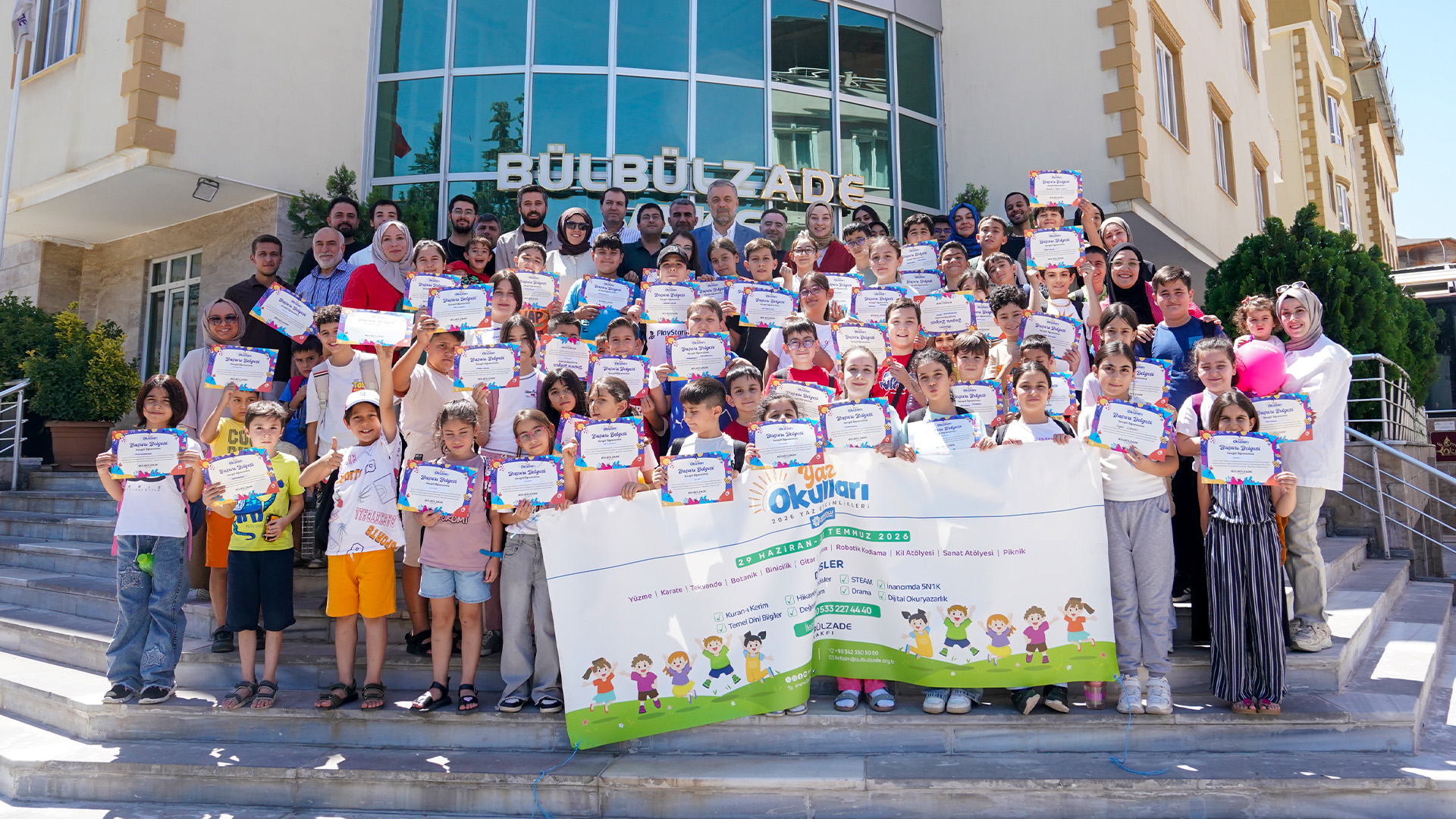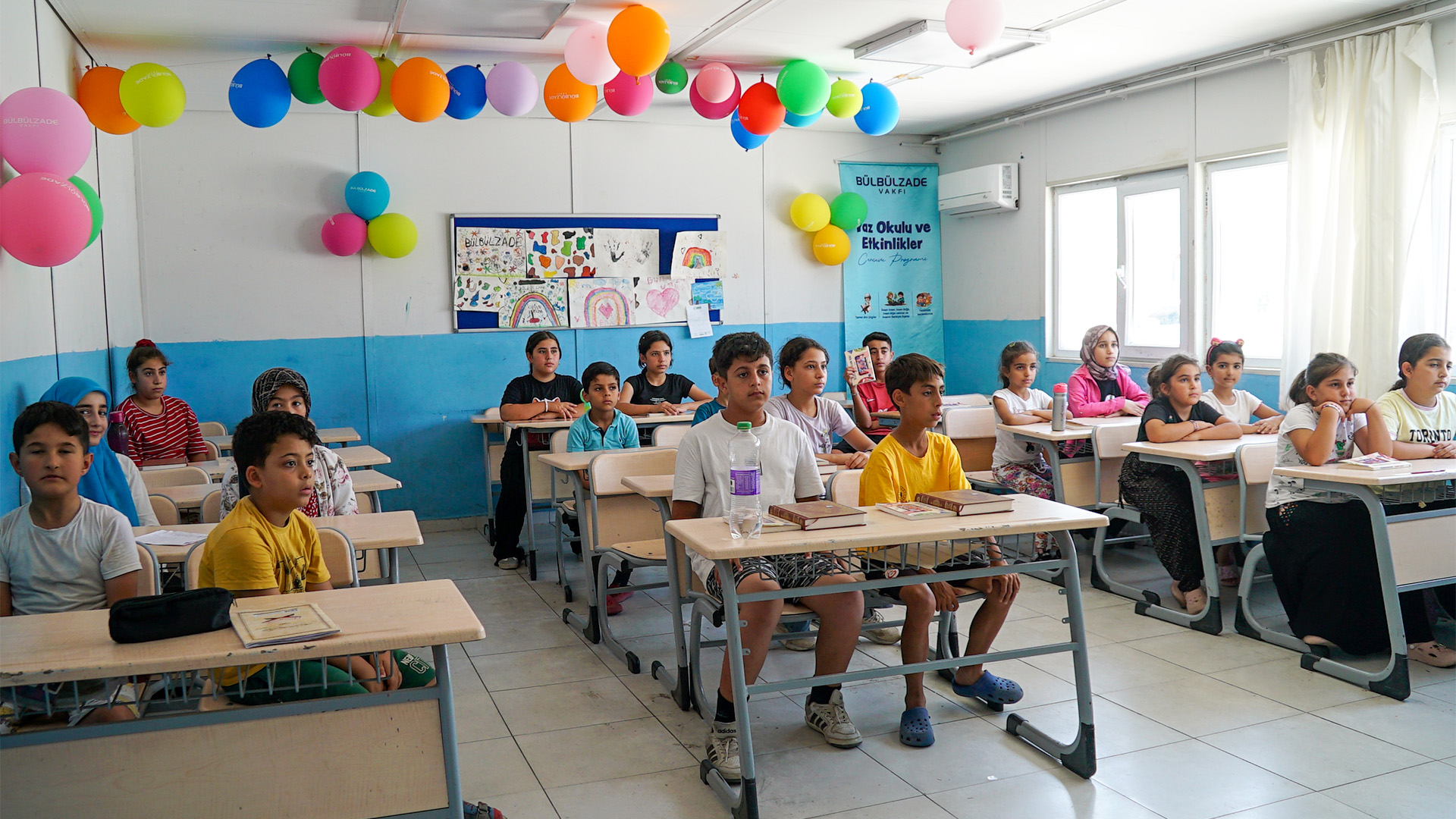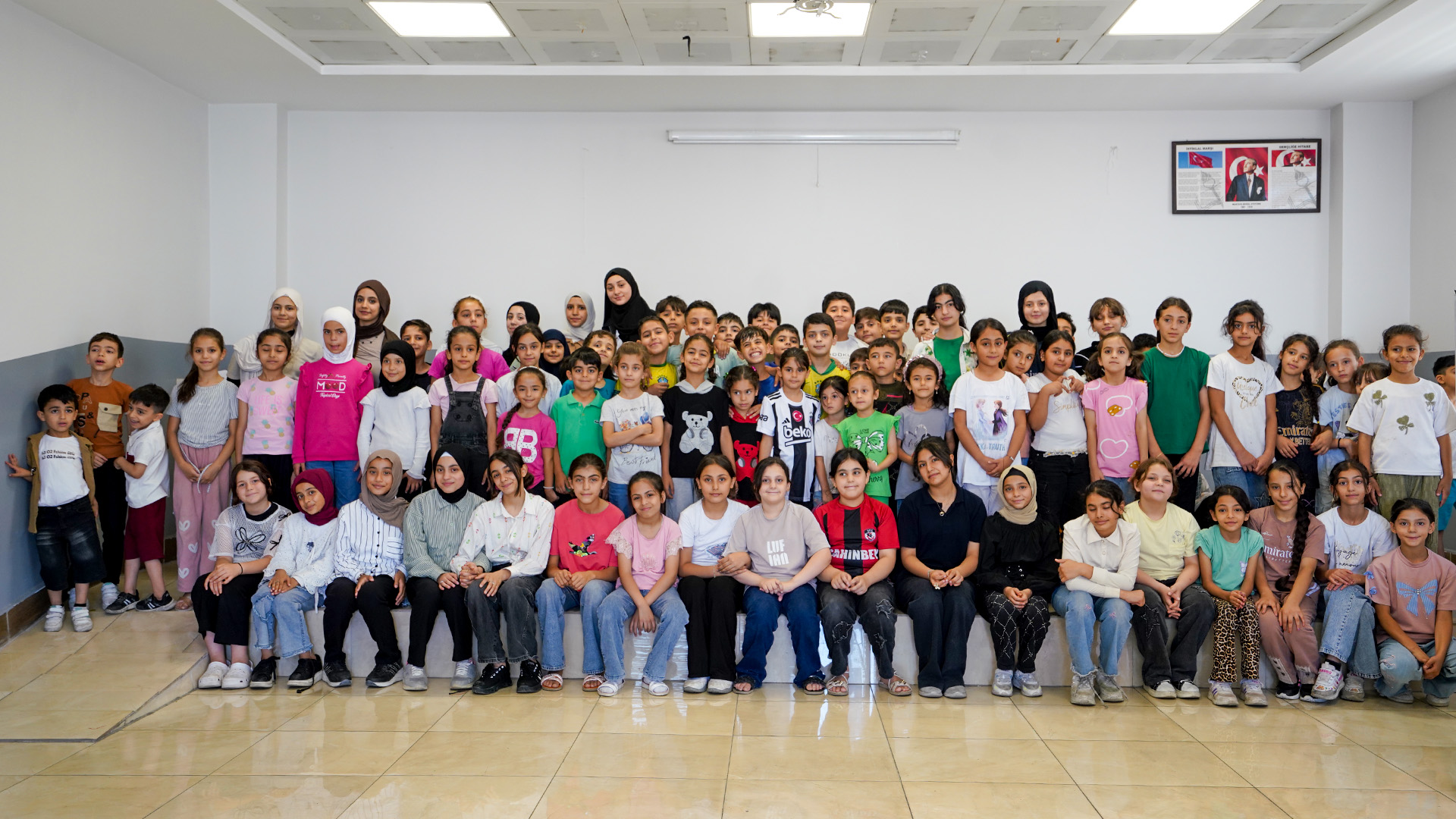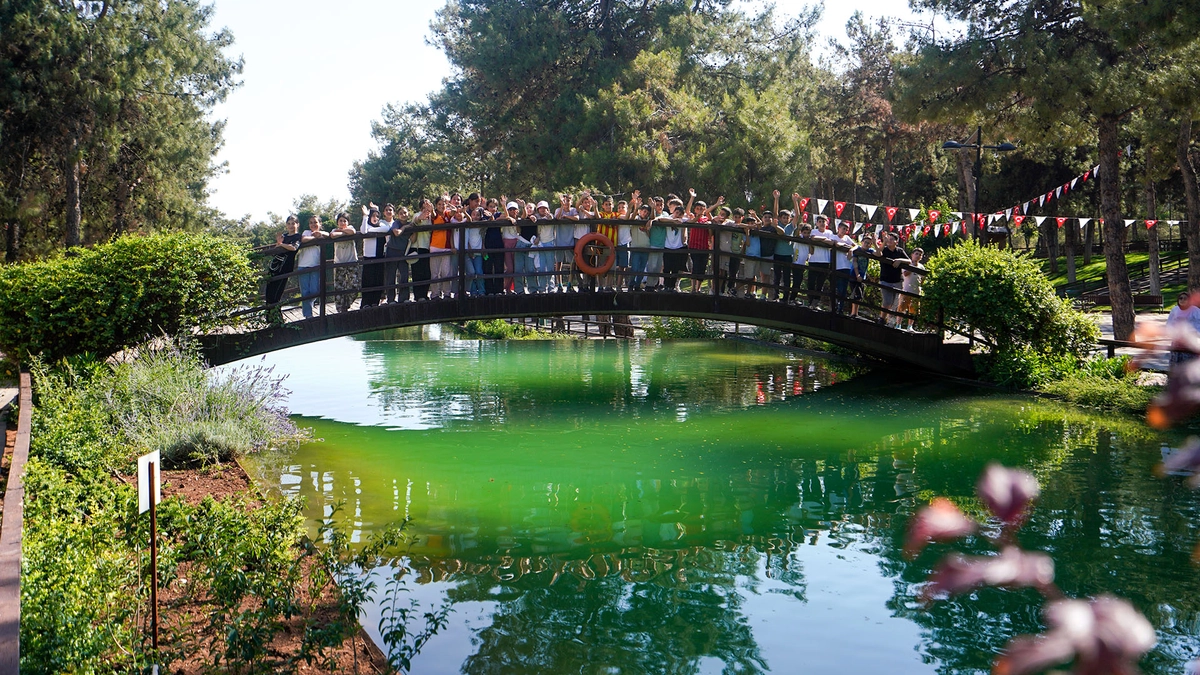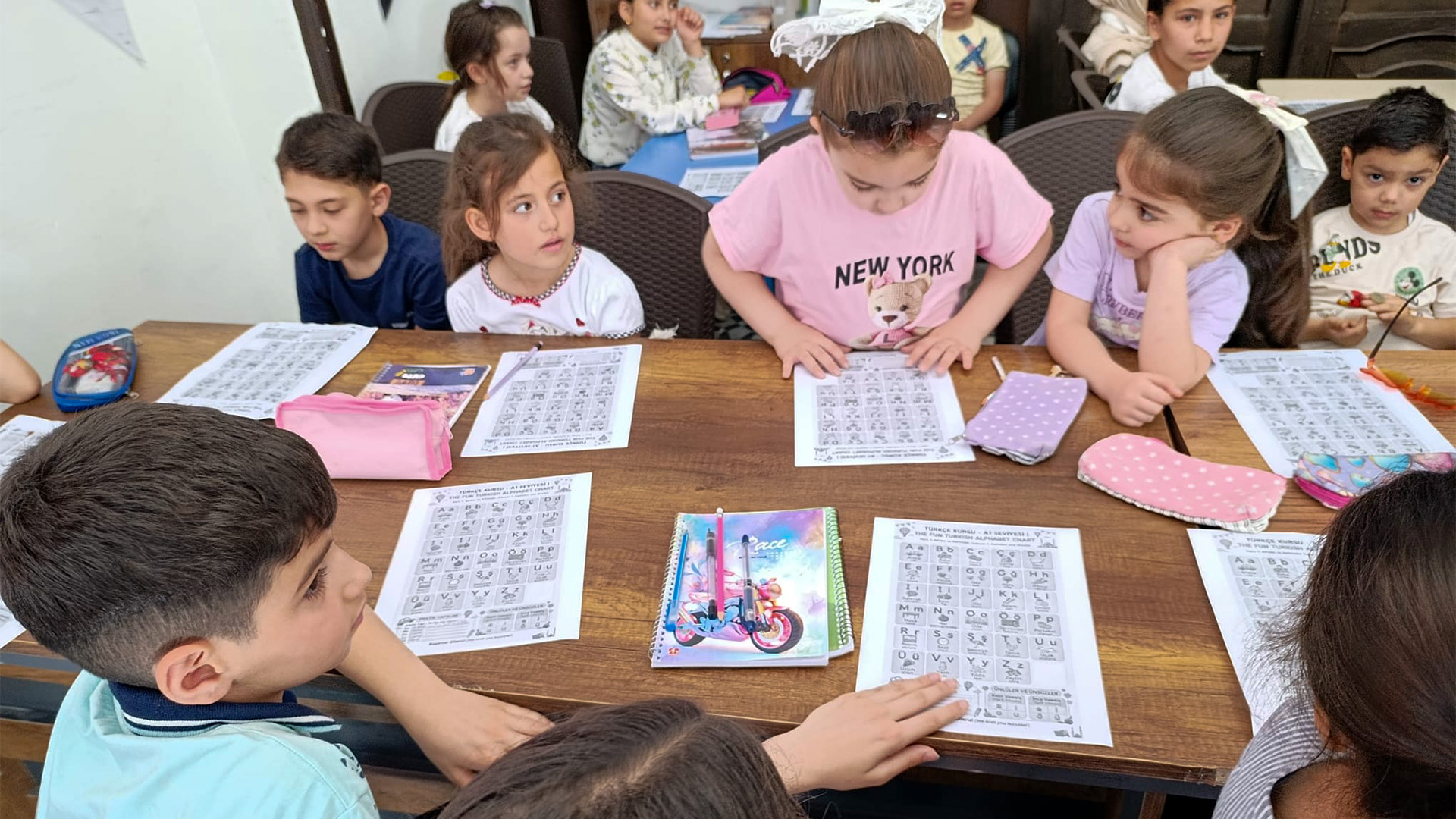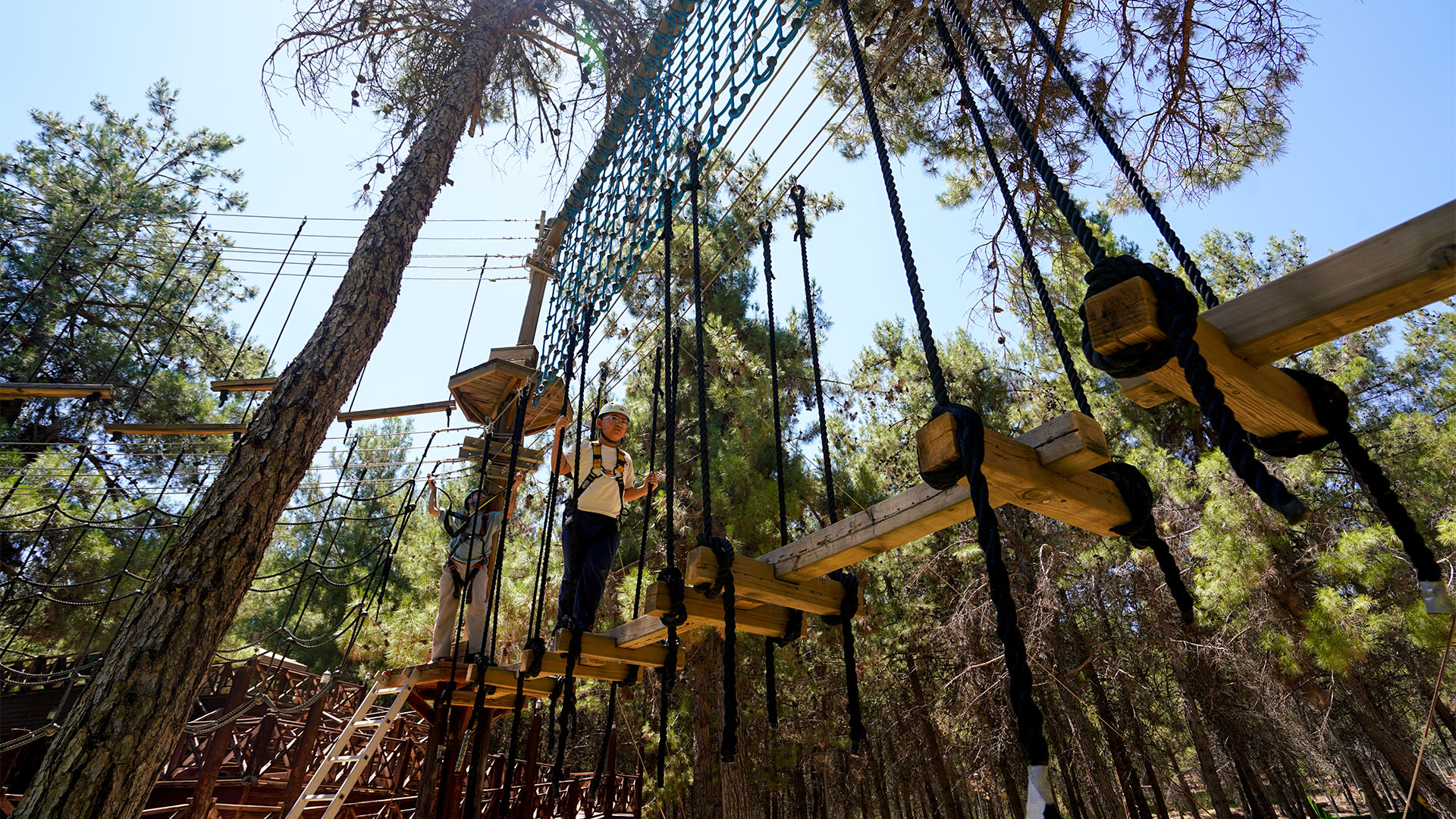
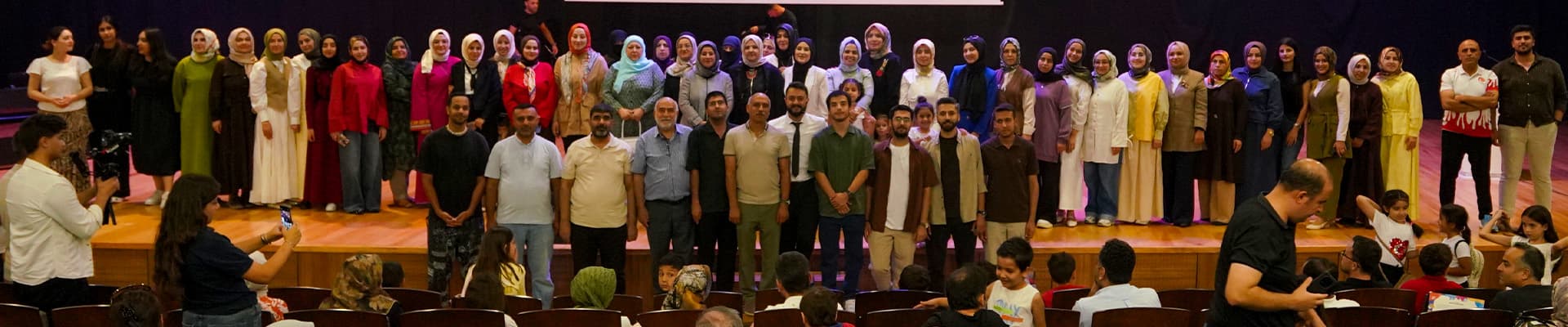
As part of Bülbülzade Foundation’s 2026 summer activities, a comprehensive program supporting the social, cultural, and spiritual development of children and young people was successfully completed.
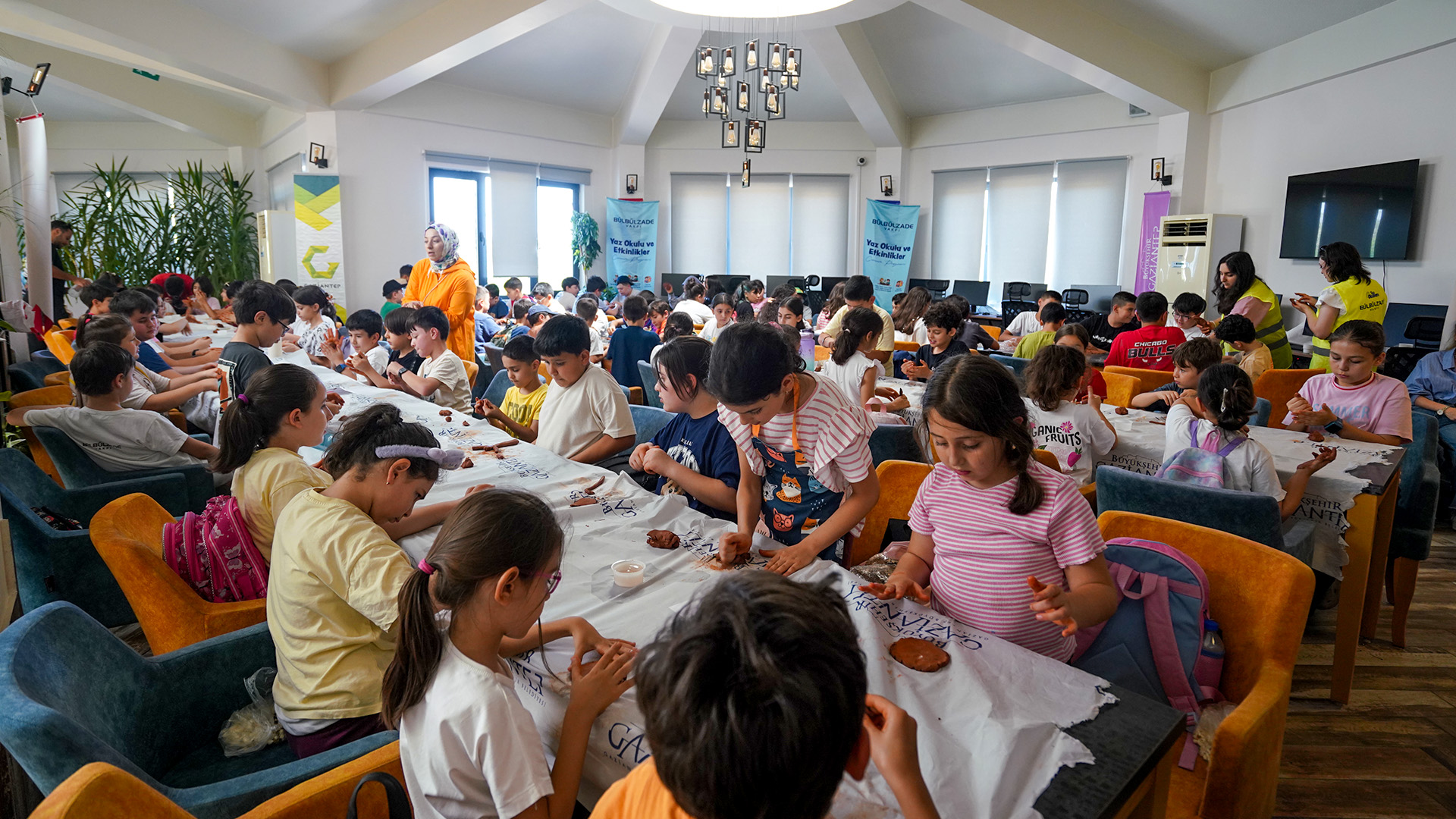
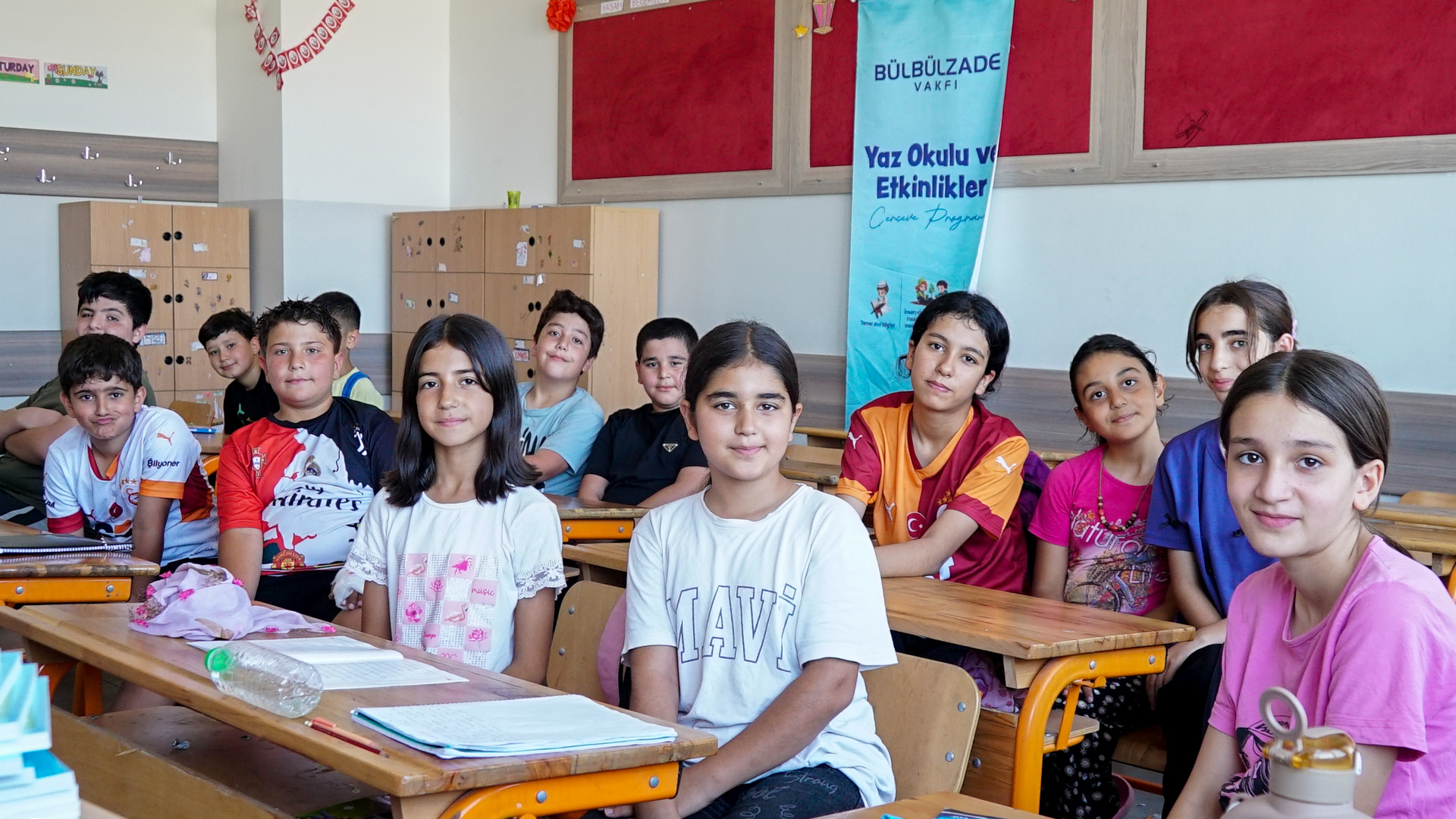
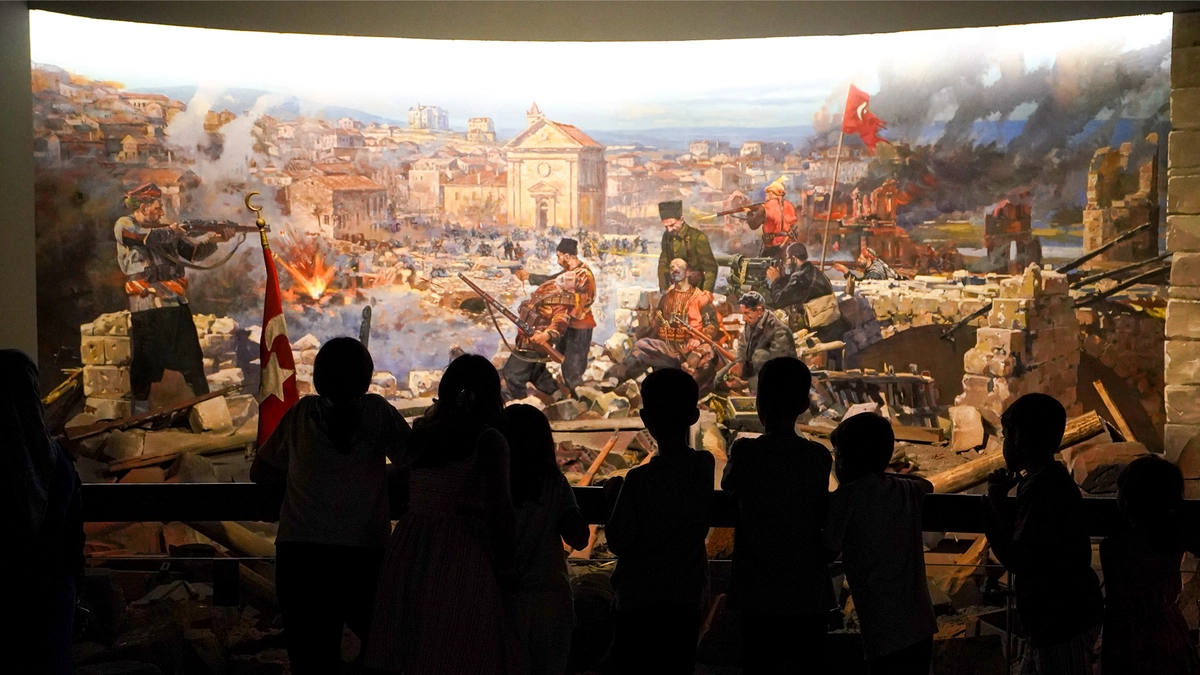
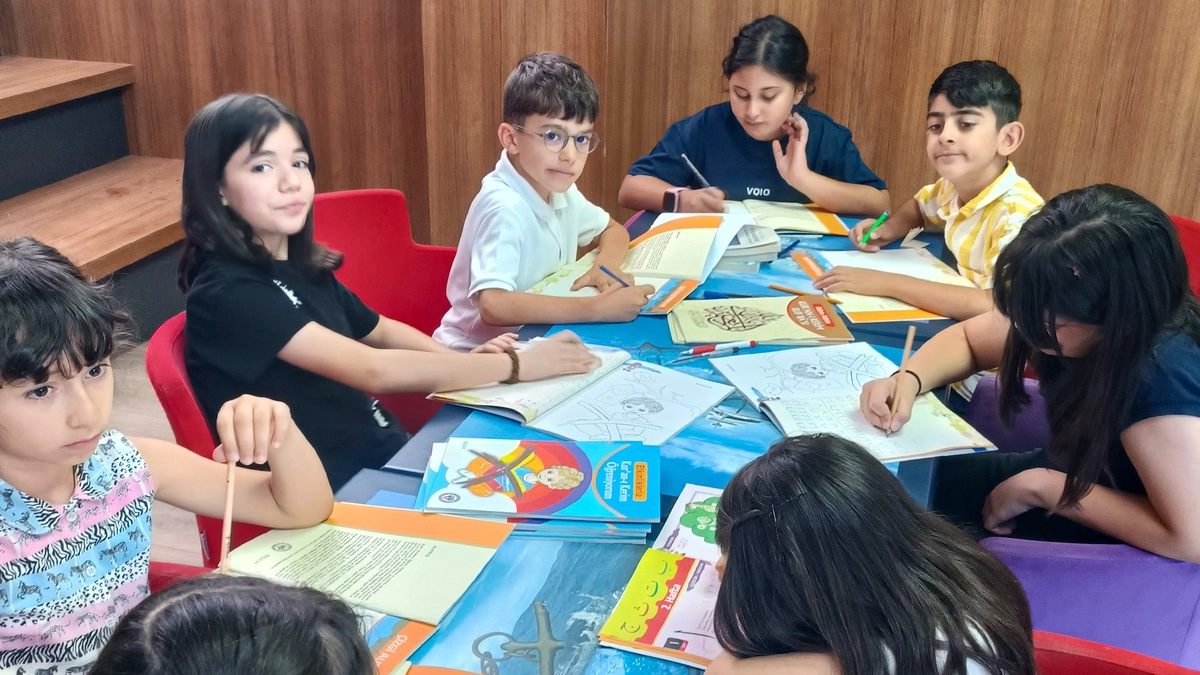
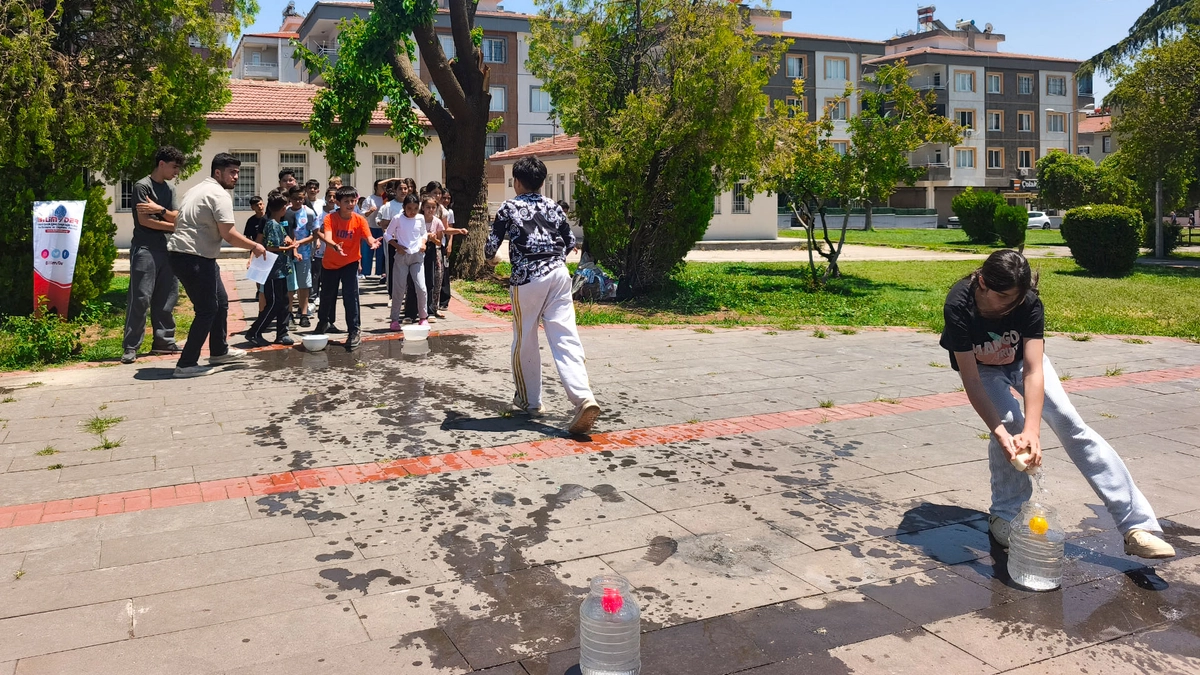
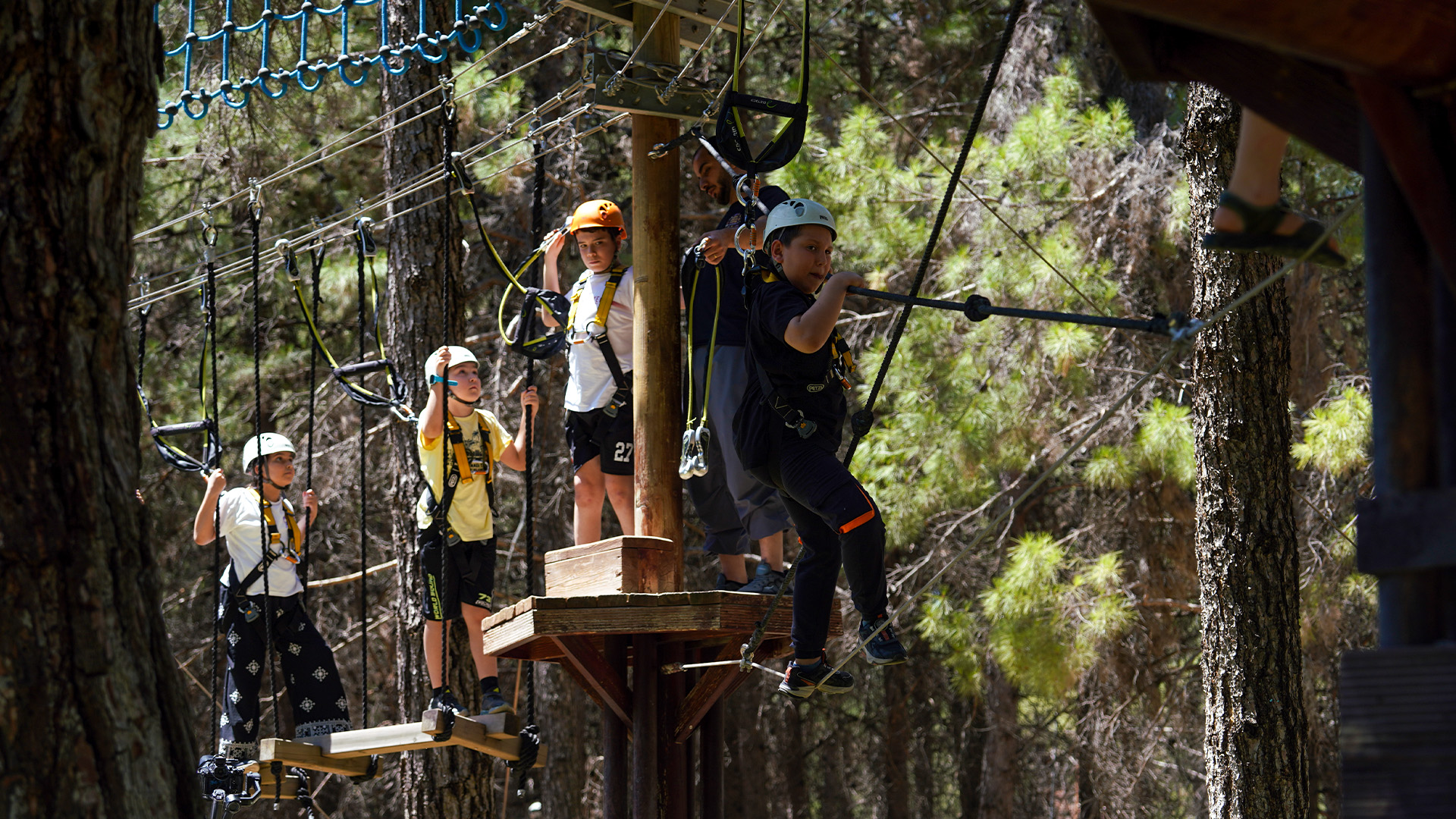
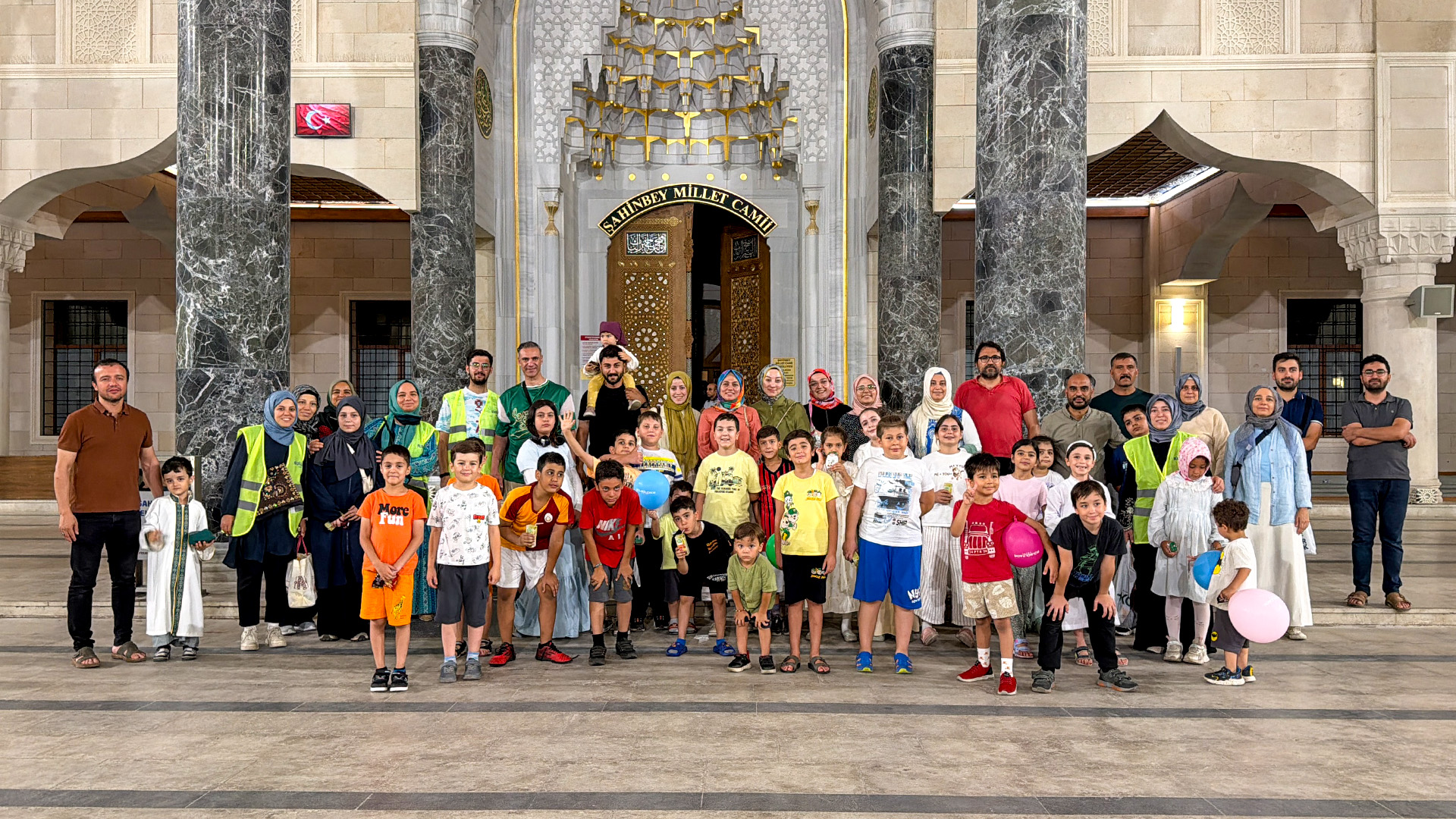
The summer schools, organized under the Foundation between 29 June and 31 July 2026, were held this year with strong participation. This year, summer schools were organized in a total of 26 different locations: 18 in Gaziantep, 5 in Syria—in the cities of Aleppo, Al-Bab, Azaz, Afrin, and Jarabulus—and 3 in the Balkans. Throughout this process, which contributed to raising young people capable of producing enjoyable and practical solutions, an educational model integrated with nature was adopted. Under the guidance of expert volunteer and professional instructors, comprehensive activities were carried out to equip the new generation with diverse skills and competencies.
A SCHOOL THAT ELIMINATES BOUNDARIES
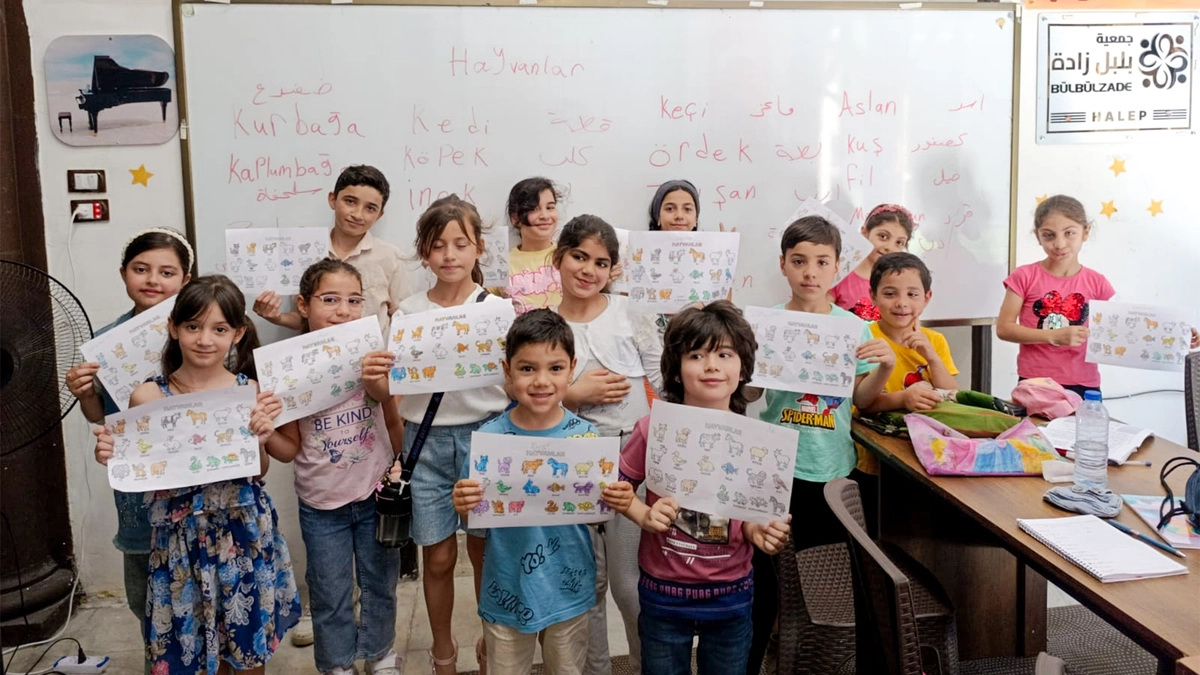
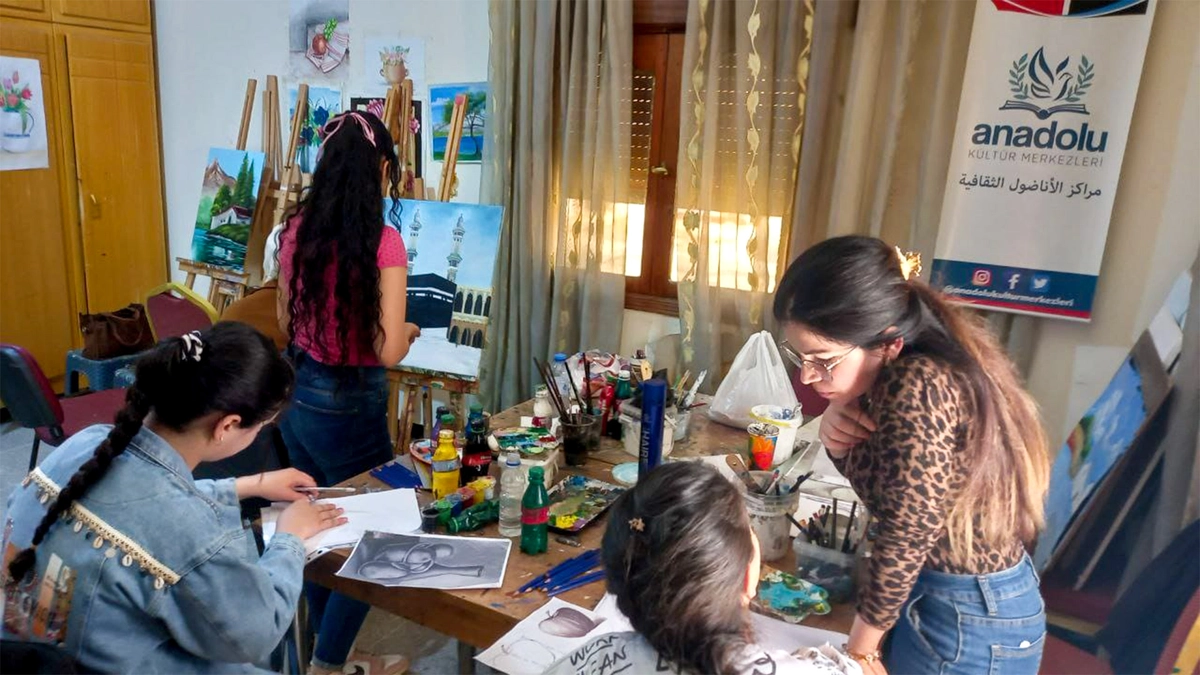
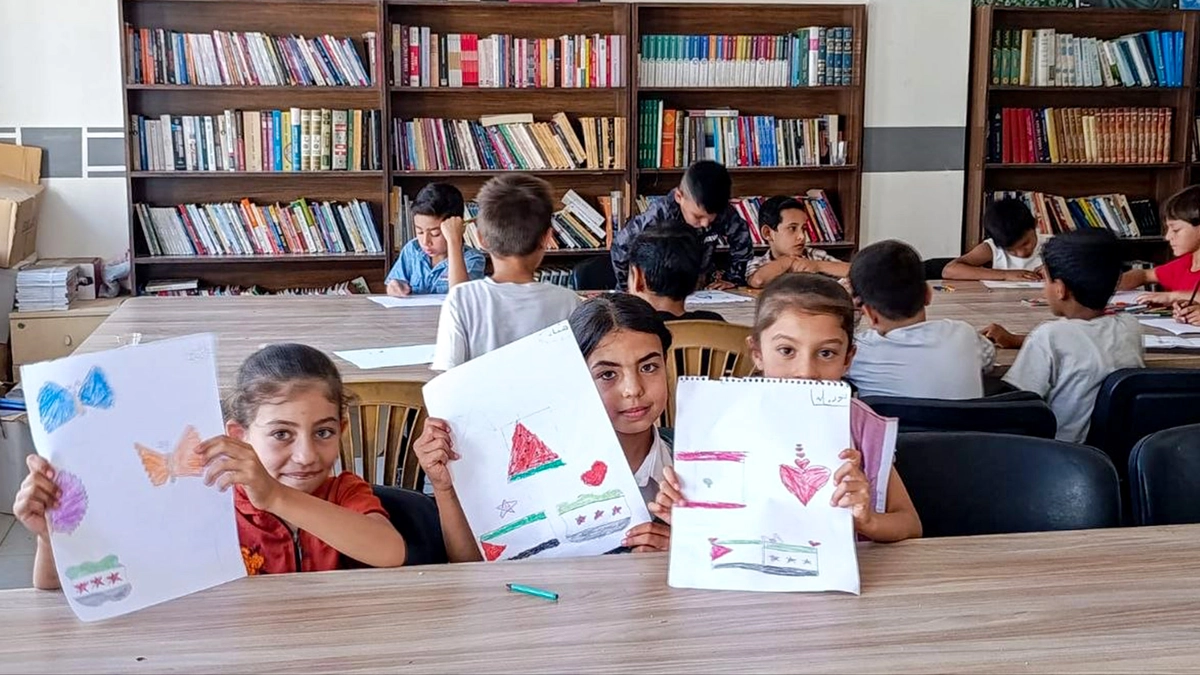
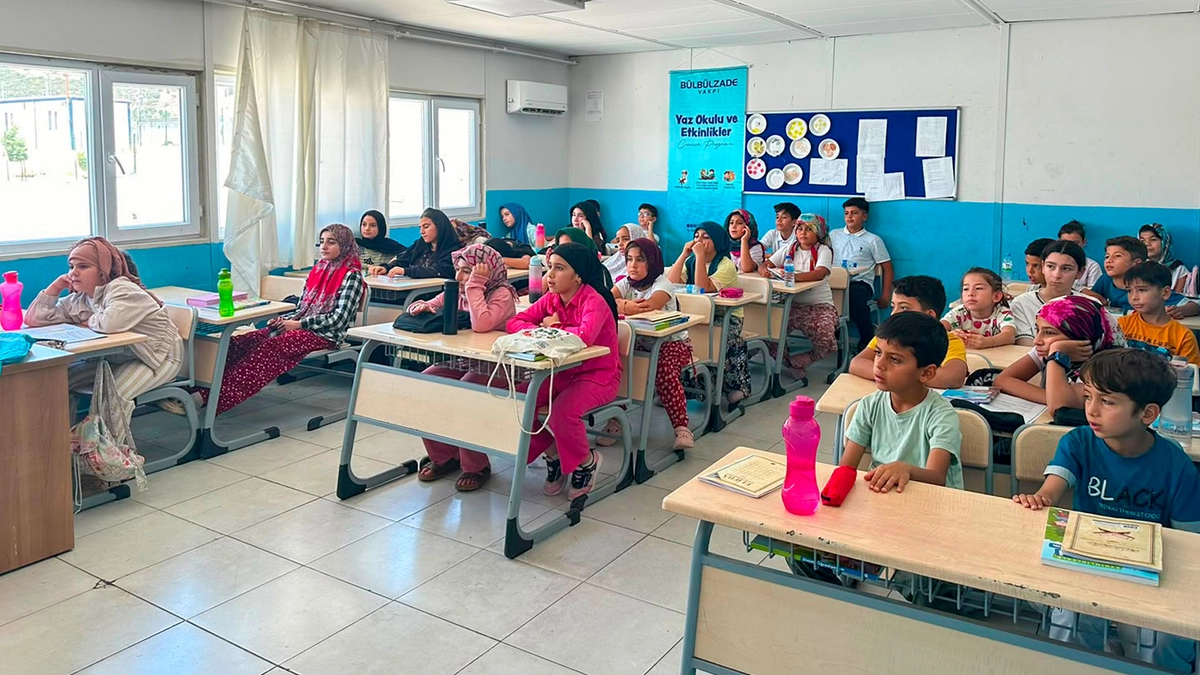
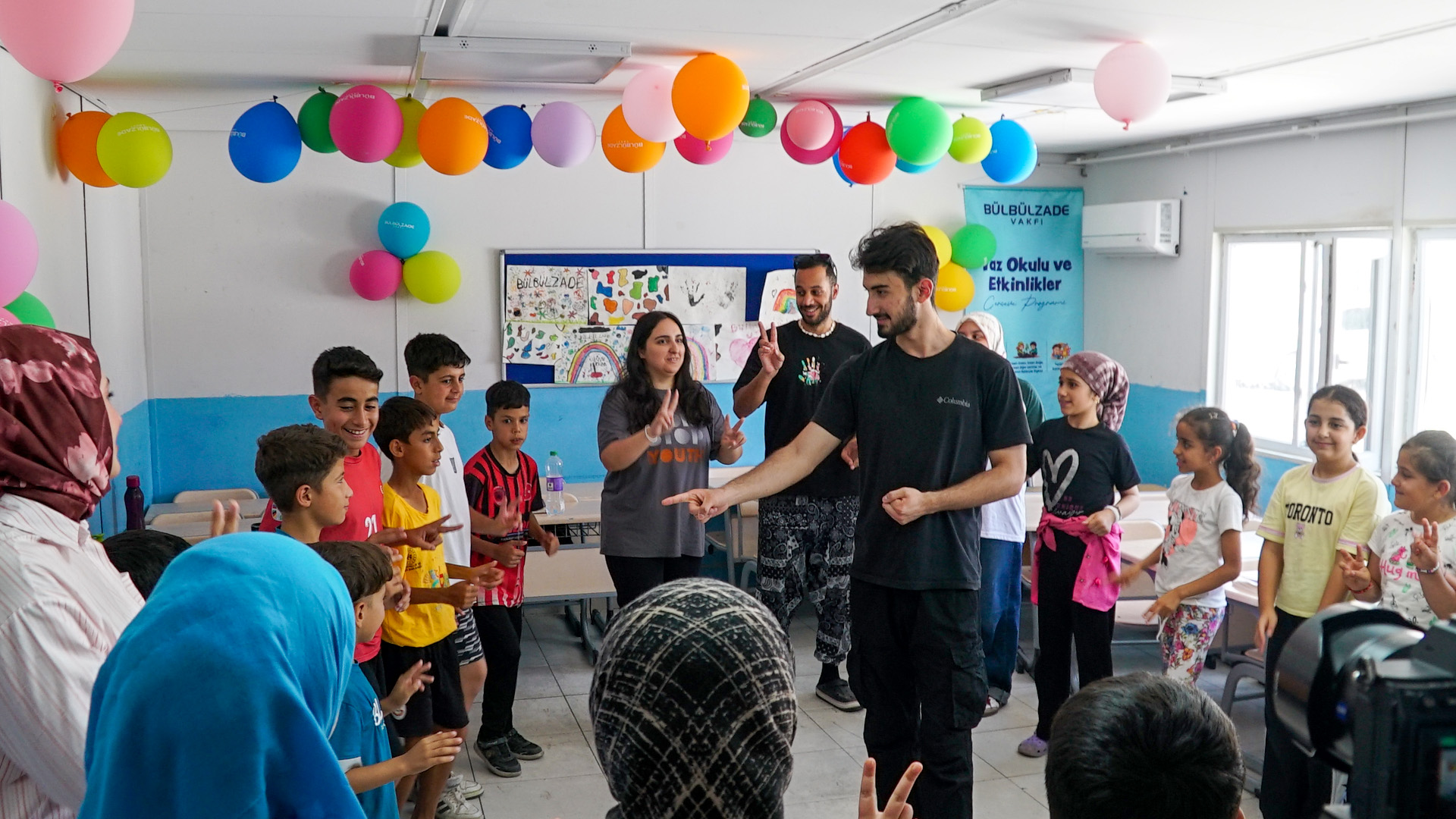
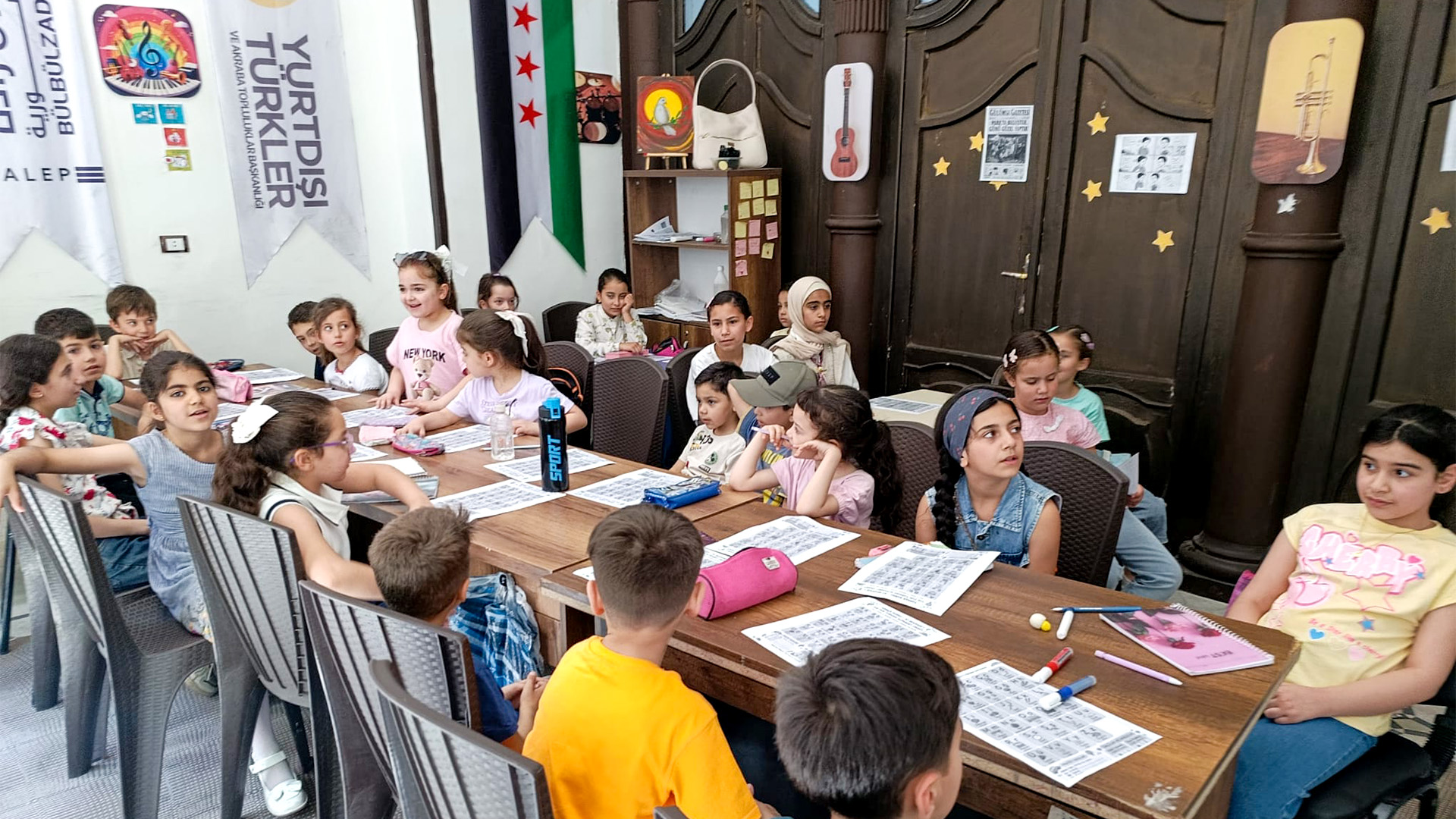
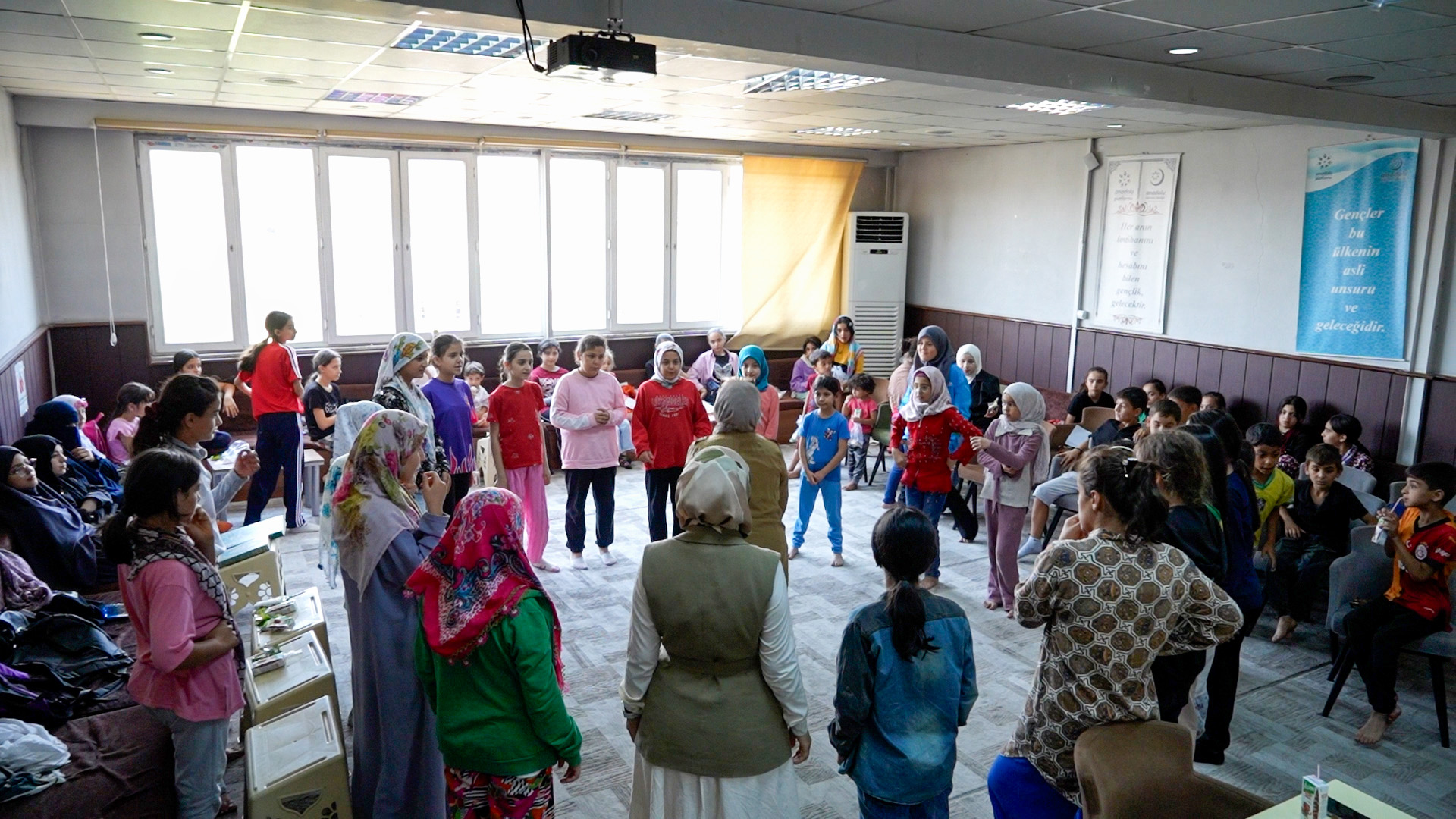
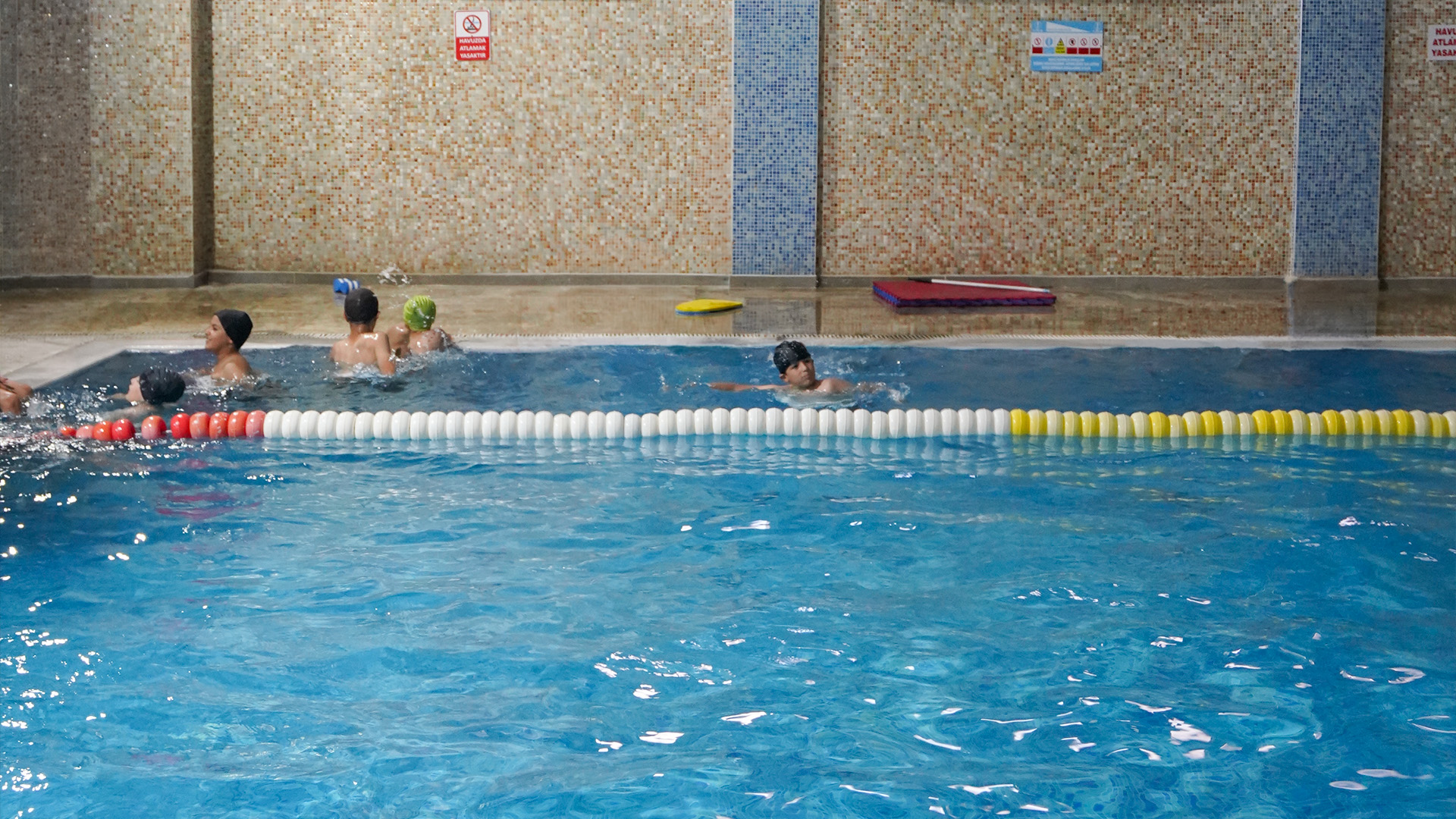
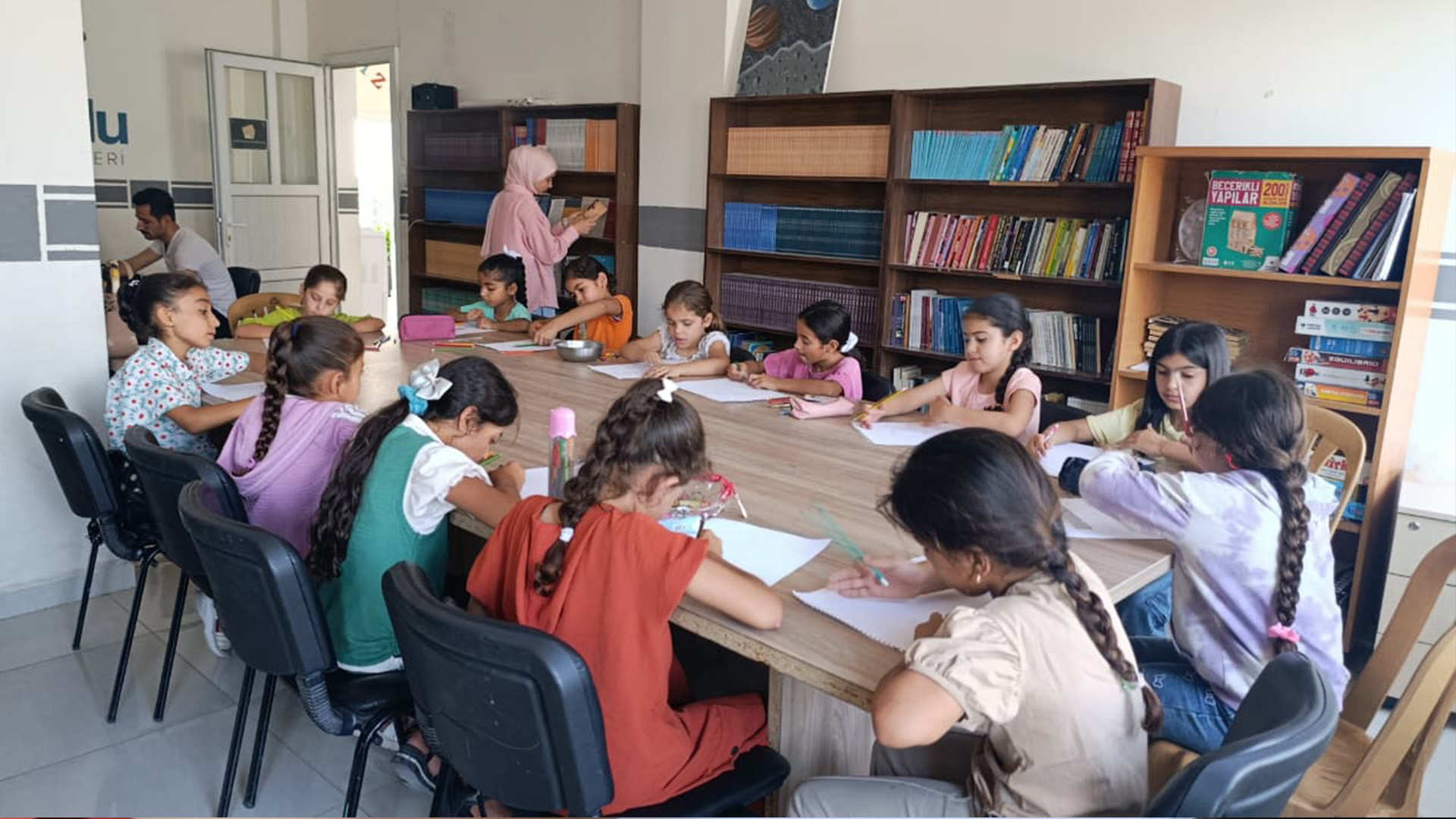
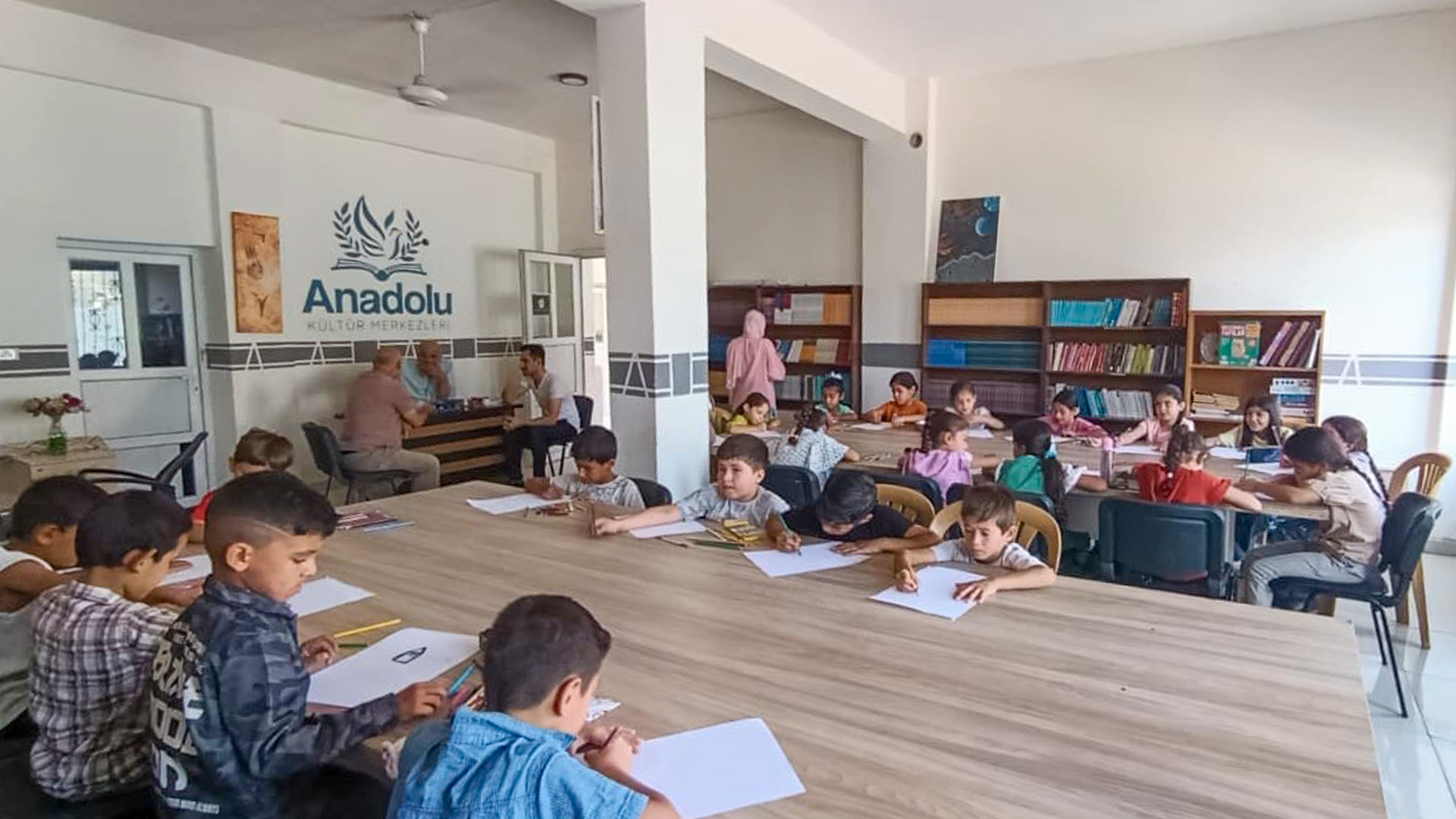
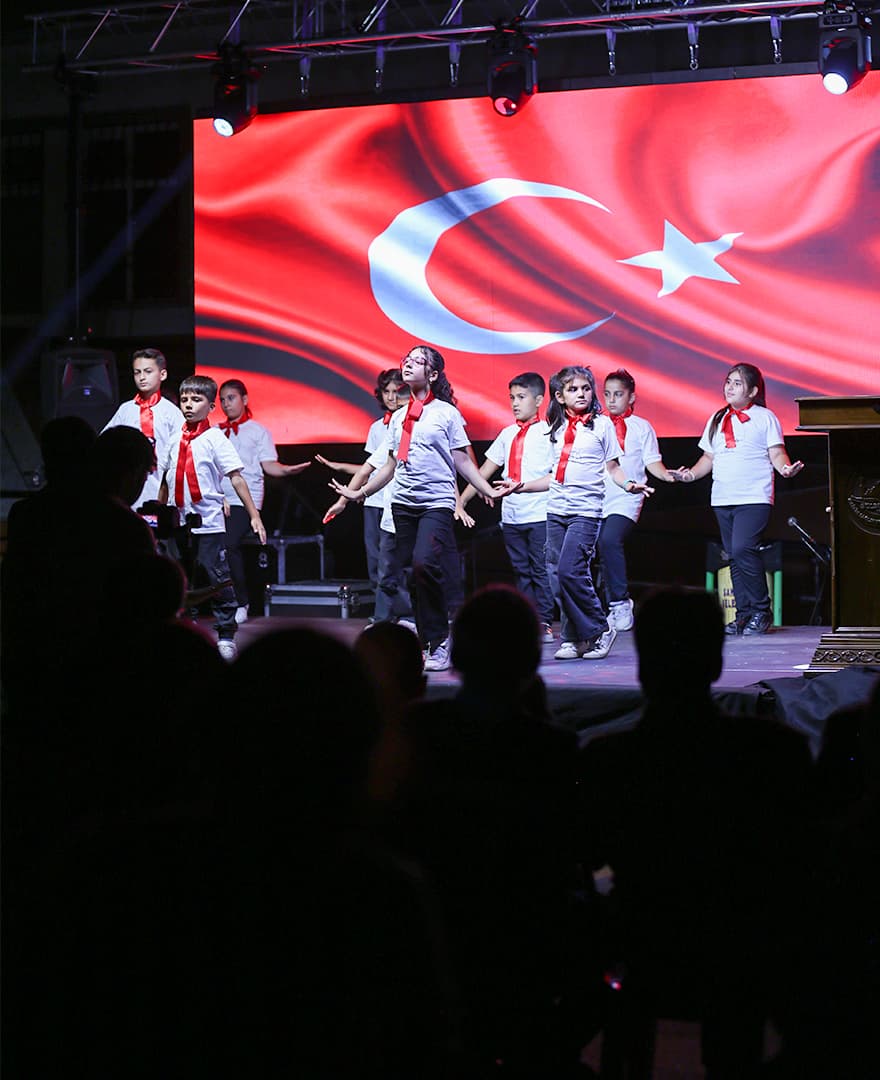
The programs were specially designed according to the needs and interests of each age group. While Anatolian Students Union planned research programs for university students, the Secondary Education Unit offered courses such as swimming, karate, and coding at the center for children between the ages of 7 and 14. Activities in Syria were carried out through the Anatolian Cultural Centers, supporting students in the region throughout their recovery and normalization process. At the Child Life Centers in Nurdağı and İslahiye, children affected by the earthquake were taught national values while also participating in art and sports activities.
A PLACE WHERE TALENTS ARE DISCOVERED
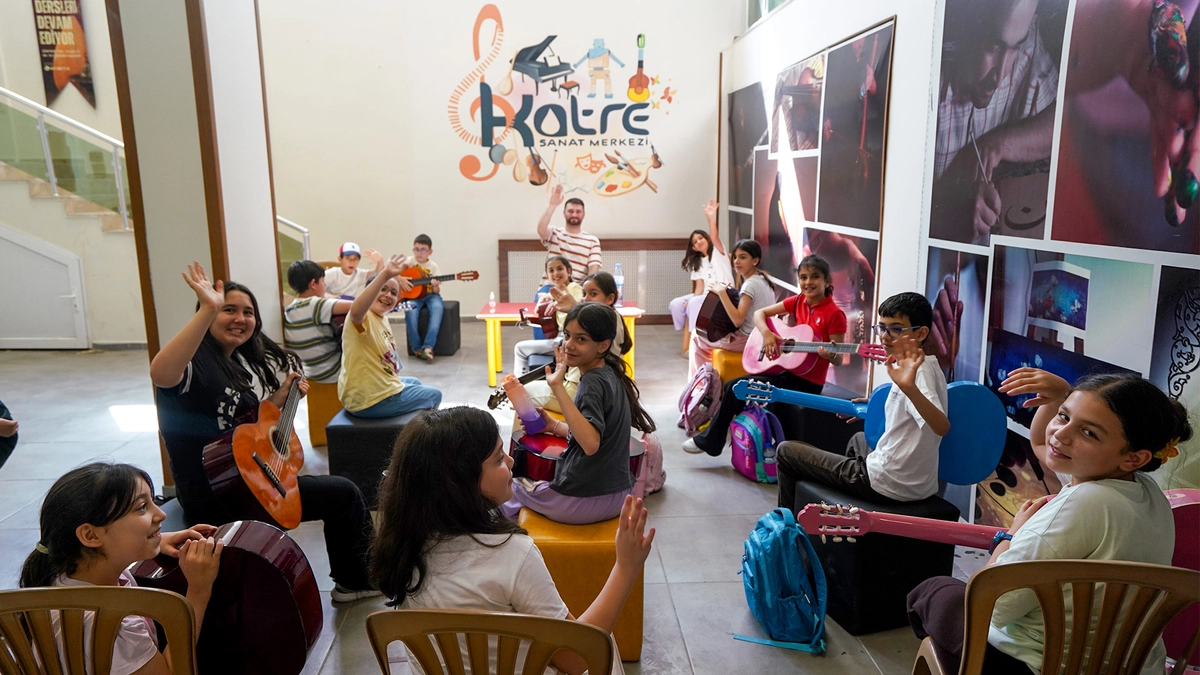
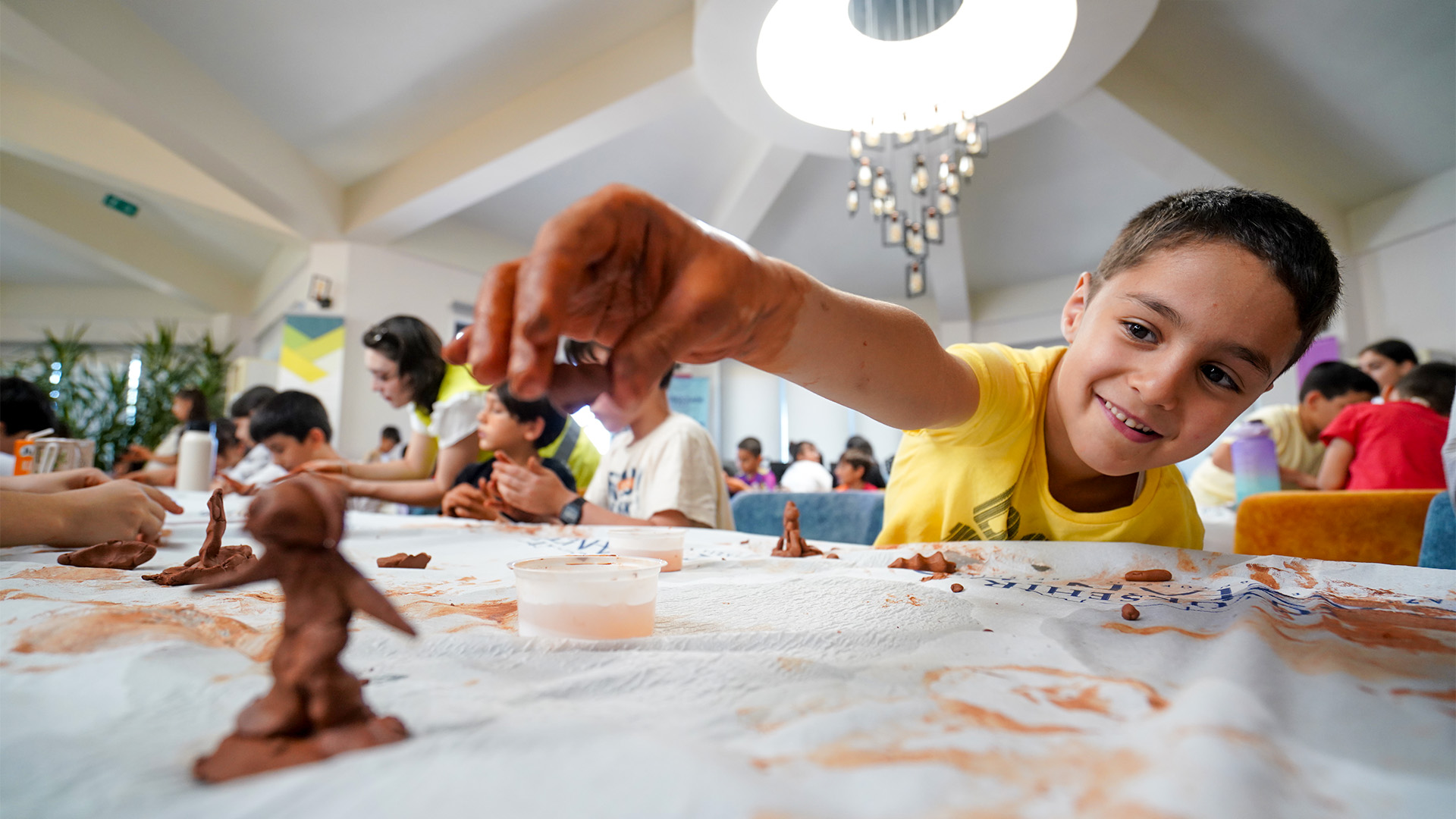
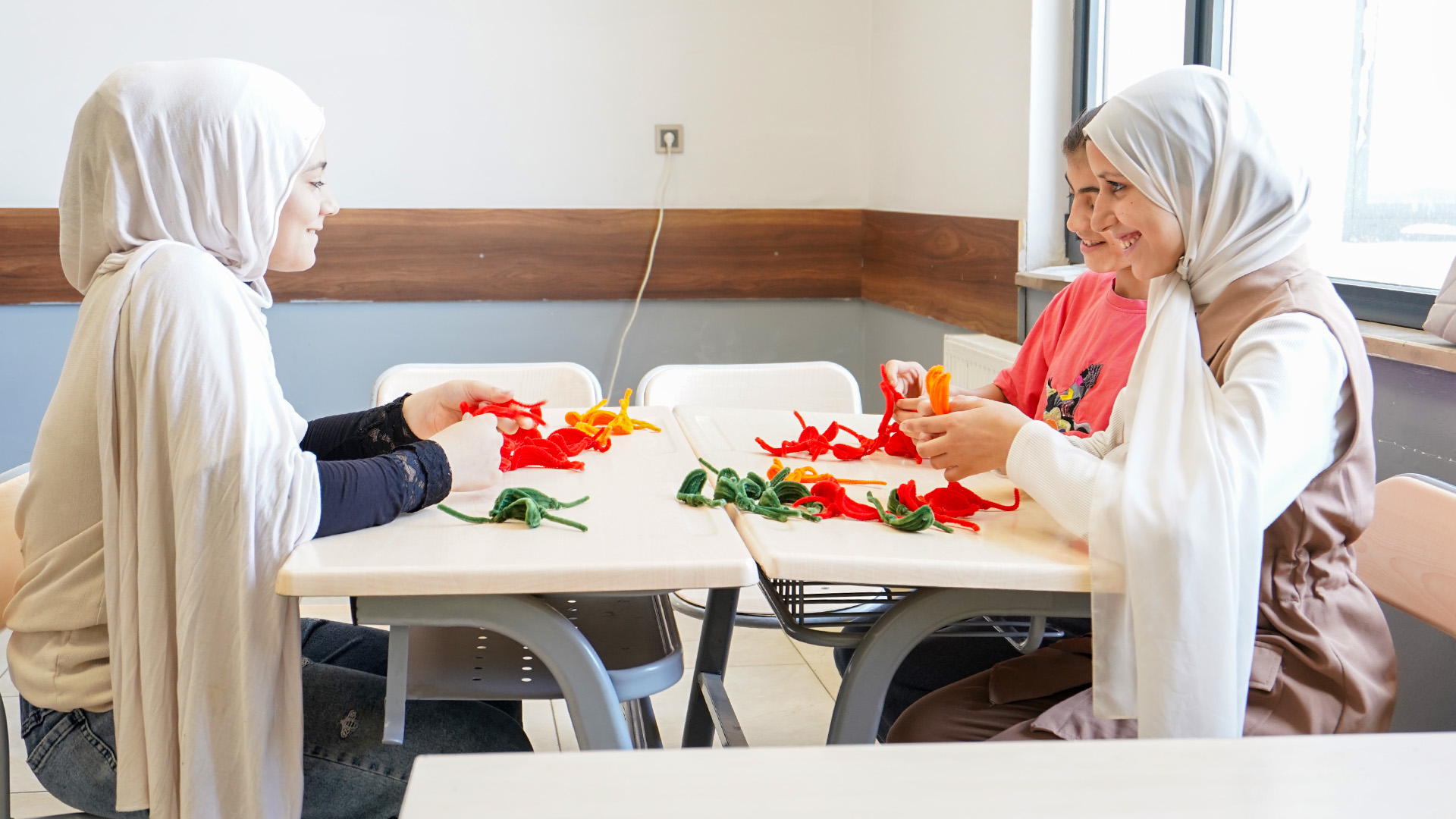
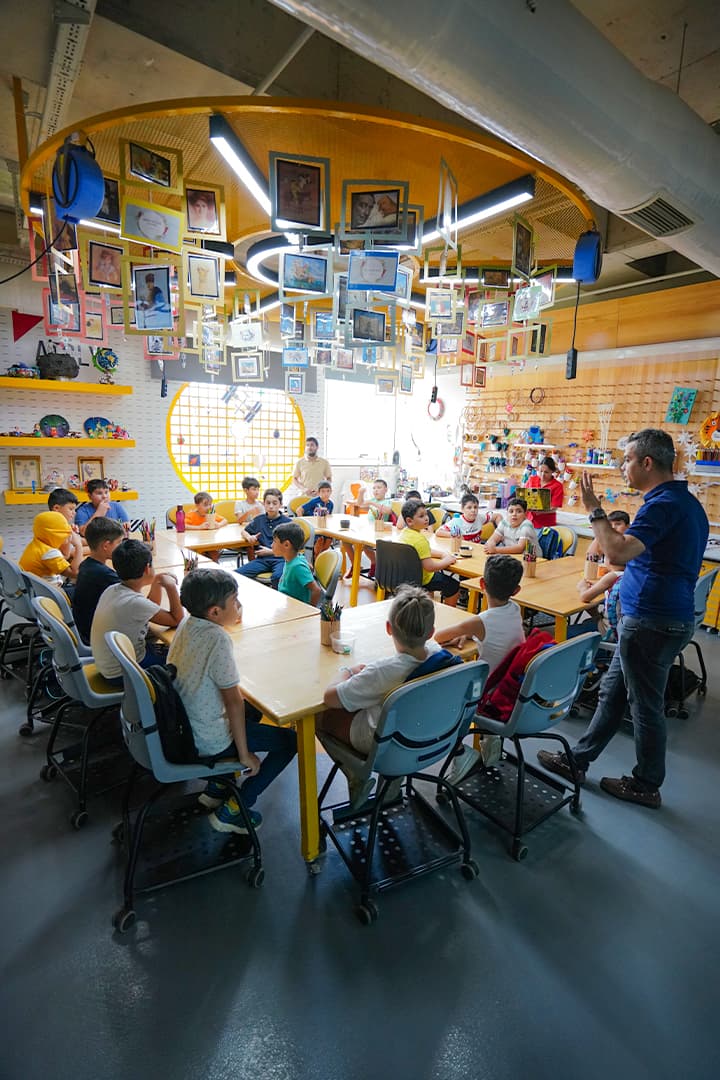
With the participation of various associations and centers, a broad environment was created where students could discover their talents. İstikrar Sports Club provided young people with professional training opportunities in many disciplines ranging from volleyball to taekwondo. The Middle East Media Communication Center offered training on digital literacy, cyberbullying, and deepfake technology, teaching participants how to distinguish between the virtual and the real world. Hayata Dokun Orphan Association, Katre Art Center, Semt-i İbrahimli, and Bilim-Der also carried out activities that enabled children not only to learn religious values but also to develop their artistic abilities, social skills, and environmental awareness.
THREE PHILOSOPHICAL FOUNDATIONS
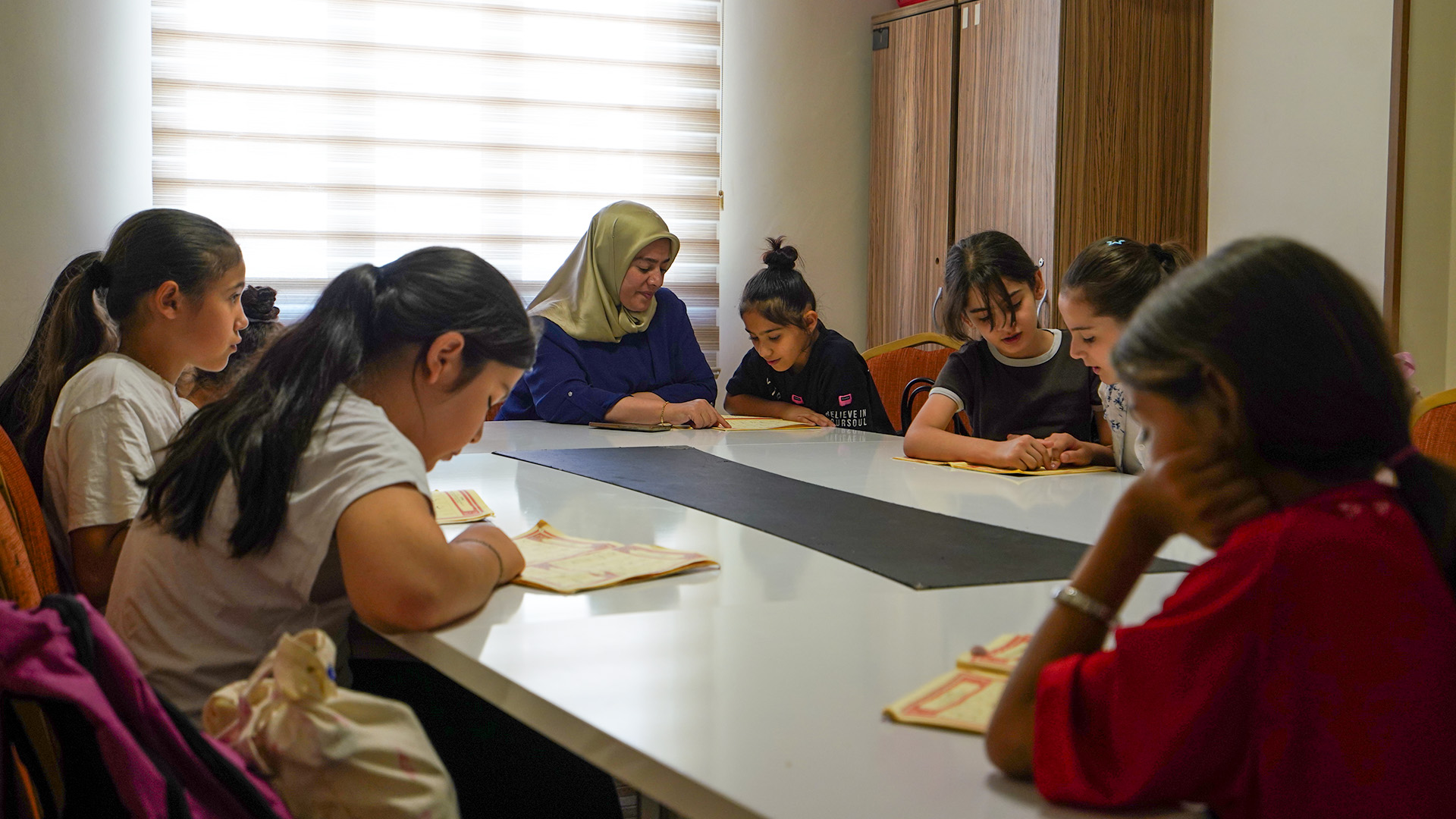
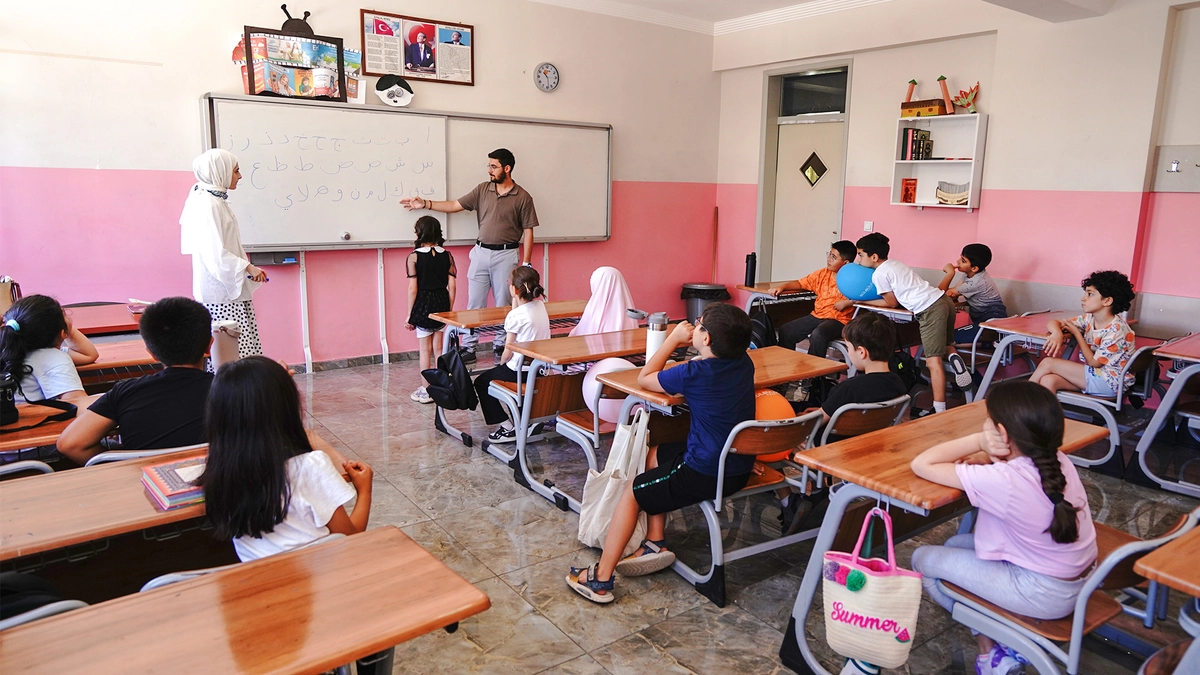
The educational curriculum was structured around three main objectives. These were defined as the practical teaching of basic religious knowledge, the acquisition of a specific skill, and the understanding of the relationship between human beings, Allah, nature, and other living creatures. In line with these objectives, courses such as the Qur’an, Sirah, and Adab al-Mu'asharah were supported by workshops including STEAM, music, ebru (Turkish marbling art), game-based English, and other practical activities.
Summer Schools Held:
Foundation Center Summer School
Katre Art and Science Center Summer School
İstikrar Sports Club Summer School
Middle East Media and Communication Center Summer School
Hayata Dokun Orphans Association Summer School
Bilim-Der Summer School
Semt-i İbrahimli Summer School
Nurdağı Children's Living Center Summer School
İslahiye Children's Living Center Summer School
Taşlıca AKM Summer School
Düztepe AKM Summer School
Cumhuriyet AKM Summer School
Narlıtepe AKM Summer School
Selahattin Eyyubi AKM Summer School
Merveşehir Association Summer School
Aleppo AKM Summer School
Azaz AKM Summer School
Afrin AKM Summer School
Al-Bab AKM Summer School
Jarabulus AKM Summer School
Fidan-Der Summer School
Anatolian Students Union Summer School
Secondary Education Unit Summer School
Serbia Novi Pazar Summer School
Serbia Sandžak Summer School
North Macedonia Tetovo Summer School