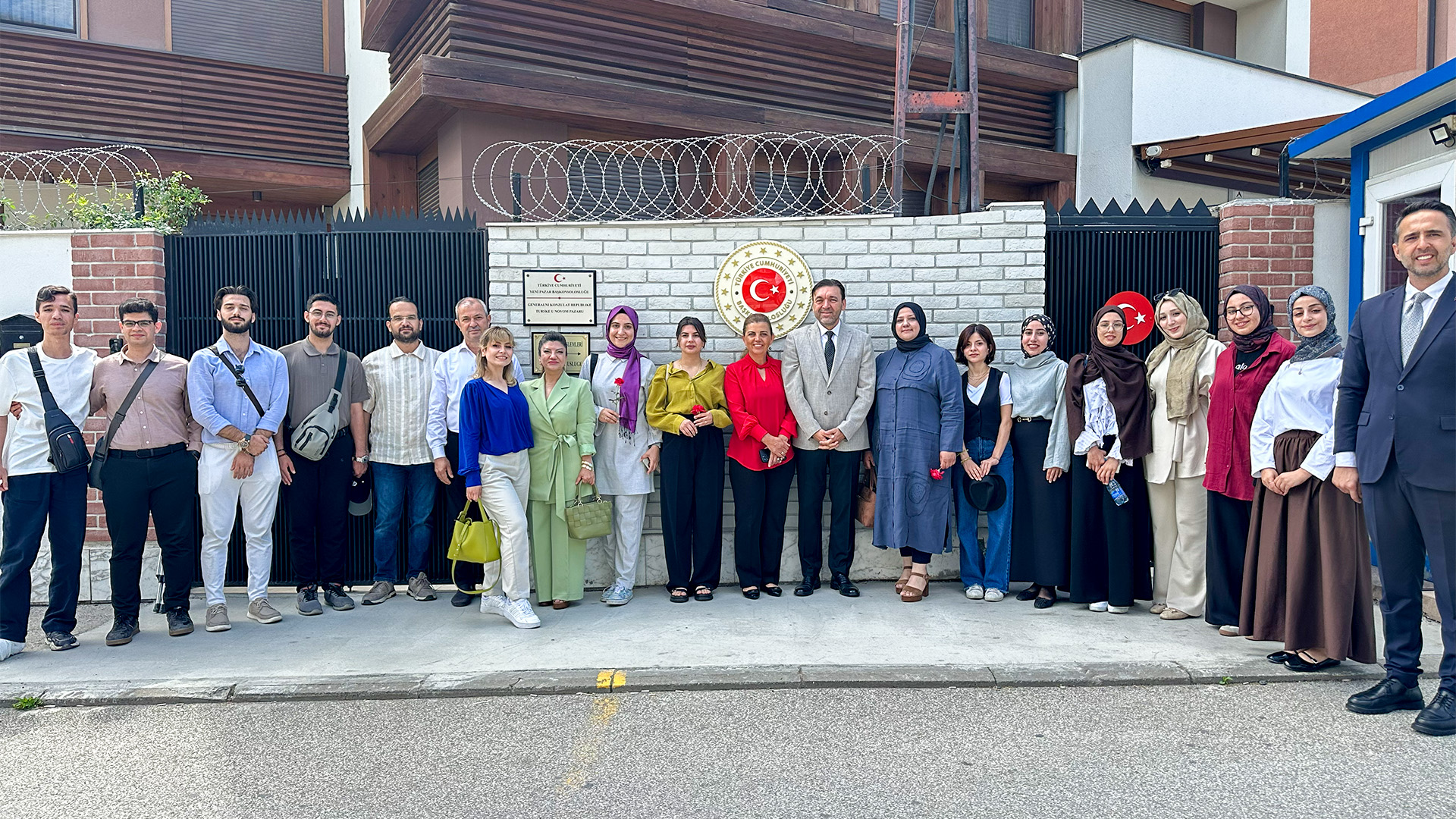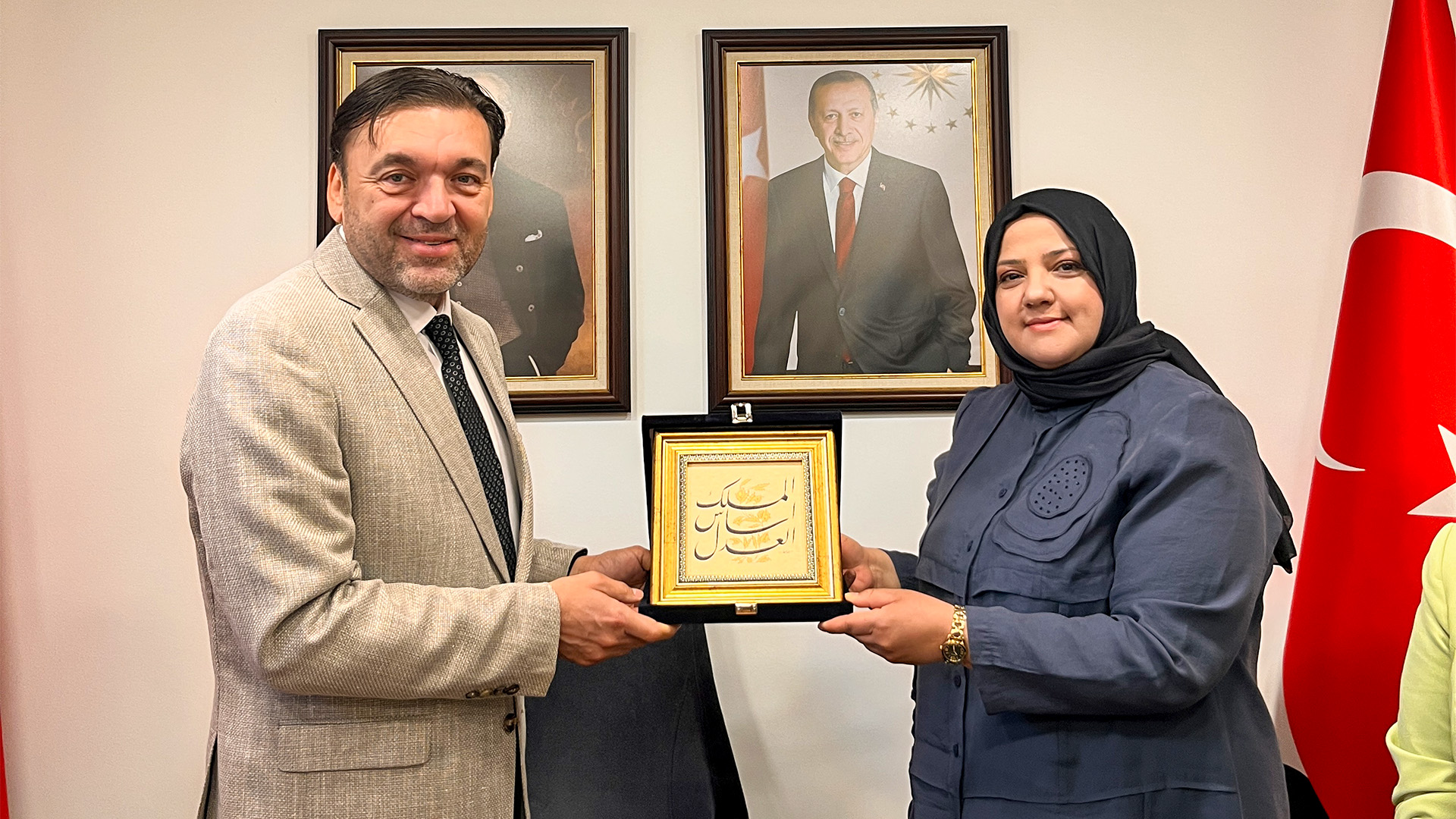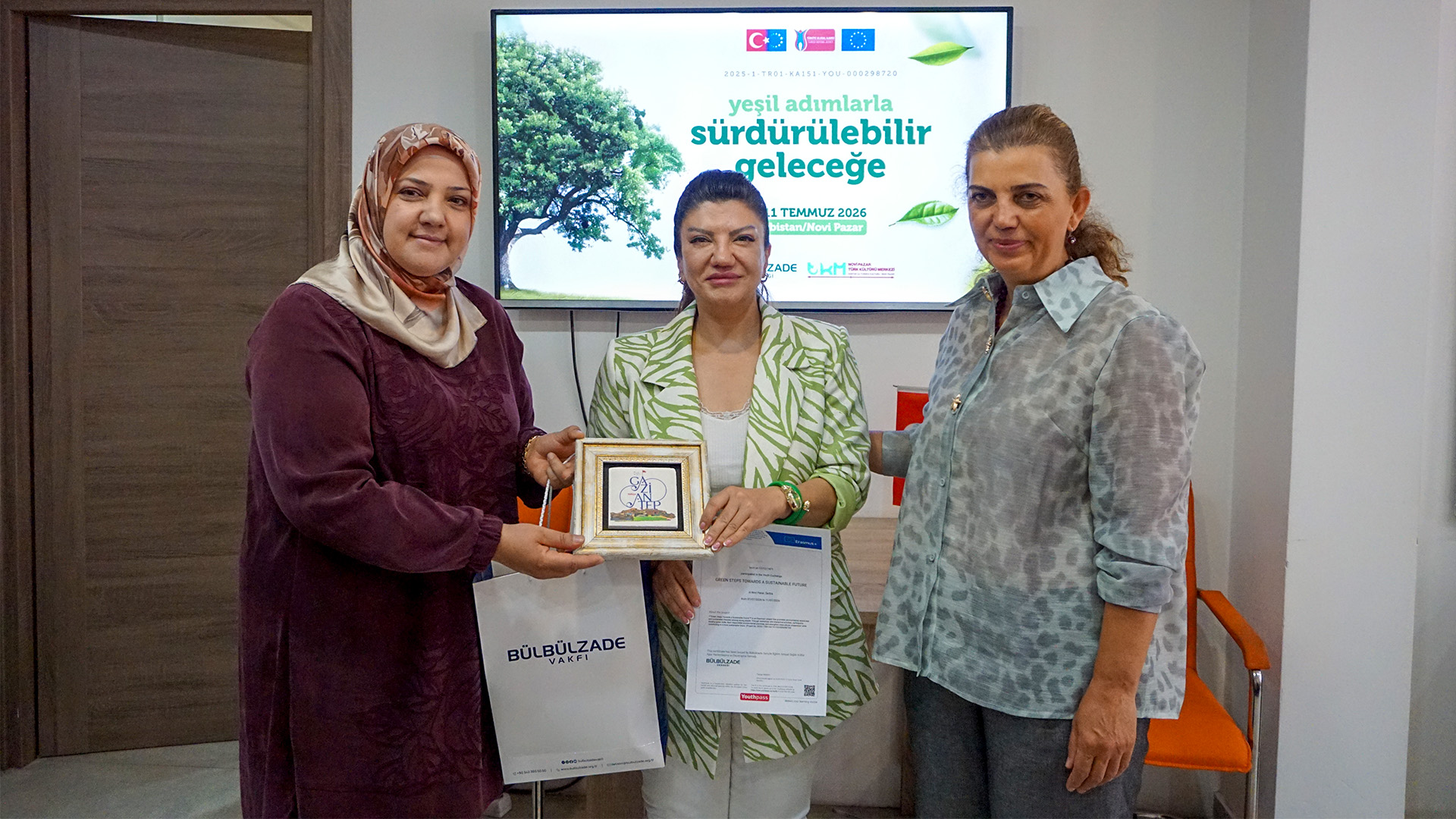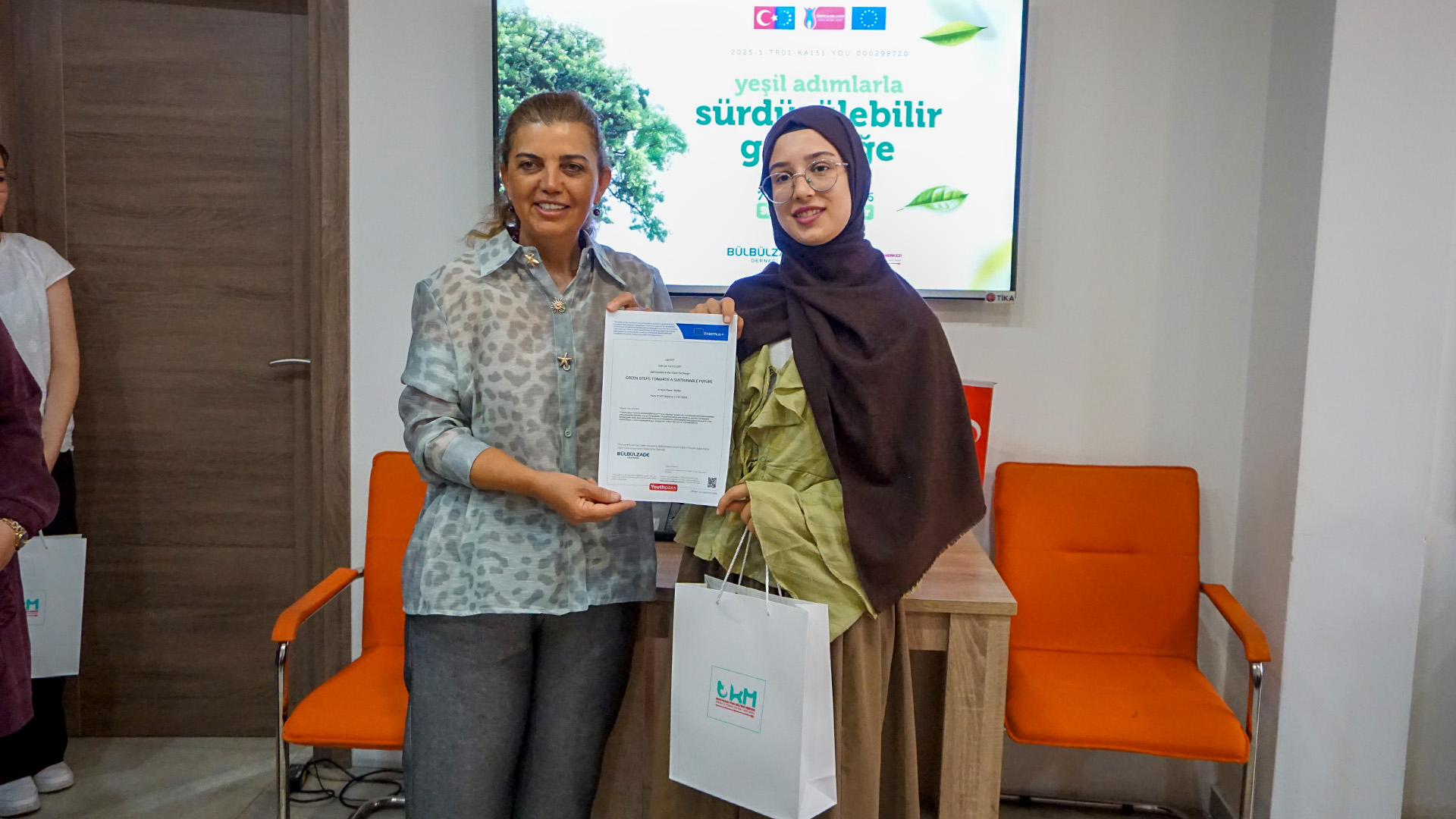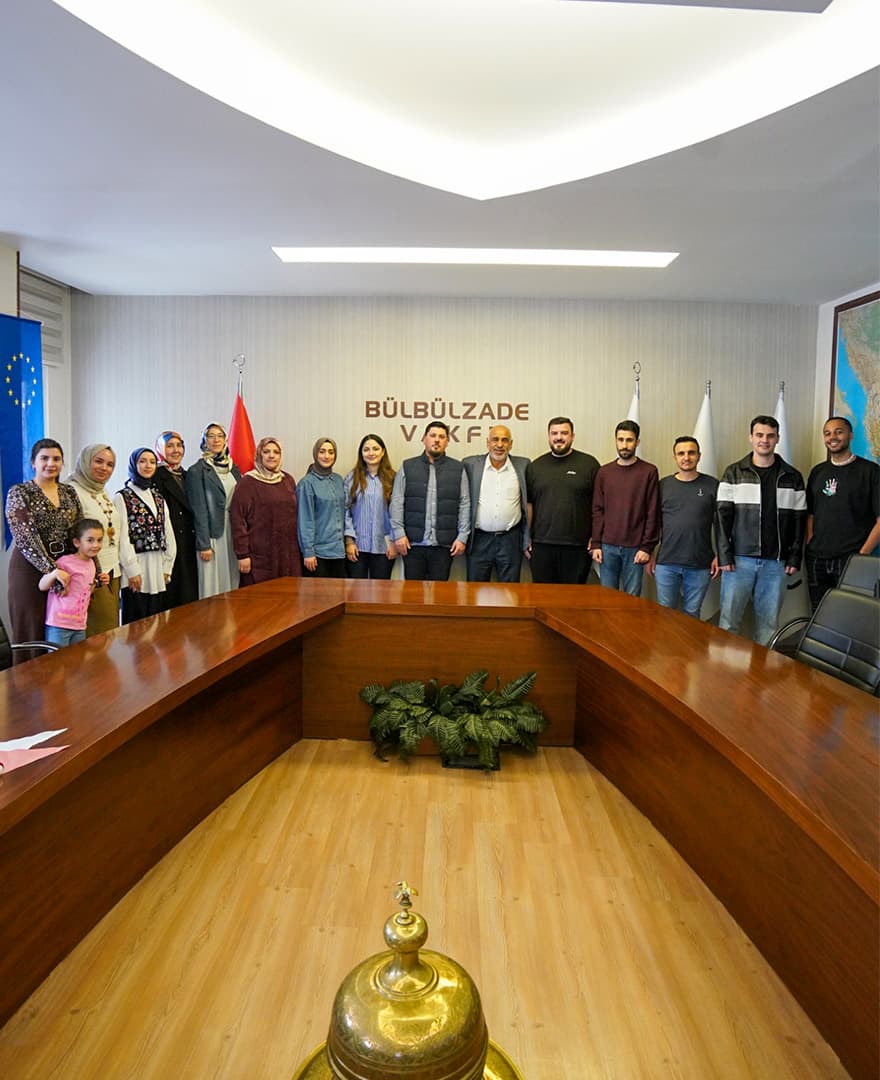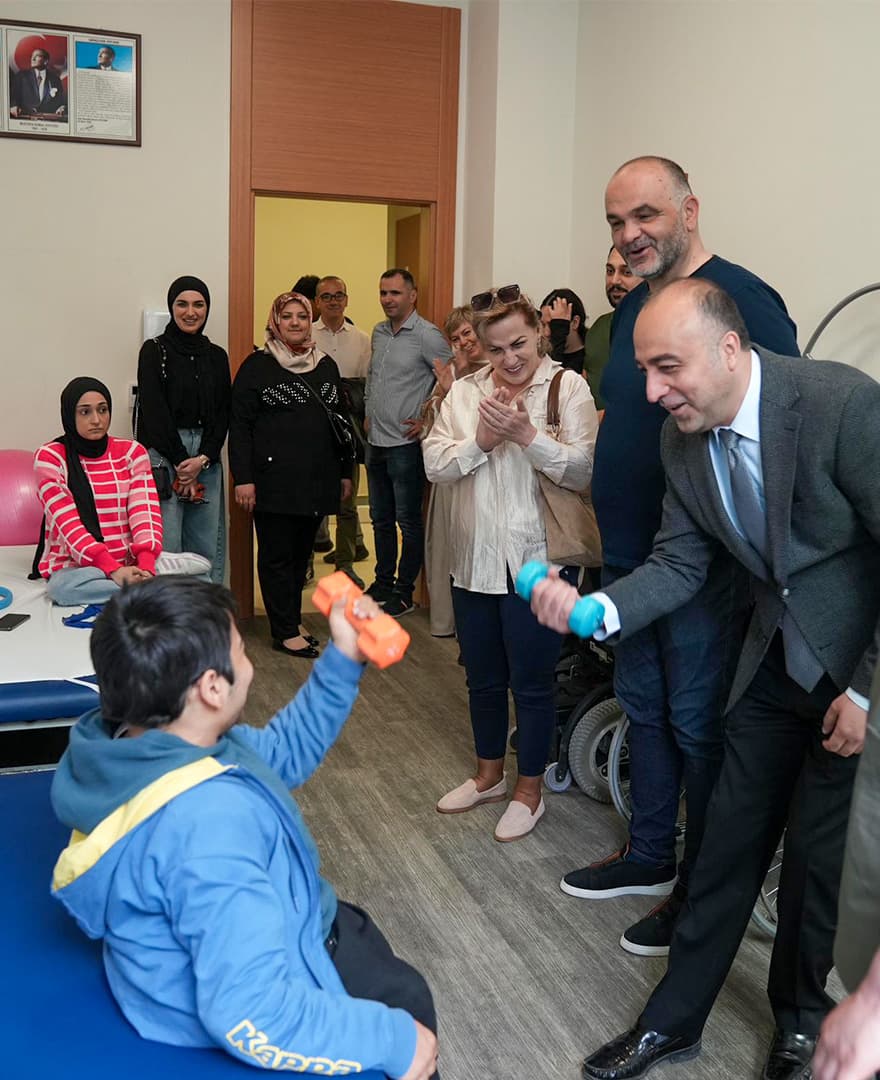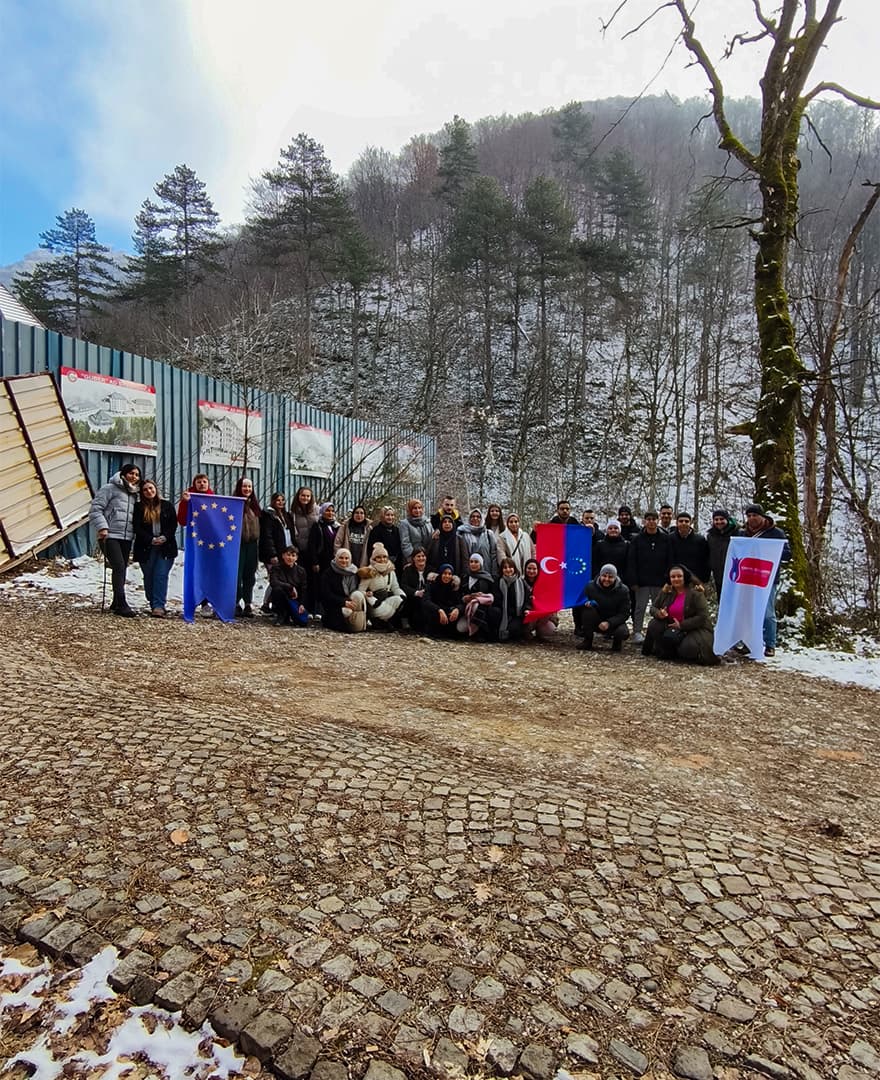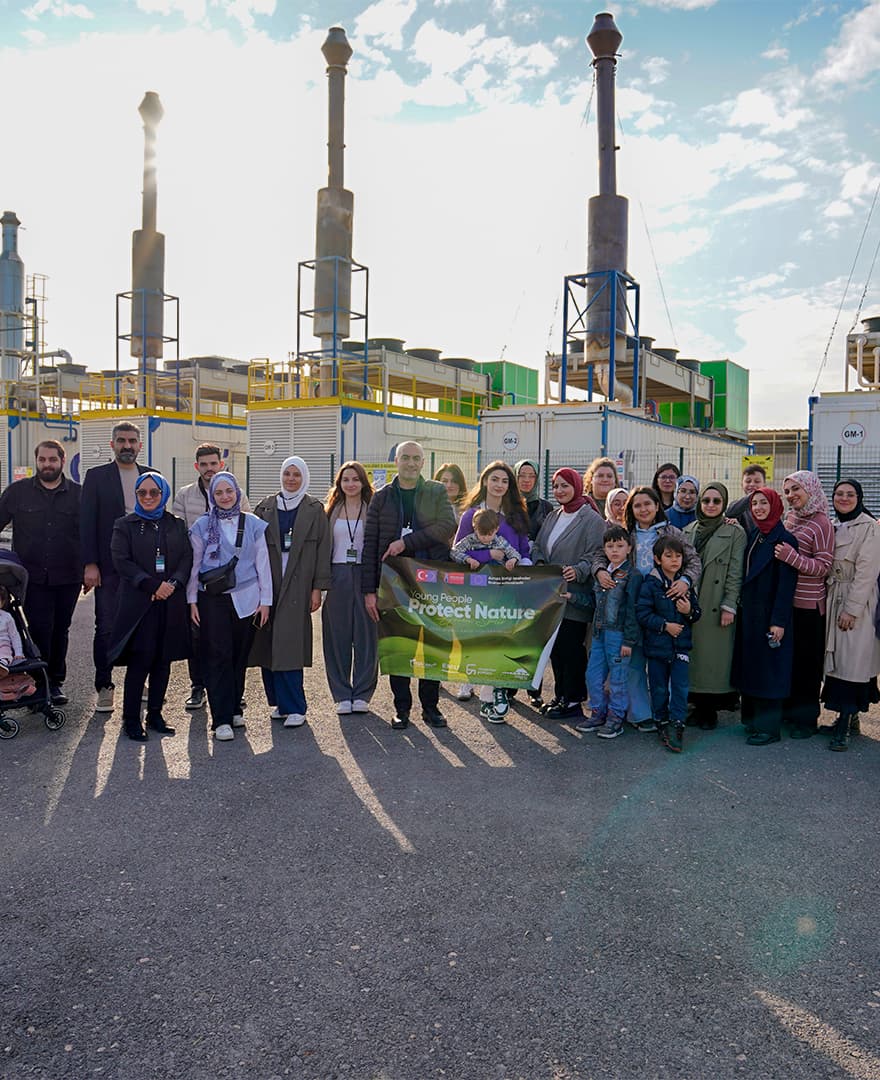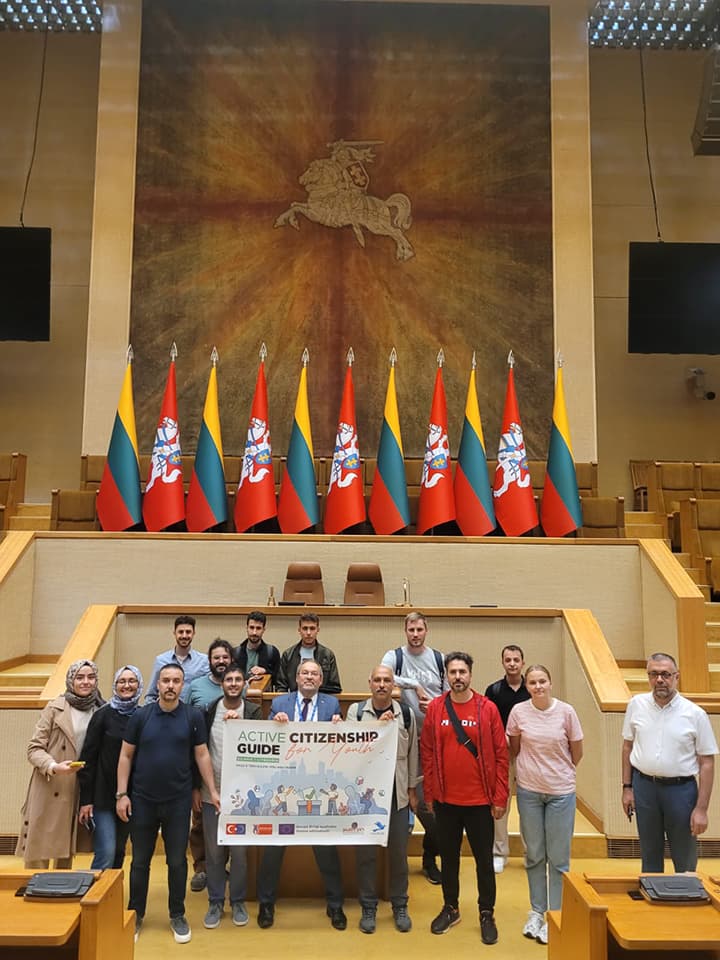
The “Towards a Sustainable Future with Green Steps” project activity, jointly carried out by the Bülbülzade Association and the Novi Pazar Turkish Culture Center and supported by the Turkish National Agency, was held in Novi Pazar, Serbia, between 7–11 July 2026.
The Bülbülzade Association, which continues its activities under the umbrella of the Bülbülzade Foundation, implemented an international project aimed at increasing young people's environmental literacy and helping them develop sustainable living habits in response to the global climate crisis. The Erasmus+ KA151 Youth Mobility project activity, “Towards a Sustainable Future with Green Steps,” jointly implemented by the Bülbülzade Association and the Novi Pazar Turkish Culture Center and supported by the Turkish National Agency, was held in Novi Pazar, Serbia, between 7–11 July 2026. Organized with the vision of a sustainable world, the program established a strong bridge of knowledge exchange between the youth of the two countries.
GREEN SKILLS WERE DISCUSSED
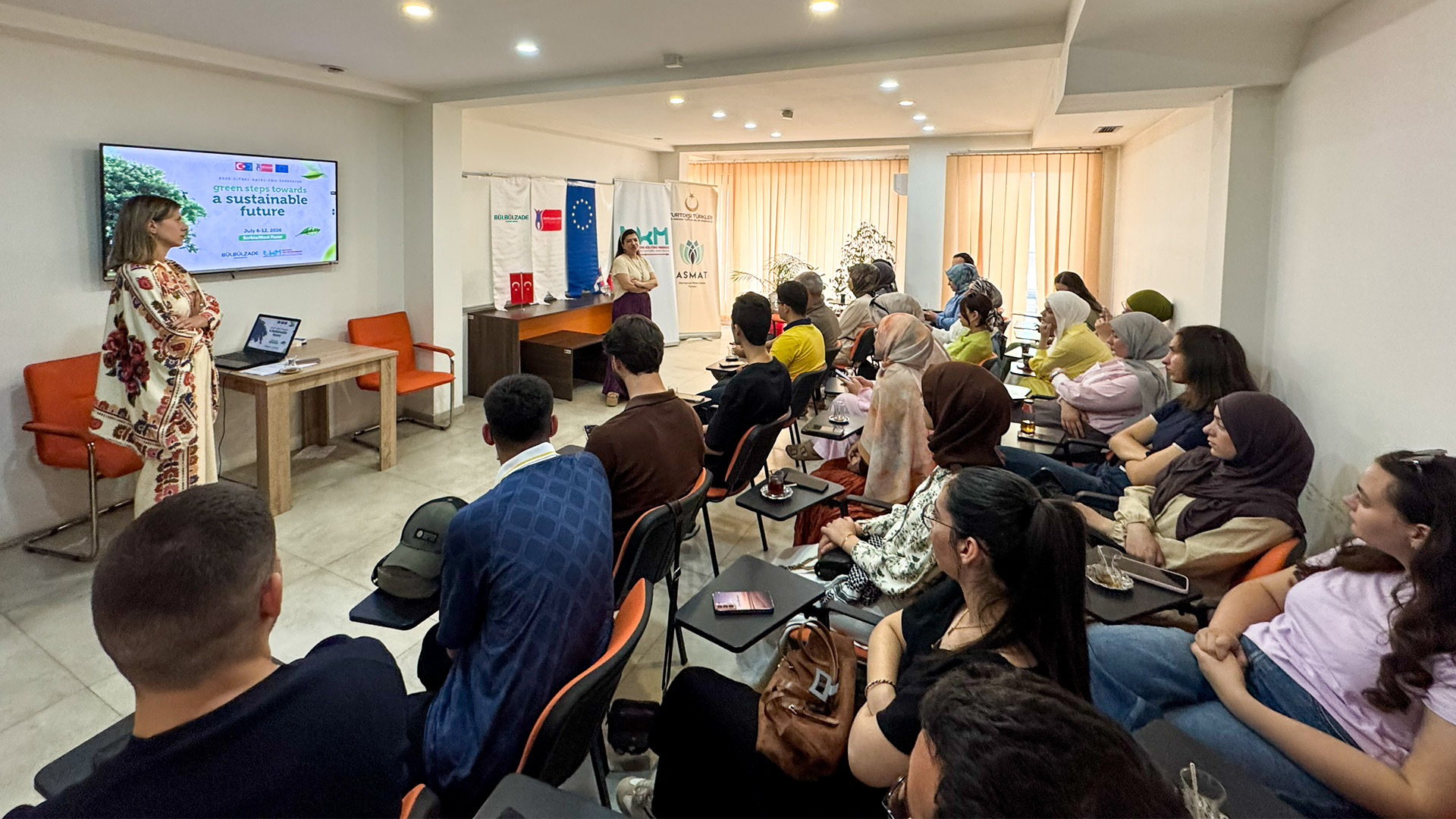
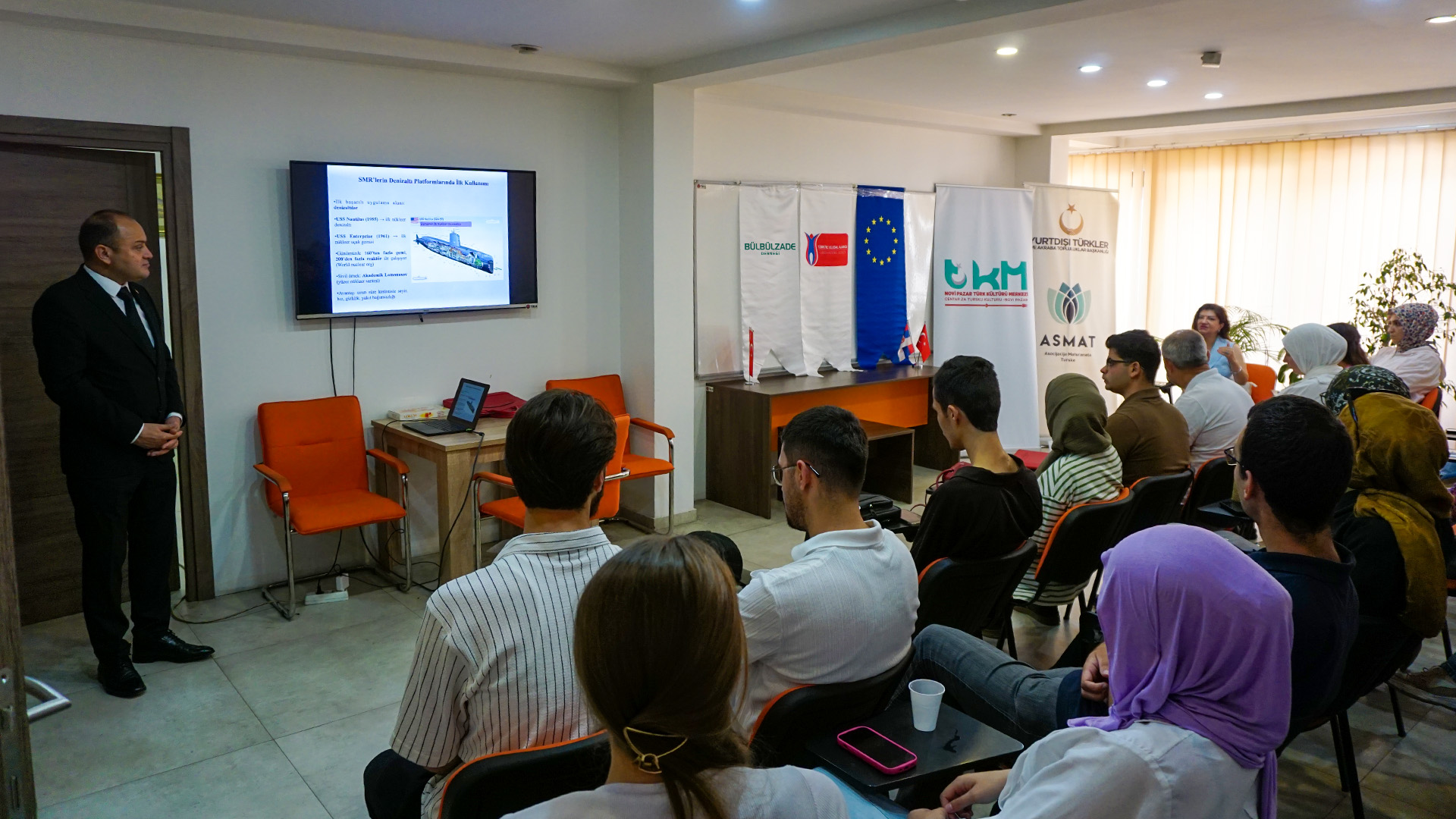
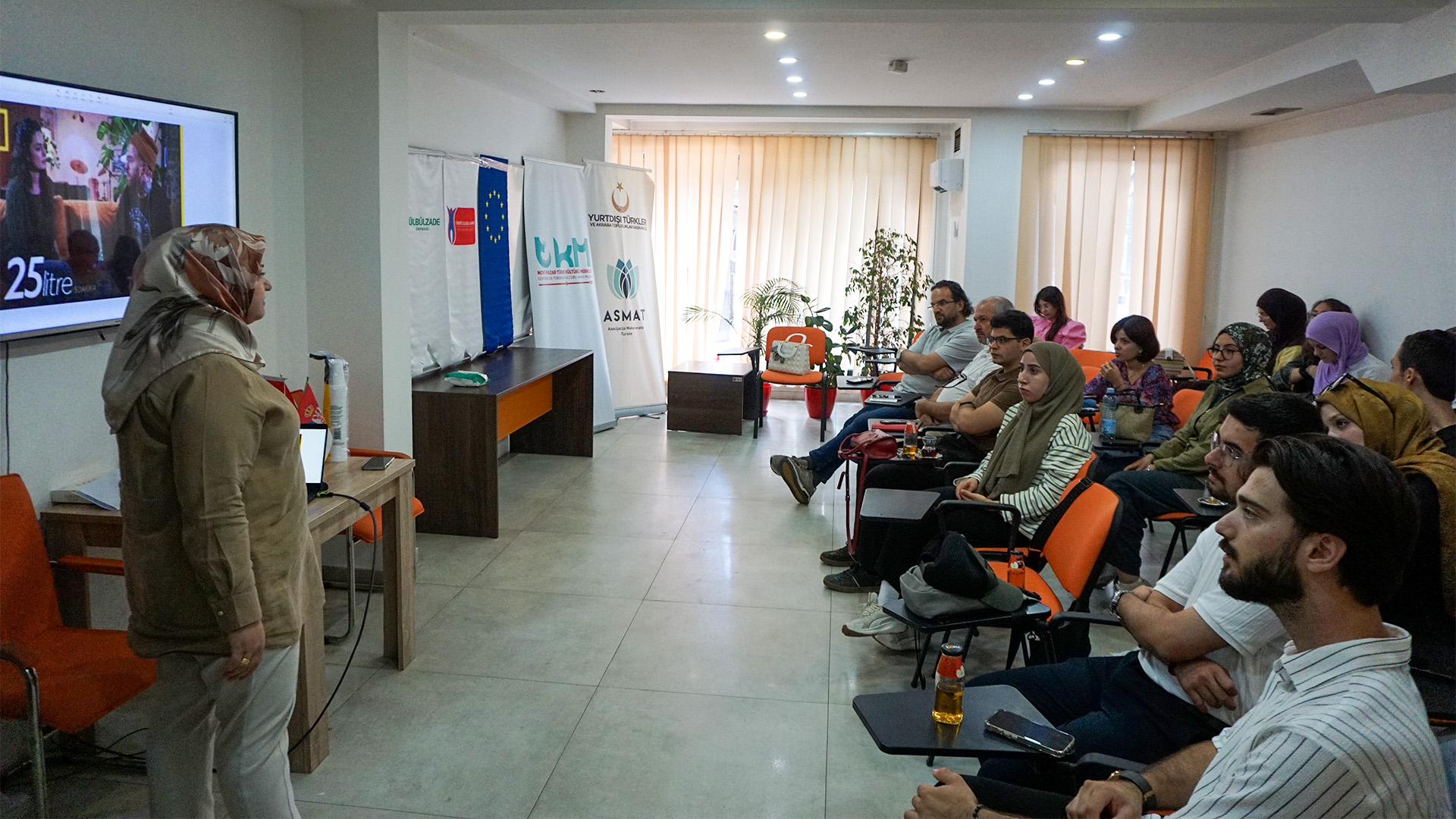
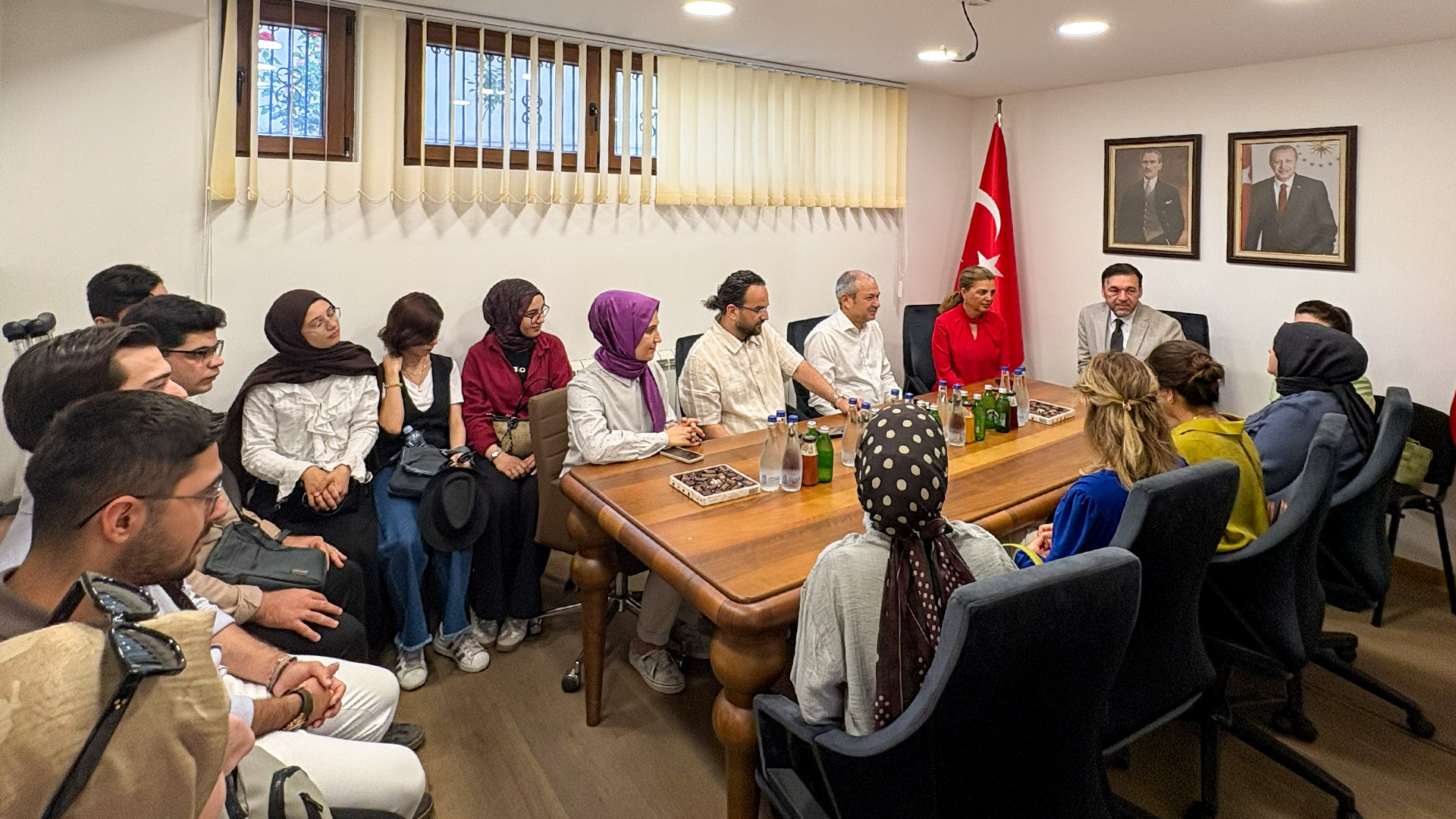
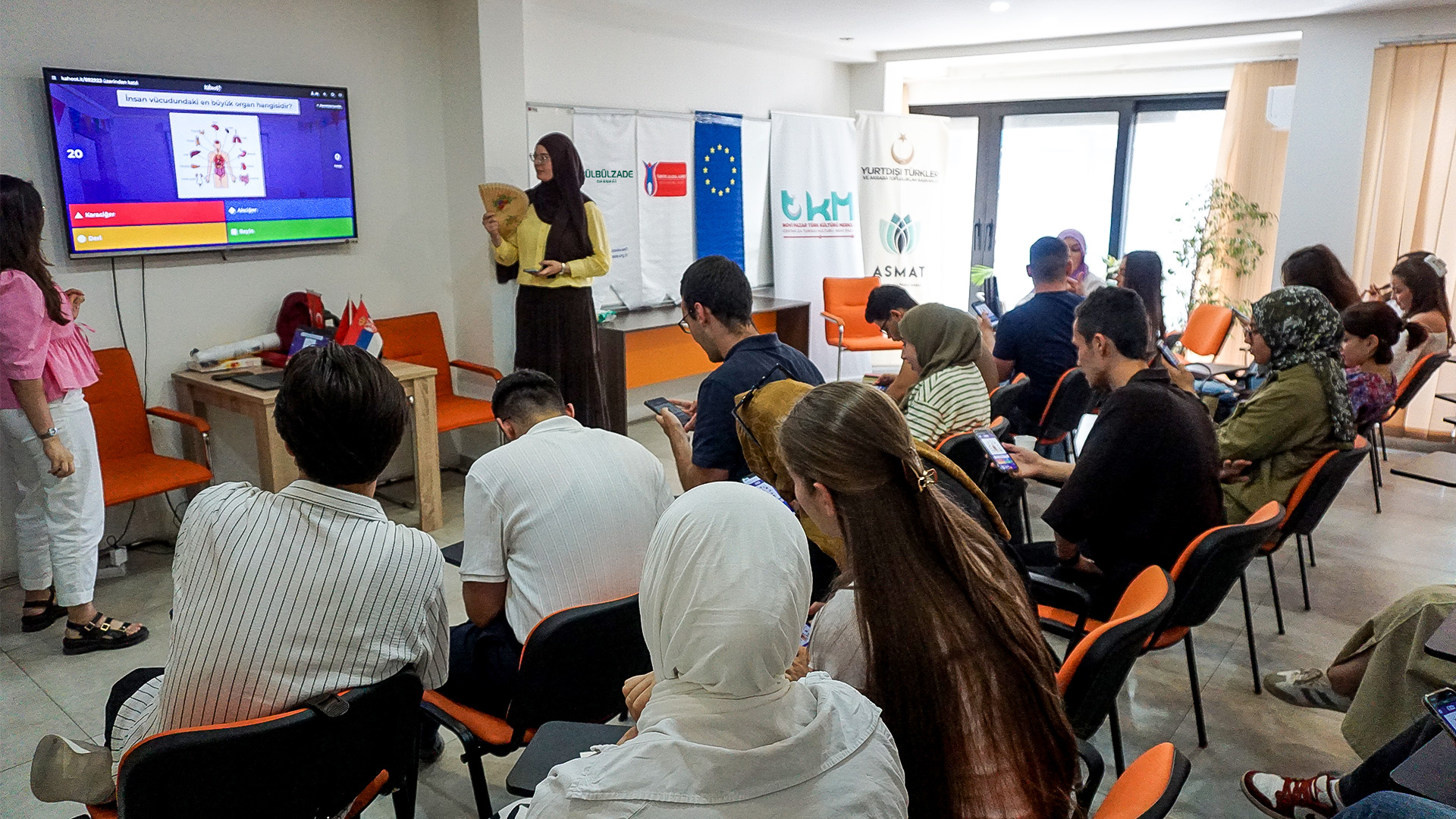
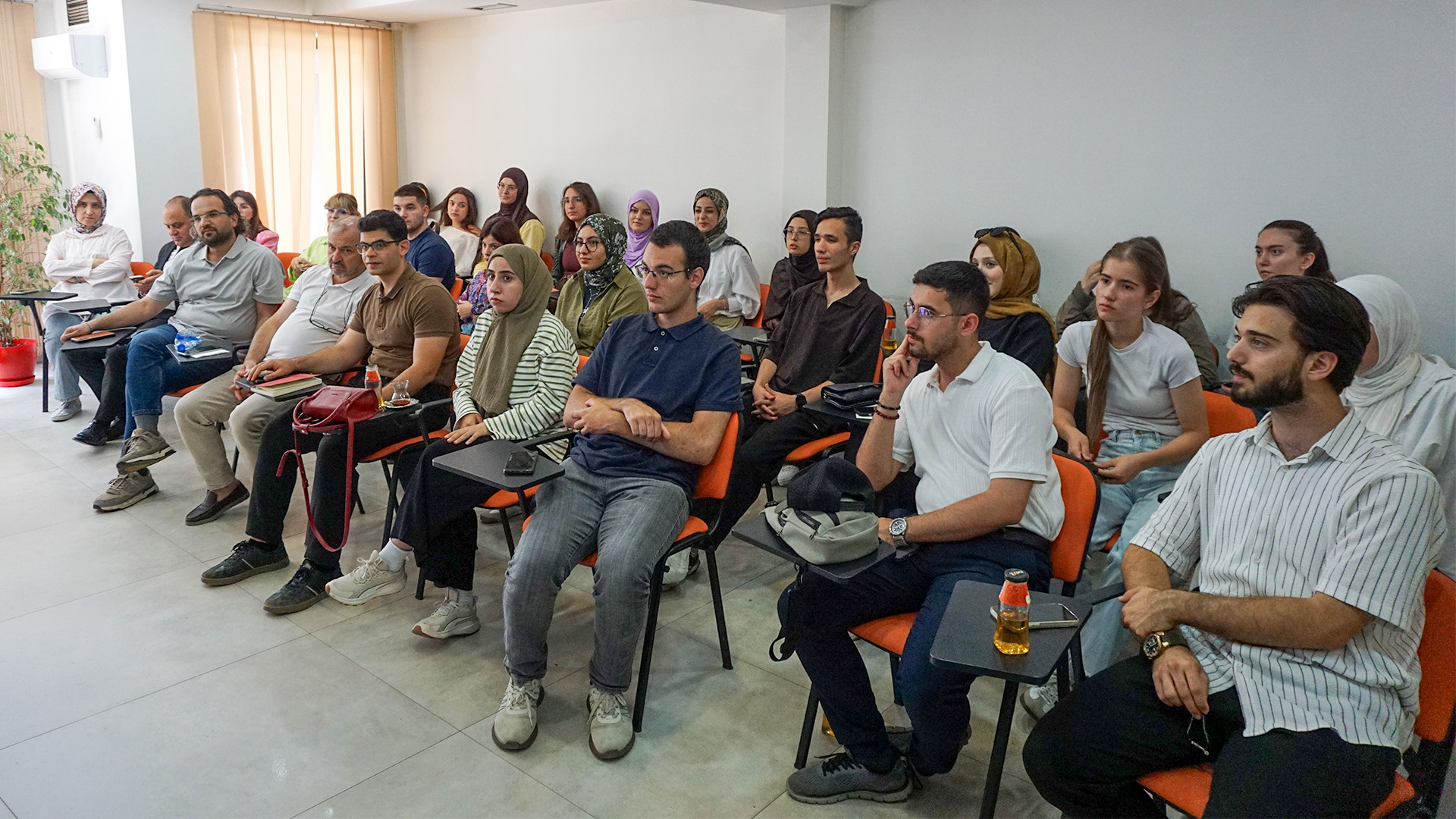
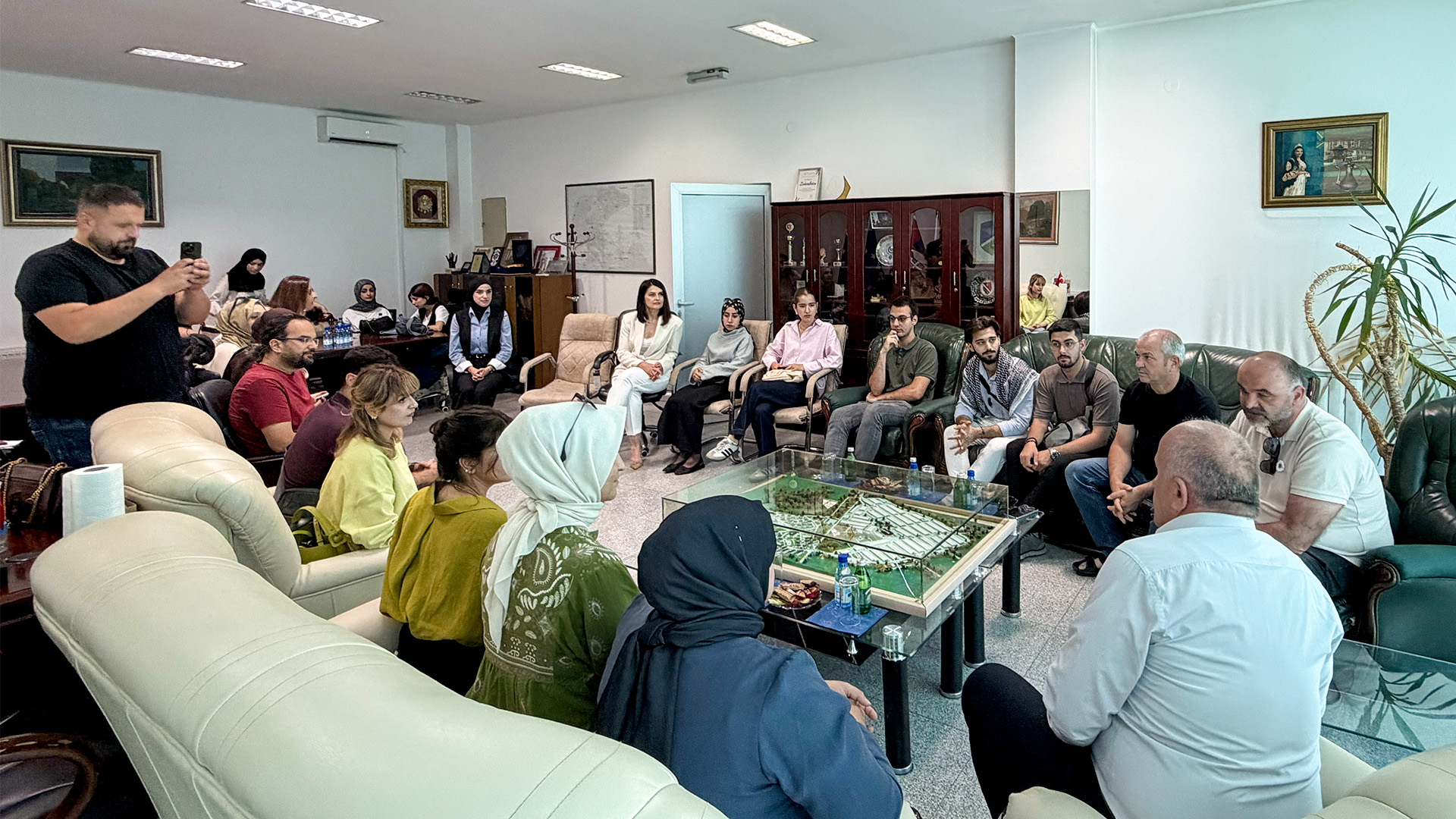
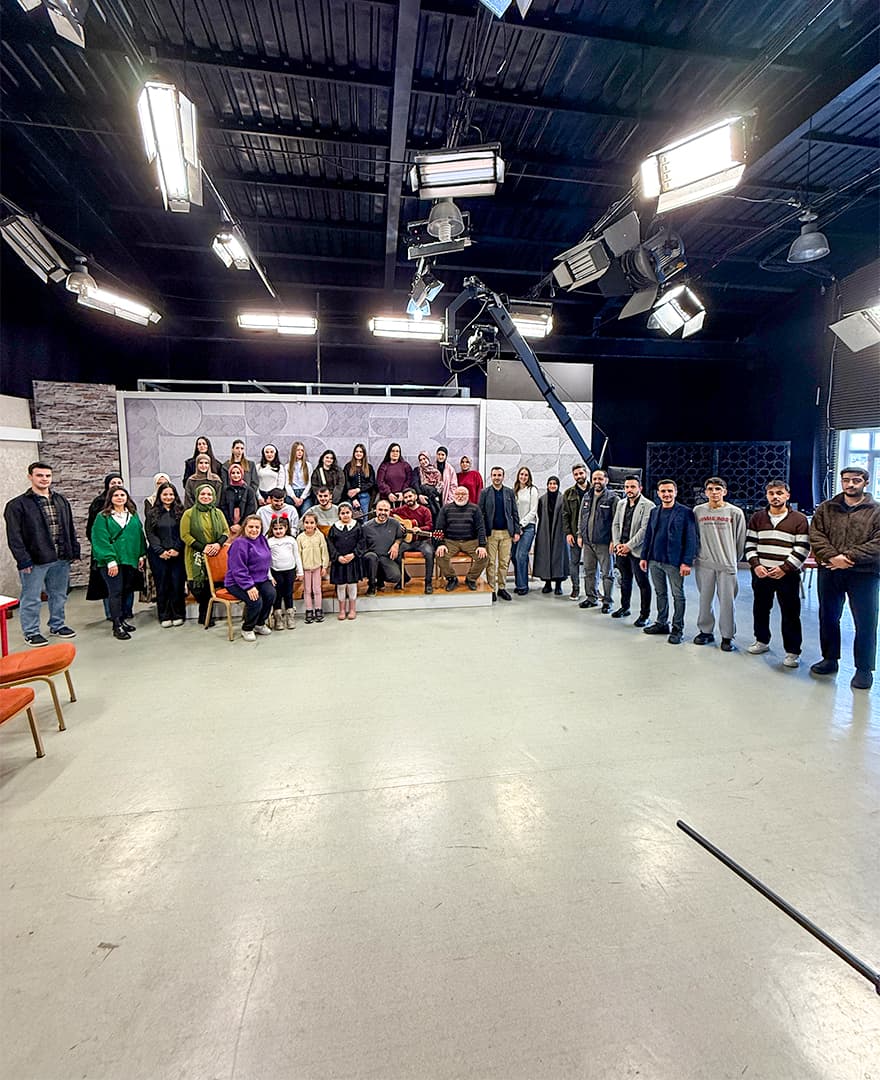
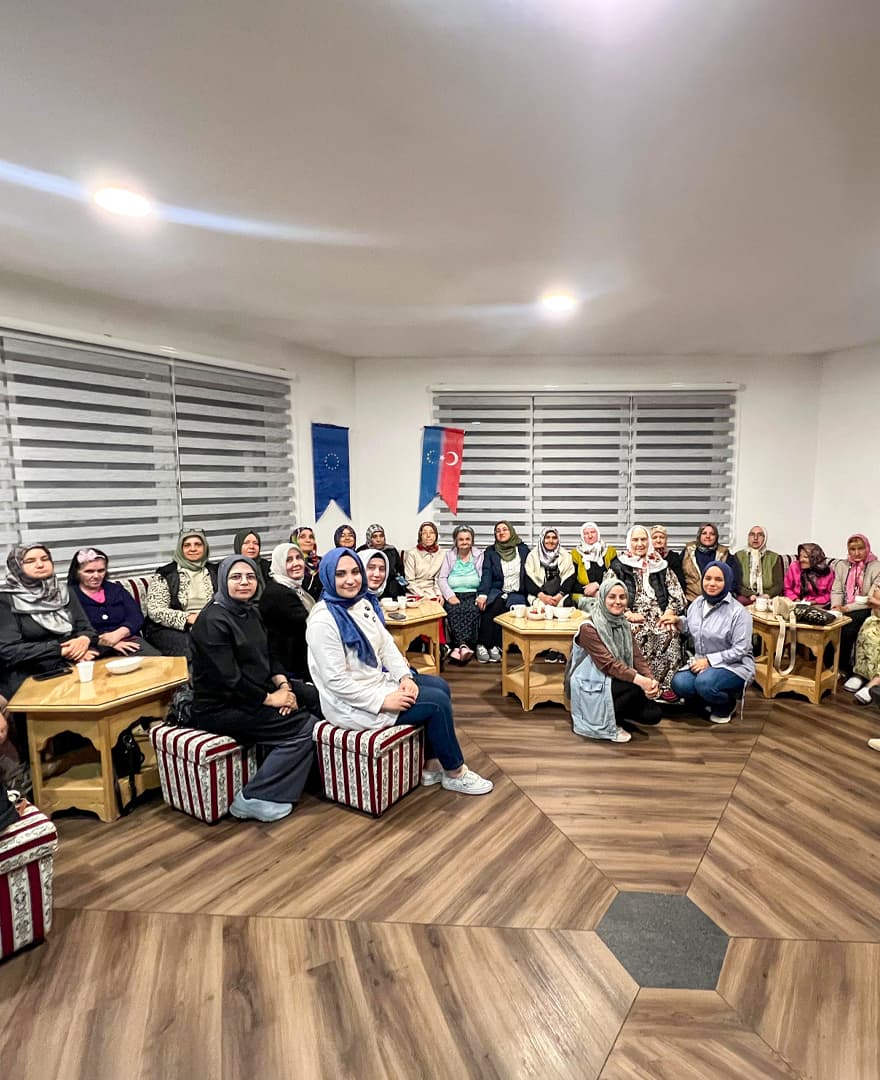
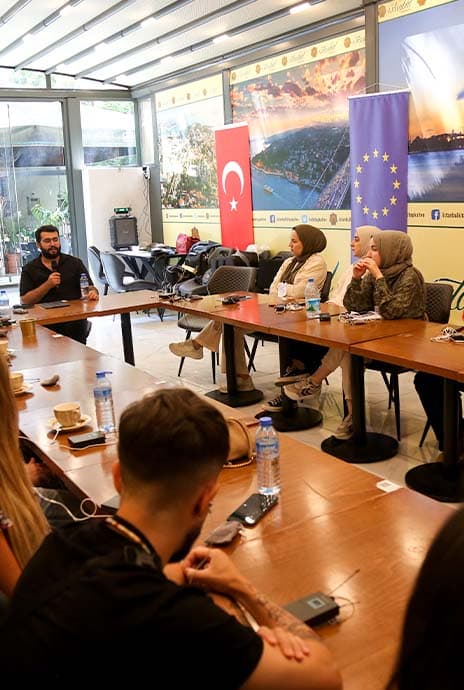
The special gathering was held with the participation of 30 students studying at the Novi Pazar Turkish Culture Center, where good environmental practices from around the world and sustainable partnership models were discussed. Education Counsellor Murat Şahin delivered a comprehensive presentation for the young participants, drawing attention to green skills and sustainable living habits. Following the theoretical presentations, activities supported by digital games such as Kahoot and other interactive applications reinforced the participants' environmental awareness in an enjoyable way.
DEVELOPMENT-ORIENTED SESSIONS
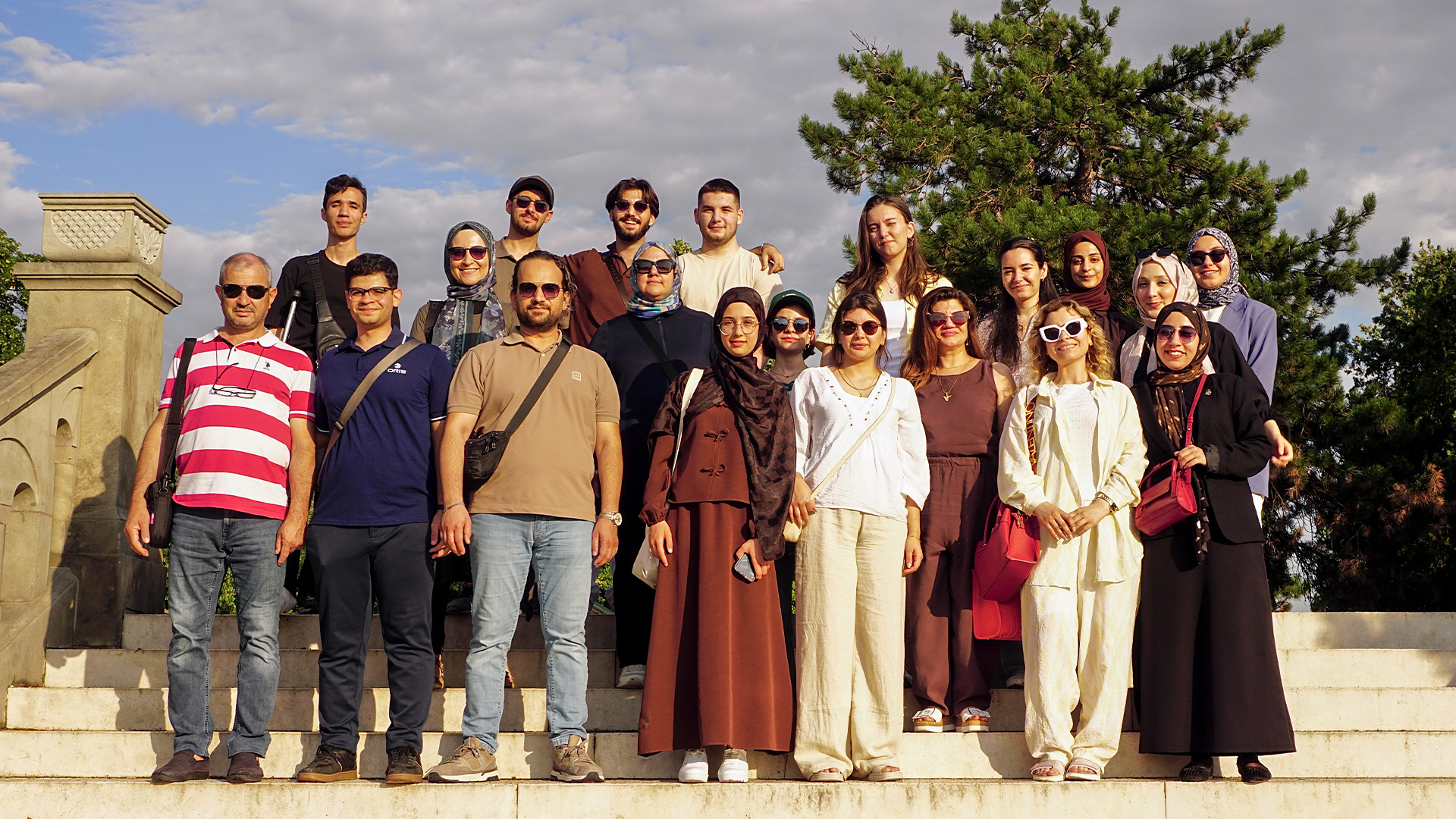
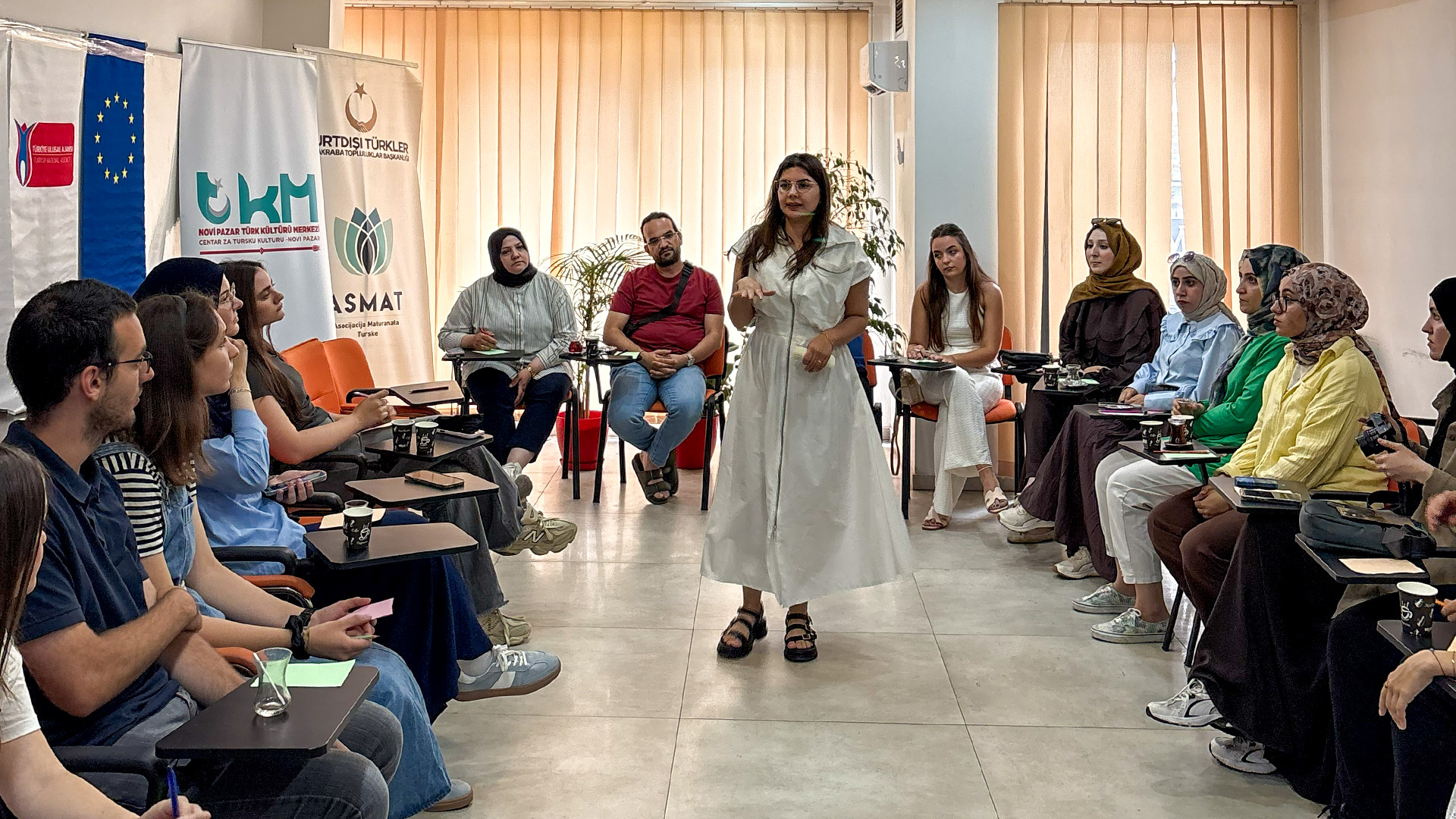
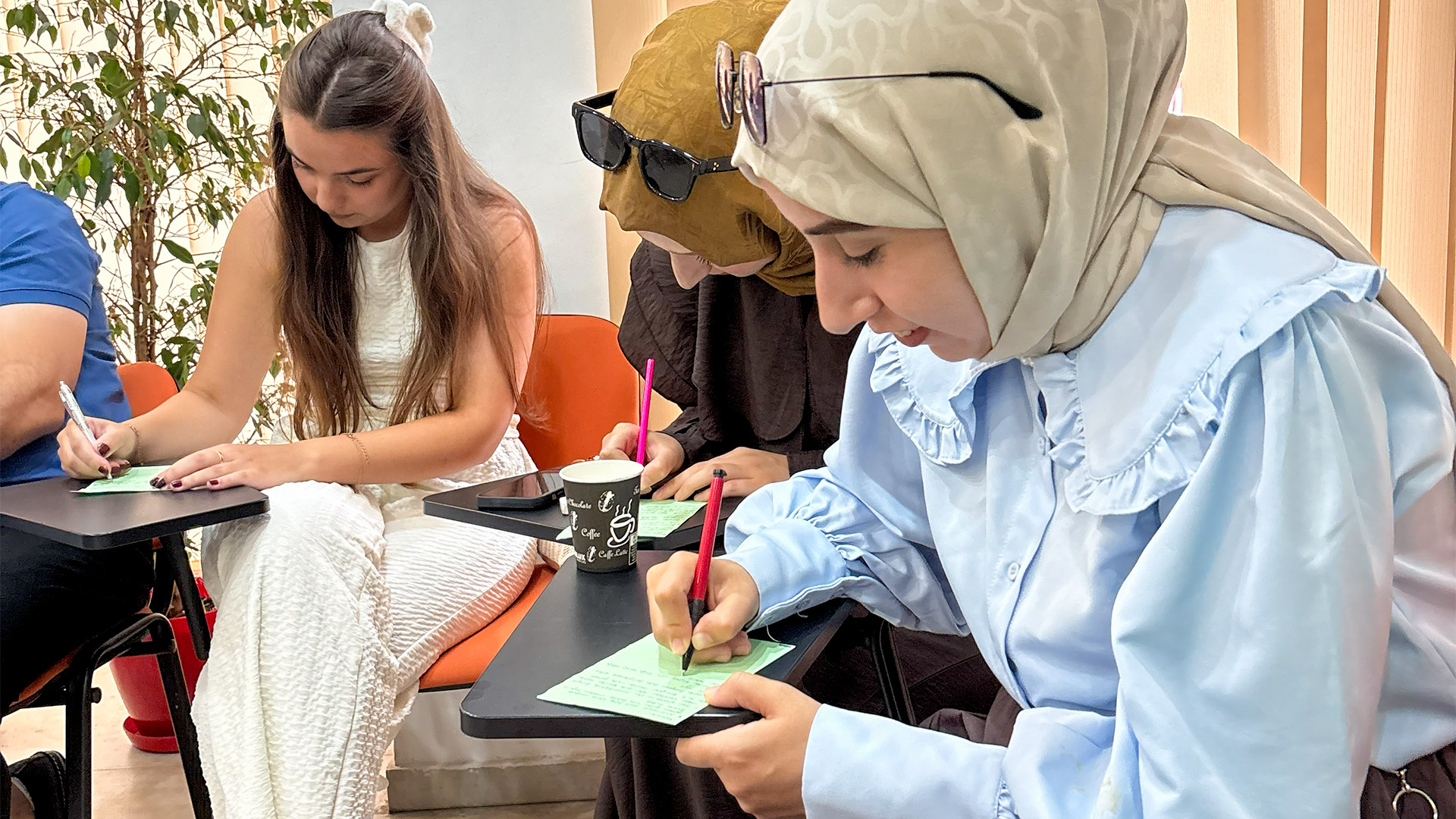
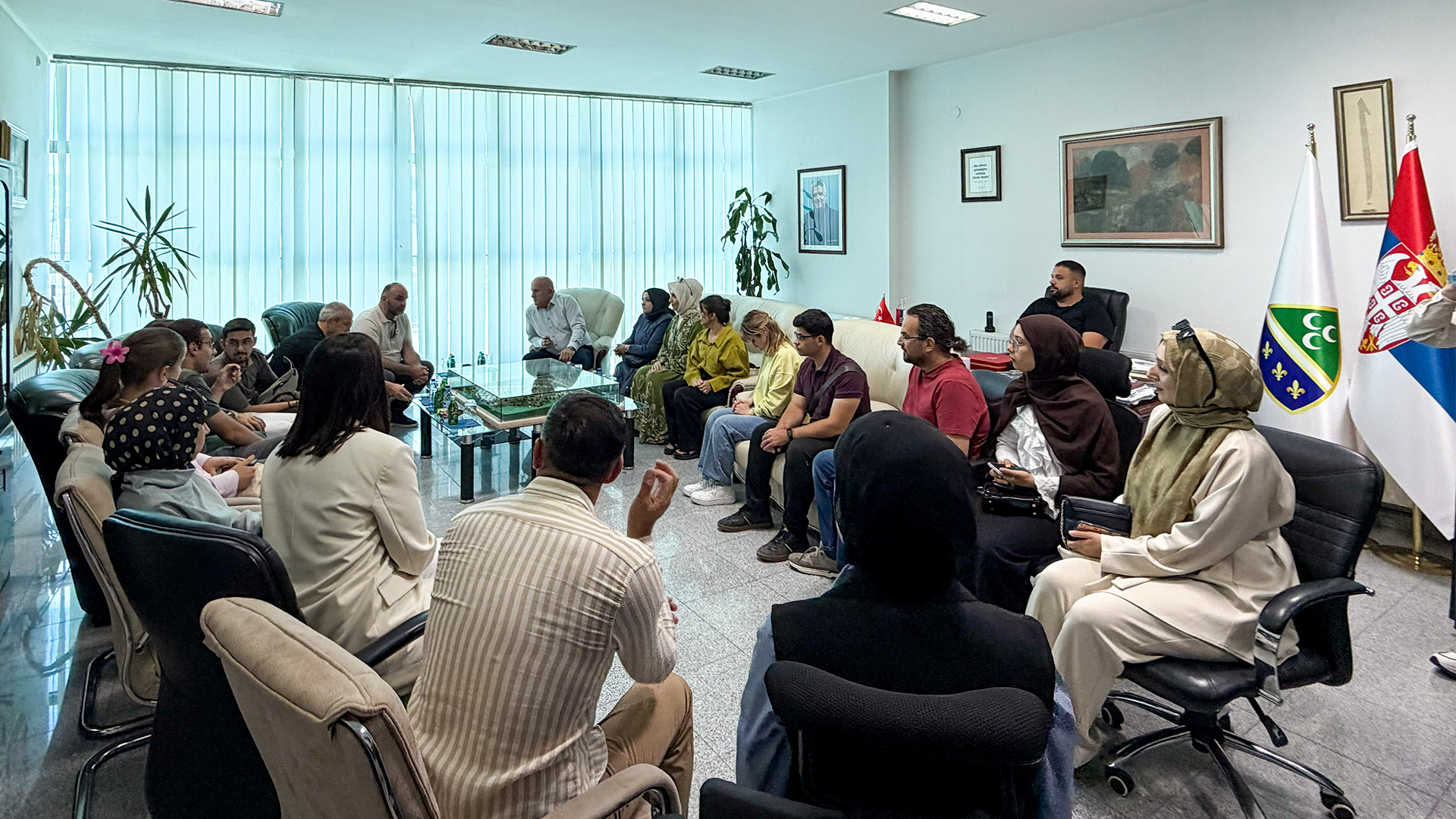
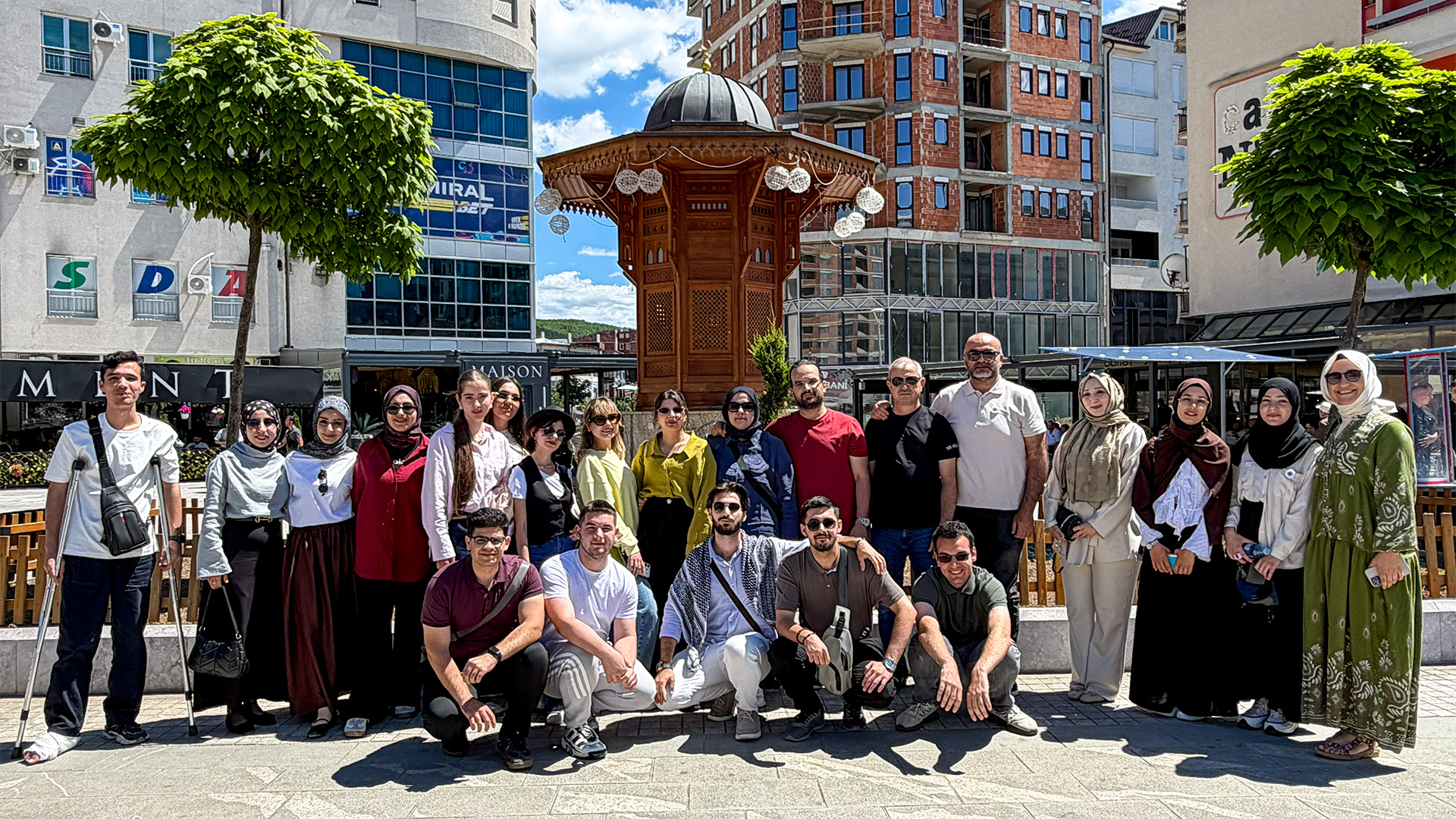
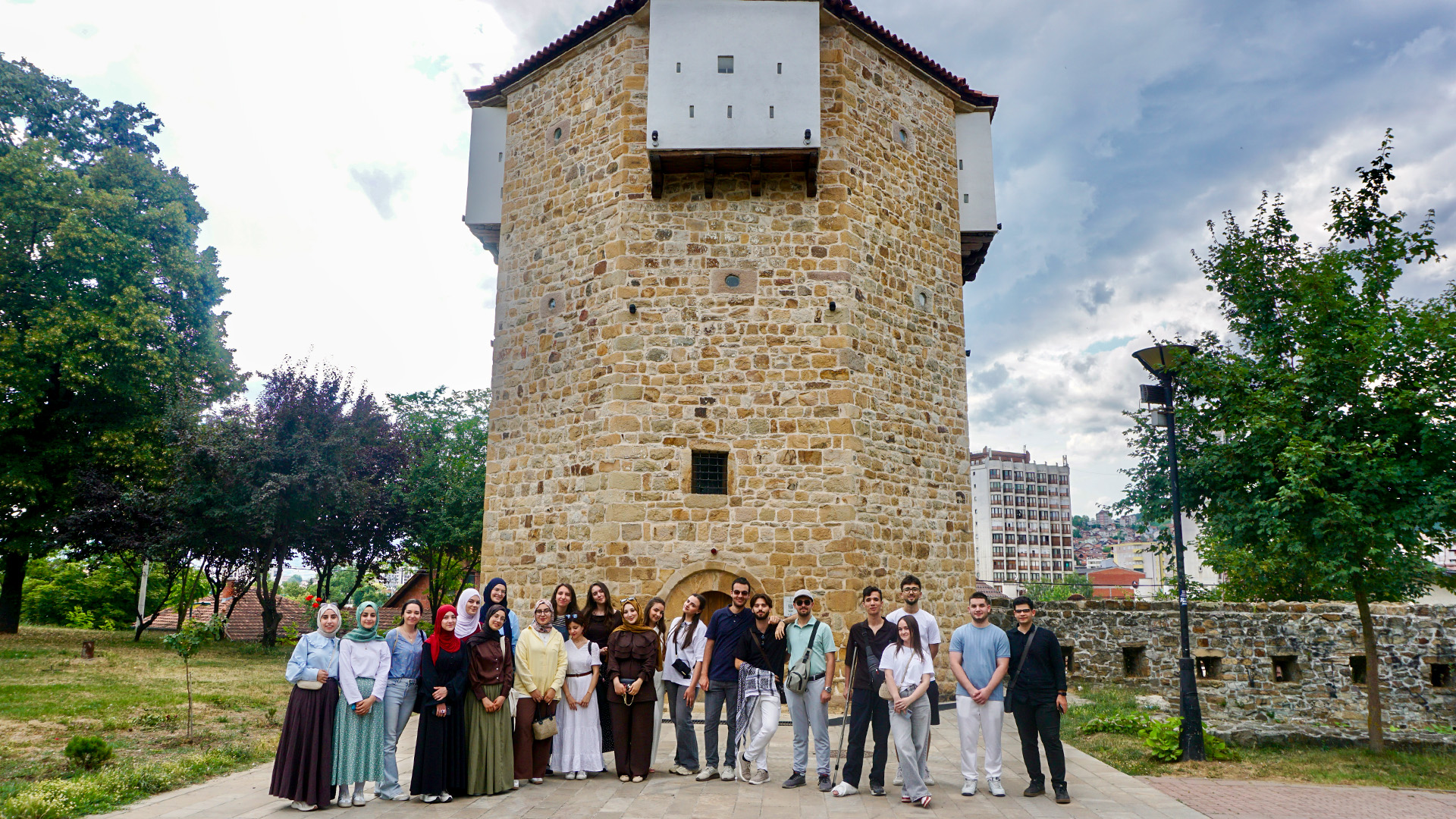
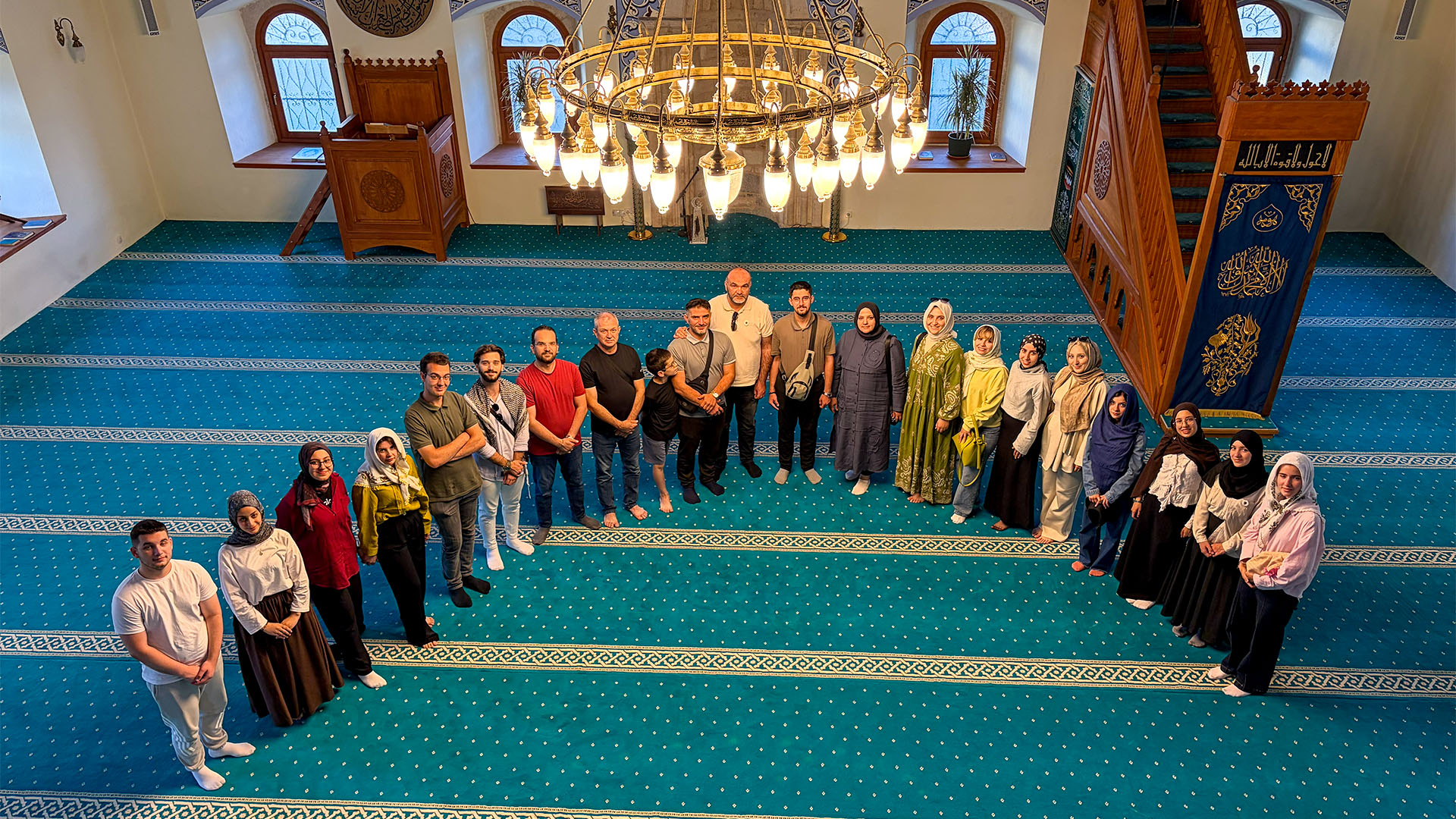
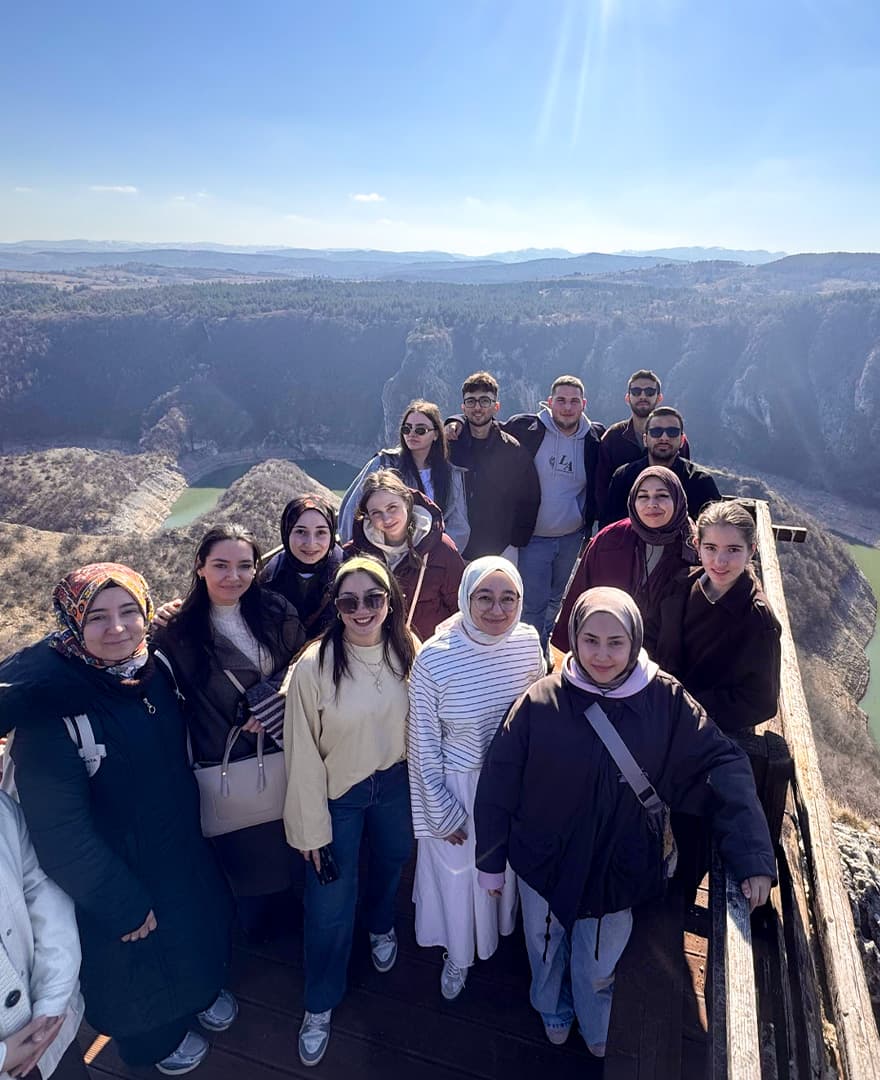
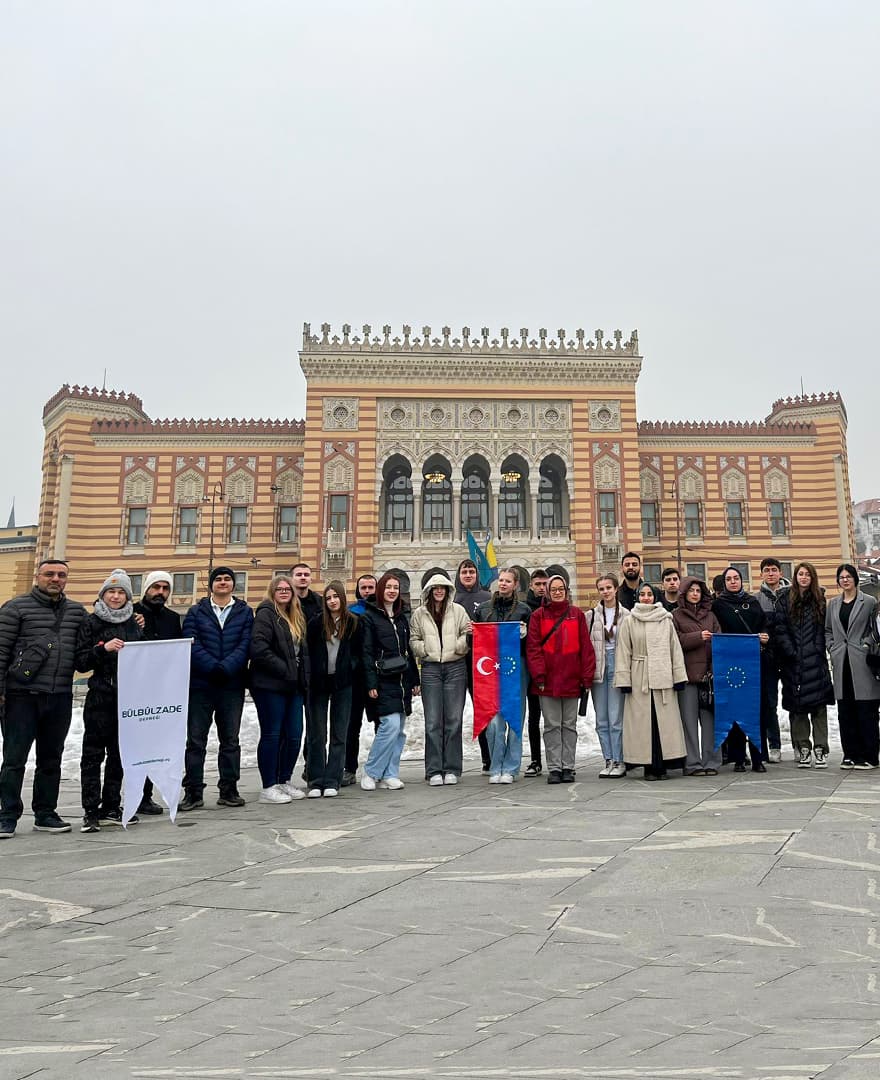
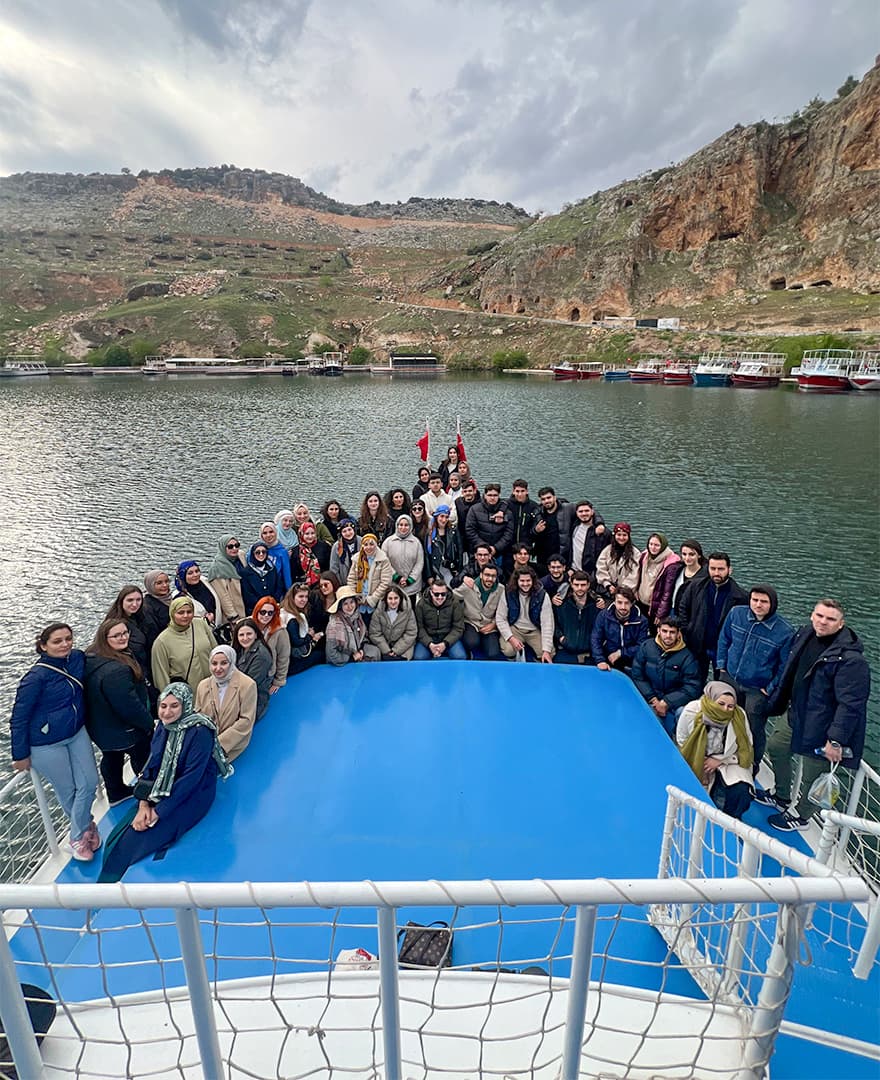
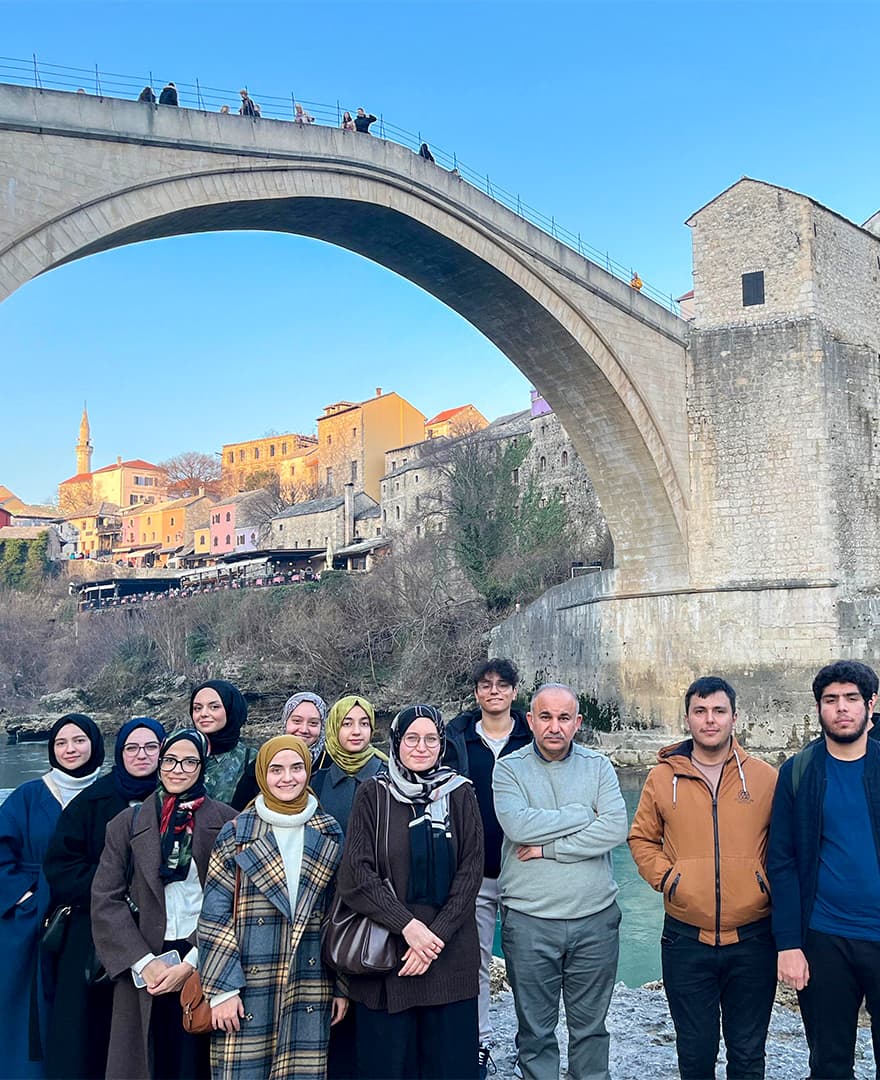
In order to strengthen the theoretical foundation of the program and help participants identify their goals, the event began with an "Expectation and Contribution Mapping" activity. Following this dynamic introduction, which enabled young participants to concretize both their expectations from the project and the contributions they would make to the process, vision meetings were held to share institutional experiences. Within this framework, the session titled "Civic Responsibility in Environmental Protection and the Role of Civil Society" addressed the importance of civil initiatives in raising public awareness. Immediately afterwards, the seminar entitled "Good Practices from Around the World: Youth, NGOs, and the Green Transition" examined success stories from across the globe and presented concrete examples of how young people can become active contributors to the green transition. This intensive academic and interactive program was crowned with city and cultural tours that offered participants the opportunity to observe the region's historical and social fabric firsthand, thereby strengthening intercultural ties among the young participants.
A CLEAN FUTURE IS POSSIBLE THROUGH A COLLECTIVE EFFORT
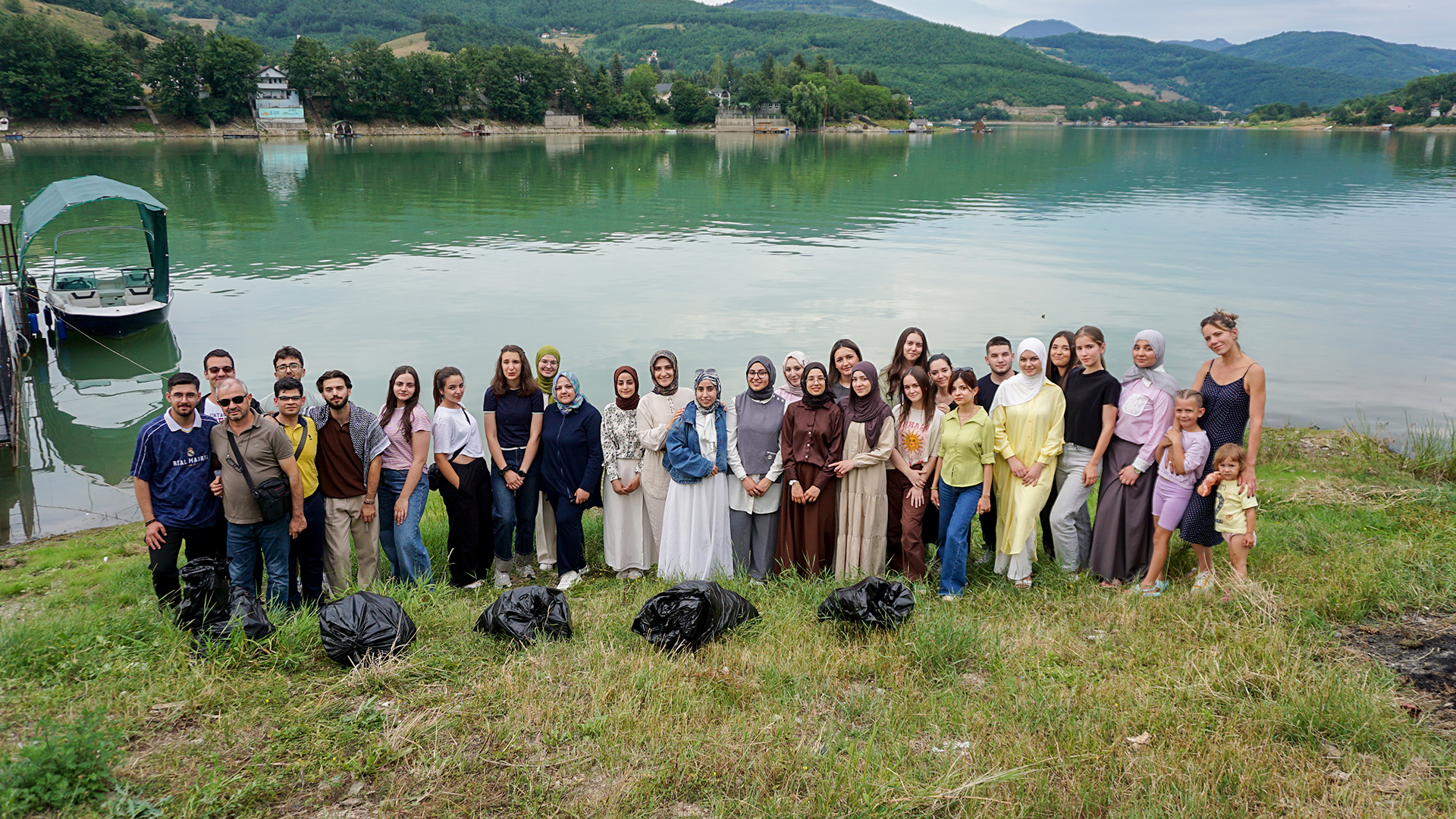
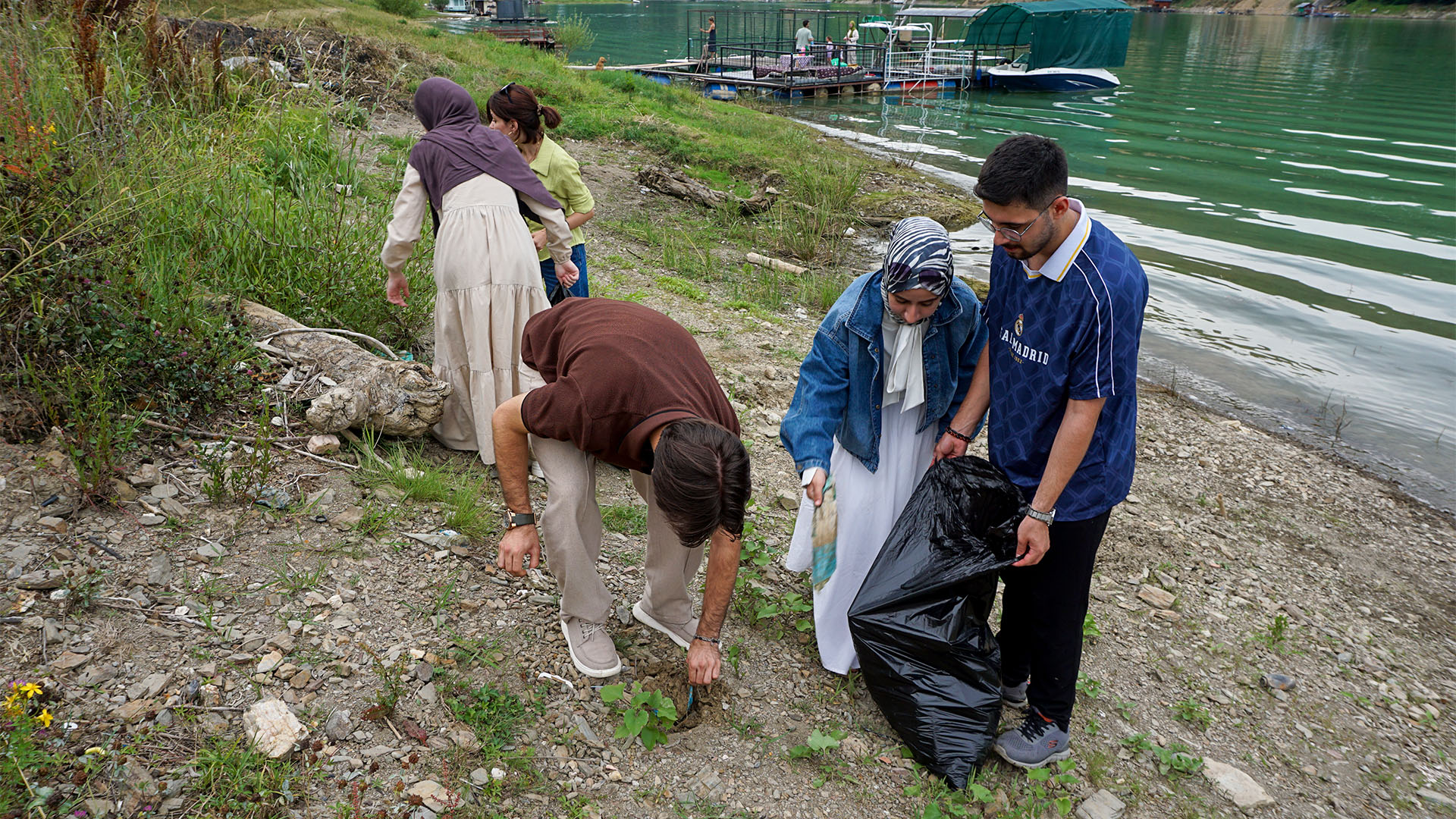
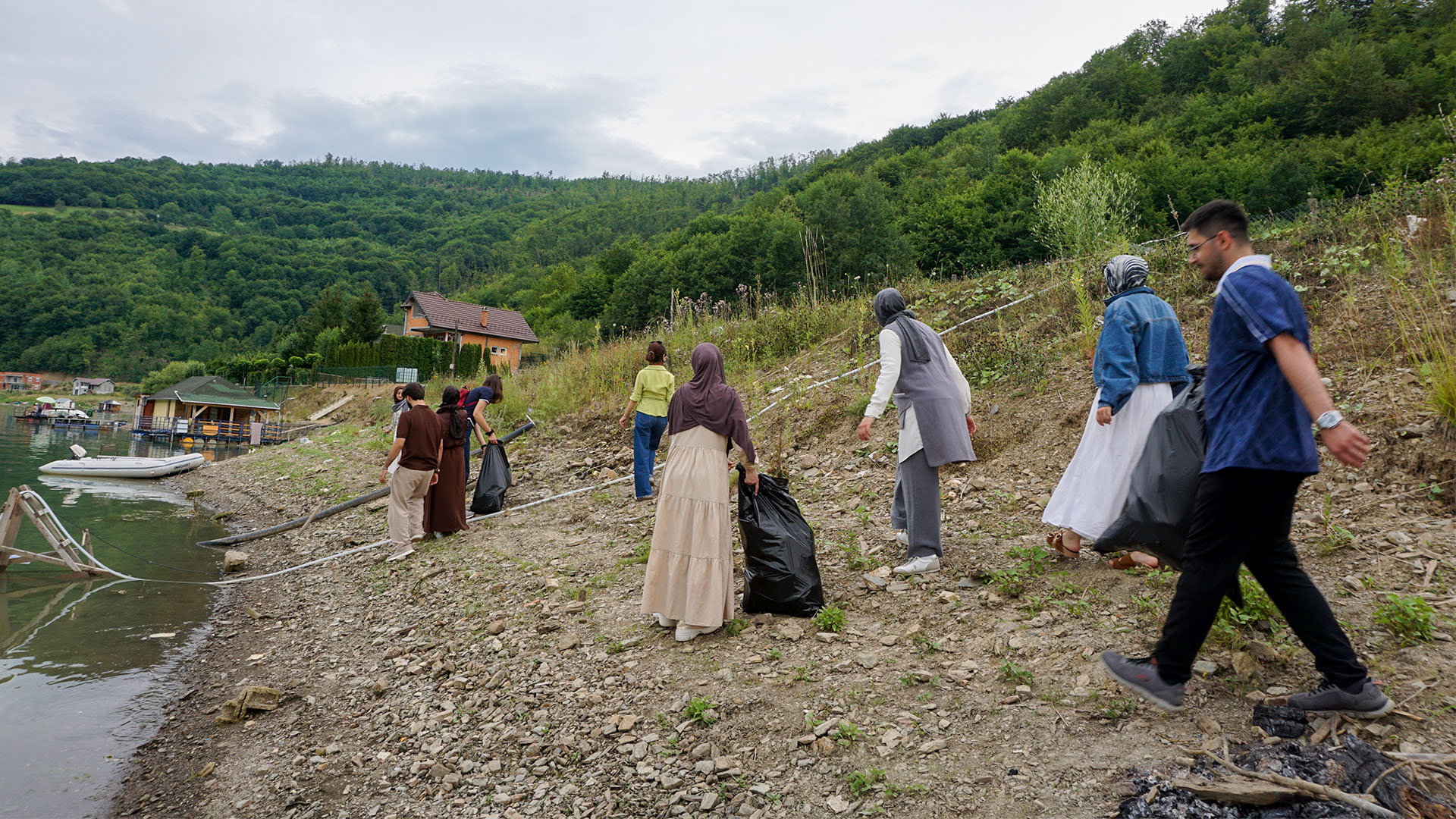
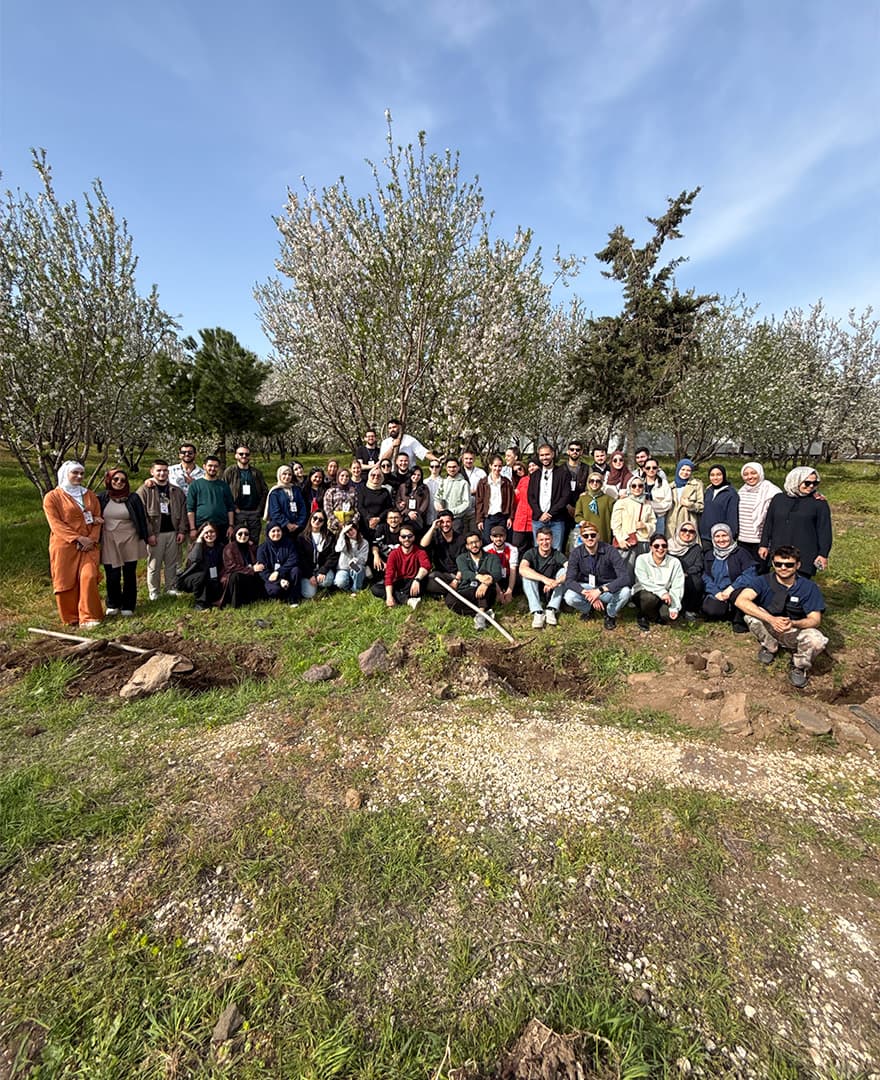
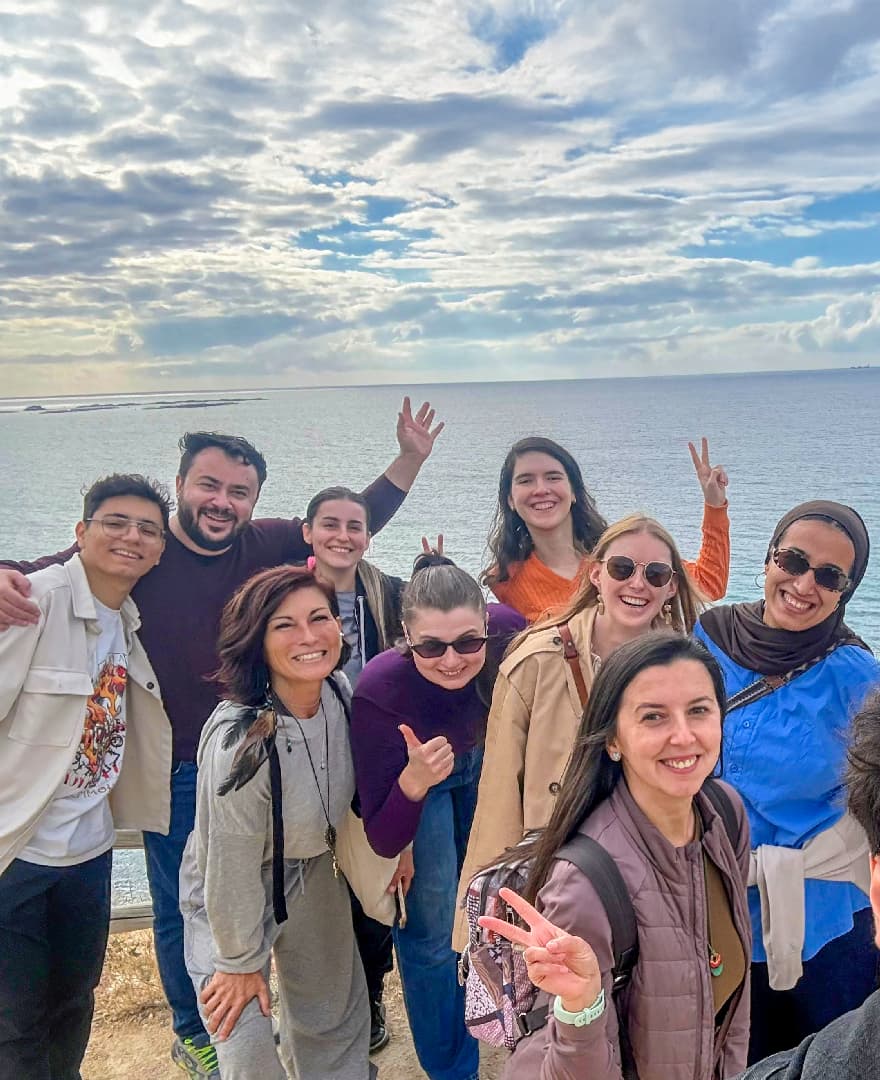
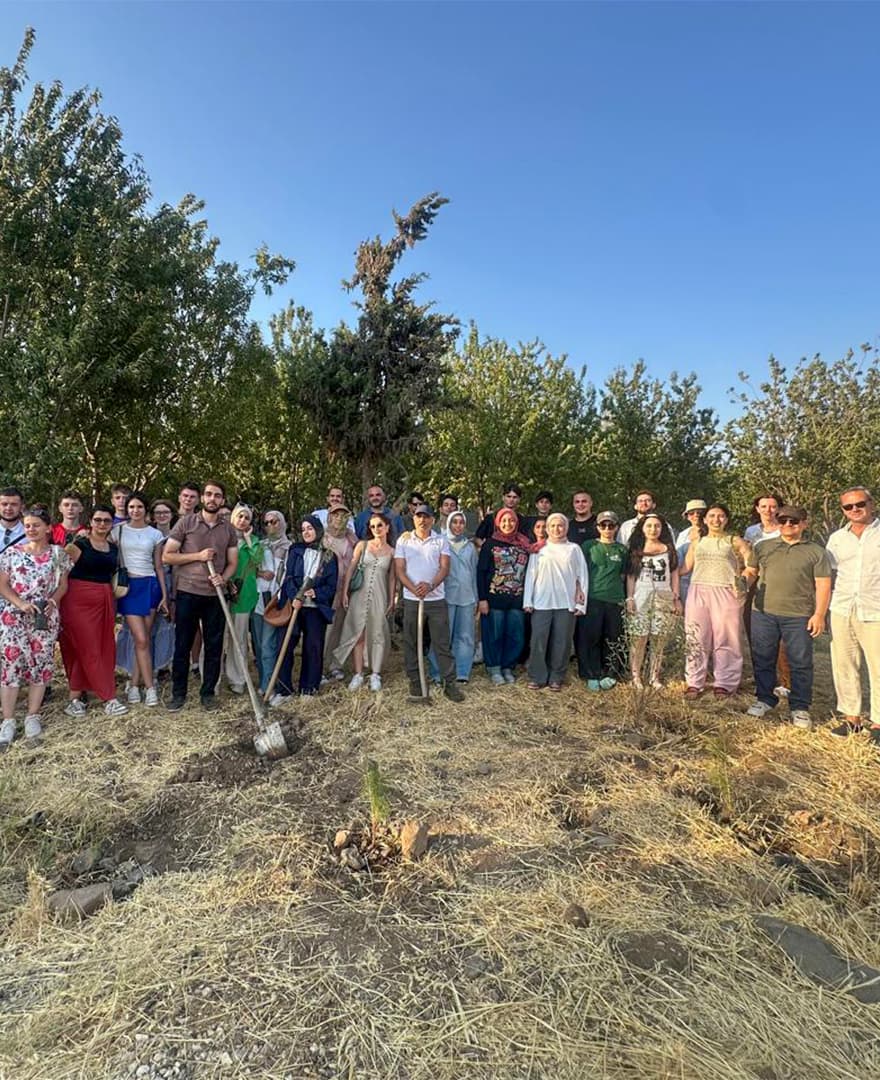
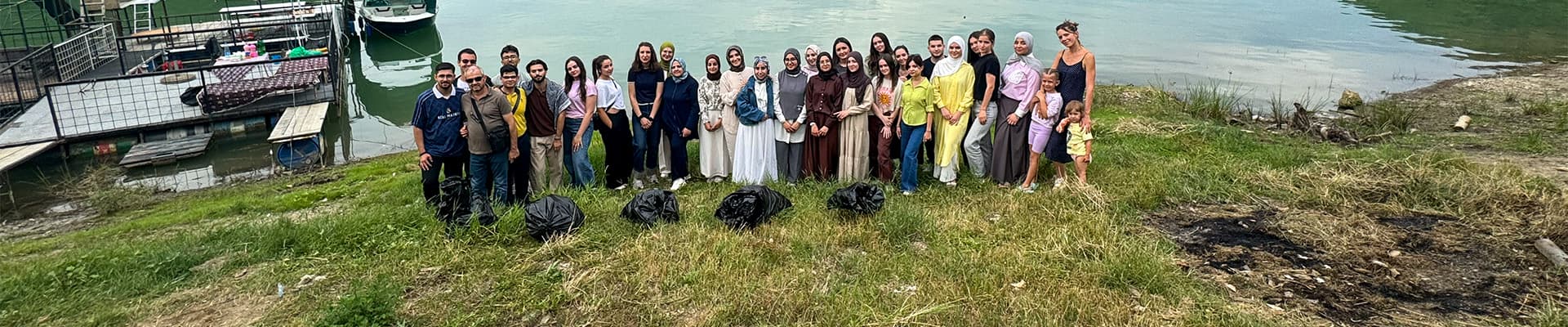
During the practical implementation phase of the project, participants took part in an environmental clean-up activity around Lake Ribariće. Reflecting their awareness of protecting natural areas through action, the young participants both collected litter in the area and demonstrated that a clean future is only possible through collective effort. Combined with a picnic program, the event also provided an opportunity to discuss good examples of environmental projects in Serbia and Türkiye. During sessions in which future joint steps were planned, participants exchanged ideas on what could be achieved at both the individual and institutional levels.
THE ROADMAP FOR THE NEXT PHASE WAS DETERMINED
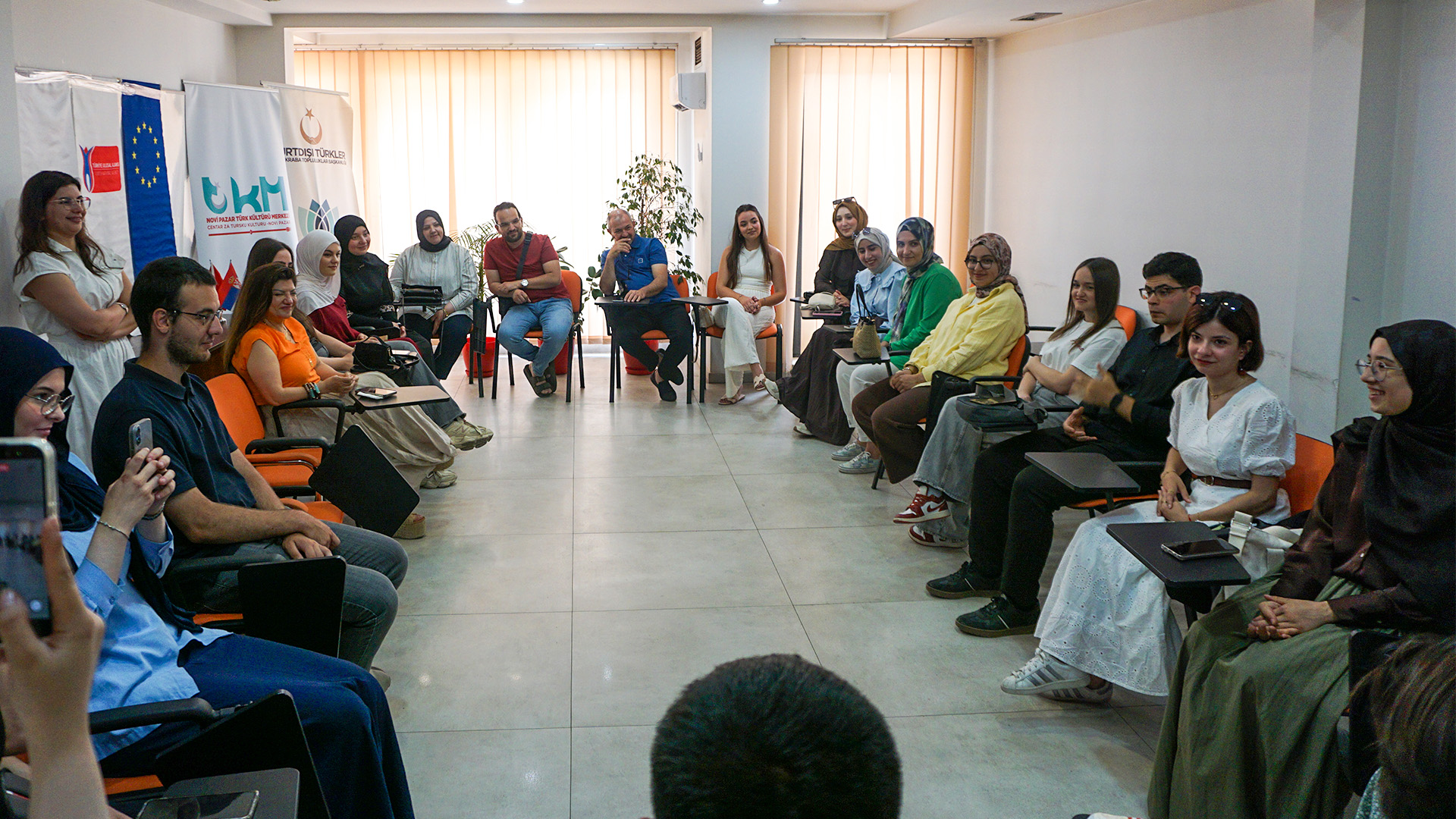
During the program, where examples of good environmental practices from both countries were mutually shared, the concrete steps to be taken in the coming period were discussed comprehensively. As part of the series of activities, the workshop titled "Designing Action-Oriented Campaigns for a Sustainable Environment" enabled young participants to develop innovative campaign ideas aimed at spreading environmental awareness to wider audiences. This was followed by the workshop entitled "Youth Policy Recommendations for a Sustainable Environment," during which strategic recommendations reflecting the environmental vision of young people were compiled into a report to be presented to decision-makers. Finally, the session "Youth Participation and Shared Responsibility for a Sustainable Environment" evaluated the roles young people can undertake and the cross-border cooperation opportunities available in the fight against the global climate crisis, while clarifying the responsibilities of all stakeholders and the shared goals for the future.
The young environmental ambassadors will continue to promote a culture of sustainable living through the knowledge and experience they gained from the project.