SOCIAL PARTICIPATION OF YOUTH IN POSTNORMAL TIMES
ERASMUS+
15 Kasım 2025
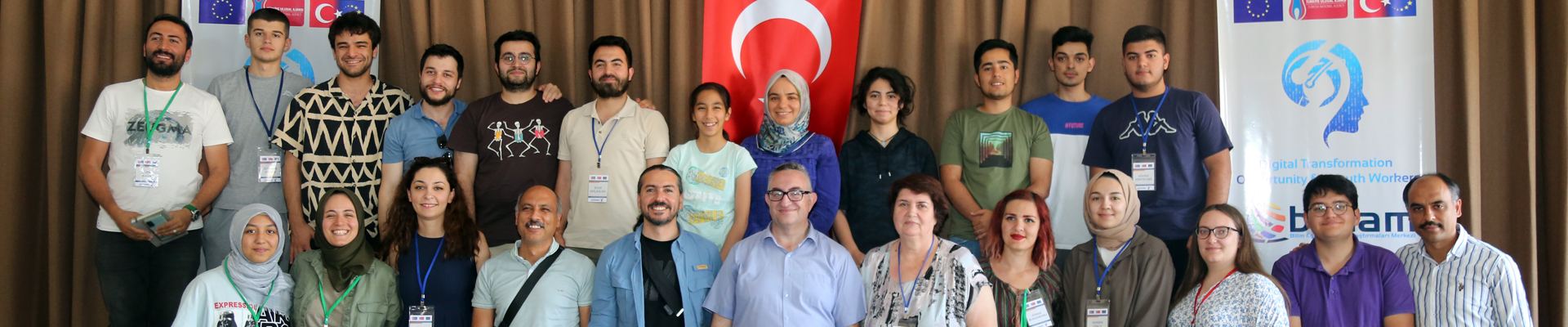
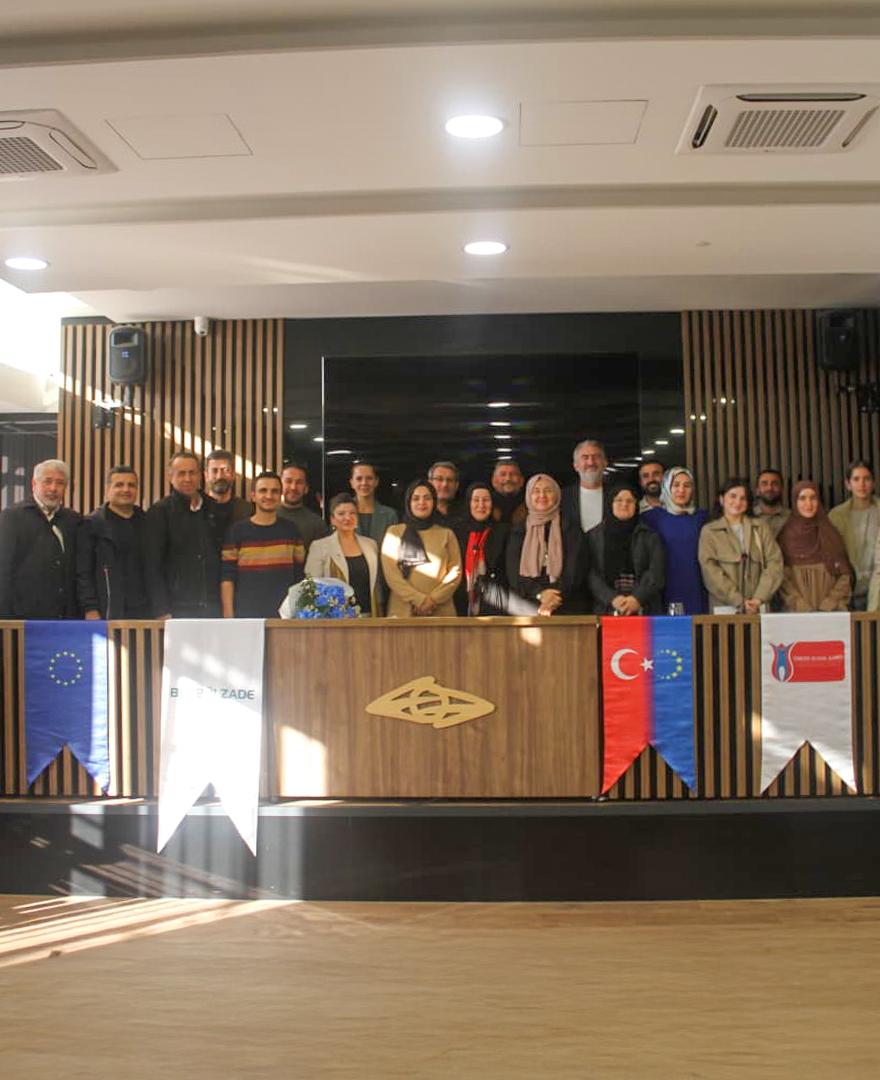
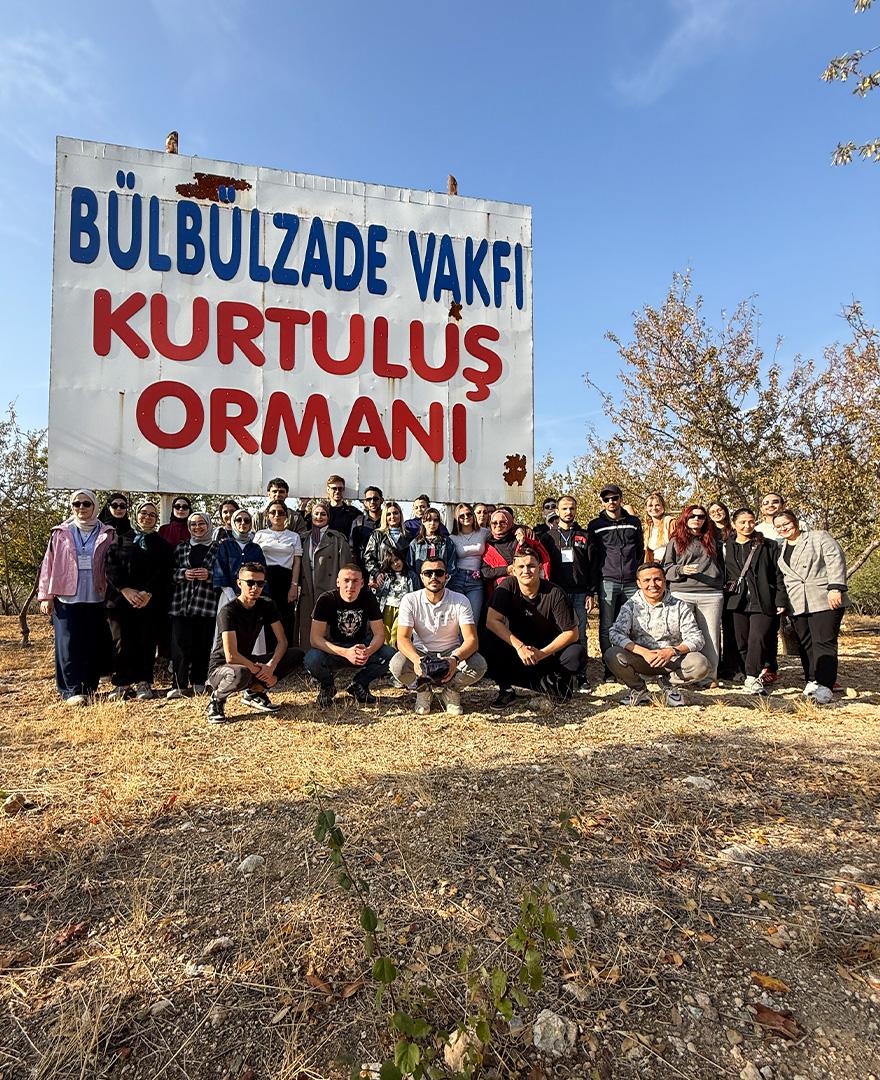
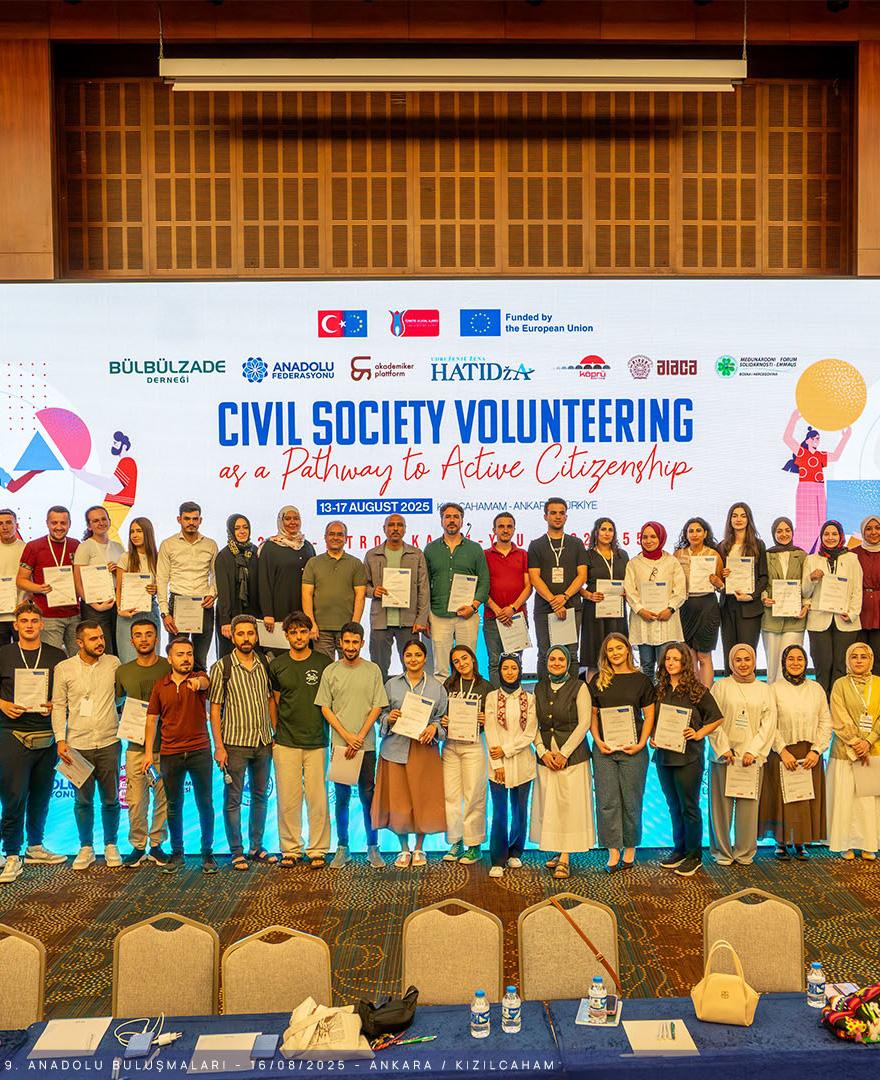
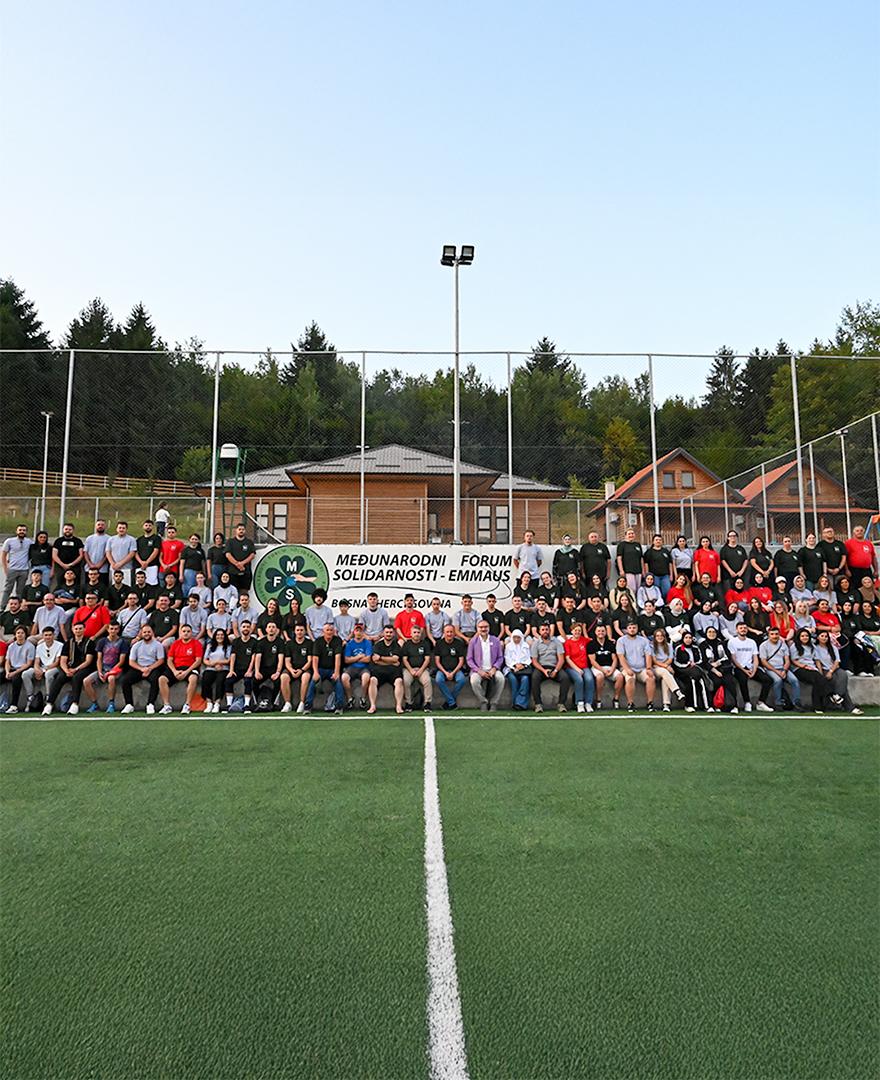
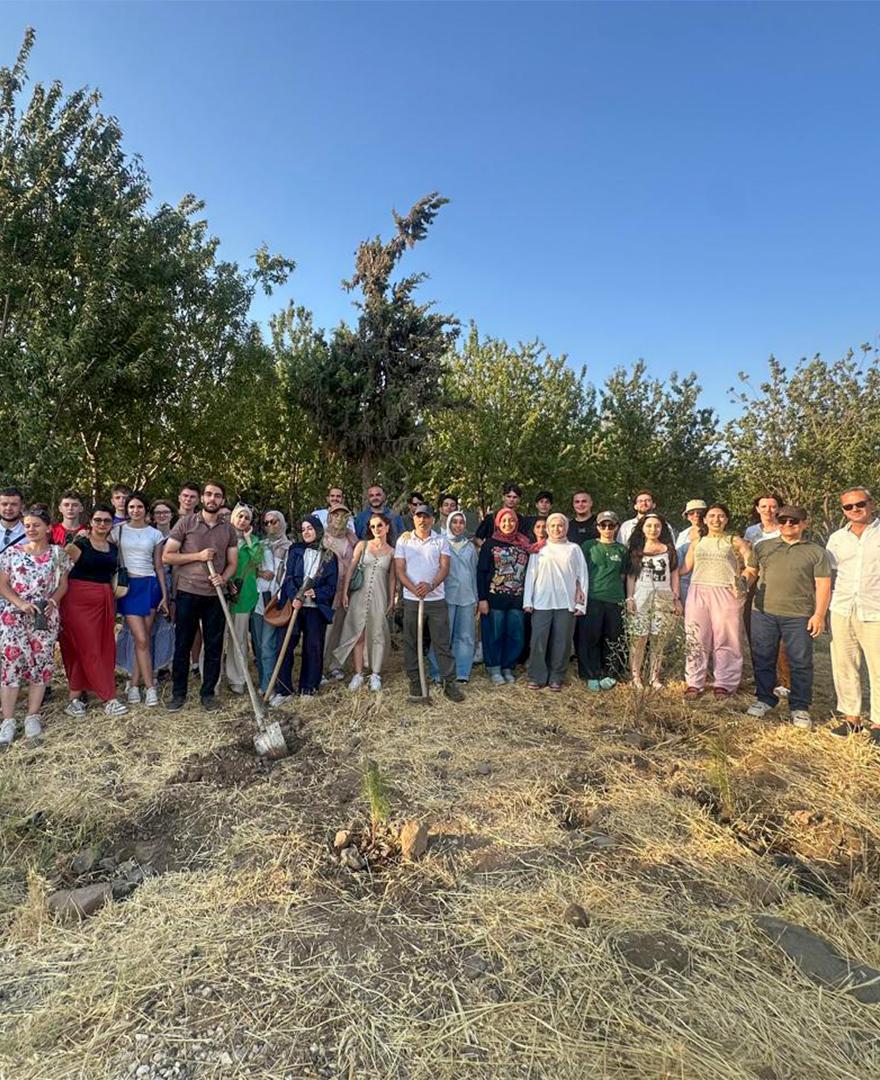
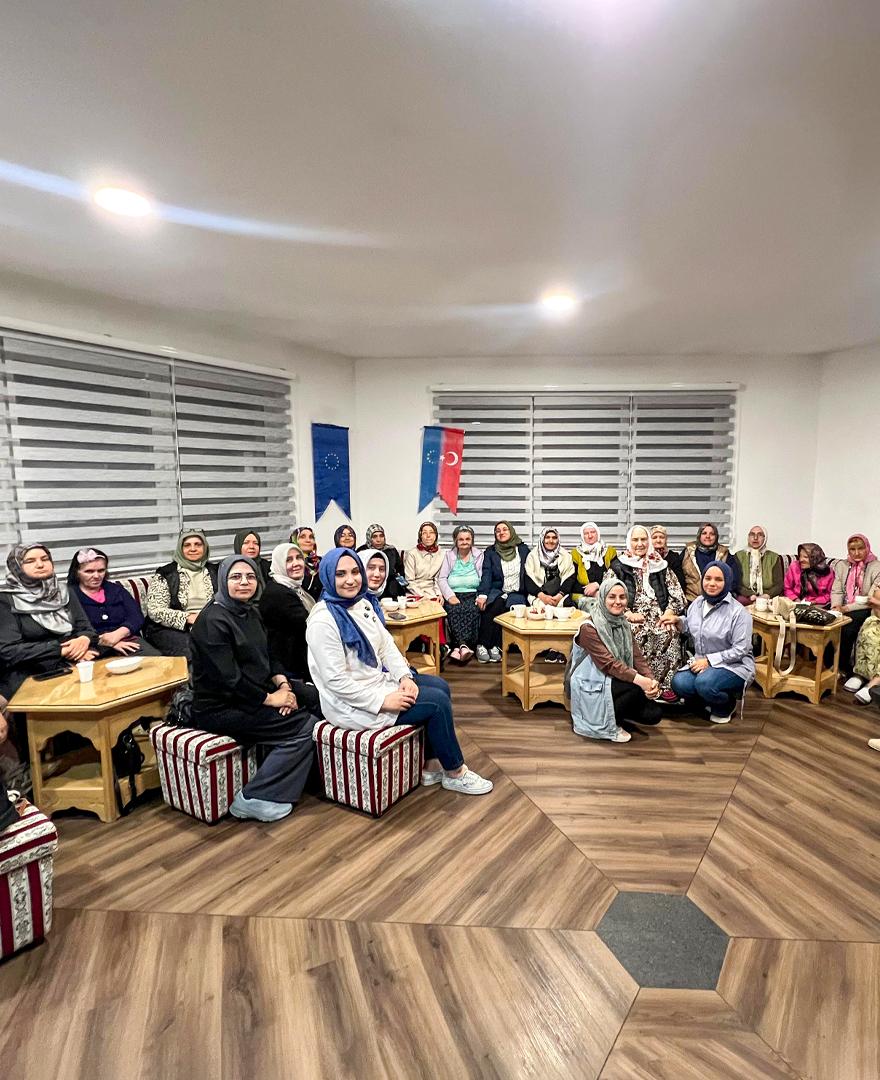
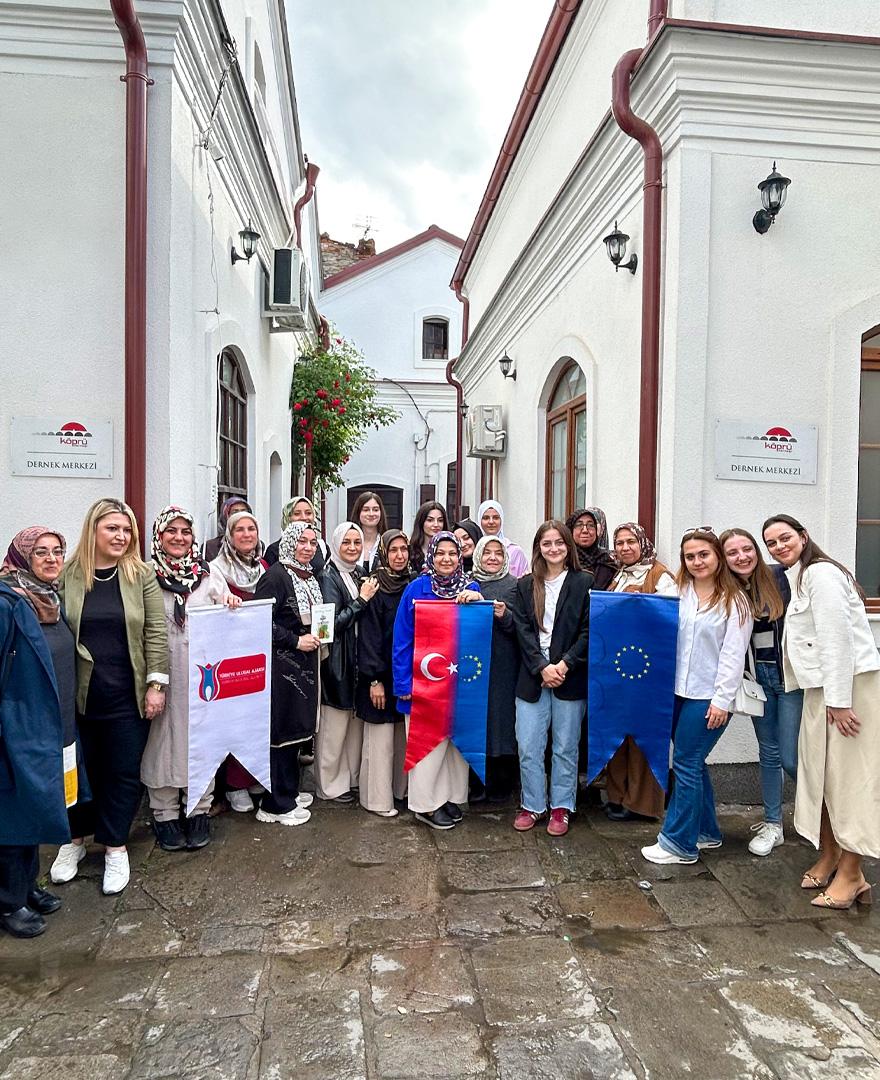
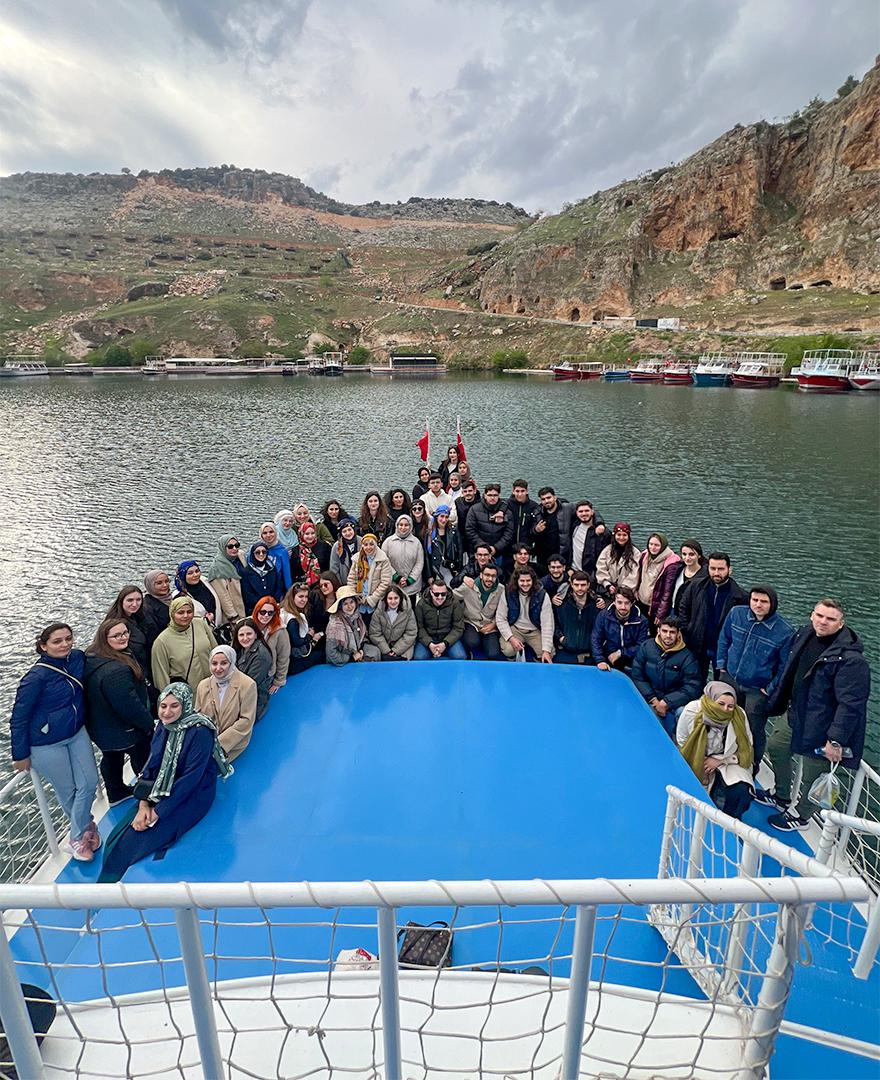
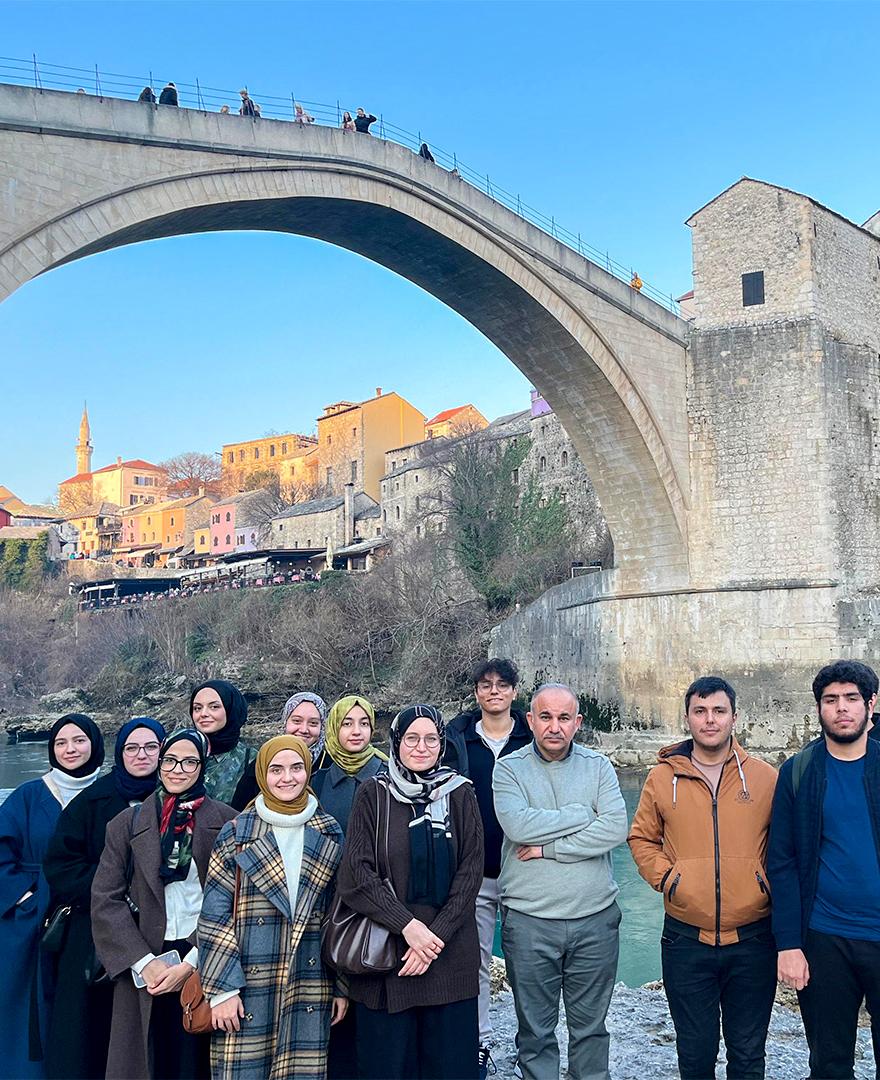
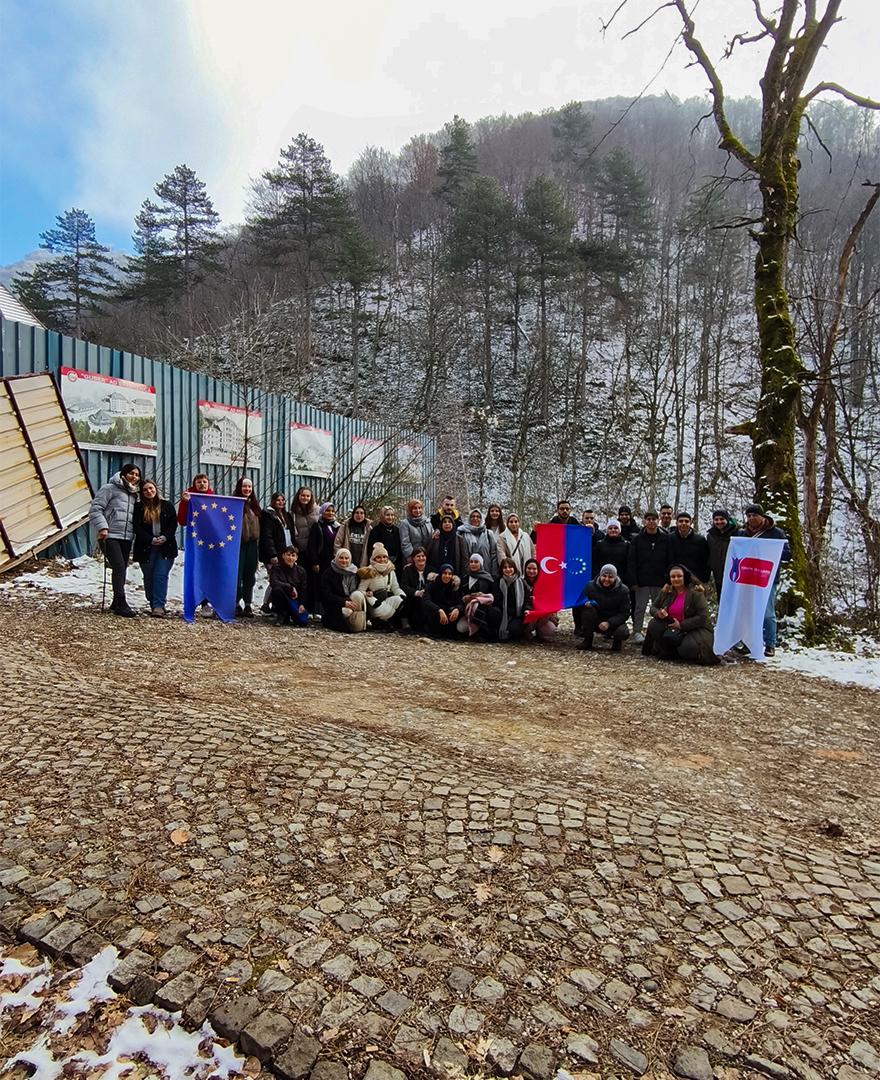
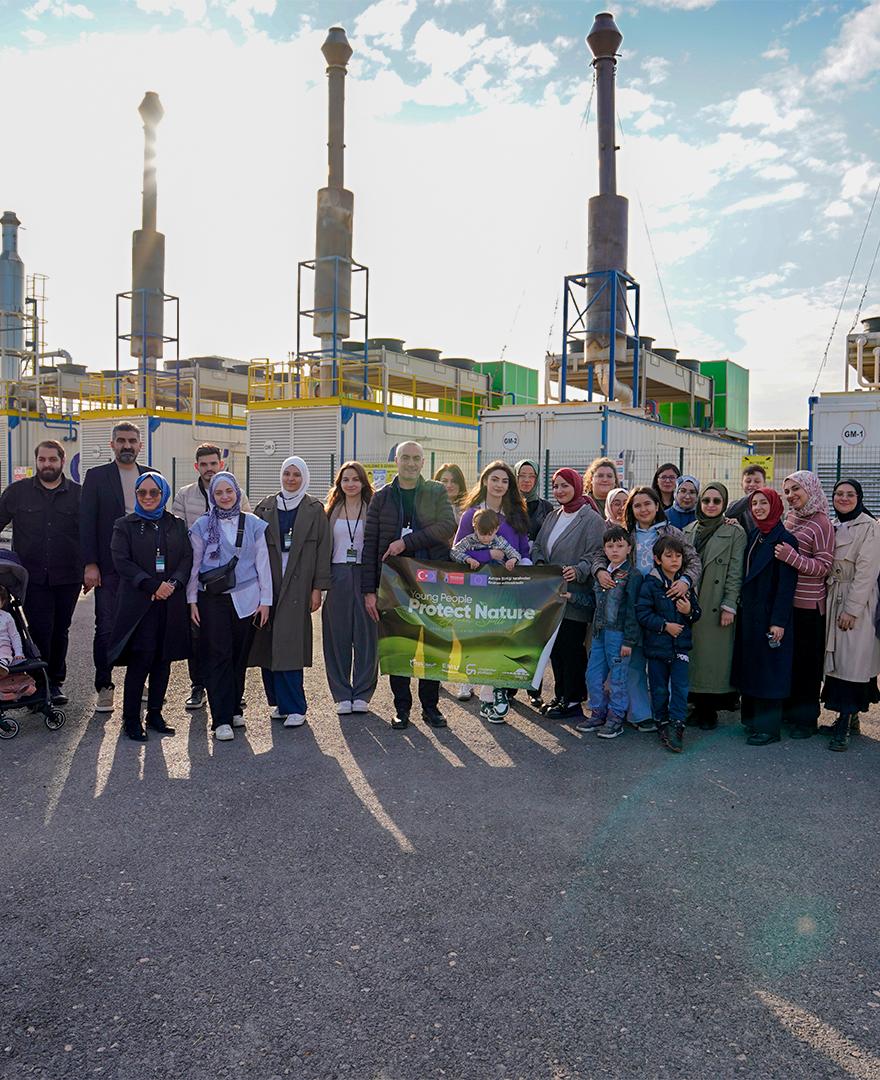
The international youth mobility program themed “Social Participation of Youth in Postnormal Times” carried out by Bülbülzade Association and supported by the Turkish National Agency under the Erasmus+ KA151 project, was held in Gaziantep between 10–14 November 2025. A total of 45 young participants from Germany’s US Academiker Platform (USAP), France’s New Horizon, the Netherlands’ Bildung Nijmegen, Bosnia and Herzegovina’s IFS Emmaus, Lithuania’s Tavo Europa, and from Türkiye, Bülbülzade Association and Science Education Culture Research Center Association (BEKAM), took part in the program hosted by Bülbülzade Association and Bülbülzade Foundation. The program, prepared with the aim of enhancing young people's social participation, involvement in democratic processes, and ability to produce solutions to social issues, was successfully completed.The first day of the project began with introductory activities. The opening program was held on Monday, November 10th, at the Bülbülzade Foundation center. The event was attended by Turgay Aldemir, President of Bülbülzade Foundation and Bülbülzade Association, as well as foundation administrators, volunteers, and project participants. Following presentations from the participating organizations, visits were made to Katre Art and Science Center, İstikrar Sports Club, Middle East Media Communication Center, and Şafak Radio located within the foundation complex. After the foundation visit, a Gaziantep city tour themed “Sustainable Cities” was organized under the guidance of Hüseyin Rahmi Açıkkol. Important cultural and historical sites of the city, including the 25 December Panorama Museum, the Historical Coppersmiths’ Bazaar, and Gaziantep Castle, were visited.On the second day of the project, a seminar titled “Erasmus+ Project and Civil Society” was delivered in the morning by Ekrem Şahin, President of the New Horizon Association. After the seminar, a station-model workshop was held under the theme “Postnormal.” Participants developed postnormal ideas in small groups and presented solution proposals. Later, the Gaziantep Solid Waste Landfill Facility was visited, where a technical presentation on waste management and recycling processes was given. The day continued with visits to Gaziantep Nation’s Mosque and Gaziantep Nation’s Library. In the evening, a cultural night was organized with the participation of young people from various countries. Youth from Türkiye, Bosnia, Germany, France, the Netherlands, Lithuania, Hungary, Jordan, Italy, and Syria introduced their cultures and countries.On the third day, a nature walk was held at the Bülbülzade Foundation’s Kurtuluş Forest, and a sapling was planted on behalf of each organization. After lunch, Mehmet Ali Eminoğlu, President of BEKAM, delivered a seminar titled “Youth, NGOs, Active Citizenship, and Social Participation.” The seminar addressed topics such as the relationship between civil society and youth, volunteerism, active citizenship, leadership, and local participation. Afterwards, Fatih Kaya conducted a workshop titled “Normal Challenges in Postnormal Times, Participatory Leadership.”The fourth day continued with a nature- and culture-themed program. During the excursion to Rumkale and Halfeti, the participants observed the natural and historical beauty of the region through a boat tour.On the final day of the project, a general evaluation session was held by Mesut Aydağ. Participants shared their views on the project process. The program concluded with the presentation of YouthPass certificates to the participants.SOCIAL PARTICIPATION OF YOUTH IN POSTNORMAL TIMES - NOVEMBER 10-14, 2025, GAZIANTEP, TURKIYEERASMUS+ KA151 YOUTH EXCHANGE - 2024-1-TR01-KA151-YOU-000216555AS A RESULT Within the scope of the workshop on Social Particiaption of Youth in Postnormal Times, participants explored how uncertainty, rapid change, complexity, and contradictions shape the lives, attitudes, and behaviors of young people today. Through discussions, group tasks, and reflective activities, the key challenges and adaptations of youth in the postnormal era were identified. Understanding Youth in Postnormal Times Participants highlighted the following key points regarding how postnormal times affect today’s youth: Life is fast-changing and heavily technology-driven therefore young people experience increasing anxiety, stress, mental health problems, and digital pressure. They feel more connected digitally yet often more lonely in real life, with a noticeable lack of physical interaction. Young people show greater open-mindedness, acceptance of multiculturalism, and global interconnectedness. At the same time, rising individualism, egoism, and selfishness were discussed as emerging social patterns. There is widespread doubtfulness and a constant need to re-check information due to propaganda, misinformation, and overwhelming digital content.New Forms of Social ParticipationParticipants examined how youth participation is changing in the postnormal times and identified the following points:Micro-participation is becoming common: small actions are easier, less time-consuming, less risky, and still meaningful.Art was recognized as a powerful tool for expression, awareness-building, and communicating global issues.Digital platforms allow quick and global spreading of awareness; hashtags can serve as starting points for activism. Stronger community connections can form online, but participants noted the need for more rules and responsibility on social media.Barriers and Transformative Forces of ParticipationIn post-normal times, uncertainty and economic instability weigh heavily on young people, often leading to withdrawal from community life and a shift toward more individualistic attitudes.Digital polarization and disinformation further complicate participation: while social media enables expression and community-building, filter bubbles limit exposure to diverse perspectives and reduce opportunities for genuine dialogue.Participants stressed the need for initiatives that counter these barriers, calling for more cultural exchange, face-to-face interaction in shared physical spaces, and environments that encourage open discussion and connection.Future Participation Models and Youth VisionParticipants highlighted the need for renewed, accessible forms of youth engagement. Social media can help raise awareness, but it must be paired with concrete opportunities for involvement, such as youth councils and local initiatives.They also stressed the importance of education that goes beyond technical skills, helping young people understand current societal challenges, develop digital literacy, and cultivate empathy, key elements of responsible digital citizenship.,Finally, participants called for participatory models that can respond to complexity, emphasising collaboration, shared responsibility, and adaptive forms of leadership rooted in collective intelligence.