My name is Hanne Betül. Within the scope of ESC, I was an MFS Emmaus volunteer in Bosnia/Doboj-Istok between July and September. Naturally, our agendas and the questions that occupy us shape our experiences. It was my second time going to Bosnia, and what I saw and felt this time was quite different from my first visit. In addition to the obvious difference between a touristic visit to popular locations and living for a few months with local people in a rural area, the personal agendas I carried with me before embarking on this journey had a significant impact. For the past three years, one of the things I have been trying to understand in my academic and personal life is my family’s motivation to continue collective production within civil society and the effect of this on my own life. After distancing myself, for the past year I had been trying to find a way to understand, love, and remember—this time by staying as close as possible. I had returned to my family home, to my hometown. After this break, which sounds cool and excusable when called a gap year, I hoped to gain some clarity about what I wanted to do next. I also had plenty of time to think about why we once longed so much to leave this place, why my friends who stayed or returned are so full of hopelessness in this city, and why imagining an aesthetic, delicate, modest yet carefully cultivated life here feels so difficult and artificial. Applications, rejections, opportunities, acceptances, and then the visa traffic—eventually, quite unexpectedly, I became willing to go to Bosnia. These things set the perspective for what I would see once I arrived. After falling into despair repeatedly, people can also pull themselves together by encountering new people and putting on a new pair of glasses. I joined MFS Emmaus not only for a volunteering experience, but also to be able to view my ambivalent relationship with the collective production I grew up within from a different perspective. To remember, or to rediscover.
For two months, I stayed in Doboj-Istok, where the Duje complex—the main center of MFS Emmaus—is located. This small municipality, connected to Tuzla, which is my main place of residence, reminded me early on of the place where I grew up—especially with its nature and landscapes, its people who wear non-trendy, unfashionable clothes, its slowness, and its inward-facing domestic life—and this resemblance quickly turned the experience into a space of critique and observation for me. I generally encounter life by focusing on its effect on me—what it opens up in me, what it stirs. The Bosnia experience, and Doboj-Istok in particular, was therefore woven from what it did to me. It was as if, thanks to the ESC experience, I looked at the things and people in my hometown that I tolerated out of grace, paid attention to only if they were eccentric, and kept pushing away—despite wanting to embrace everything—from a position that lay between being foreign and not quite foreign. In this way, I spent hours with many people in my own hometown whose words I might otherwise not have listened to. With many people with whom our differences would normally have immediately surfaced, this time I saw our commonalities. And when one sees the good intentions in people’s minds and the beauty in their appearance in this land, one inevitably feels like becoming similar to them.
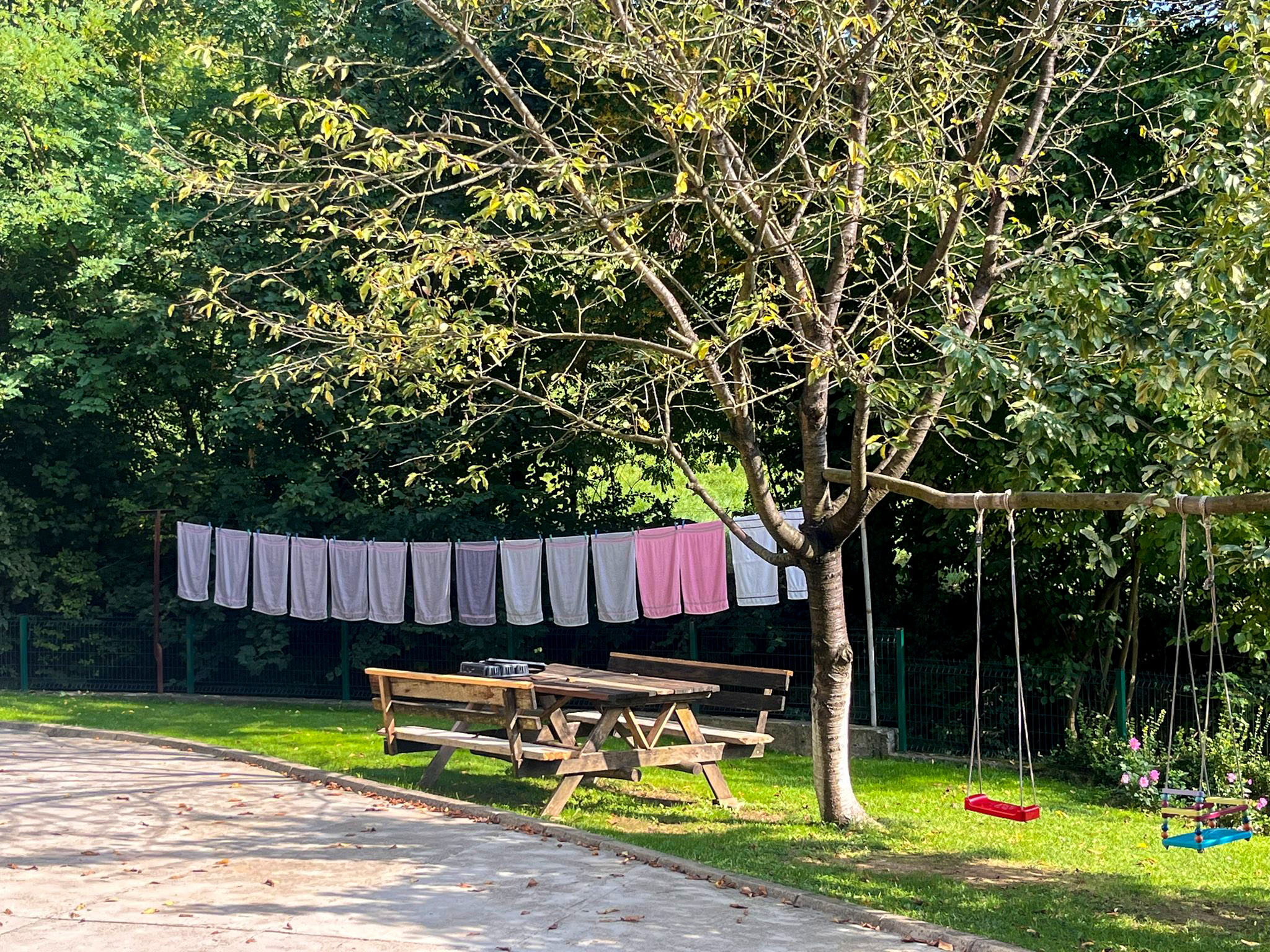
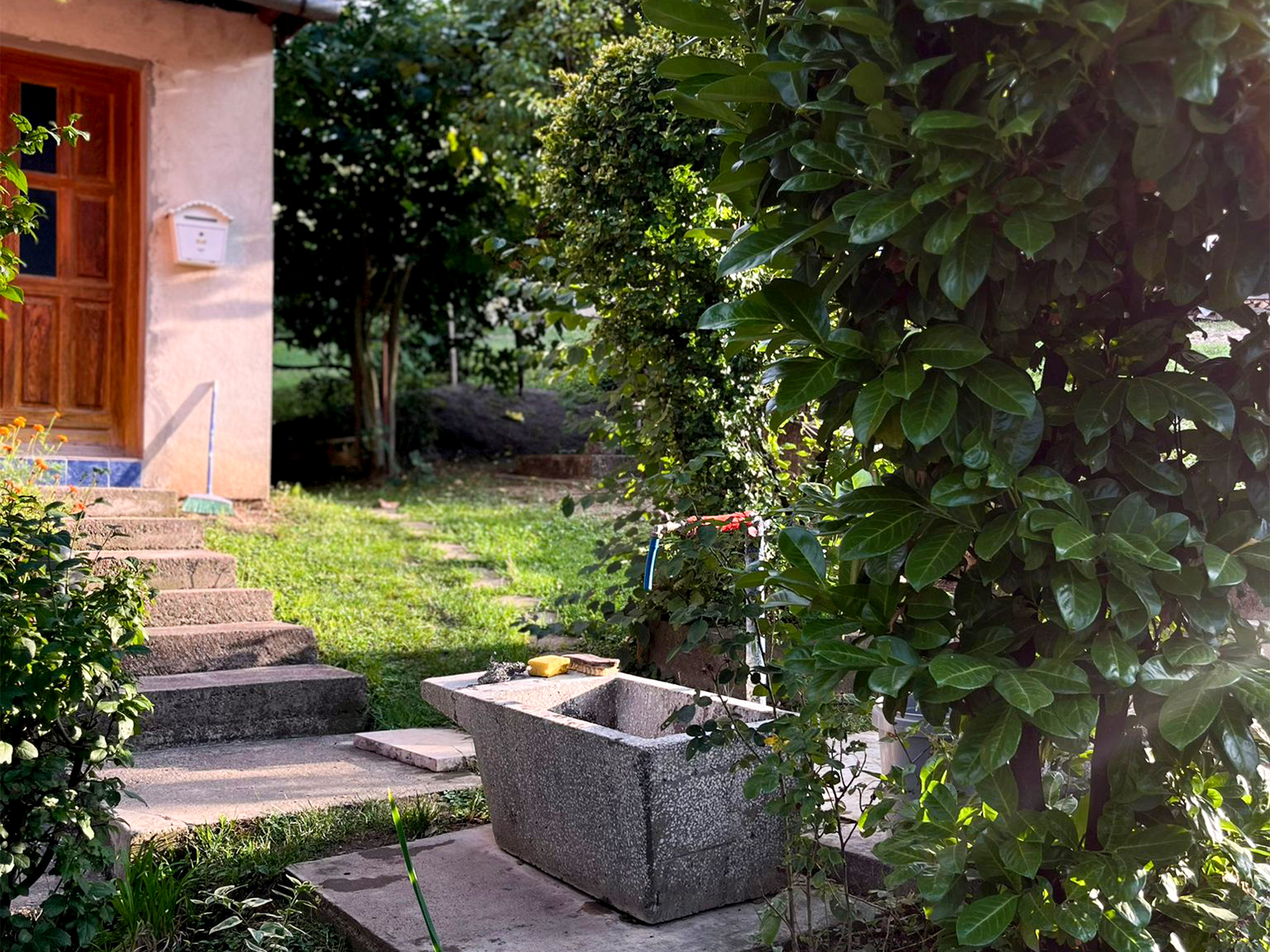
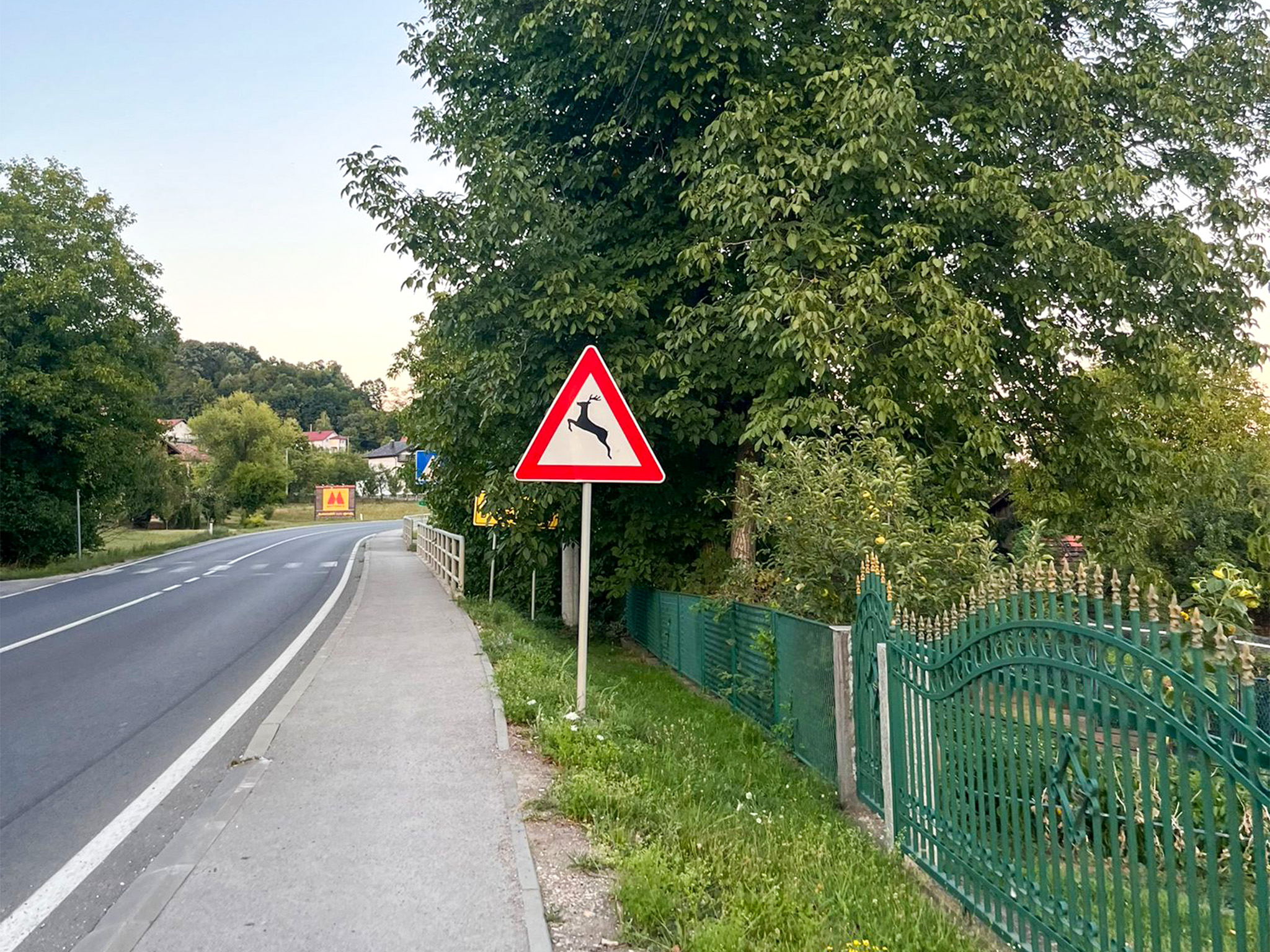
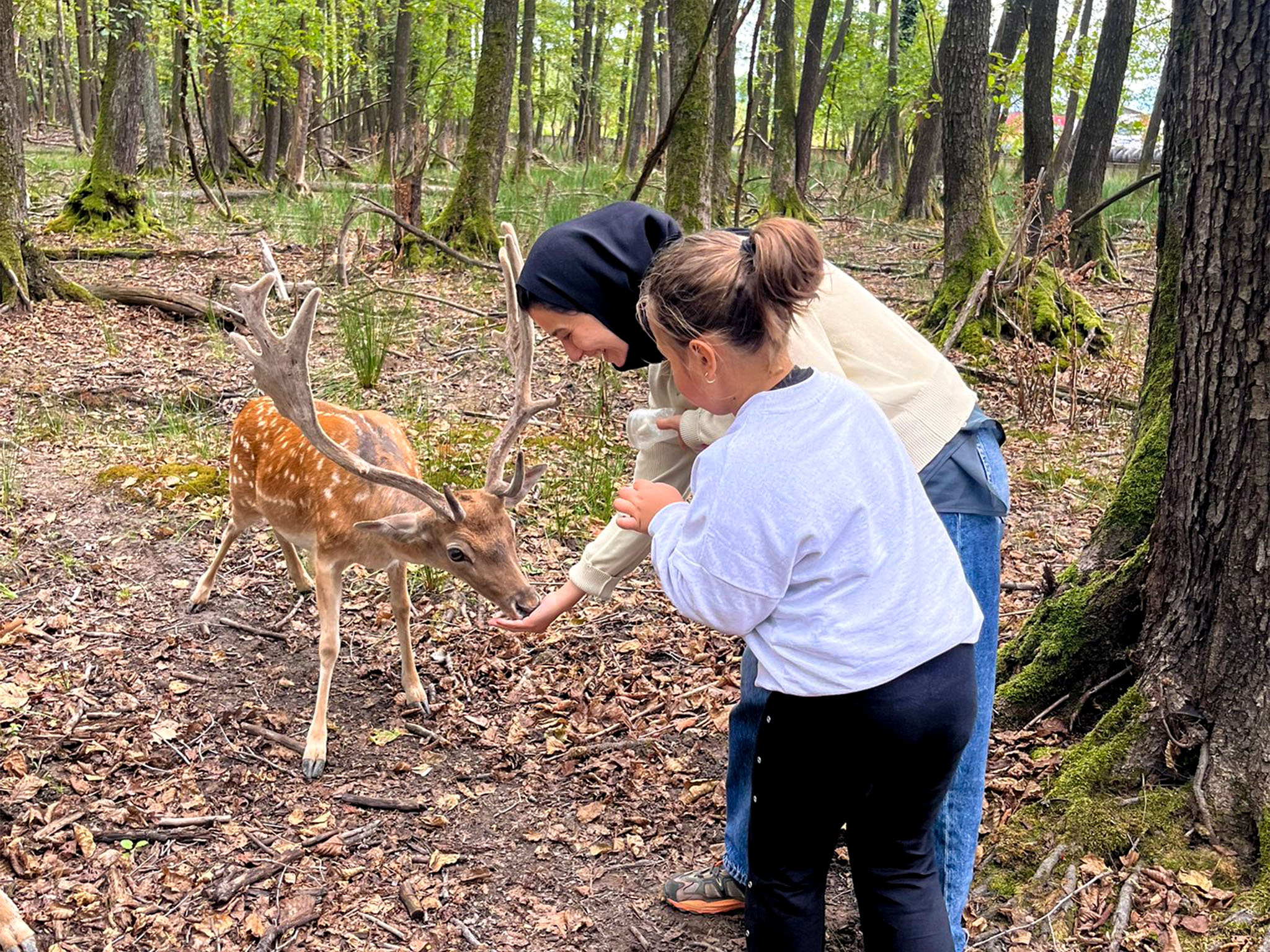
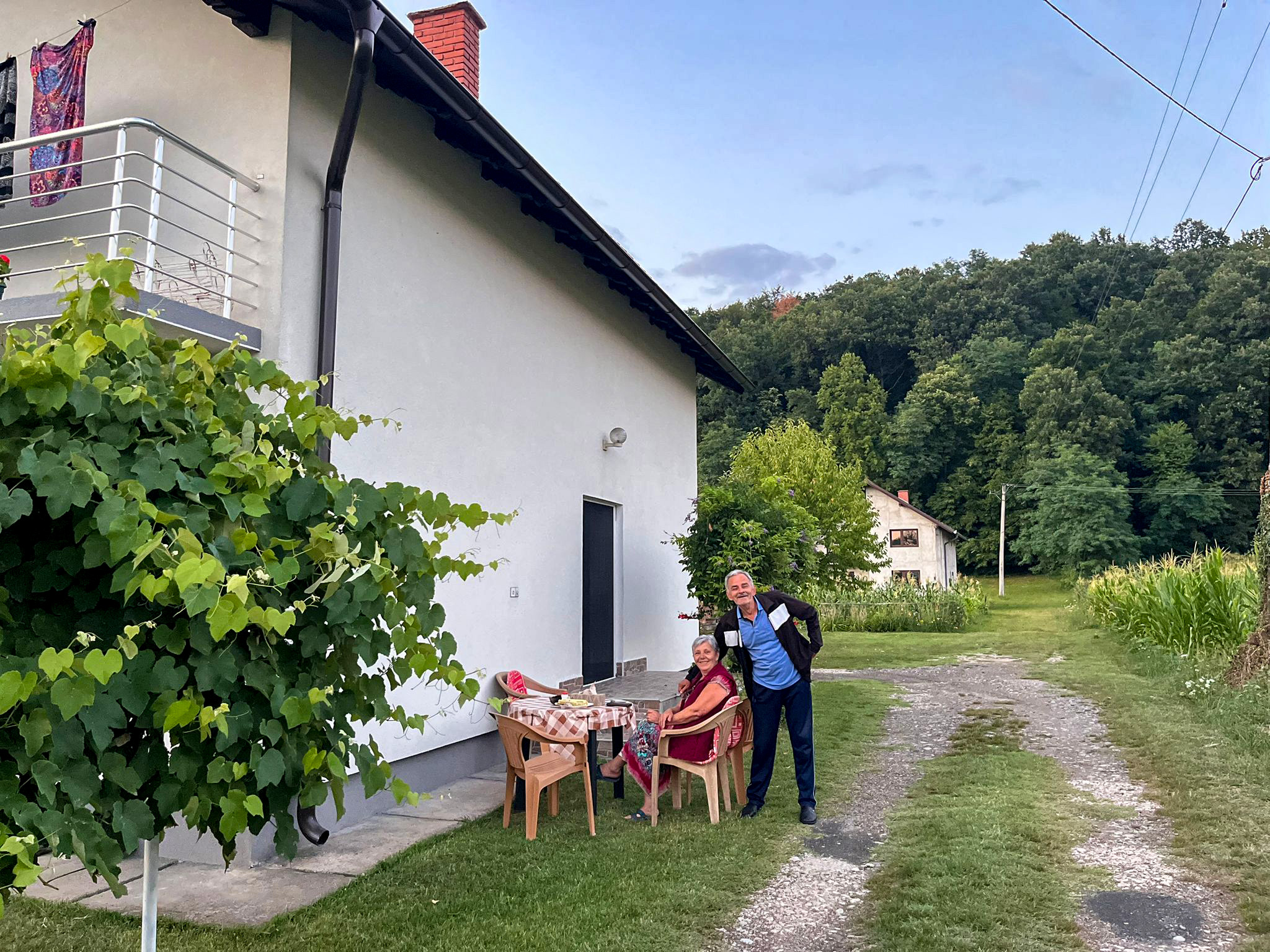
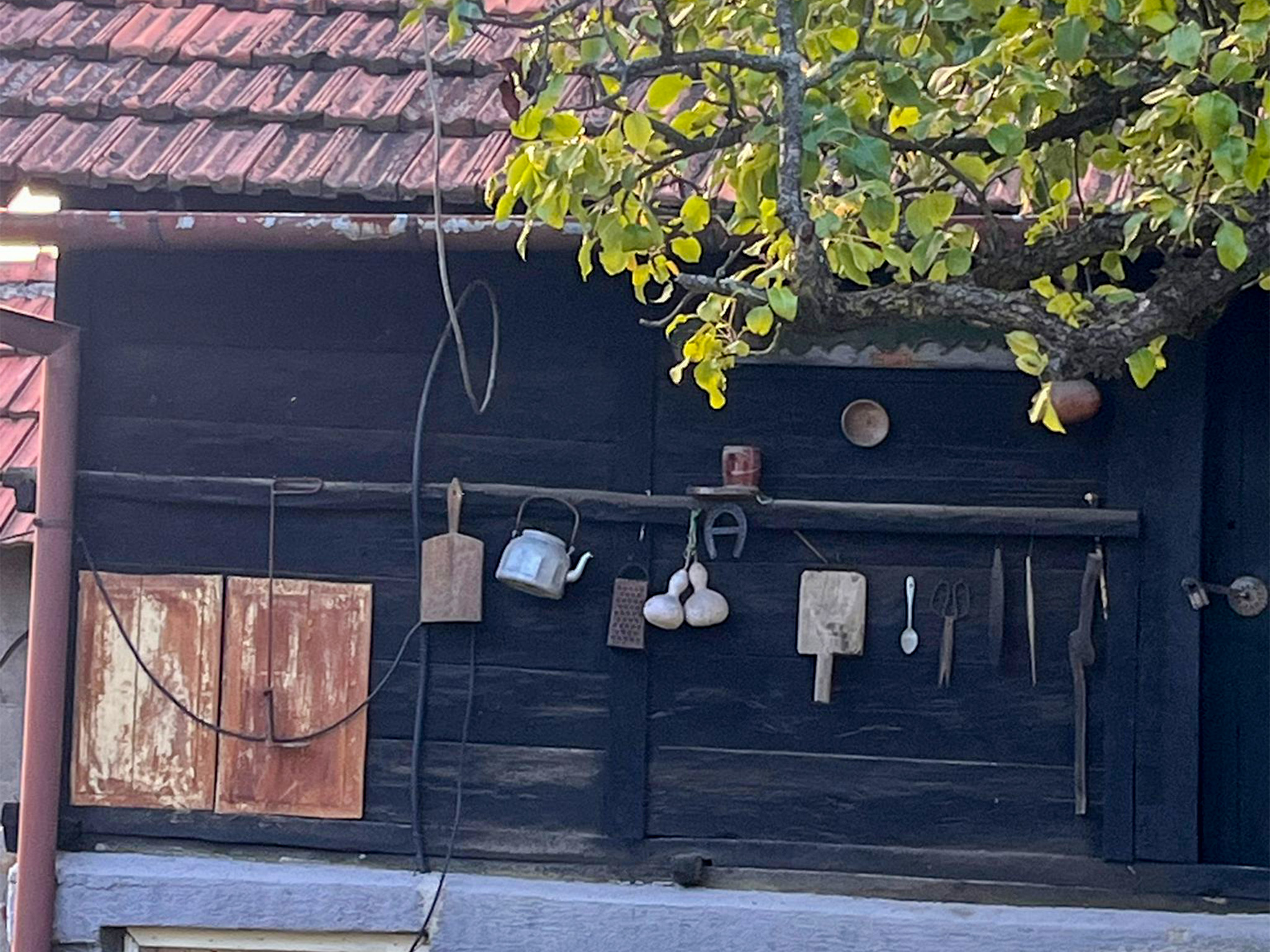
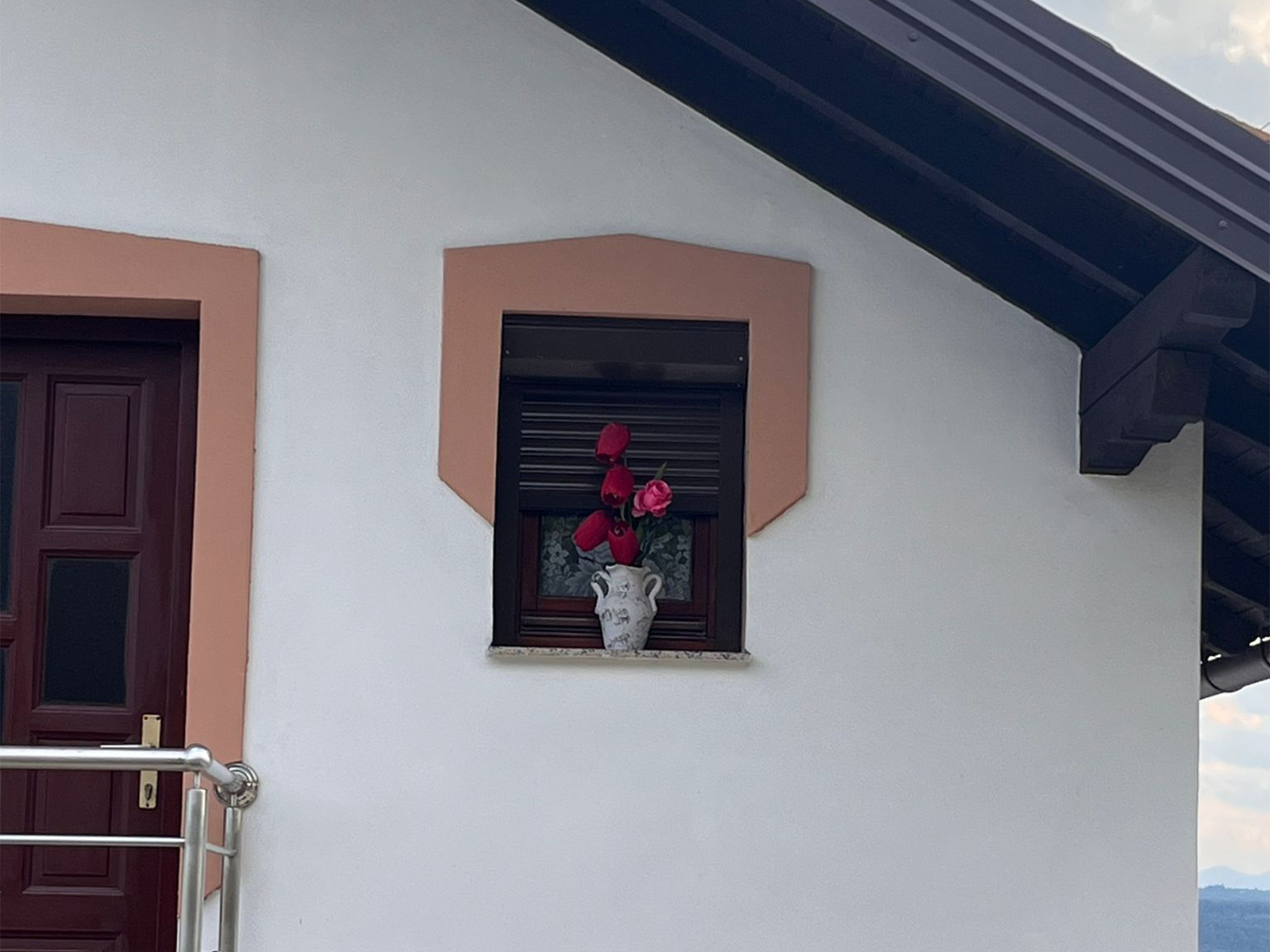
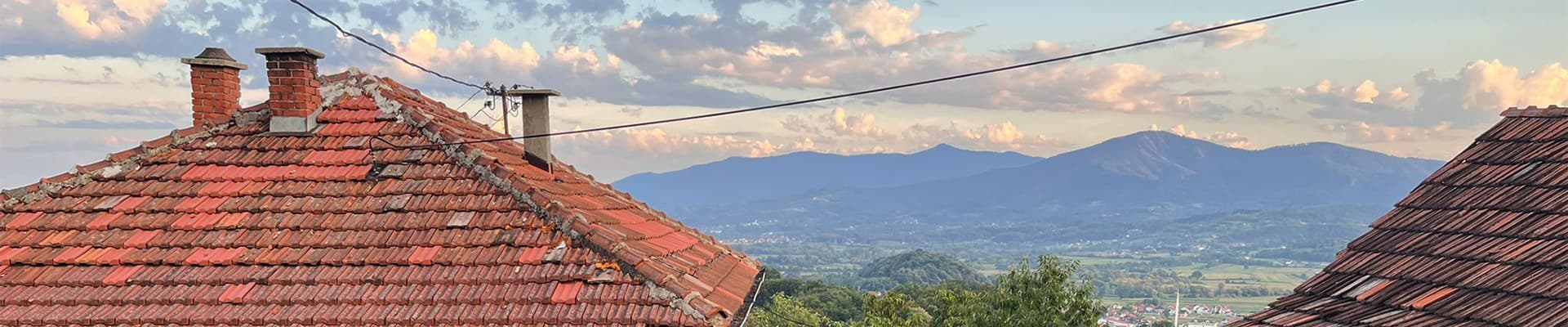
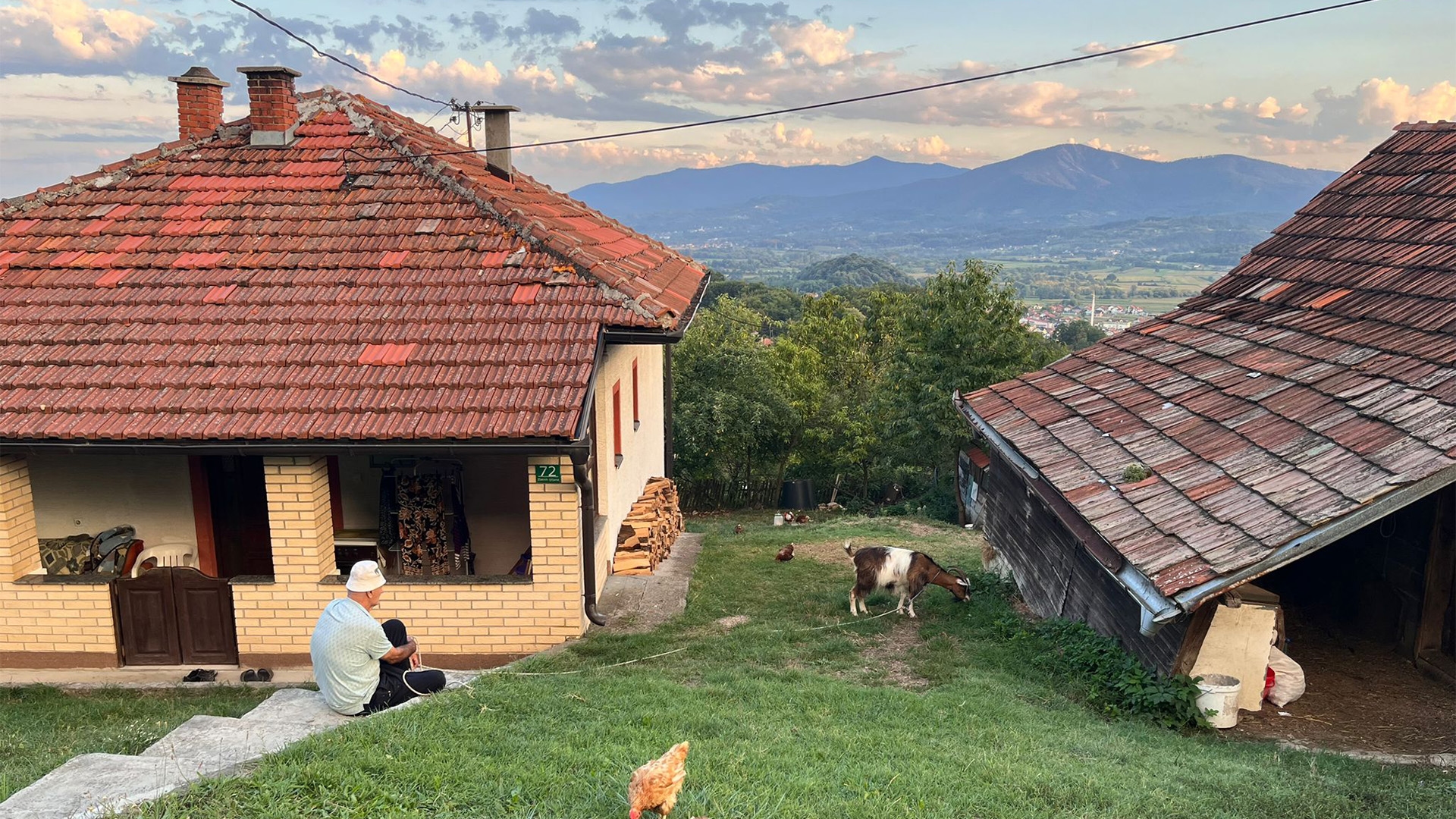
Doboj-Istok is a small district spread out at the foothills of mountains, between two major cities. With its greenery, one- or two-story detached houses, and its cool air refreshed by weekend rains, it is a place that would appeal to those familiar with highland culture. The immediate impression it gave me was that someone here had been frozen in an endless highland holiday. Of course, such a world does not exist. I walked a lot—eating the large blackberries that covered the forests and paths, accepting neighbors’ invitations, and, on lucky days, encountering deer. Perhaps because of its similarity to where I grew up, I found myself constantly peeking into houses, as if trying to solve why lives built on the same mountains and stones could be so different. Without exception, every house had a striking garden landscape, shiny lawns, large tables, stone fountains, all kinds of flowers my own mother wouldn’t even know the names of, and a trampoline, inflatable pool, swing, or small playground that no garden seemed to lack. Undoubtedly, these kinds of toys were placed there for grandchildren or children. Sometimes, lacking shame, and then remembering privacy, I would watch balconies, dining tables, or gardens from afar with my high-zoom camera when I couldn’t bring myself to get closer. It felt almost like seeing my own home in its most beautiful form in another universe. But I know well how unreliable outward appearances are. That is why the friendship of the staff and volunteers at Emmaus—who were hospitable in conversation, sharing, and answering questions, inviting one further inside—was a great fortune.
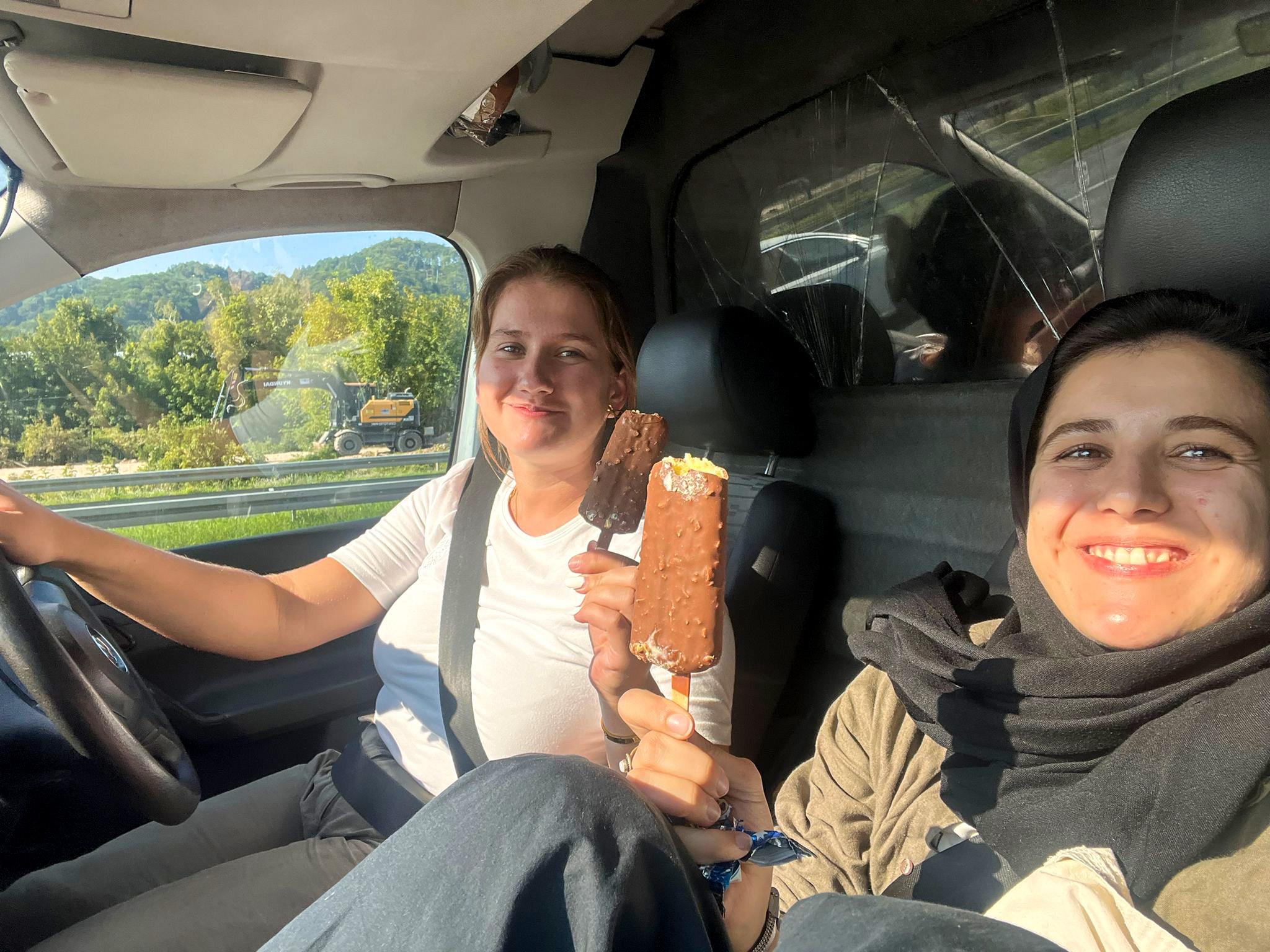
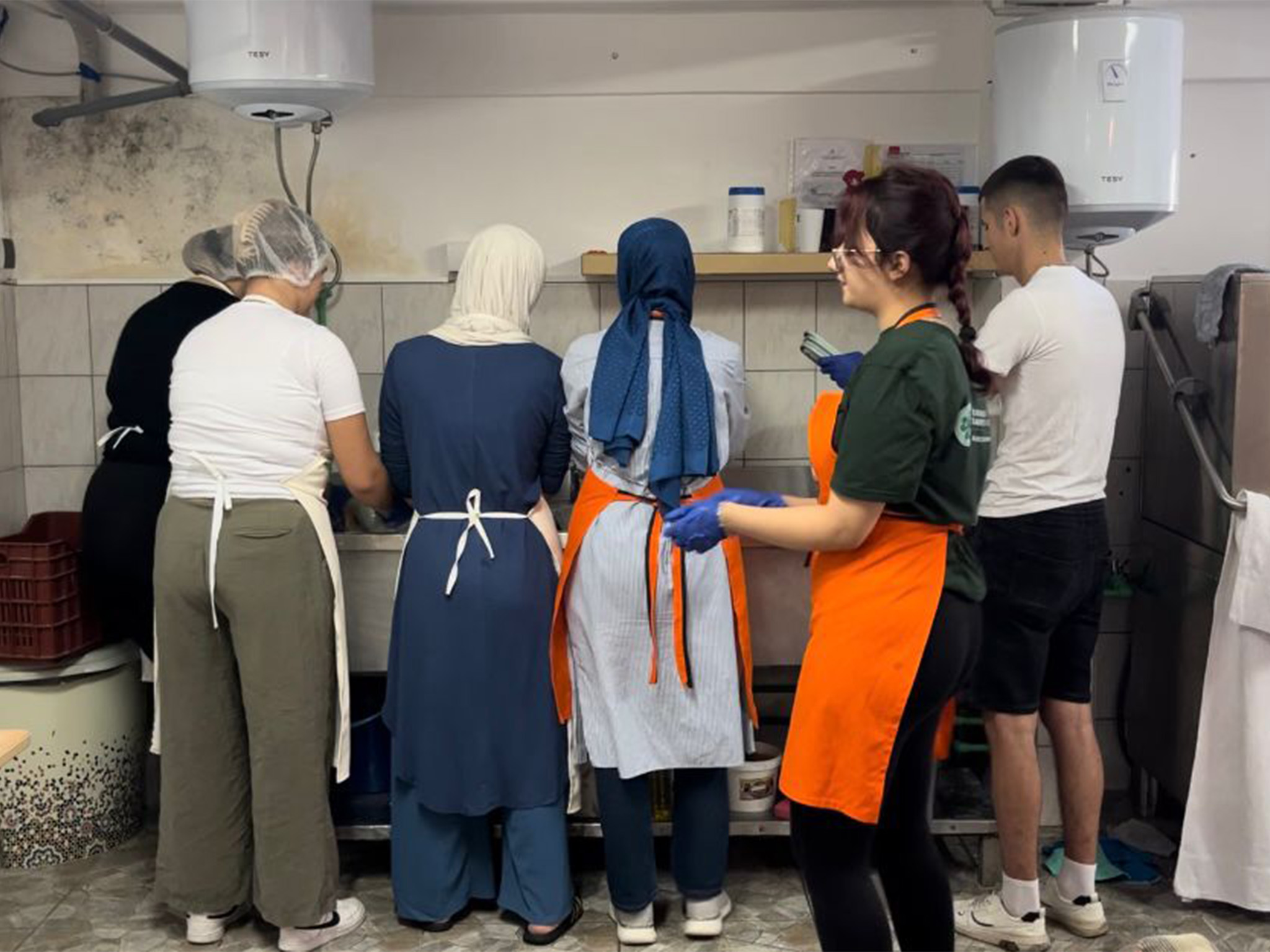
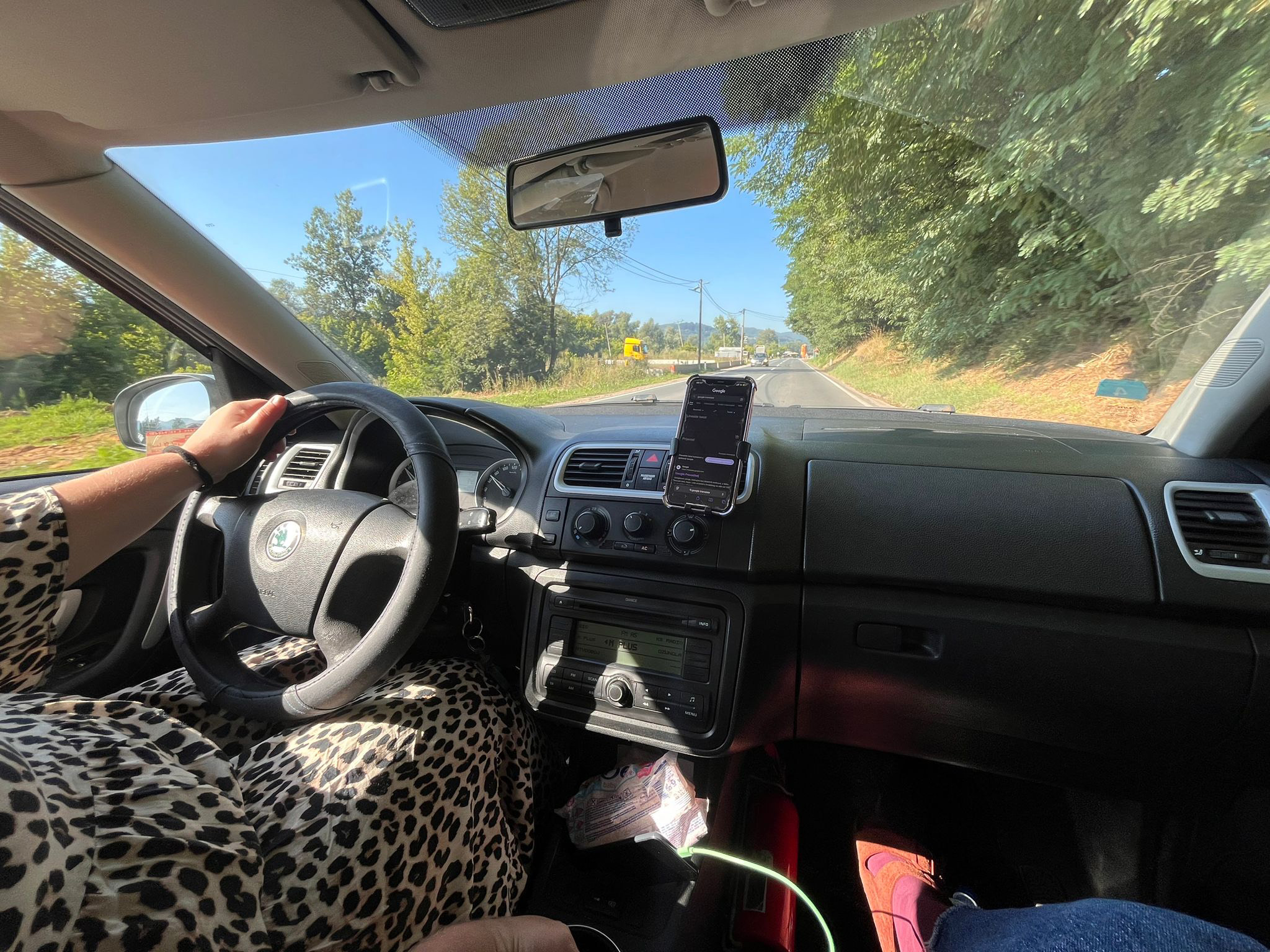
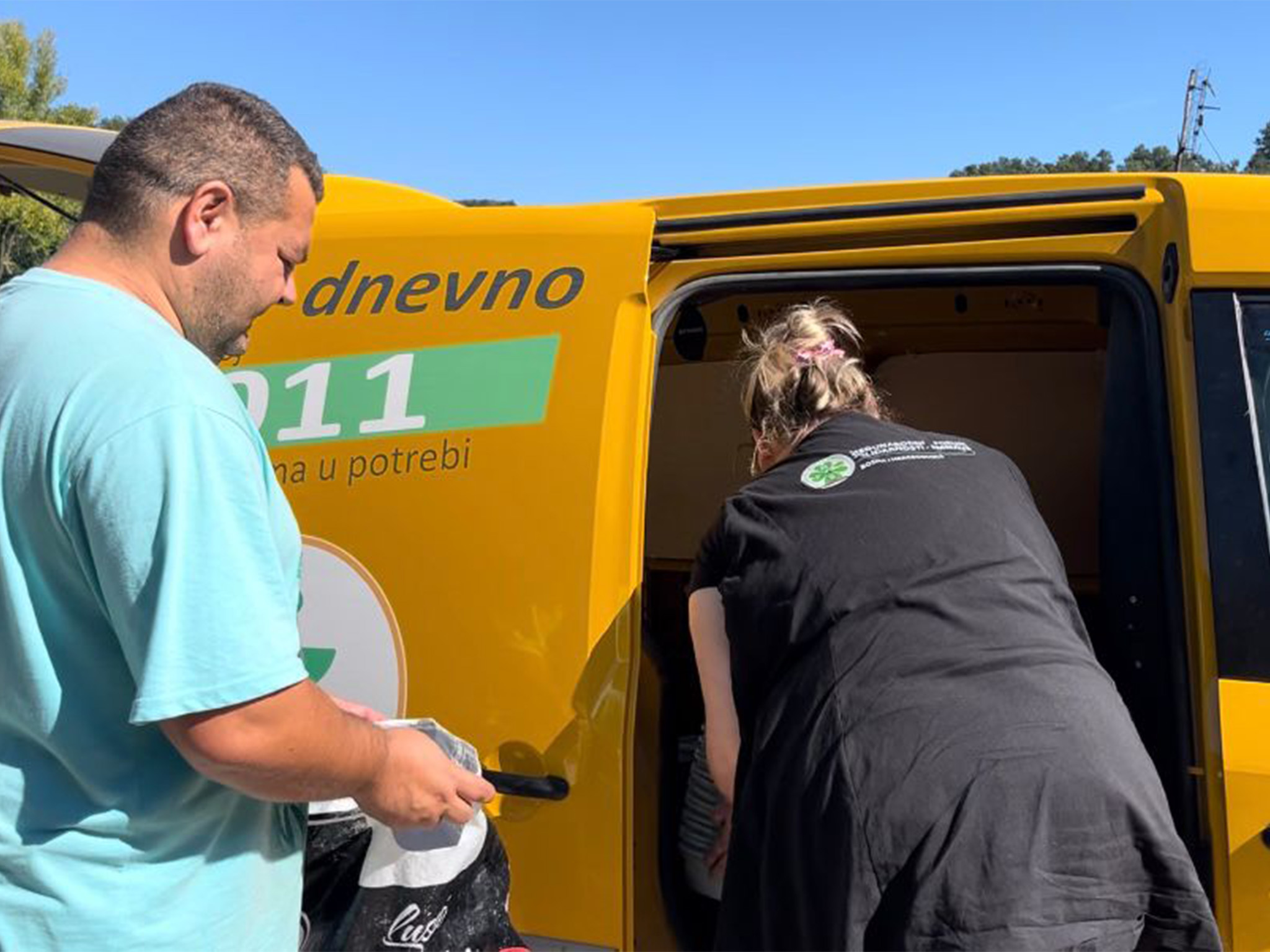
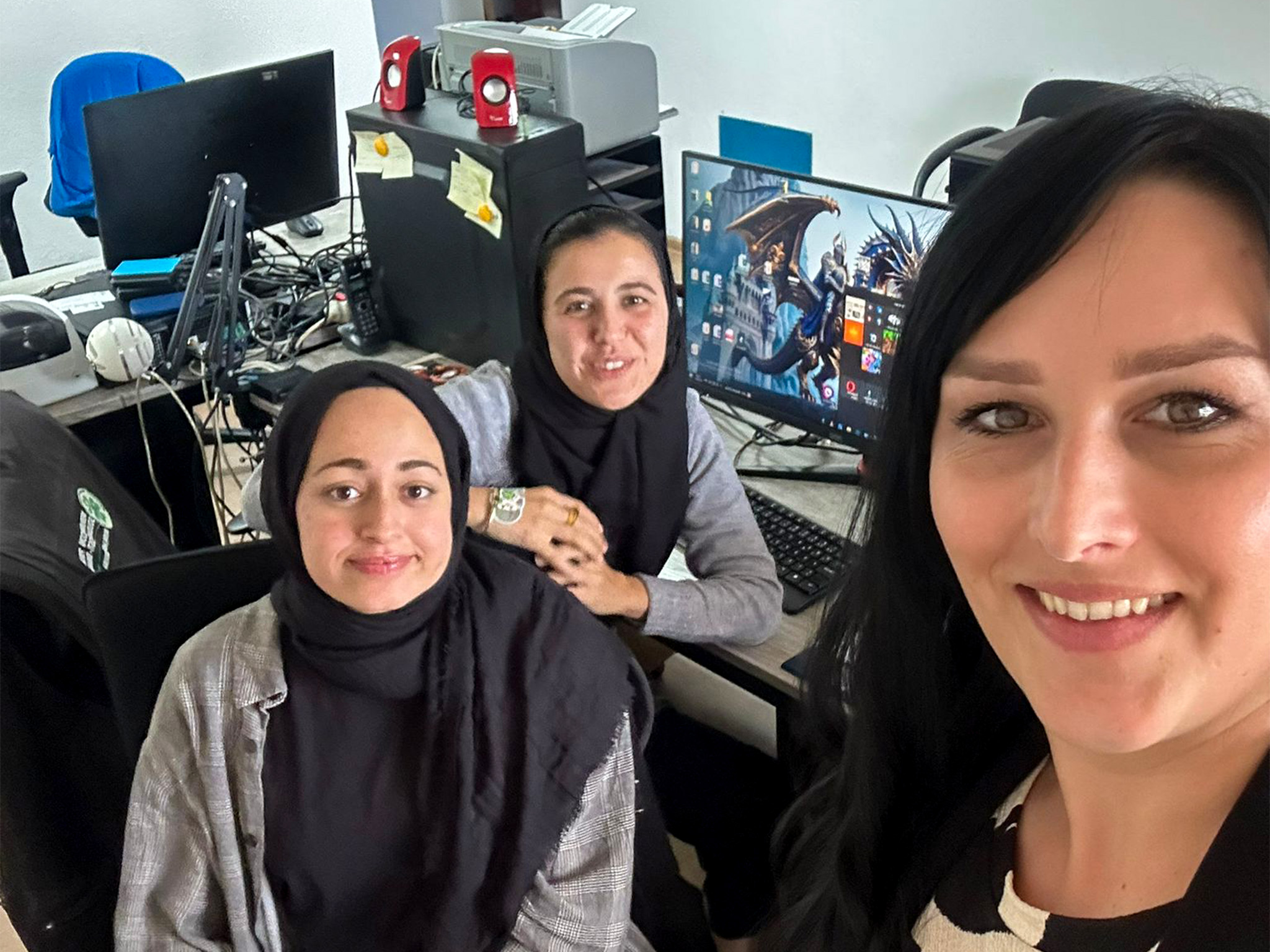
Every day at 7 a.m., together with six volunteers and staff, we started the day in the center’s kitchen, packaging meals to be delivered to people in need—and to elderly people unable to cook—in nearby villages and cities. Going out on distribution with the five women responsible for every stage of packaging and distributing these meals was my favorite thing. Despite the winding roads and the girls’ wild driving combining to drive me crazy. Despite all my hopeful attempts for this journey ending within a few hours with me completely exhausted. Because the distribution process means an almost uninterrupted car journey from 9 a.m. to 5 p.m., filled with conversation, songs on the radio, and visits to dozens of homes. With Emina and Amela, we don’t just deliver food. We pick up medications ordered during previous visits. Together, they bring life to the houses we visit. Laughter, teasing, jokes, burek quickly opened with makeshift cloths, hurmašica pastries. We go grocery shopping—buying pears, biscuits, Nescafé, grapes, dishwashing detergent, cologne. As if these were for the elderly homeowner’s own meals. These are treats to wait for visitors who never come or go. There are no visitors, yet the house is complete in every way. At last, I am in those houses I had watched. I am inside. Beyond seeing the rooms, I am everywhere—vacuum cleaner in hand, in every wall corner, under carpets and sofas, in every nook and cranny. I ask everything I want. When what they hunger for more than food is human presence, conversation, and being asked how they are, they tell everything without holding back. They talk about their children. About which corners of the world they have gone to. About how many years it has been since they last saw their grandchildren, whose photos are displayed all over the house. They complain about pain in their knees, about loneliness. About nightmares that have increased over the years, about the specter of war, about the spirits of their deceased children who visit them. As I continue to open up these stories in the car with the girls, we always somehow arrive at our own stories. We often pulled the car over to the side of the road to cool down the intensity of the conversation or to wipe away our tears.
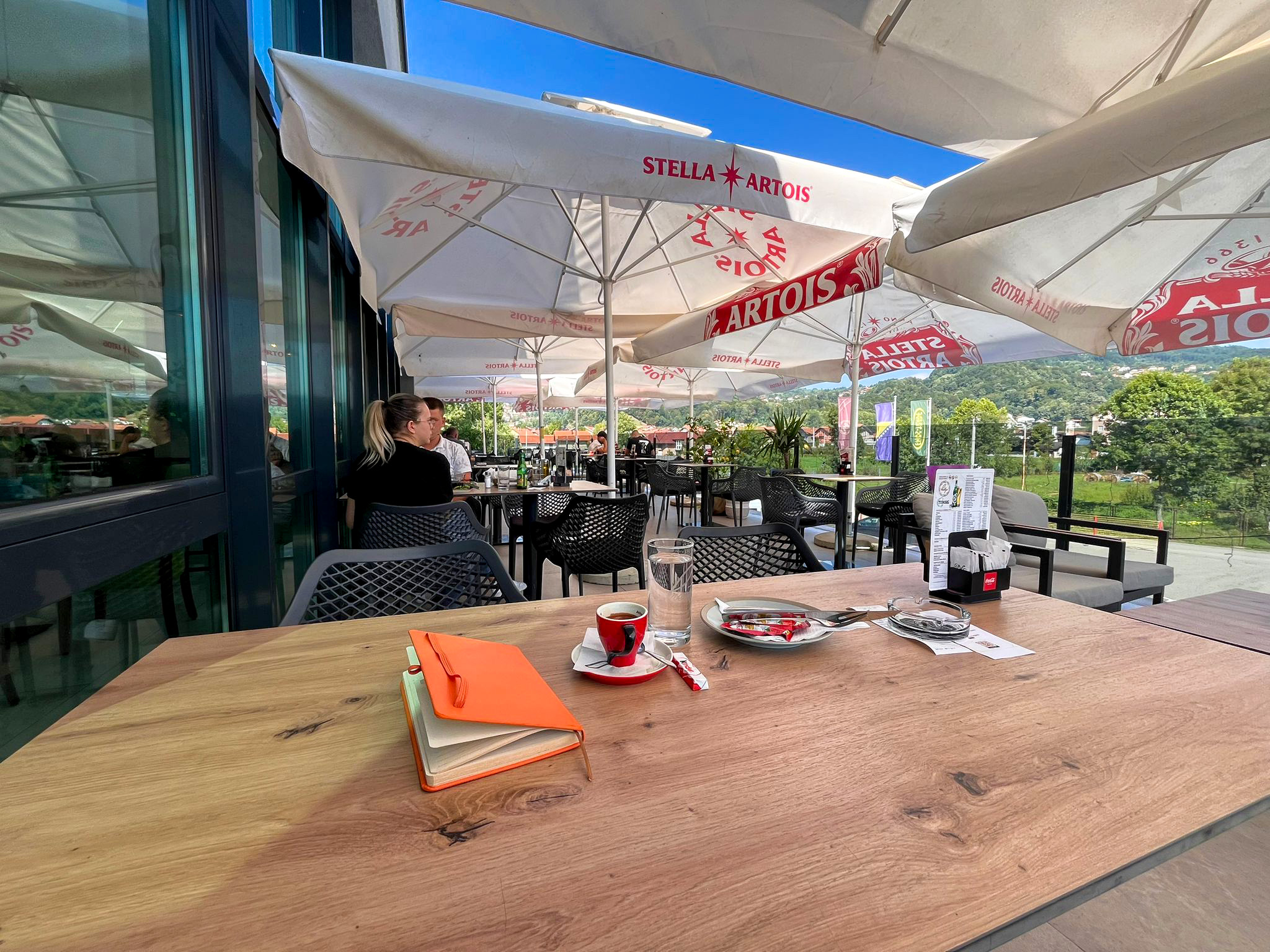
Yet I constantly catch myself trying to find a crack. This is definitely a good behavior adopted for guests, I think to myself. Display, performance, putting oneself together, I want to say. Then I think about why I do this. The many skeptical things I have sworn by from the book of social sciences and everyday observation have their place, of course, but in these visits, the notion I had internalized—that “once they get used to my presence, they will get bored, grow weary, let go, reveal that they are tired of the work, and shift it onto someone else—probably younger and less senior”—seems to be strongly influenced by the fact that in Turkish civil society organizations, aid activities are increasingly reduced to a media gesture, financial resources are prioritized, and field operations are crudely neglected, with everyone being a volunteer but some people becoming relatively more like errand runners. Because of the school I grew up in, the first image that comes to mind when civil society is mentioned is this: long meetings around a table, lasting hours, where one tea is replaced by another, quickly handling coordination and technical matters while broadly opening up and debating the philosophy of the work. Here, however, things progressed as little talk, much work. Everyone did every job, starting with cleaning their own work areas. The language barrier between us and the staff also pushed us further toward physical work. And since I grew up with both talk and work discipline, and when struggling I motivated myself by thinking of Buddhist disciplinarian grandfathers, I did every task with care. There were times when I saw this as a different kind of volunteering experience and approached it experimentally. Still, I couldn’t help thinking. The young employees here have no great ambitions or goals. But they speak several languages, have taste, are pleasant conversationalists, and are informed about the world. Roughly speaking, “qualified” people. Yet they live here and, moreover, seem content with their lives here. How so?—I say this quietly even to myself—How are they content doing this work, especially when there isn’t even a consultative board where they would be honored, even spiritually, in the end? Toward the final days, I was reading with great enthusiasm Zizek’s text on Tarkovsky, whom I have always considered the author of difficult texts that test my perceptual capacity. In the section on “fabricated sacrifice,” I caught myself and made the following note: “I found and read this text on a mountain top where my entire existence is conditioned by physical labor, so that it might remind me of the person I once thought I was in the outside world and give me a bit of support to stand up to my unmanageable arrogance. How tragic it is to hope for support of dubious authenticity from Zizek. If not me, then who is the one engaging in petty complaint here that he calls fabricated sacrifice?” The lack of thoughtful, talkative people around long meeting tables certainly said a lot about institutionalization and mentality. We talked about these things among ourselves as well, even if such conversations sometimes included favoritism. But what truly interested me was encountering the institutionalization of my own inner world and the rigidities or posturing there in moments like these. And this happened constantly. It turns out I struggle to endure physical work without repeatedly proving myself intellectually—even if no one needs to know. Such moments of being grabbed by the collar, unremarkable on the surface, are not easy to handle at close range for some of us, which is why such experiences are a great gift.
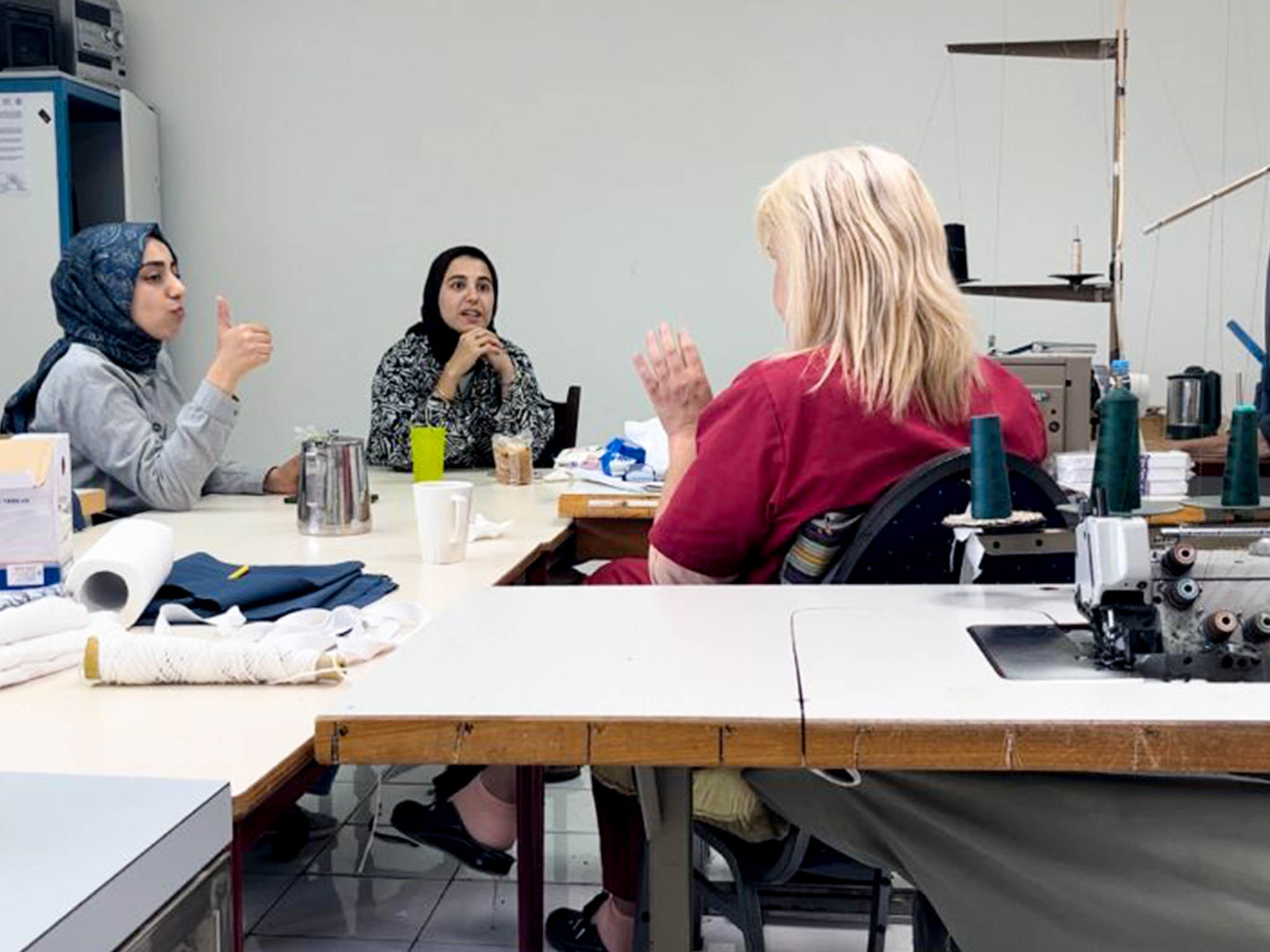
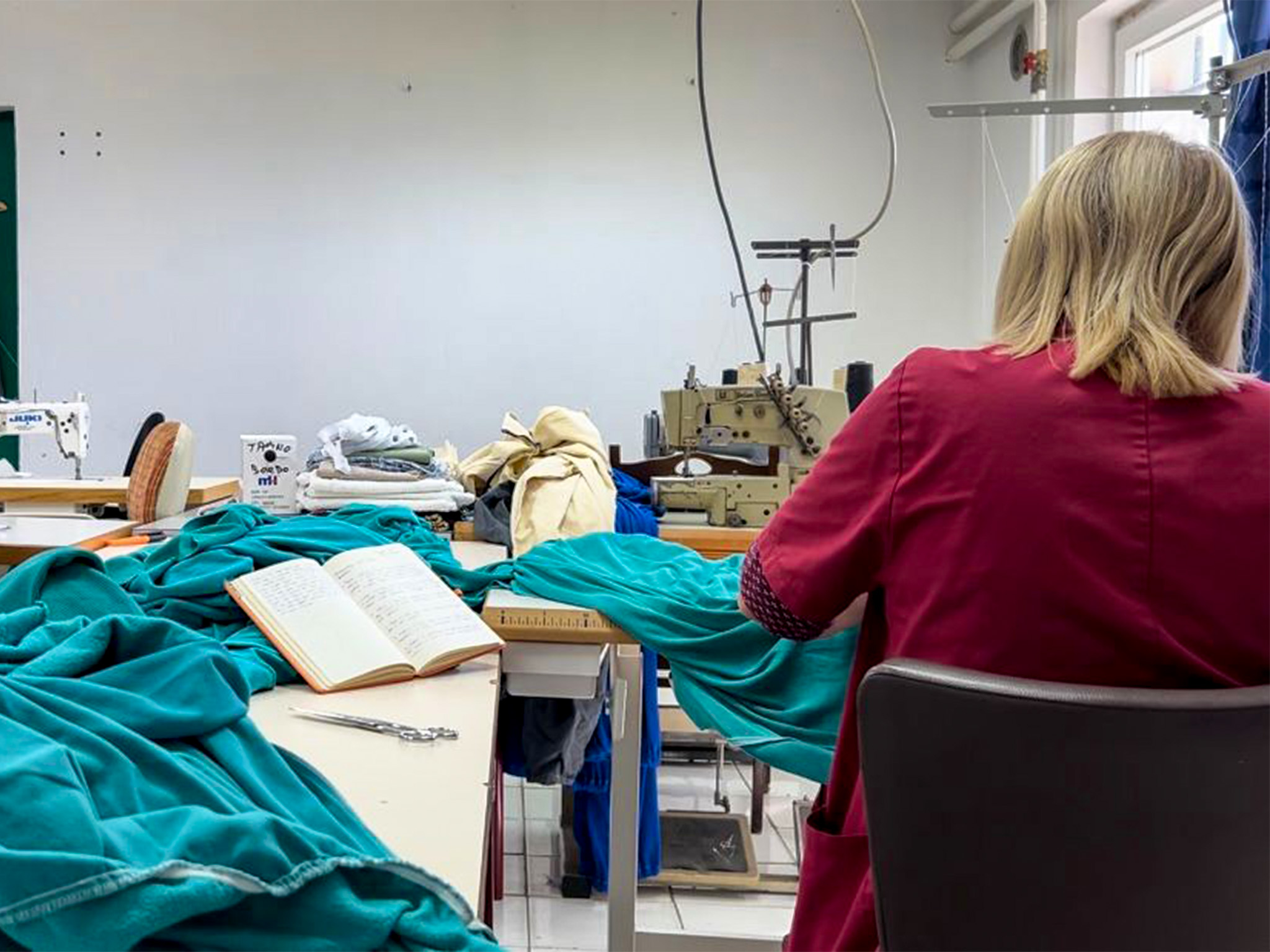
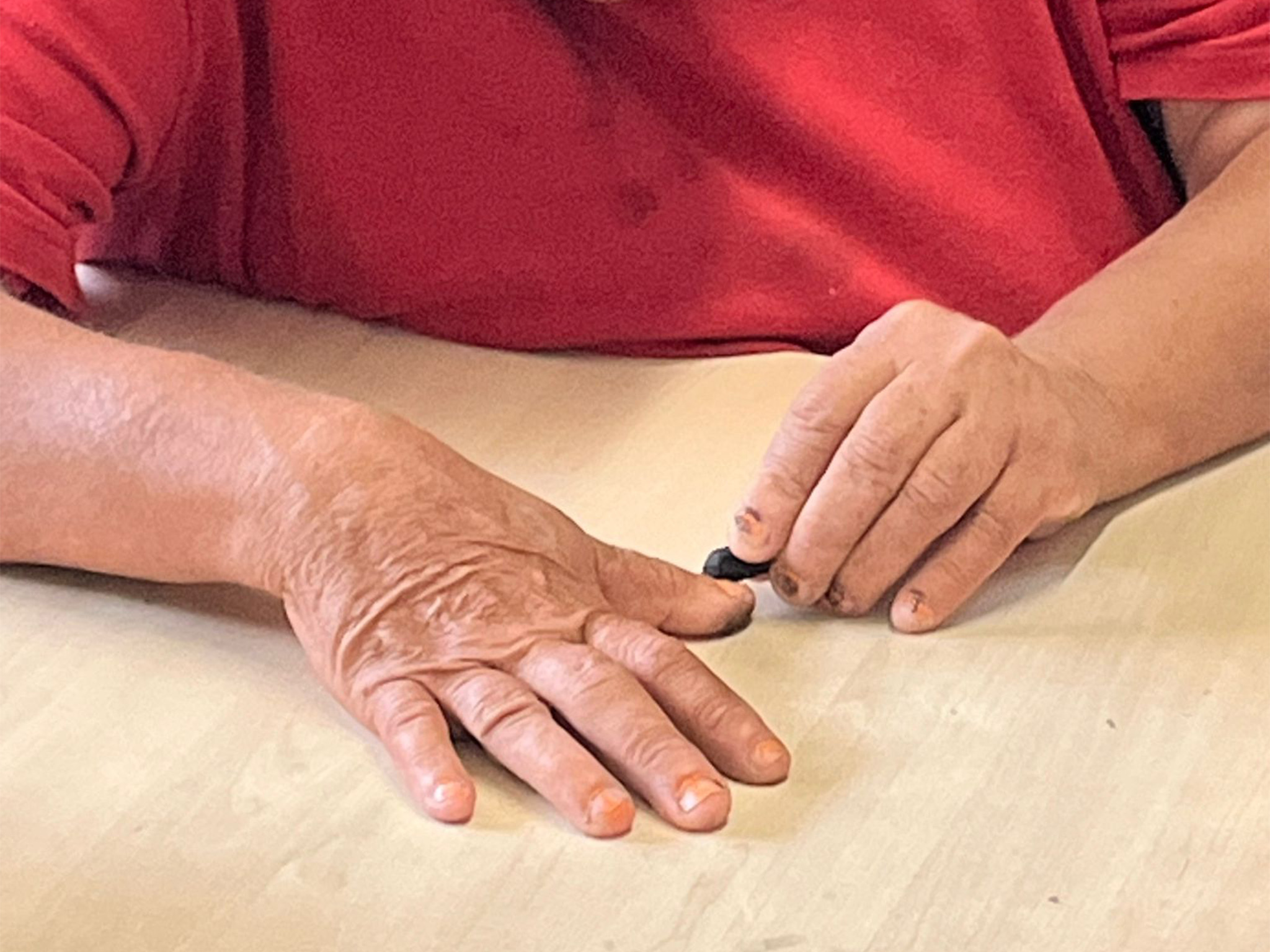
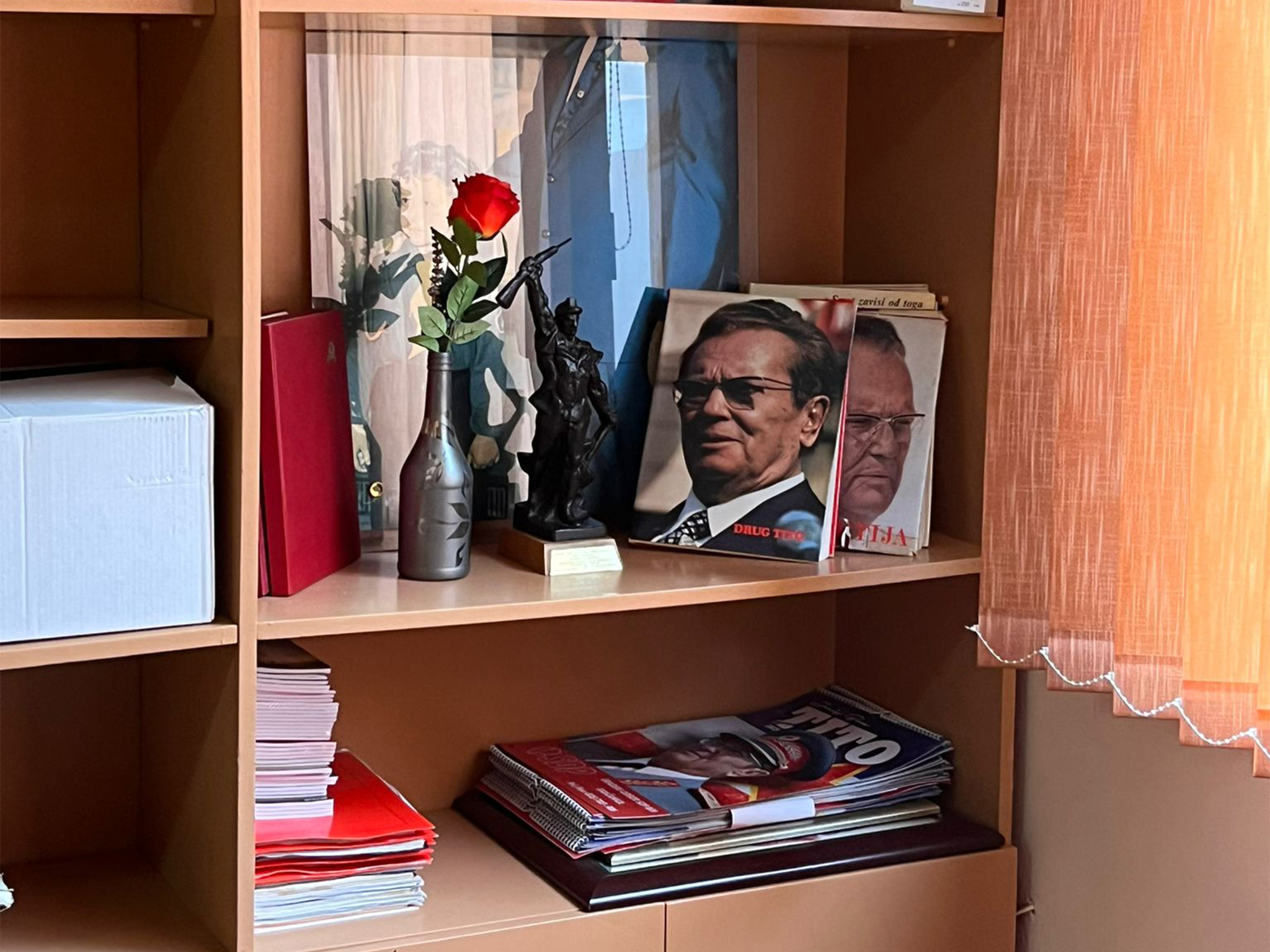
When I met Senija, the center’s tailor, she had been working alone for a long time due to her colleague’s illness. She longed for help, for someone to share a few words with, for company during coffee breaks. This led to the special bond that formed between us, the long hours in which we talked about almost everything, the life lessons she gave me, the analyses of me—so frank that I probably wouldn’t allow my close circle to voice them—and ultimately to my filming her. She belonged to the communist-era generation; she had greatly desired to leave the country but somehow had never been able to. Through her, I saw the one-dimensional bright color of my observations and the anecdotes constantly forming in my mind about the country. She opened up layers, dimensions, and darkness to me. Clichés, as we know, grab the back of the necks of ideas that try to be original. Over time, I began to accept the impact of the legacy of war in the country, the communist regime, the foundation’s founding vision, and the fateful constraints stemming from its geographic location on working practices.
When I came six years ago, I was emotionally surrendered to opposing museum commerce, the selling of war memory as a product, and this tourism. Now, this had turned into a strong caution. This time, I cried out of anger in museums. Victimhood adds an ambient background to everything. The background shaped by the dominant narrative in Turkey confines these people to two dimensions—as war victims and as compatriots of Alija Izetbegović—and overlays this with a dramatic atmosphere. This war exists in my early childhood memories. My later years were spent reading about it, researching its history, watching its videos, and listening to talks about it—aimed at making one cry. Today, more than the events themselves, the way we deal with them and inherit them made this background disturbing to me. Although my weariness of being a victim and leaning on victimhood pushed me toward this, the real breaking point was that this situation created a blindness that made it harder for me to truly know these people among whom I was living. Widening one’s eyes in feigned astonishment, adopting a bitter smile, constantly asking people your own age to recount things as if they were merely historical witnesses, trying to measure political tension, asking and asking, listening and listening. But holding back from telling your own story because you adopt an ostensibly humble arrogance, thinking you have a more fortunate life. Being ready and willing to listen—but preferably to listen to troubles. Because of all this, I wanted to squint my eyes in the literal physical sense while looking around, to sharpen my vision, to turn down the buzzing in my ears. I thought a lot about what this was and where it came from. There is certainly a great contribution from the times when we looked at places we warmly perceive as “oppressed” geographies as lands of the downtrodden. These are the products of taking shortcuts while trying to understand what is happening, of writing an epic historical narrative around a charismatic figure that resonates with our own emotions. When my friends went to the center to visit war mothers, they told me there was rivalry among the mothers. One of them apparently spoke incessantly during visits, not letting the others get a word in. An argument broke out among the mothers during a visit because of this. When I heard this, I said, yes, that’s it. War mothers are also human. They are not solely heavy, gloomy, and victimized. At times, situations involving them are even comic. But seeing war mothers or these people as subjects is not enough until we see ourselves as subjects among others and place time within ourselves and ourselves within time. As I entered and exited more homes, made friends of different ages, professions, men and women; as I stopped being cautiously ethical like strolling through an open-air museum and instead began sharing mutually and engaging with everyday life, blind spots opened up. We shared all this tirelessly, in one breath, most of all with Nurefşani. Especially for the two of us, I can say: our days passed not with discoveries of “oh, so it was actually like this,” but with a cleansing of “oh, it’s actually not like this at all.”
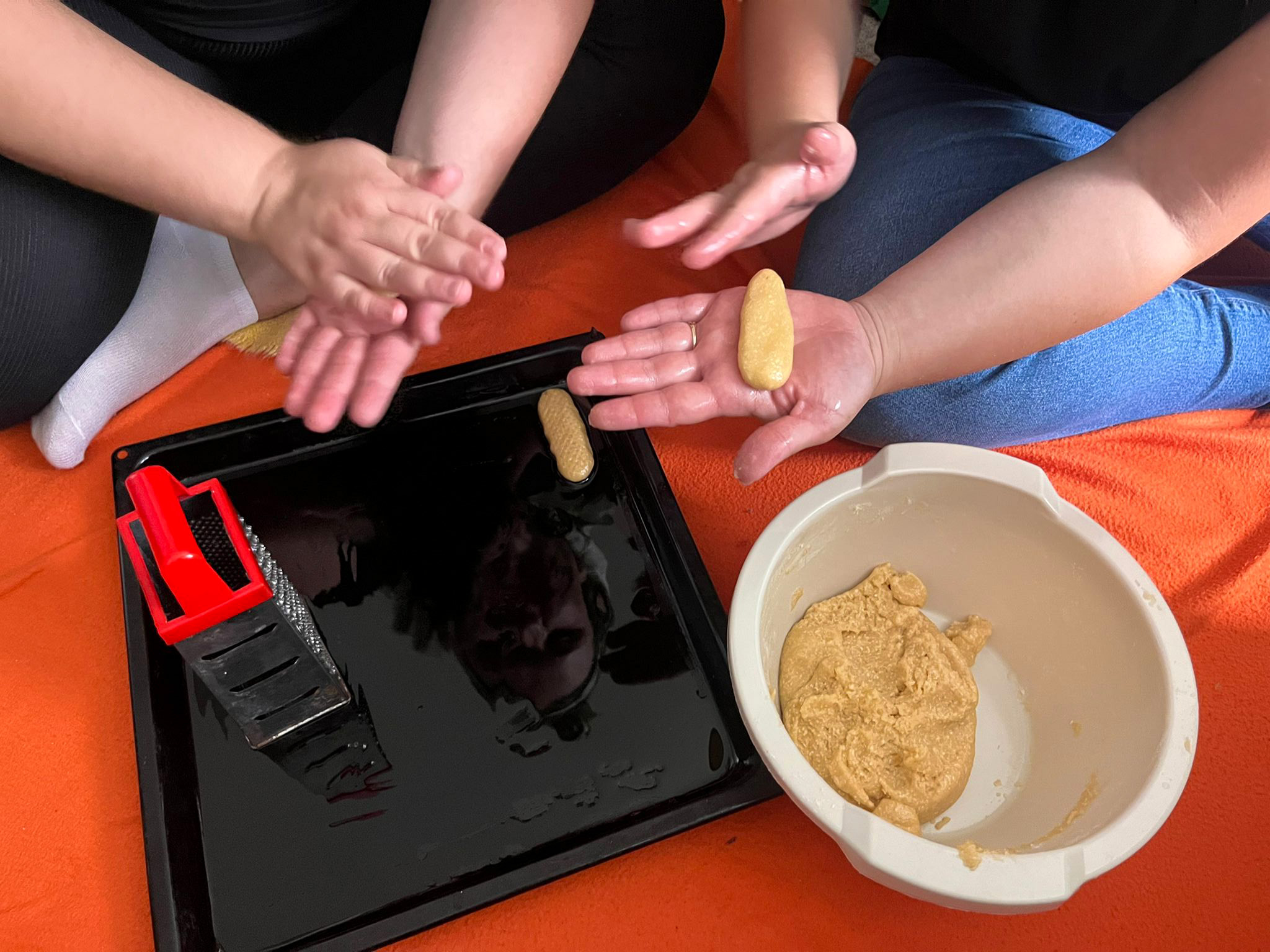
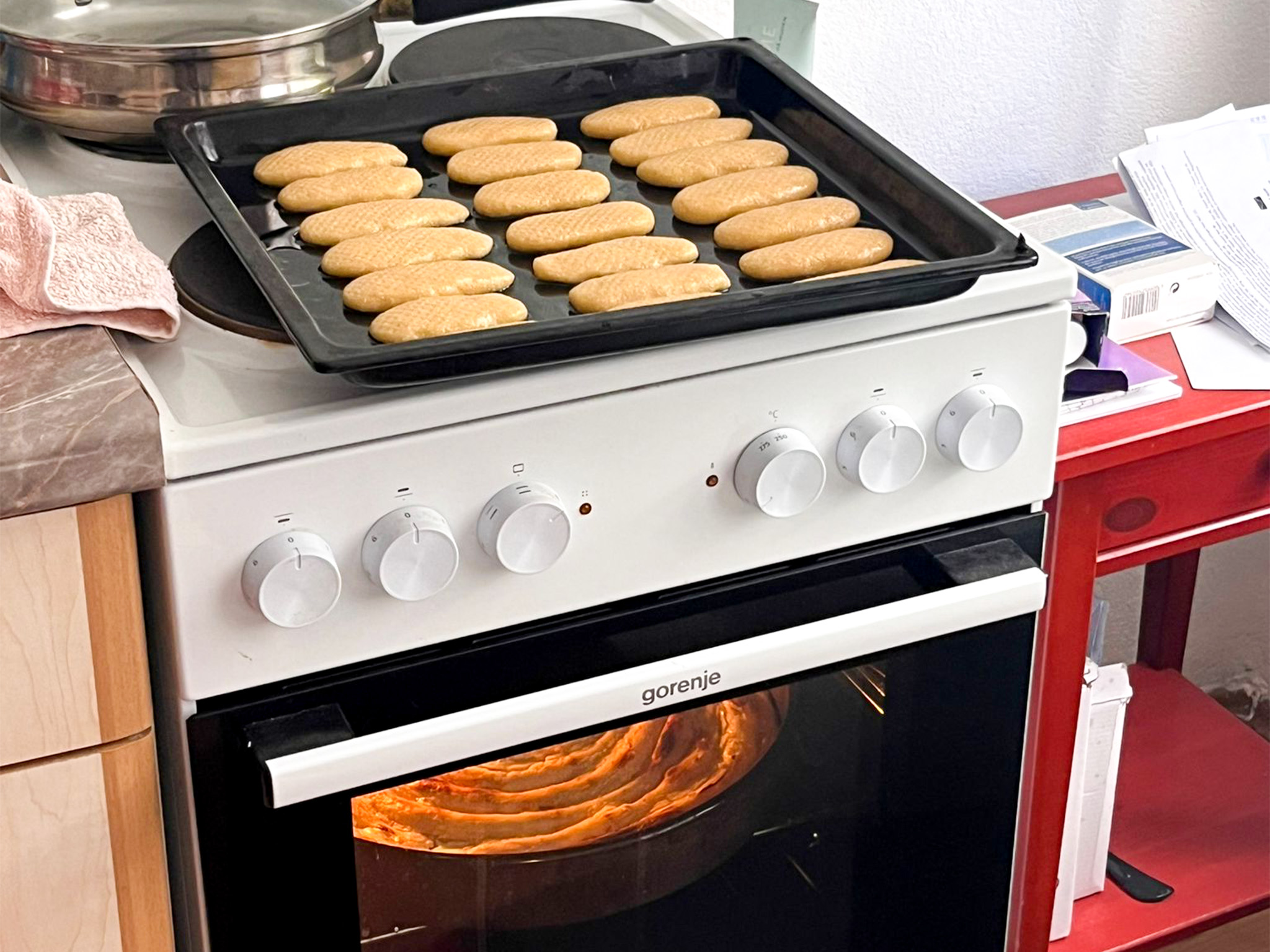
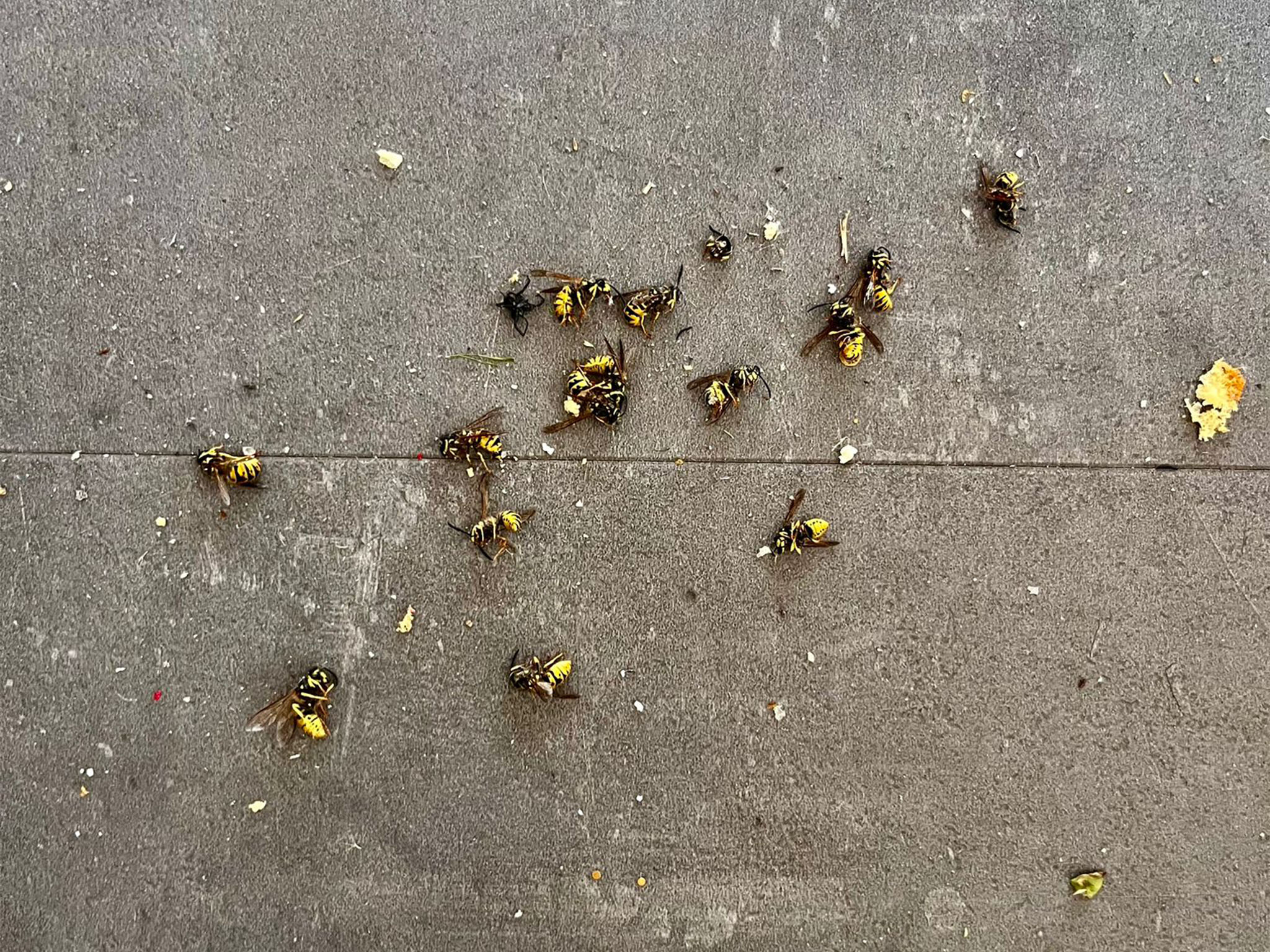
Here, I saw how people—especially women—cope with the past (yet still very close) legacy of war, and how they learn to open their arms to one another through this legacy. I thought about what the secret might be behind compassion not running out, even in these mountain-top lands we visited during distribution. I couldn’t take my eyes off the people here—from the colors of the flowers in house gardens, the delicacy clearly visible in the fine details inside rooms, the fact that none of the people ever seemed to tire of patiently trying to explain themselves to us in another language; from the countless grasshoppers, bees, and various creatures that seem to have figured out where the good life is and have settled here, moving freely within the country; from the people who, while I was walking near where we stayed, spontaneously invited me into their homes, or allowed us to join weddings we stumbled upon by following the sound, celebrating joyfully and beautifully. Talking while baking cake and making coffee in a bungalow house with about fifteen patients invited to adult rehabilitation specifically to meet me; the conversation and closeness that flared up between us; all the things I suddenly forgot or remembered about life and who I am—perhaps the best way to describe it was feeling full of life and alive. They told me they had never given up hope in love. Most of them recommended places they had seen many years ago that I could visit. They whispered about love triangles and betrayals among patients at the center. They shared the memories behind the tattoos on their arms. We talked about the MTV era, the old days of Britney Spears, David Bowie. We listened to Sting. We looked through photo albums. Thanks to them, I felt a great deal of gratitude, thankfulness, hope, and appetite for life. While I had believed rural life to be an imposed fate, I became convinced that something different is possible, that beauty can be sustained somewhere.
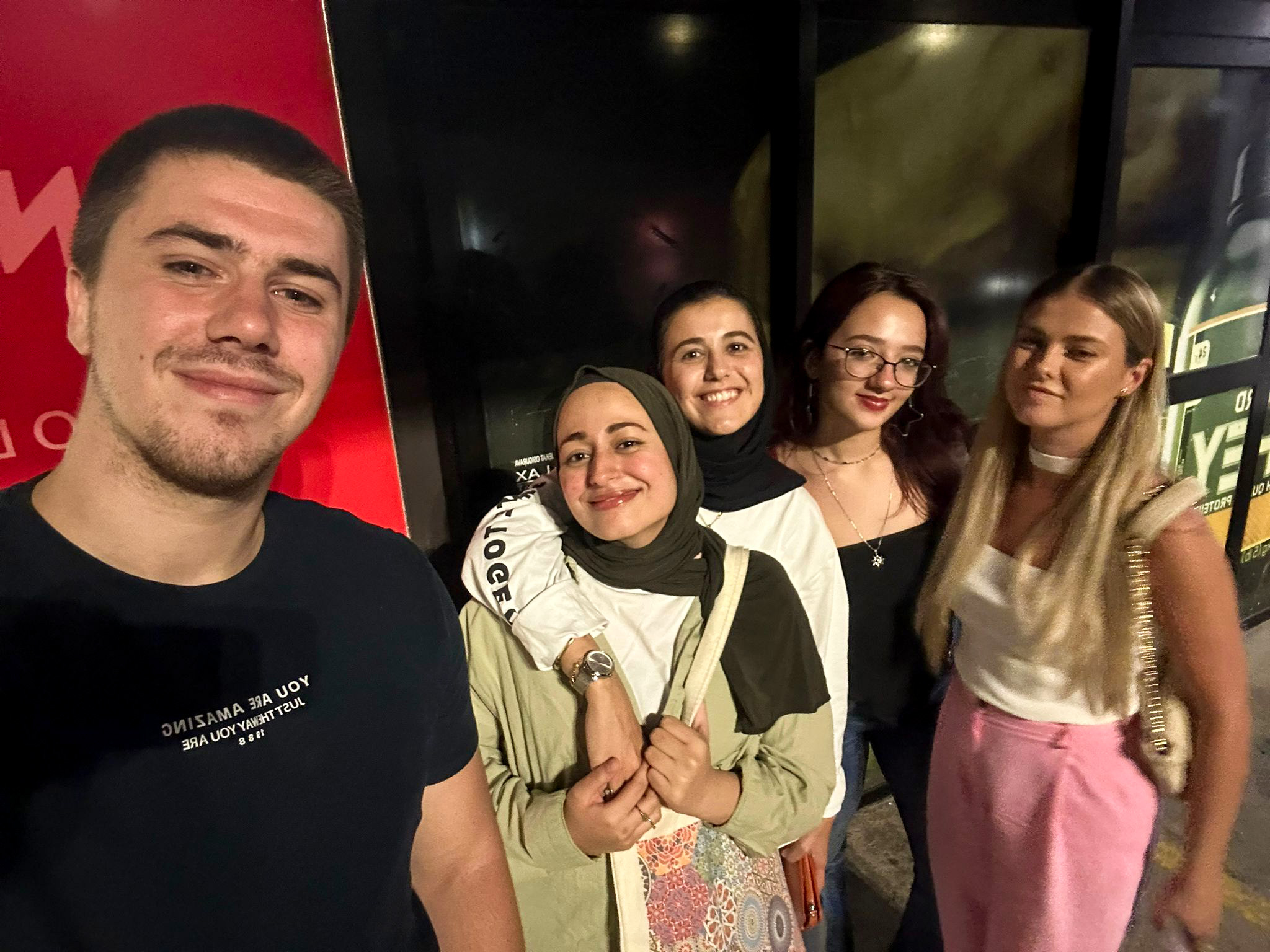
Sometimes, distancing oneself and leaving, meeting kindred spirits, can be a way of loving. Here, with people aged seventeen or eighty, with whom we tried to communicate in languages we did not understand at all, we found paths from eye to heart. As we understood each other so deeply beyond languages and past experiences, looking straight into each other’s eyes, I kept repeating: there is no village beyond commonality. Our pieces sometimes scatter very far away. I found some of mine here. It feels as if my arms and legs have returned to me. After Doboj-Istok, I am busy saying not “oh, so this is what the city I live in today is actually like,” but “oh, so it’s actually not like this at all.” What could be better than such a lesson and a new pair of glasses?