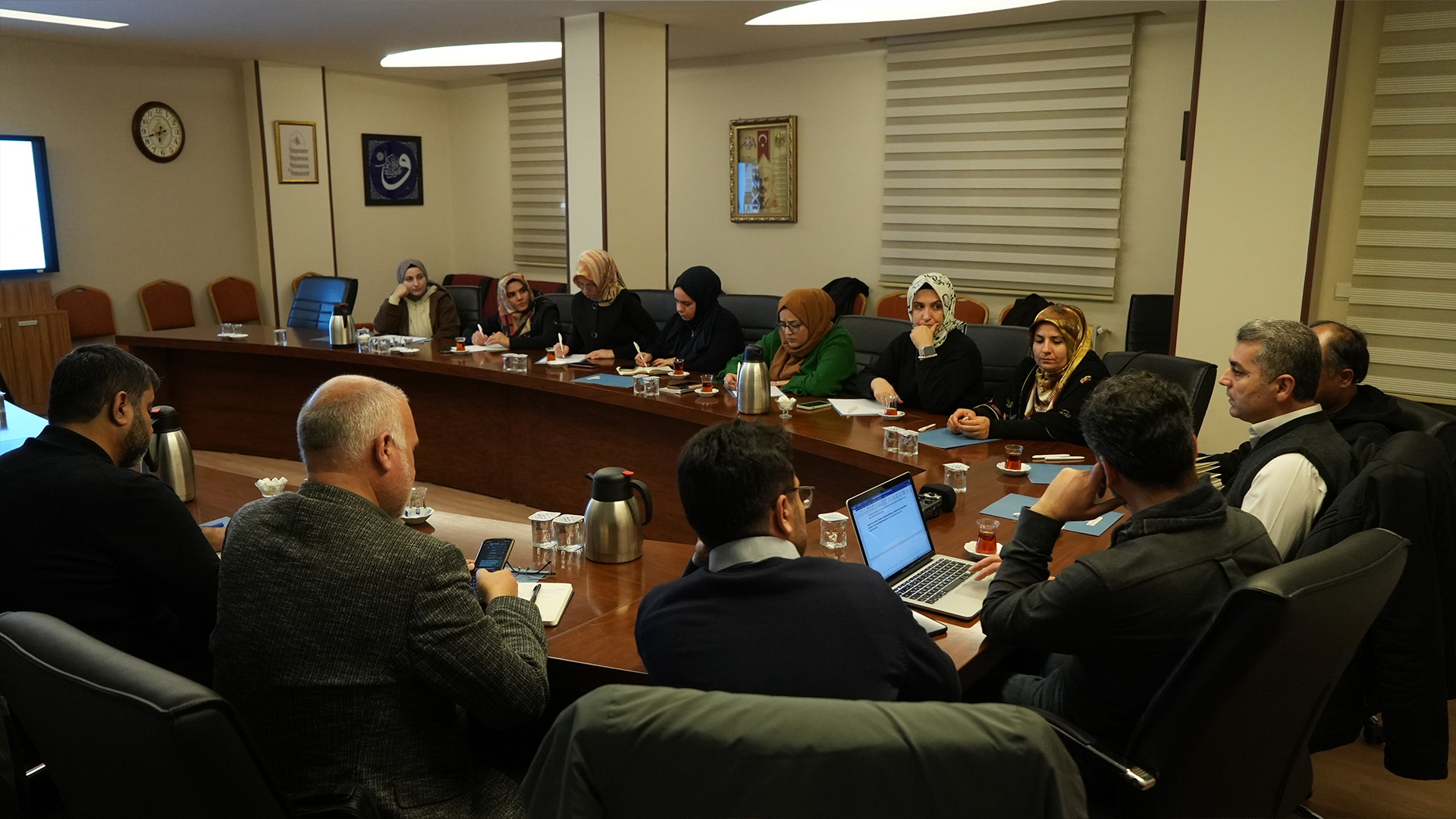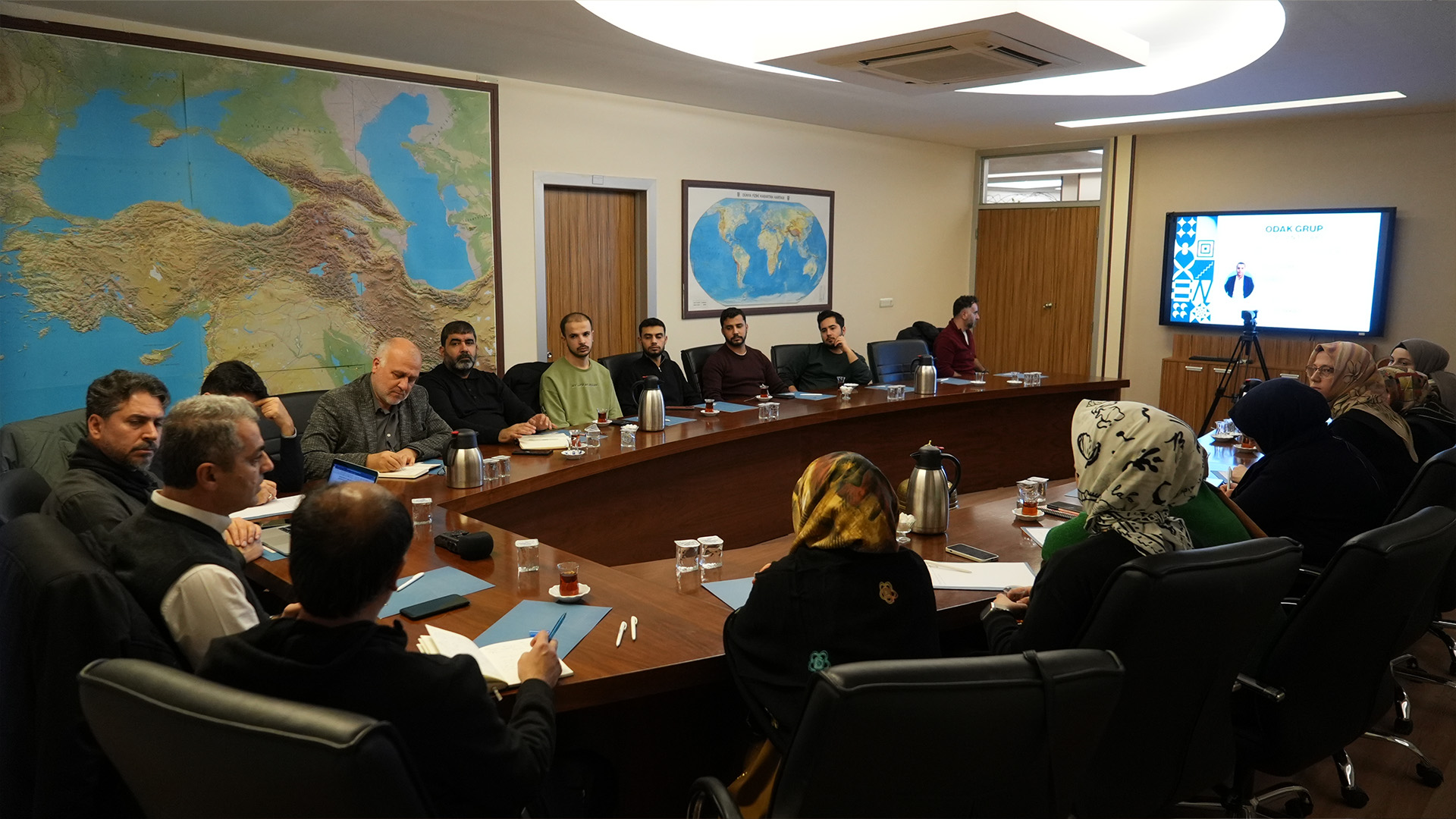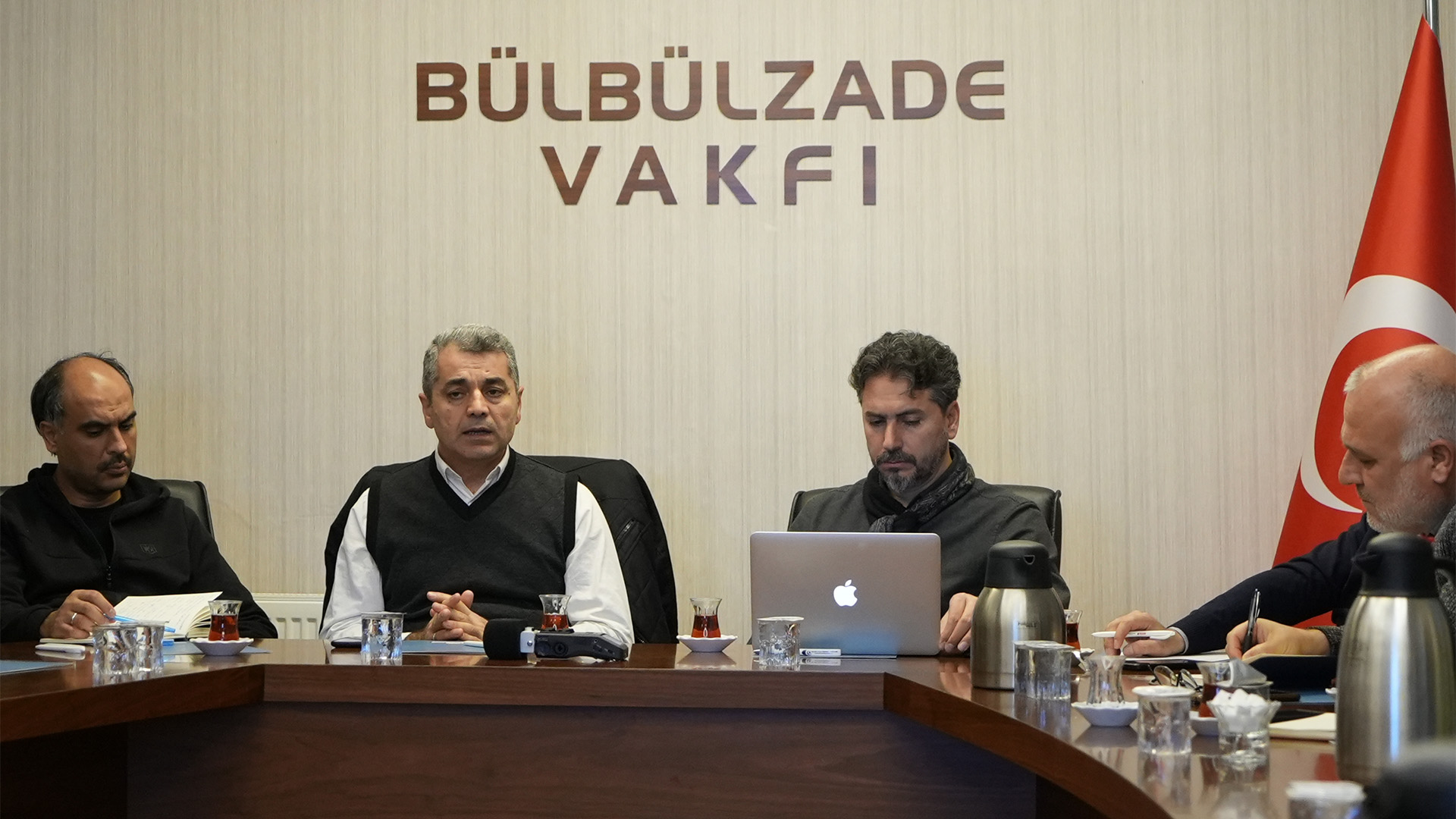
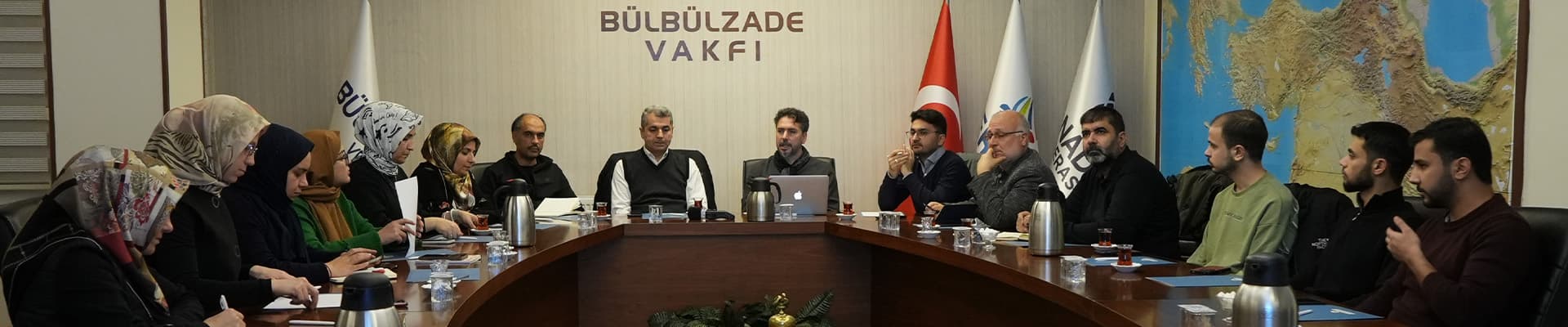
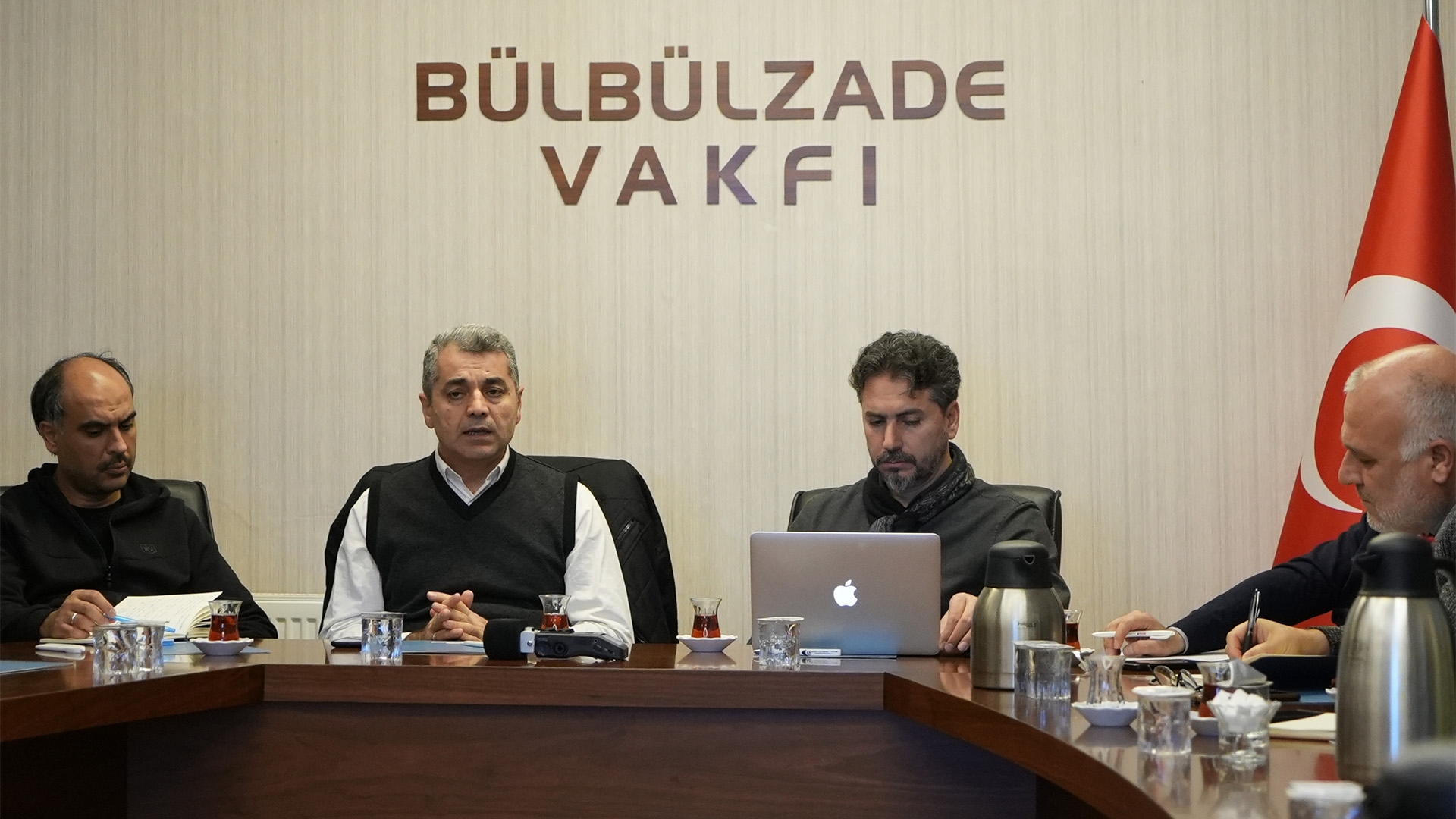
We continued our "Focus Group Meetings" series, where we address social issues, by examining the family—society's most fundamental unit. The session's guest, Prof. Dr. Mahsum Aytepe, emphasized the universality and uniqueness of the family.
As the Center for Science, Education, Culture, and Research (BEKAM), we analyze social transformations through an analytical perspective and establish a vision for the future through our Focus Group Meetings. In this context, we held a significant session last evening at the Bülbülzade Foundation. During the meeting, which featured Prof. Dr. Mahsum Aytepe's presentation titled "The Family Institution: Conceptual Roots, Sacred Ties, Common Roots," we scrutinized many topics in depth, ranging from the historical process of the family to its functions in the present day. While defining the family during the meeting, we did not overlook the historical perspective. We attempted to address gender equality and the phenomenon of violence against women throughout history within the context of cause-and-effect relationships. We discussed the historical trajectory of the importance attributed to women and the family institution in different geographies—both Eastern and Western societies—using comparative examples.
WHAT IS THE IMPACT OF RELIGION ON THE FAMILY?
One of the key topics of the program was the perspective of belief systems on the family. The mutual responsibilities that Islam places on men and women, the sanctity of the family, and its social function were shared by Aytepe, accompanied by authentic hadiths and references. We exchanged ideas regarding how we perceive these responsibilities in the modern world.
Evaluating family structures among different faith groups and individuals who do not belong to any faith, Aytepe made groundbreaking observations. Stating that the family is not a structure established solely through religious motivation, Aytepe remarked: "Religion is not the sole foundation of the family. People do not get married and establish a family simply because they hold a specific belief. If logic worked that way, atheists or deists would have to remain single their whole lives and never establish a family. However, this is not the case. The family is universal."
A CRISIS FOR ONE, A BLESSING FOR ANOTHER
Another focal point of the meeting was the "unique" (sui generis) structure of the family. Touching upon the error of evaluating families using standard molds, Aytepe drew attention to the importance of a "tailor-made" approach in family counseling and sociology, stating: "Just as every human possesses unique characteristics distinctive from others, like a fingerprint, so too do families. Each family must be addressed separately within its own dynamics. No two families are identical. A situation viewed as a major crisis and problem in one family might be a great blessing for another.