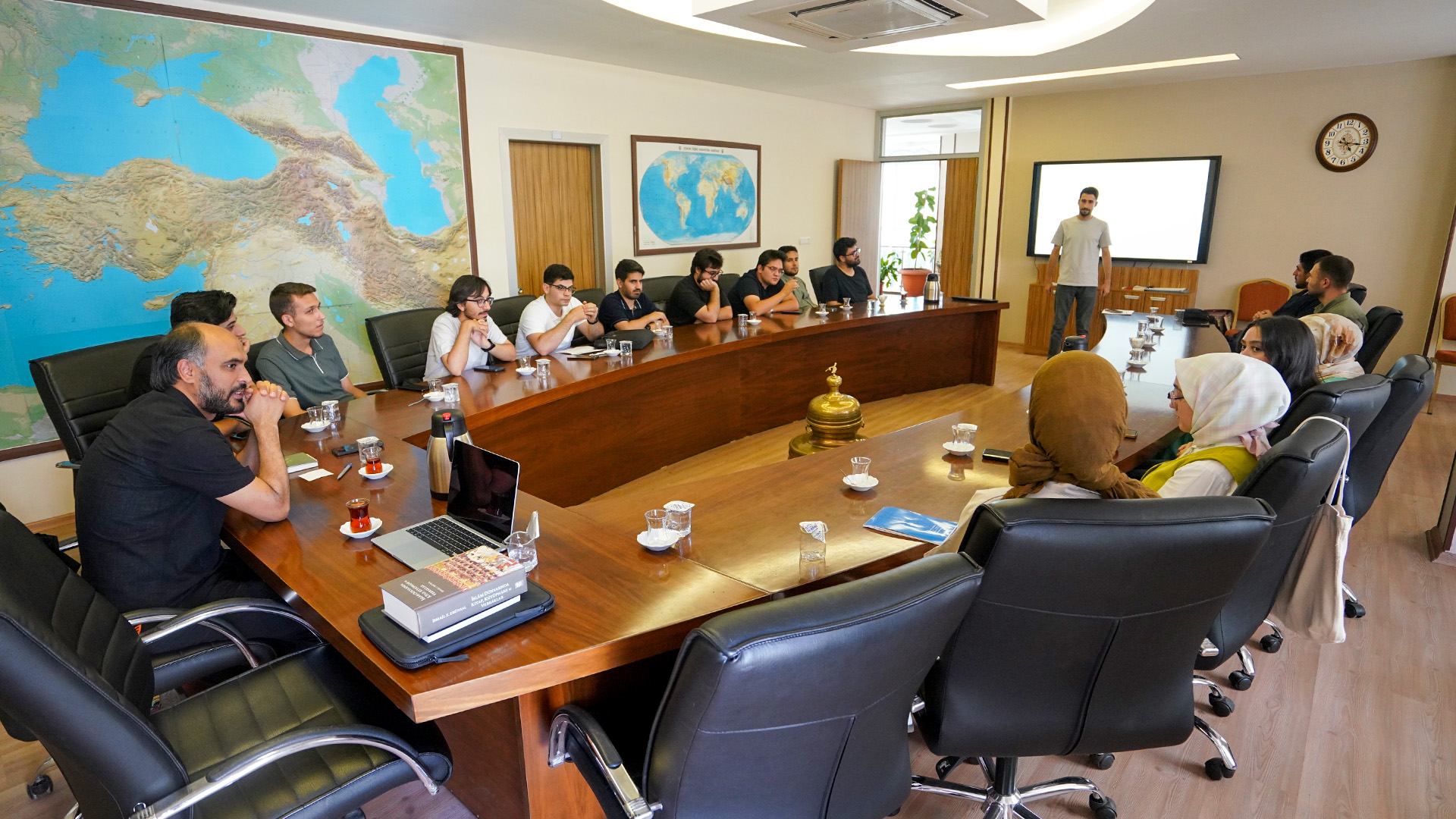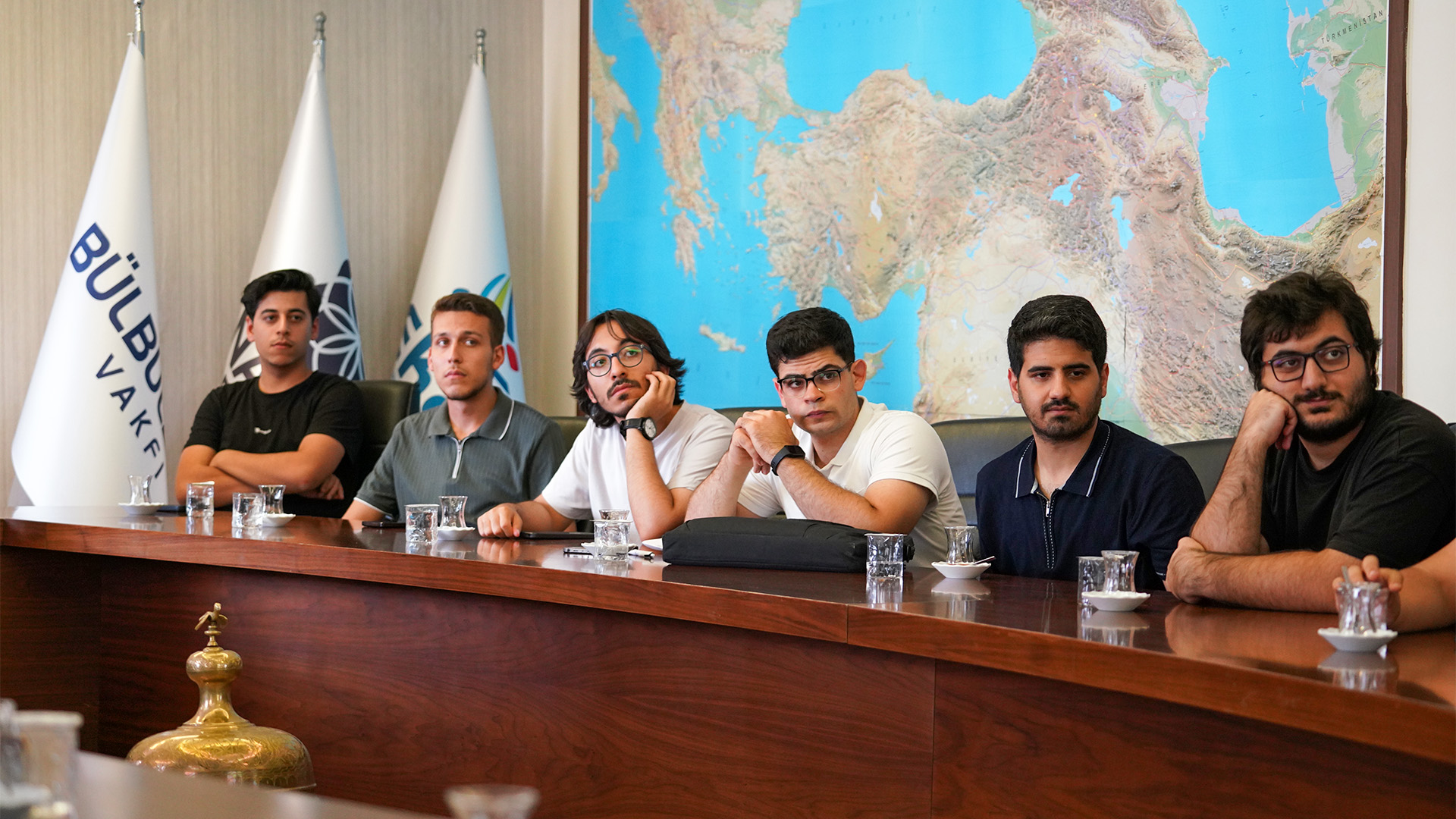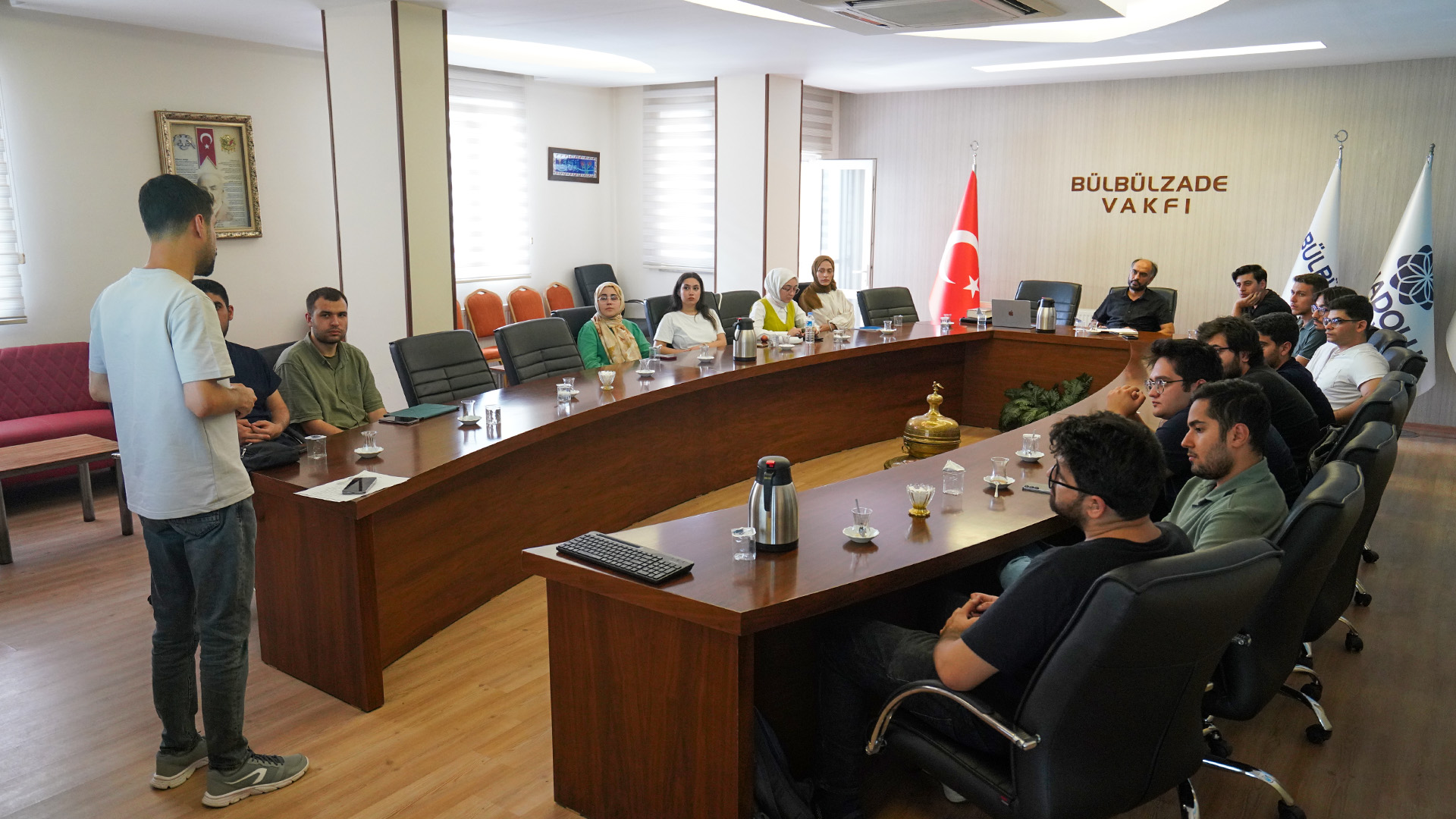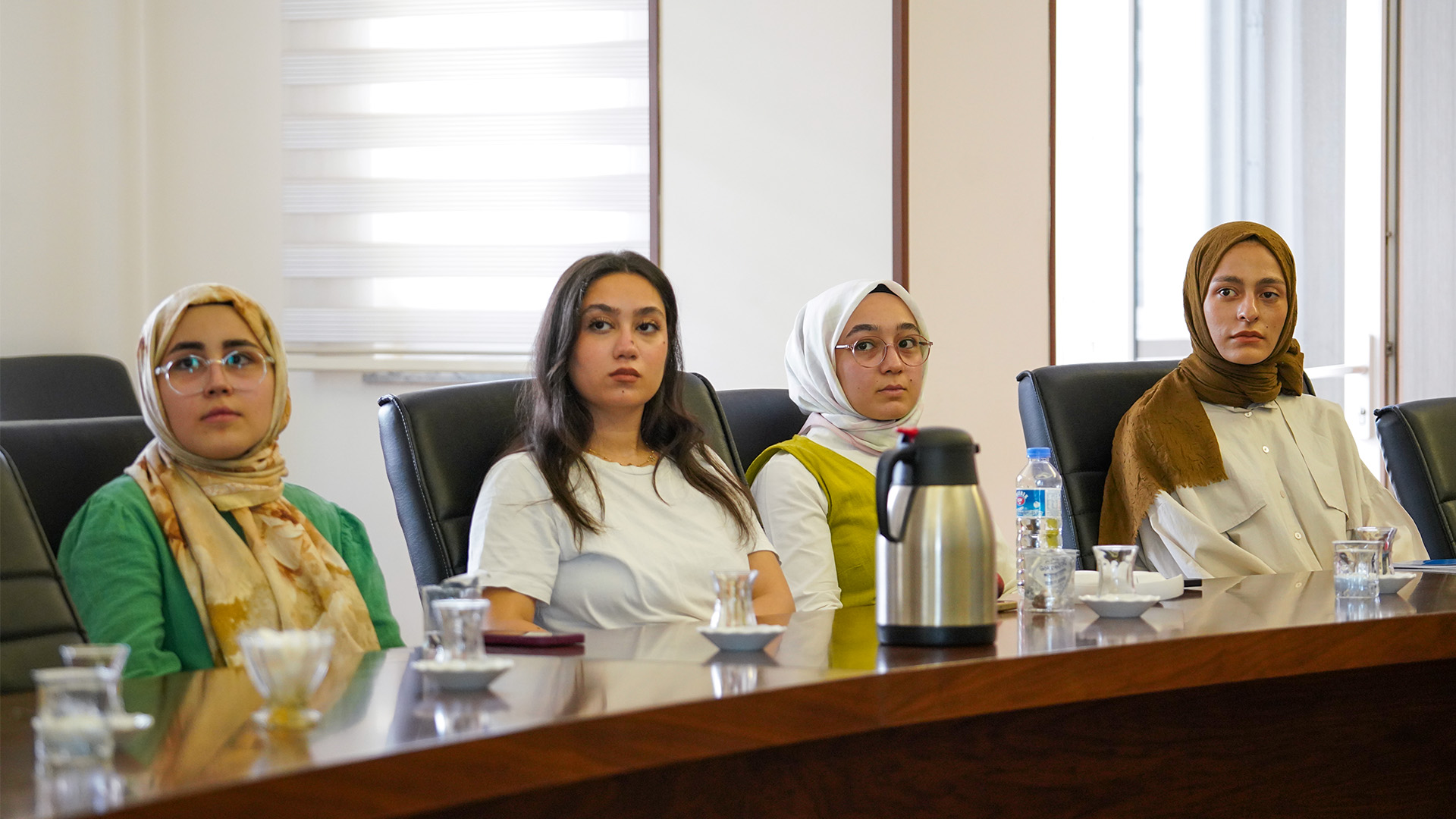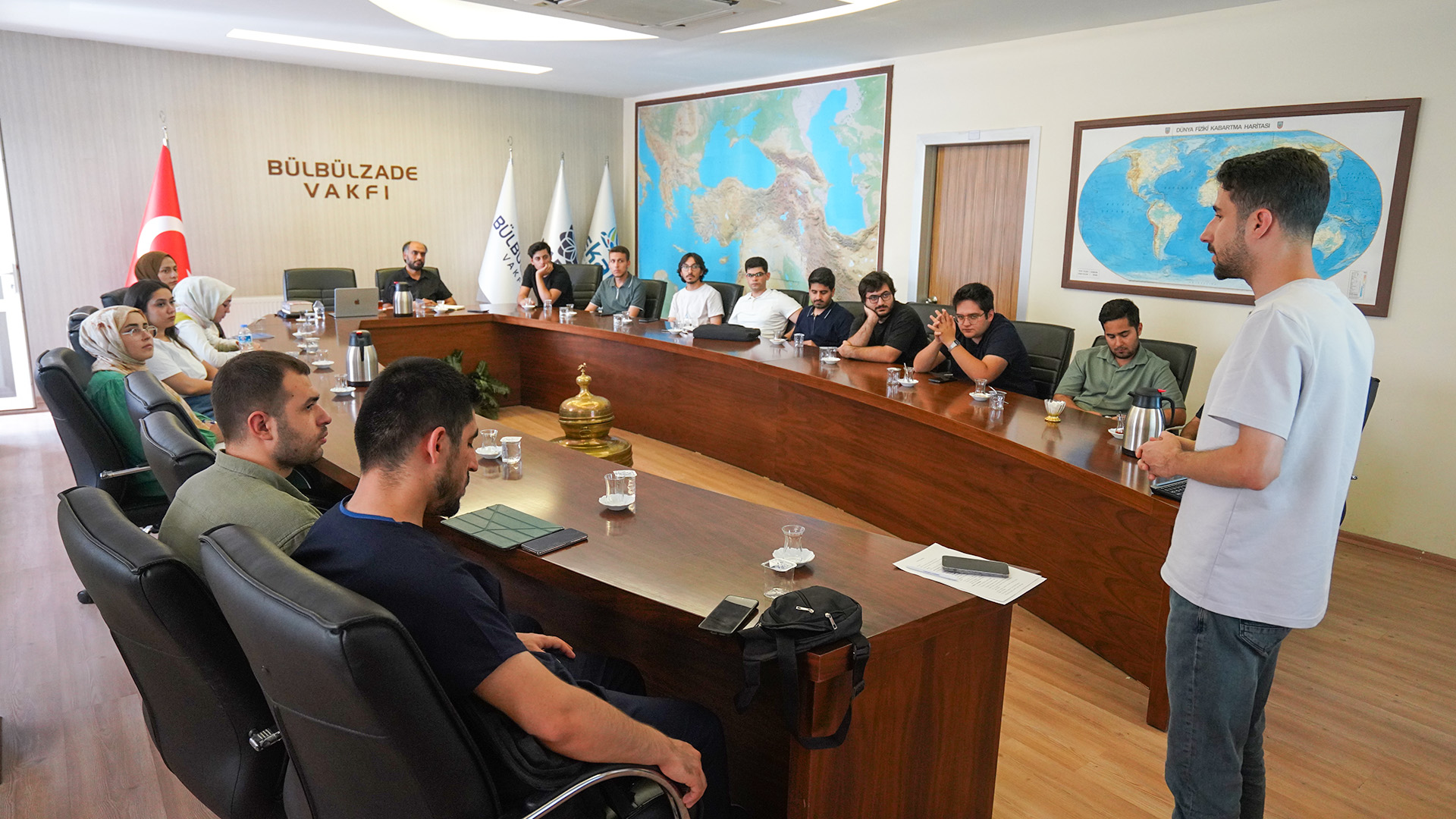
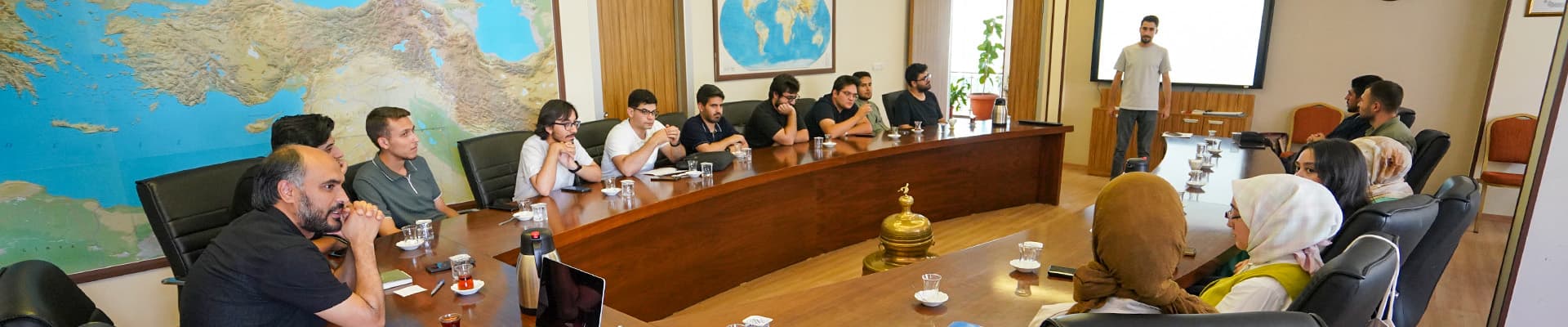
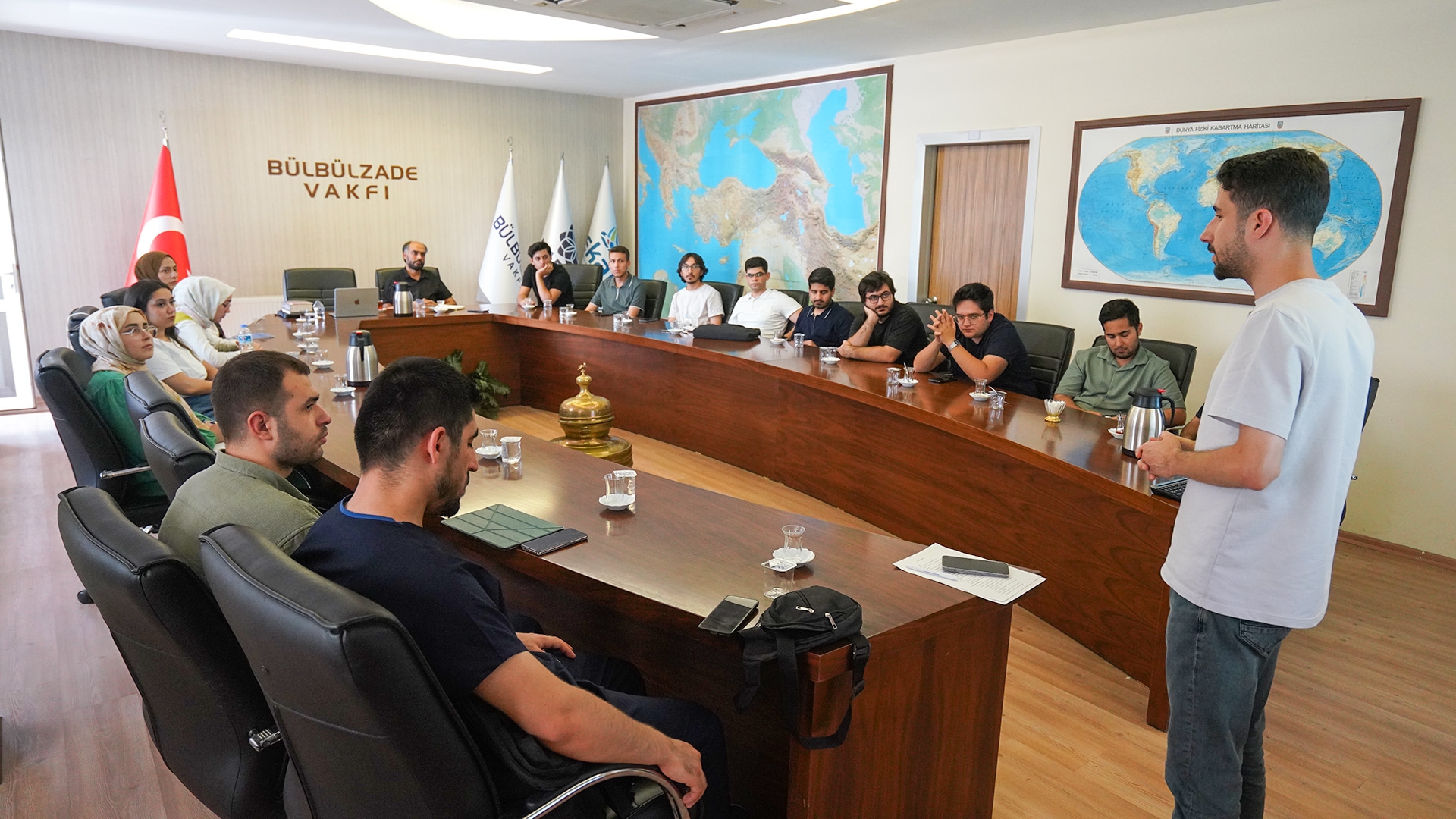
During the second session of the workshop organized in collaboration between the Bülbülzade Foundation and the Anatolian Student Union, Dr. Ömer Faruk Kavuncu shared valuable advice with researchers.
The second session of the "Research Writing and Techniques" training program, organized through the cooperation of the Anatolian Student Union and the Bülbülzade Foundation, was held on Wednesday, July 29, 2026, at 5:00 p.m. During the session, which took place in the Bülbülzade Foundation Conference Hall, Dr. Ömer Faruk Kavuncu shared the intricacies of research processes in the social sciences with the participants. Beginning his presentation with notes addressed to aspiring researchers, Kavuncu emphasized that the purpose of seeking knowledge is not knowledge itself but seeking the pleasure of Allah. Stating that a researcher's greatest asset is time, Kavuncu drew attention to the importance of learning to say no and managing time effectively. He also explained that a successful researcher should possess patience, curiosity, information literacy, and a strong command of the Turkish language.
A MULTI-DIMENSIONAL PROCESS
During the training, the scientific research process was presented as a spiral. It was explained that the research spiral begins with curiosity and continues through recognizing a problem, reviewing the literature, determining the methodology, analyzing the data, and finally sharing the results, making it a multi-dimensional process. Participants were shown how to identify gaps in the literature when determining research topics.
ARTIFICIAL INTELLIGENCE CANNOT REPLACE THE RESEARCHER
The session also provided a detailed explanation of the effective use of digital research platforms. The contributions of important resources such as DergiPark, the İSAM Library Database, the TDV Encyclopedia of Islam, and the State Archives to academic research were emphasized. Referring to the use of artificial intelligence in scientific studies, Kavuncu stated that artificial intelligence cannot replace the researcher but should instead be regarded as a navigation tool that helps accelerate research. He noted that when used correctly, artificial intelligence offers alternative perspectives and reduces routine tasks.
The program concluded with recommendations encouraging researchers to read the classical works in their respective fields, develop the habit of taking regular notes, and cultivate an interdisciplinary perspective.