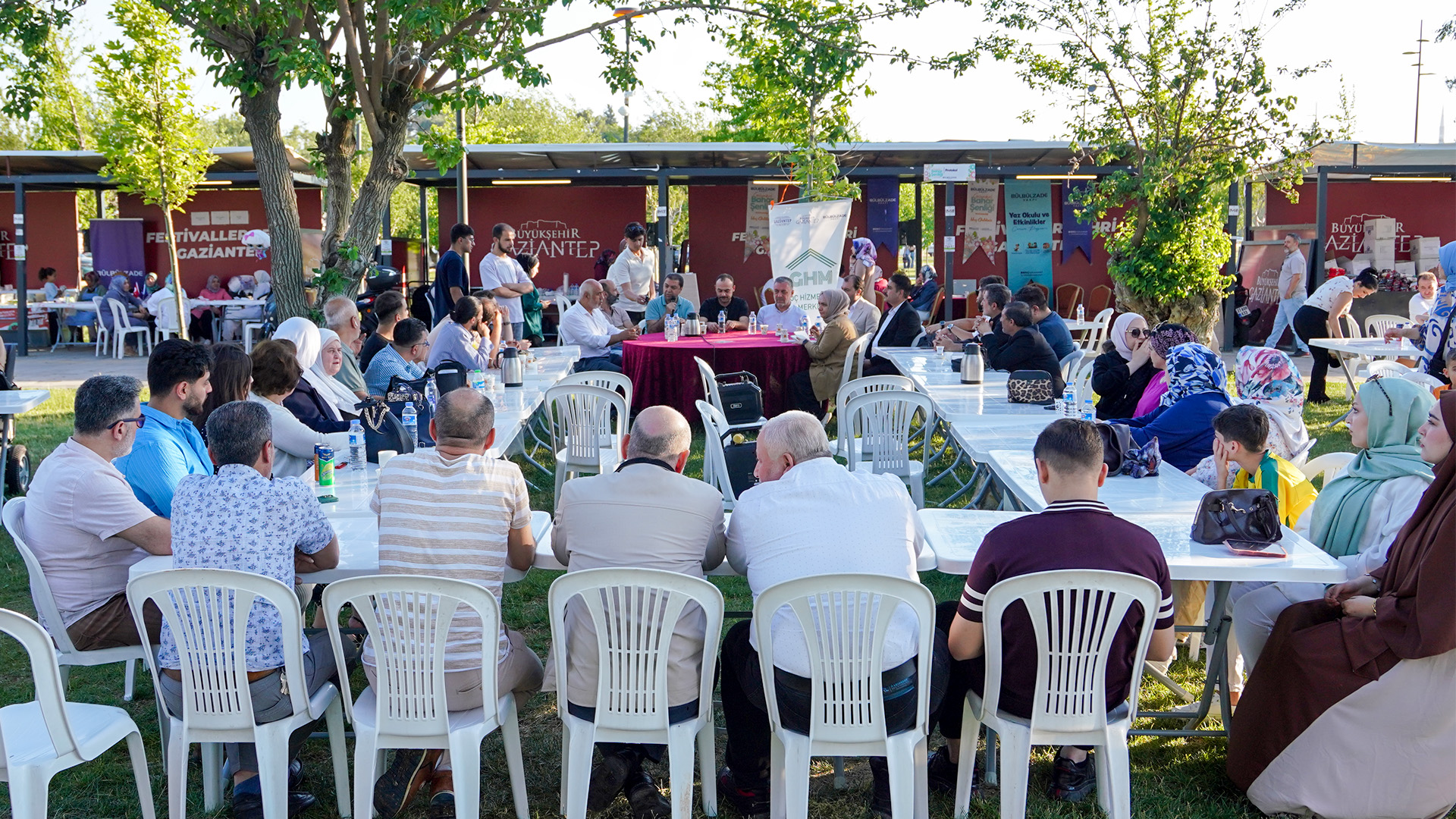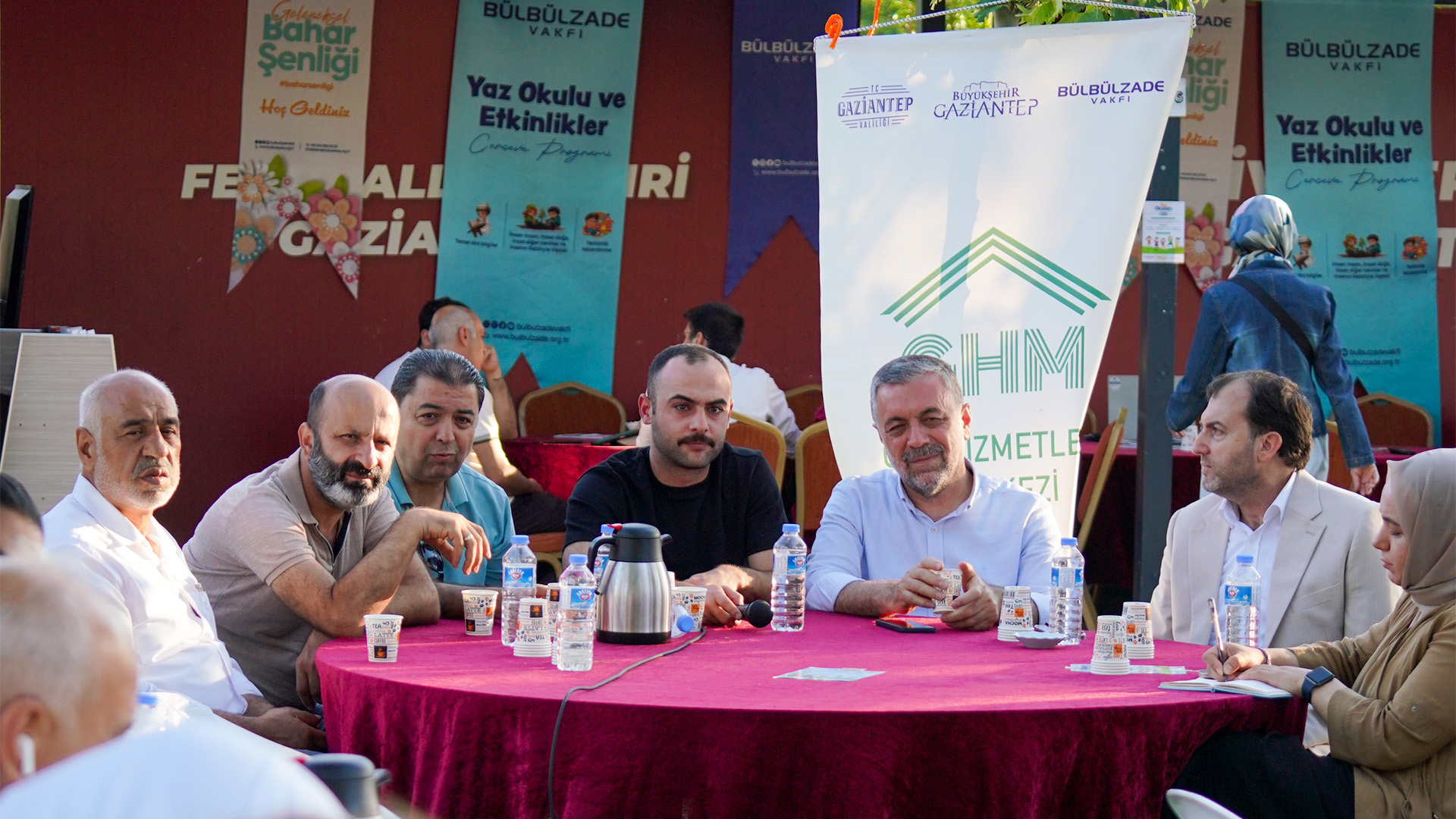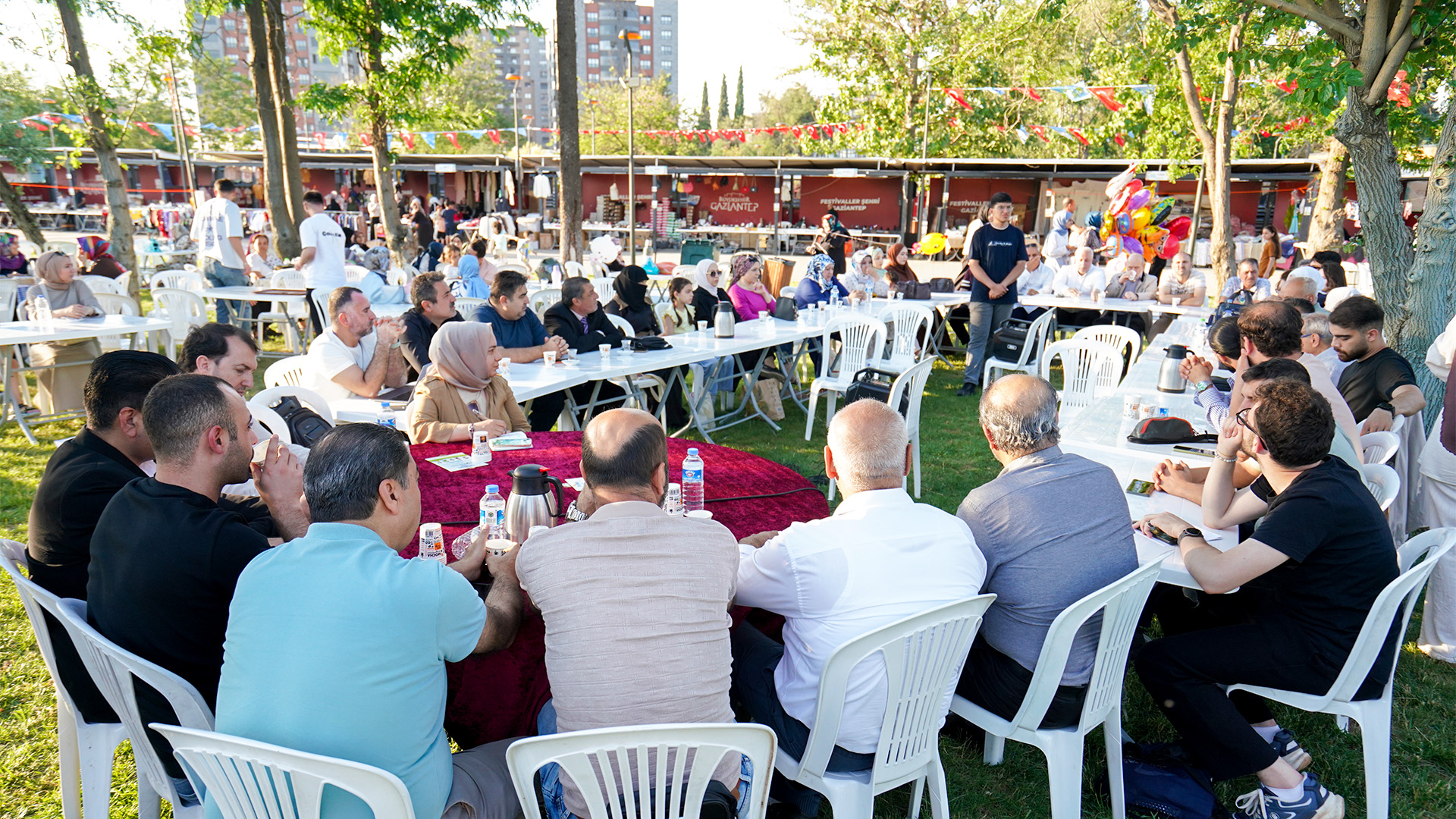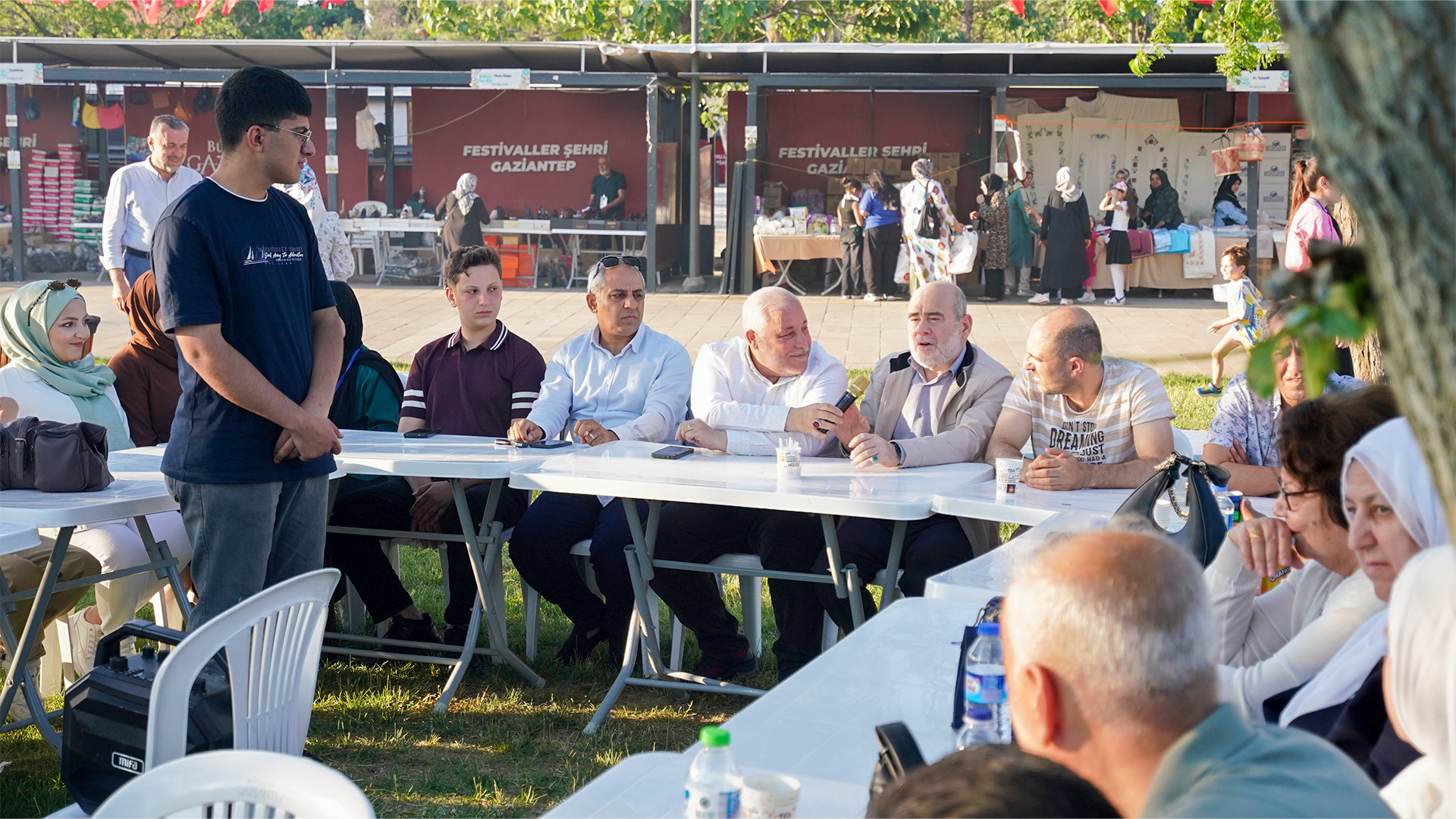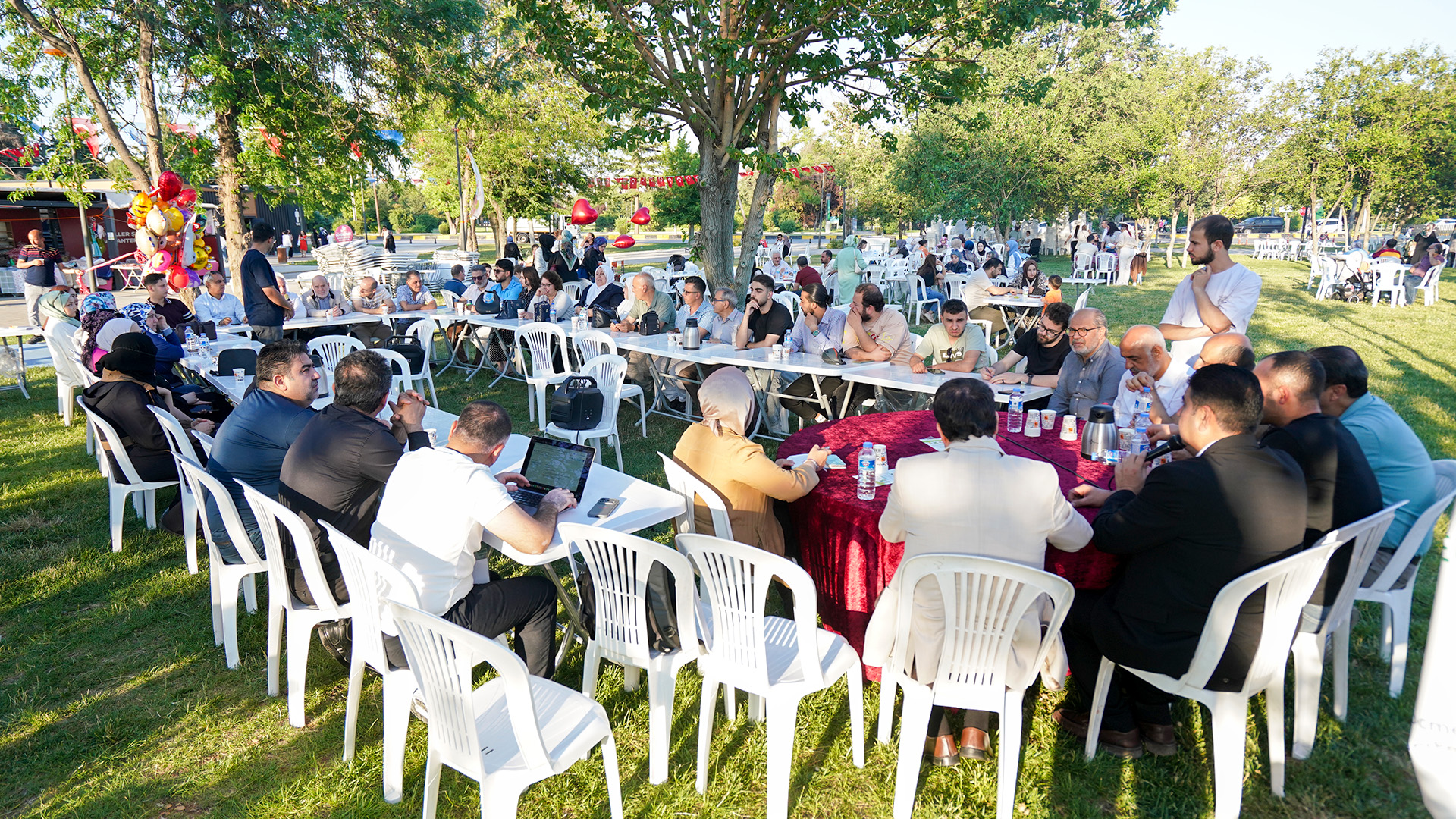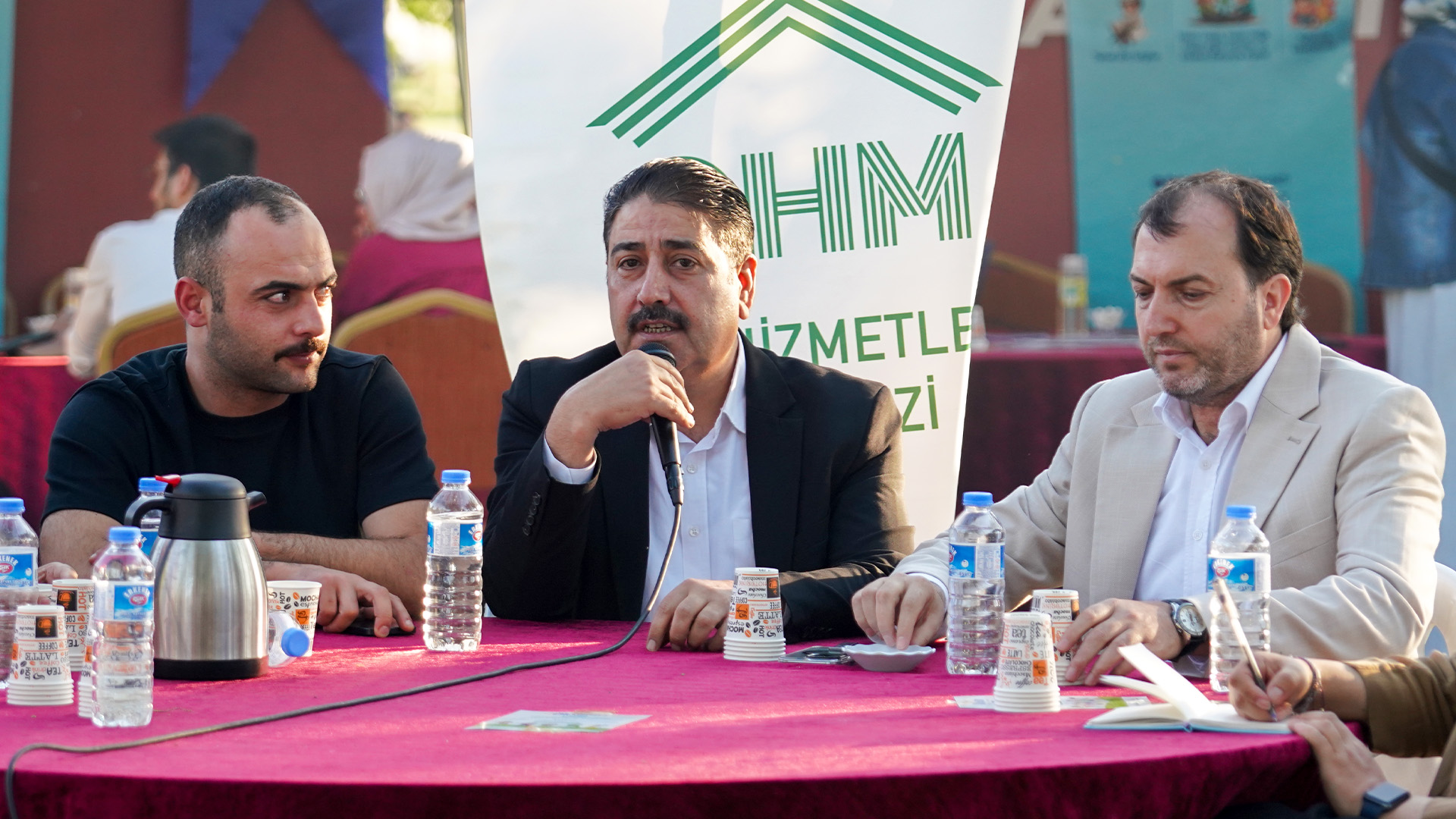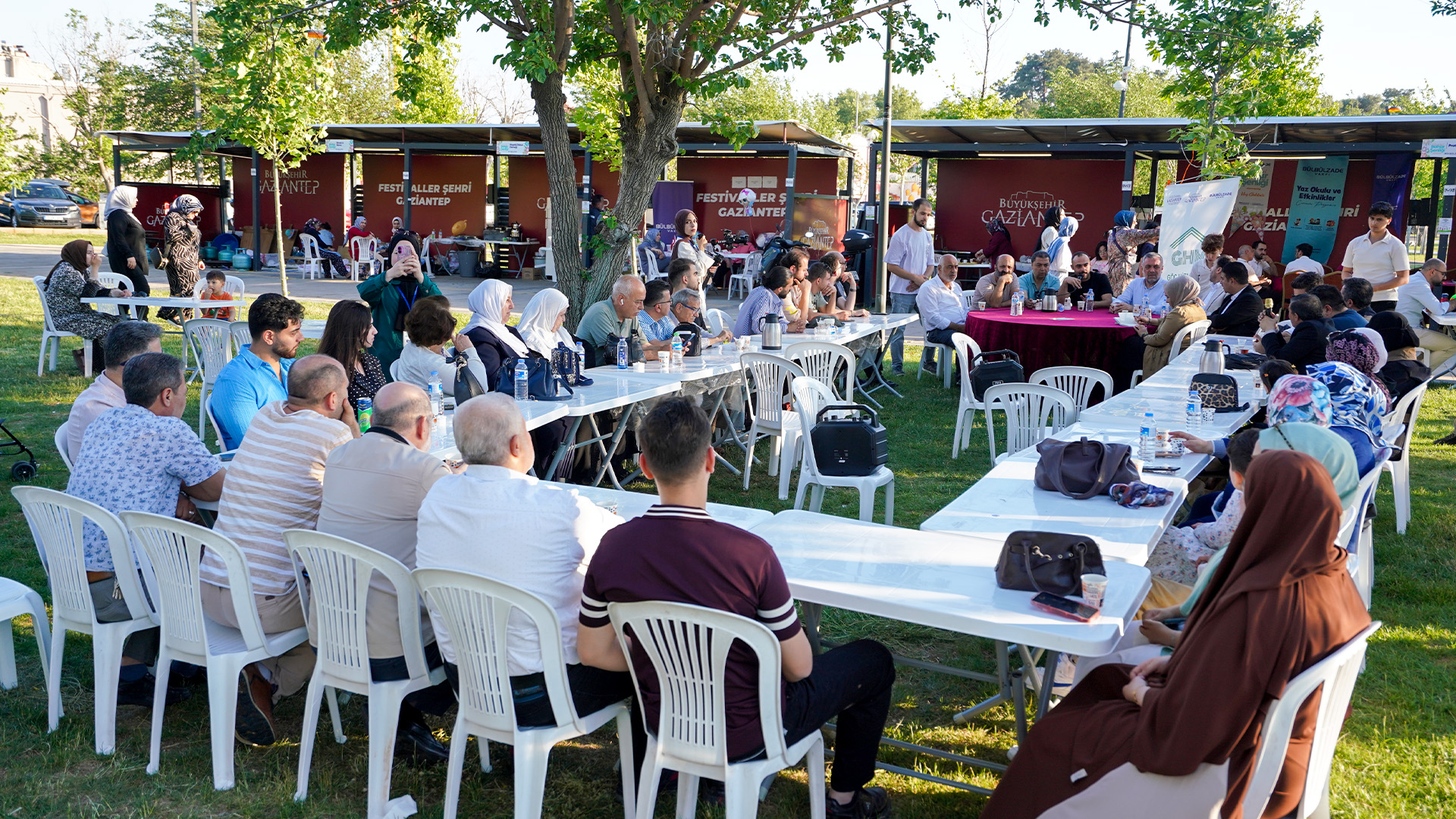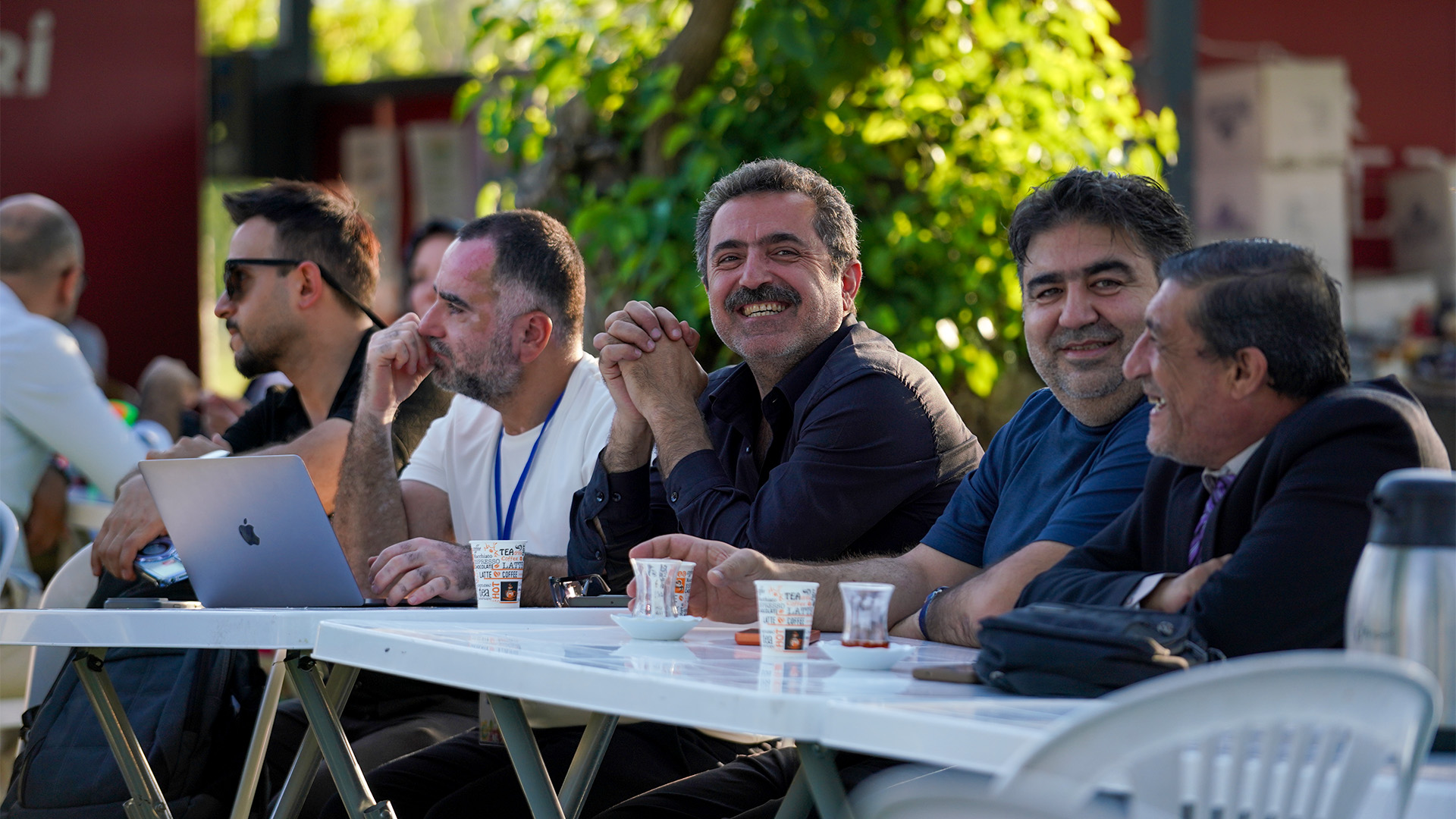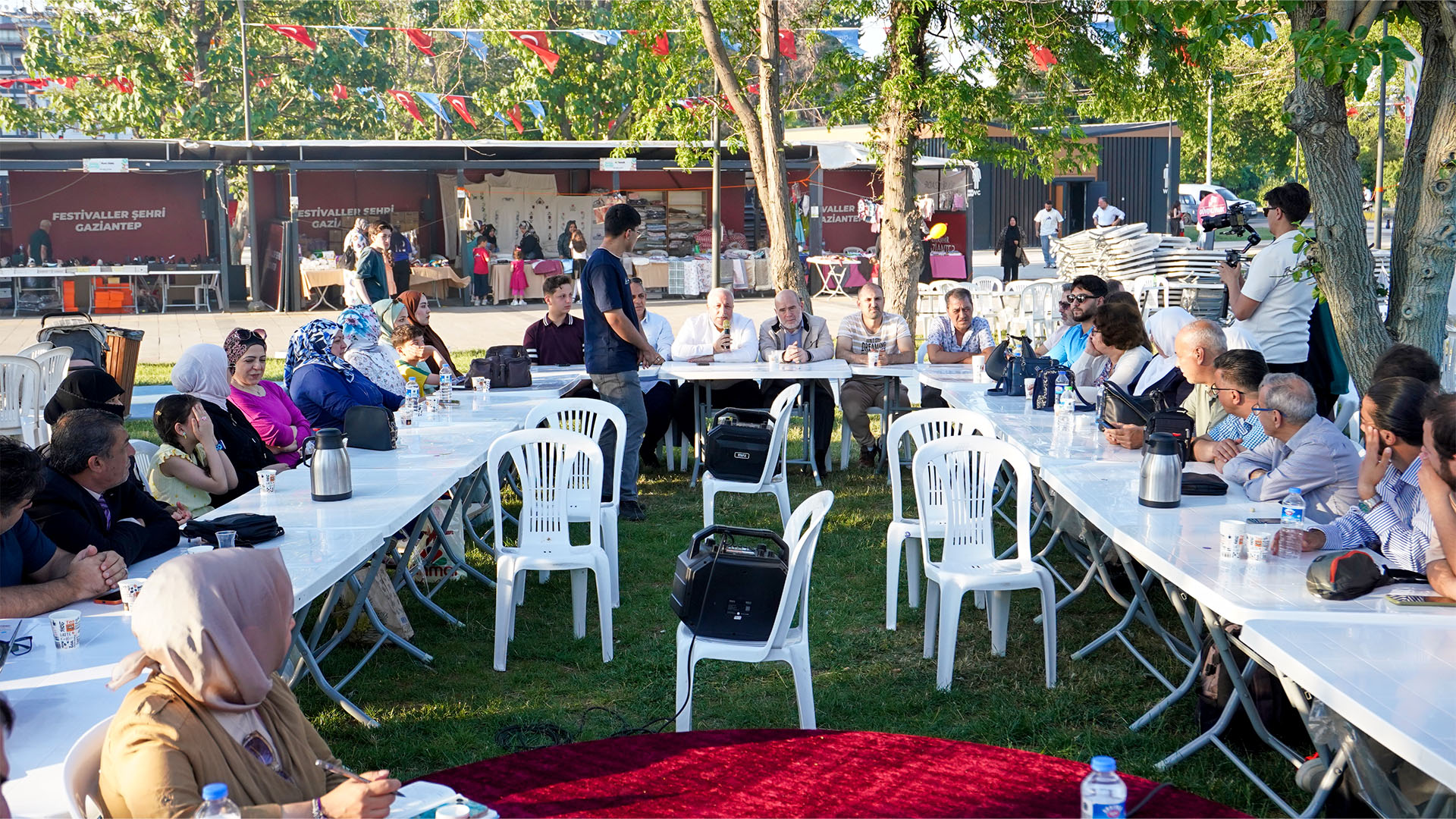
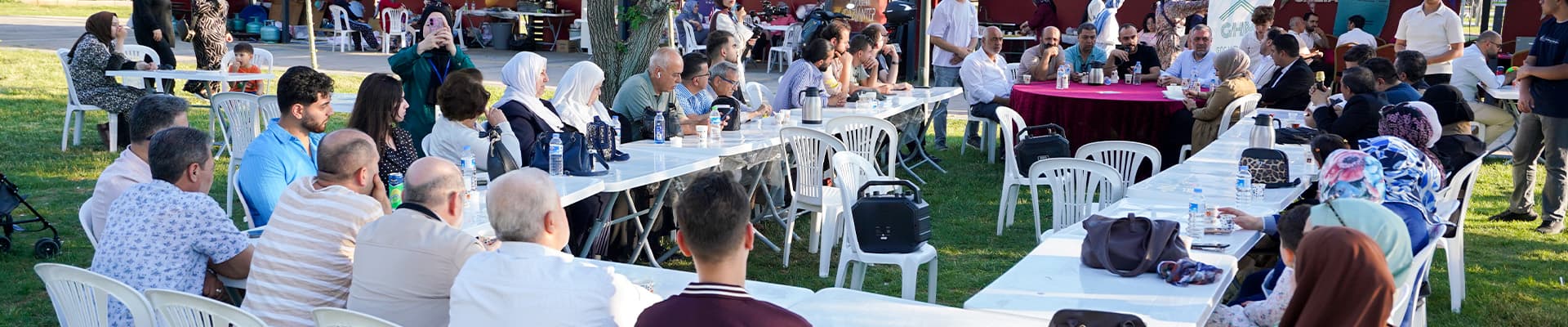
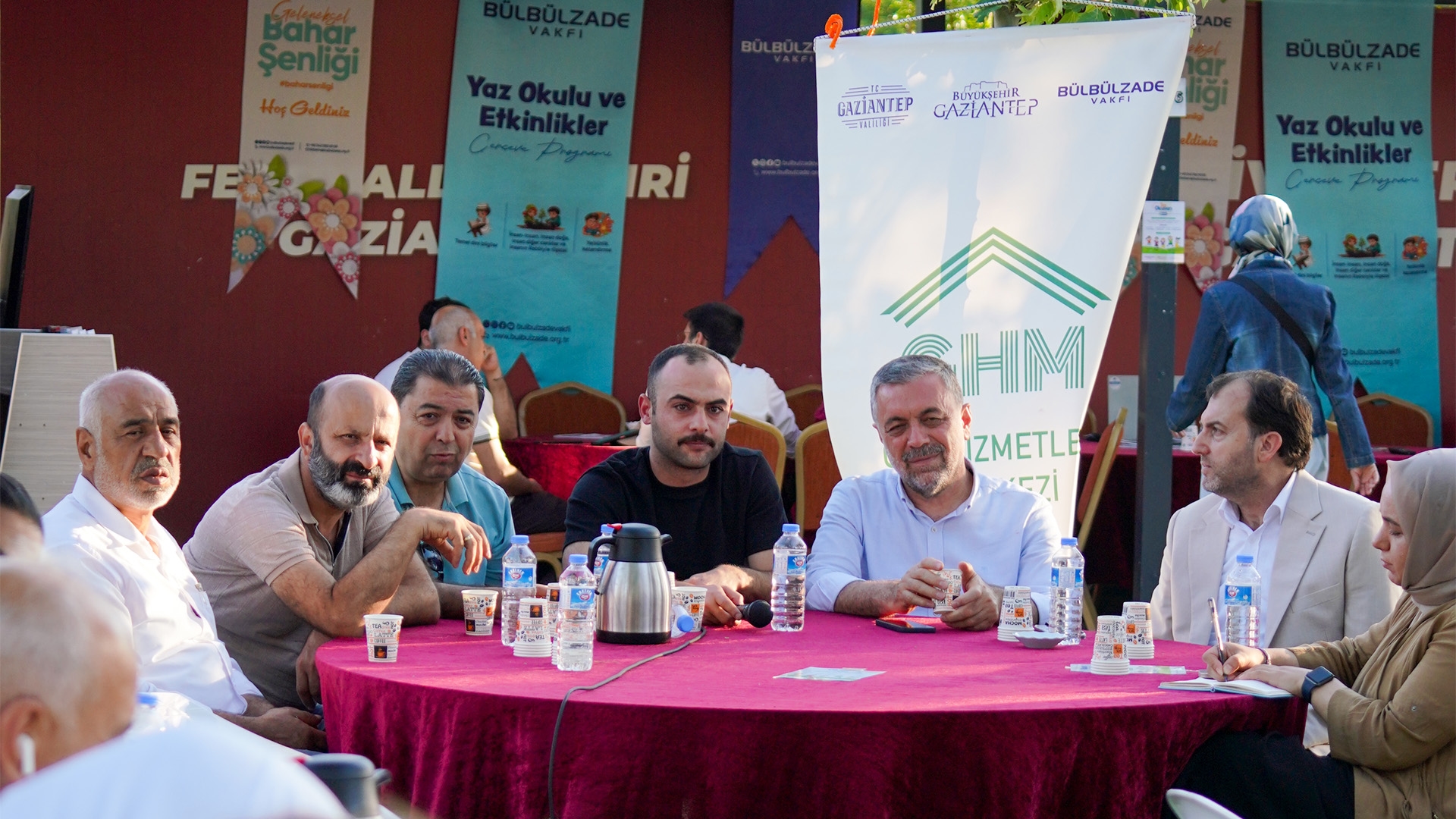
The Common Future Meeting, organized as part of the Charity Bazaar and Spring Festival by Bülbülzade Foundation, brought together representatives of Turkish and Syrian communities around a strategic and philosophical vision.
As part of the Charity Bazaar and Spring Festival events organized by Bülbülzade Foundation, a comprehensive Common Future Meeting was held to discuss social cohesion processes in the region and strategic steps for the future. The meeting, attended by Syrian community leaders, academics, and bureaucrats, featured speeches by Bülbülzade Foundation President Turgay Aldemir, Migration Services Center Coordinator Remzi Yılmaz, Foundation Board of Trustees Member Mahmut Kaçmazer, Temporary Protection Integration Group Head Raşit Korkmaz, and Prof. Dr. Yücel Karadaş. During the meeting, many critical topics were discussed, including the legal status of Syrian migrants, travel permits, economic integration, and future institutional cooperation.
A NEW ERA IN MIGRATION MANAGEMENT
Raşit Korkmaz, Head of the Temporary Protection Integration Group, first shared information regarding institutional restructuring within the Provincial Directorate of Migration Management and current legal procedures being implemented. Korkmaz stated that the residence permit unit has now been incorporated into the scope of regular migration and reminded participants that it is legally impossible for individuals who did not enter the country through legal channels to obtain residence permits. He announced that the Gaziantep Consulate has become operational and noted that various conveniences have been provided regarding address declarations and travel permits for individuals under temporary protection status, while legal obligations continue in full. He stated that there is currently no comprehensive study on the matter, but that in the long term they expect those under temporary protection status to transition to a residence permit model.
WE WILL LEARN FROM THE PAST AND BUILD THE FUTURE
Speaking at the meeting, Mahmut Kaçmazer stated that they share the same history and view the suffering experienced as their own. Kaçmazer emphasized that just as people stood shoulder to shoulder at Gallipoli, today they also share a common destiny and future. He noted that after enduring great hardships, attention should now be focused on learning from the past and determining how to build the future. Kaçmazer stated that an overarching vision must be developed to produce together, set common goals, and witness once again the days when bridges between Gaziantep and Aleppo can be rebuilt without even asking for identity documents. He stressed that societies are like the fingers of one hand.
THE ADMINISTRATION OF COEXISTENCE WILL OVERCOME BUREAUCRATIC OBSTACLES
Prof. Dr. Yücel Karadaş evaluated the current state of relations between the Turkish and Syrian peoples from an academic perspective. Karadaş stated that especially over the last two years, both sides have come to understand much more clearly the awareness of coexistence and the inevitability of this reality. He shared his vision of a common future in which bureaucratic obstacles are overcome and a more comfortable system of entry and exit is established.
A VISION OF A GREAT GEOGRAPHY AFTER A CENTURY OF LONGING
In the closing section of the meeting, Bülbülzade Foundation President Turgay Aldemir stated that the two societies are like Jacob’s children who were separated from one another and that the painful war has reunited these people after a century of longing. Aldemir expressed that this historic process represents an important opportunity to carry societies into the future. He emphasized that, without becoming trapped by daily problems, it is necessary to revive the pluralism and diversity that have been lost on earth in order to once again become the hope of Aleppo, Damascus, Baghdad, Jerusalem, Mecca, Cairo, and indeed all humanity. Aldemir stressed that every individual must work harder by focusing on this great issue that transcends geographical borders. Concluding his speech, he stated that the time has come to discuss not problems, but planning, investments, ideas, thought, and philosophy.