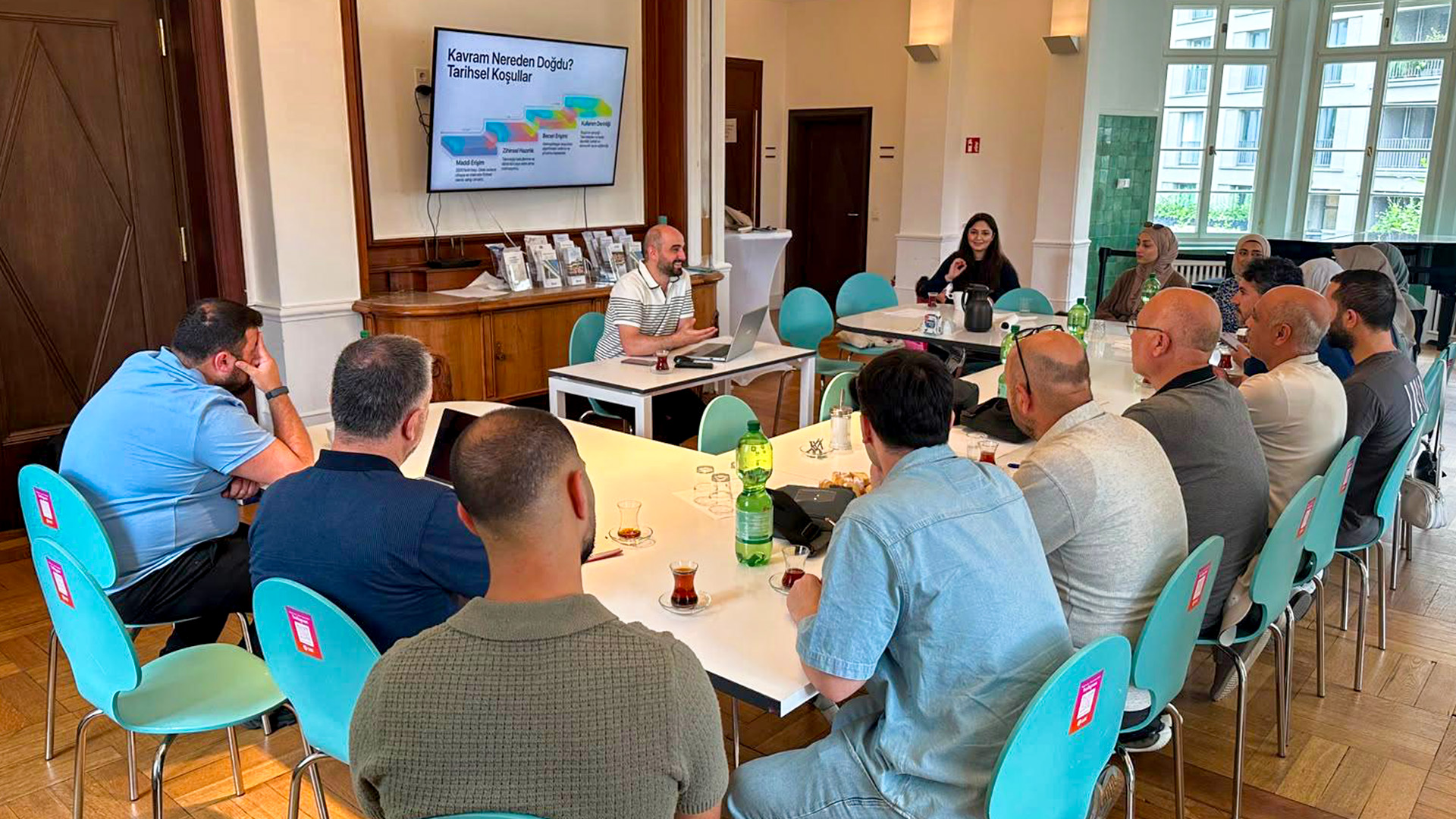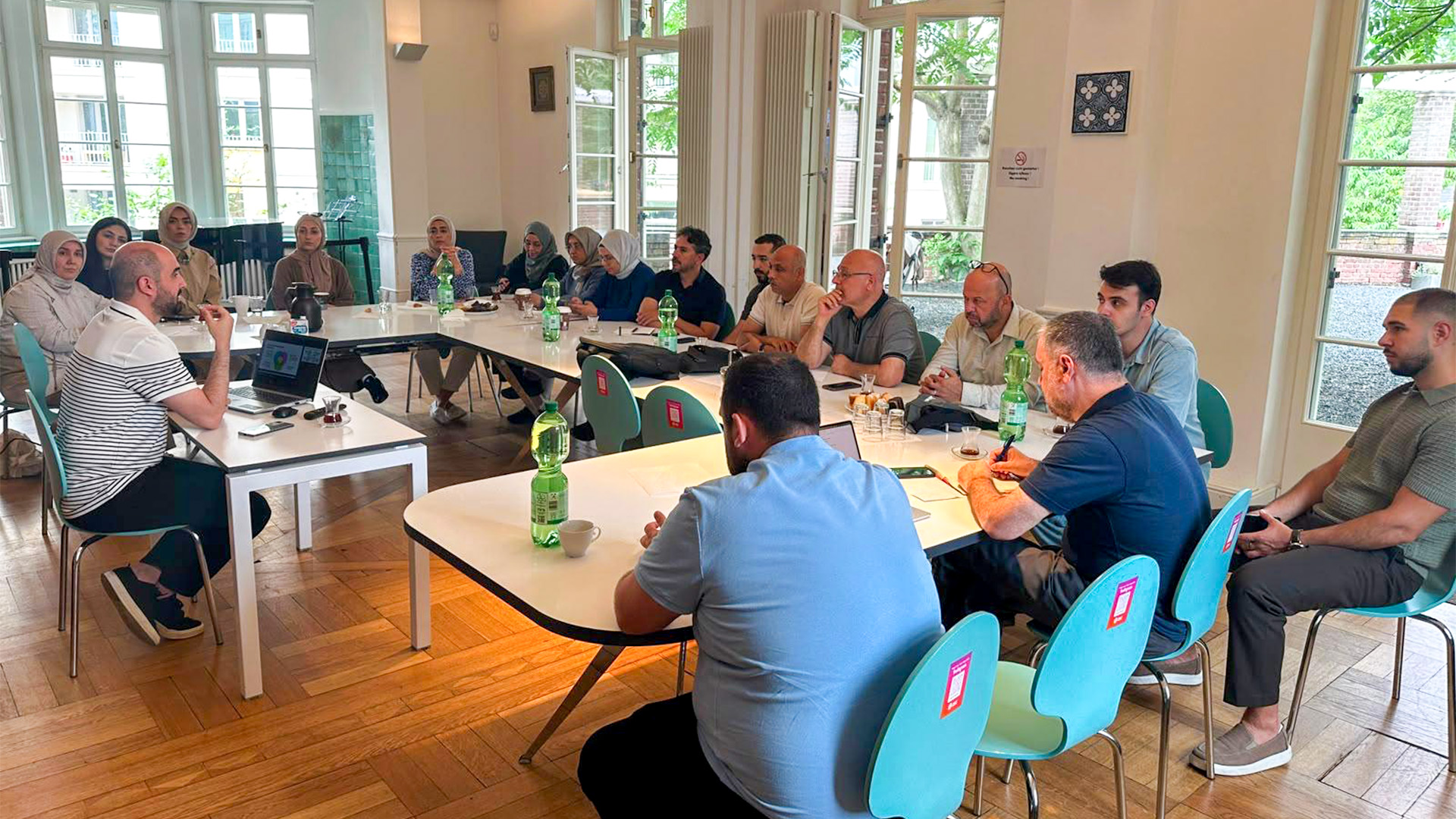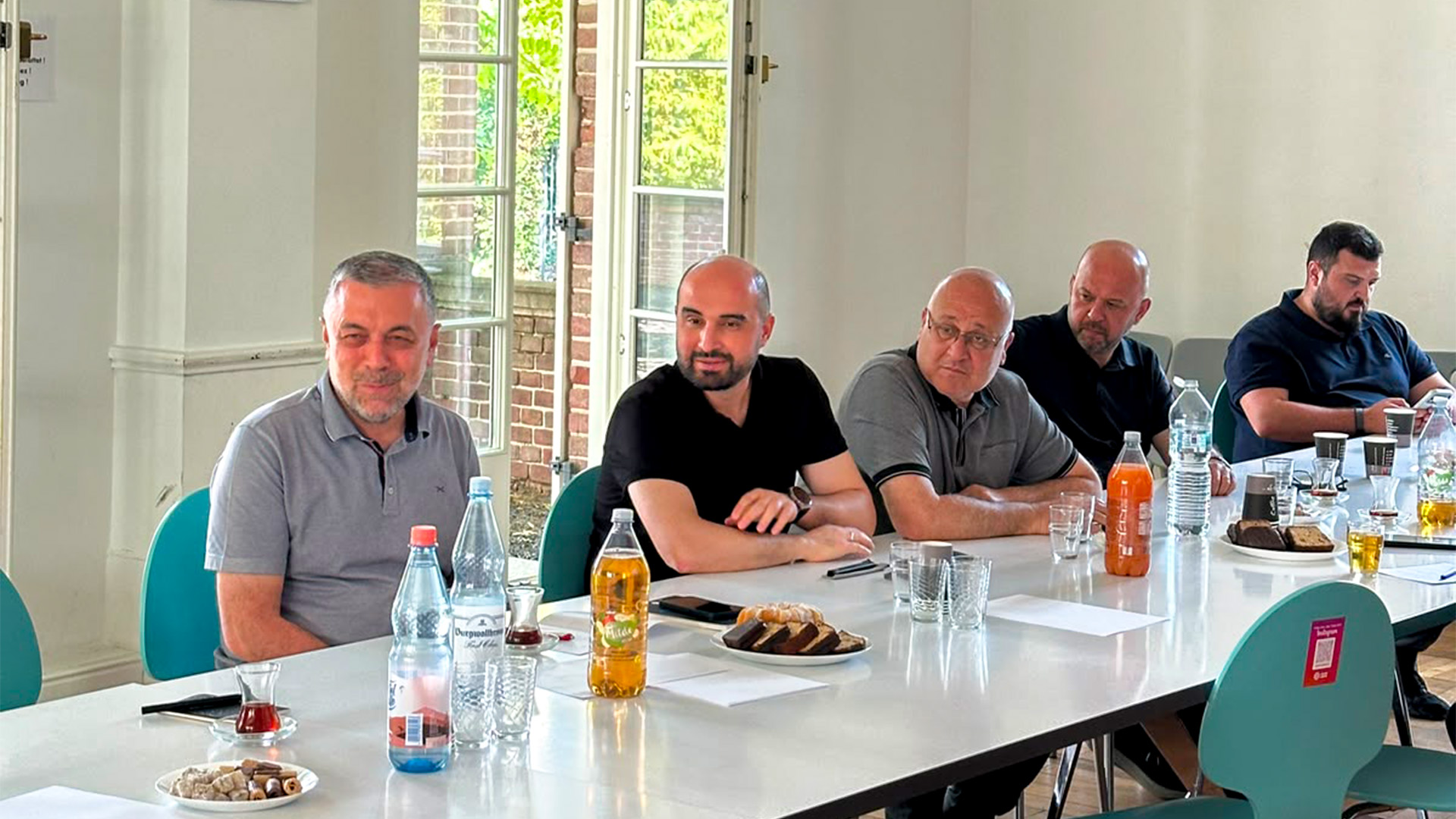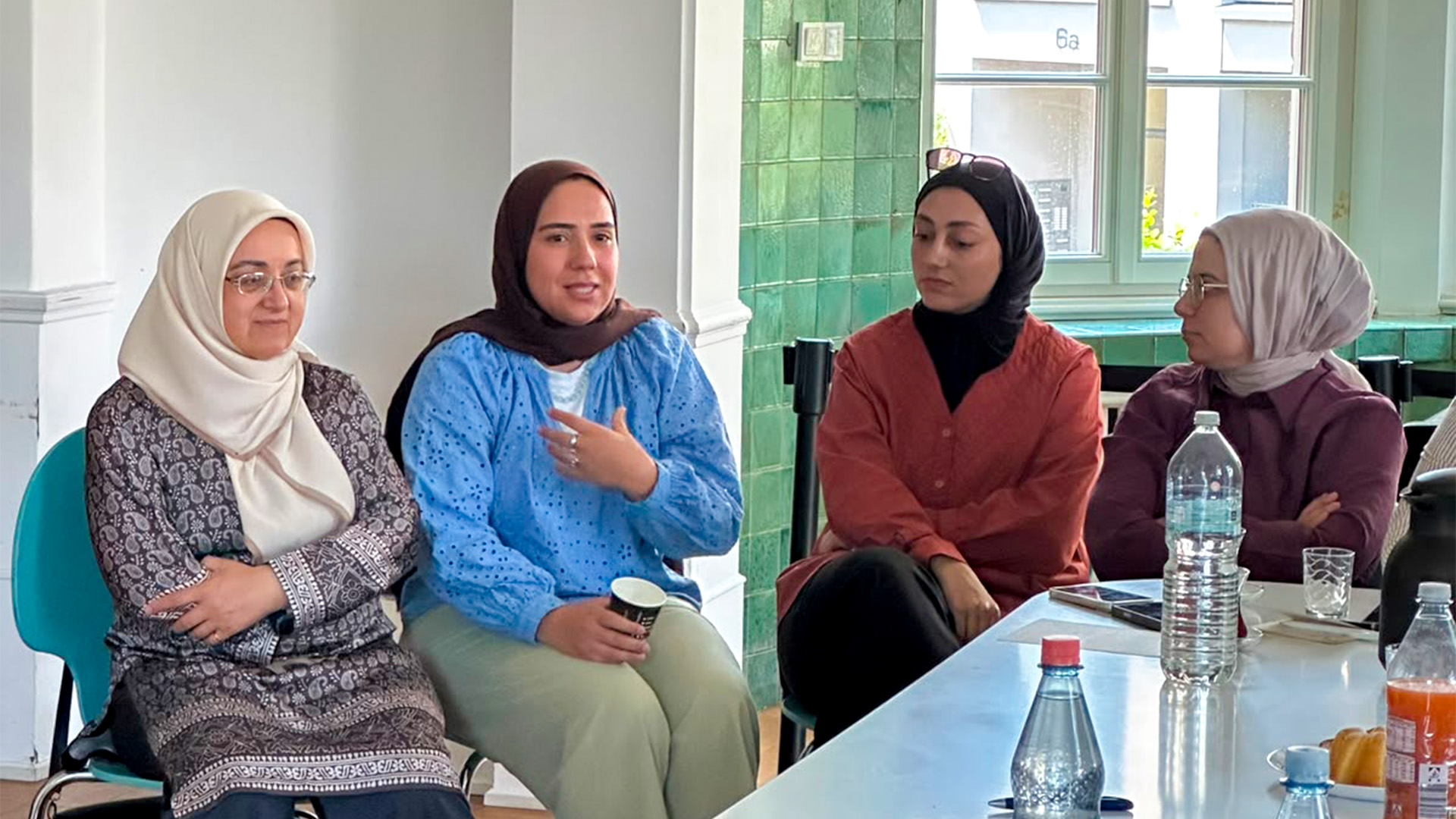
The first field activity of the international project, supported by the German National Agency and aiming to strengthen young people's wellbeing in the digital world, was successfully carried out in the city of Cologne.
The first international programme within the scope of the Erasmus+ KA210 Youth Project titled "Digital Wellbeing: DigiLife Platform to Increase Physical and Mental Resilience," implemented in partnership with the Scientific Education Culture Research Center Association (BEKAM) and coordinated by the US Academicians Platform (USAP e.V.), was held in Cologne, Germany, between 3–7 July 2026. Brought to life through multinational cooperation, this significant initiative aims to develop innovative mechanisms that will enhance the physical and mental resilience of younger generations in digital environments.
SHARED VISION AND AREAS OF COOPERATION
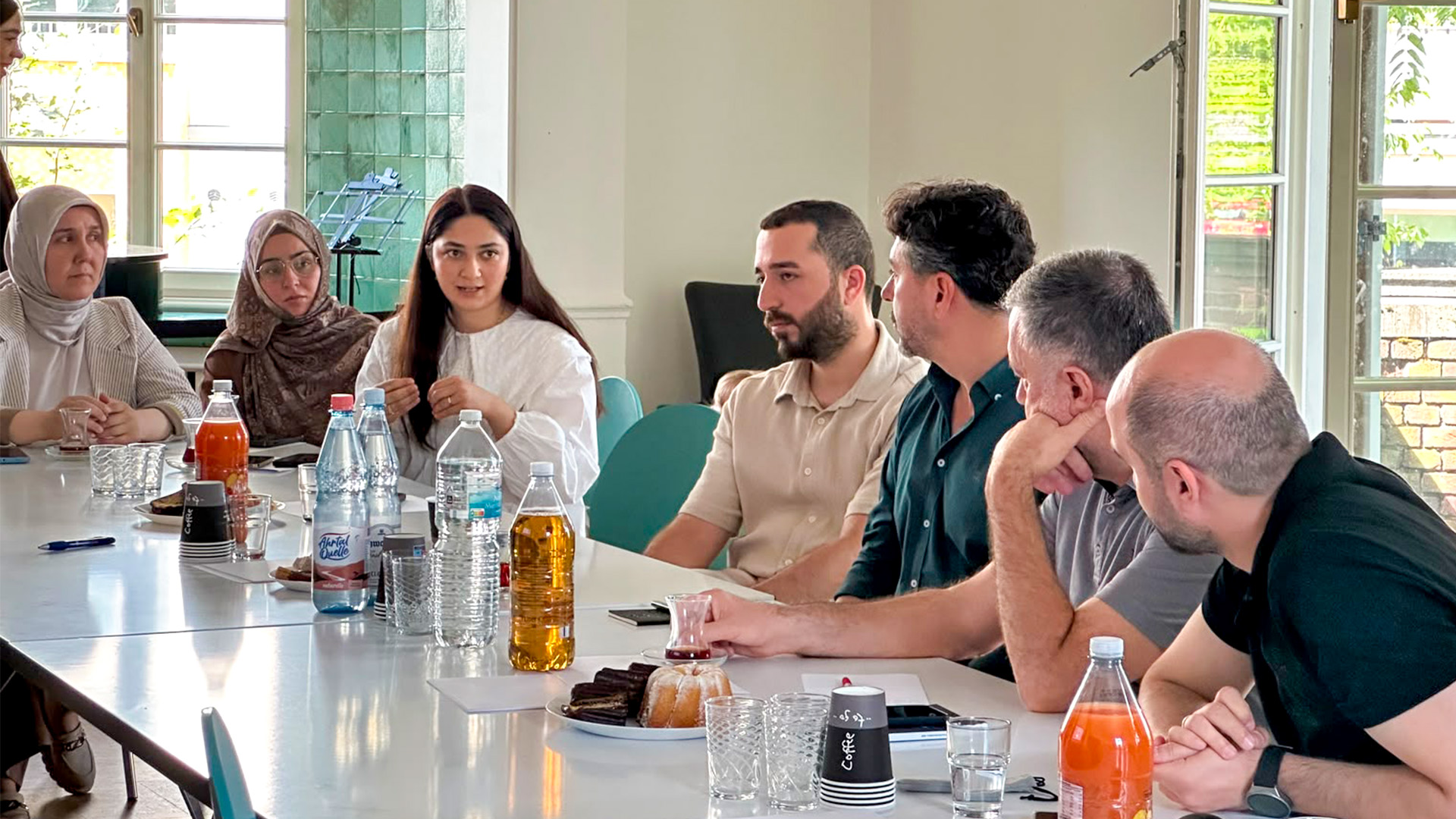
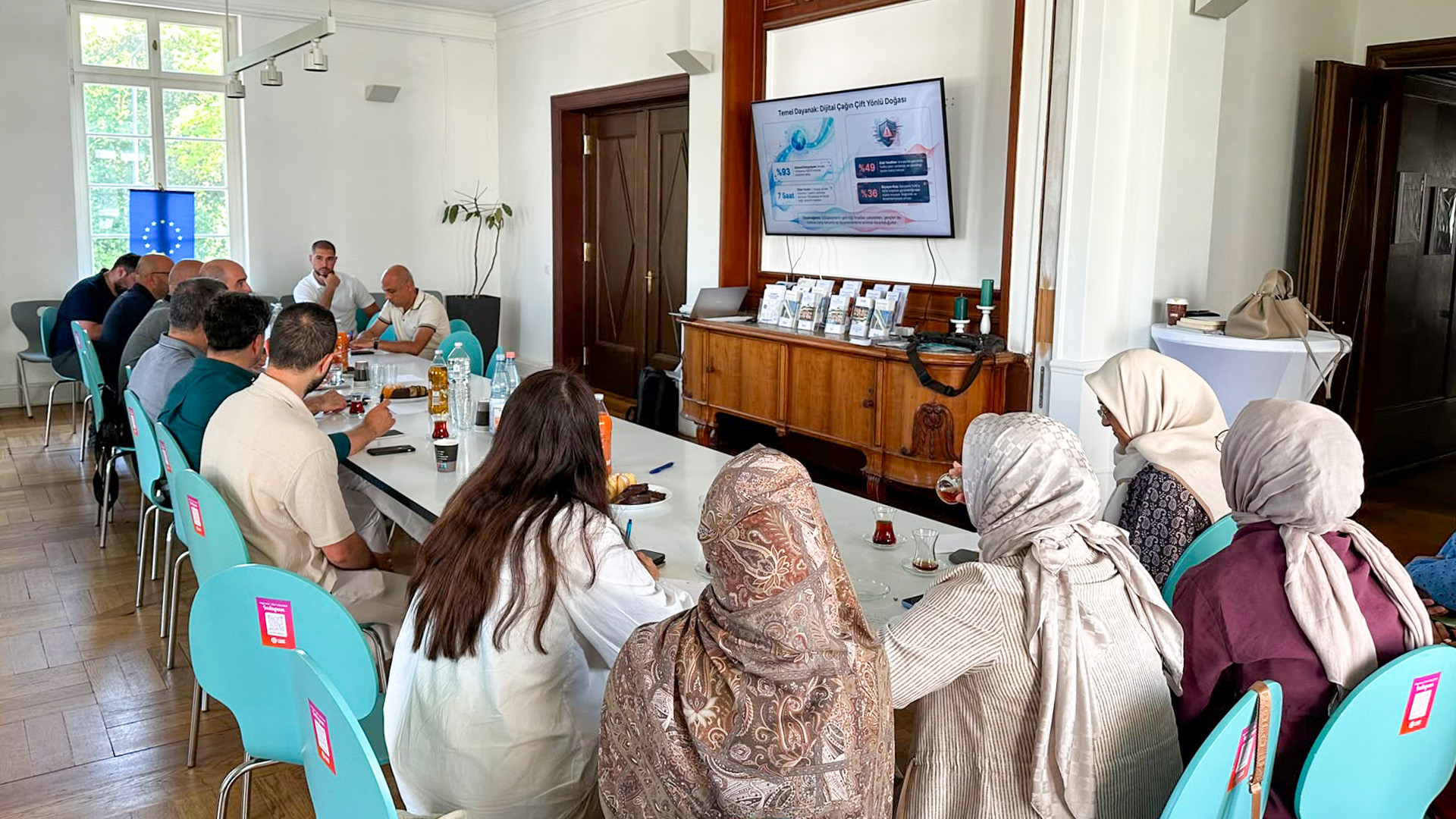
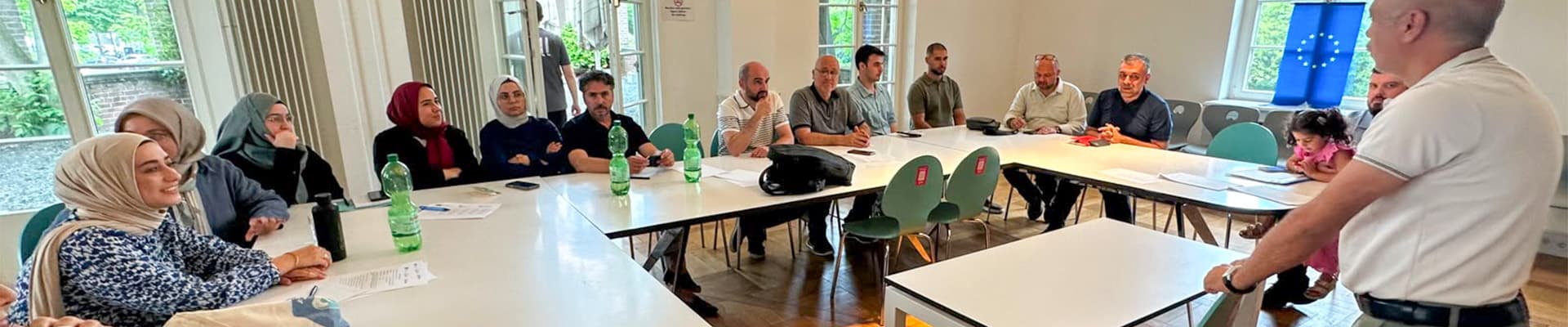
Representatives of the partner institutions who came together at the project's first international meeting clarified the overall framework and implementation steps for the comprehensive activities to be carried out in the field of digital wellbeing. Throughout the programme, participants were presented with informative sessions covering the project's main objectives, timeline, and technical details regarding the online "DigiLife" platform planned for development. The impact of the rapid advancement of technology on young people was discussed, while new approaches to supporting digital wellbeing within modern civil society initiatives were emphasized.
INTERACTIVE WORKSHOPS
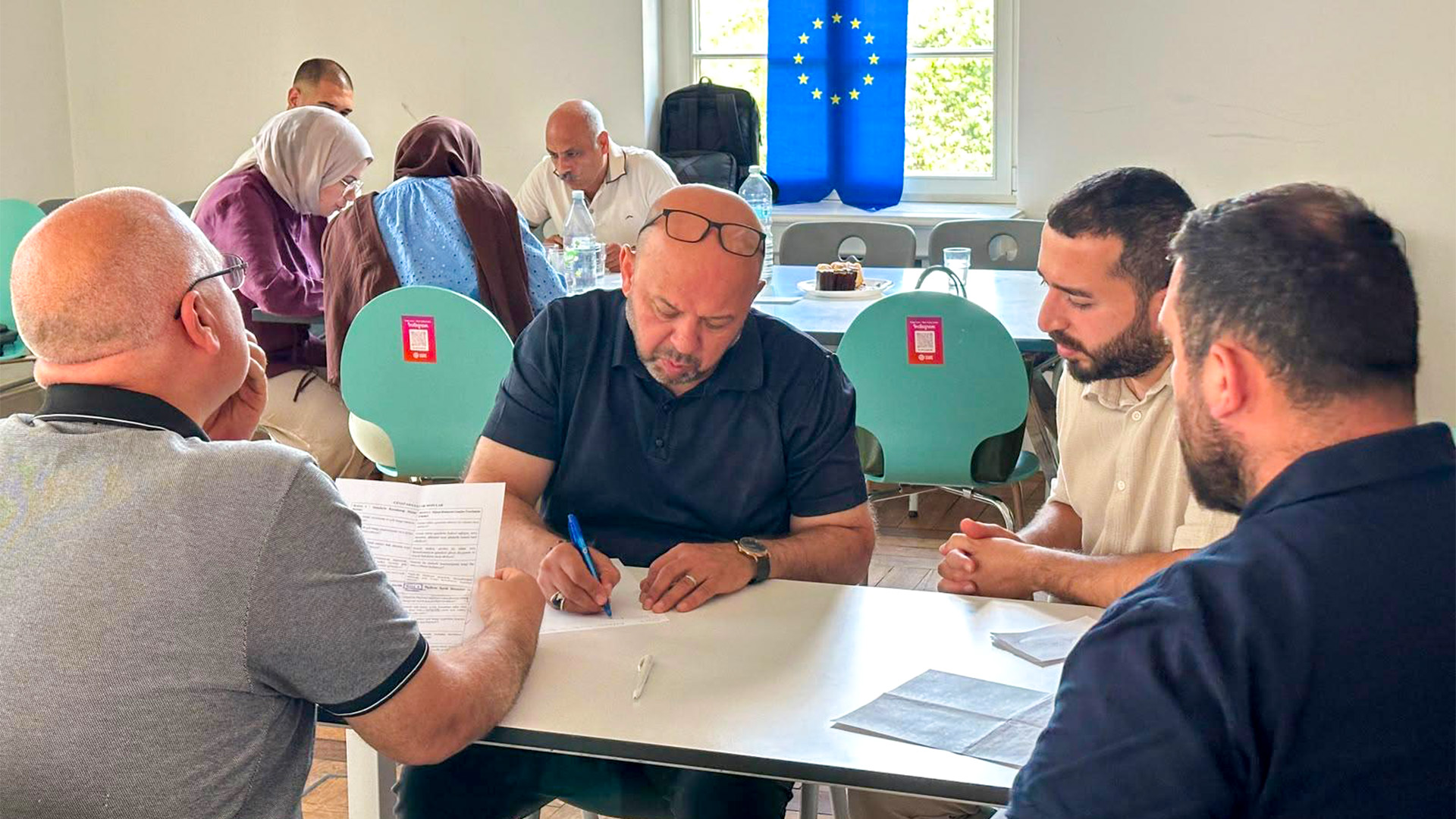
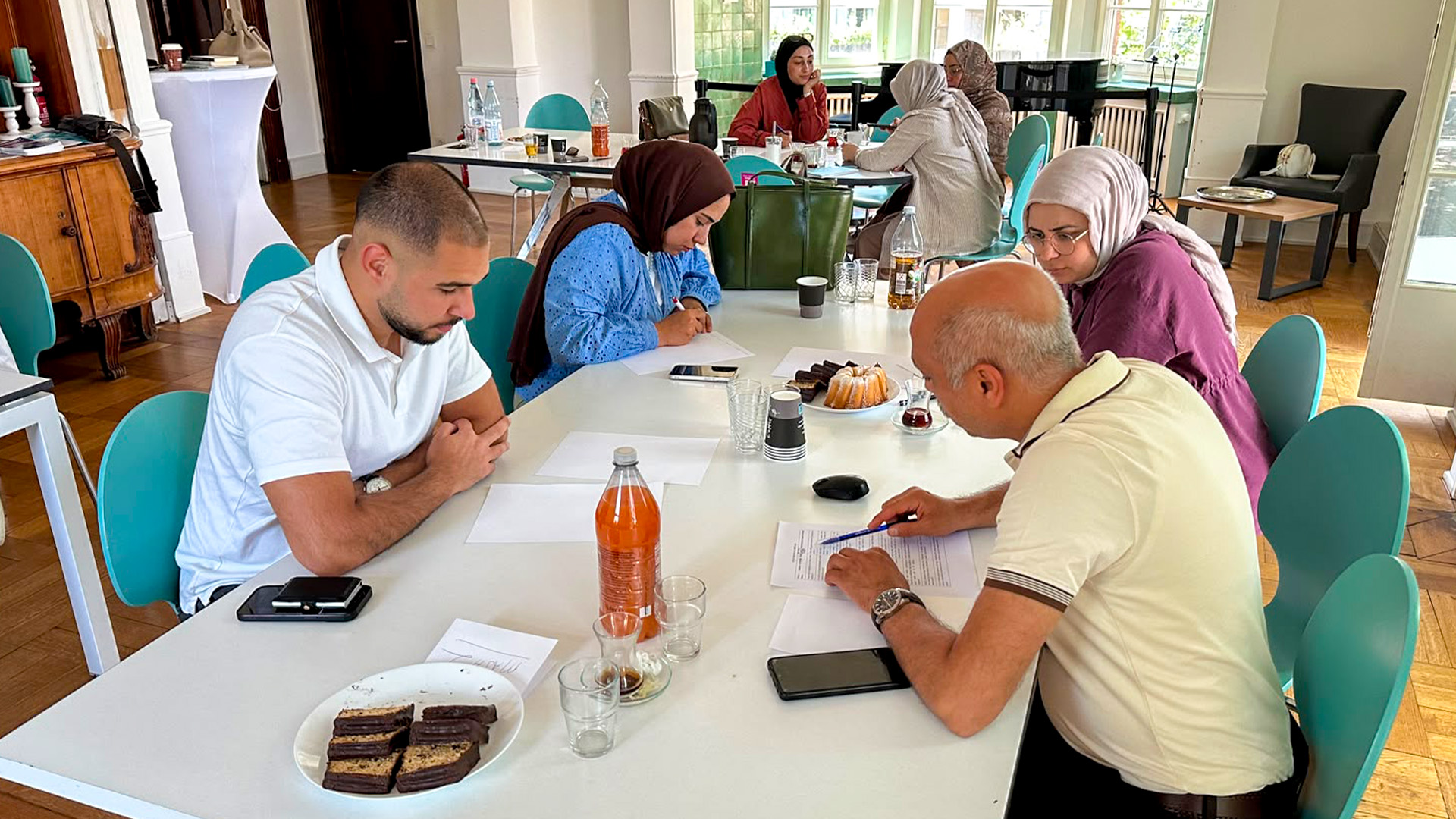
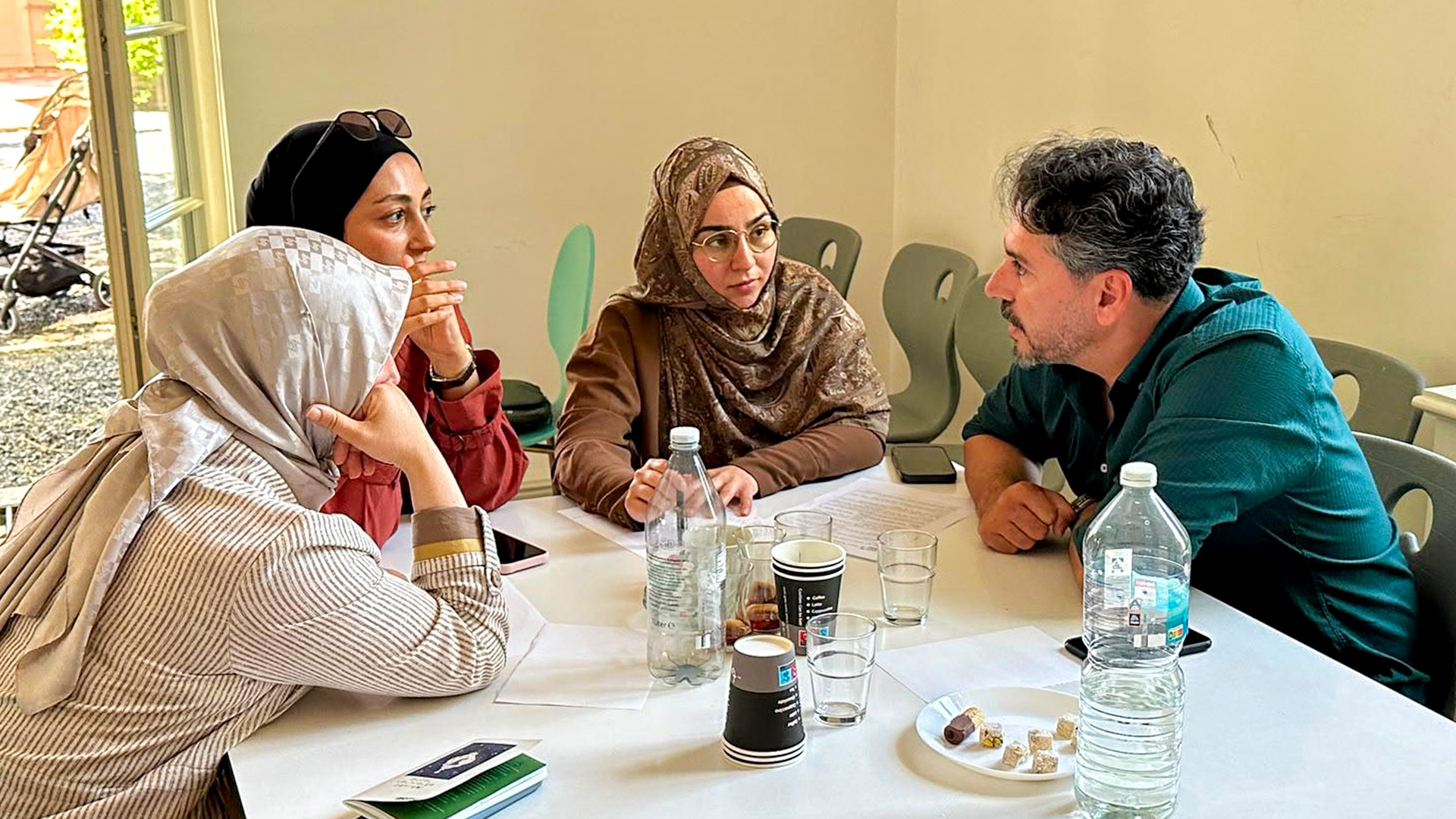
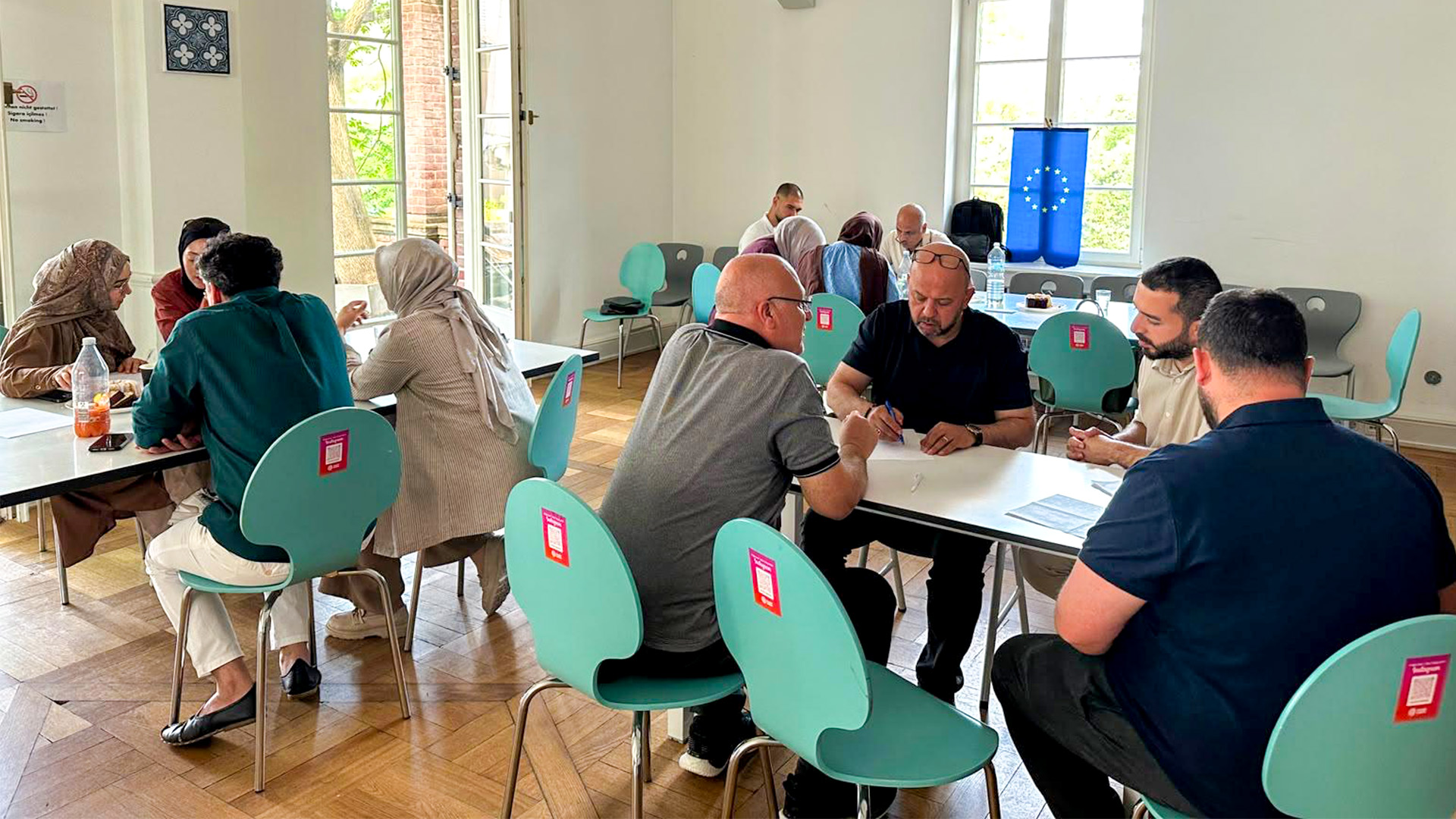
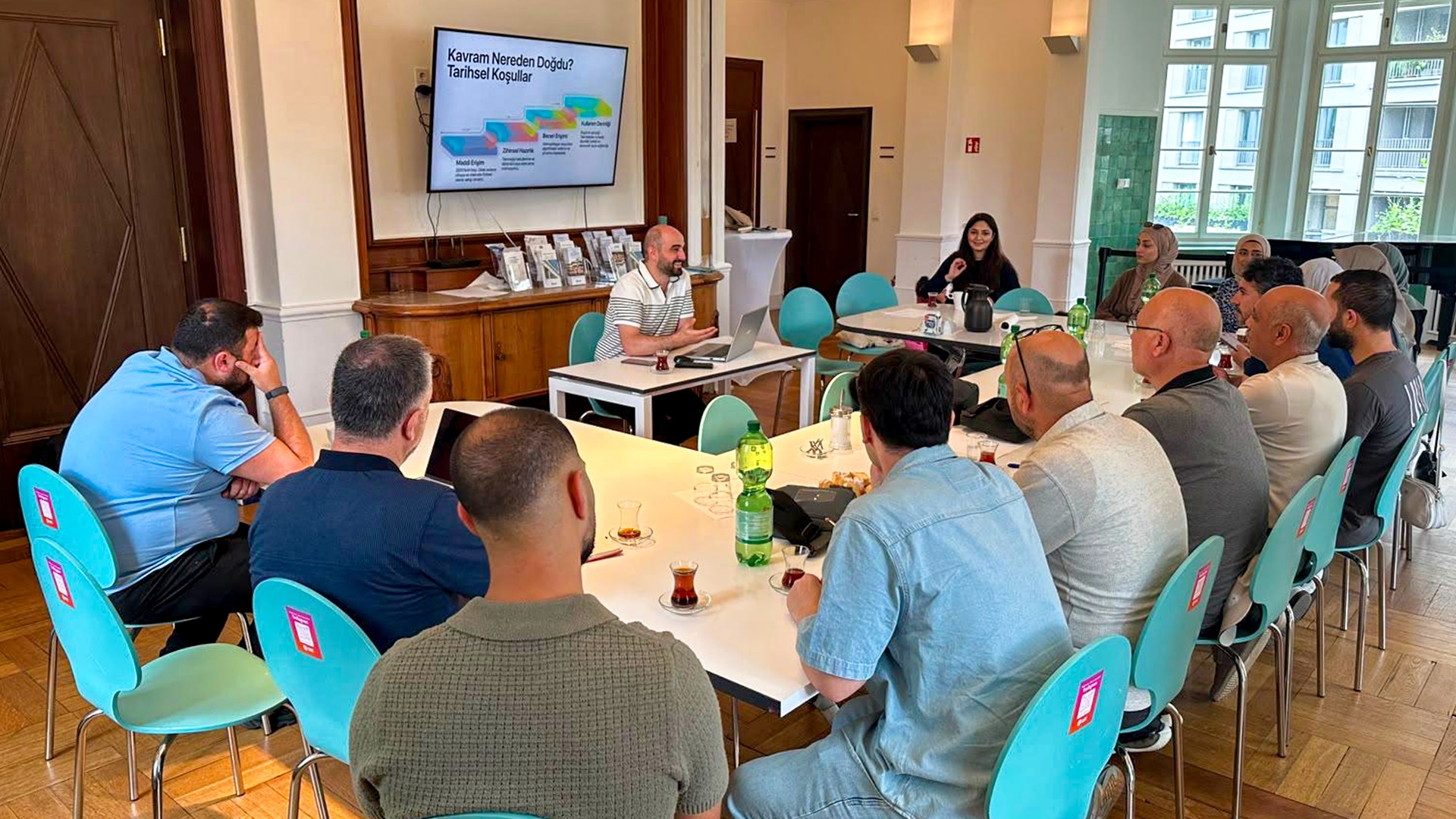
In order to ensure the active participation of attendees during the implementation phase, interactive group activities based on the station model were organized. During these workshops, the risk factors young people encounter on the internet and social media platforms, as well as the negative effects of these risks on physical health and psychological resilience, were comprehensively analyzed. In these sessions, where the guidance tools needed by youth workers were identified, the main content headings that will form the backbone of the digital platform to be established were also determined one by one. In particular, in-depth evaluations were conducted under critical topics such as digital addiction, cyberbullying, misinformation, the security of personal data, and digital privacy, and strategic steps for the future were identified.
VISITS TO CIVIL SOCIETY ORGANISATIONS
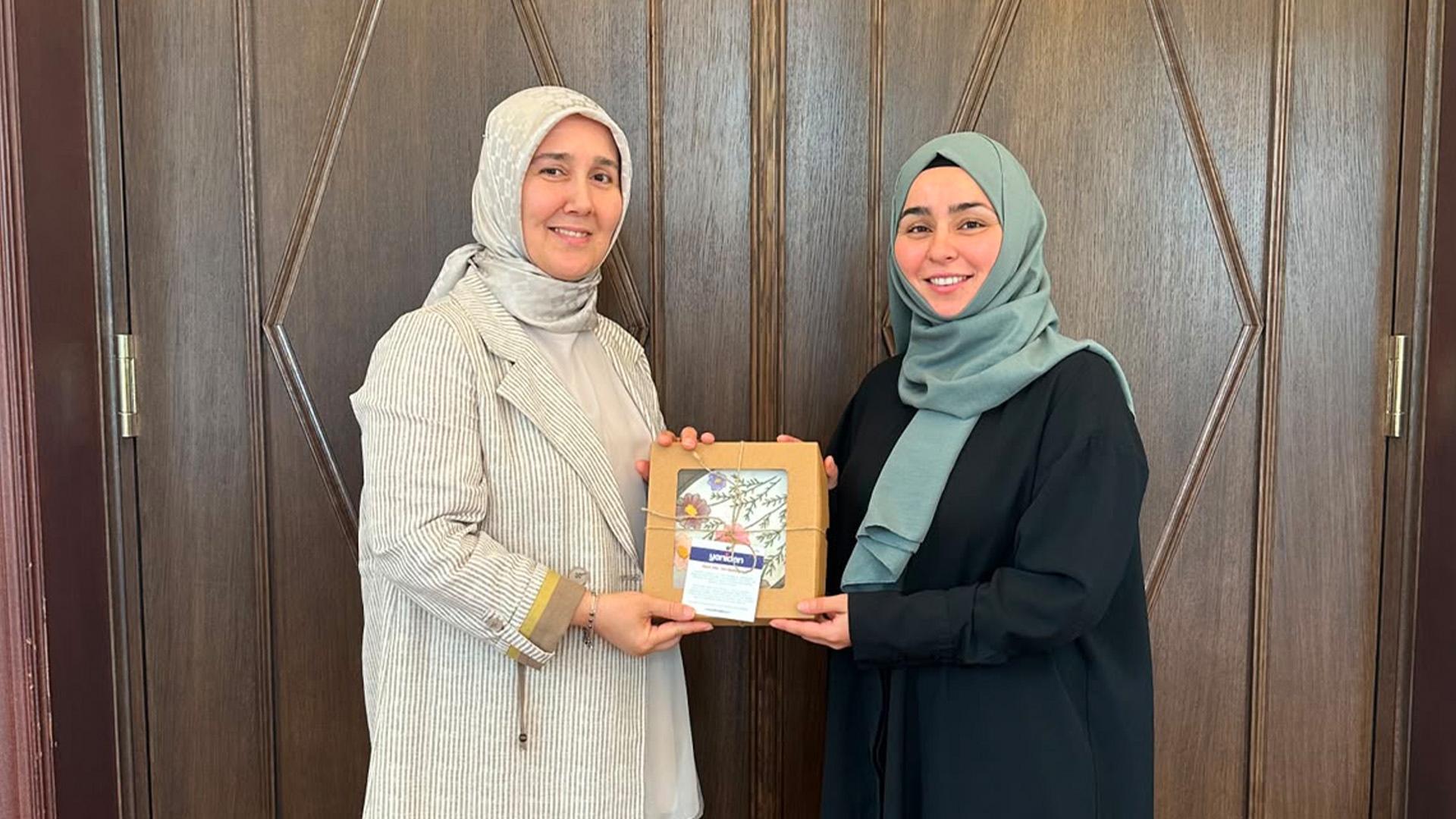
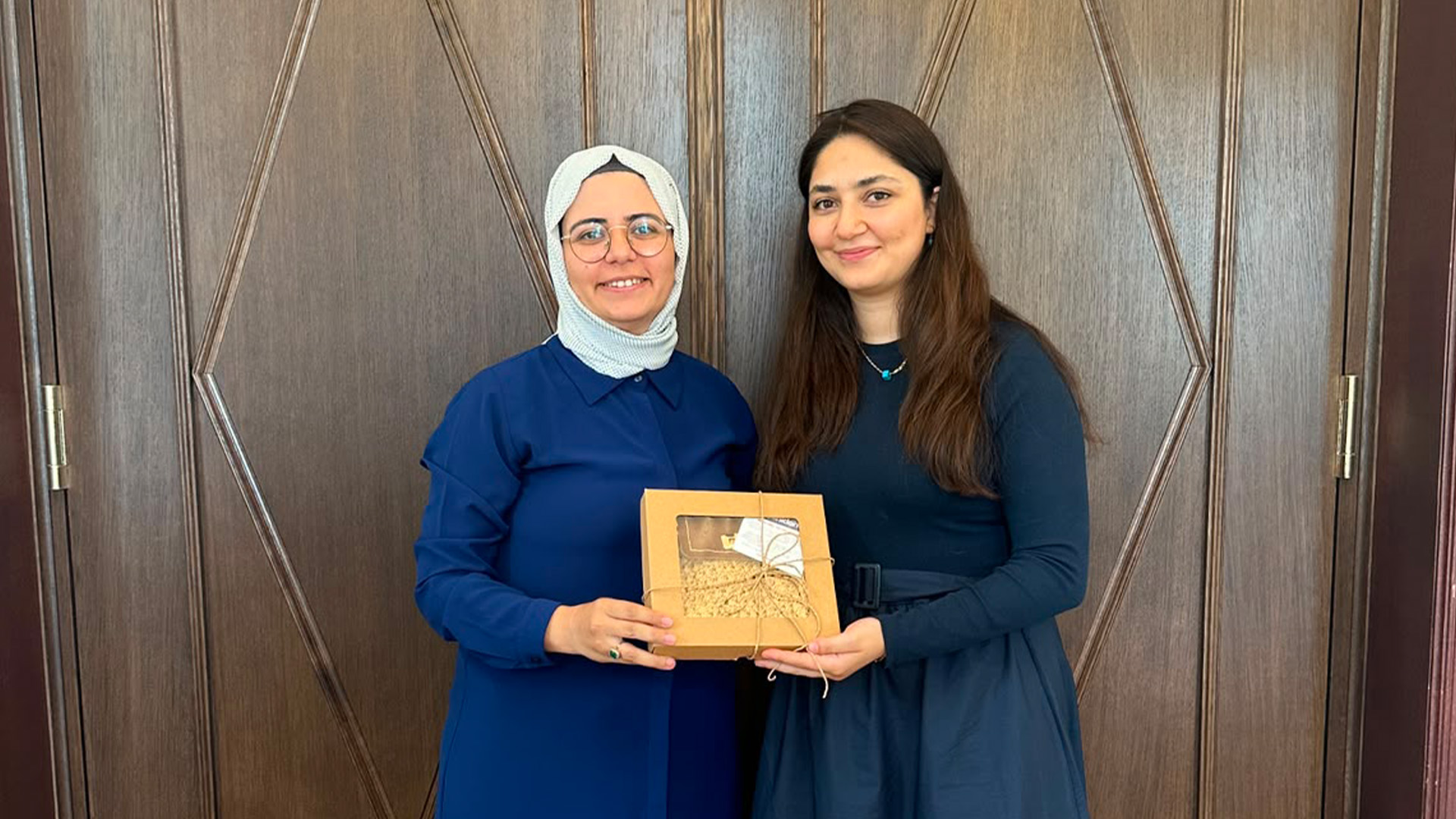
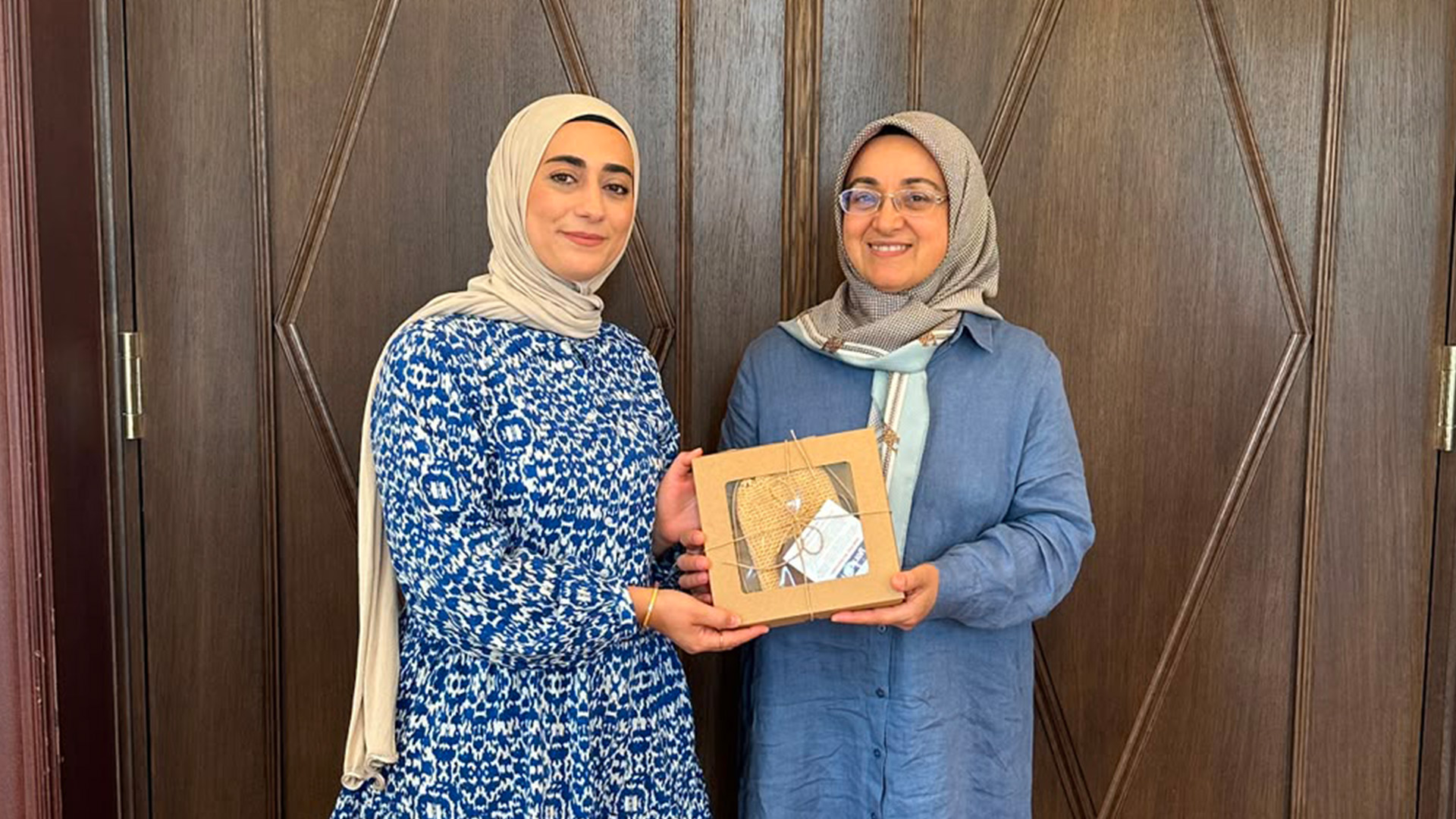
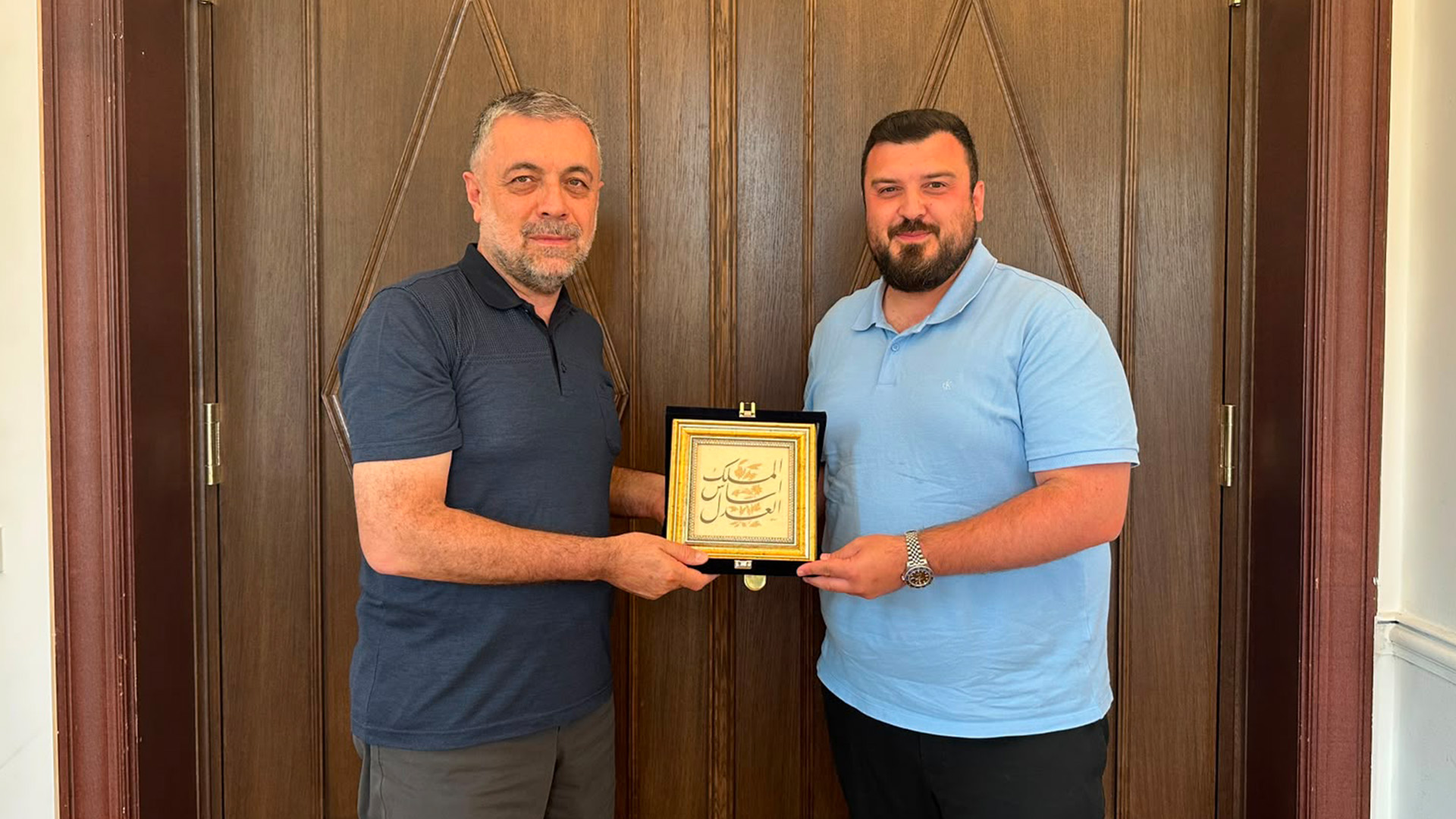
As part of the programme in Cologne, institutional visits were also made to various civil society organisations actively engaged in youth work in the city. During these meetings, the organisations shared their experiences in the field of digital wellbeing, and ideas were exchanged regarding the inclusiveness of the DigiLife platform to be developed. The recommendations presented by civil society representatives laid the groundwork for the project to produce concrete and measurable outcomes.
FUTURE OBJECTIVES
In the final section of the programme, the technical and content-focused roadmap for the DigiLife platform was evaluated in detail. The production processes and division of responsibilities for rich content types, including educational modules, guidance documents, solution cards inspired by real-life cases, short informative videos, and podcast broadcasts, were planned. In light of the outcomes achieved during the Cologne meeting, preparations have already begun for the project's second international activity through the jointly established working schedule.