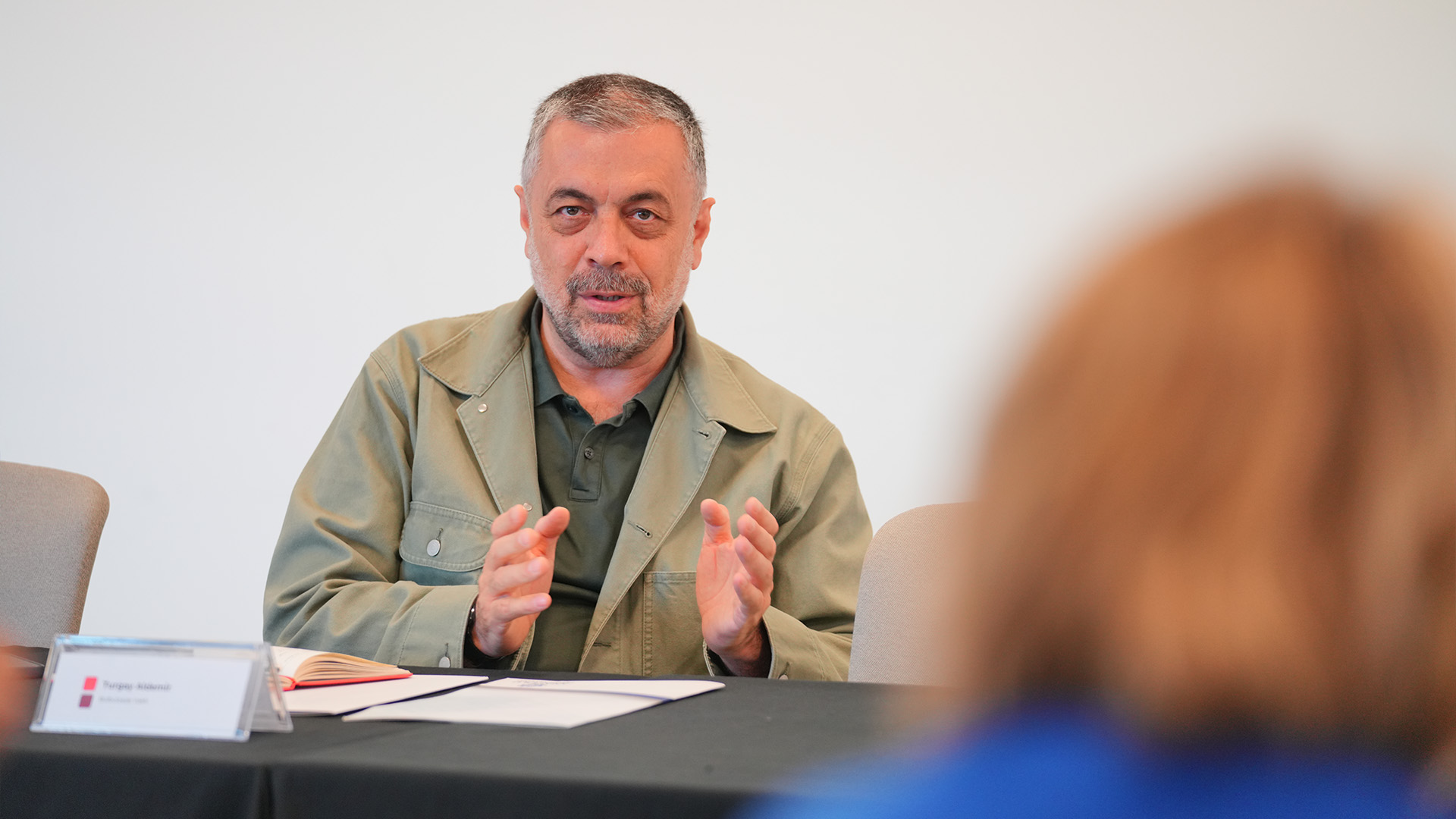
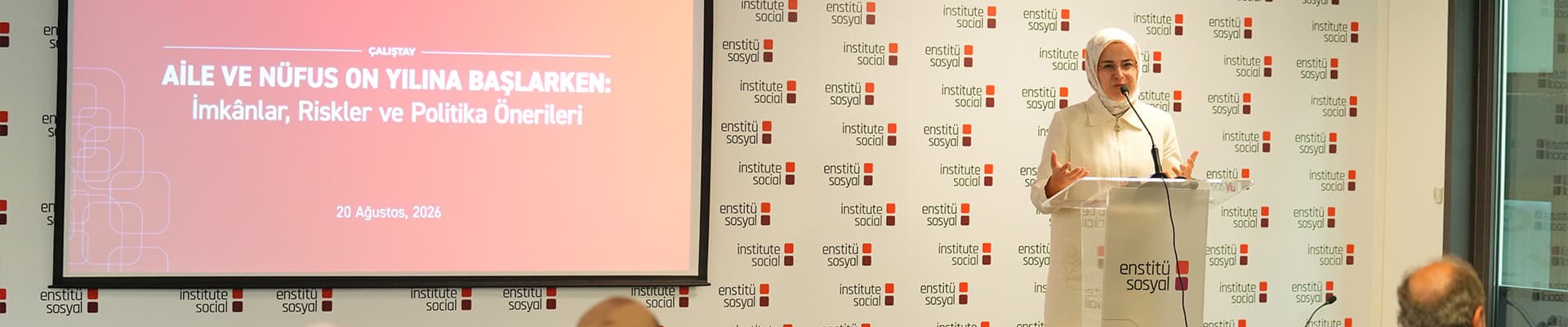
Turgay Aldemir, Chairman of the Bülbülzade Foundation, who participated in the family and population workshop organized by Enstitü Sosyal, presented important solution proposals regarding education, employment and family policies.
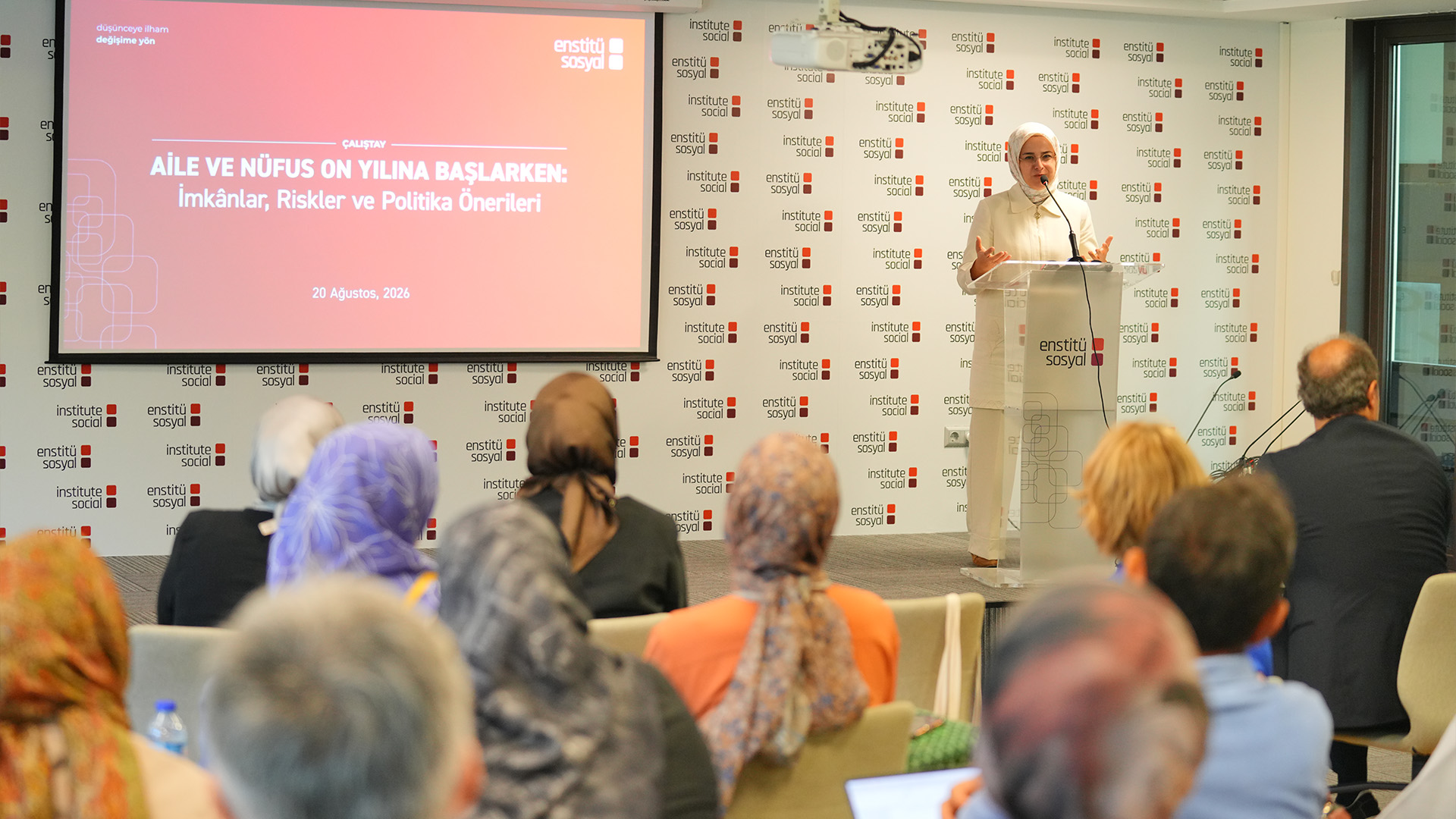
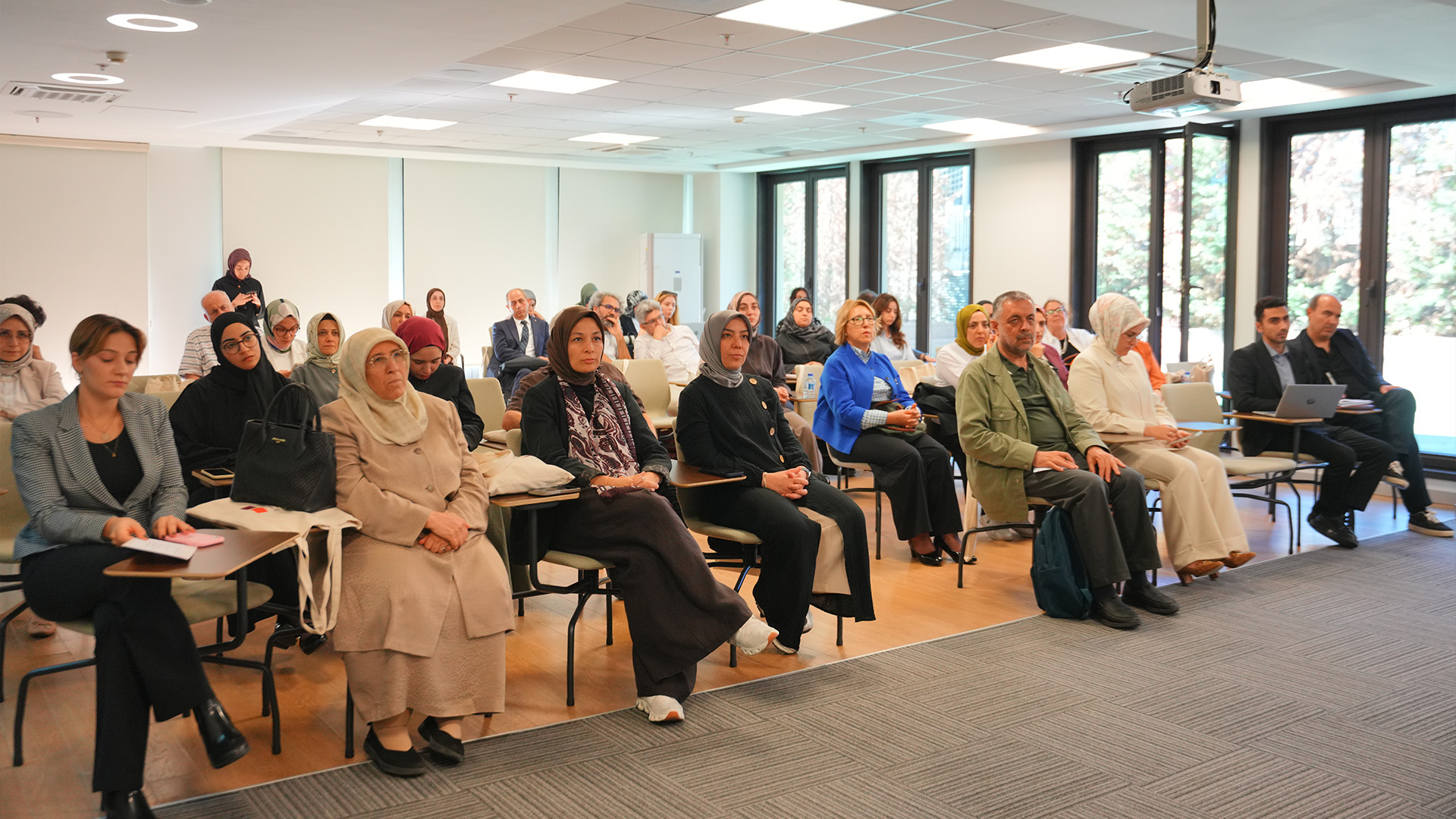
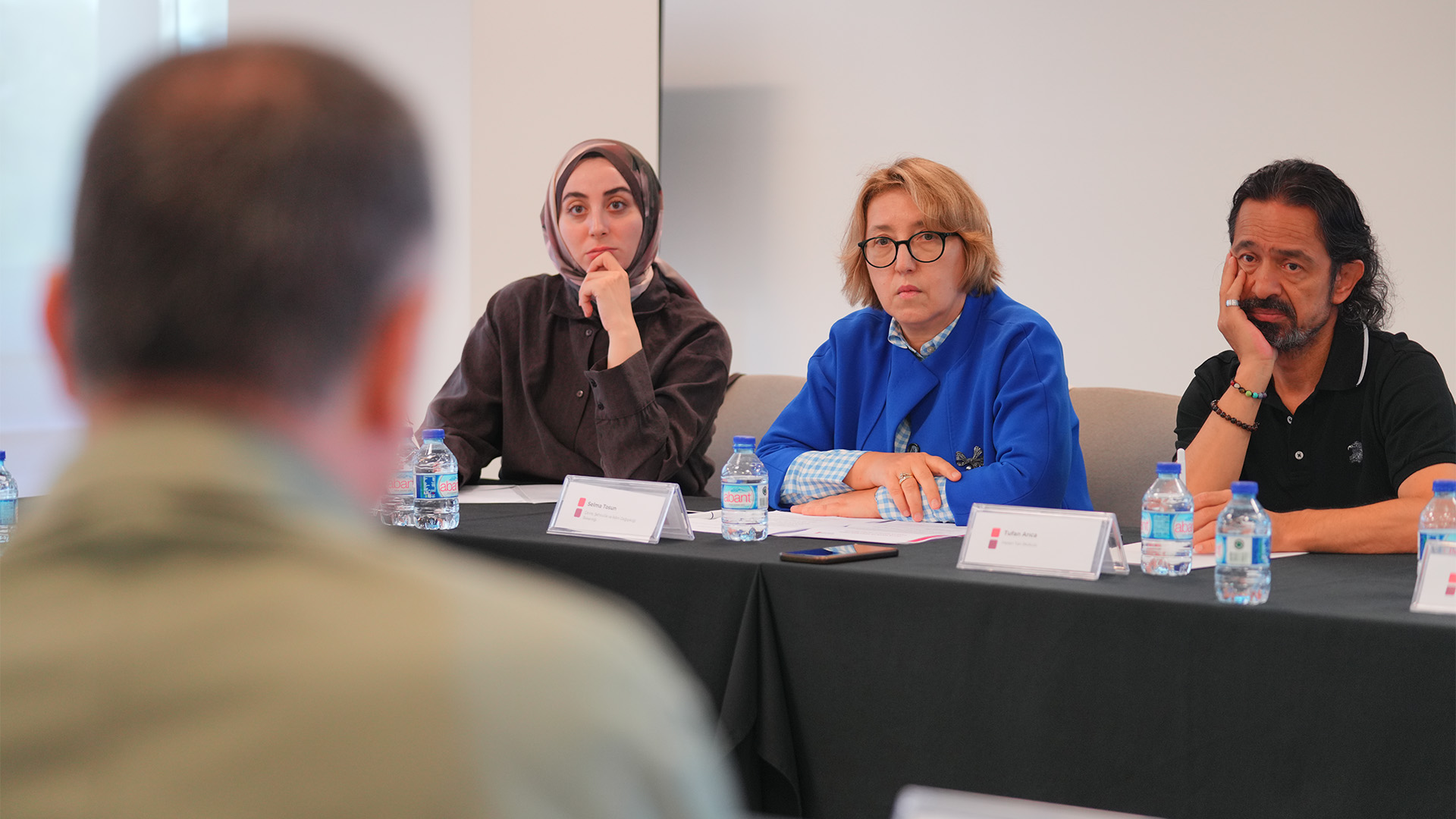
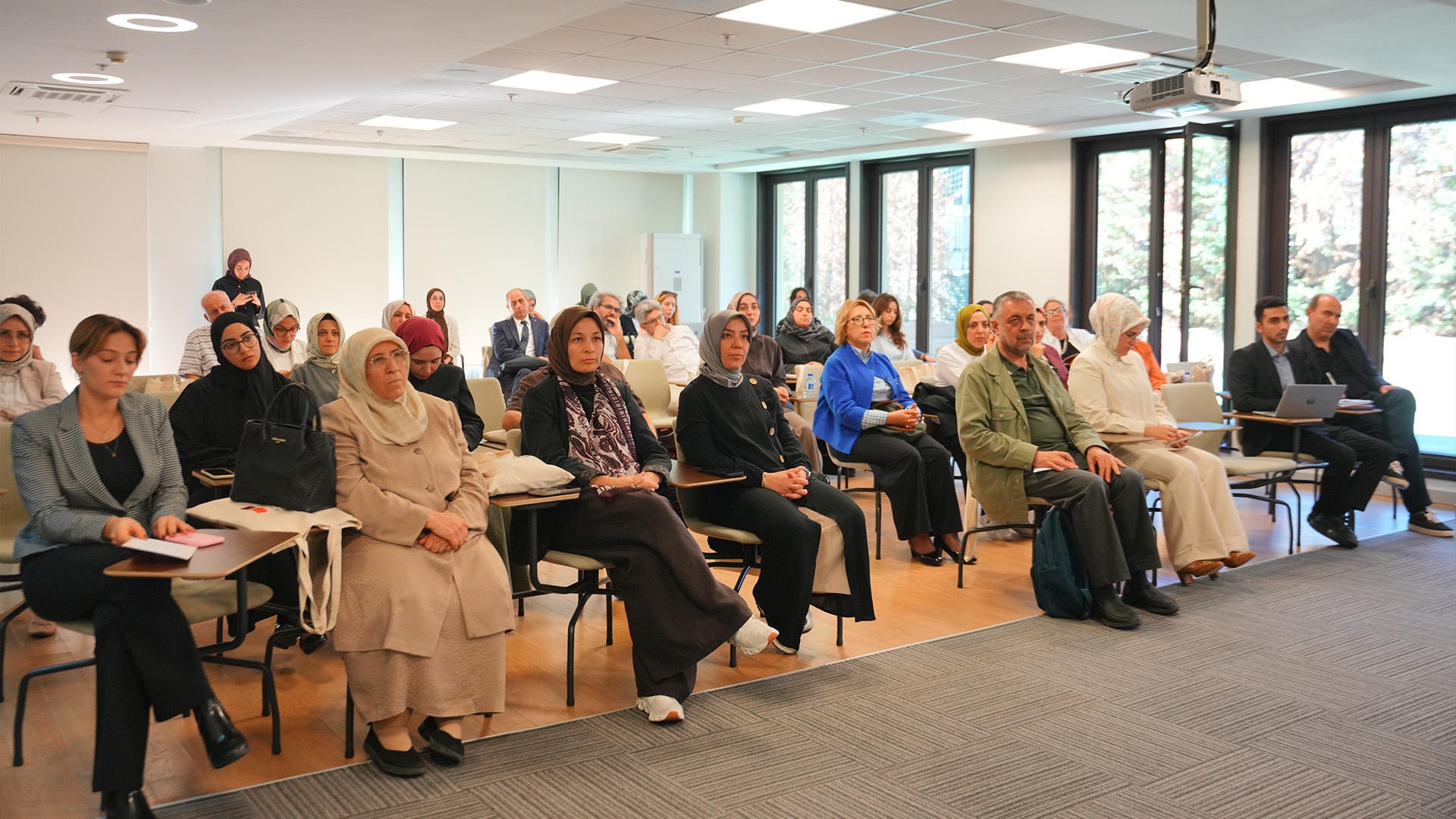
Enstitü Sosyal organized a workshop at its headquarters in Üsküdar under the title “As We Begin the Decade of Family and Population: Opportunities, Risks and Policy Recommendations” to address issues concerning Türkiye’s demographic future and family structure. Turgay Aldemir, Chairman of the Board of Directors of the Bülbülzade Foundation and Anatolian Federation, also participated in the workshop, where Türkiye’s demographic future was evaluated, and contributed to the discussions in the workshop groups.
THE PROBLEM OF SOCIAL TRUST
The opening speech of the workshop was delivered by İpek Coşkun Armağan, General Coordinator of Enstitü Sosyal. Coşkun stated that, within the scope of a field study conducted with the participation of more than 10,000 people, they carried out in-depth interviews, interviews and focus group studies in many provinces. Stating that the research findings pointed to some problems in the way the population issue is addressed, Coşkun emphasized that the issue should not be evaluated solely in terms of the decline in the young population that will be sent to the military in the future. Coşkun stated that the main issue is social strength and social resilience.
THE WORKING PROCESS AND OBJECTIVES OF THE WORKSHOP
Coşkun stated that, rather than asking participants to conduct a study from scratch, they would proceed through a pre-prepared semi-structured framework, and said that the 10-year design was planned in two-year periods. He stated that the design was prepared by taking into consideration world examples and the effectiveness of practices. Saying that the plan would be developed through the contributions and evaluations of the participants, Coşkun stated that the framework to emerge from the workshop, which included participants from different fields of expertise and institutions, was planned to be submitted to the Population Policies Board and the Ministry of Family and Social Services.
A CHILD IS LIFE ITSELF
Doç. Dr. Tarık Yiğit, who gave the presentation at the workshop, shared with the participants the framework created under the title “Current Situation in the World and Türkiye” based on the findings obtained from the field studies conducted by Enstitü Sosyal. Yiğit stated that the fertility rate, which was 4.7 worldwide in 1960, has declined to critical levels and will fall below the replacement threshold of 2.1 within a few years, noting that demographic sustainability has become a fundamental matter of existence for all countries. Stating that the main goal should not be merely quantitative population growth, but rather the creation of a resilient, sustainable and qualified social structure, Yiğit concluded his speech as follows: “Human beings are hope and high potential beyond a crisis or burden. A new social norm should be built. We need to believe again that having a child is a primary and valuable life experience. A child is life itself, the fundamental indicator of life.”
THE CURRENT EDUCATION MODEL DOES NOT MEET THE NEEDS OF WORKING LIFE
Speaking at the workshop, Turgay Aldemir drew attention to the fact that one of the main reasons young people marry late is compulsory education processes and employment problems. Stating that the current education model in high schools and universities does not meet the needs of working life, Aldemir said that young people spend years preparing for university after high school and have difficulty finding jobs in their fields after graduation, emphasizing that the duration of education should be reconsidered. Saying that unemployment postpones the age of marriage until the 30s and that this brings physiological and psychological problems along with it, Aldemir also stated that thematic studies should be carried out to prevent boys from becoming confined to the home and to strengthen their participation in social life.
FLEXIBLE WORKING HOURS PROPOSAL FOR WORKING MOTHERS
Stating that working mothers directly affect the number of children, Aldemir proposed practical solutions supported by the state and private sector for women participating in working life. Advocating that the working hours of mothers and fathers should be reduced according to the number of children after the second child, Aldemir stated that a mother with three children could work three hours less a day, thereby caring for her child while also experiencing the happiness of motherhood. Emphasizing the importance of preserving the traditional family structure in modern cities, Aldemir stated that the Ministry of Environment, Urbanization and Climate Change should develop new housing models suitable for extended families.