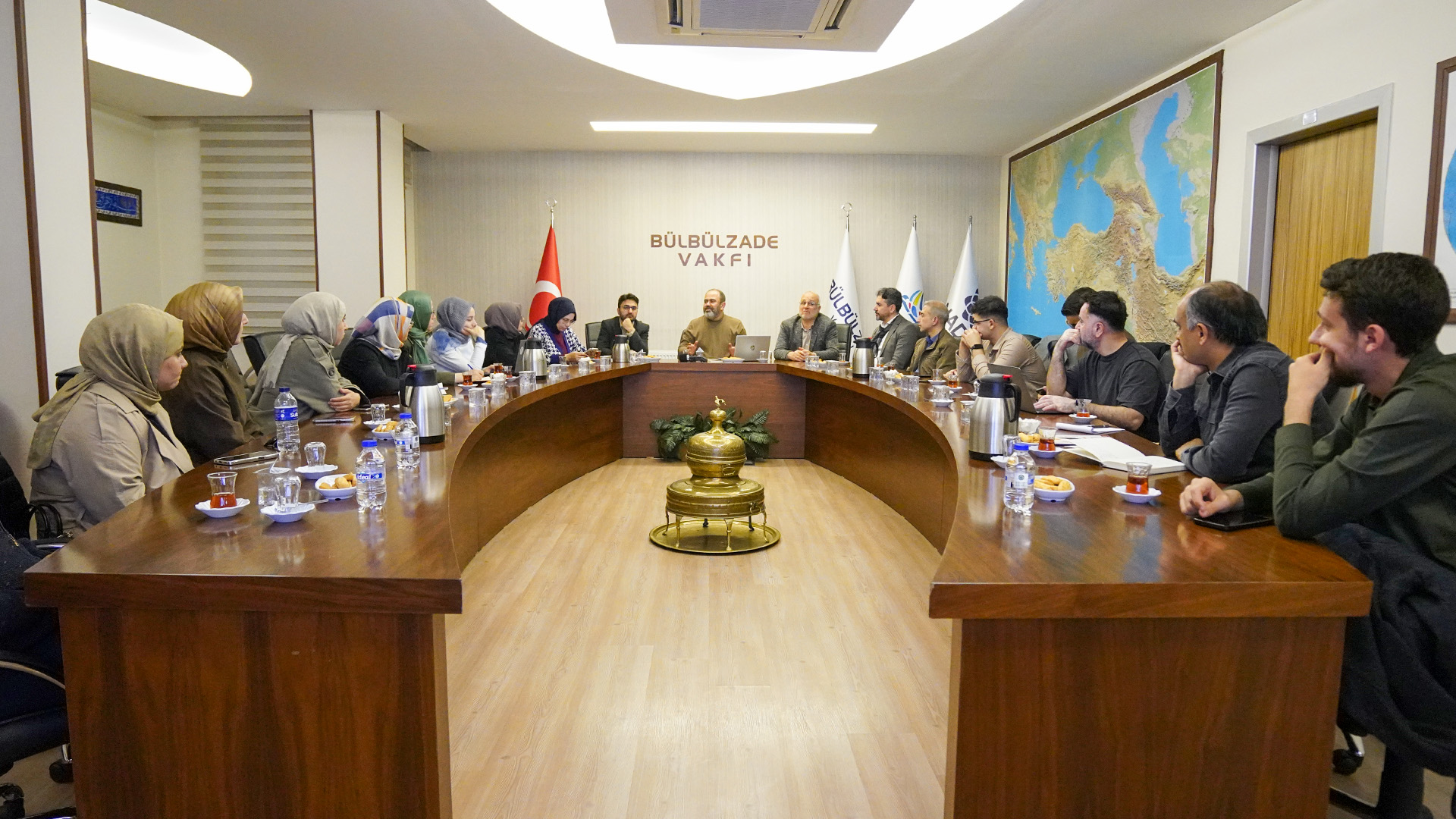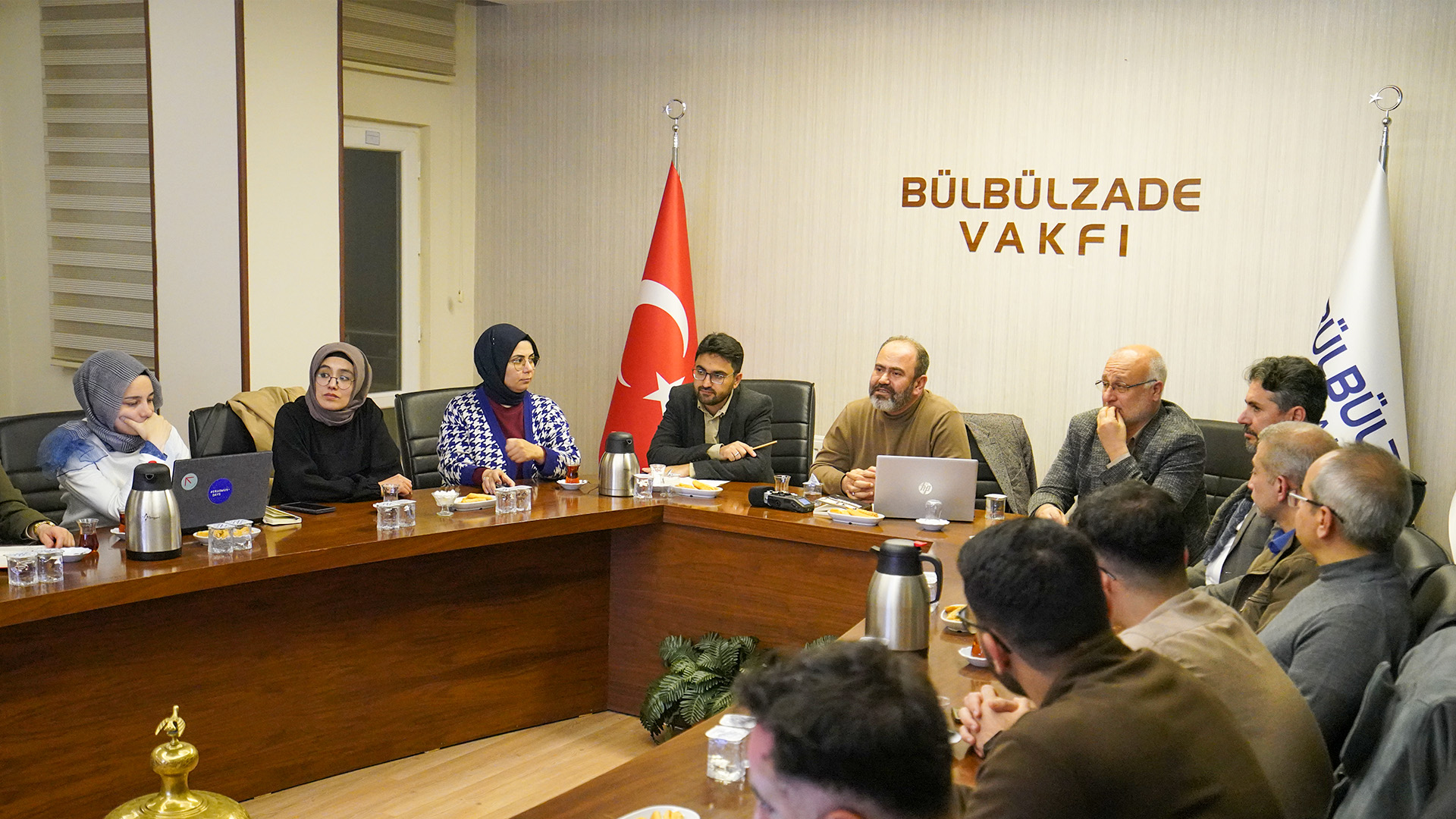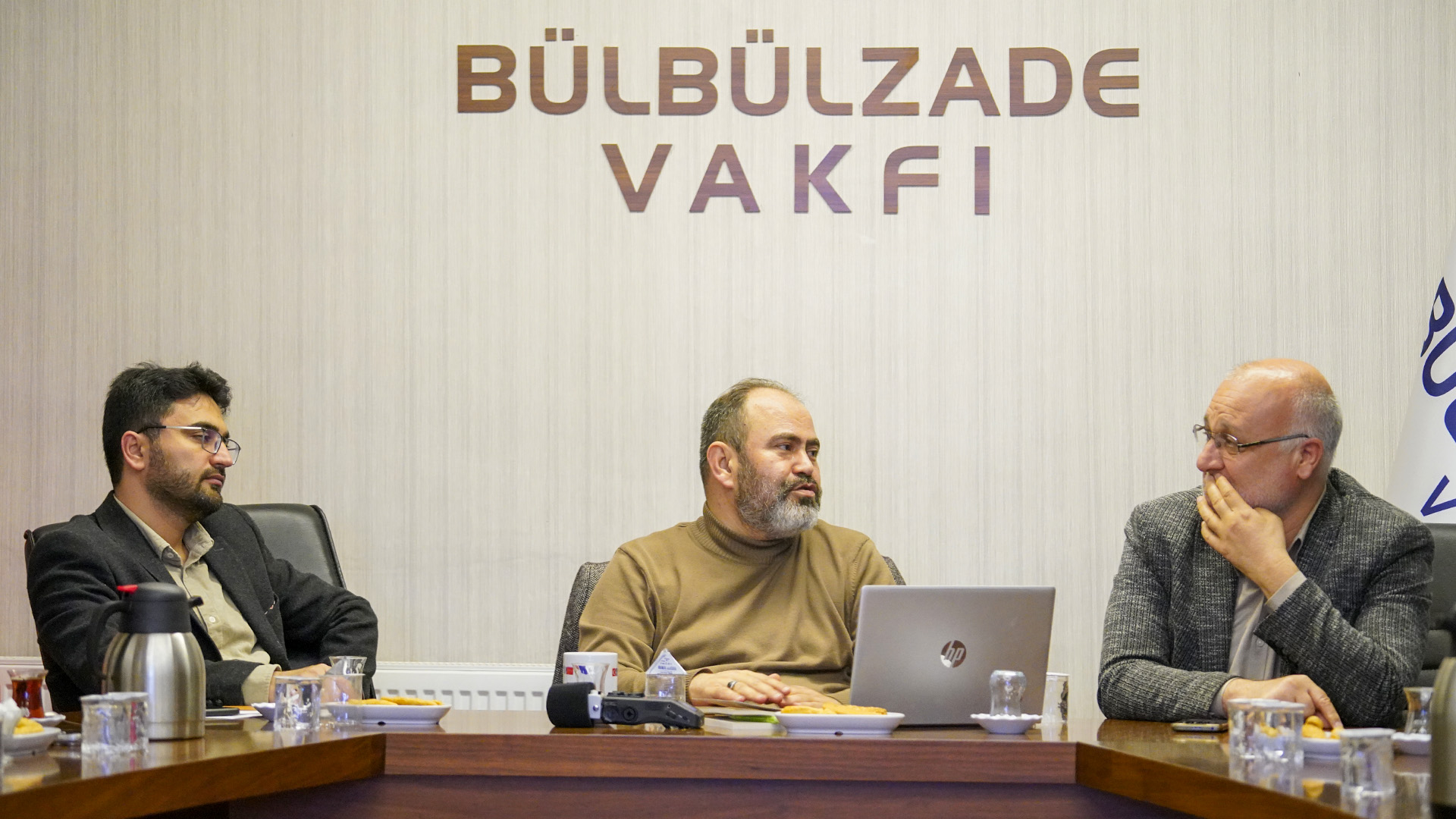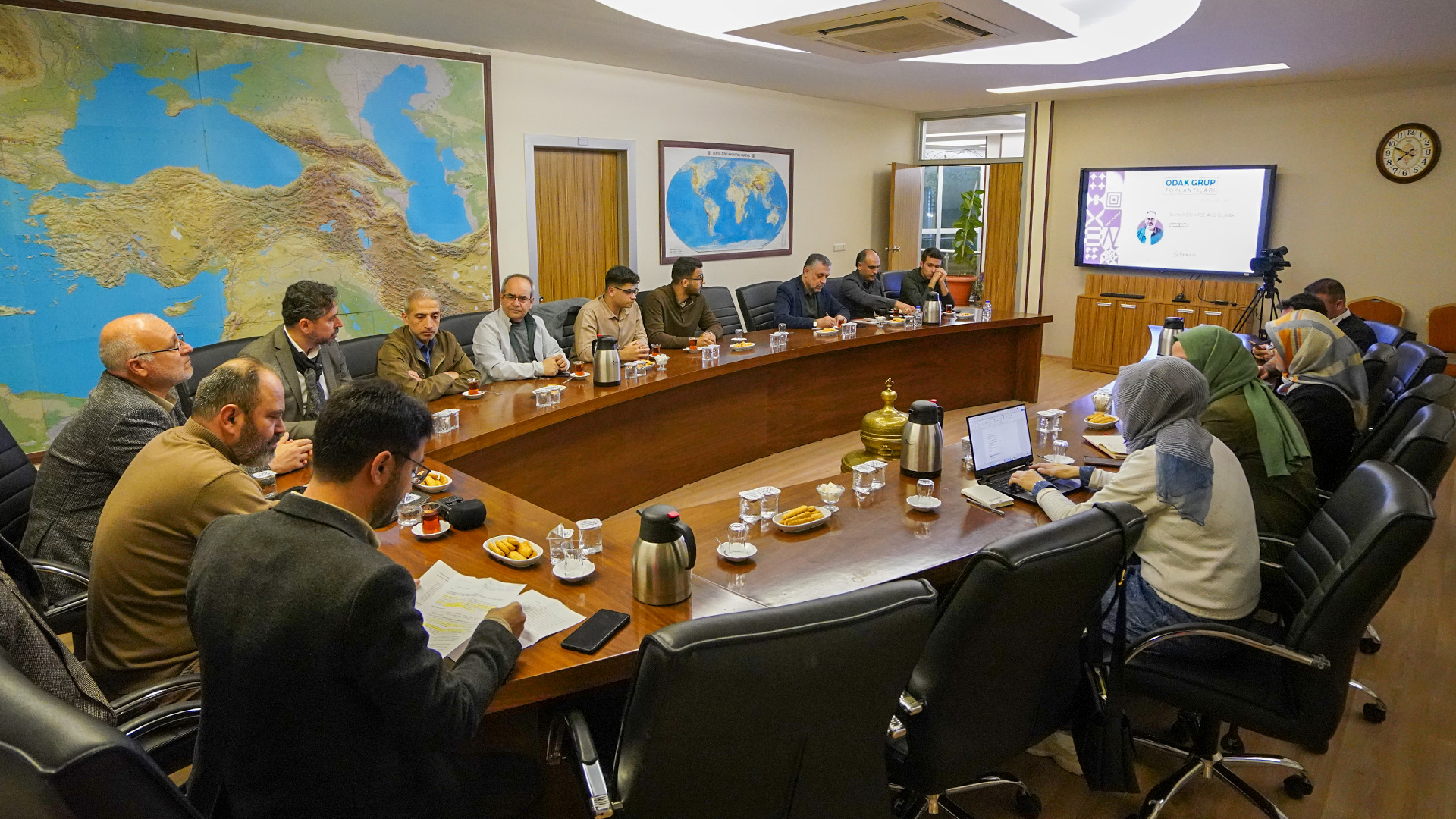
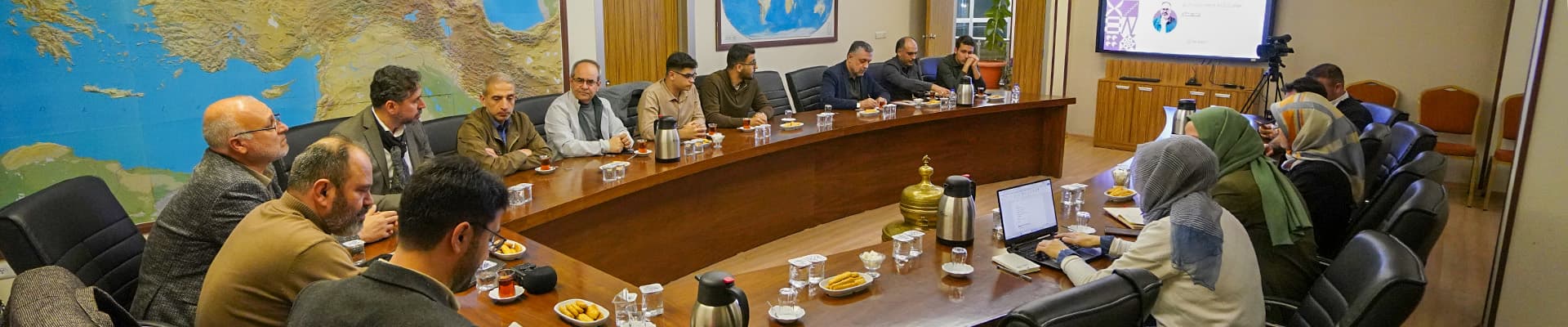
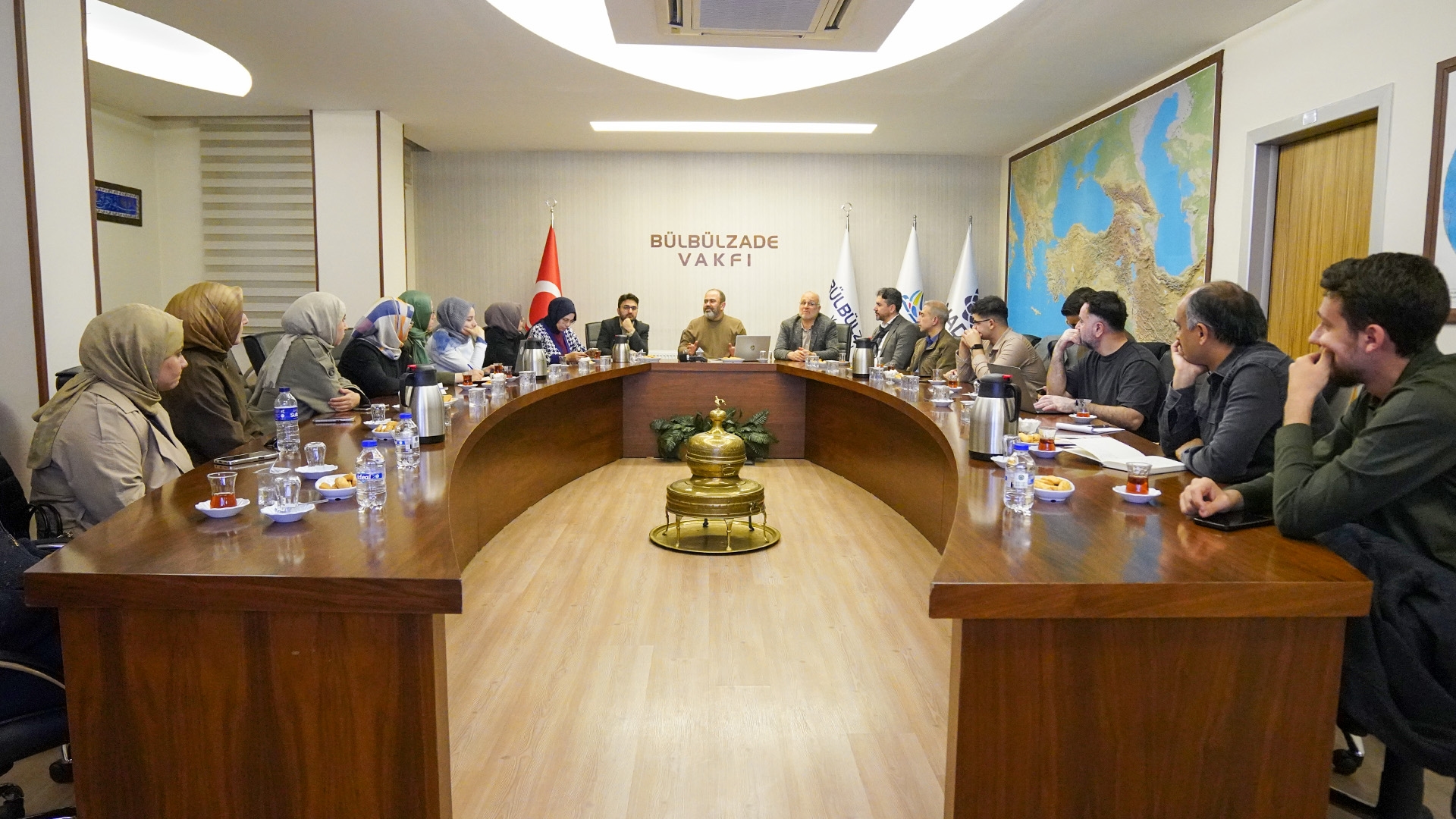
The second of the Focus Group Meetings organized by BEKAM was held at the Bülbülzade Foundation. Prof. Dr. Ahmet Ayhan Koyuncu attended the meeting, where the topic “Being a Family in the Metropolis” was discussed.
The Center for Science, Education, Culture and Research (BEKAM) continues its Focus Group Meetings series, where it examines social issues in depth. Following the first meeting held in February, the second session took place in the Bülbülzade Foundation Meeting Hall. The program, moderated by Enes Günaslan, hosted Prof. Dr. Ahmet Ayhan Koyuncu. In the event organized under the title “Being a Family in the Metropolis,” the transformative effects of modern urban life on family structure were presented to the audience through a comprehensive analysis.
SPACE, POVERTY, AND NEW FAMILY TYPES
In his presentation, Prof. Dr. Ahmet Ayhan Koyuncu grouped the main dynamics shaping today’s family structure under three main headings. Focusing on the “Space and Poverty Equation” emerging with urbanization, Koyuncu explained how the physical environment is reflected in intra-family relations. Stating that the cultural industry trends brought by the digital age surround the family, Koyuncu pointed out that this situation weakens traditional bonds. In the final part of the presentation, up-to-date data on “New Family Types” developing outside classical family forms were shared.
HOW DOES HOME ARCHITECTURE AFFECT THE FAMILY?
In the meeting, within the context of the relationship between space and family, how changing home architecture transforms the social fabric was detailed. It was emphasized that minimal and isolated housing, replacing traditional large houses, restrict intra-family communication with physical boundaries. It was stated that economic concerns and poverty directly affect decisions about having children, and that the small-family model has become widespread as a necessity. It was discussed that single-parent families, which have emerged as a result of increasing divorce rates as a sociological reality, have become one of the most sensitive units of modern society that need support.
A DANGER IN THE FUTURE
In the final section where new family types were discussed, it was pointed out that technological developments are pushing boundaries. With artificial intelligence and robotic technologies reaching the level of emotional partnership, the phenomenon of “marriage with robots,” which has begun to be seen around the world, was opened for discussion. It was predicted that human-machine interaction has the potential to fundamentally change the concept of family, and that digital-based family structures independent of biological ties will become one of the main agenda items of society in the future.
BEKAM will continue to bring together theoretical knowledge in the field of social sciences with current societal issues through its Focus Group Meetings.