Master director Derviş Zaim met with audiences at the 20th Anatolian Gatherings and shared the behind-the-scenes story of his award-winning 2020 film “Flashmemory,” which deals with the humanitarian tragedy in Syria.
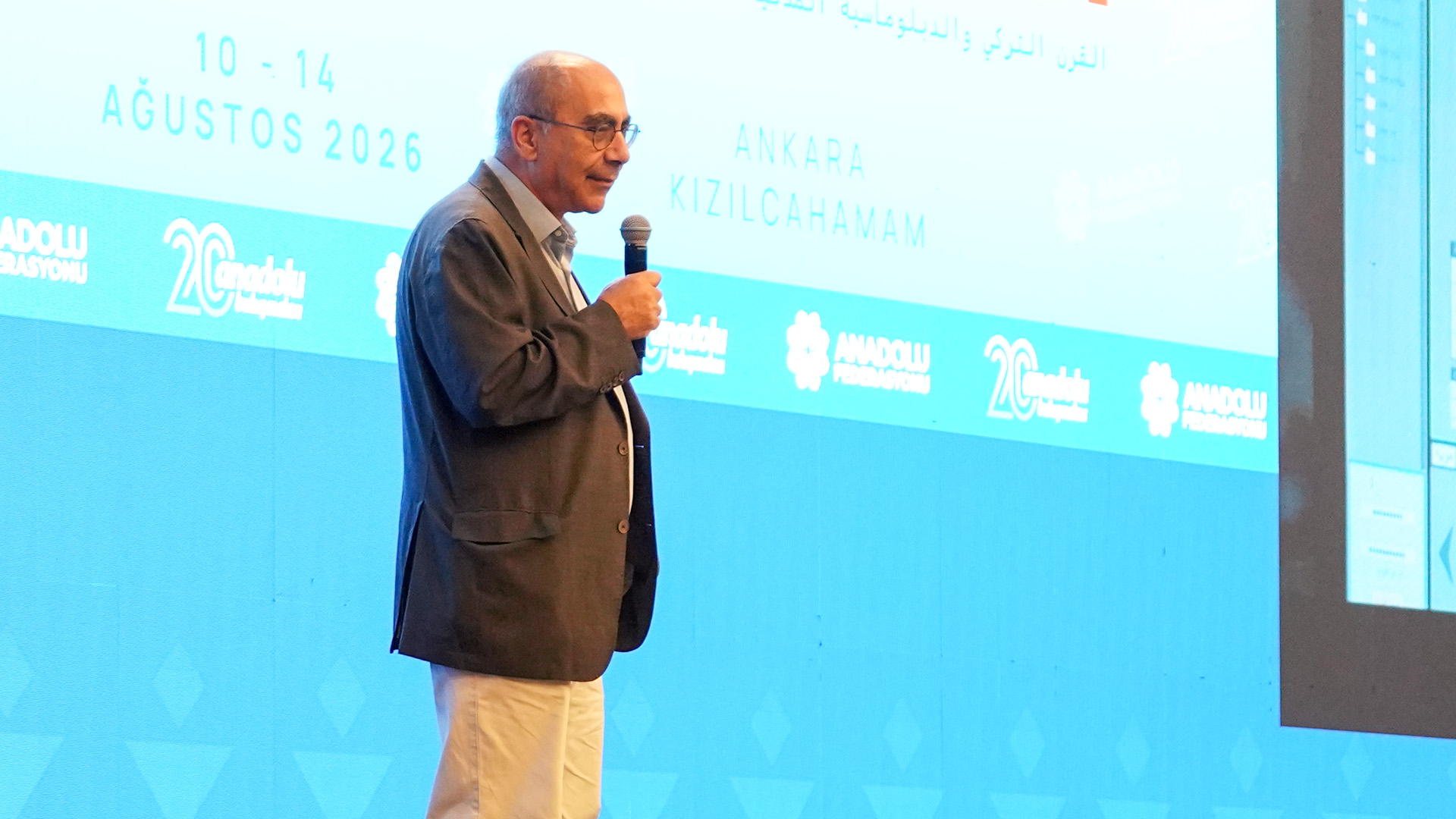
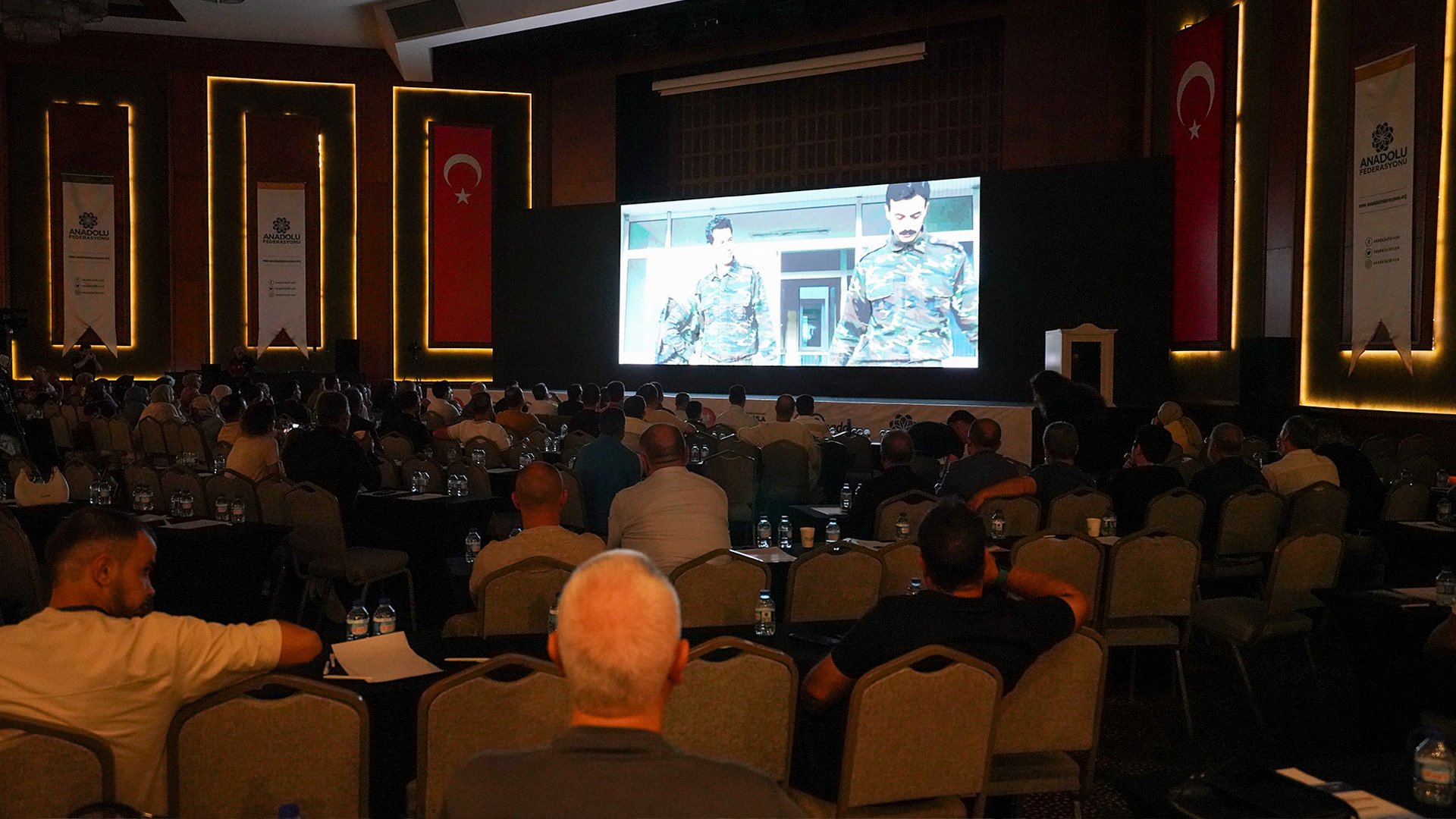
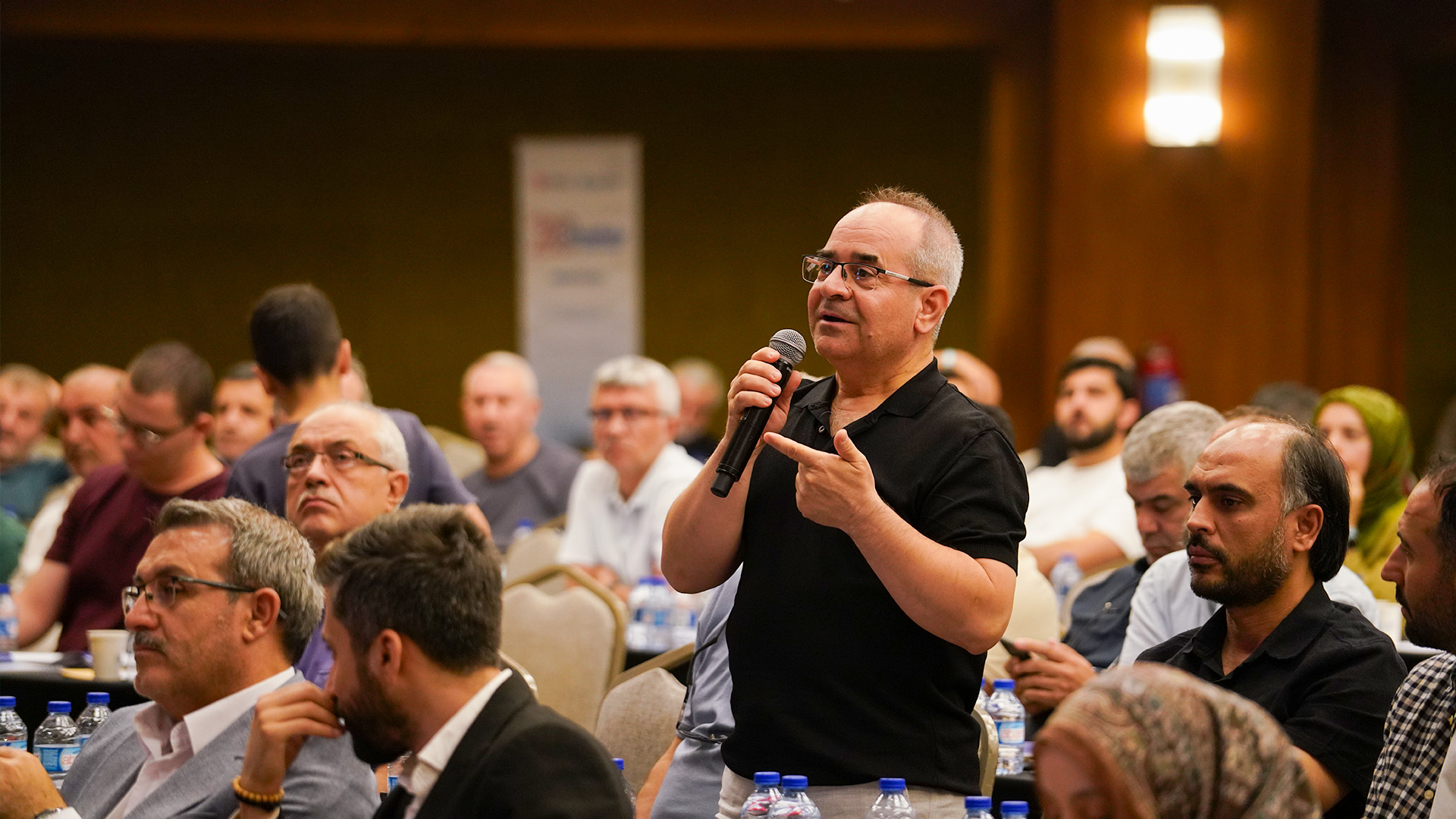
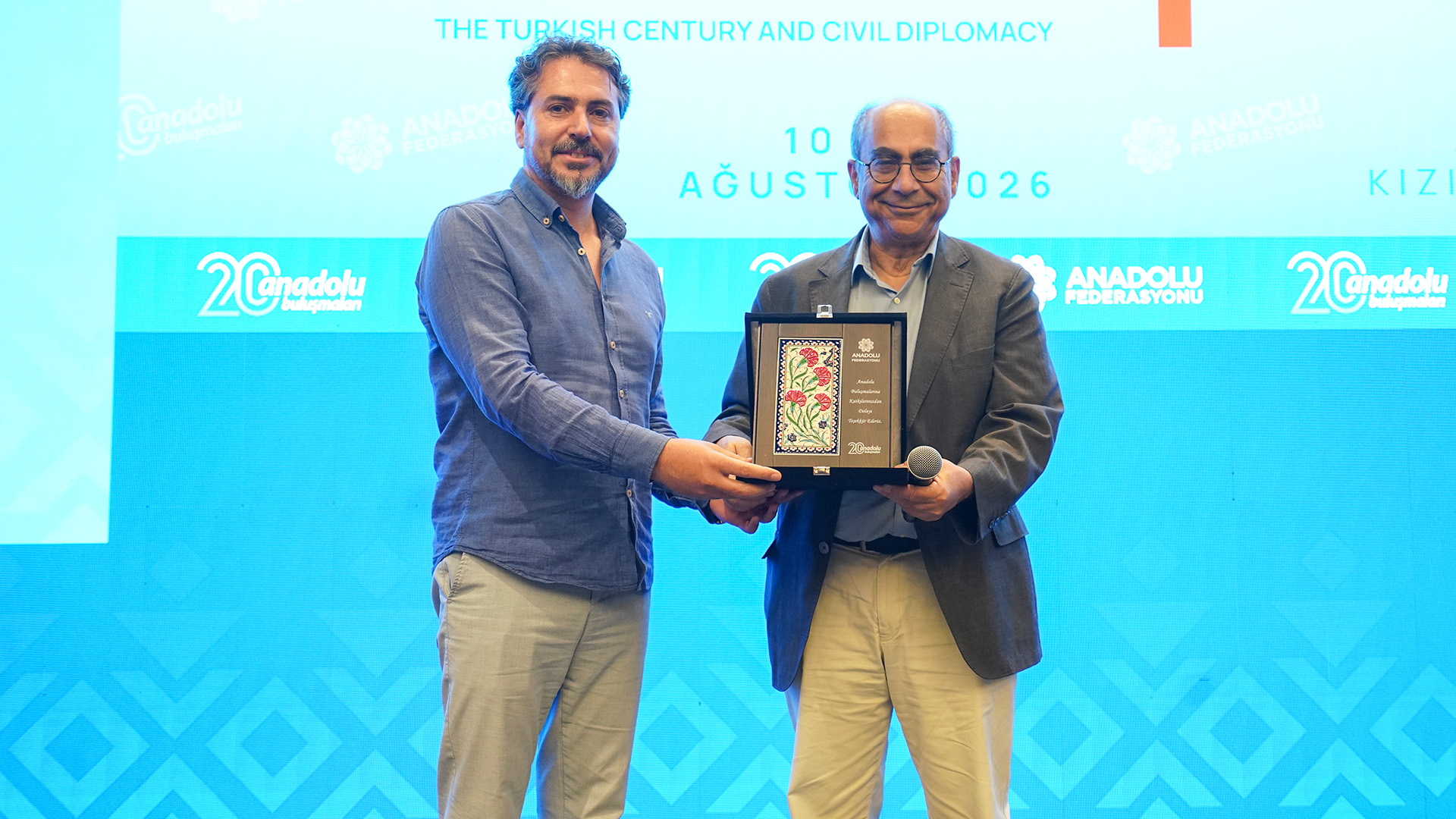
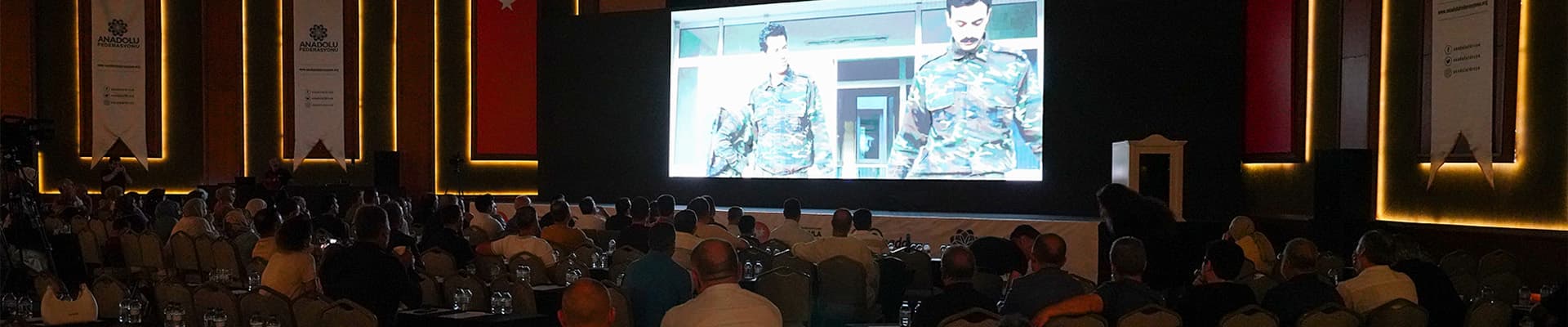
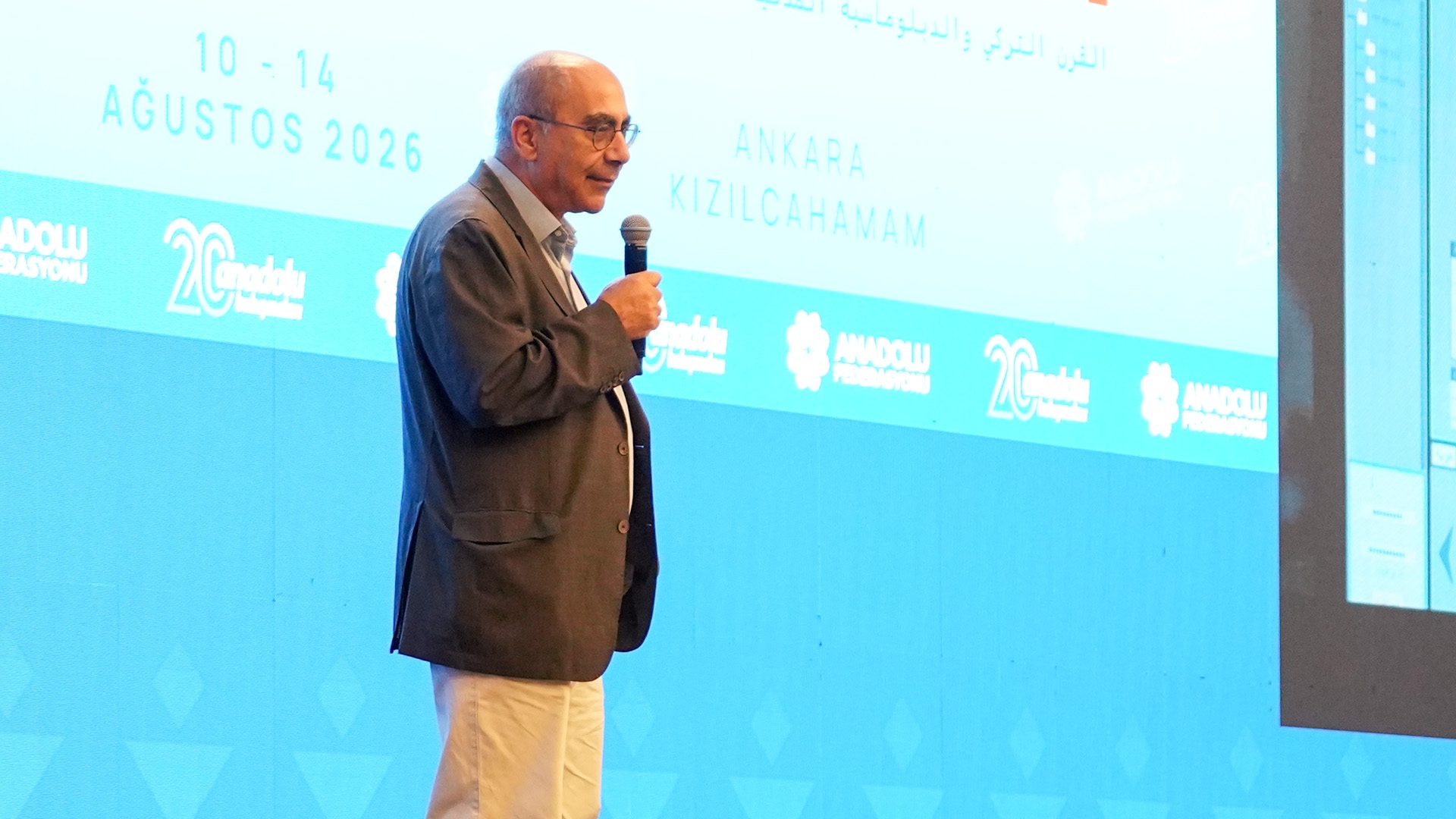
Writer, director and producer Derviş Zaim took part in a special conversation held as part of the 20th Anatolian Gatherings, which took place in Ankara this year. The event began with a screening of Zaim’s 2020 award-winning film “Flashmemory,” which focuses on the events in Syria. Following the screening, the master filmmaker took the stage and gave a comprehensive talk about the film’s production process and cultural diplomacy. Answering questions from the audience as well, Zaim drew attention to cinema’s responsibility to reflect the truth and to the importance of being able to tell one’s own story.
The director emphasized that he has based the concepts of justice and truth at the heart of his works throughout his cinematic career. Stating that remaining silent about the tragedy in Syria would be a great injustice, Zaim said that he brought this project to life with the aim of becoming the voice of people who are unable to make their voices heard. He stated that the starting point of the film was inspired by the true story of a person codenamed “Caesar,” who leaked photographs of torture in Syria to the world.
FINDING ONE’S OWN LANGUAGE AND VOICE IN THE DIGITAL AGE
Derviş Zaim stated that the inability of the film’s lead character Ahmet to speak carries a metaphorical meaning, and explained that societies unable to tell their own stories will be condemned to the voices imposed on them by others. Saying that finding one’s own language and voice in the digital age also means taking an anti-imperialist stance, the master director touched upon the reflections of cultural diplomacy in art. He stated that creating the right language in cinema can offer a truthful perspective on social events by maintaining a certain distance from them. Zaim added that, for different beliefs and cultures to be able to live together in peace in the future, artists should carefully choose the characters they include in their works.
Referring also to the international achievements of the film “Flashmemory,” the director shared with the participants that the work received the best film award twice in the United States and returned from a prestigious festival in France with a Special Jury Award. Zaim explained to the audience the background of the scenes filmed in actual camps in Gaziantep and thanked local civil society organizations for the support they provided in bringing the project to life.