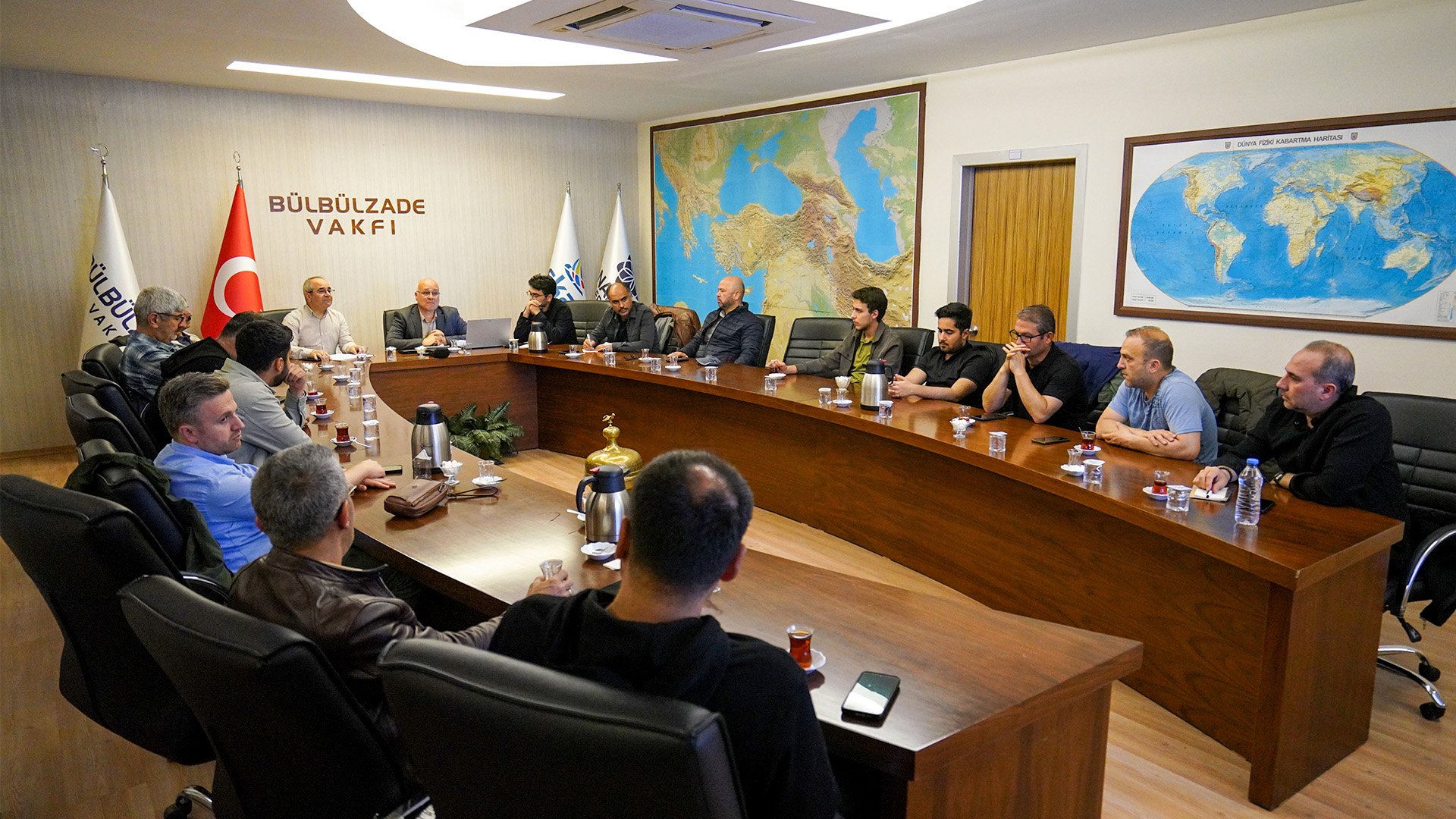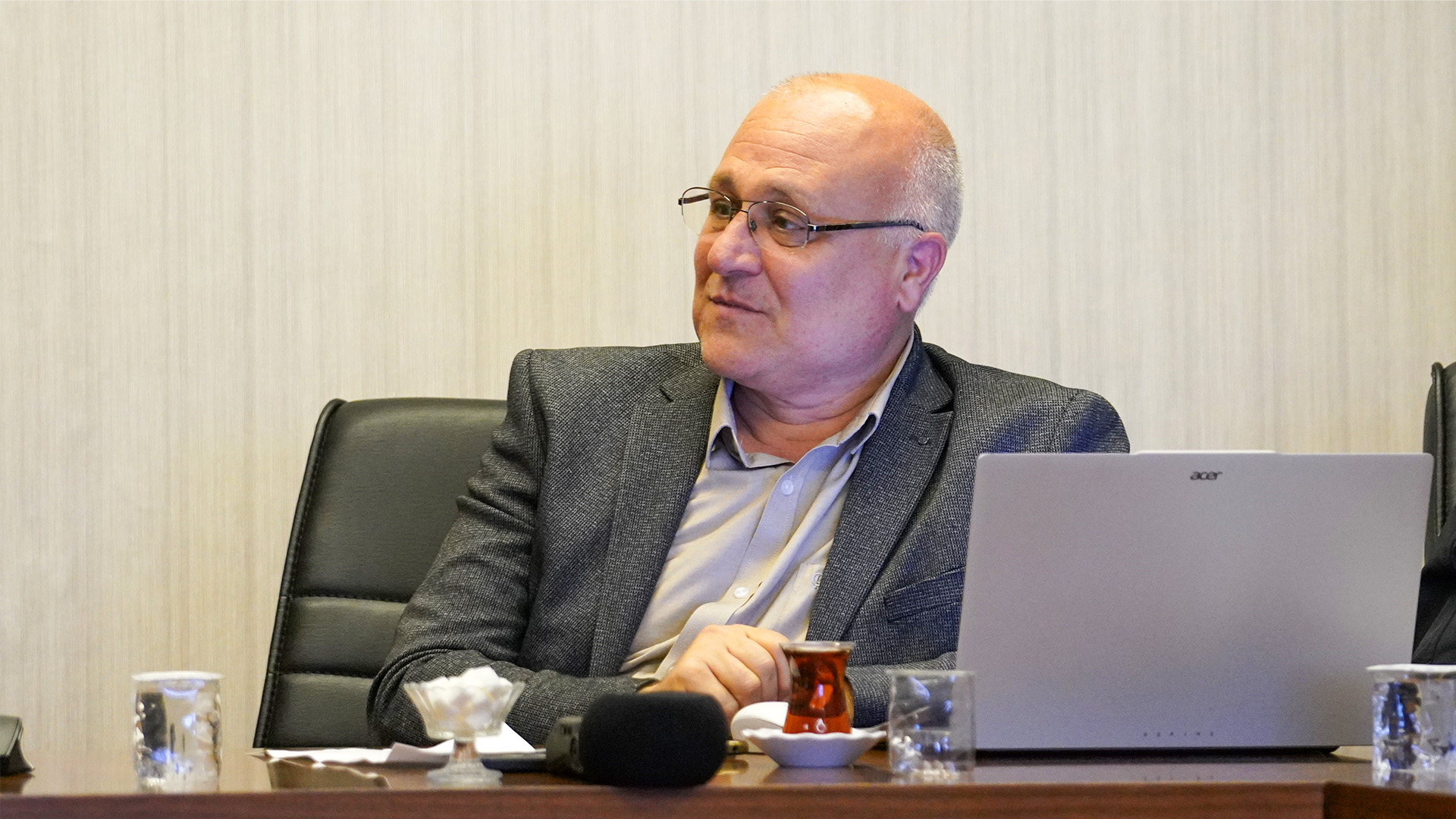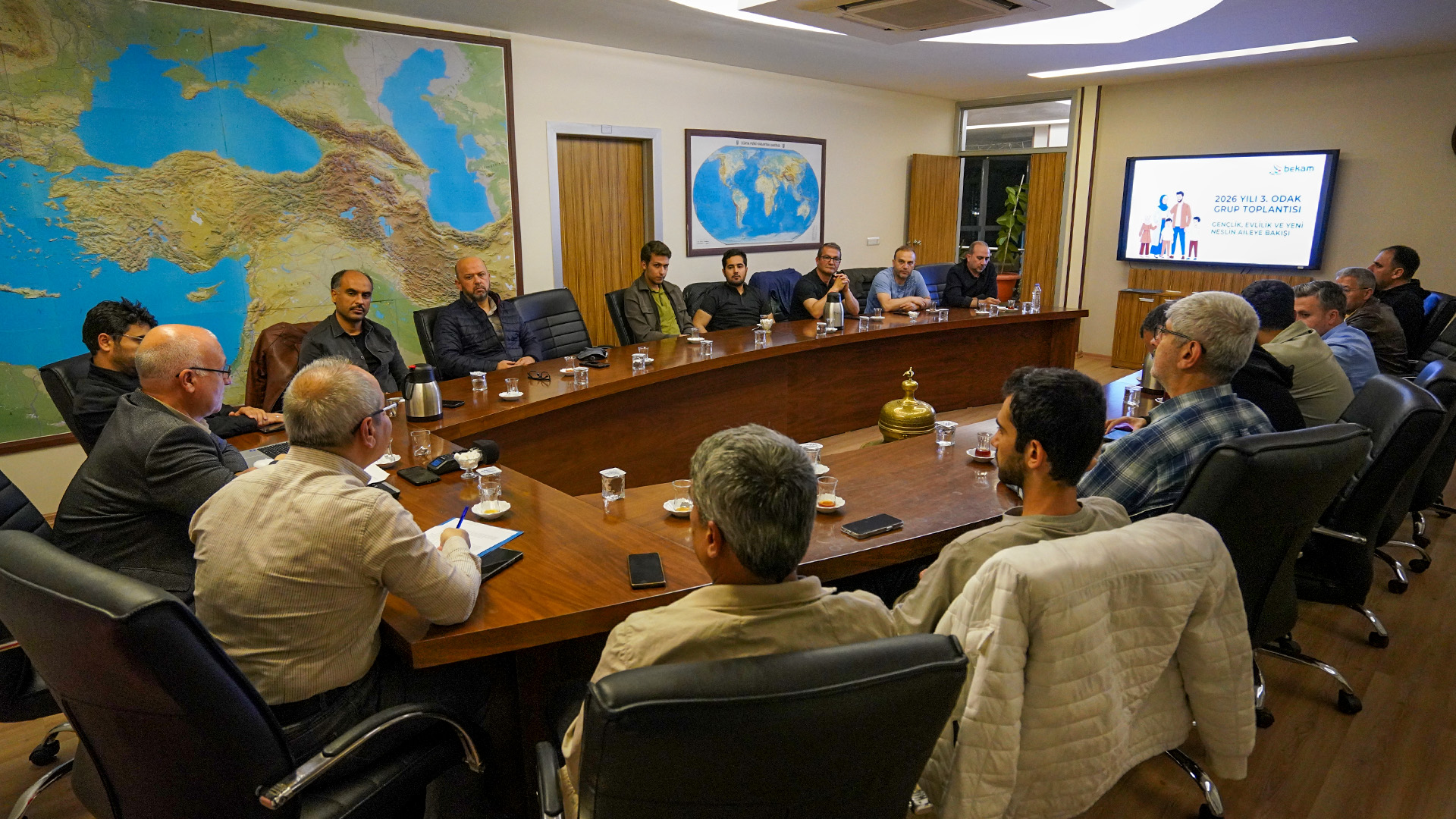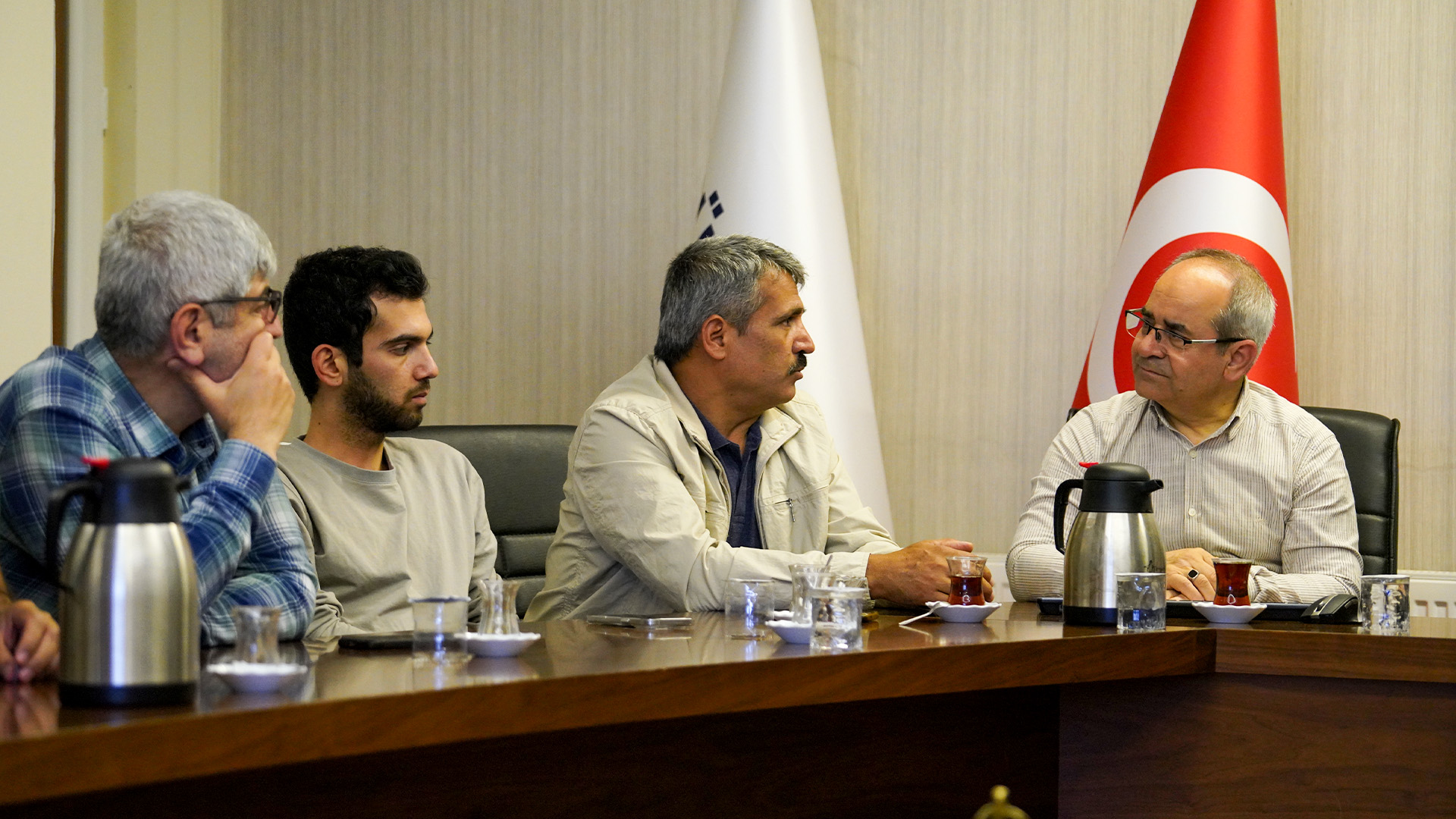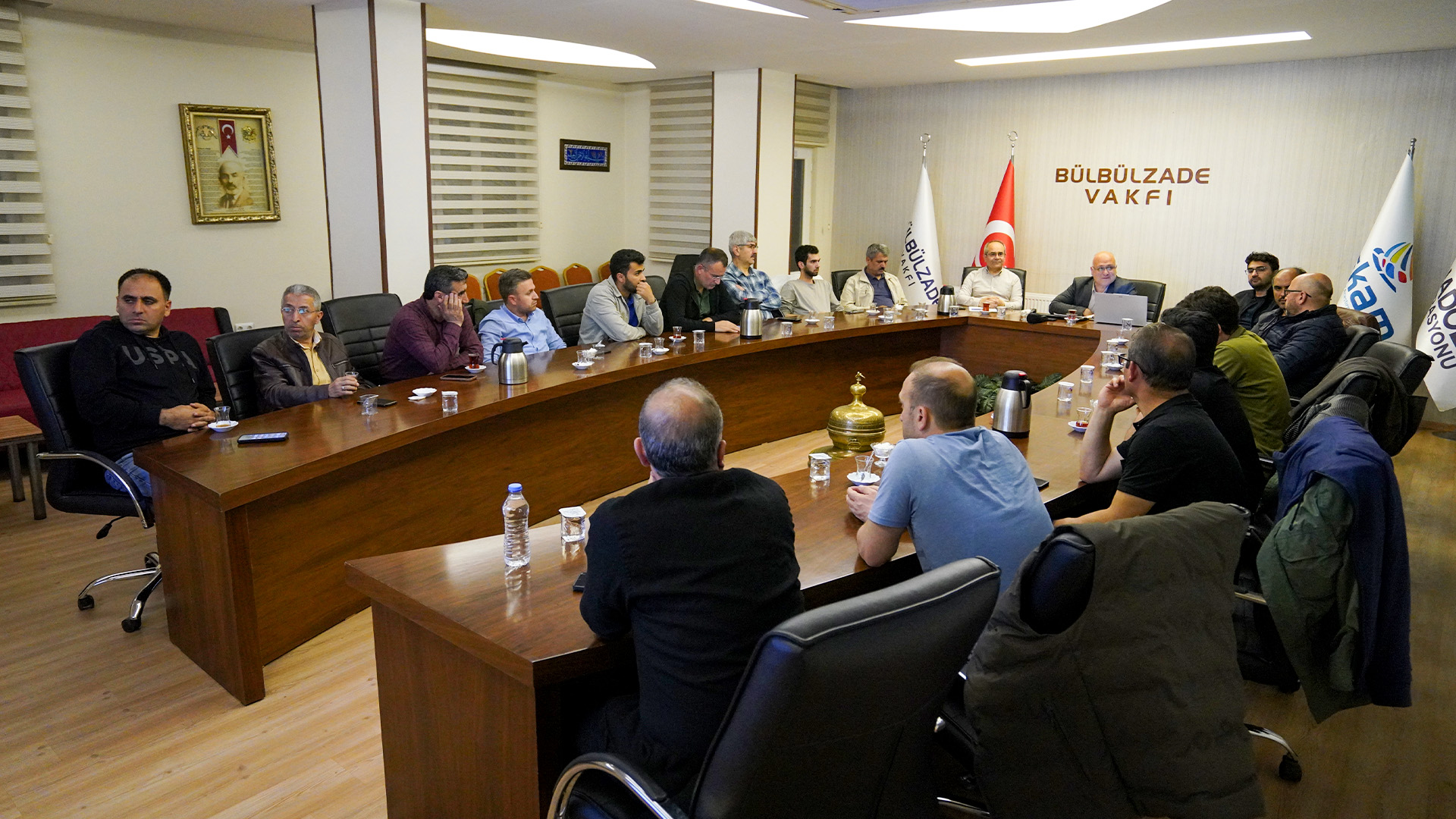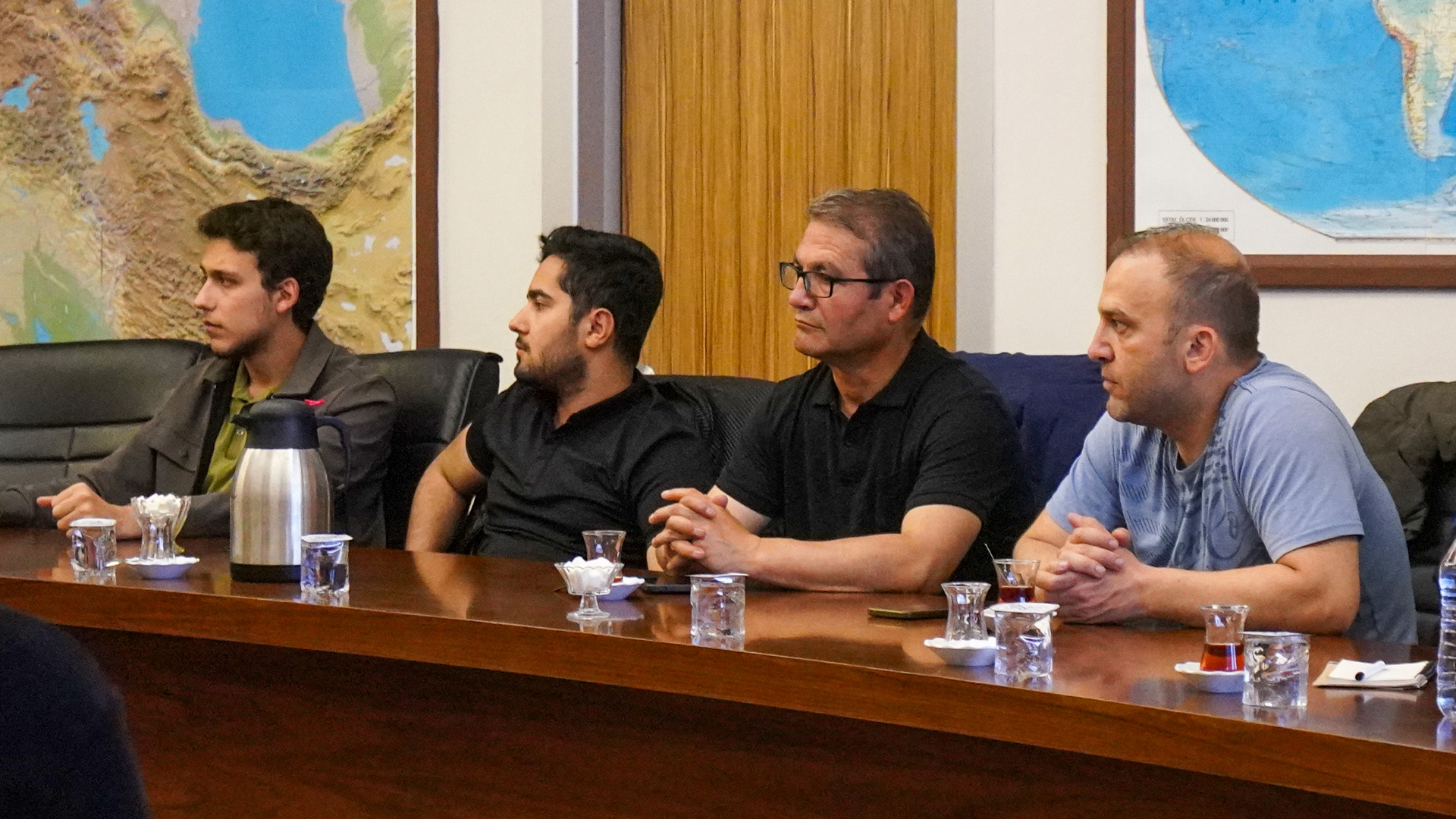
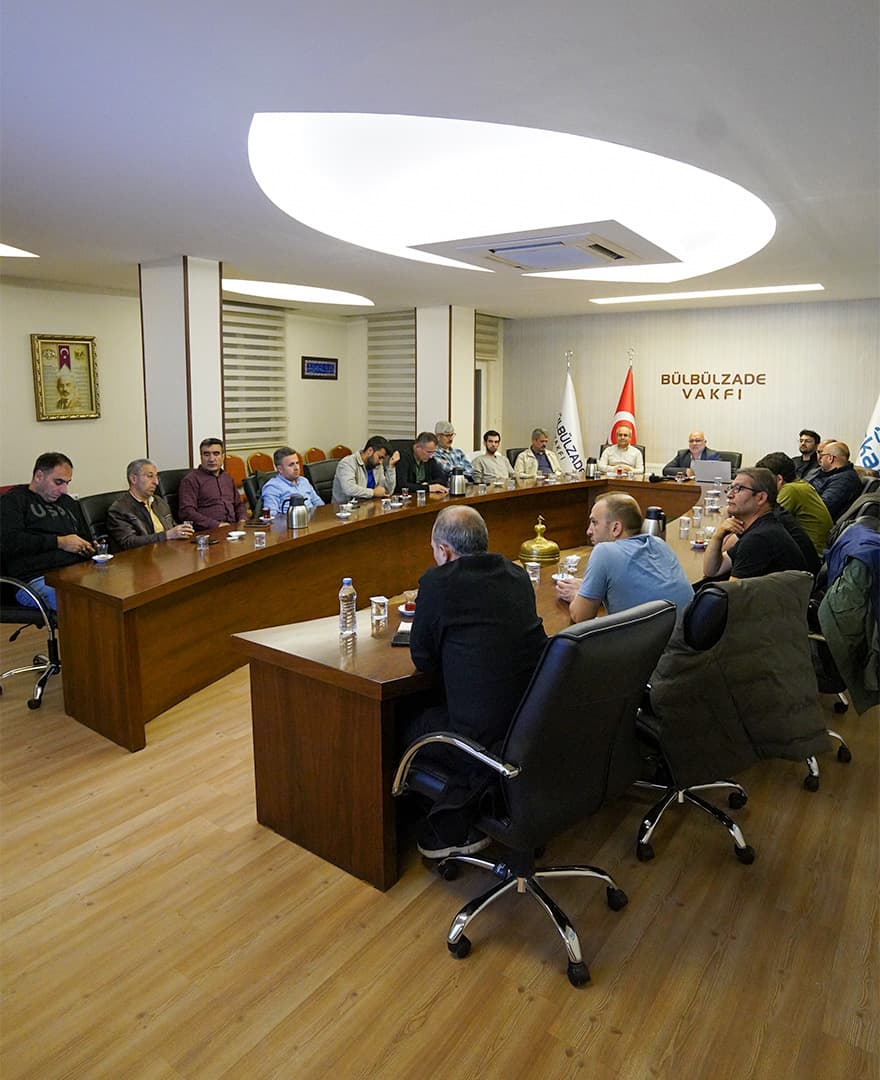
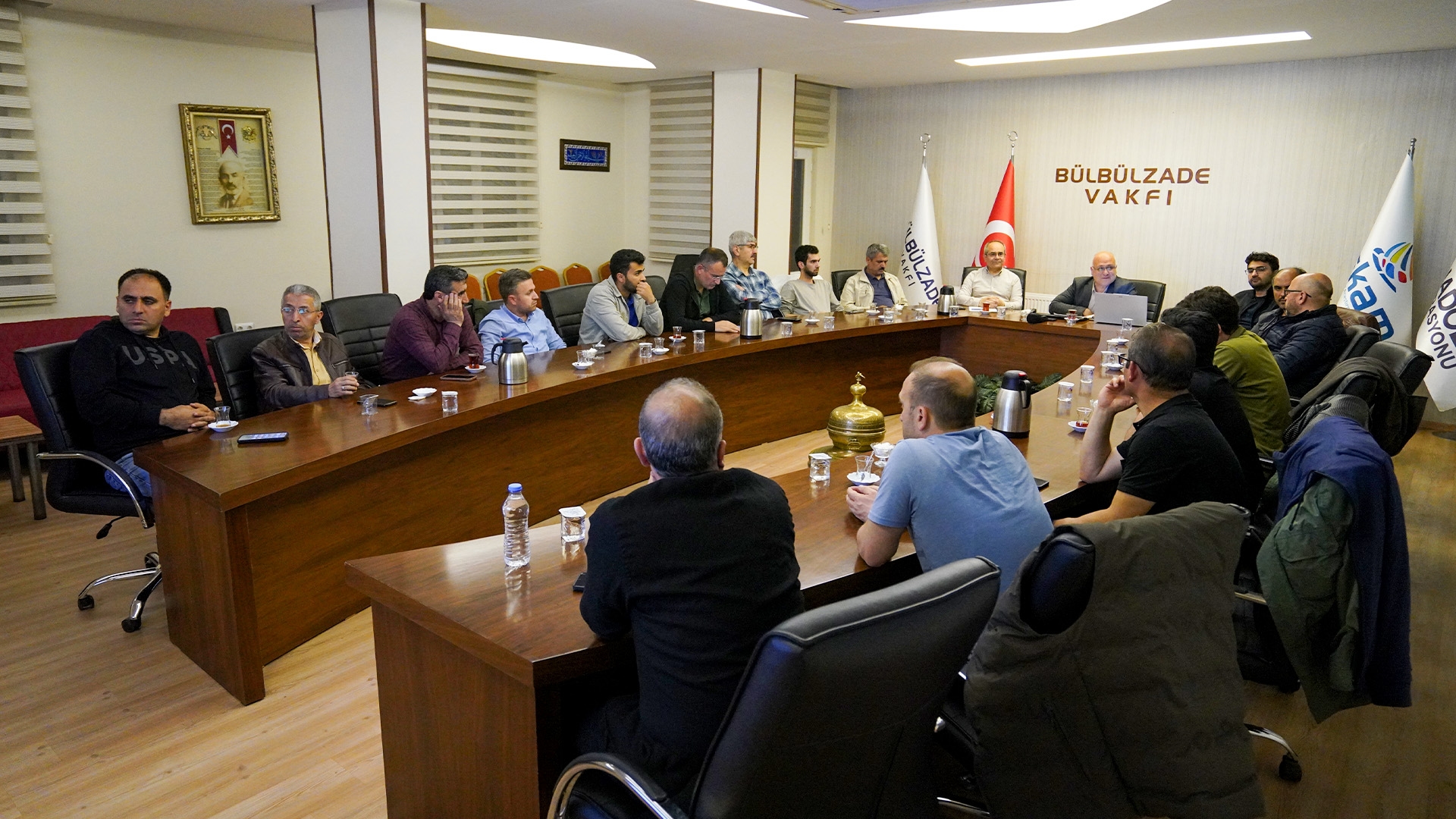
The third of the Focus Group Meetings organized by BEKAM was held at the Bülbülzade Foundation. During the program attended by Psychological Counselor Specialist Ahmet Taşkesen, the effects of social changes on the family structure and young people’s approach to the institution of marriage were discussed in all dimensions.
The Focus Group Meetings initiated by the Science Education Culture Research Center (BEKAM) to address social issues continue at full speed in 2026. This year’s meeting topics largely focus on the transformations experienced by the family institution, which is the fundamental building block of society, within the framework of digitalization, modernization, and changing socio-economic dynamics. In this context, a comprehensive session titled “Youth, Marriage, and the New Generation’s Perspective on Family” was held on Thursday, May 21, 2026, in the Meeting Hall of the Bülbülzade Foundation. Moderated by Mesut Aydağ, the meeting detailed the emotional satisfaction young people seek in marriage, their social anxieties, and their own analyses regarding family-related problems. The meeting aimed to shed light on the future of the family institution by bringing together field experts, stakeholders who would discuss the study topics, civil society volunteers, and young people around the same table.
In his opening speech, moderator Mesut Aydağ drew attention to the transformation process the family is going through. Emphasizing that technological developments directly affect human relationships, Aydağ expressed the purpose of the meeting with the following words: “While there are thousands of people we interact with on digital networks, we are becoming so distant that we cannot even talk to the person sitting next to us. While networks bring us closer, they also isolate us and distance us from one another.”
WE HAVE ALL BECOME INDIVIDUALIZED IN ONE WAY OR ANOTHER
Taking the floor after the opening, Psychological Counselor Specialist Ahmet Taşkesen stated that the family institution in Türkiye has been exposed to the effects brought by the modern age. Emphasizing the disruptions within the family institution, Taşkesen said: “In Türkiye, the family institution is going through a silent yet deeply rooted process of structural transformation due to the effects brought by the modern age. This process is still continuing. We needed to organize these meetings in order to understand this transformation and protect the future of the family.” Referring to the loneliness caused by globalization, Taşkesen remarked: “A transformation from ‘us’ to ‘me’ has taken place here. What we call individualization has emerged. Individualization and the transition to the nuclear family are actually manifestations of this.”
FOR YOUNG PEOPLE, FAMILY IS BOTH A SAFE HARBOR AND A RISK
Referring to current studies covering all 81 provinces regarding young people’s perspective on the family institution, Taşkesen presented striking statistics to the participants. Summarizing the paradox in young people’s minds in his own words, Taşkesen said: “The most striking finding of the research is this: Young people define the family as the sole psychologically safe harbor with a one hundred percent rate. However, they code marriage as a field of risk due to responsibility concerns and economic uncertainties.” Explaining the expectations of young people, Taşkesen also stated: “Young people keep their distance from the institution of marriage because of the uncertainties, restrictions, and economic risks it contains. The family institution still maintains a high value in the eyes of young people as a structure that eliminates loneliness and provides security.”
THE DILEMMA OF FREEDOM AND SECURITY
In the final part of the meeting, which progressed interactively in accordance with the focus group approach, participants took the floor and shared their opinions under various topics. The changing traditional roles, the effects of economic conditions on marriage decisions, and the reflections of digital culture on individuals were discussed in detail. The meeting, enriched by the contributions of educators, parents, and young participants in the hall, intensely debated the dilemma between freedom and security. Emphasizing the importance of value transmission within the family, participants stated that structural support mechanisms such as marriage schools should be expanded.