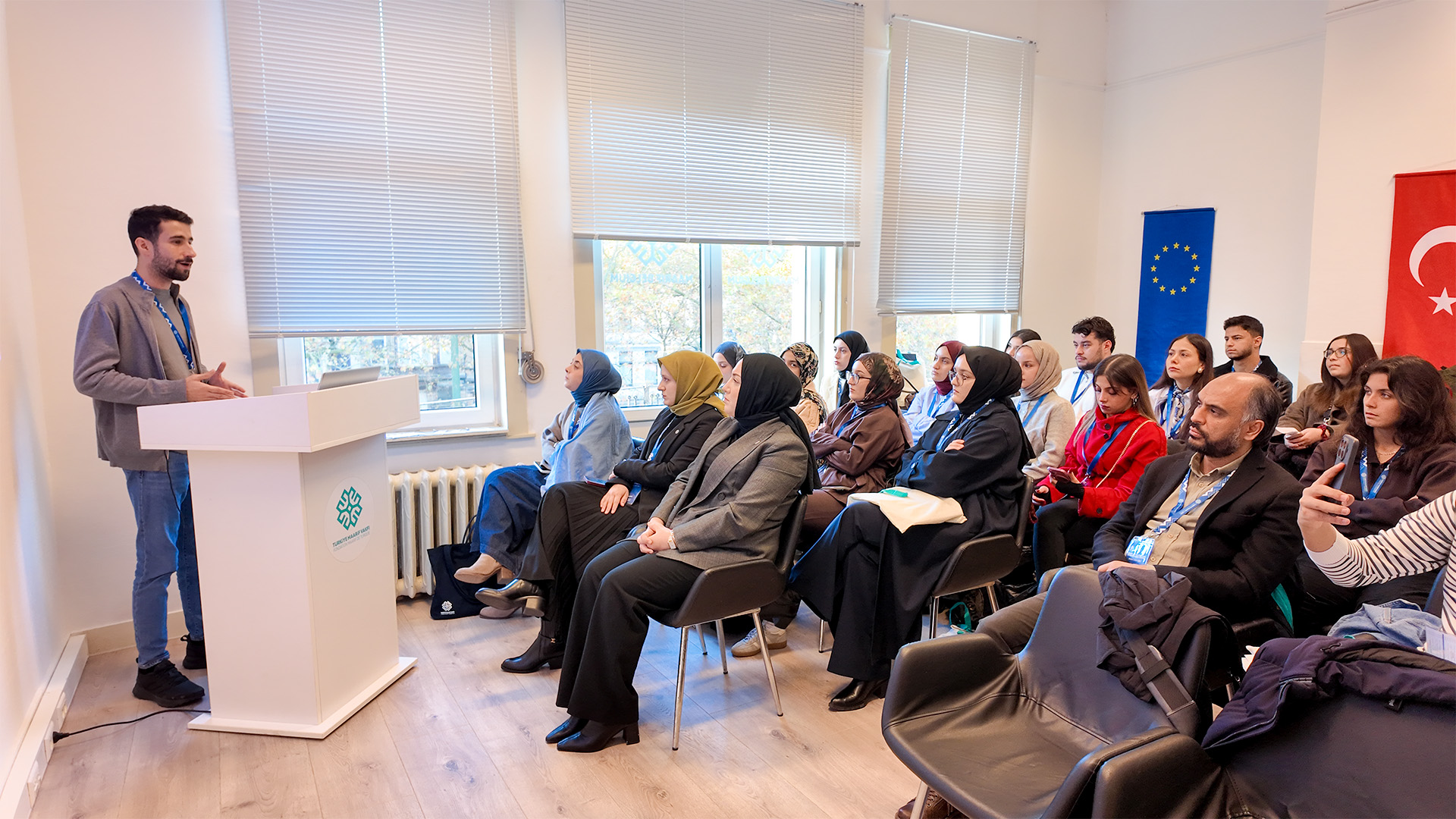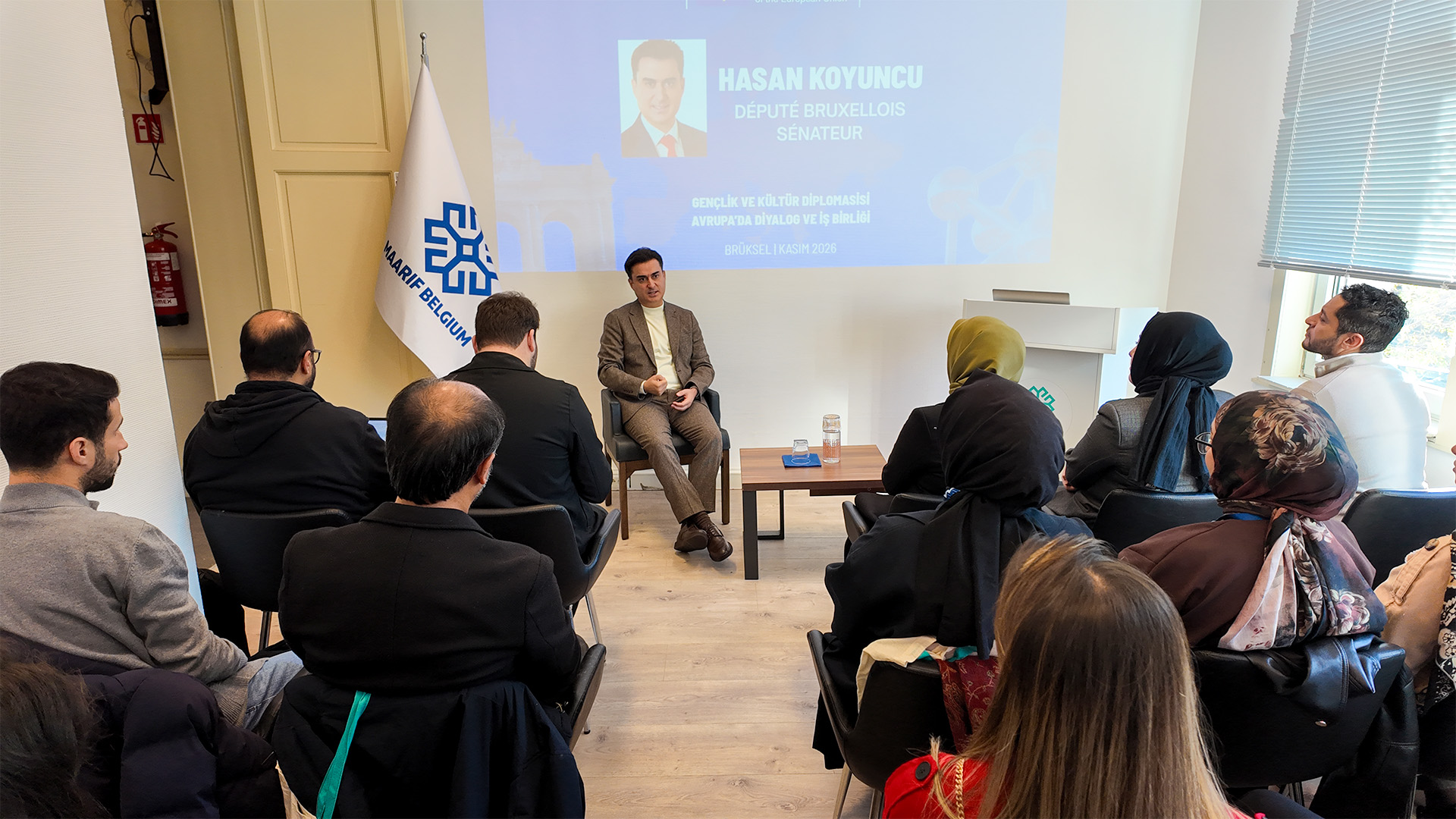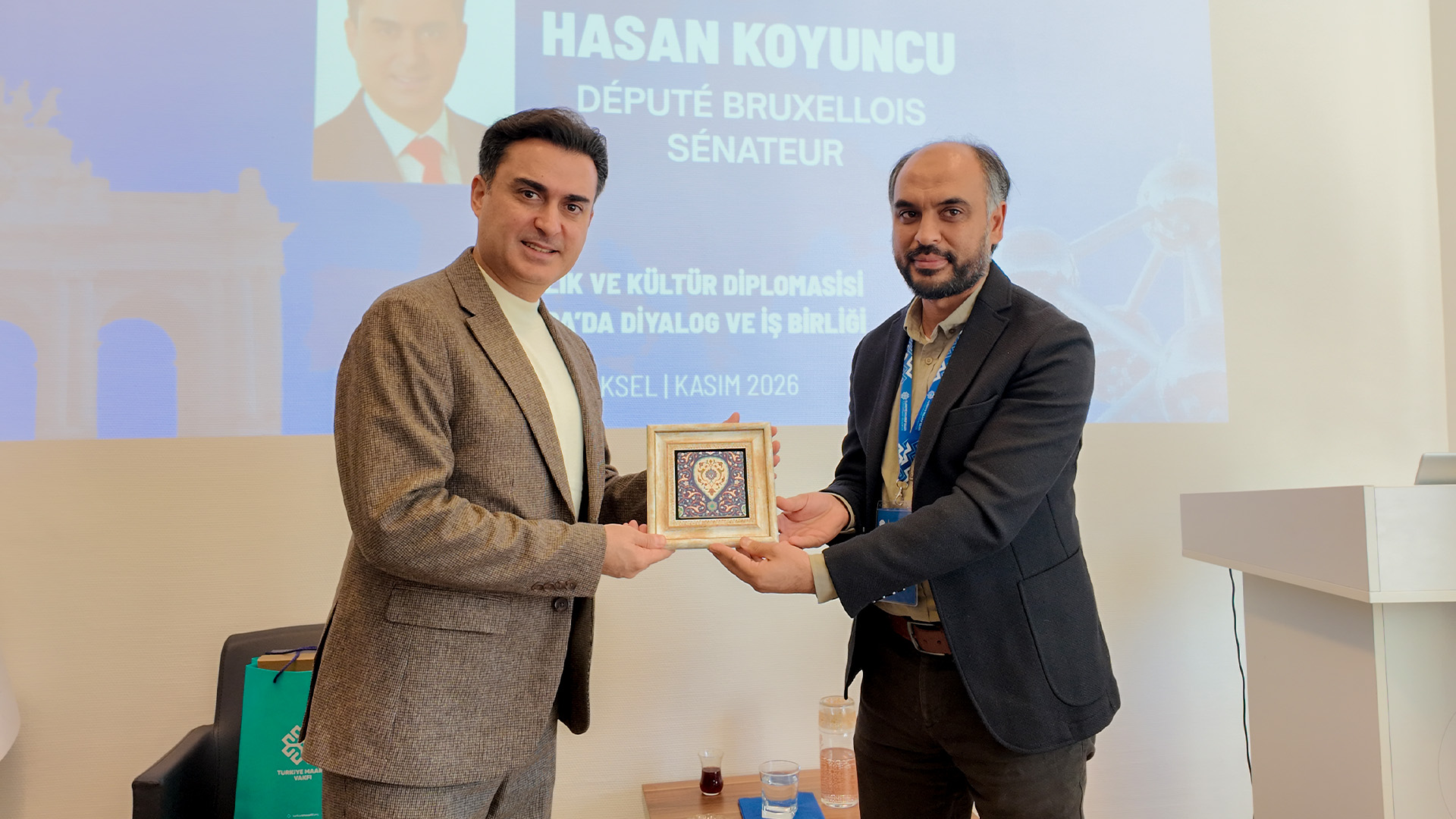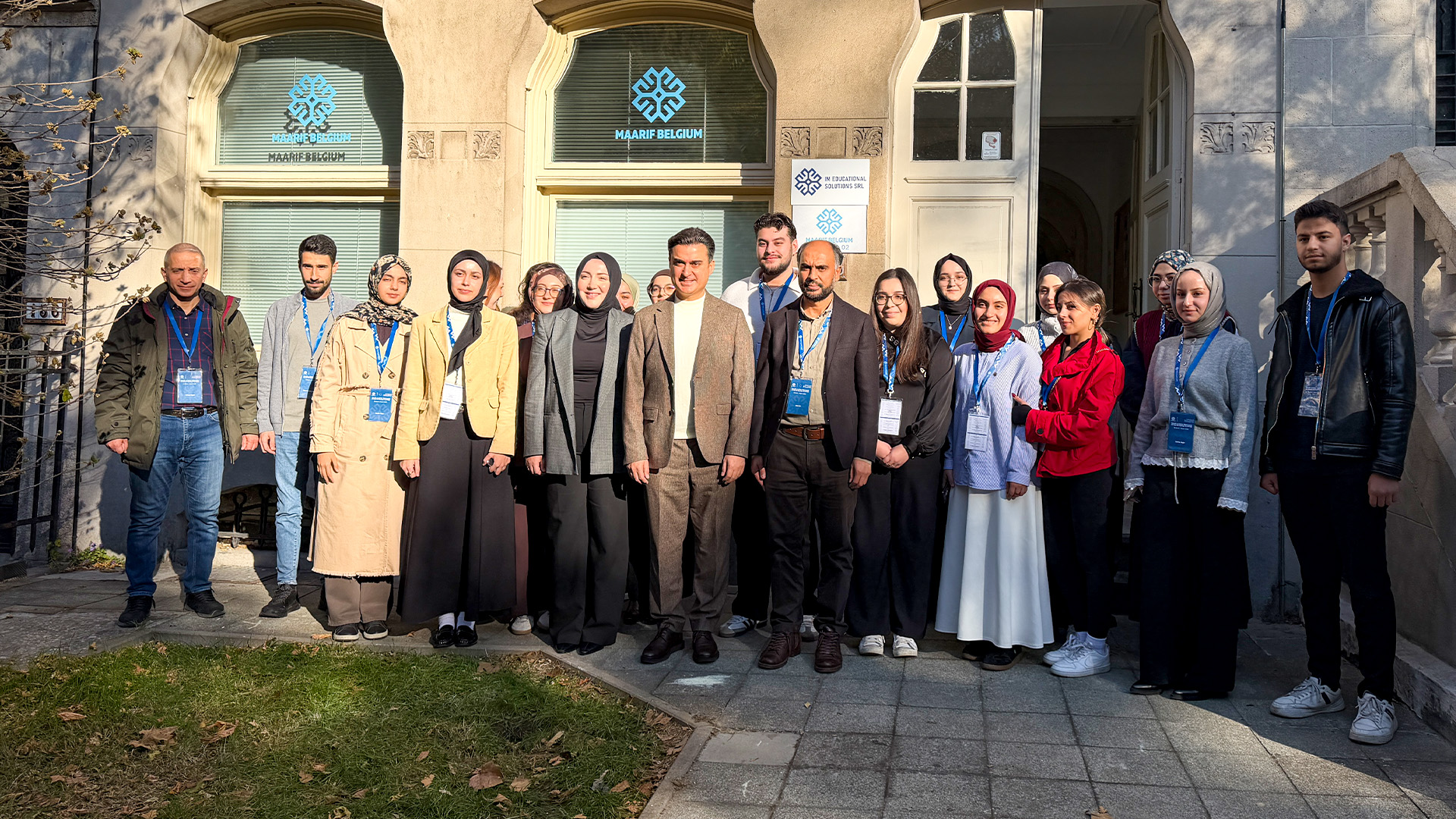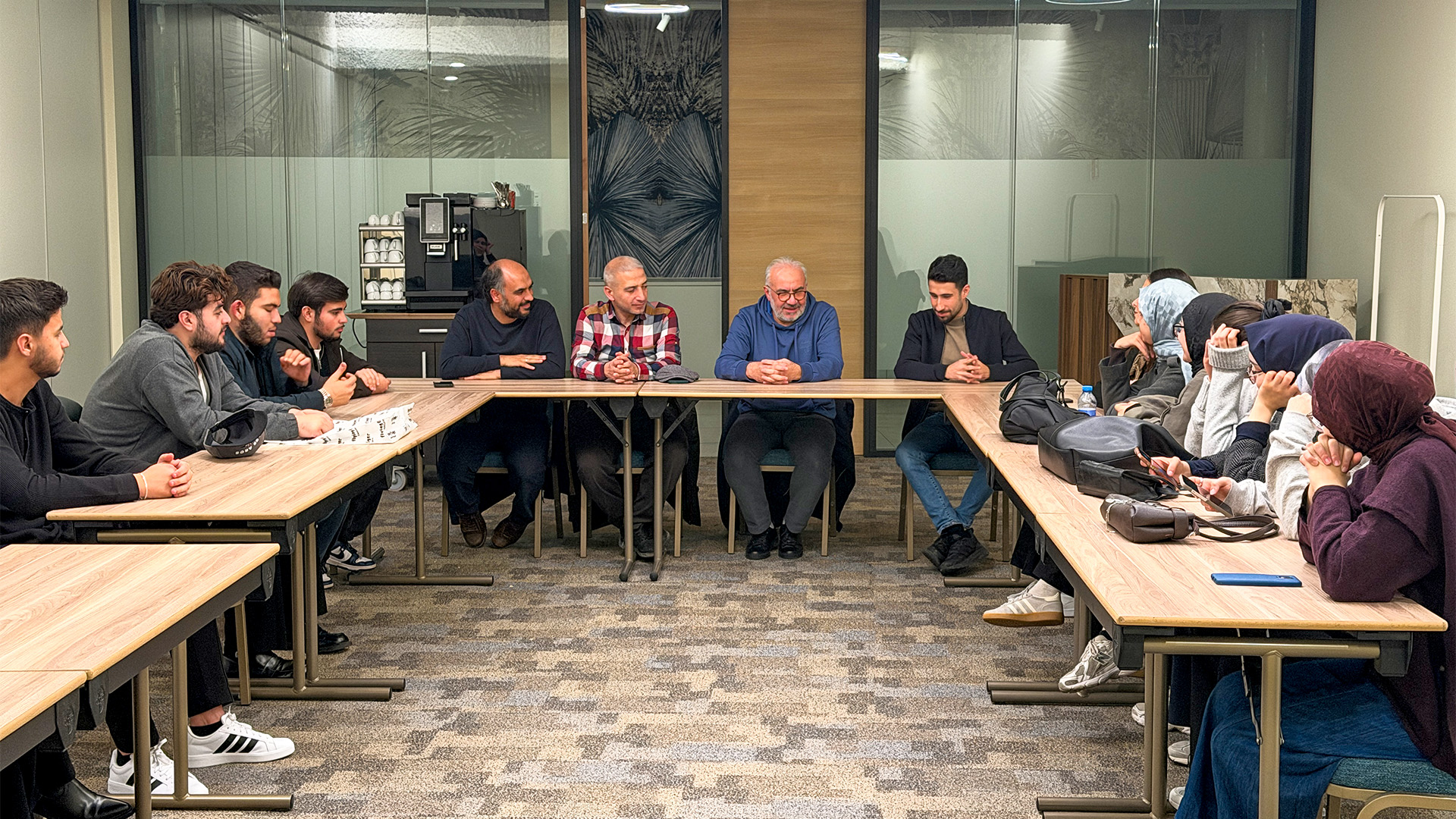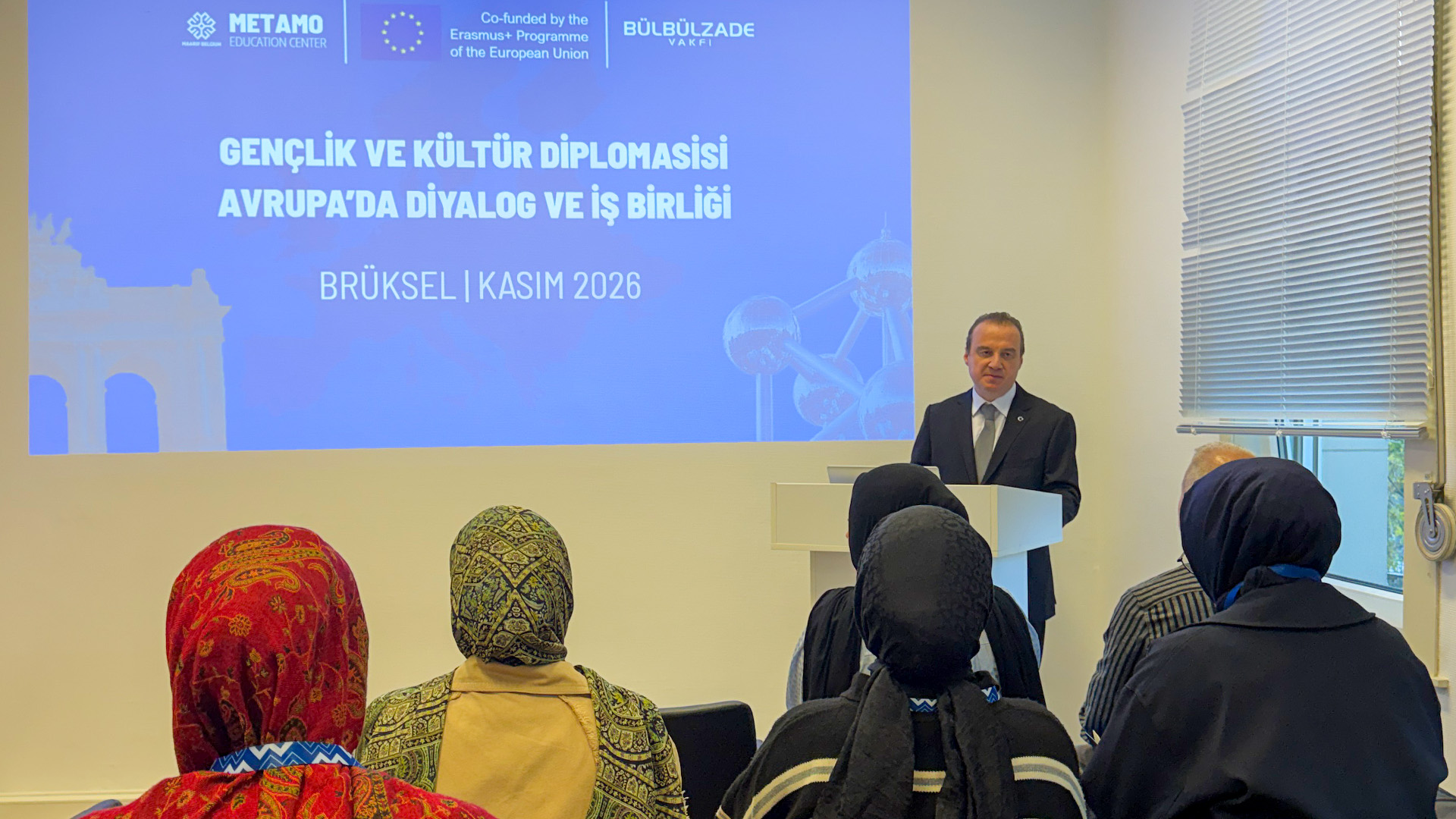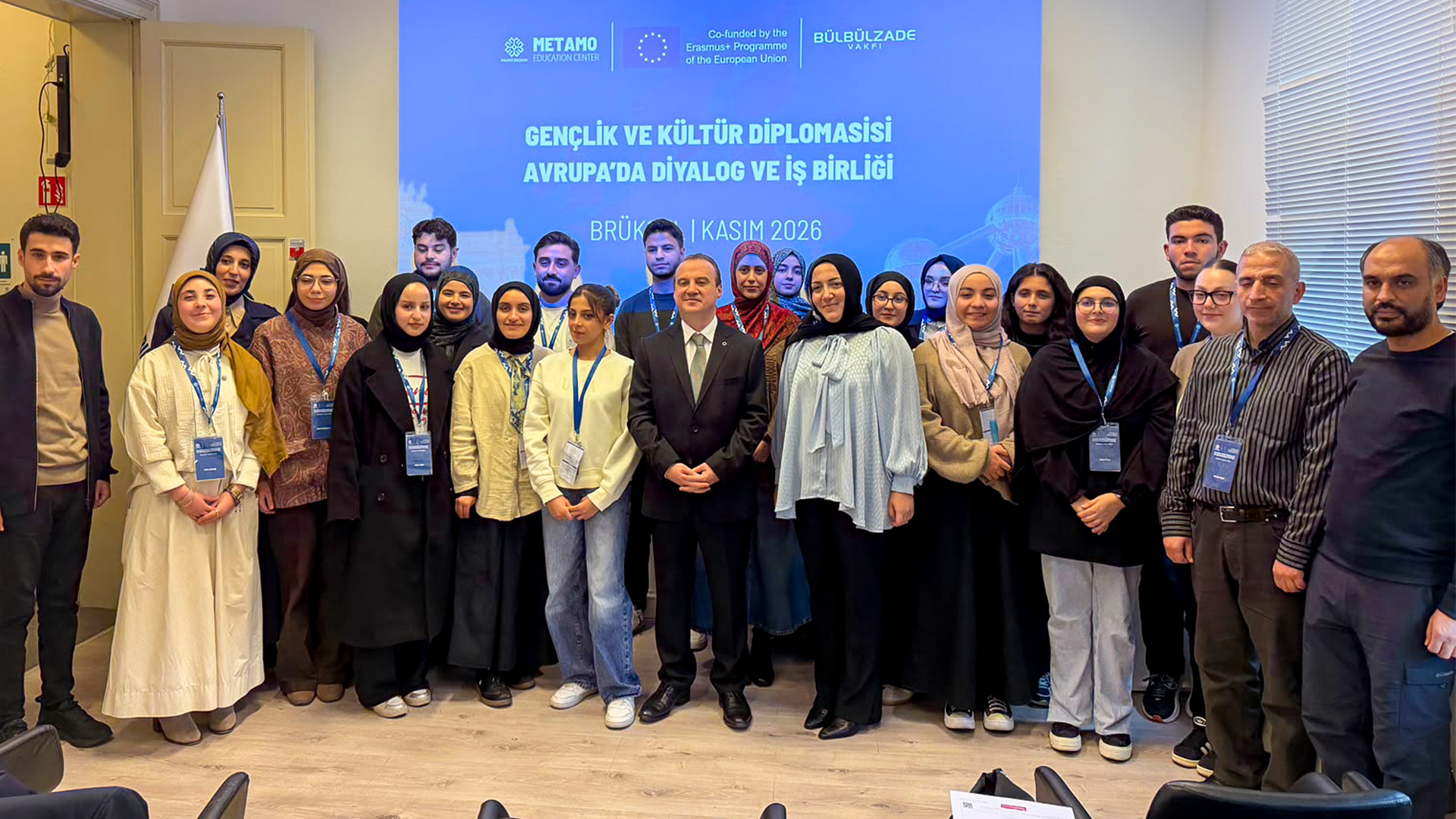
The youth mobility programme, organised in partnership with the Bülbülzade Association, the Anatolian Student Union (AÖB) and Maarif Belgium, was held in the cities of Brussels and Ghent.
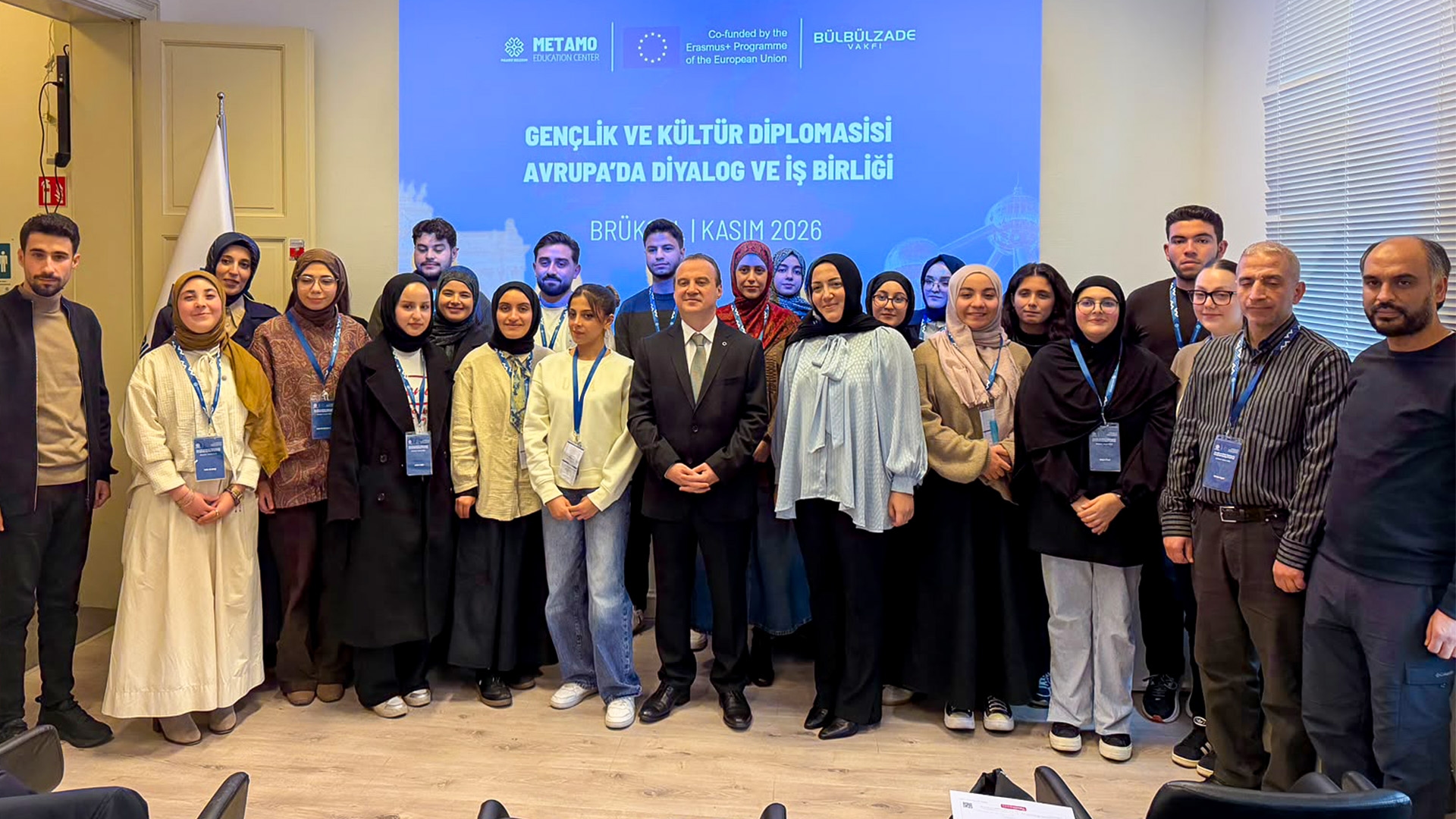
Implemented under the Erasmus+ KA151 Youth Mobility framework, the programme entitled “Youth and Cultural Diplomacy: Dialogue and Cooperation in Europe” took place between 10–14 November 2026, with the participation of young people from Türkiye and Belgium. The event addressed important topics such as intercultural dialogue, a culture of living together, civil society and European Union project opportunities, and featured expert presentations, workshops, institutional visits and cultural excursions.
OPENING, INTRODUCTIONS AND CULTURE DAY
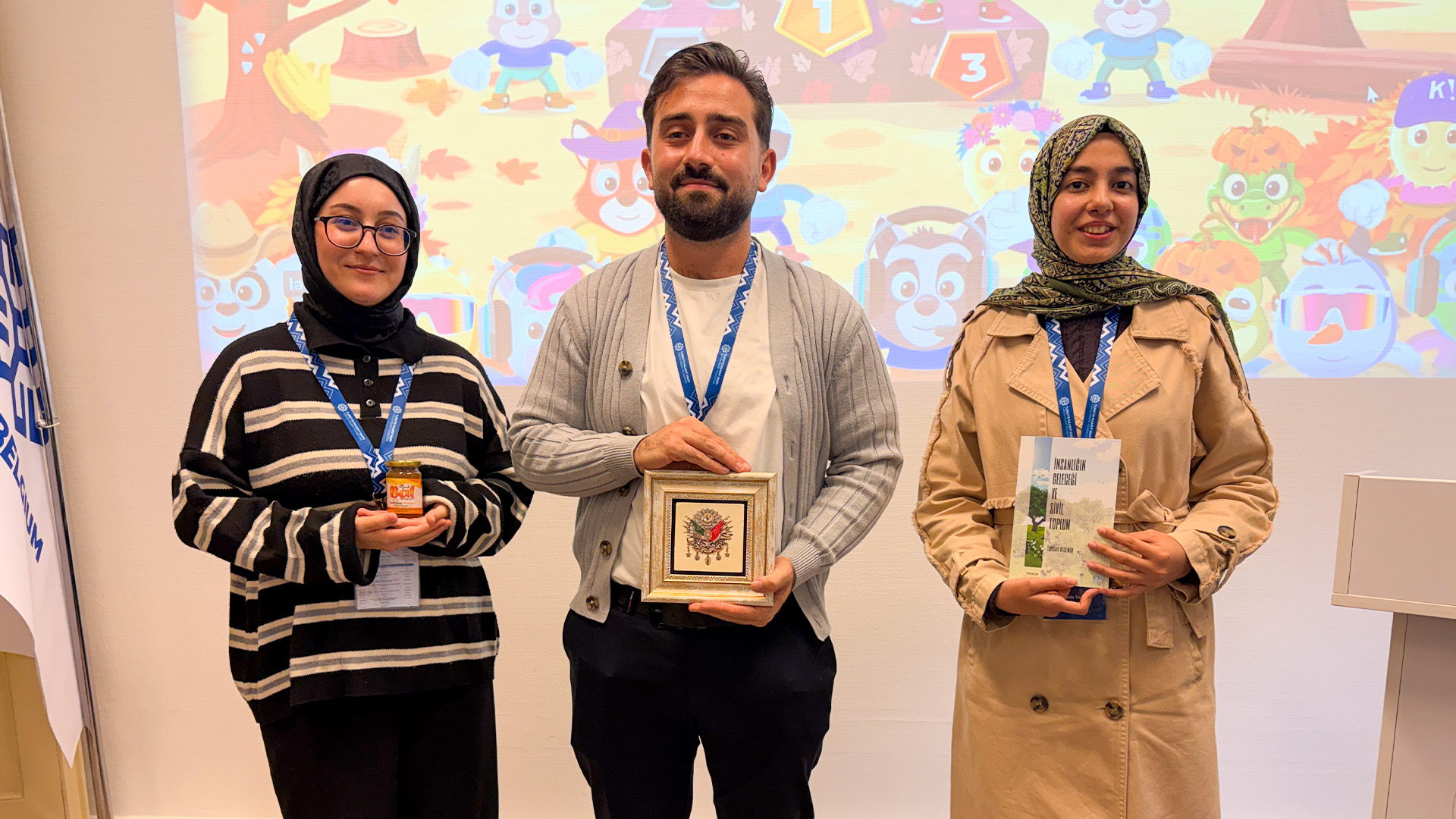
The programme began with an opening session and an introduction to the schedule of activities. This was followed by an expectations mapping exercise, during which participants shared their expectations from the programme, the topics they were curious about and the issues they wished to see addressed. During the Culture Day event held on the first day, young people from Türkiye and Belgium introduced foods, local products and various cultural elements from their respective cities and cultures. While sharing the items they had prepared, participants provided information about their cities, daily lives and cultural practices.
INTERCULTURAL DIALOGUE AND A CULTURE OF LIVING TOGETHER
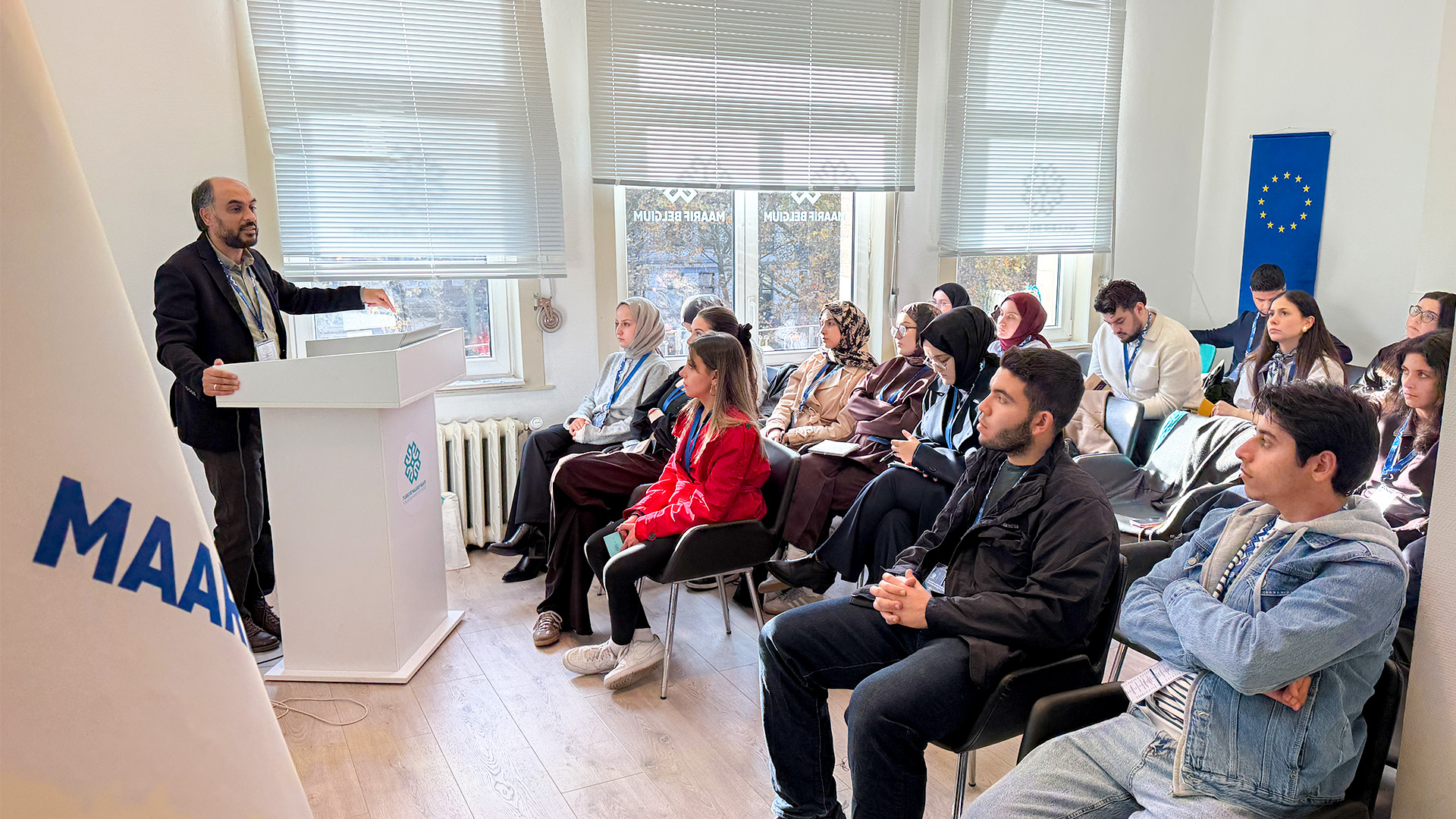
In his presentation entitled “Intercultural Dialogue and a Culture of Living Together”, Celal Er, Organisation Member of the Bülbülzade Foundation, addressed the experience of different cultures living together, mutual understanding, intercultural communication and social relations. During the question-and-answer session following the presentation, young participants shared their views through examples from their own environments and their interactions with different cultures.
CIVIL SOCIETY, YOUTH AND LOCAL GOVERNMENTS IN EUROPE
In his presentation entitled “Cooperation Between Civil Society, Youth and Local Governments in Europe”, Senator and Mayor Hasan Koyuncu spoke about local government structures in Europe, the fields of activity of civil society and the role of young people in decision-making processes. The presentation examined the opportunities and limitations affecting young people's participation in decision-making processes. Potential methods for enabling young people to take a more active role in local governments, civil society organisations and various decision-making mechanisms were also discussed.
INTERNATIONAL NETWORKING STRATEGIES FOR CIVIL SOCIETY AND YOUNG PEOPLE
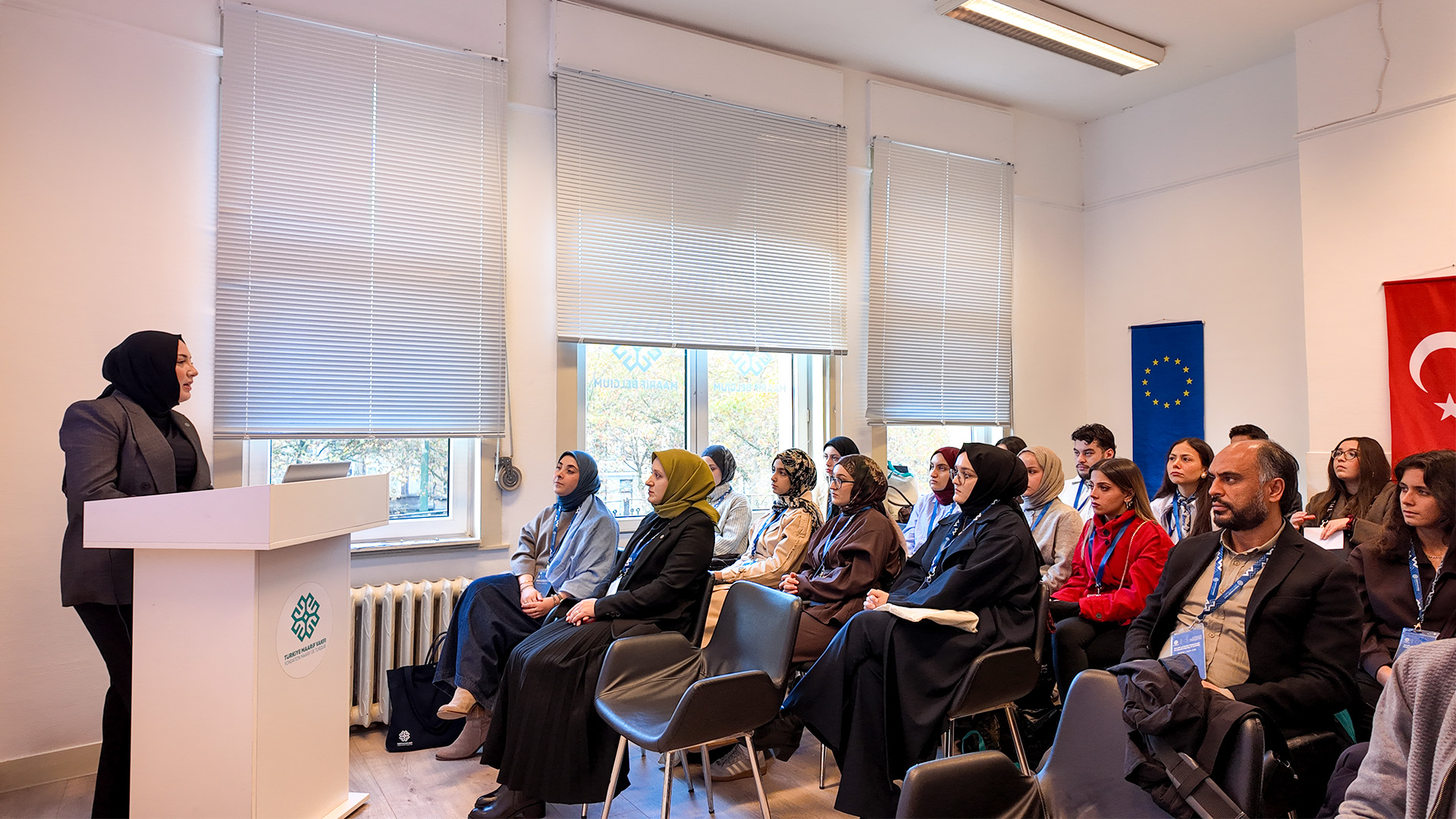
In her presentation, Büşra Doğan, Country Representative of the Türkiye Maarif Foundation in Belgium, examined methods through which young people and civil society organisations can establish international connections. The presentation focused on international youth activities, institutional partnerships, project-based collaborations and the creation of lasting communication networks between youth organisations in different countries. Examples were shared of how young people can establish new connections and transform these relationships into joint projects in the future. The seminar also discussed youth councils, consultation mechanisms, relations with local governments and platforms through which young people can communicate their projects and ideas to decision-makers.
NEW GENERATION DIPLOMACY: YOUTH, CIVIL SOCIETY AND CULTURE
In his presentation, Enes Usluer discussed the changing nature of diplomacy, the role of civil society in this process and the roles young people can undertake in international relations. Through examples of Erasmus+, the European Solidarity Corps and other European Union project opportunities, the presentation explored how young people can come together with their peers from different countries, develop joint projects and become part of international networks. Particular emphasis was placed on the significance of these mobility activities in terms of cultural diplomacy and youth diplomacy, while examining the roles young people can undertake as actors establishing direct communication between different societies.
WORKSHOPS ON SHARED VALUES, A COMMON FUTURE AND LIVING TOGETHER
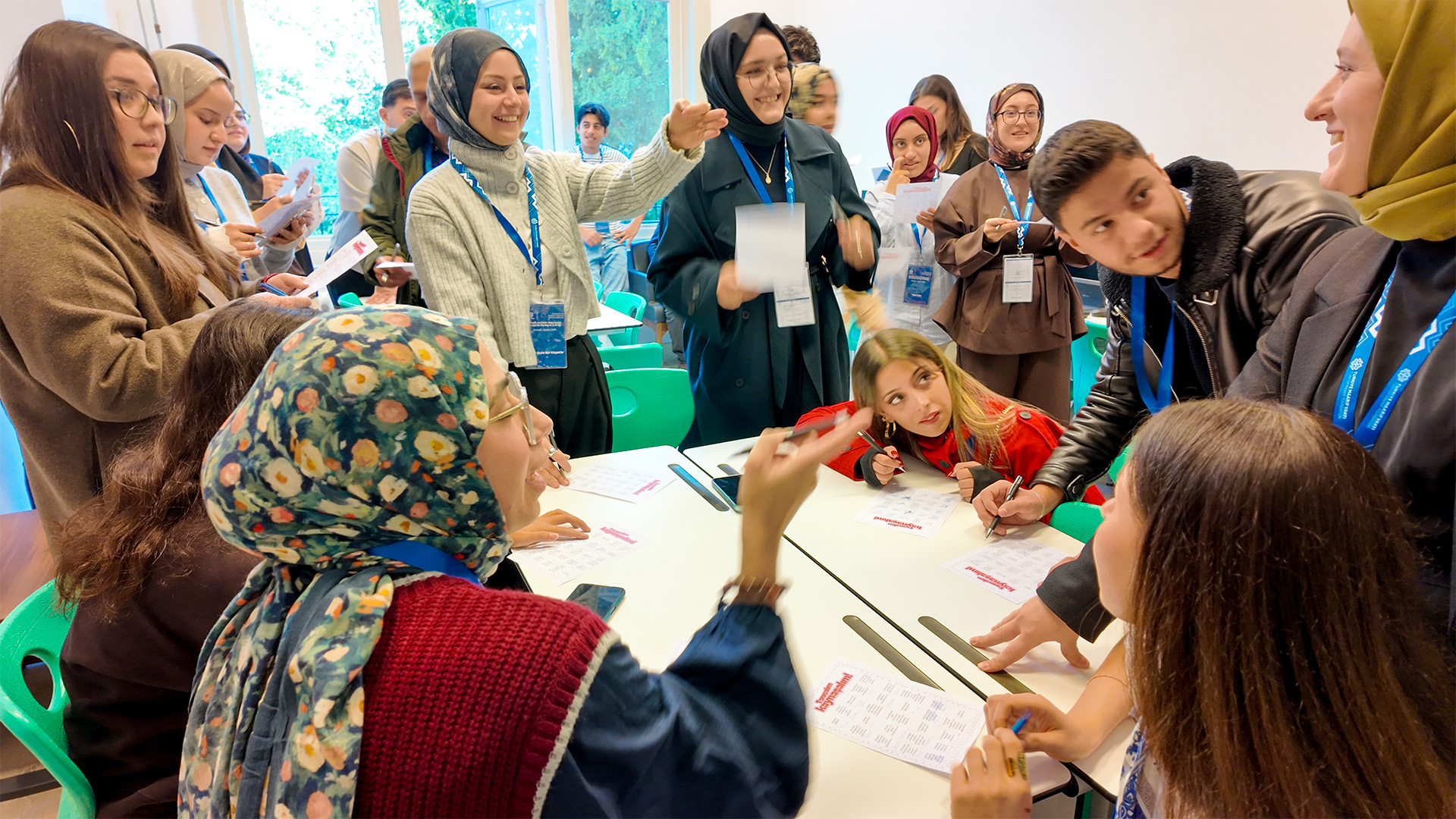
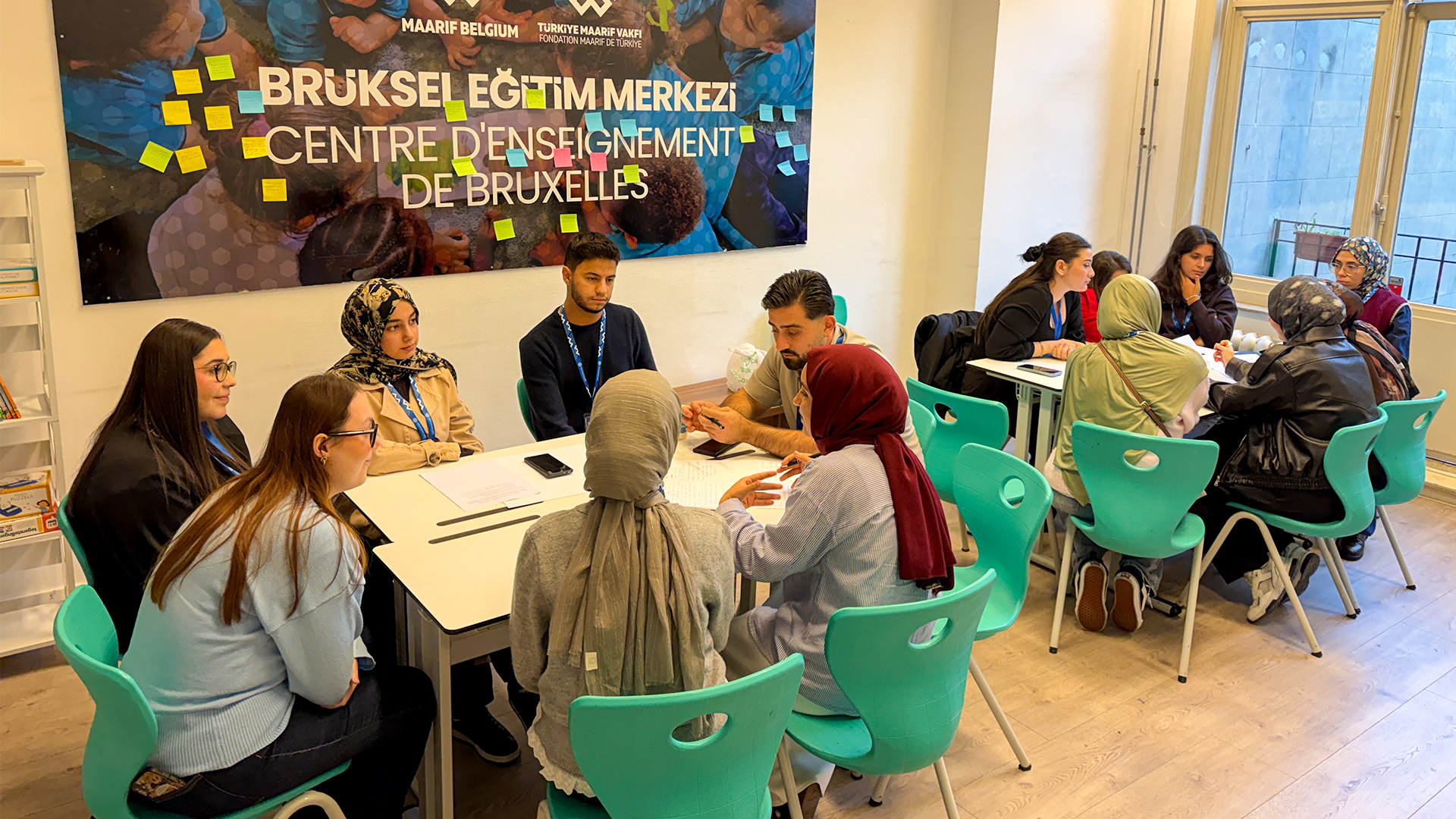
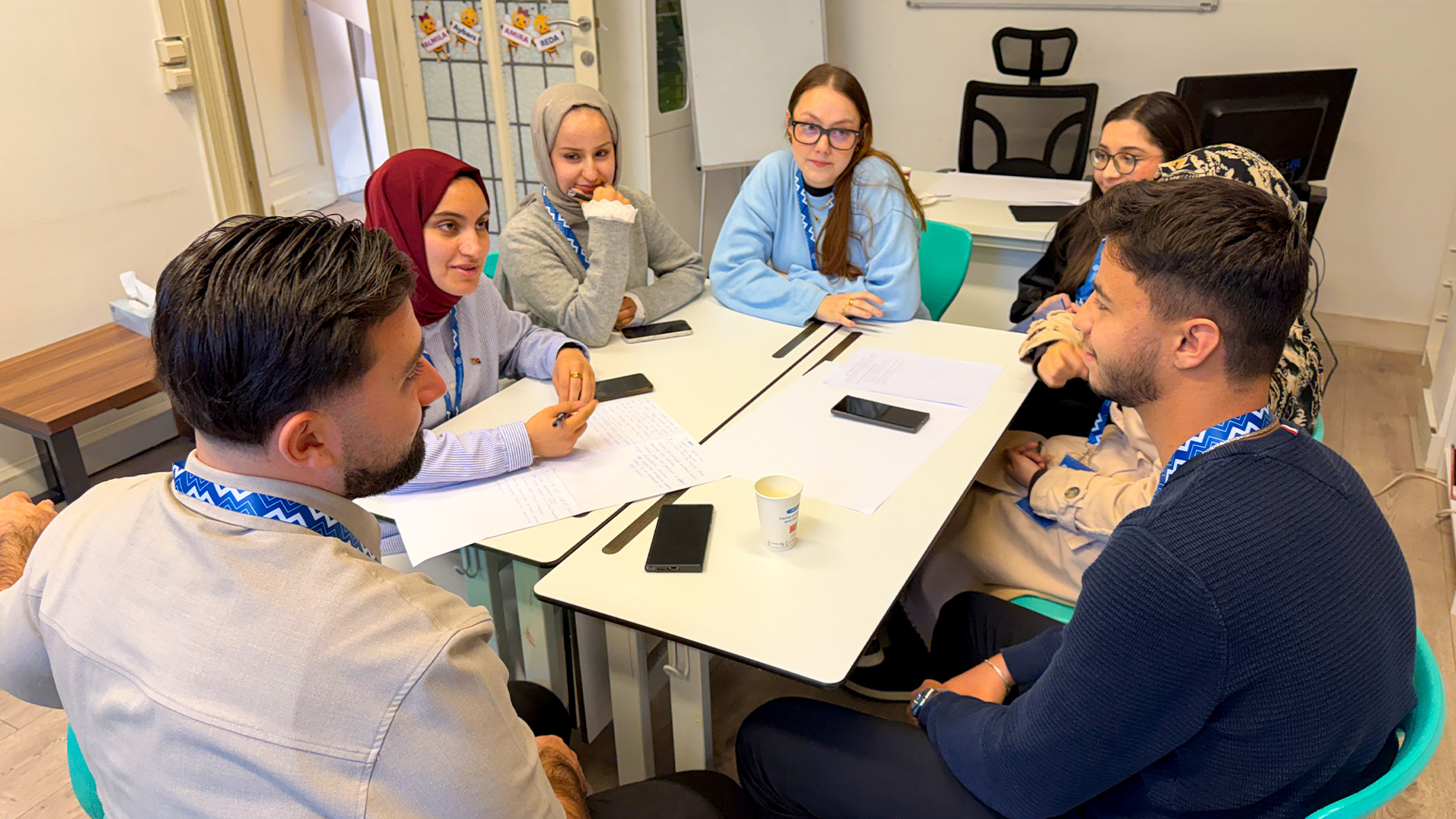
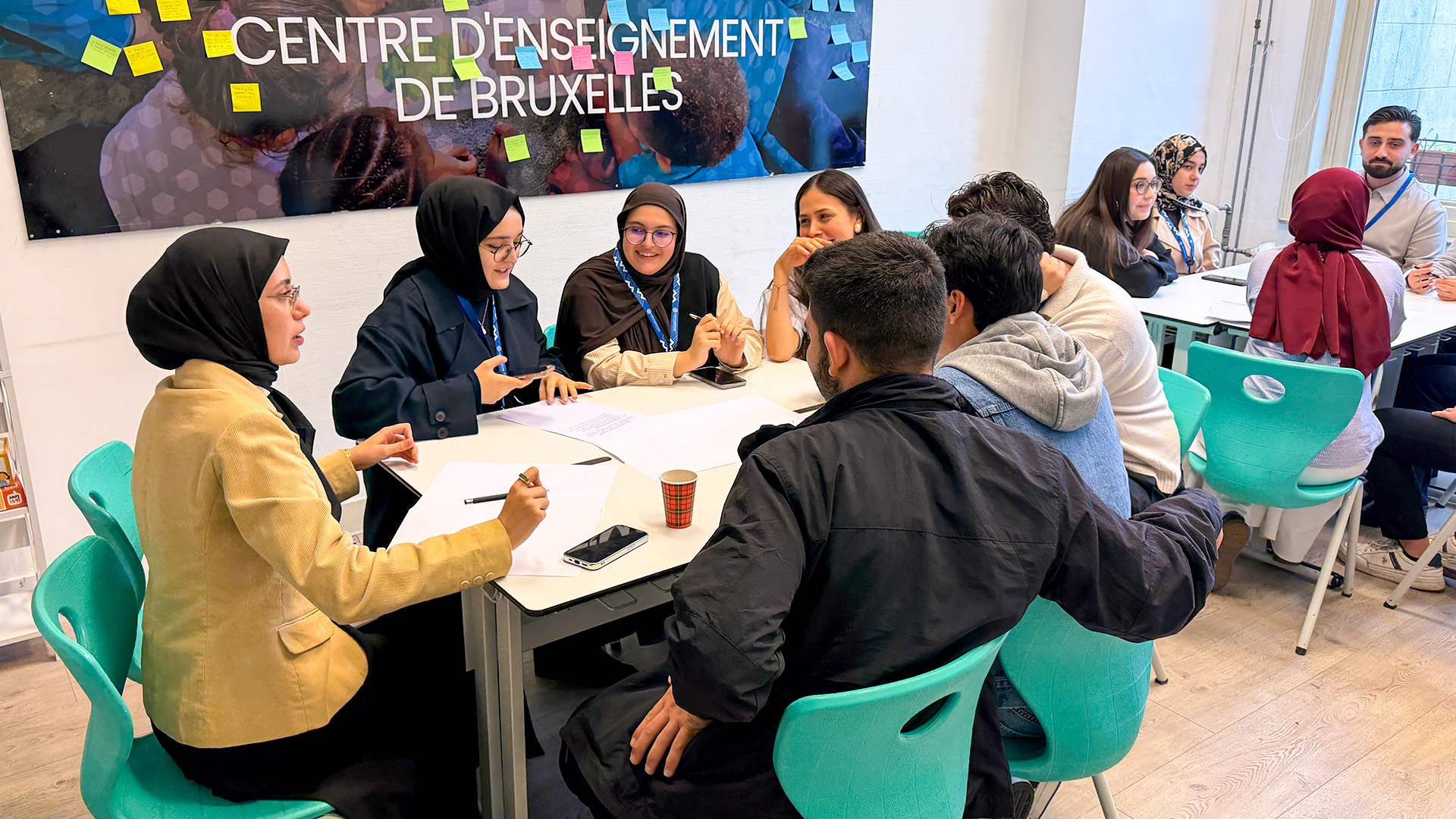
The workshop entitled “Shared Values, Common Future – Youth Cooperation” was conducted using a station-based model. Participants were divided into groups and generated ideas about experiences that bring different cultures closer together, as well as the shared values and responsibilities of living together. Each group reviewed the notes left by the previous group and added new opinions and suggestions.
In the workshop entitled “Living Together with Different Identities – The Perspective of Young People”, the responsibilities that civil society organisations, state and public institutions, international organisations and young people can undertake in this field were discussed. Participants prepared suggestions on intercultural communication, young people's participation in social life, volunteering, representation and joint activities. The opinions developed during both workshops were brought together to create a final declaration on the active participation of young people.
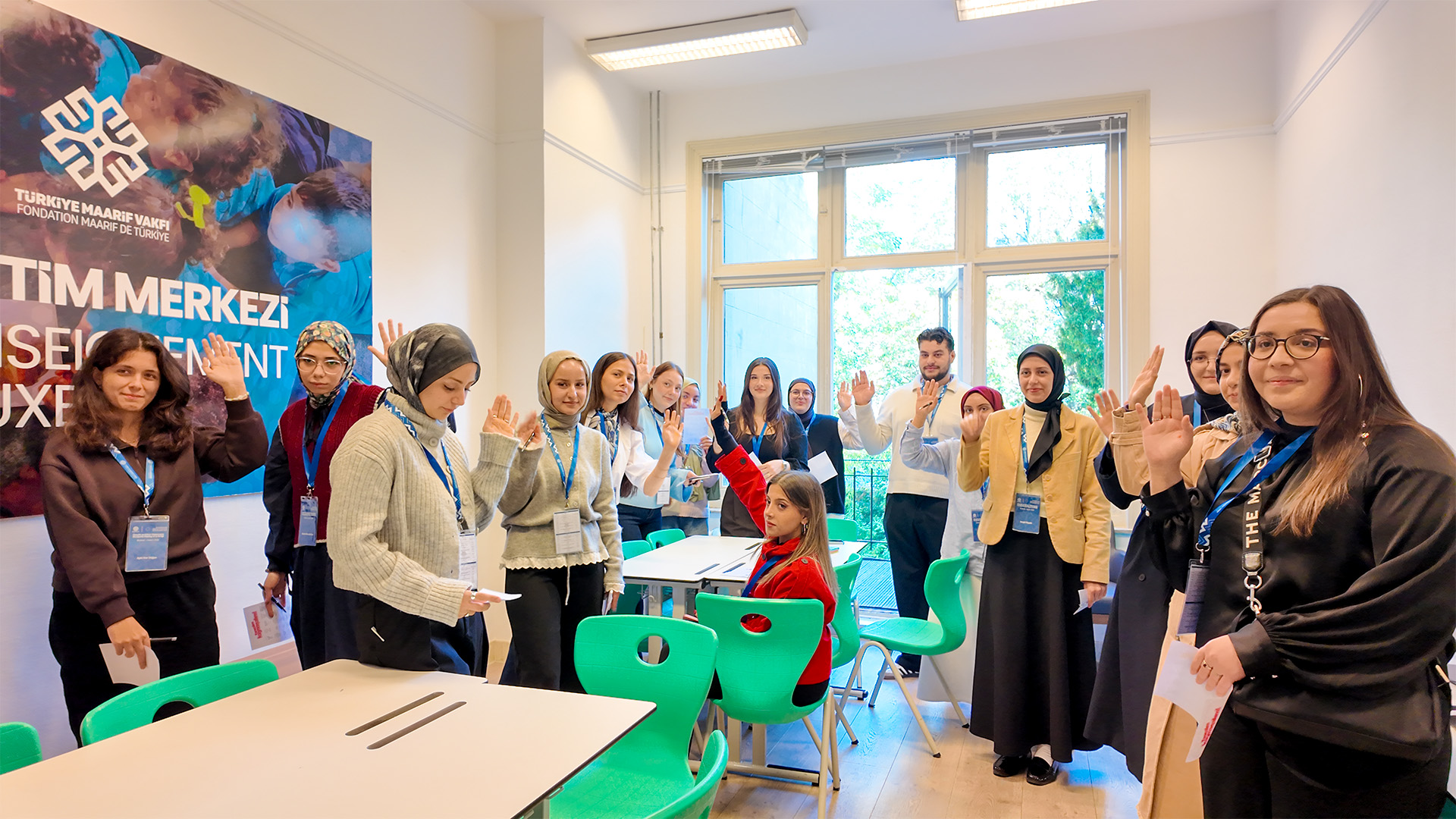
As part of the programme, a knowledge quiz themed around cultural diplomacy and European institutions was also held via Kahoot to help participants review the topics covered.
VISIT TO THE EUROPEAN PARLIAMENT AND PARLAMENTARIUM
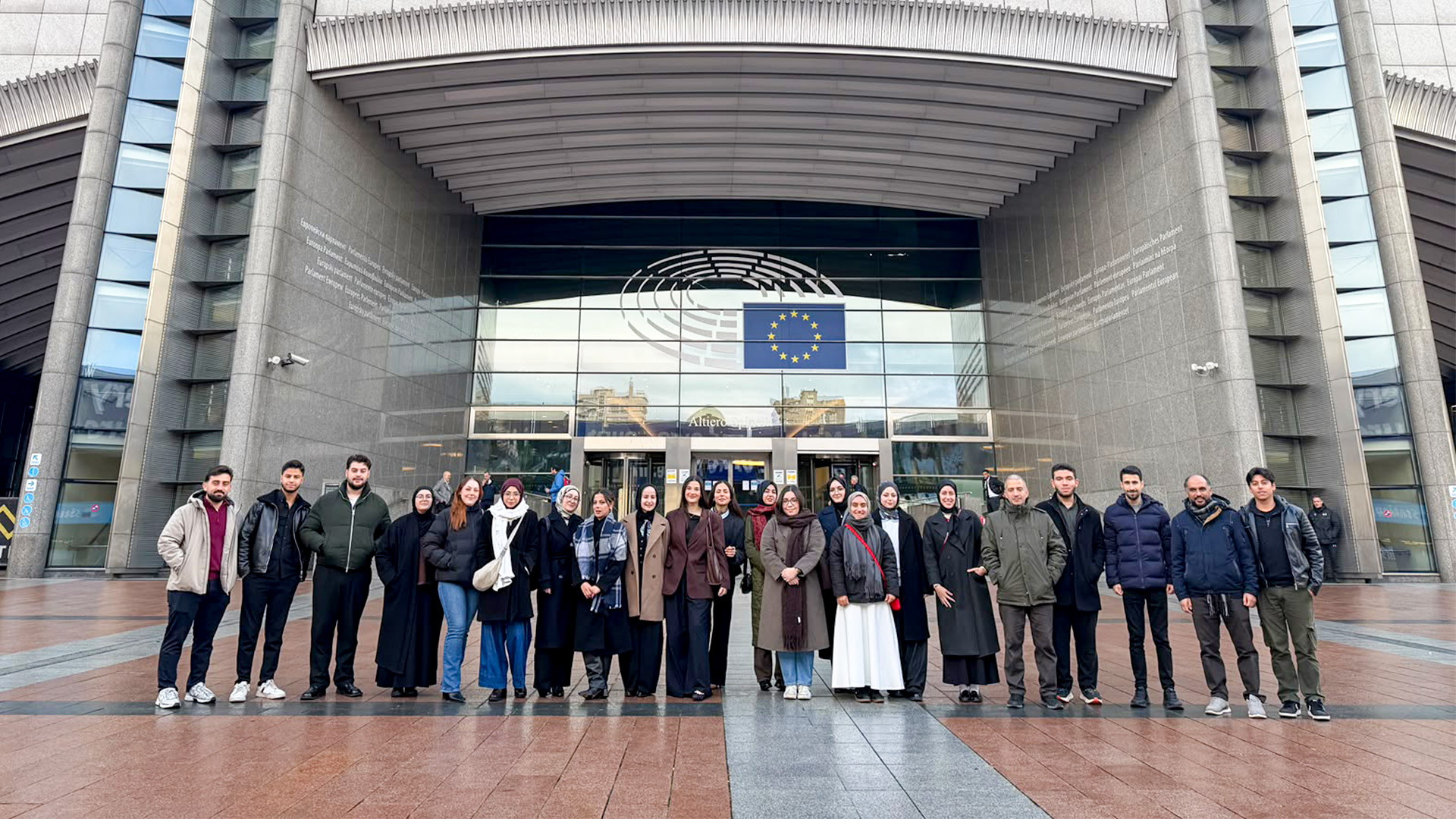
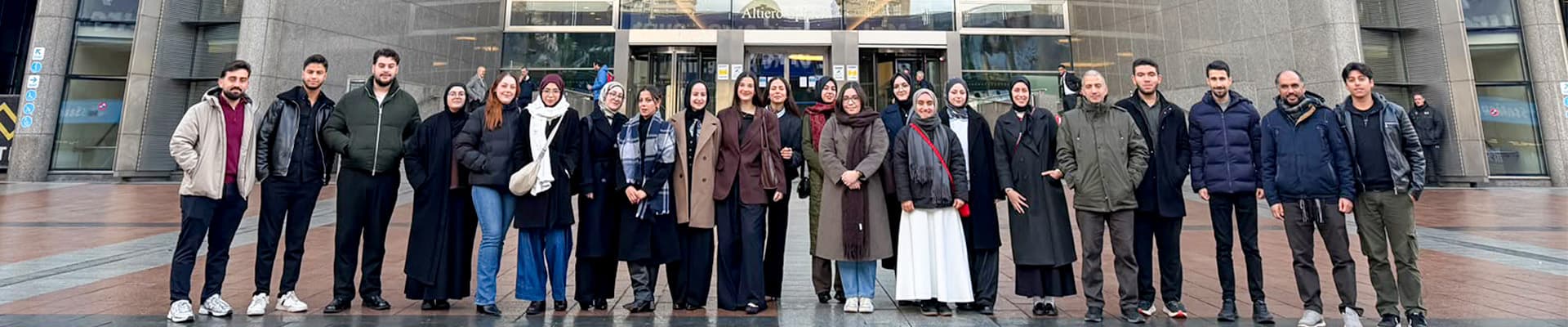
As part of the field activities, participants visited the Parlamentarium. The structure of the European Parliament, the historical development of the European Union and its decision-making processes were explored through multilingual multimedia content. During the European Parliament programme, participants received information about the institution's areas of activity, Europe's political structure and decision-making processes. The role of young people in European decision-making mechanisms was also among the topics addressed during this visit.
CULTURAL TOURS OF BRUSSELS AND GHENT
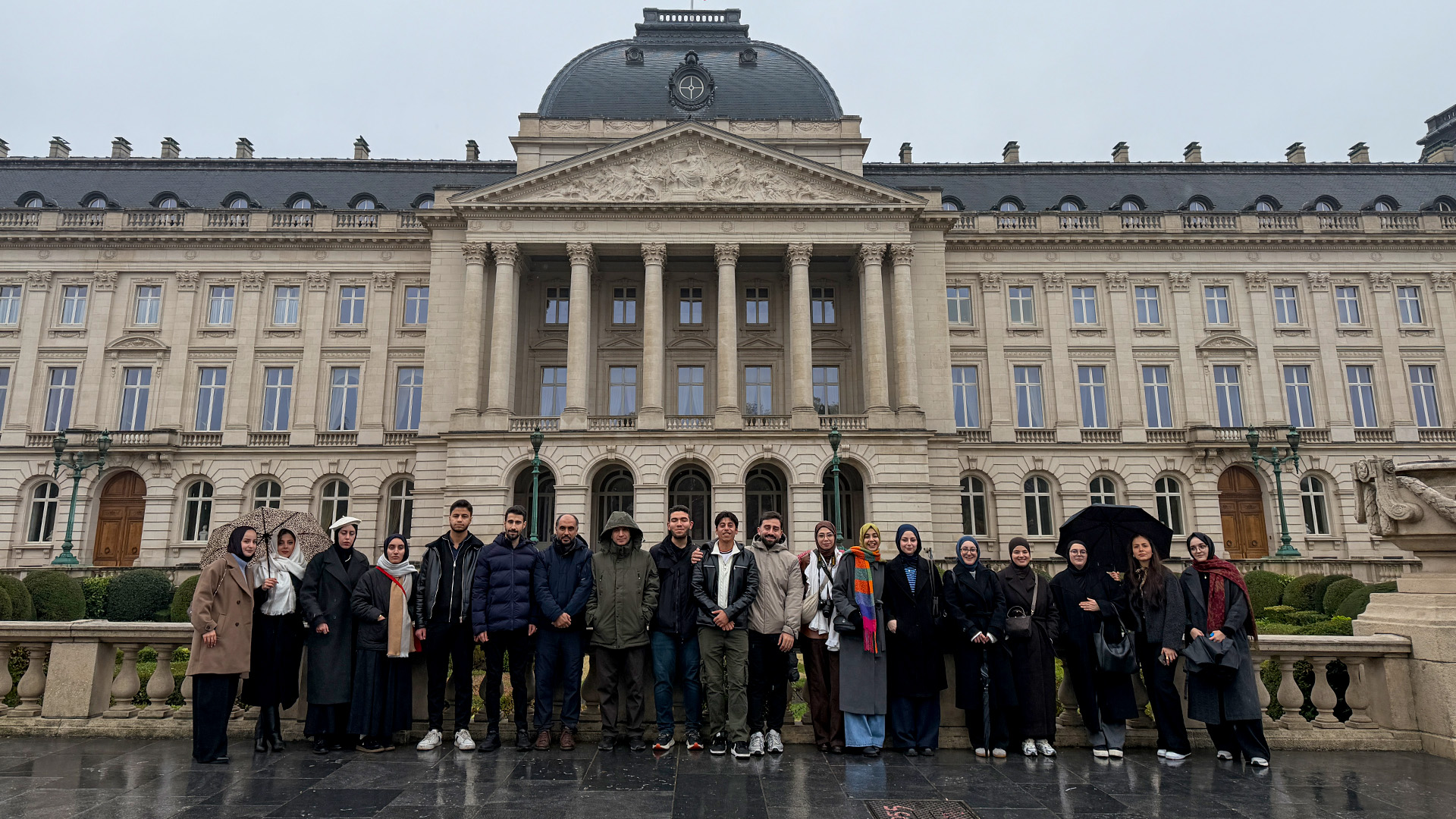
During the Brussels programme, the city's historical and cultural landmarks were visited. The walking tour along Rue Royale included Colonne du Congrès, Parc de Bruxelles, the Royal Palace, Place Royale and Mont des Arts. The programme continued with visits to Galeries Royales Saint-Hubert, Grand-Place and Manneken Pis. The Atomium was also one of the stops on the Brussels tour.
In Ghent, participants explored the city's historic centre, visiting the Graslei and Korenlei quays, Sint-Baafs Cathedral, the Belfry and Gravensteen Castle. As part of the programme, the Maarif Belgium centre in Ghent was also visited, where participants received information from institutional representatives about youth work and cultural diplomacy activities.
EVALUATION AND CLOSING
In the final part of the programme, participants revisited the expectations map prepared on the first day. They evaluated the expectations they had expressed at the beginning of the programme in comparison with the activities carried out. The topics discussed during presentations, workshops, visits and group activities were reviewed from beginning to end during the closing session.
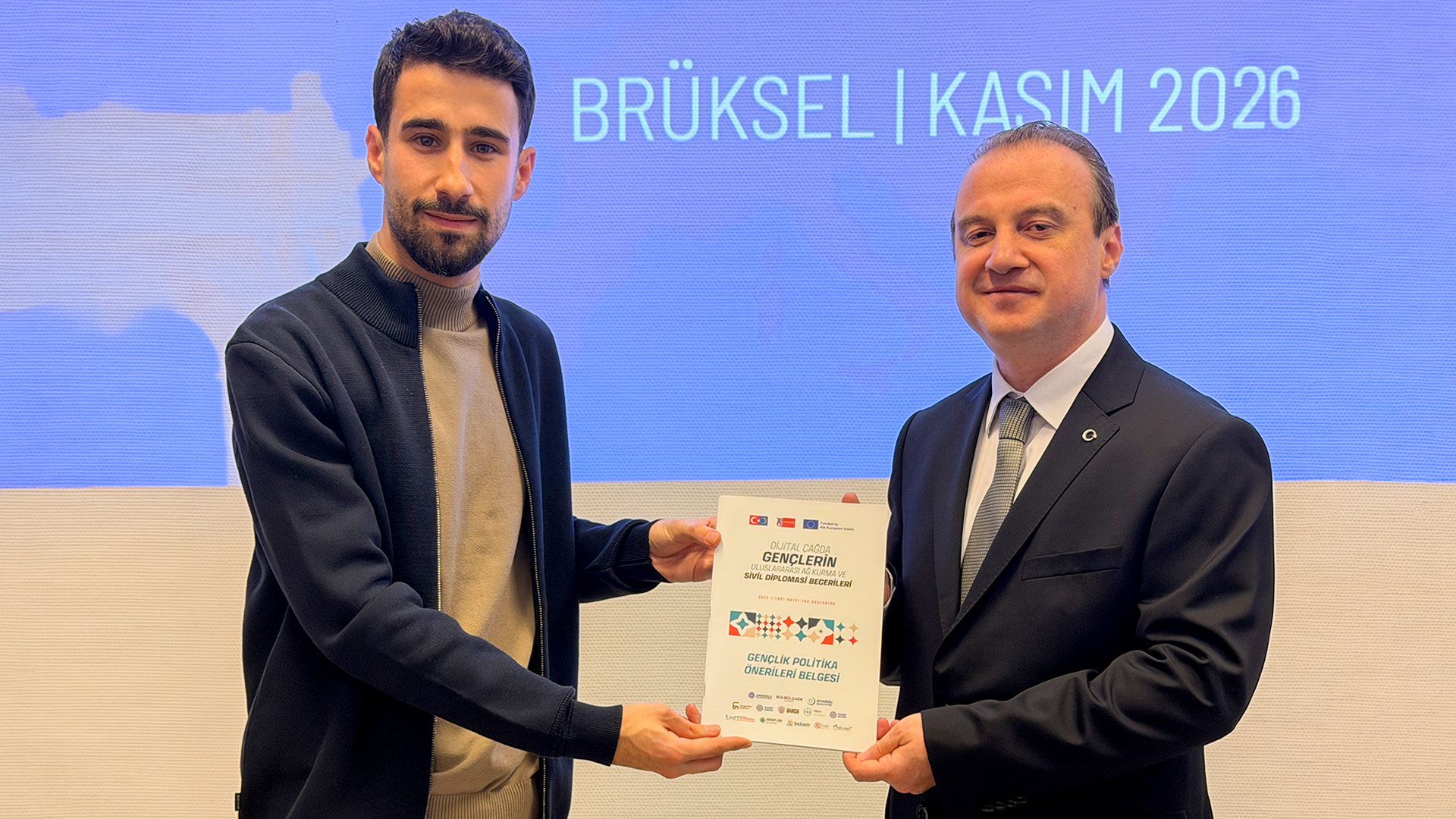
The programme concluded with the presentation of certificates to participants by Onur Sevim, Consul General of the Republic of Türkiye in Brussels.