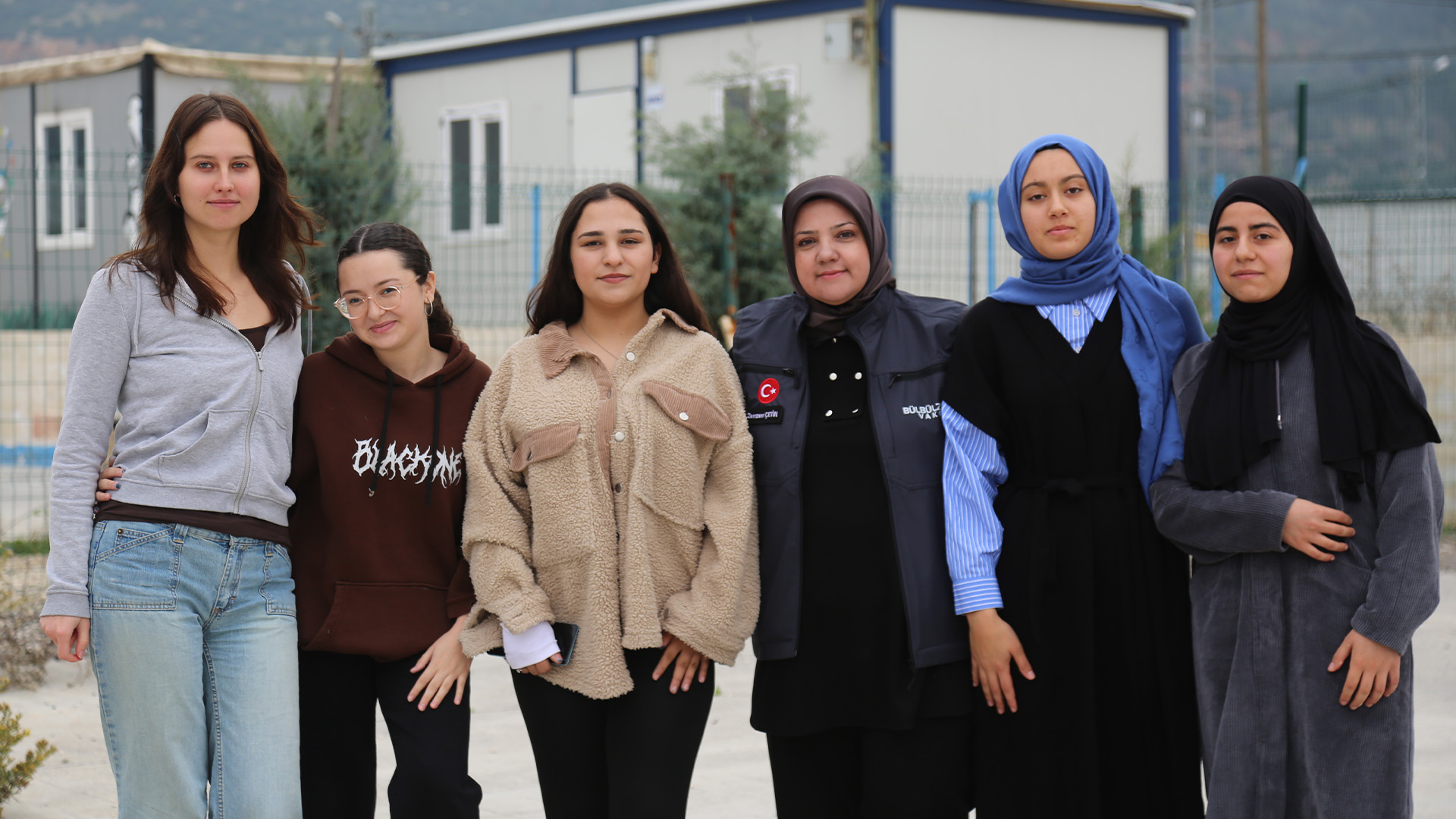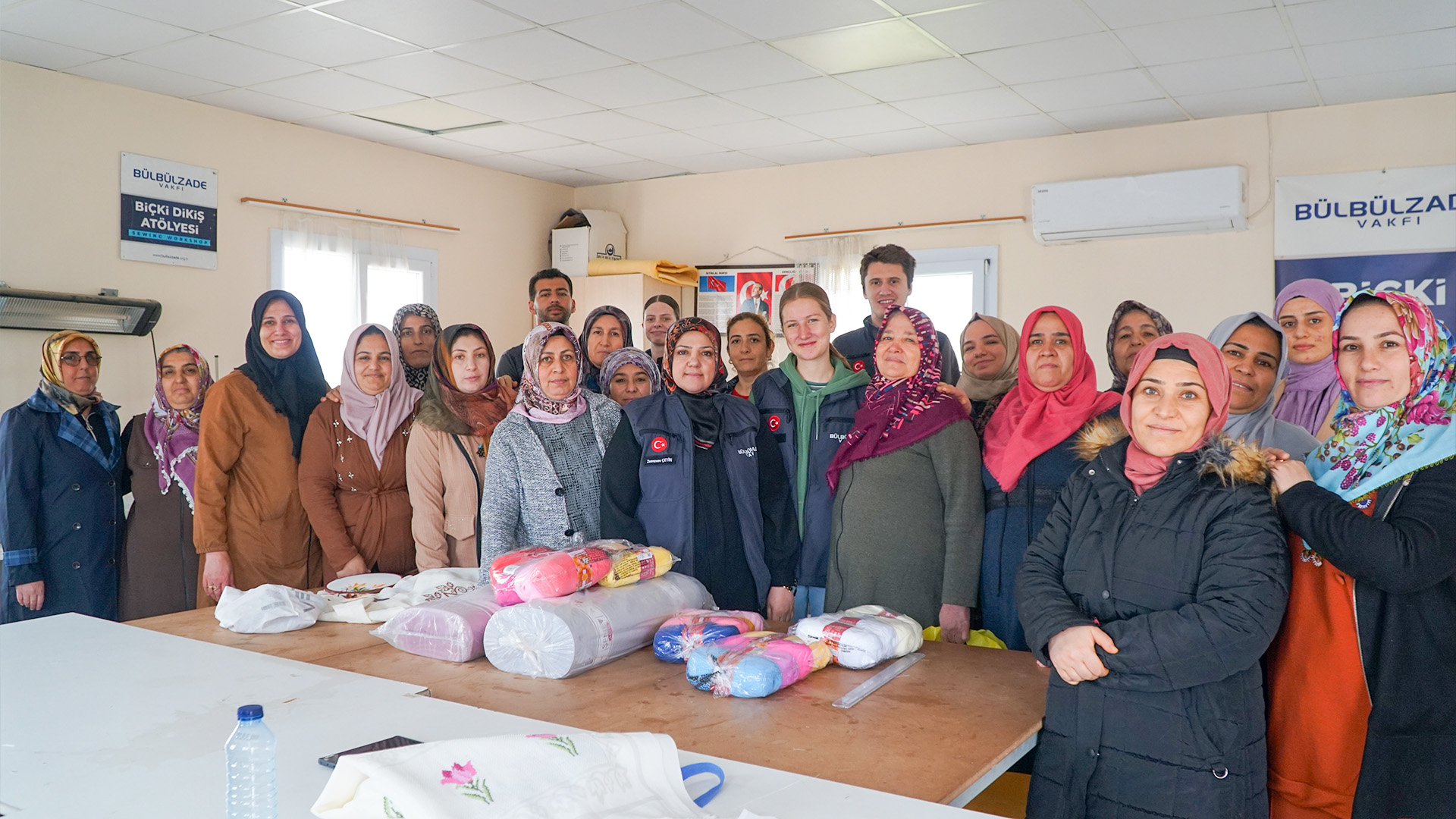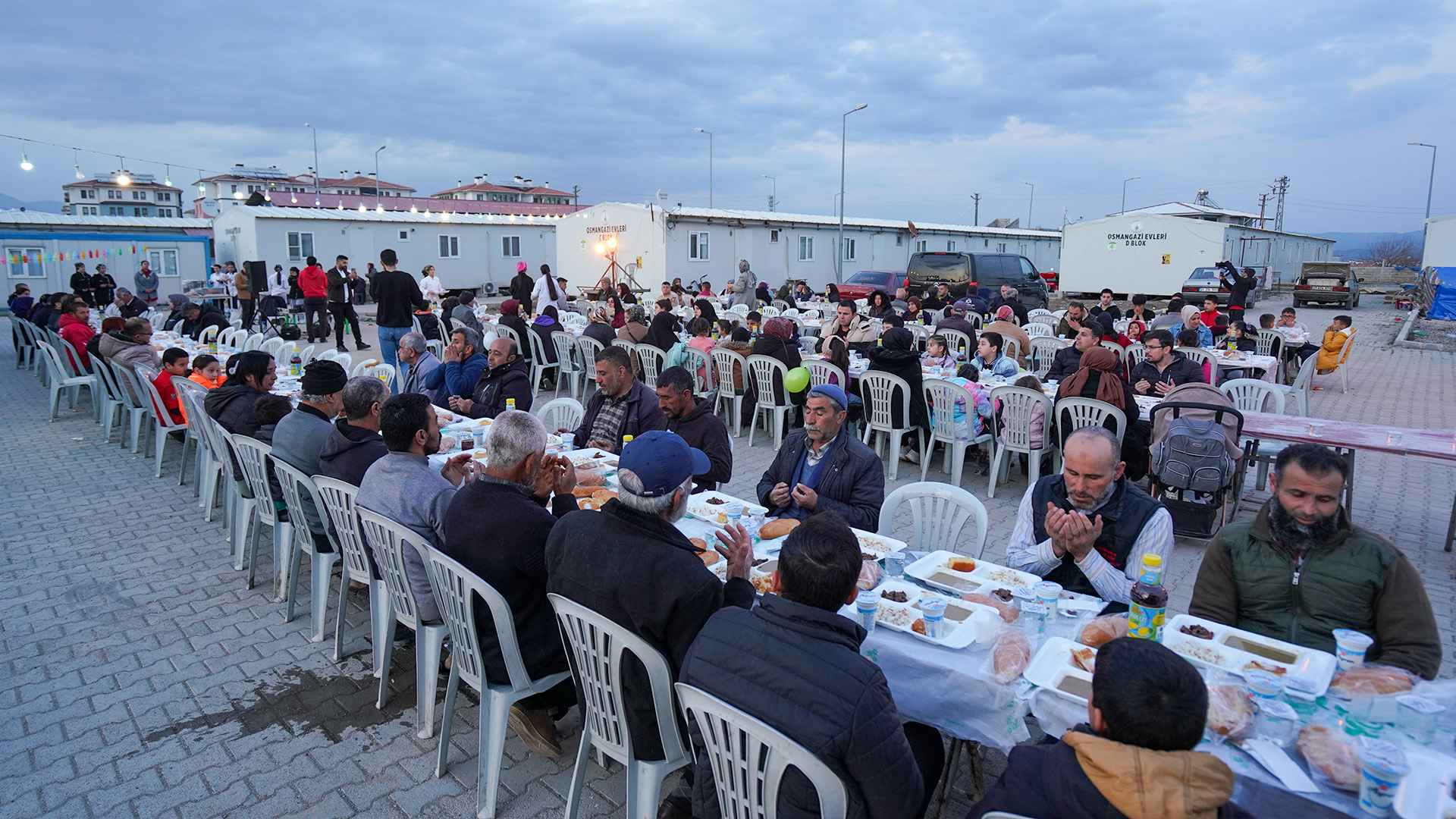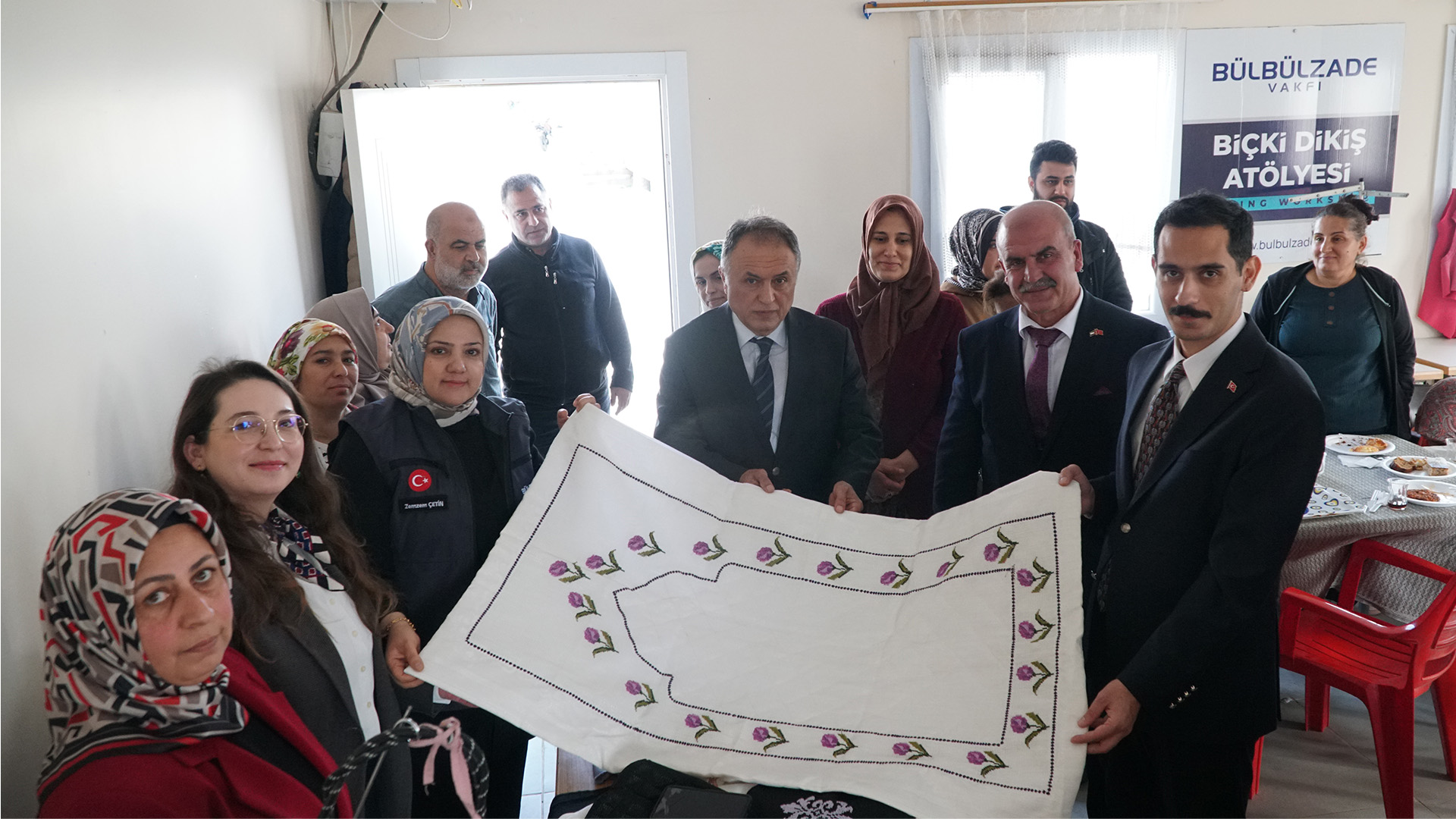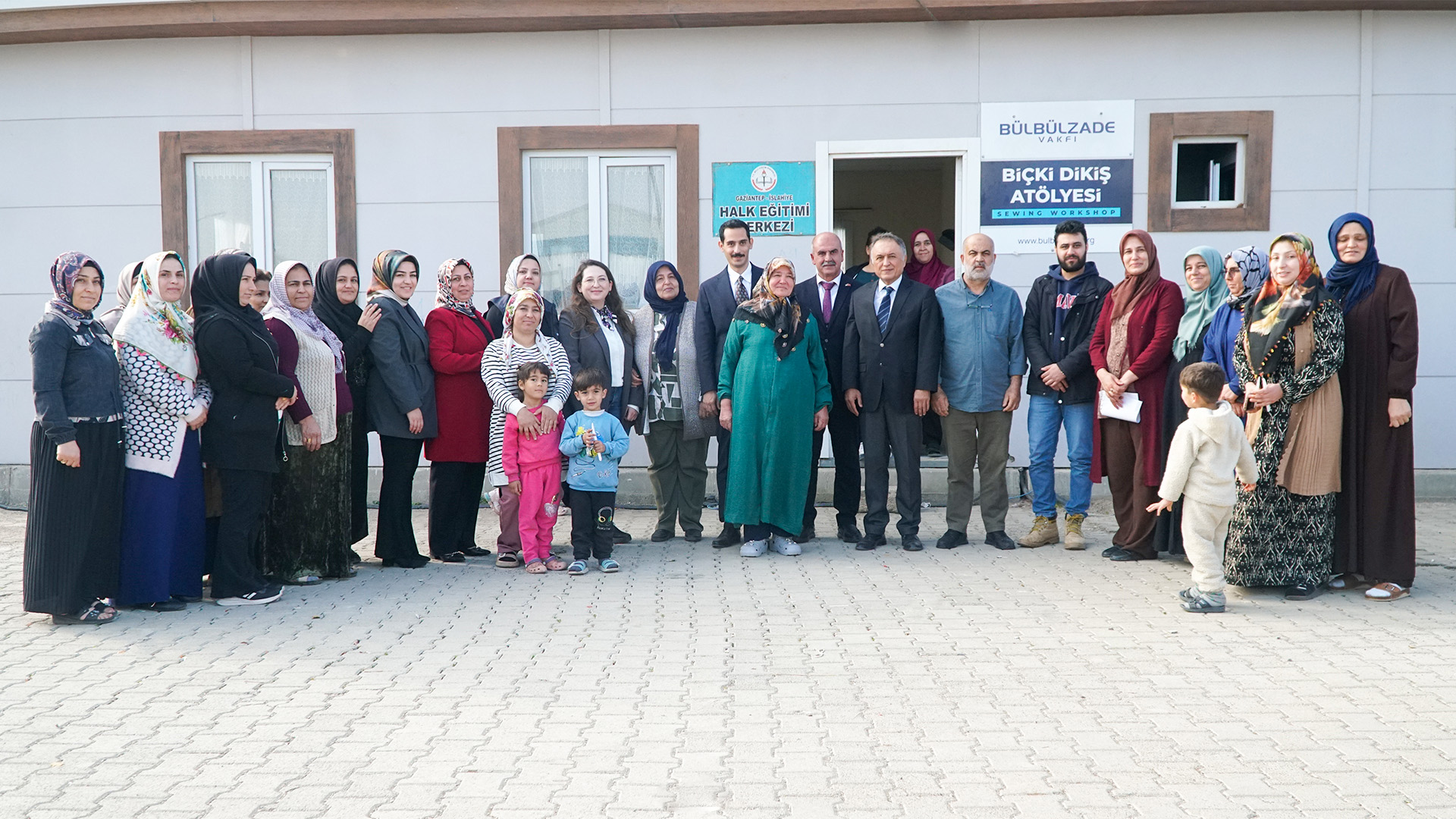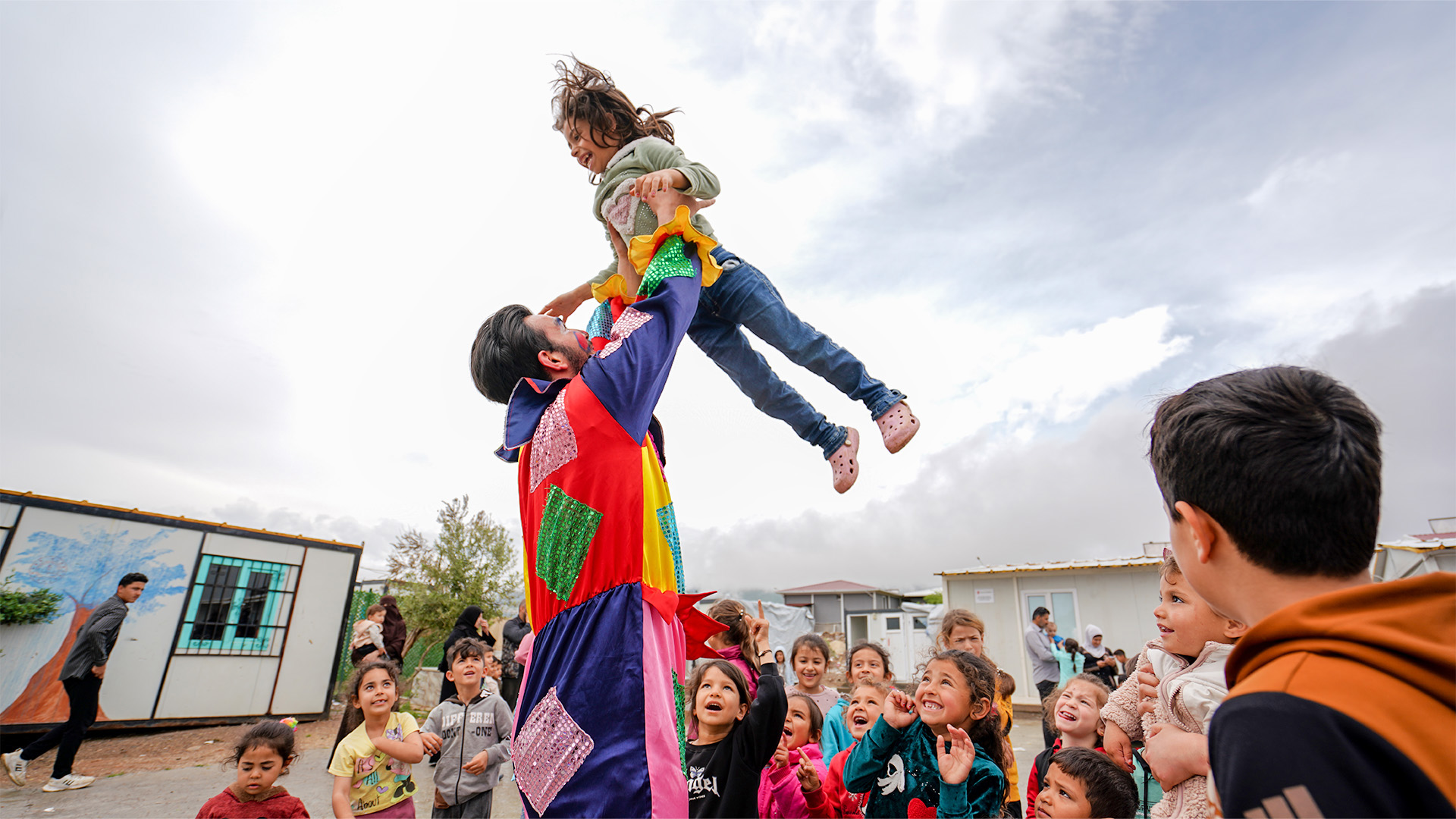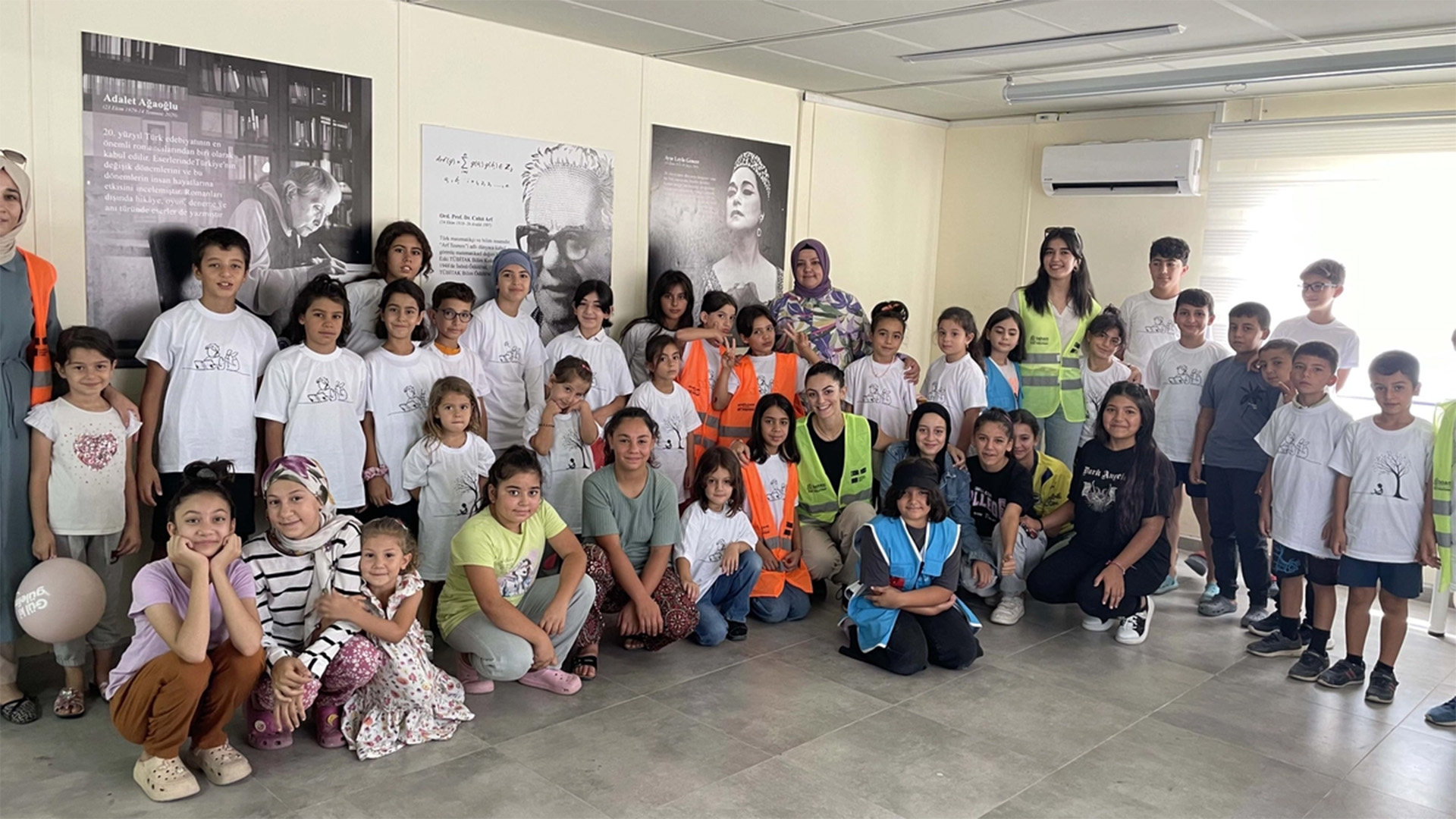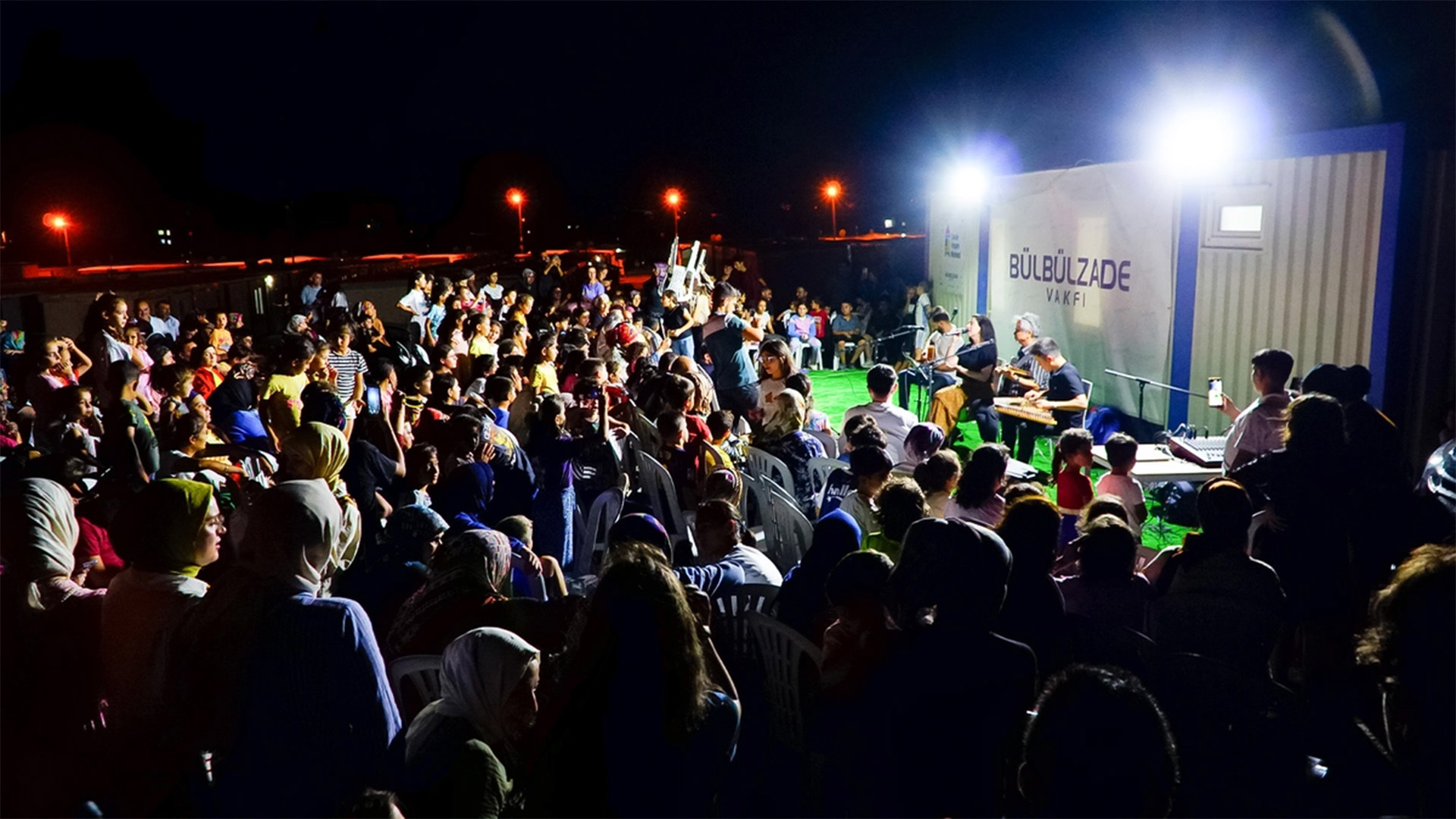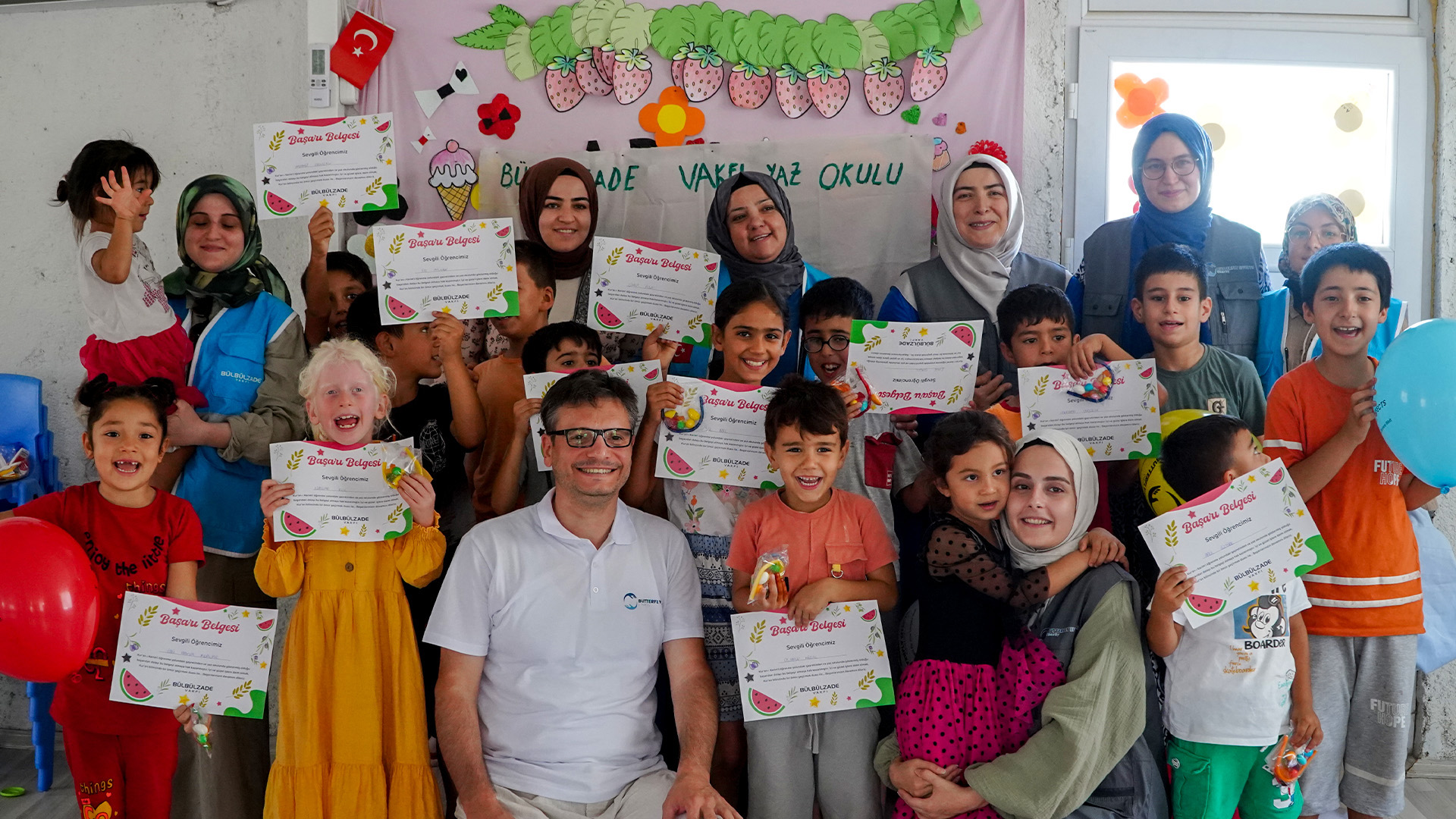
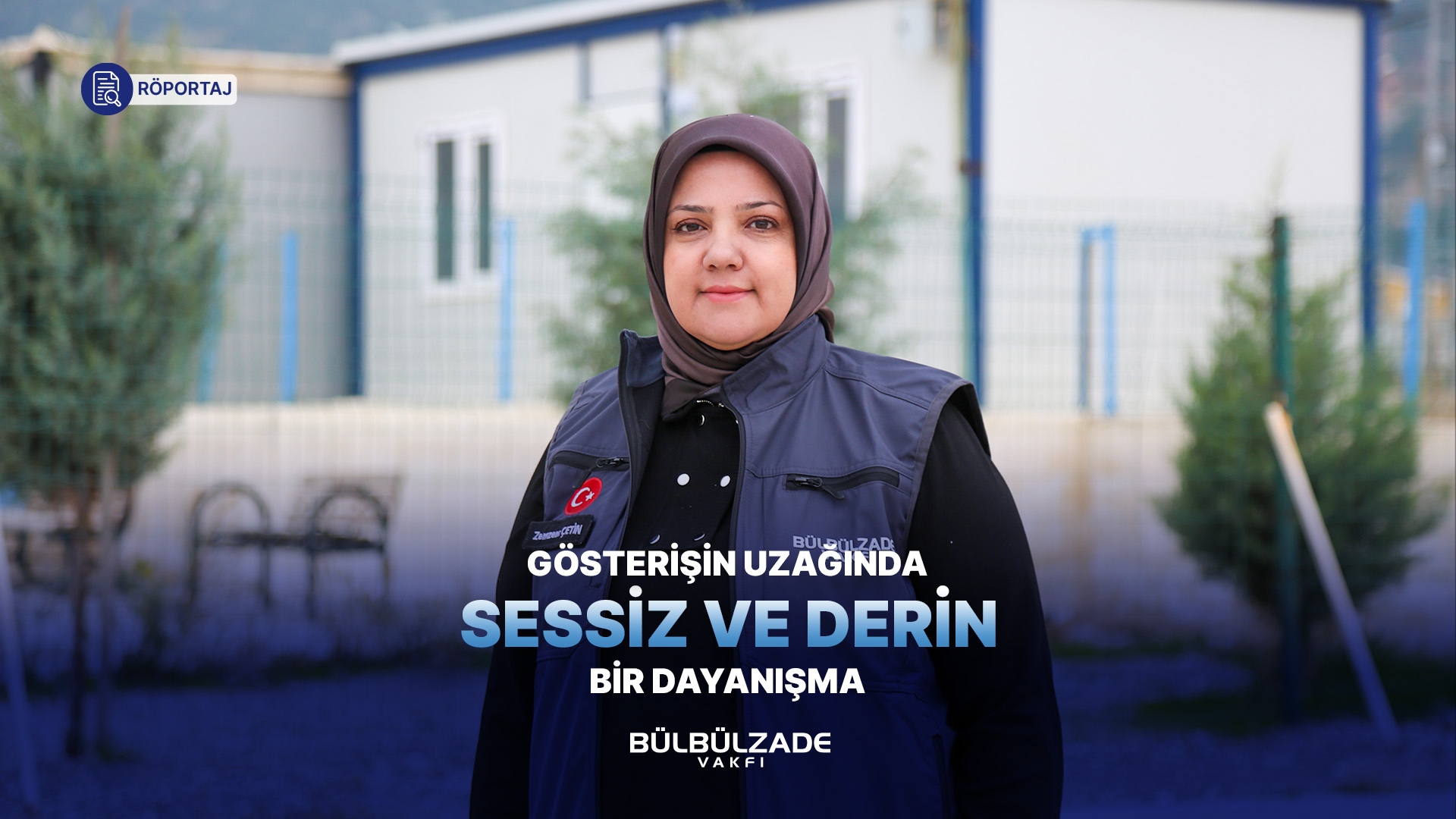
In the four years since the great disaster, while civil society organisations have largely withdrawn from the region, the Bülbülzade Foundation continues to remain active on the ground with the same determination it demonstrated on the very first day. Zemzem Çetin, Head of the Post-Disaster Coordination Unit, spoke about the journey of local residents as they moved beyond merely receiving aid and began holding on to life again through production.
The nearly four-year period since the great destruction has shown that although the nature of the suffering in the disaster region has changed, its depth remains. Thousands of aid organisations that filled the streets and tent cities during the first months gradually withdrew from the field. The Bülbülzade Foundation, one of the few teams that remains, does not see aid as merely providing hot meals or shelter; instead, it is helping local residents heal their wounds through a much more lasting vision. Zemzem Çetin, Head of the Foundation's Post-Disaster Coordination Unit, is personally leading the transition of this challenging process from the stage of physical assistance to one of psychological and social recovery. Establishing sustainable living centres for women and children in areas such as İslahiye and Nurdağı, where the destruction was most severe, Çetin emphasises that they do not want people to remain in the passive position of disaster victims. We spoke with Çetin, who is rekindling hope through sewing and handicraft workshops in the region, about this dignified story of solidarity taking root amid the ruins.
A long time has passed since the disaster, and many aid organisations from outside the region are gradually withdrawing. The Bülbülzade Foundation, however, continues to remain active on the ground with the same determination it had on the first day. How would you describe the profound sense of responsibility that distinguishes your organisation from others and enables you to stand so firmly amid the ruins?
Nearly four years have passed since the disaster. In the first days of the disaster, there were more than a thousand civil society organisations in the region. Following the first few months, the vast majority of these organisations left the field. At the point we have reached today, almost no civil society organisations remain active in the region. As the Bülbülzade Foundation, we have never regarded the aid process solely as meeting people's material needs at that particular moment. From the very beginning, we believed that the ten years following a disaster were just as important as the first days. For this reason, we went beyond in-kind assistance and carried out educational, production-based and social support activities for children, young people and women. I believe the most important thing that distinguishes us is our approach to aid from a different perspective. While our state was rebuilding warm homes for people, we also wanted to take part in rebuilding society. It is possible to rebuild buildings, but rebuilding lives and hopes requires time, effort, volunteerism and continuity.
WE WANT TO LEAVE BEHIND A LASTING LEGACY
The urgency of providing hot meals and shelter during the first months has now given way to entirely different realities. As the Post-Disaster Coordination Unit, how do you interpret this change on the ground, and how has your assistance evolved from physical support into a stage of psychological and social recovery?
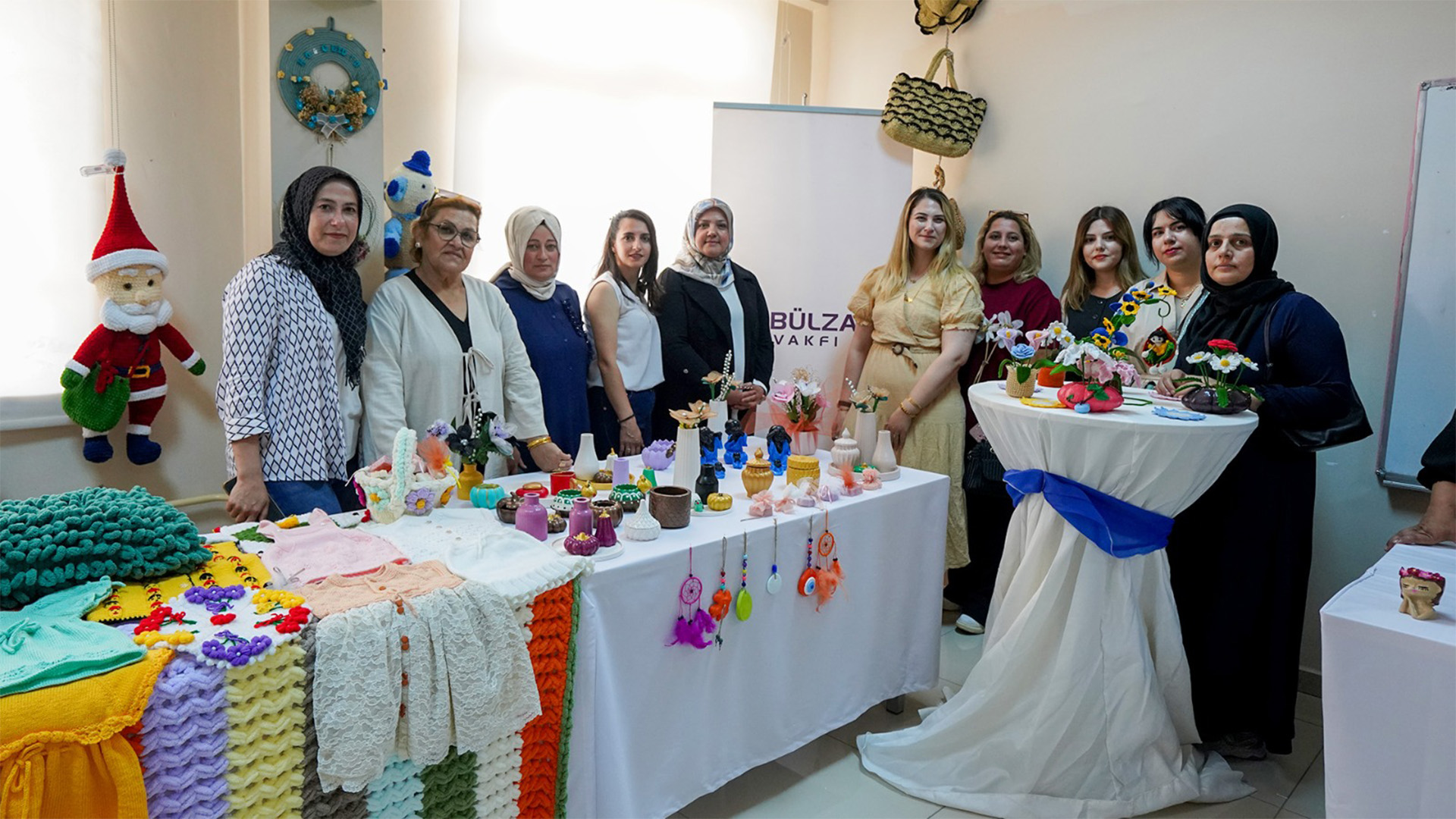
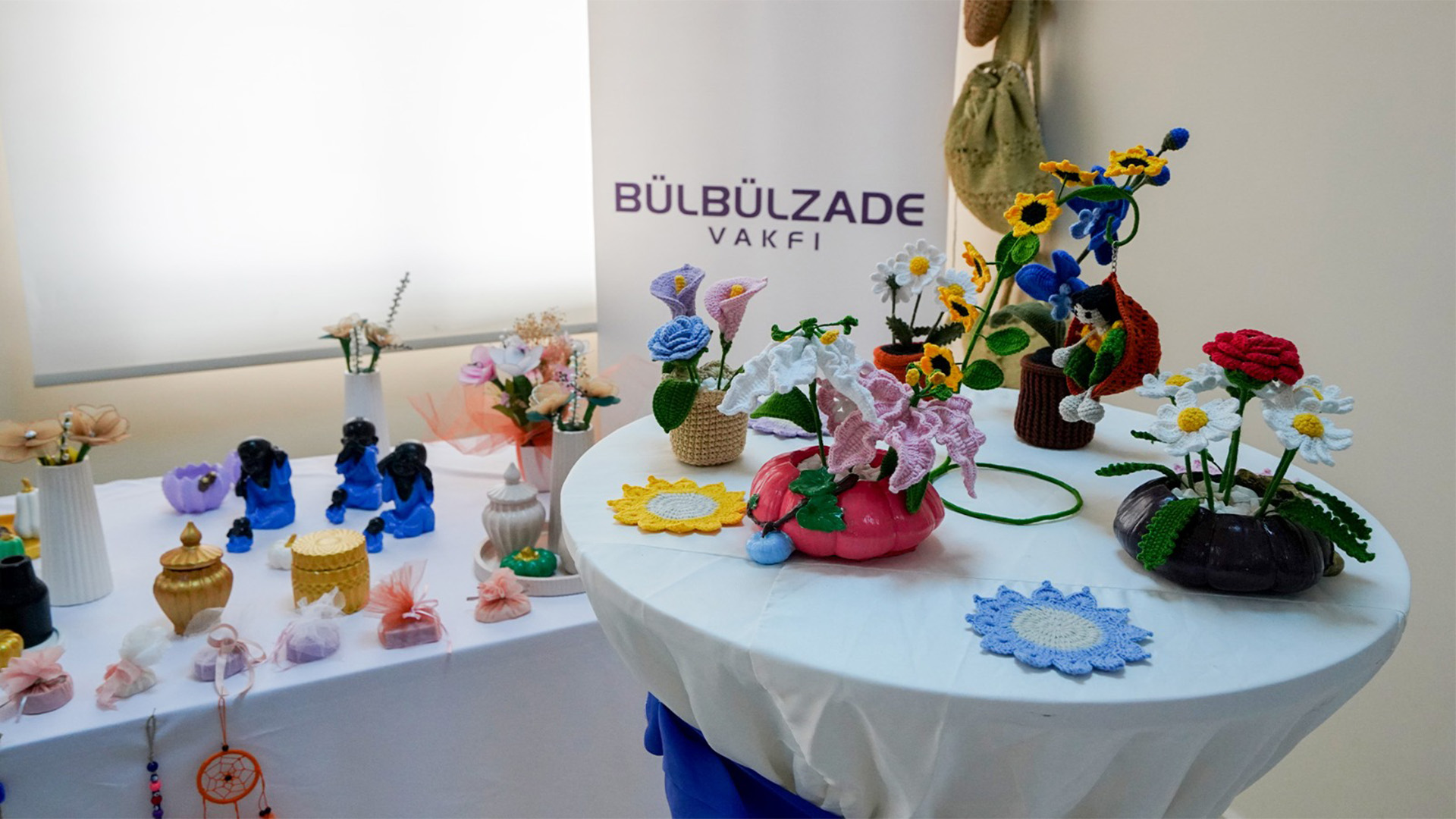
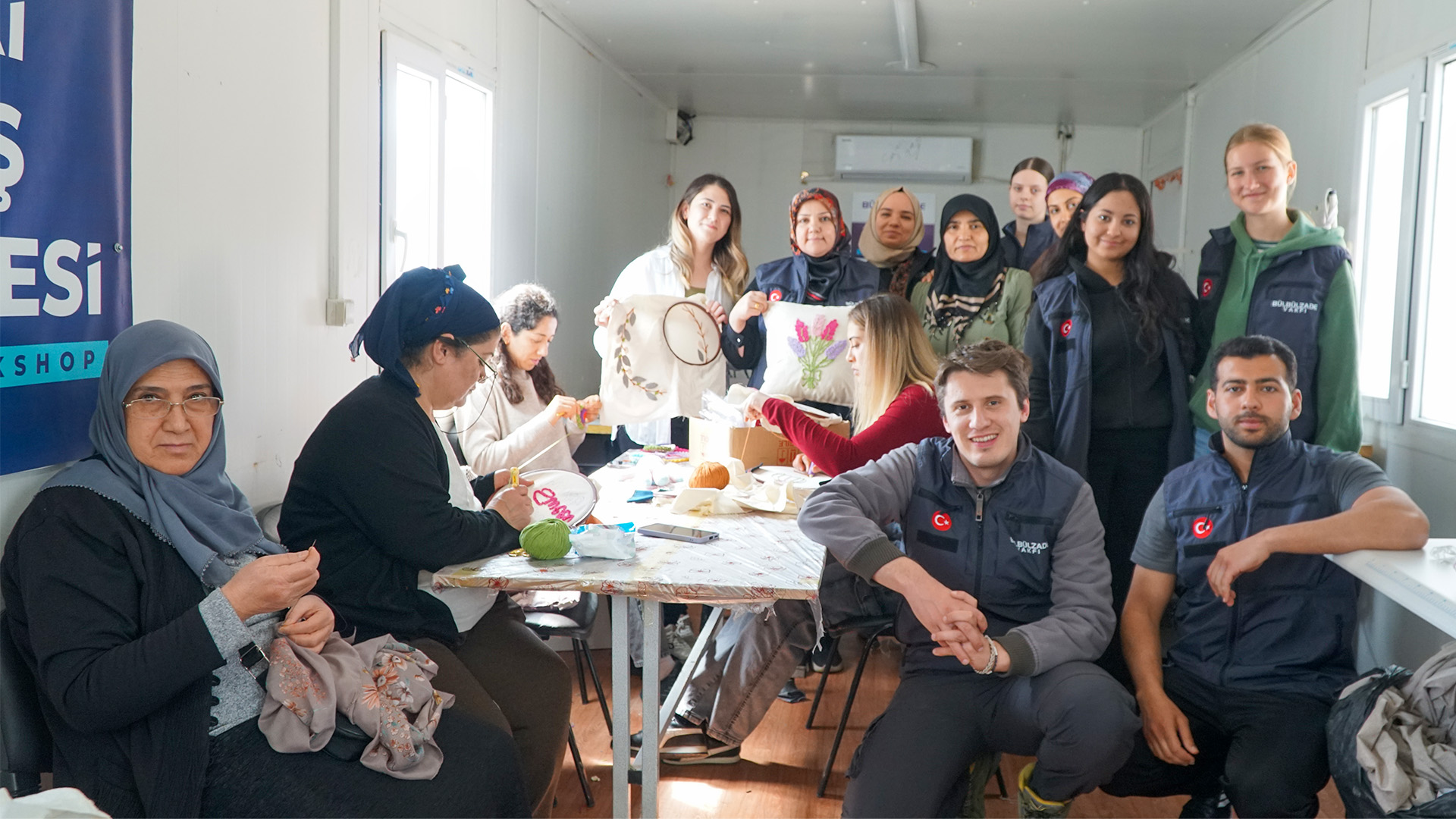
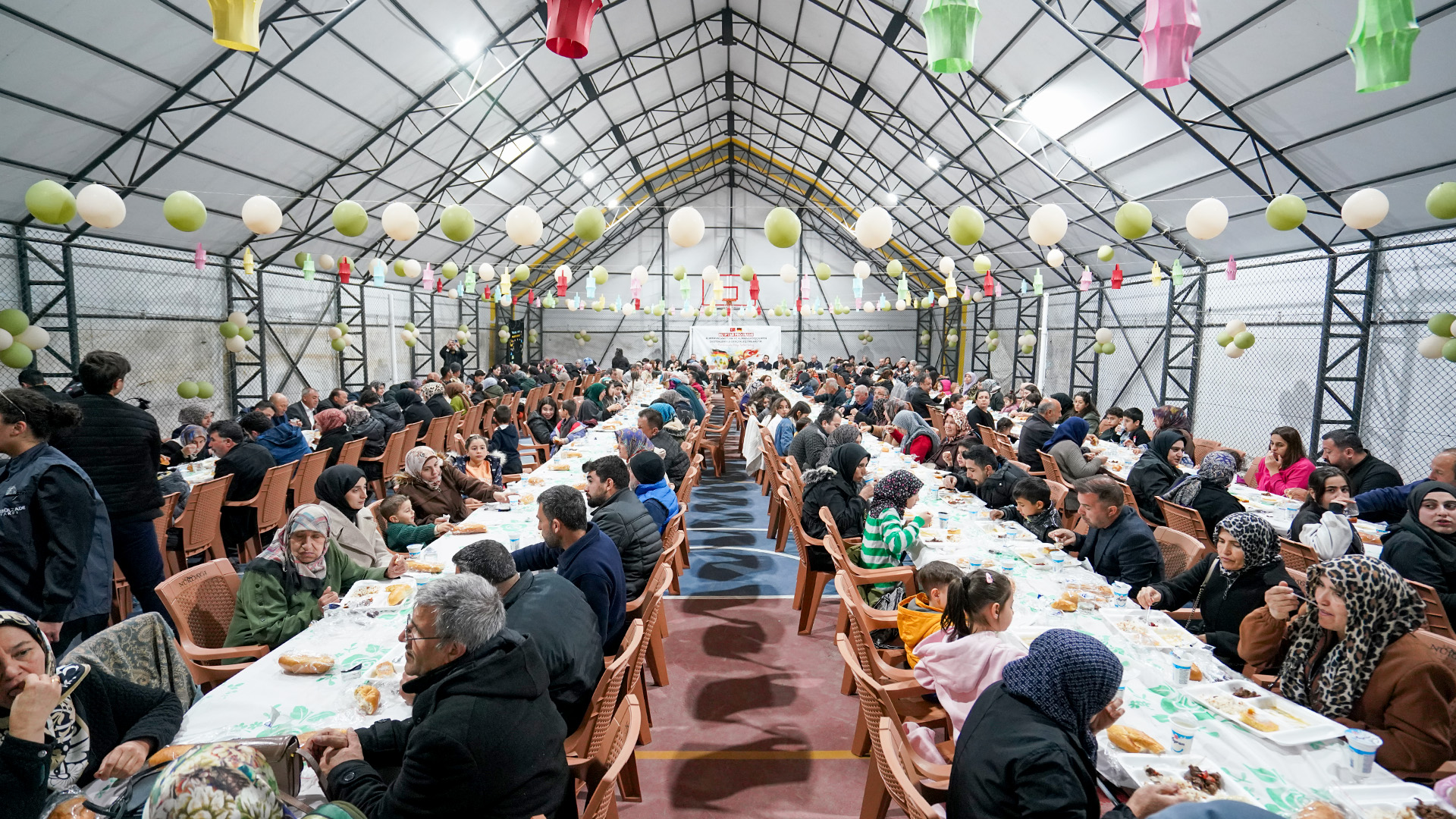
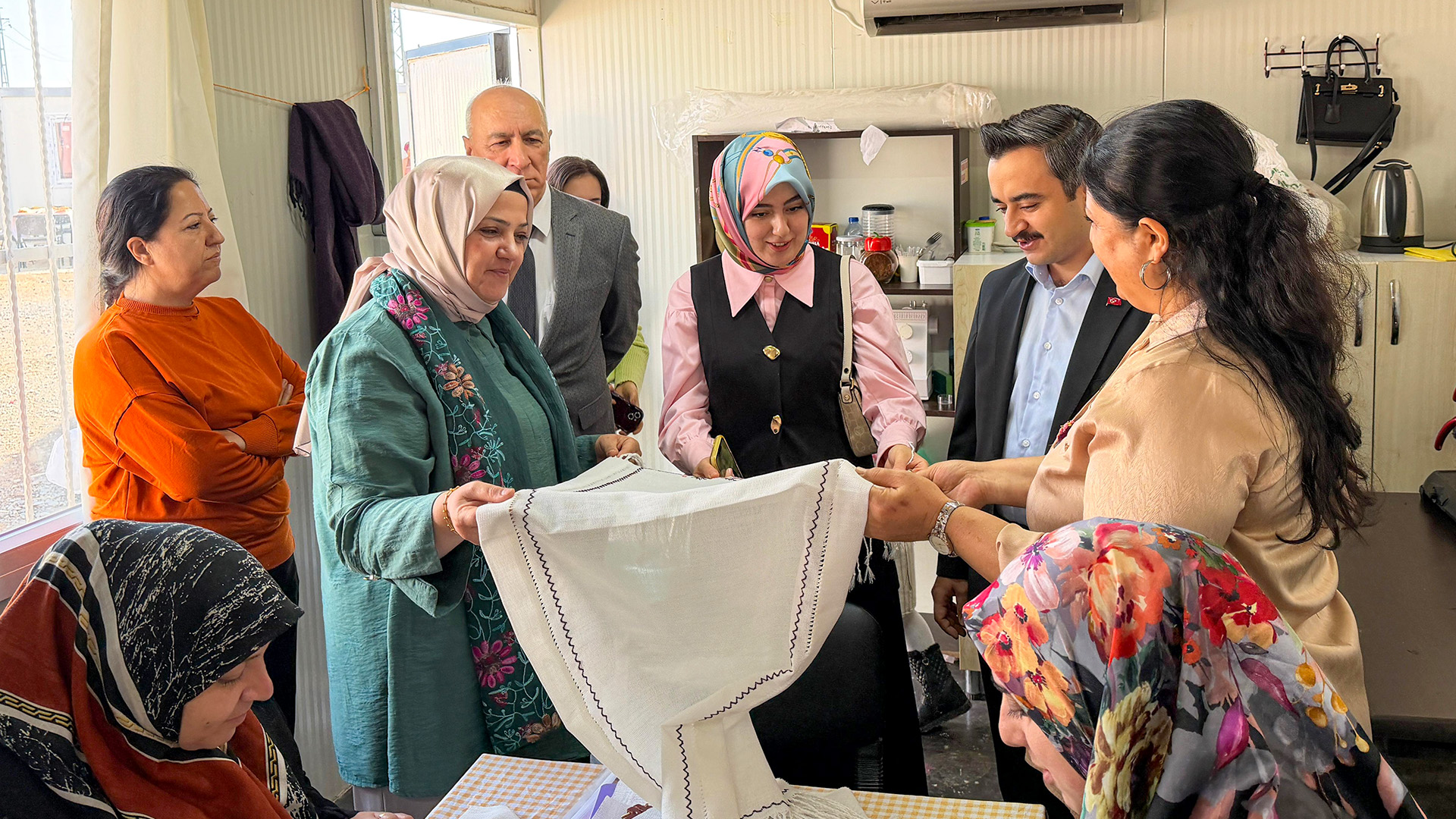
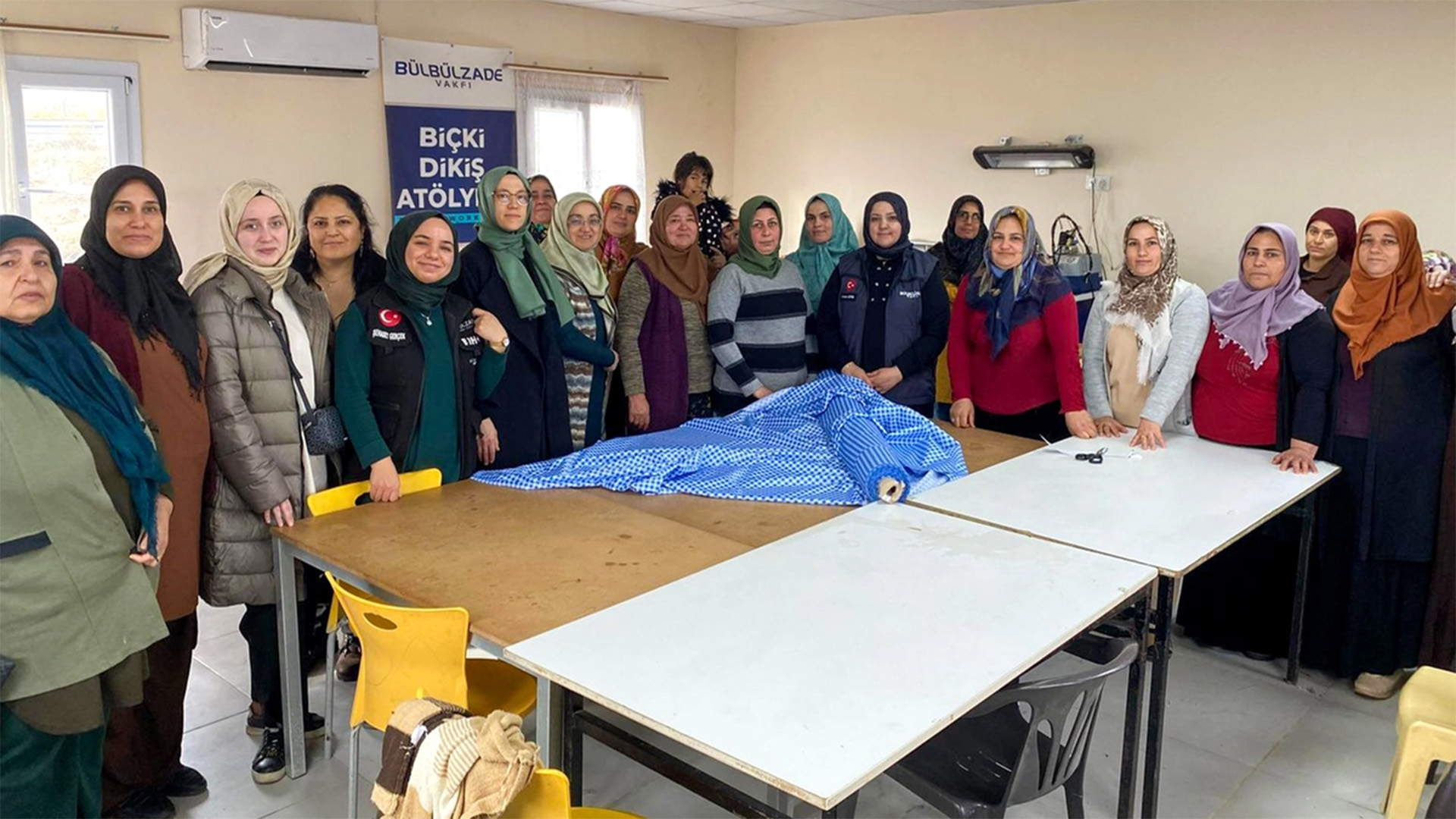
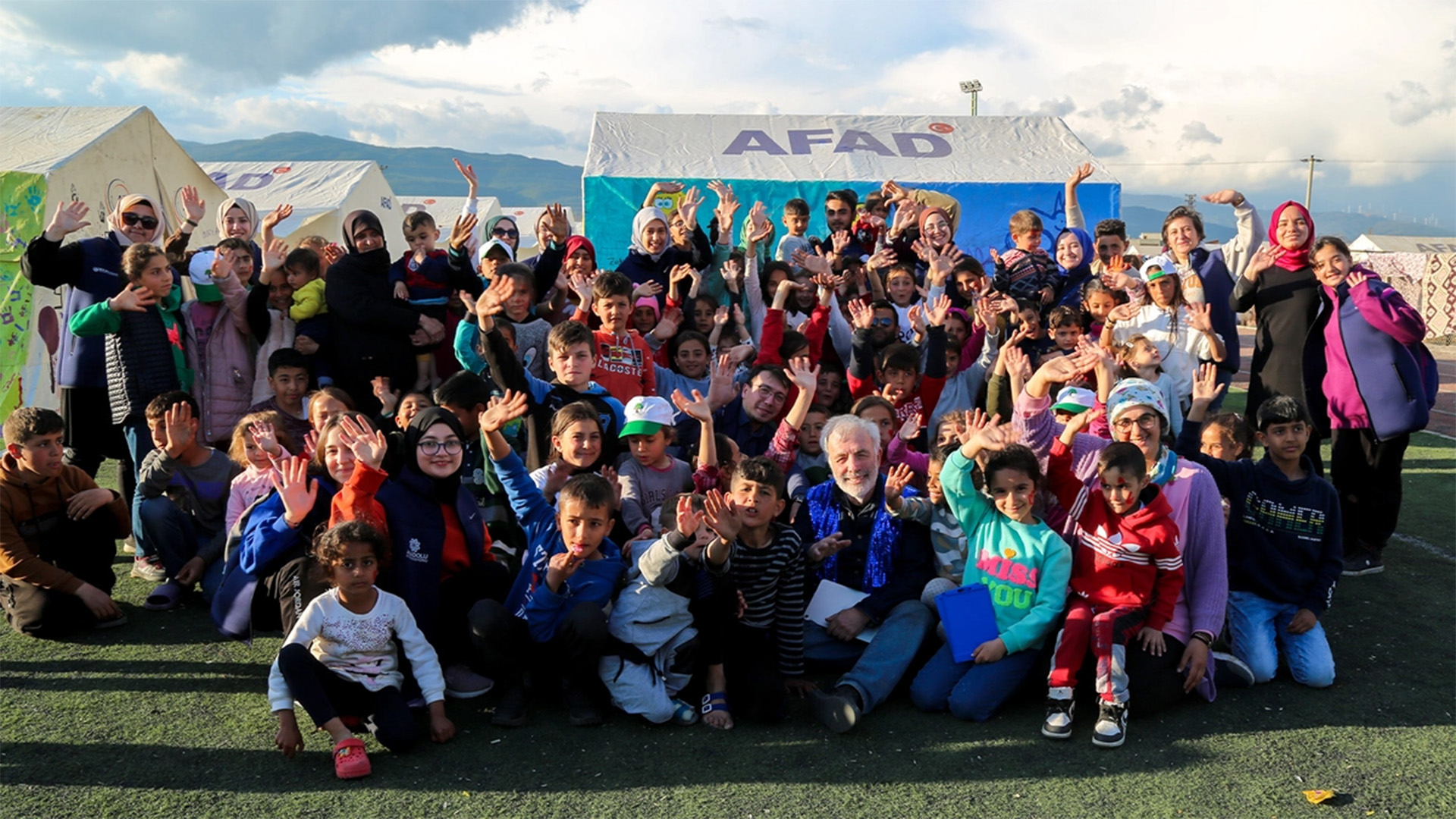
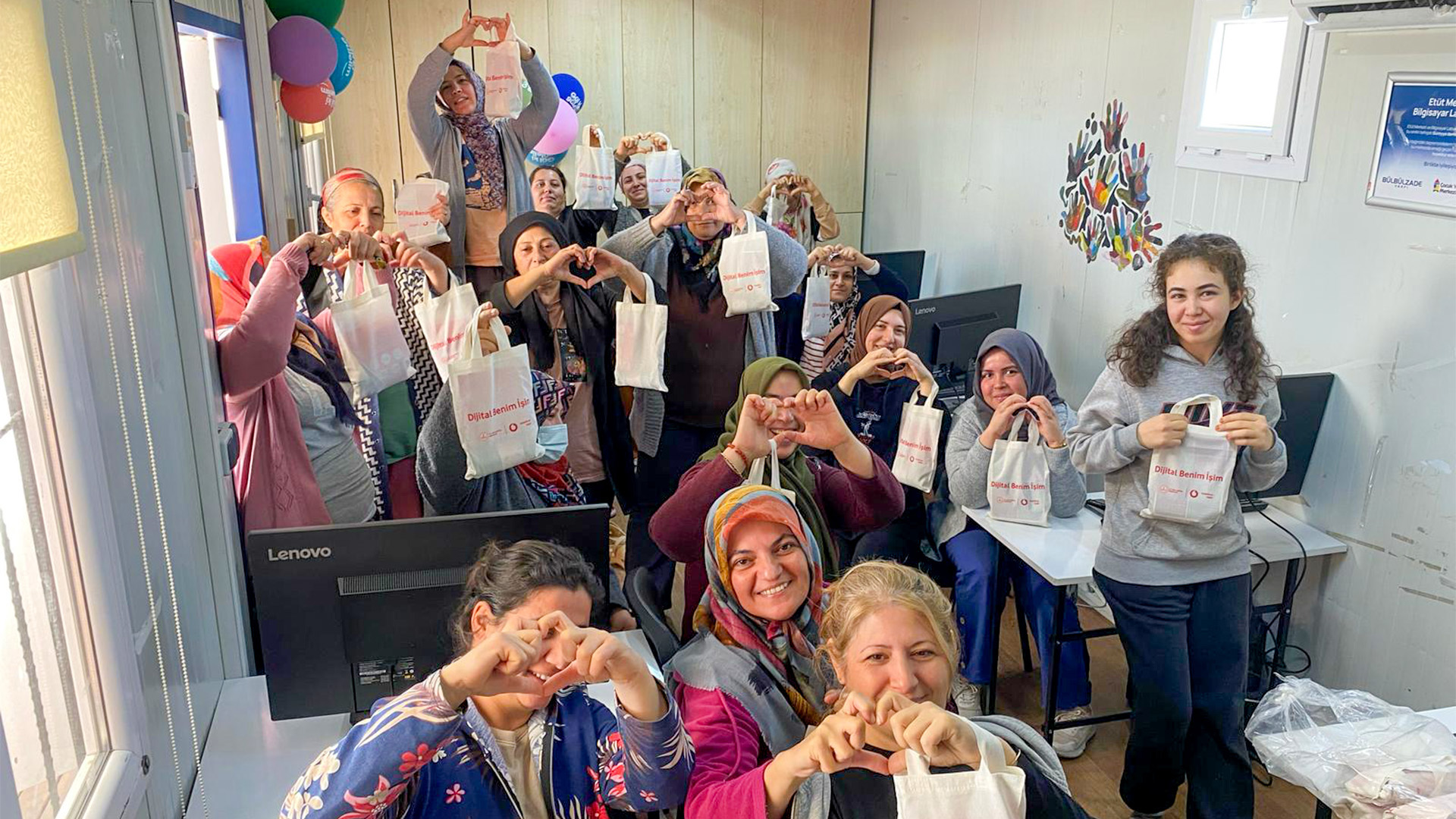
Of course, during the first days of the disaster, basic needs such as hot meals, shelter and clothing were extremely important. However, needs began to change over time. During the second week after the earthquake, as we walked among the tents and newly established container homes, we felt that we absolutely had to do something for women and children. We had a large hangar tent. We would gather with our women there and recite the entire Quran. However, women needed not only to come together but also to engage in activities that would reconnect them with life. We believed that one of the best activities to contribute to their psychological recovery was production. We immediately procured yarn, crochet hooks, fabrics and sewing machines. By setting up small workshops, we enabled our women to reconnect with production. In fact, our aim was not simply for them to produce things. It was to help them distance themselves, even if only slightly, from the pain they had experienced, socialise, devote time to themselves and hold on to life again.
We know that women and children bear the heaviest burden of such large-scale destruction. Particularly in the struggle for survival in container cities, what concrete projects are you implementing on the ground to help these disadvantaged groups reconnect with life and preserve their hopes?
We made tremendous efforts to ensure the sustainability of the workshops, study centres and children's living centres we established. Of course, during this process, we prepared national and international projects and applied for funding sources. However, there was one thing that mattered to us: our activities should not come to an end when the projects ended. For this reason, we continued our activities through volunteerism and donation support. After the disaster, we actually had two paths before us. Either we would continue our lives with the tragedy left behind by this pain, this trauma and these enormous ruins, becoming a melancholic society, or we would learn from what we had experienced, improve ourselves and undertake work that would help rebuild society.
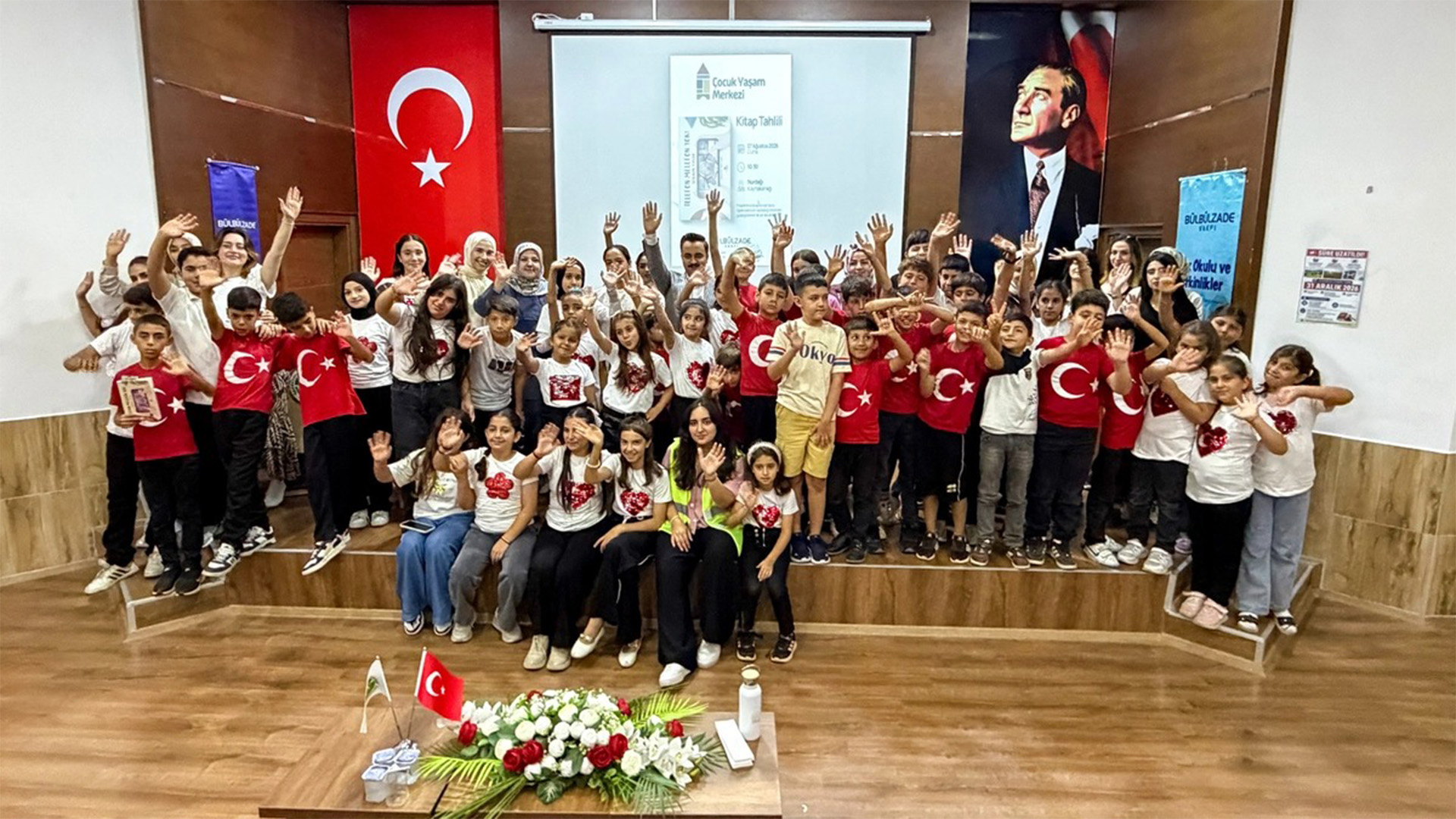
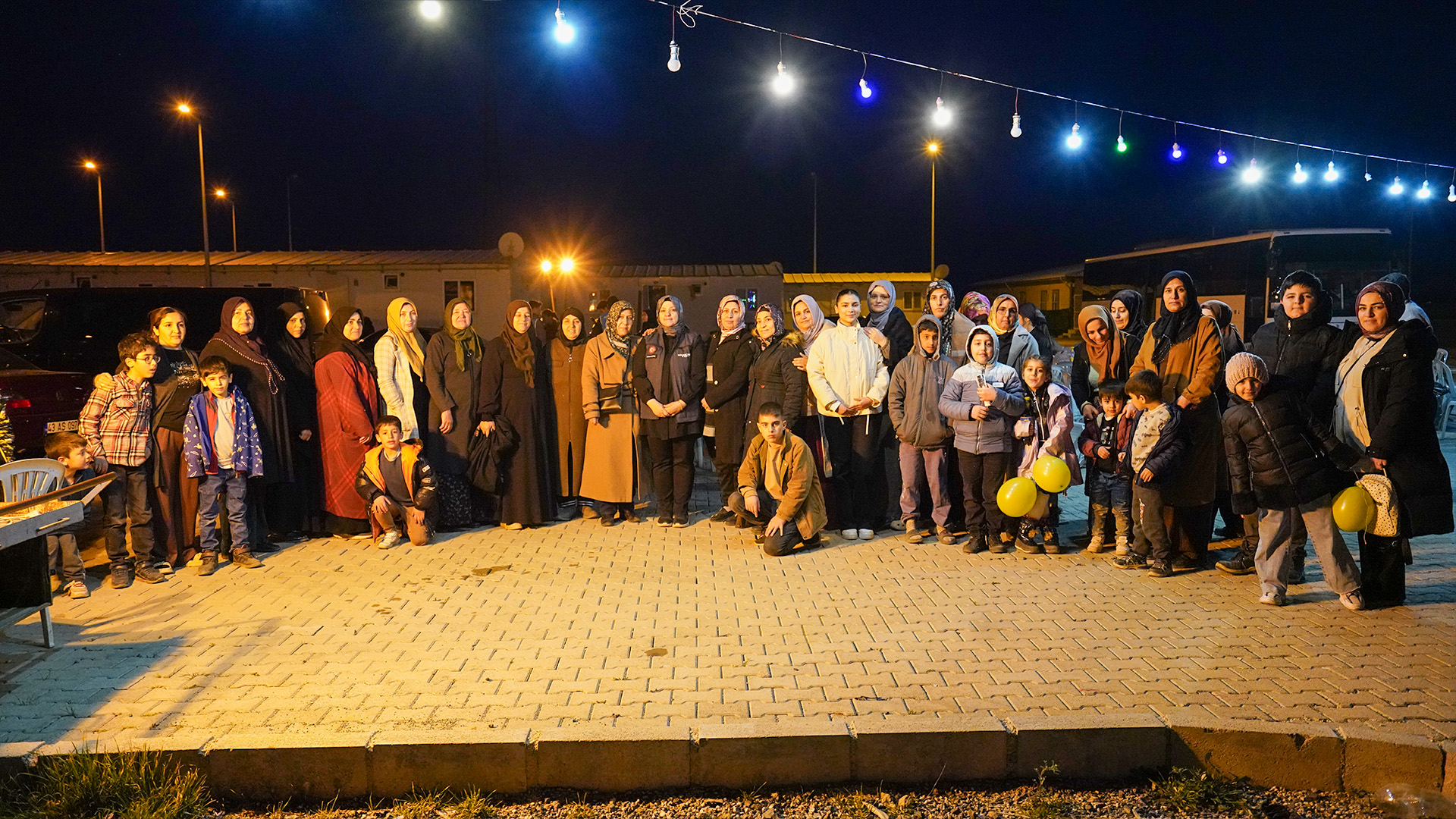
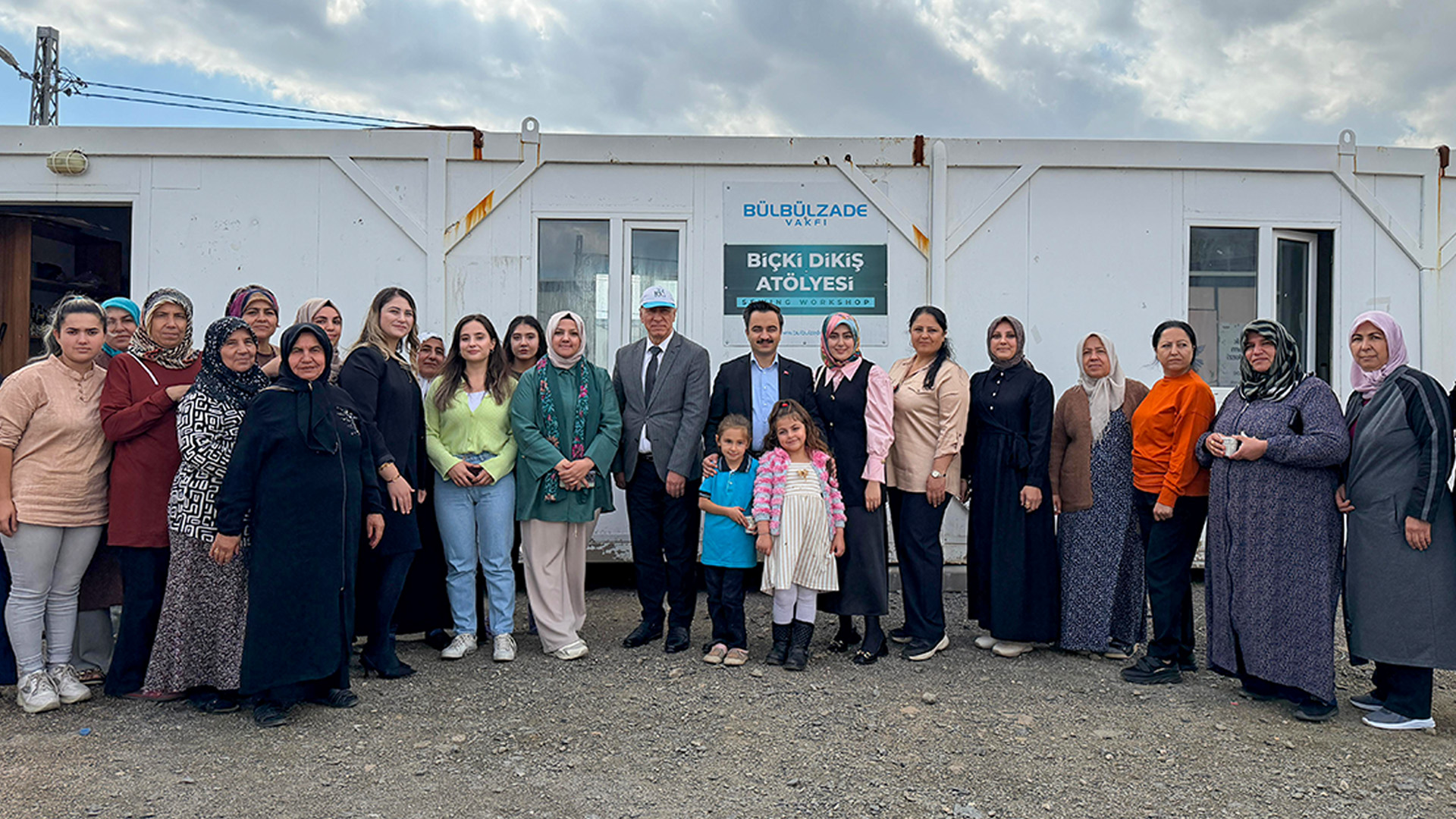
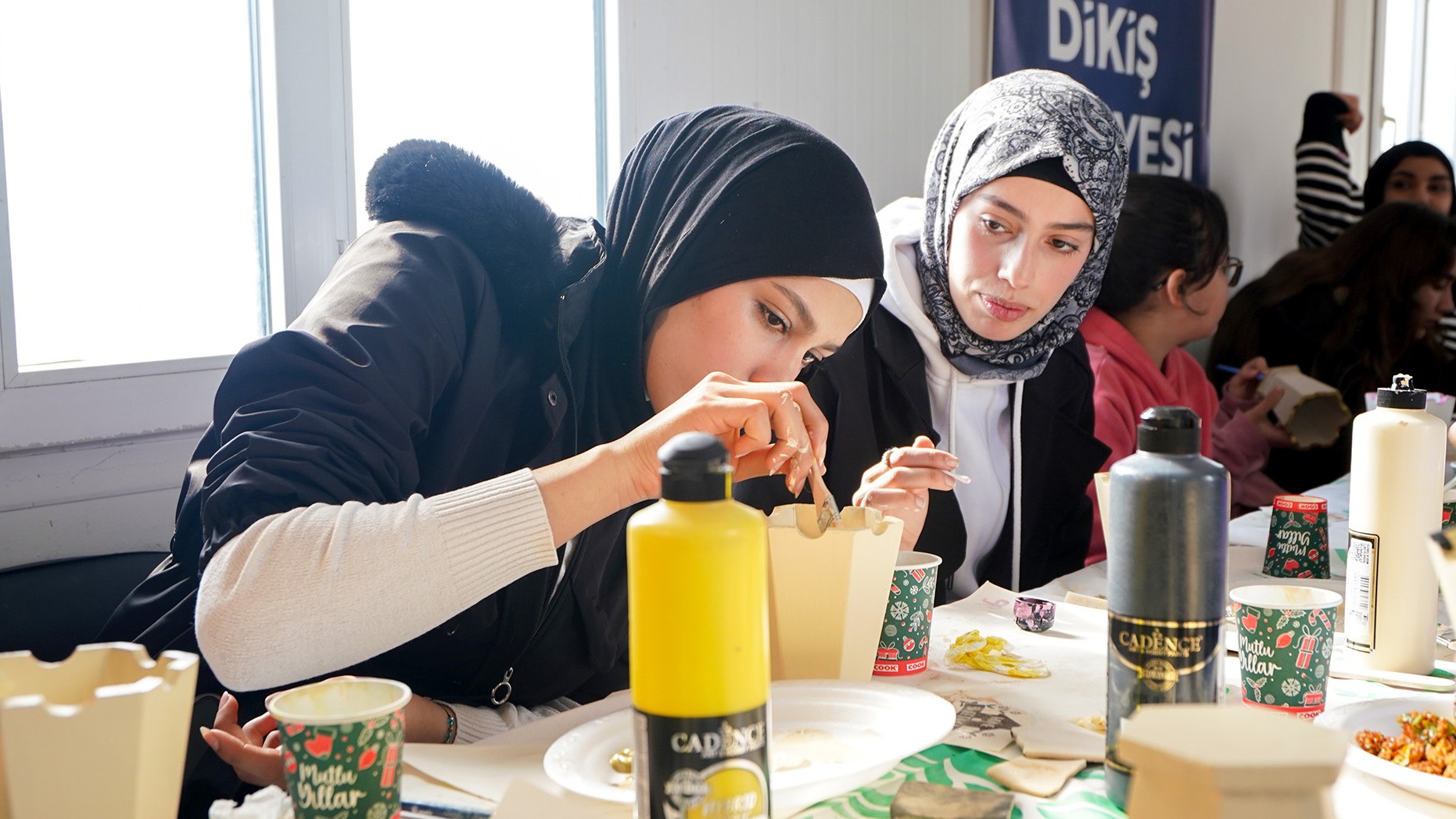
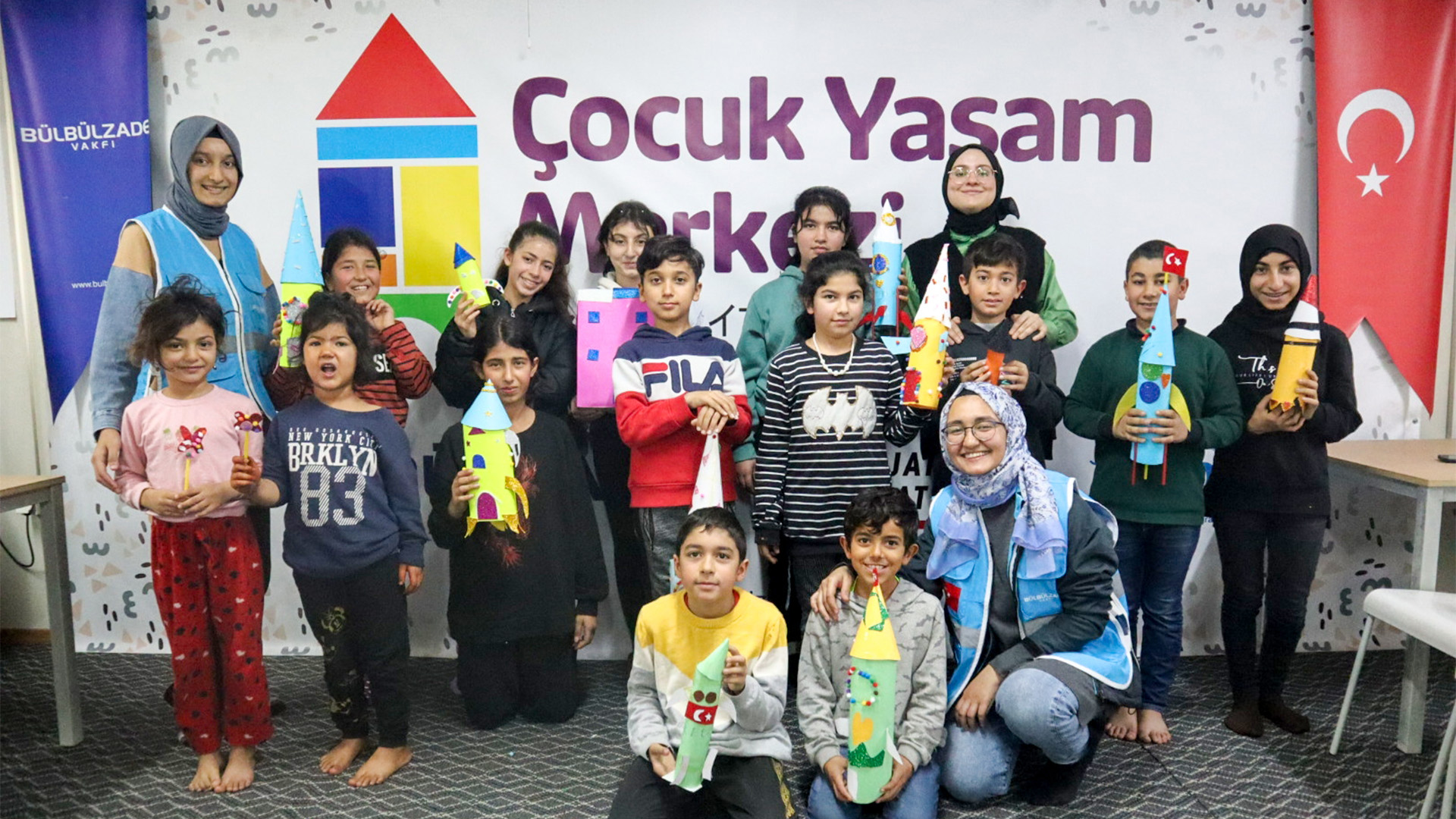
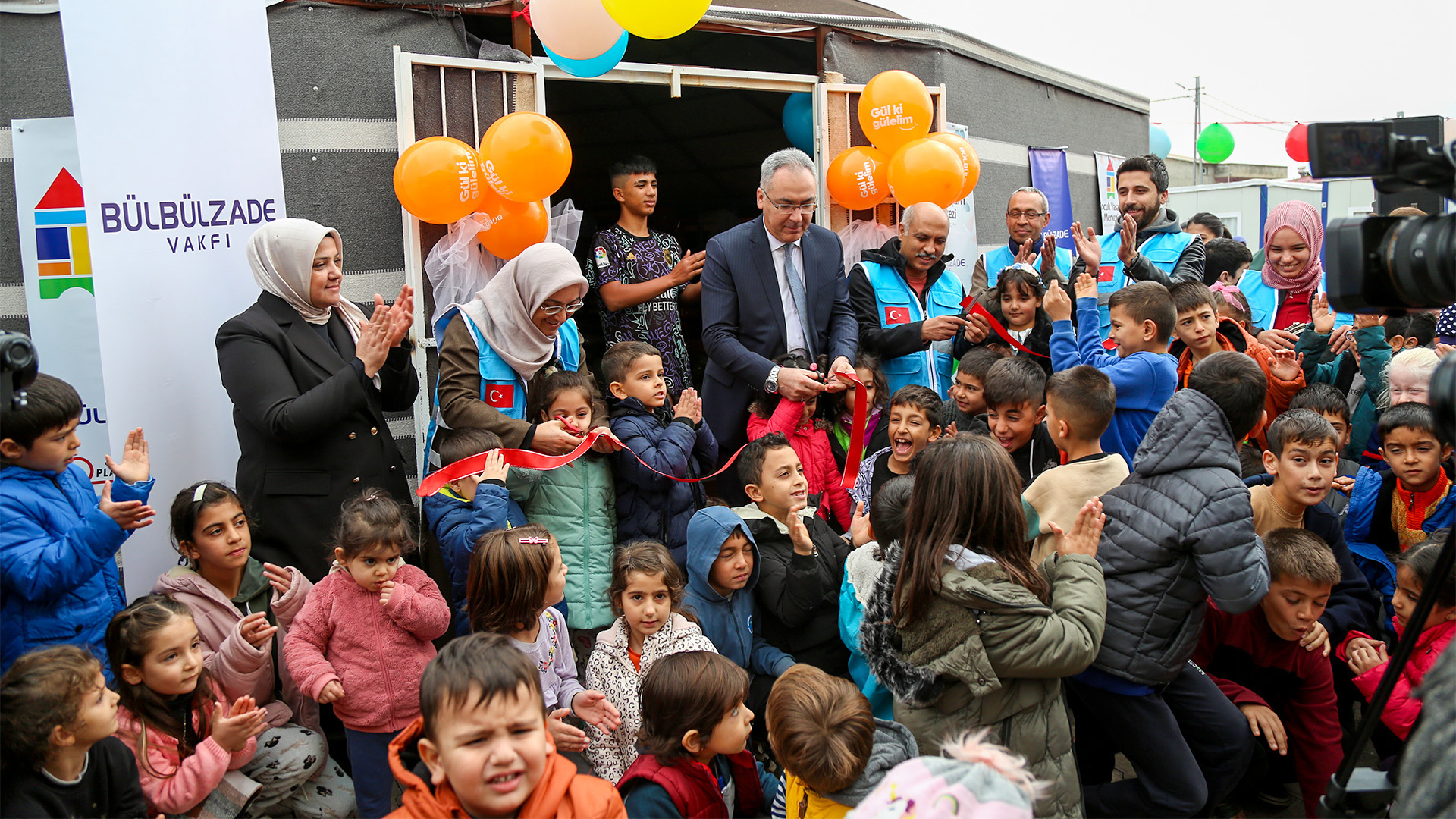
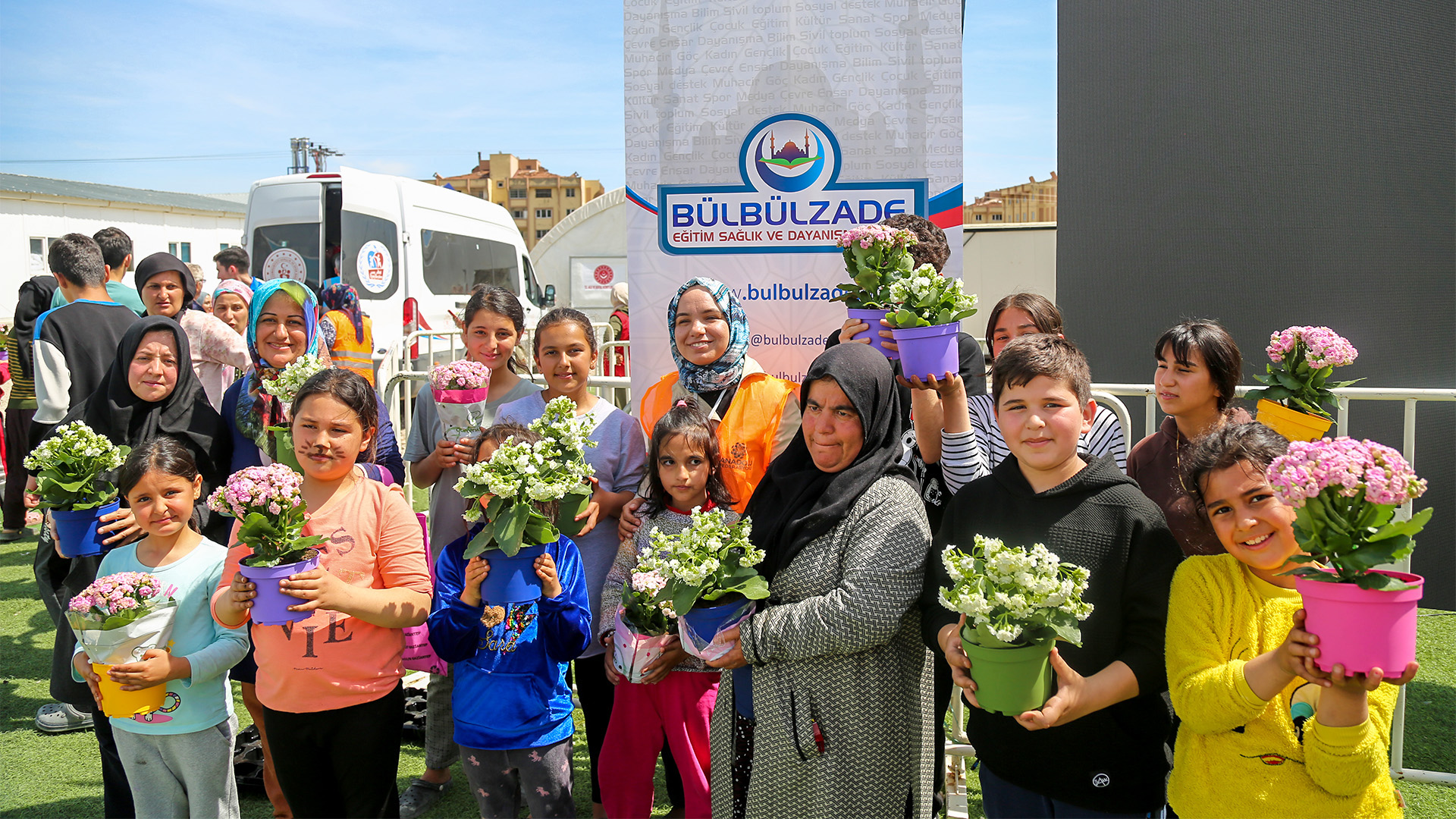
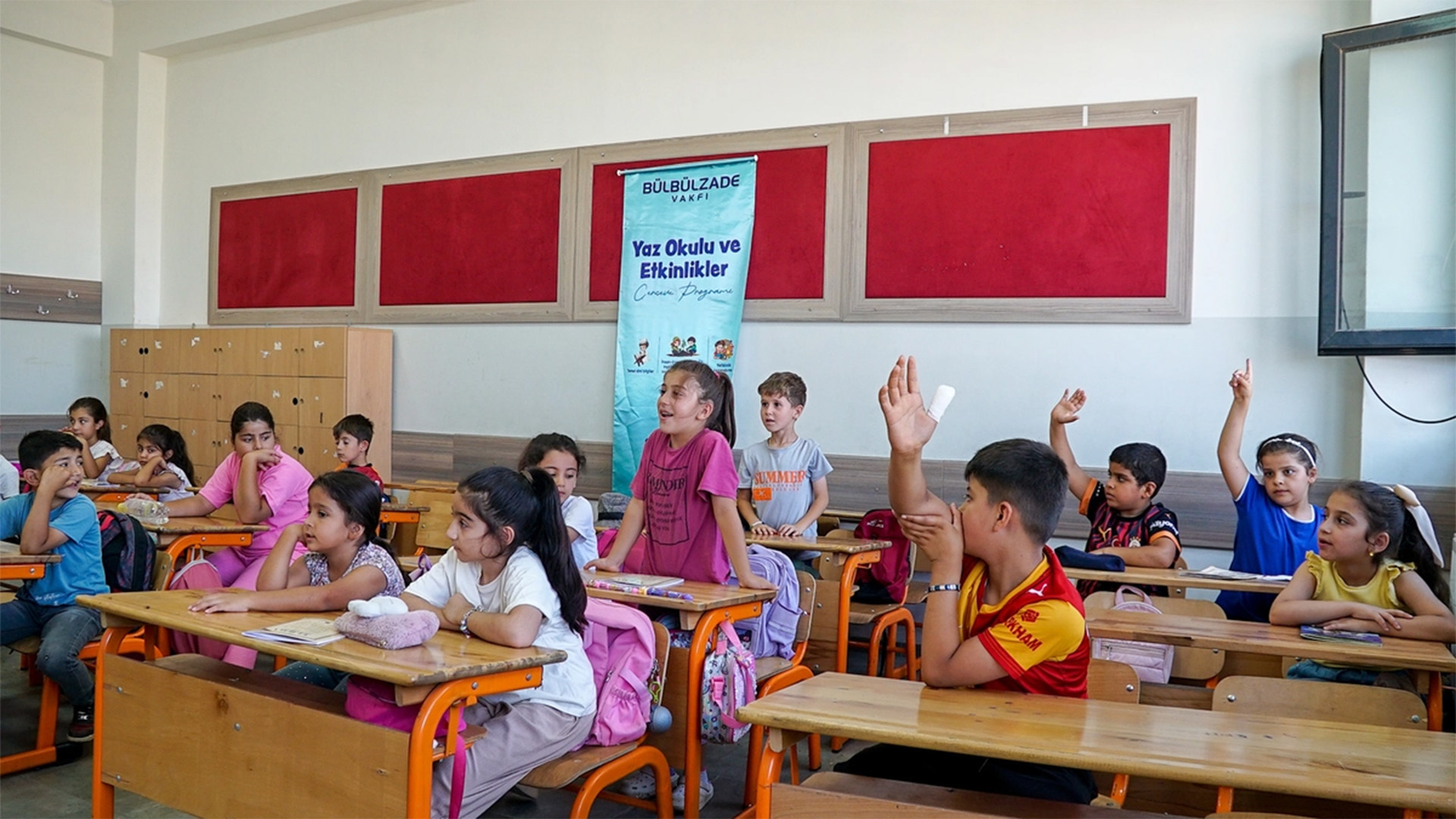
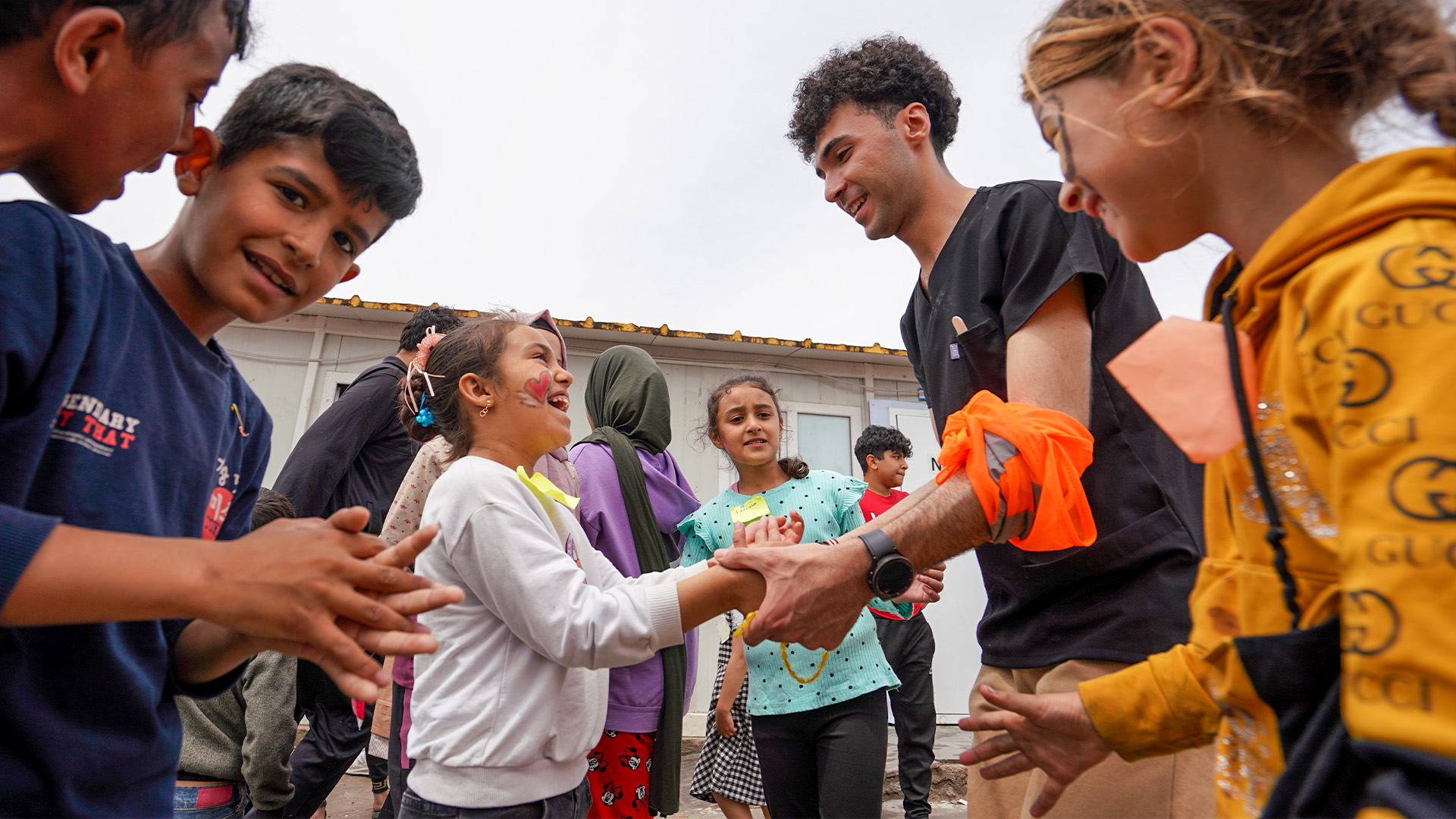
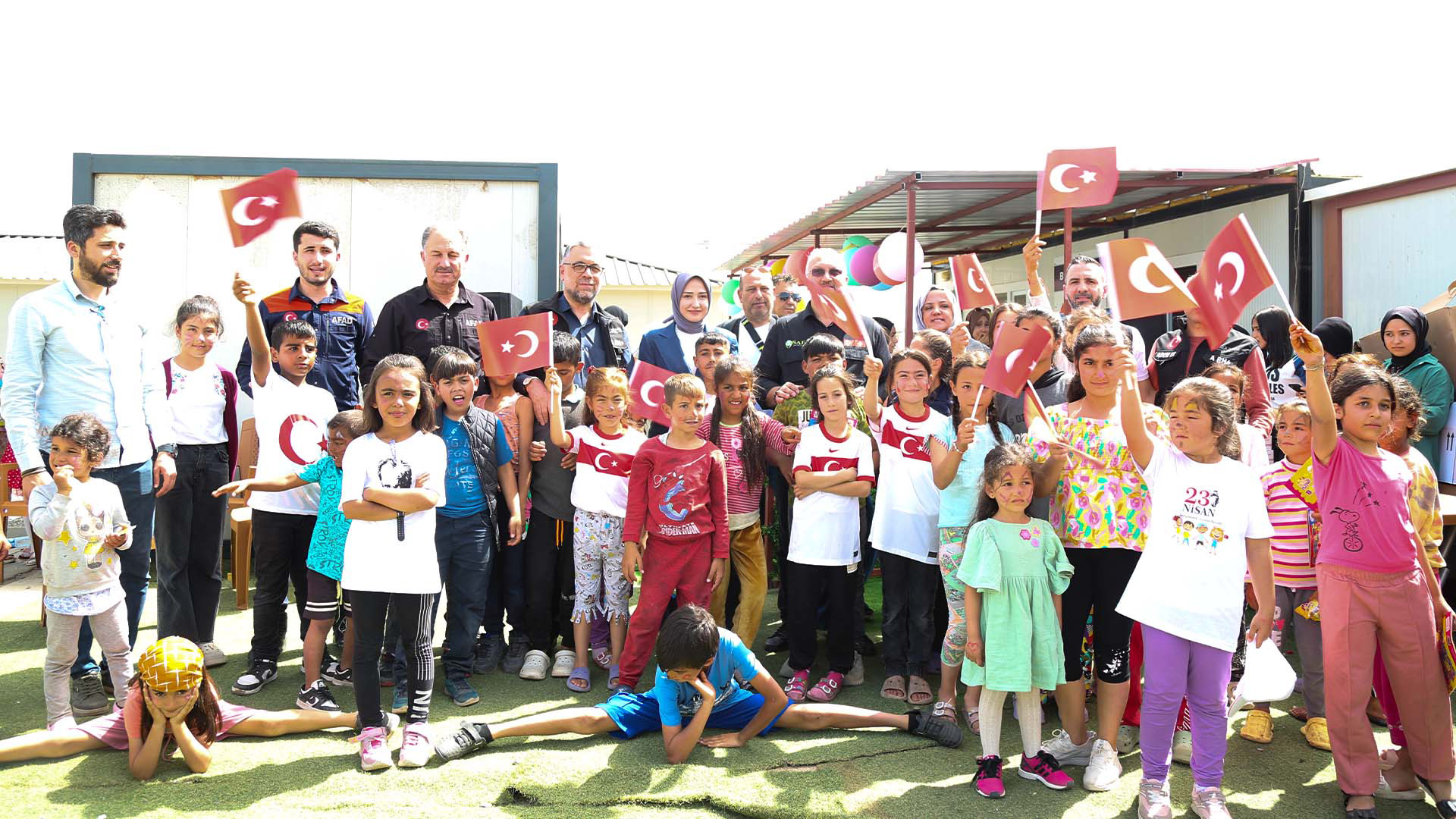
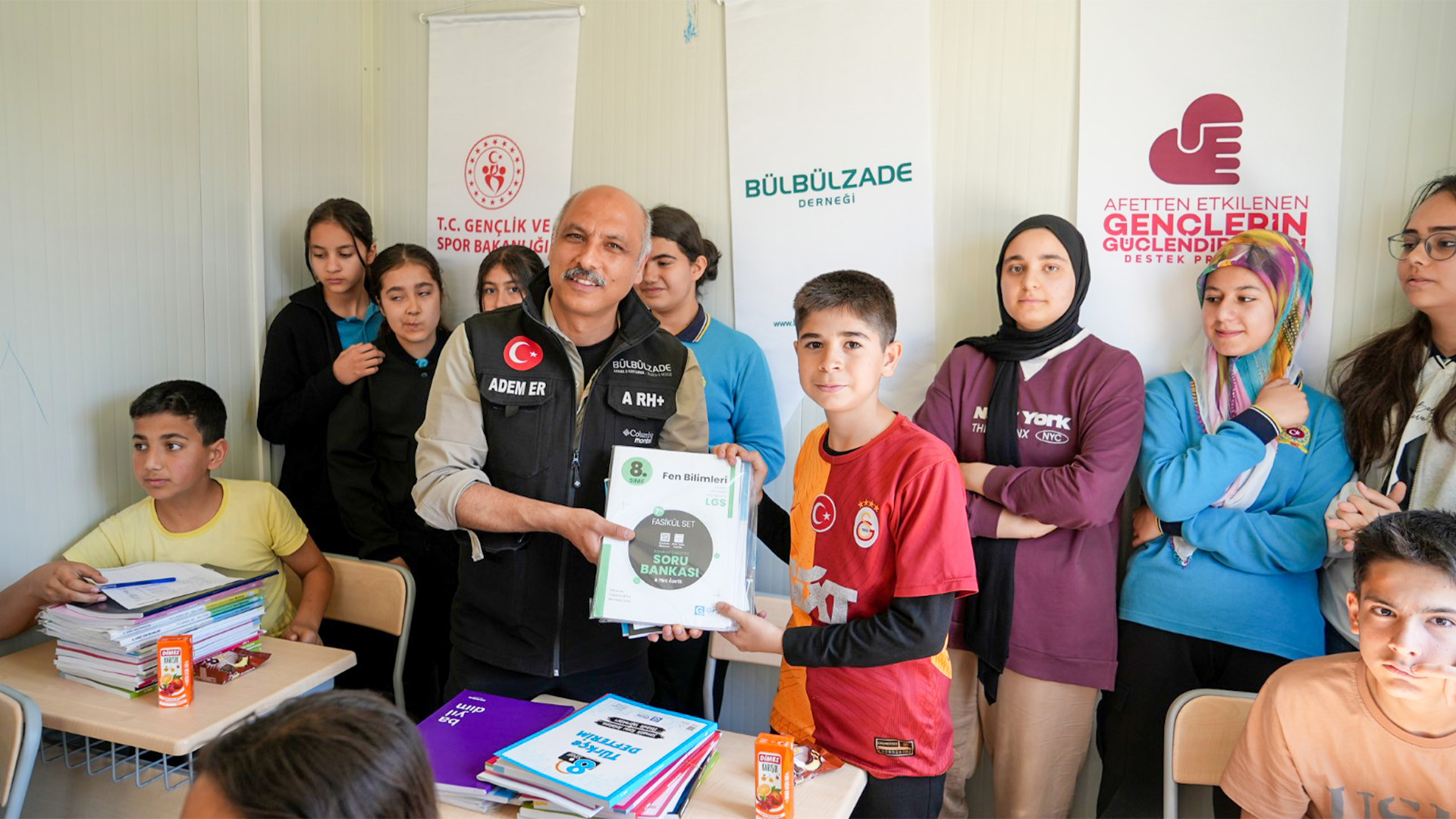
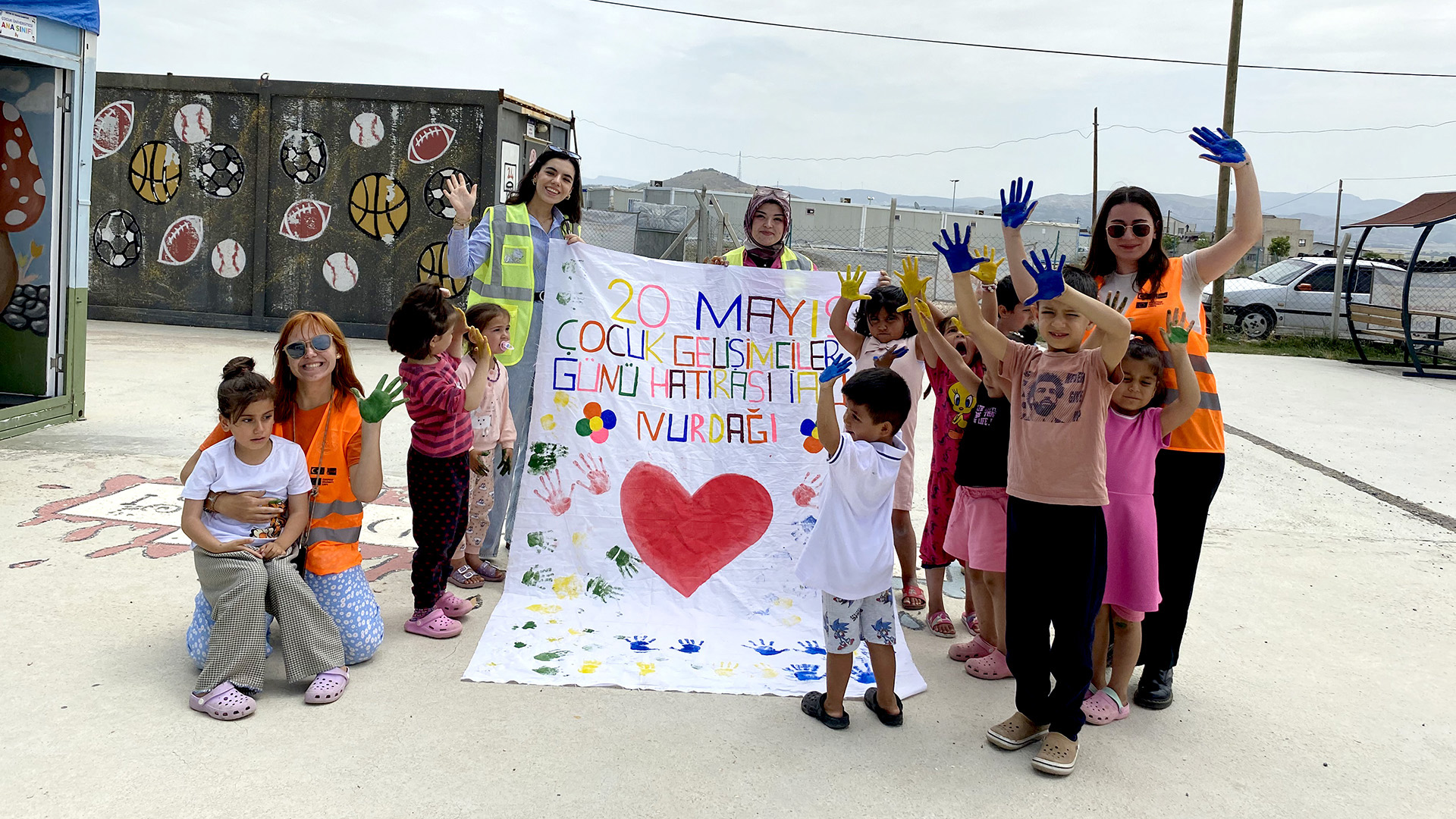
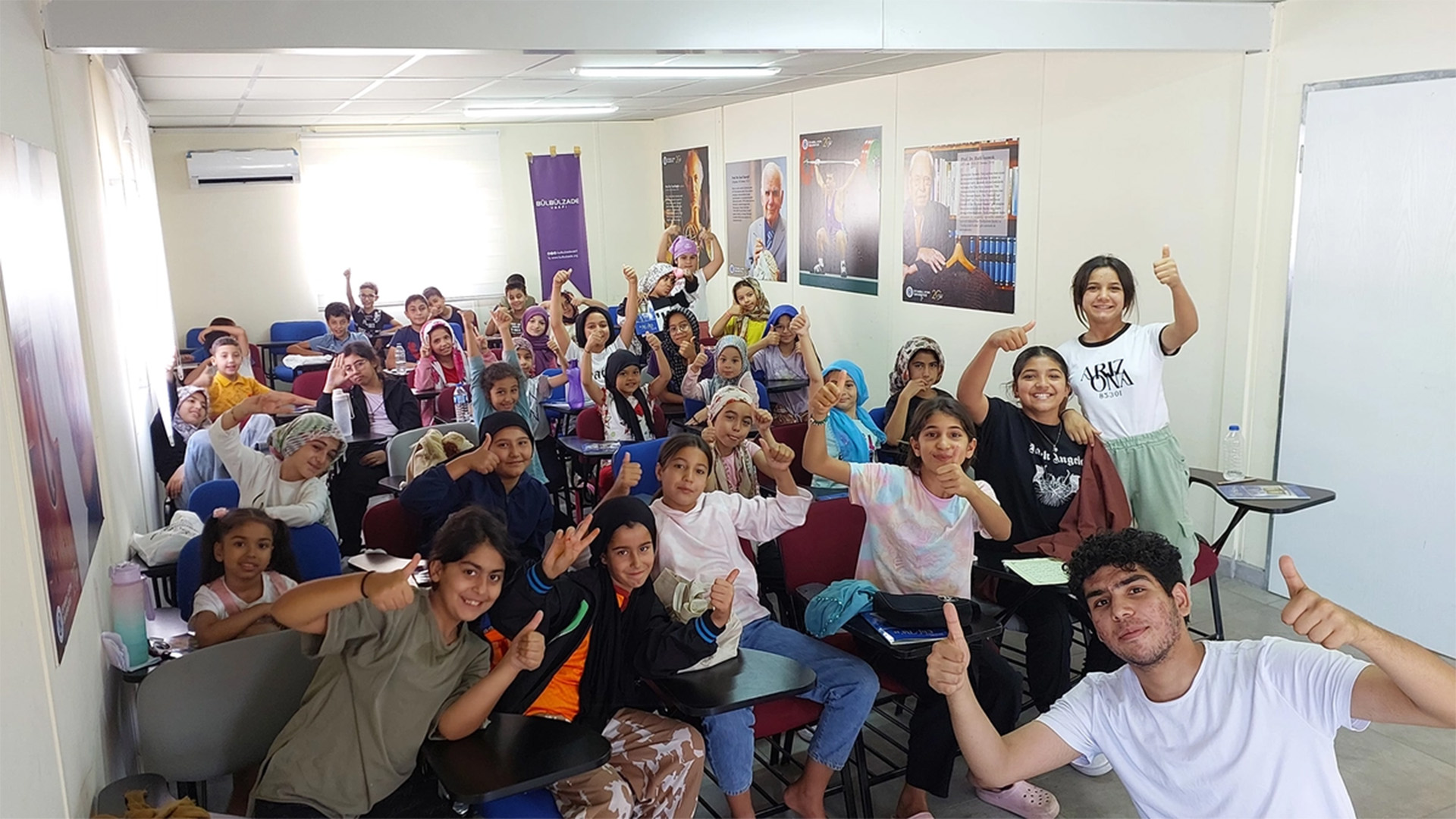
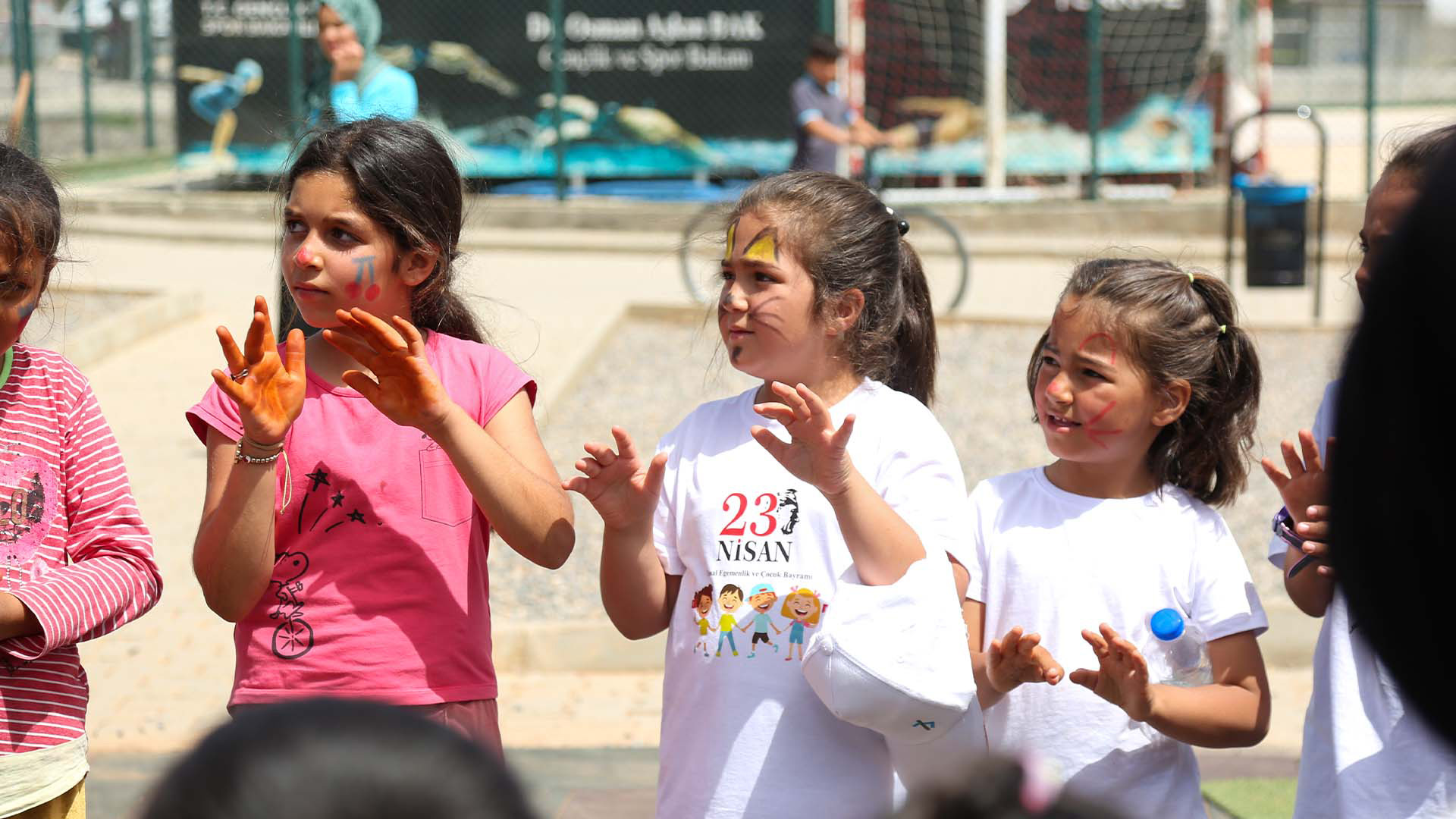
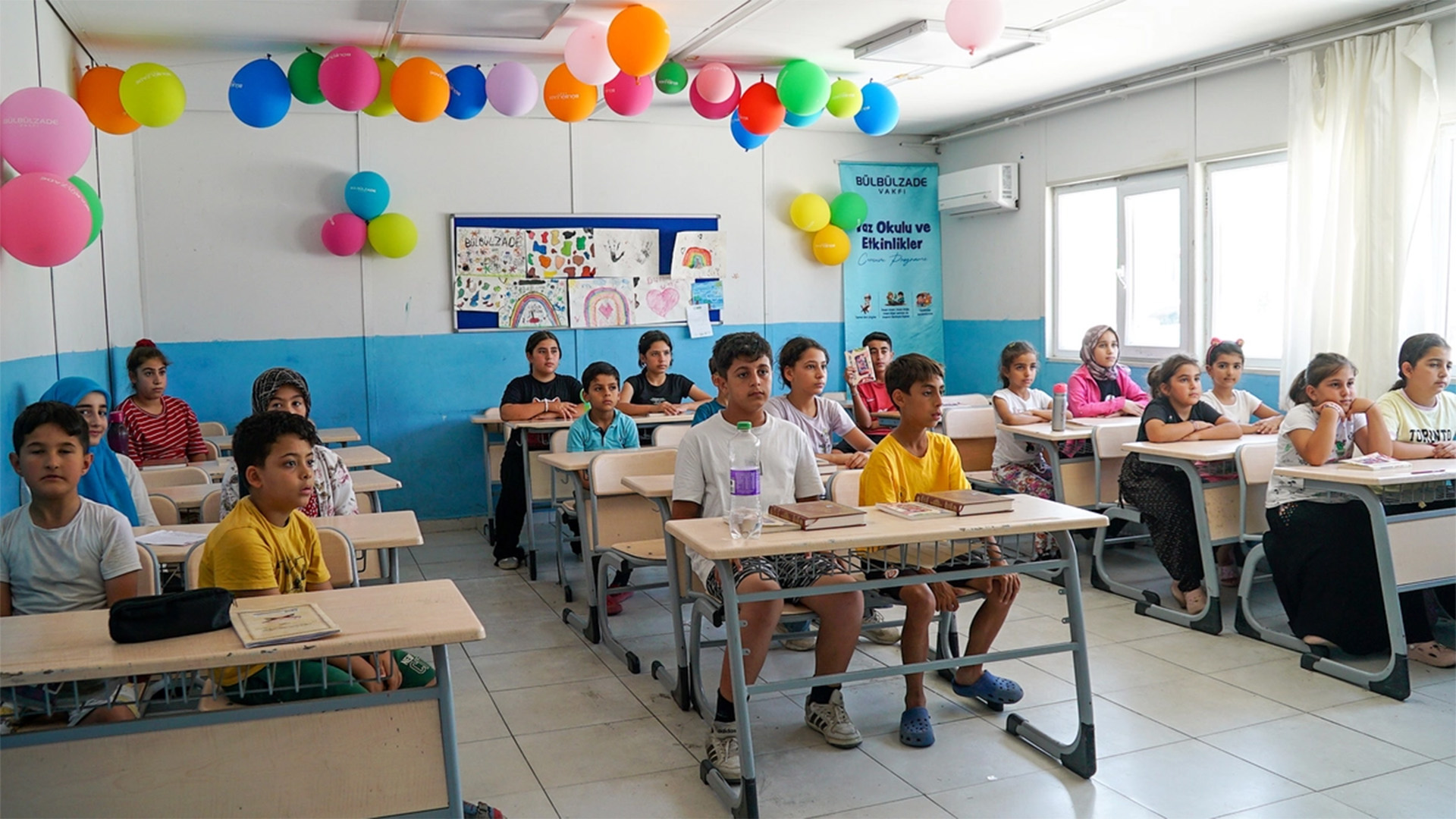
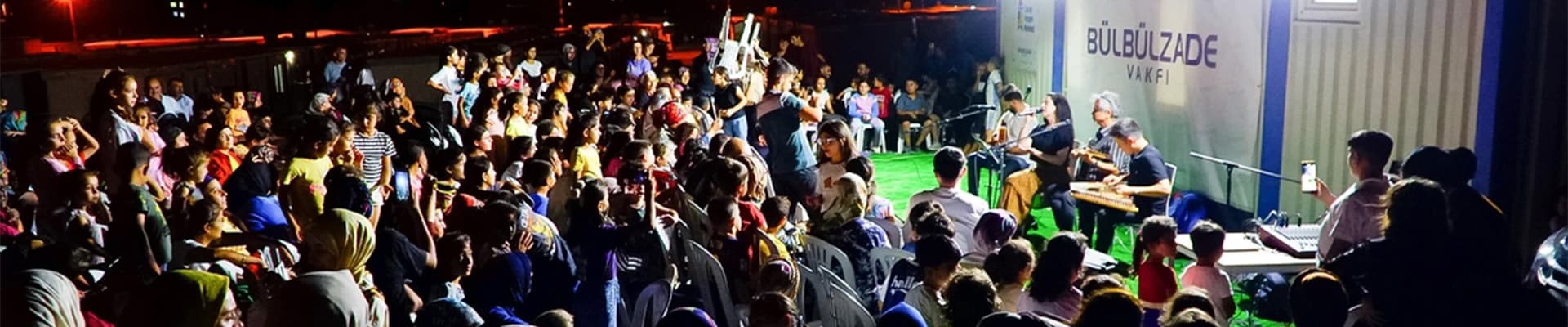
Having served in various NGOs for many years, my colleagues and I chose the second path. Our first task was to visit all the tent cities and container cities to identify their needs and assess the existing situation. While identifying needs on one hand, we were also organising uplifting activities for children and young people on the other. We established study environments for young people and organised lesson hours with volunteer university students. In İslahiye, we established a total of eight sewing and handicraft workshops in Murat Sural, Kalyon Yaşam 1, Kalyon Yaşam 2 and Osmangazi container cities. In Kalyon Container City, we established a children's living centre and kindergarten, while in Murat Sural, we created a children's playground, a living centre and a study centre. In Nurdağı, we established a sewing workshop in Nur 1 Container City, and a handicraft workshop, children's living centre, study rooms and computer classrooms in Nur 3. Today, we are making efforts to leave behind a permanent legacy in our district of Nurdağı. We plan to continue our activities in the district through the “NEW GENERATION LIVING CENTRE” that we will establish.
I MUST TELL THE CREATOR A MEANINGFUL AND DIGNIFIED STORY
Constantly providing external assistance to people can eventually turn into a debilitating dependency. What kind of infrastructure are you establishing to move local residents beyond the position of merely “receiving aid” and reintegrate them into that dignified process of production in which they stand on their own feet?
As the Bülbülzade Foundation, we have never pursued ostentation or public display. Throughout the disaster response, we regarded aid not as a matter of visibility but as a matter of responsibility and honour. Of course, during the first days of the disaster, we provided assistance with food, hygiene products, clothing and personal necessities. However, what we truly focused on was how we could walk a path together with people after these initial needs had been met. We did not see disaster victims merely as people receiving aid. We saw them as part of the process, and even as partners in finding solutions. For women, we decided to establish vocational training and production workshops in cooperation with district governorates and public education centres. We produced together, learned together and grew stronger together. We tried to heal our wounds by holding each other's hands.
Behind this enormous operation lies a heavy emotional burden as well. Every day in the field, you witness people's suffering, helplessness and efforts to stand back up, face to face. As Zemzem Çetin, how do you carry this heavy burden, and what is the real force that draws you back to the field every morning without tiring?
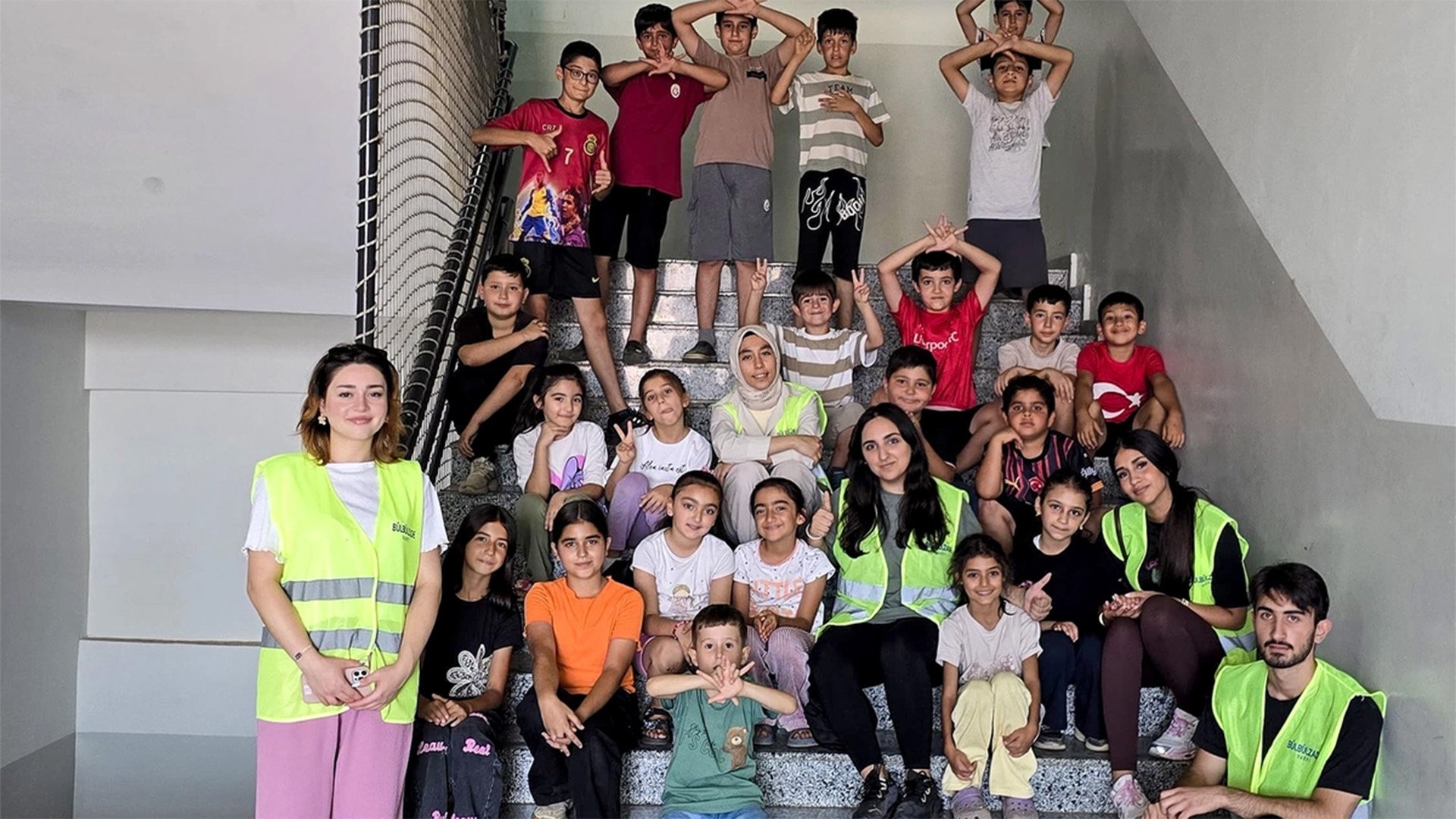
There are so many things that motivate me: the prayers of our elderly people; Ece, who has had to move between several container cities and, whenever she sees me, affectionately calls out “Cemcem Sister” and runs to hug me; Hatice, Kevser, Cudi, İkra, Bedirhan, Hasan and many other young people in Nurdağı competing to wear the Foundation's vest and serve; Emir, a child with hydrocephalus and learning difficulties in Murat Sural Container City, who learned to read thanks to his study tutors; and Aunt Ayşe, a 60-year-old woman who lost her child in the earthquake and overcame her trauma through wood painting. These and many other stories that I cannot even begin to list are probably what take away my fatigue.
There is also a saying by Ayşe Şasa that I always remind myself of: “On the Day of Judgement, I must tell the Creator a meaningful and dignified story.” I believe that the great disaster we have experienced has given me the opportunity to become part of such a story.