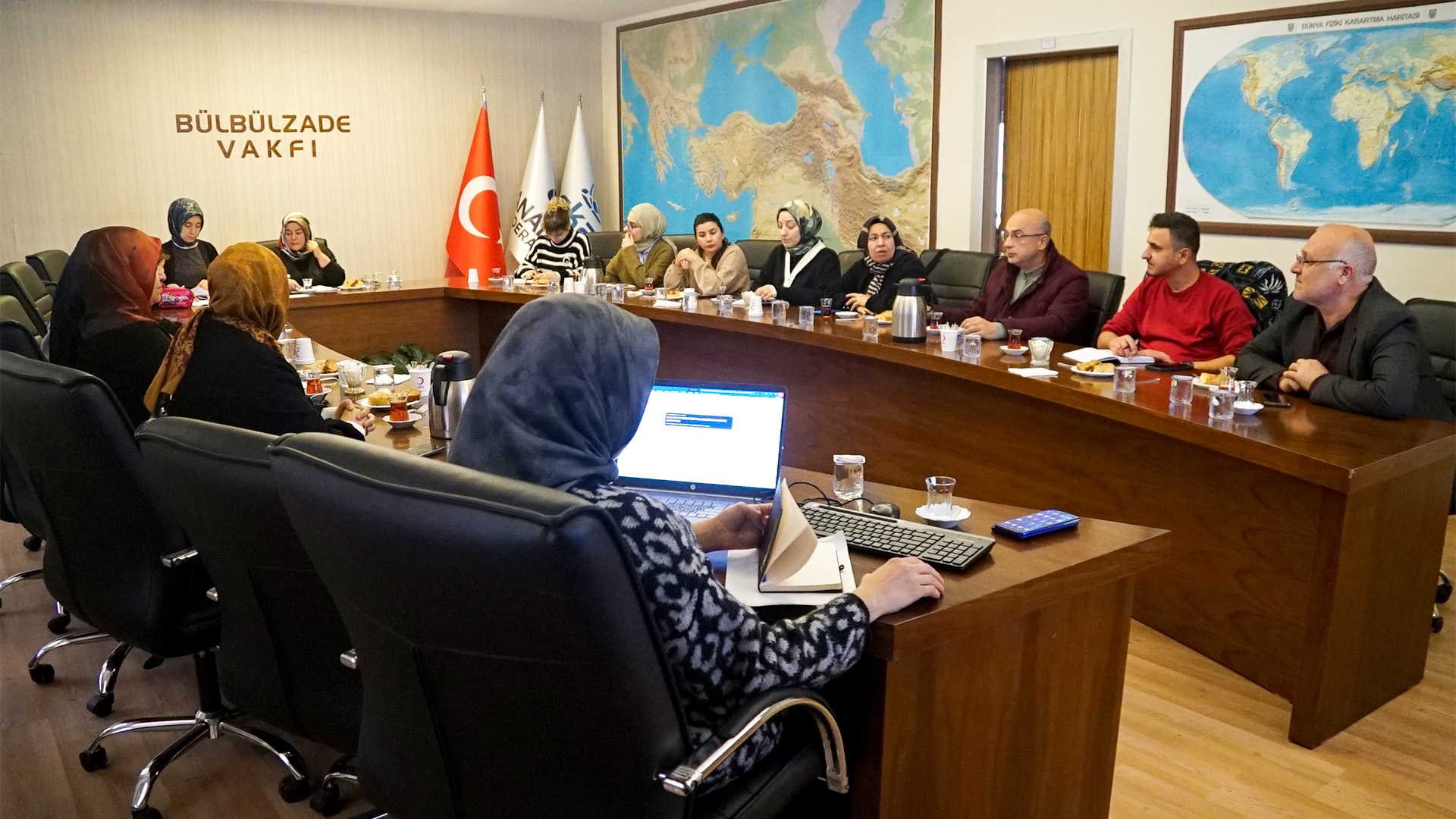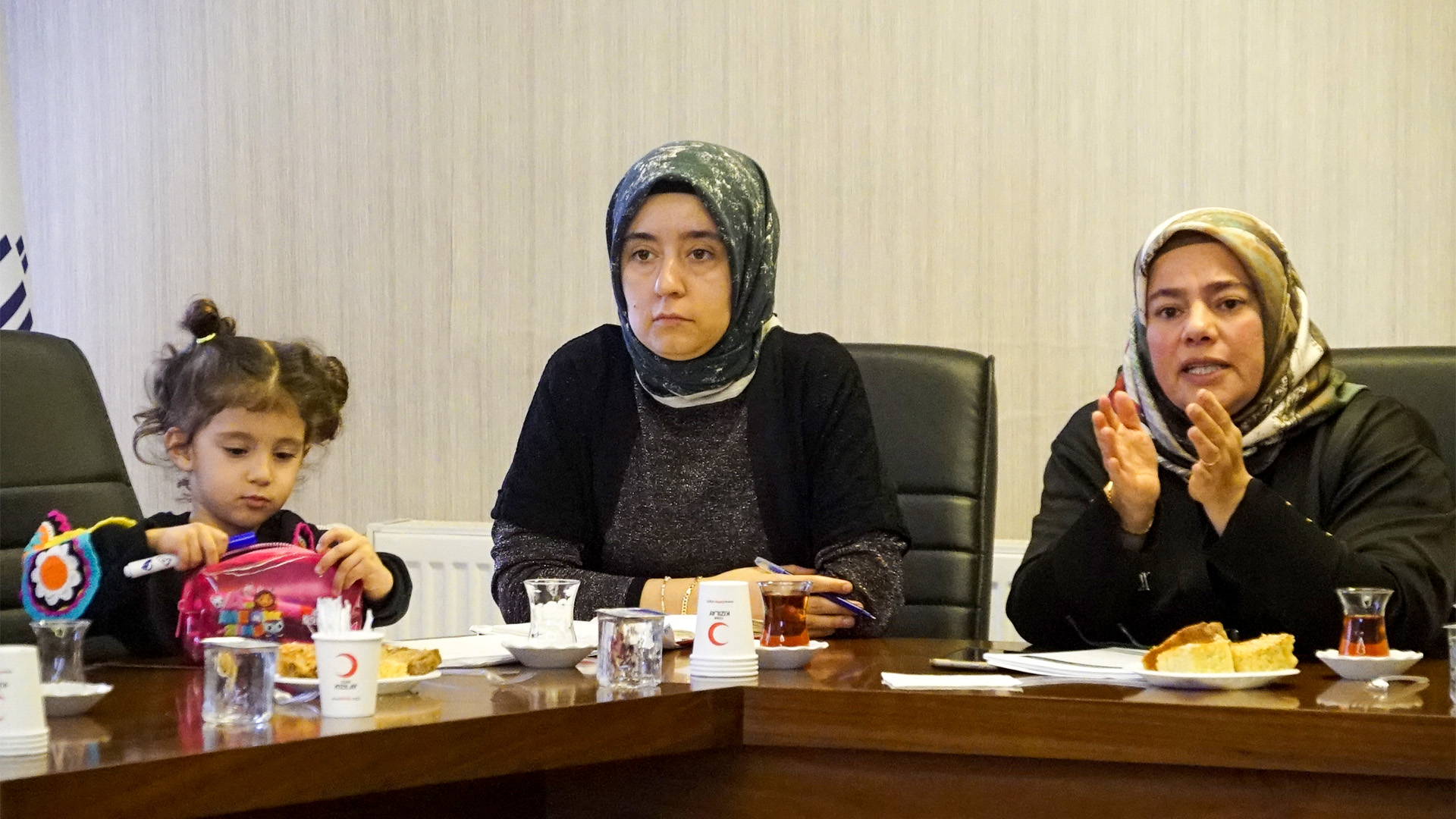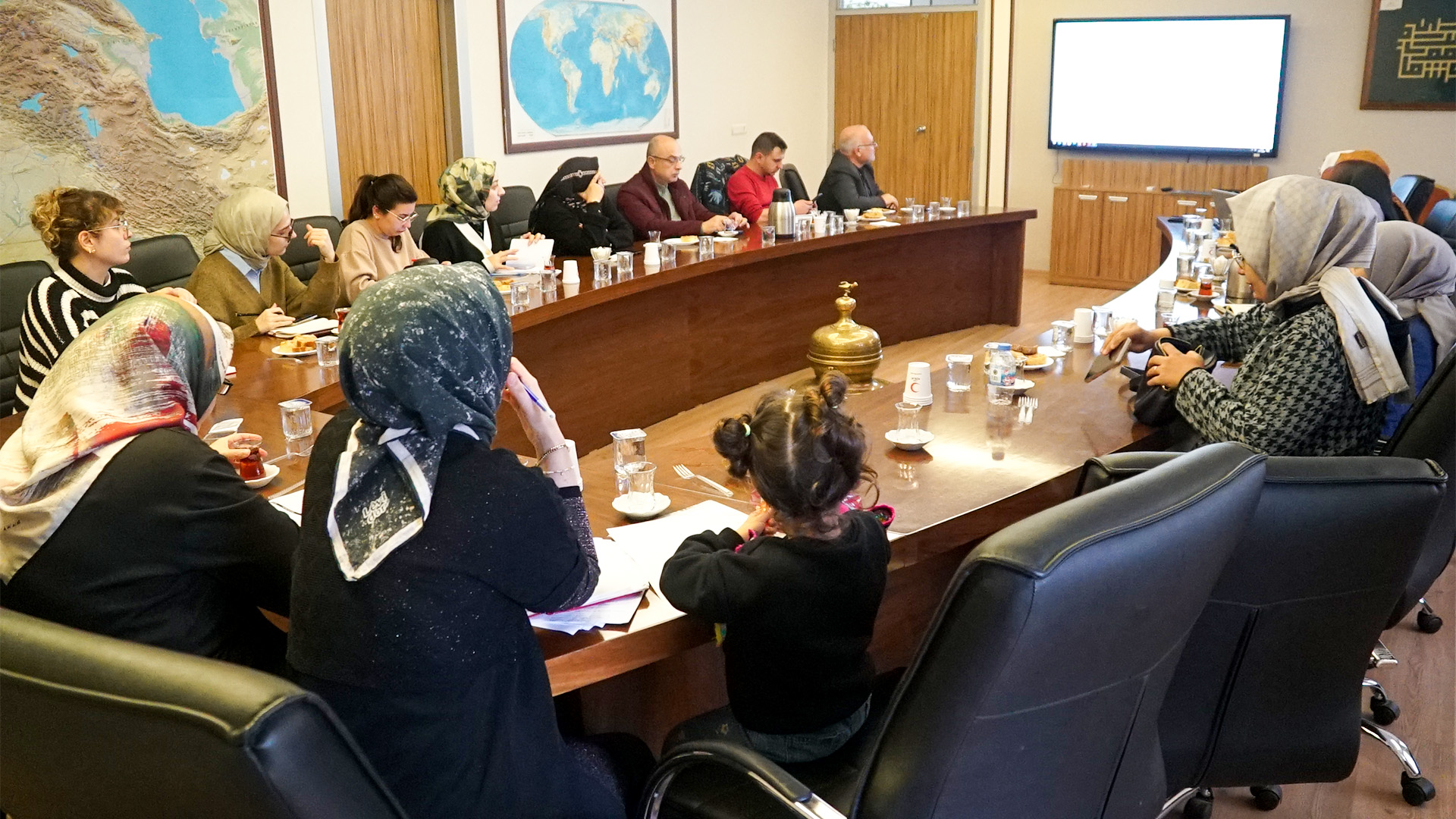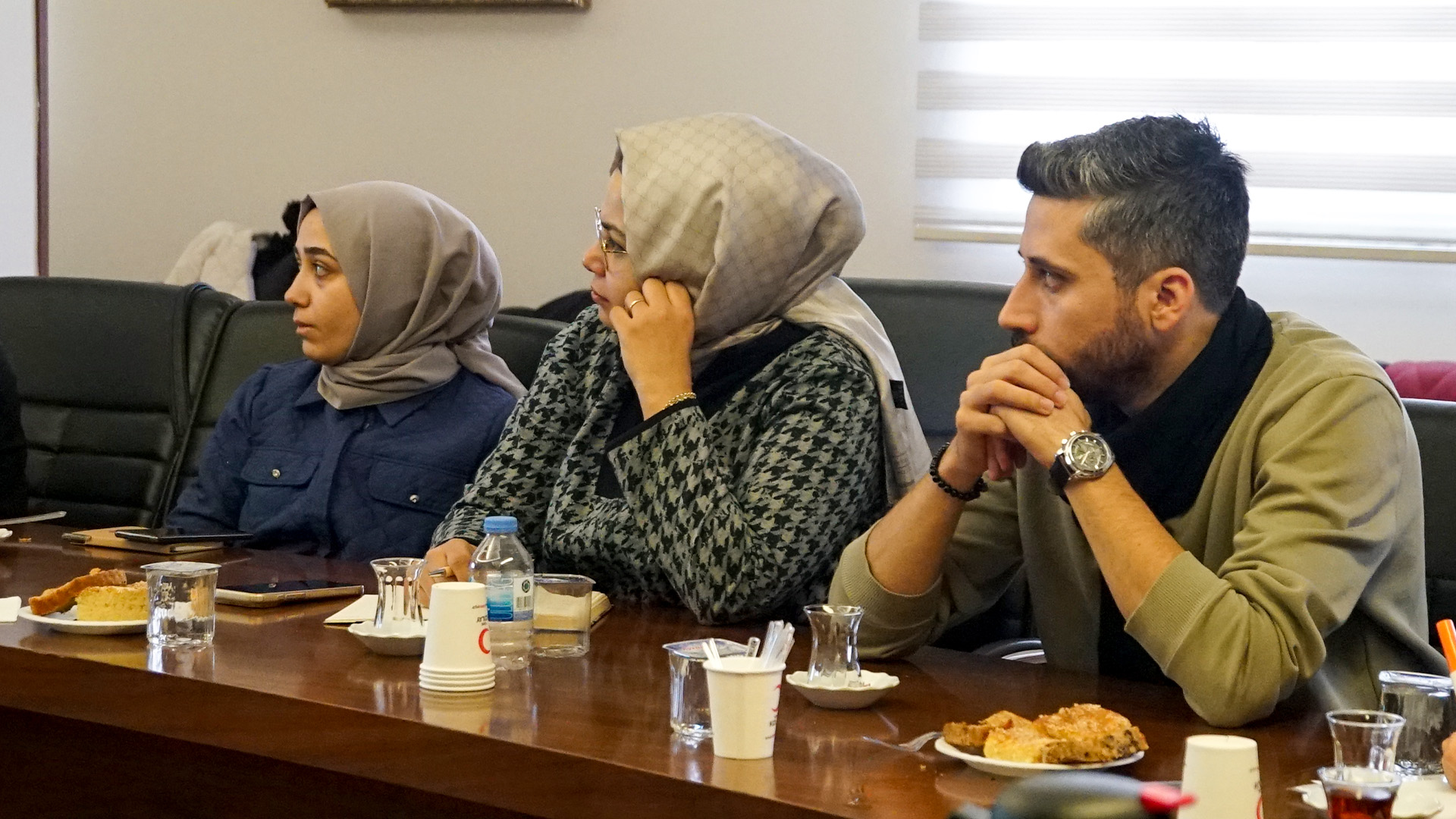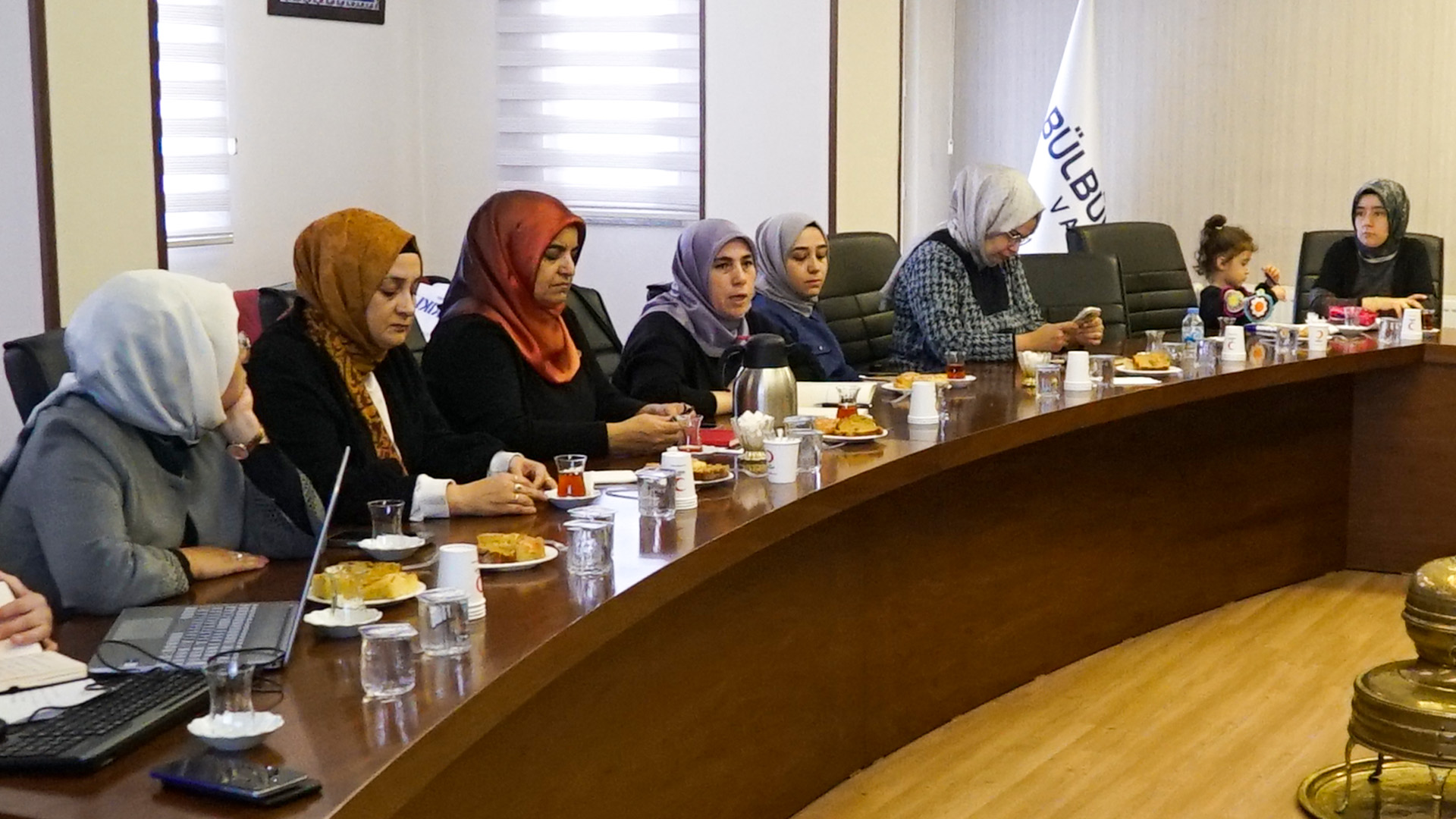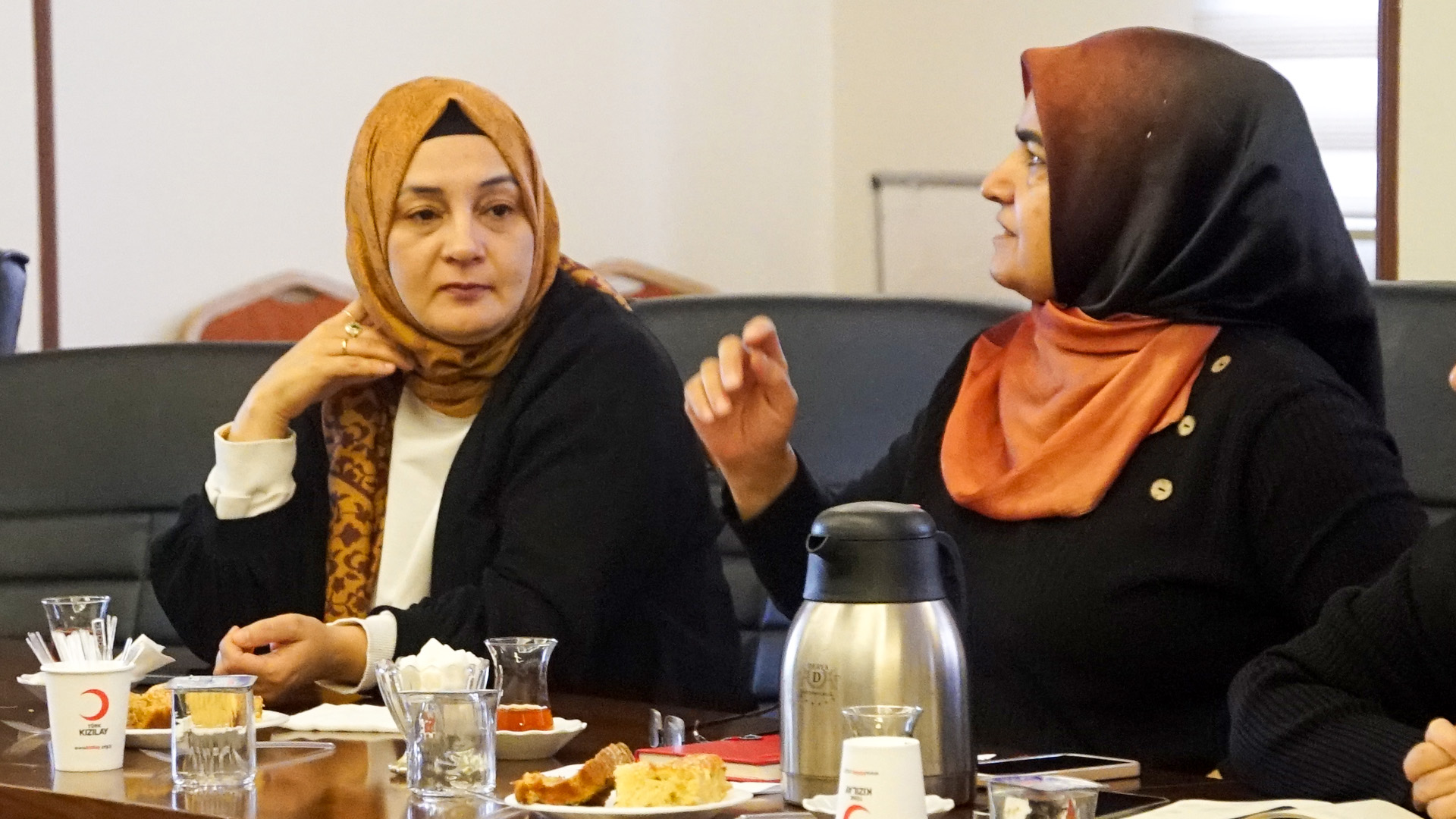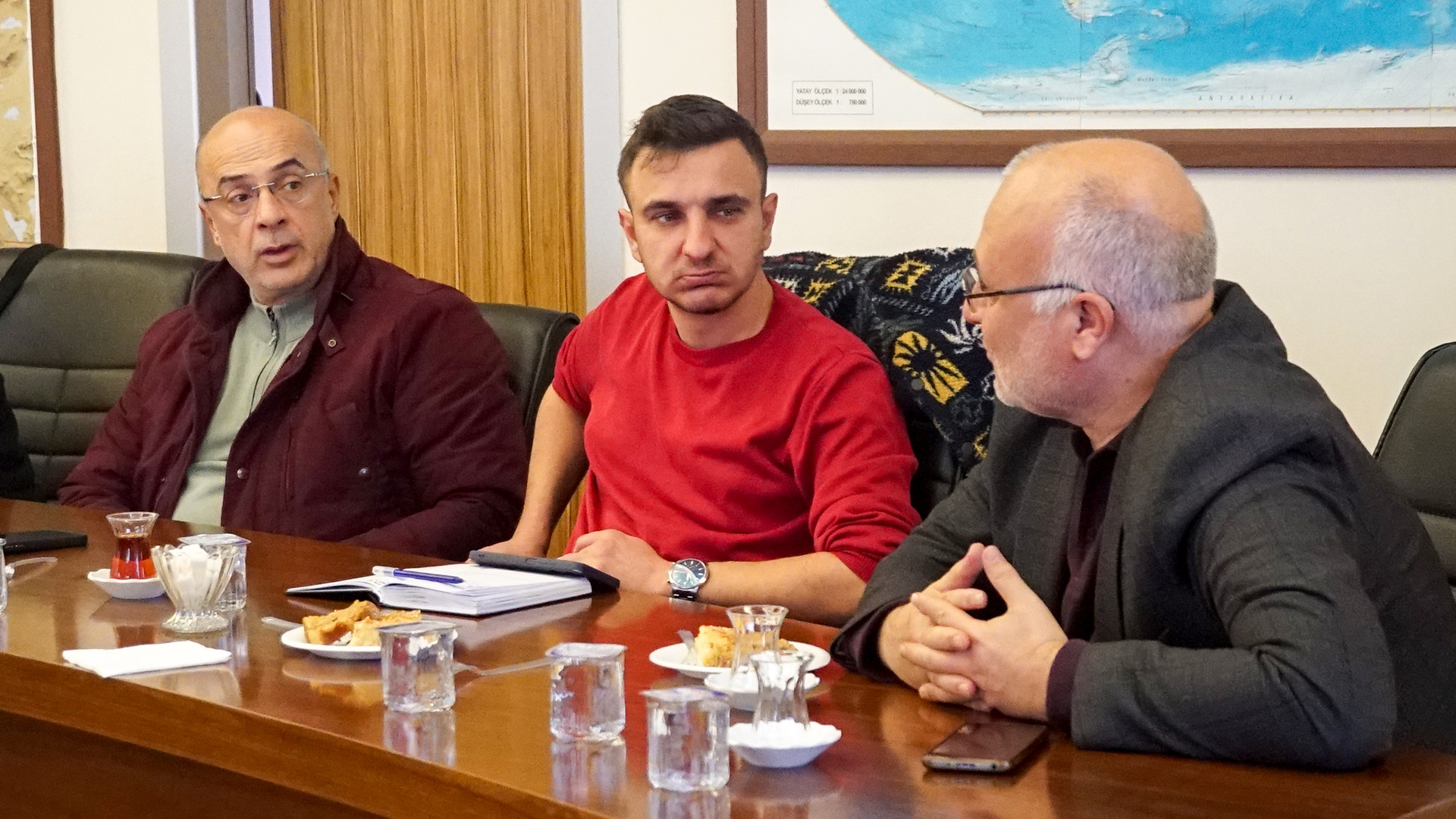
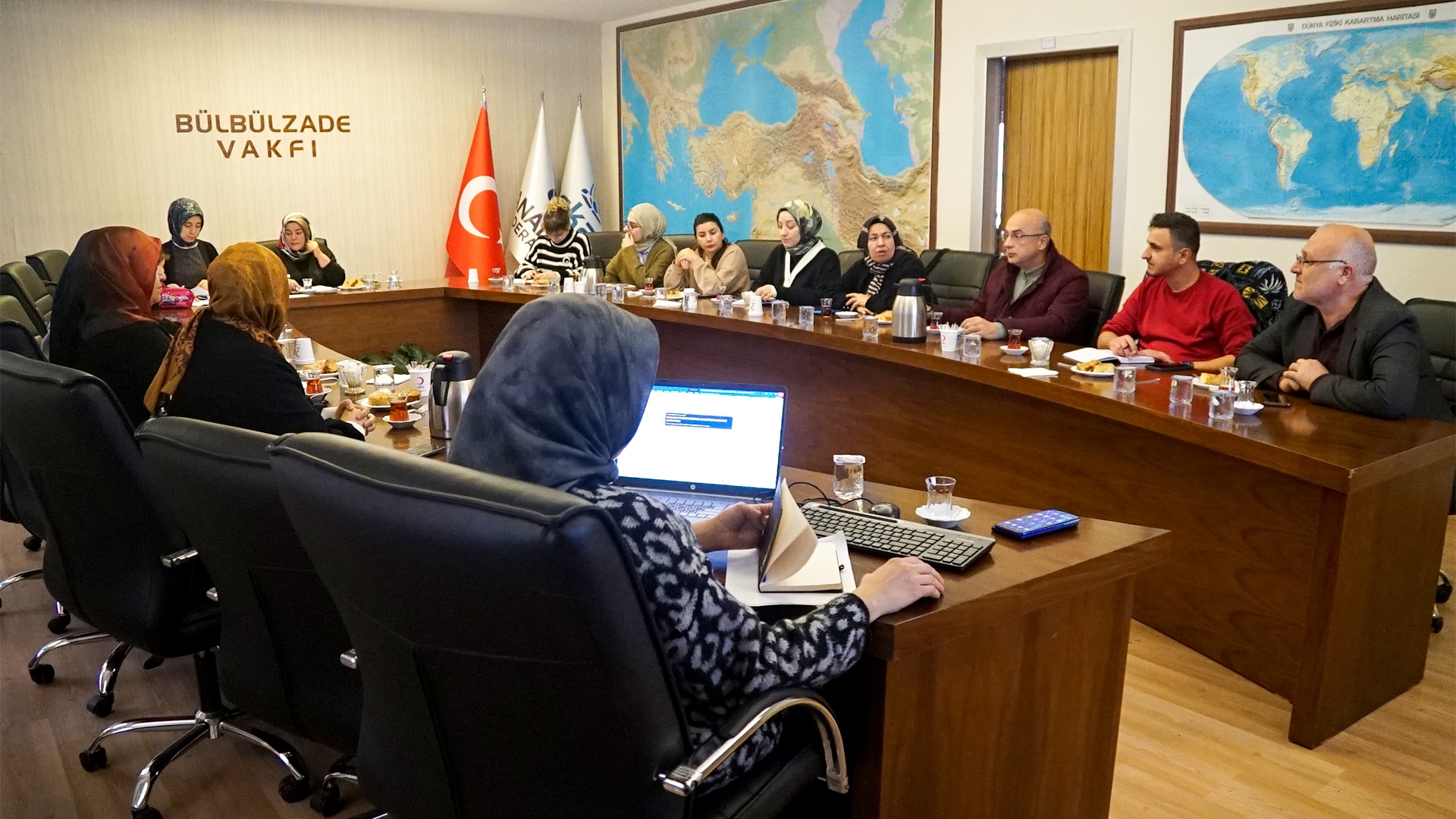
Hayata Dokun Association, operating under the Bülbülzade Foundation, held its second meeting to determine the details of the upcoming workshop.
Hayata Dokun Orphan Association, operating under the umbrella of the Bülbülzade Foundation, held a comprehensive evaluation meeting ahead of the “Program Development Workshop for a Holistic Family Support Model for Orphaned and Single-Parent Families,” which is planned to be implemented in the near future. At this second meeting, following the initial preparatory meeting, the steps to be taken to transform the fieldwork covering 1,700 orphaned families and 5,100 children reached by the association into a scientific, measurable, and institutionally applicable program were discussed.
FROM AN AID-FOCUSED APPROACH TO AN EMPOWERMENT MODEL
During the preparatory meeting, concrete data obtained from 75 support needs surveys and 11 institutional assessment surveys previously conducted by the association were examined. In line with field analyses, it was emphasized that periodic food and heating assistance, or stationery support provided solely to children, is not sufficient on its own to break the cycle of poverty. Within this framework, it was stated that the main focus of the planned workshop would be to approach the household as a whole, considering the “child and mother” as a single unit, and to empower mothers economically, professionally, legally, and psychosocially, enabling households to achieve self-sufficiency.
A MULTIDIMENSIONAL SEARCH FOR SOLUTIONS THROUGH FOUR MAIN SESSIONS
The workshop's program schedule was also finalized during the meeting. Designed in the format of a semi-structured focus group meeting and planned to last a full day, the workshop will consist of four main sessions, with the participation of the Provincial Directorate of Family and Social Services, the Social Assistance and Solidarity Foundation (SYDV), the Ministry of National Education's Guidance and Research Center (RAM), İŞKUR, municipalities, academics from relevant university departments, and the association's senior field sociologists.
The first session will address family-centered socio-economic empowerment and employment models. The second session will focus on transforming the association's “1 assessment + 2 follow-up” home visit model, conducted with the support of sociologists, and its 90.9% digital transparency infrastructure into a standardized operational guide. The third session will evaluate the trauma of spousal loss, grief management, the risk of parentification among children, and pedagogical monitoring mechanisms aimed at improving academic performance. In the final session, all scientific and operational data will be transformed into a measurable action plan and policy document covering a period of 1 to 3 years.
CONCRETE TARGETS AND INSTITUTIONAL COOPERATION
During the meeting, strategic intervention areas and performance indicators targeted for implementation following the workshop were also reviewed. Within the scope of the action plan to be developed, the objectives include providing 250 mothers with vocational certificates, securing free daycare places through municipalities for 100 children, and offering legal guidance to 500 families.
In the field of psychosocial and academic support, plans include providing group therapy for 400 mothers, clinical support for 300 children, weekly tutoring for 1,500 students, and opportunities for sports and nature camps for 750 orphaned young people.
Furthermore, based on the outcomes to be achieved, the association aims to prepare project proposals for national and international grant programs such as the Development Agency's SOGEP and the EU Erasmus+ Youth Exchange program. Following the completion of the preparatory process, the workshop will be held with the participation of relevant public institutions and experts.