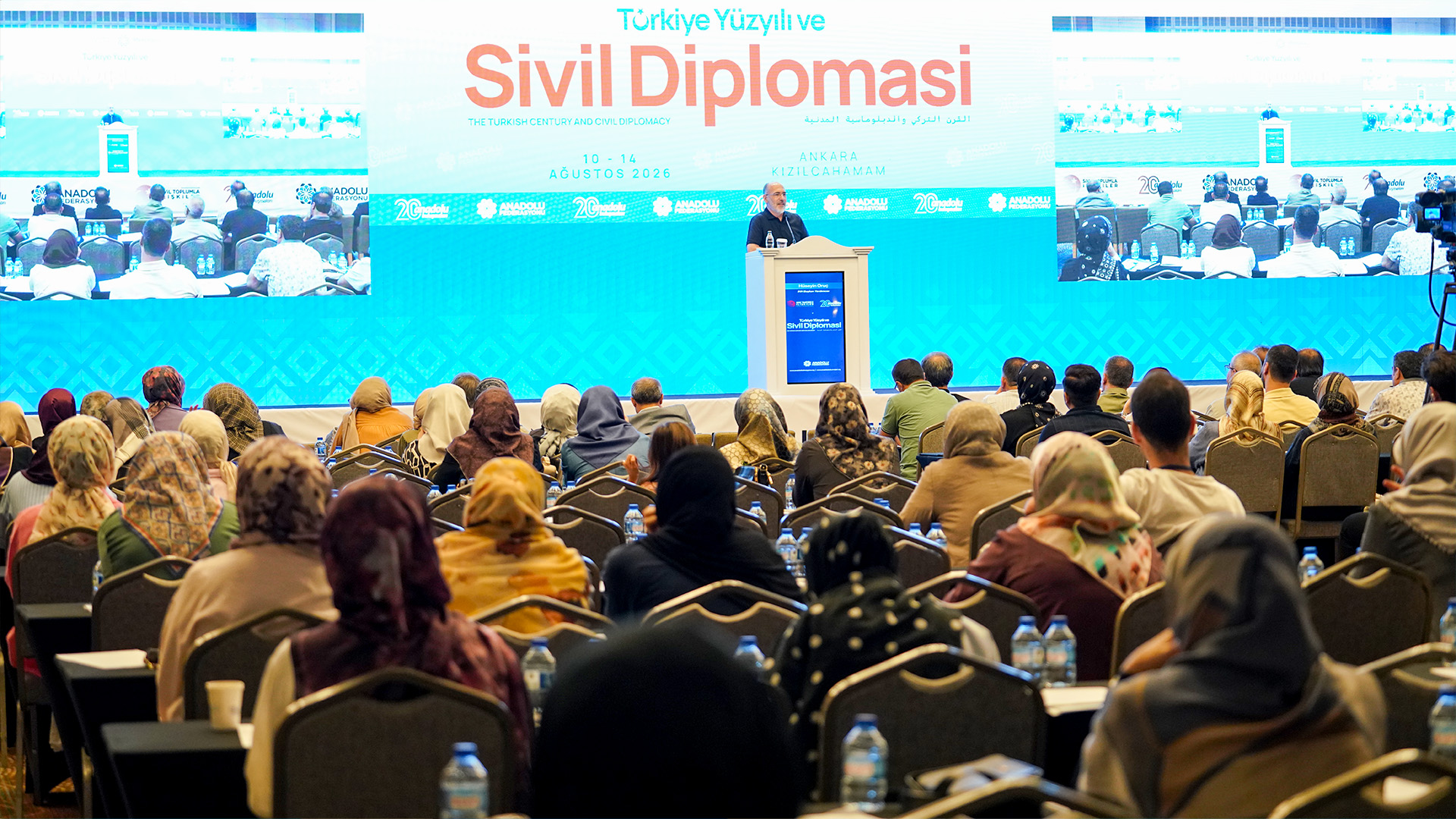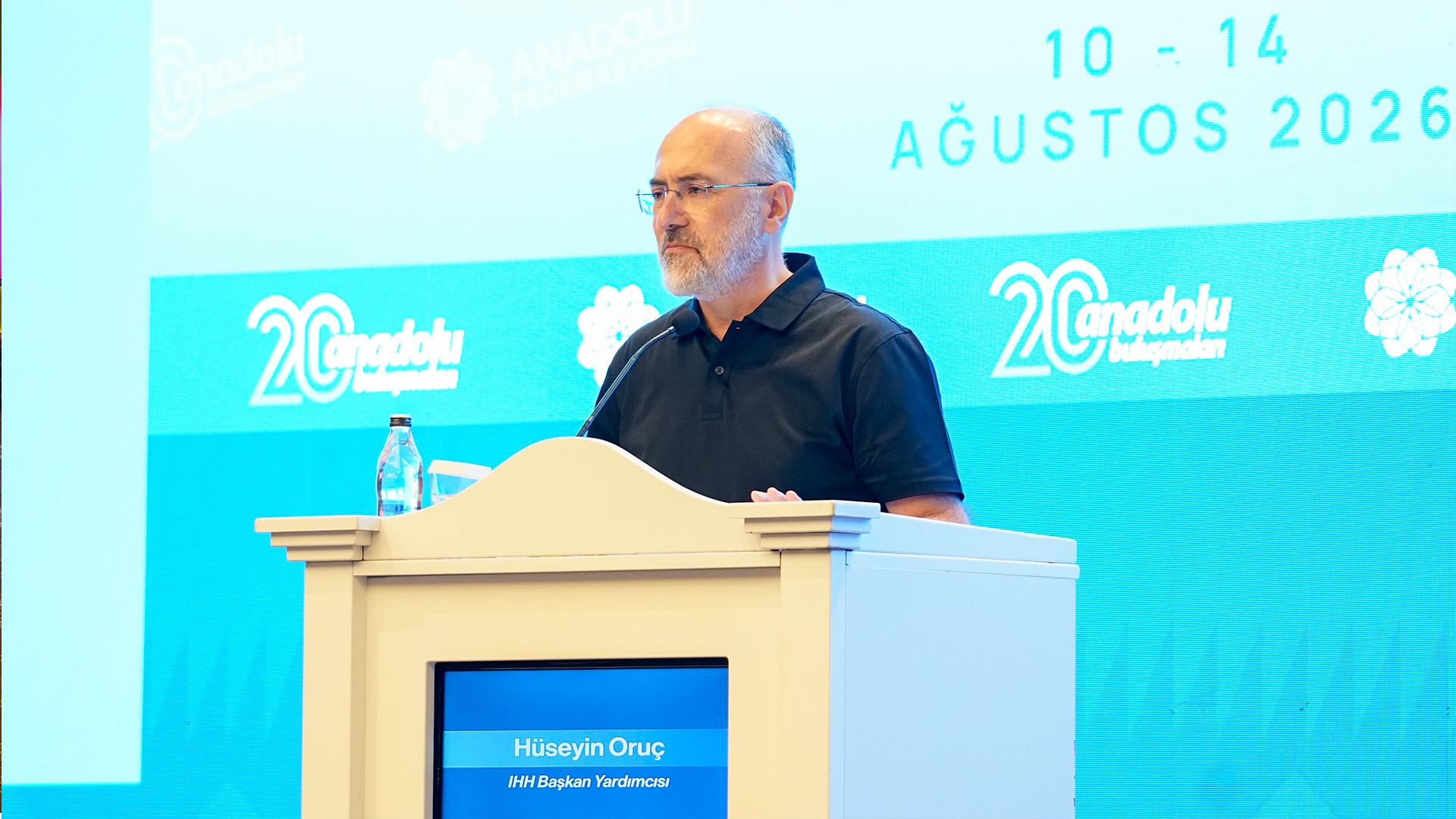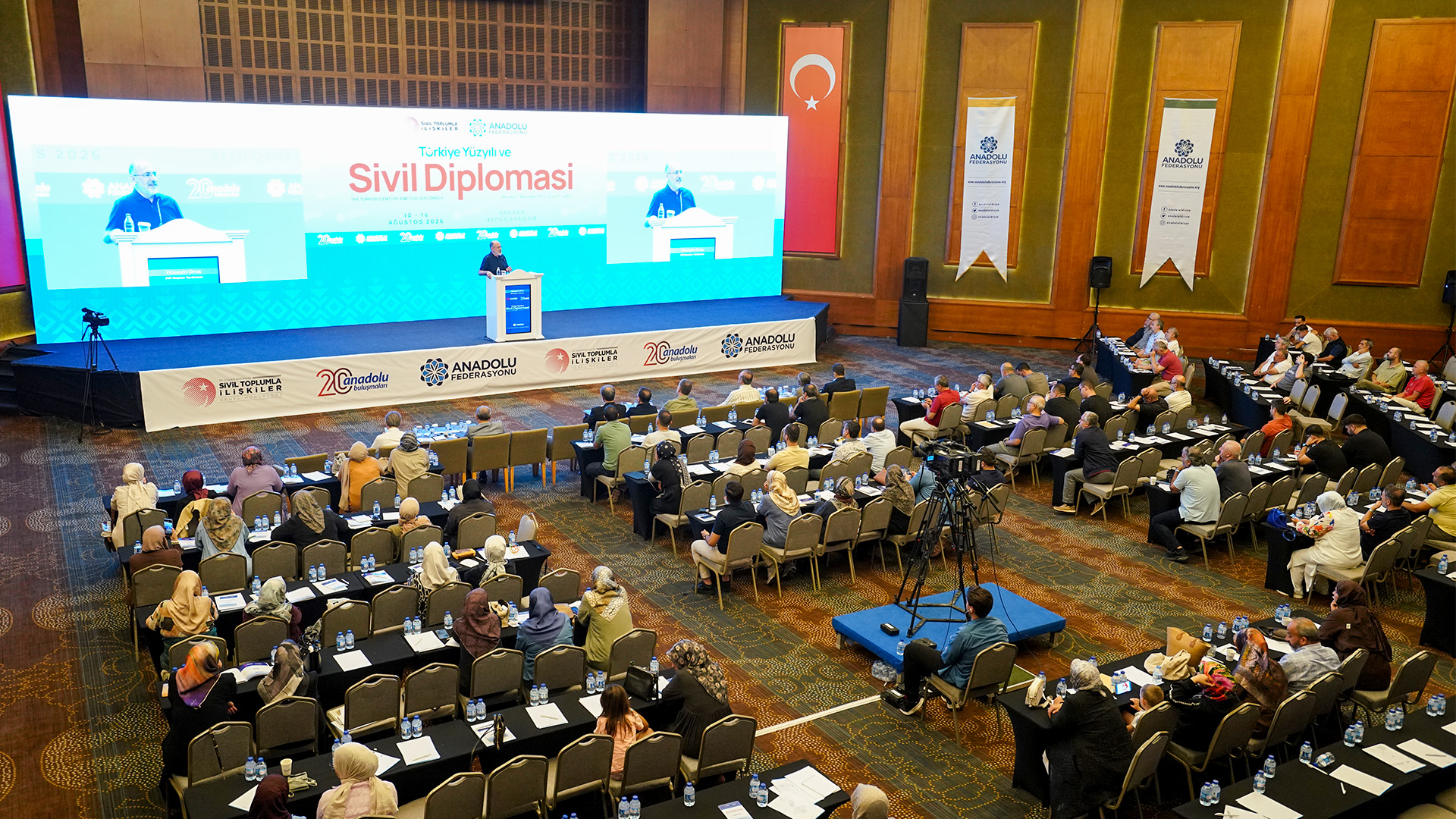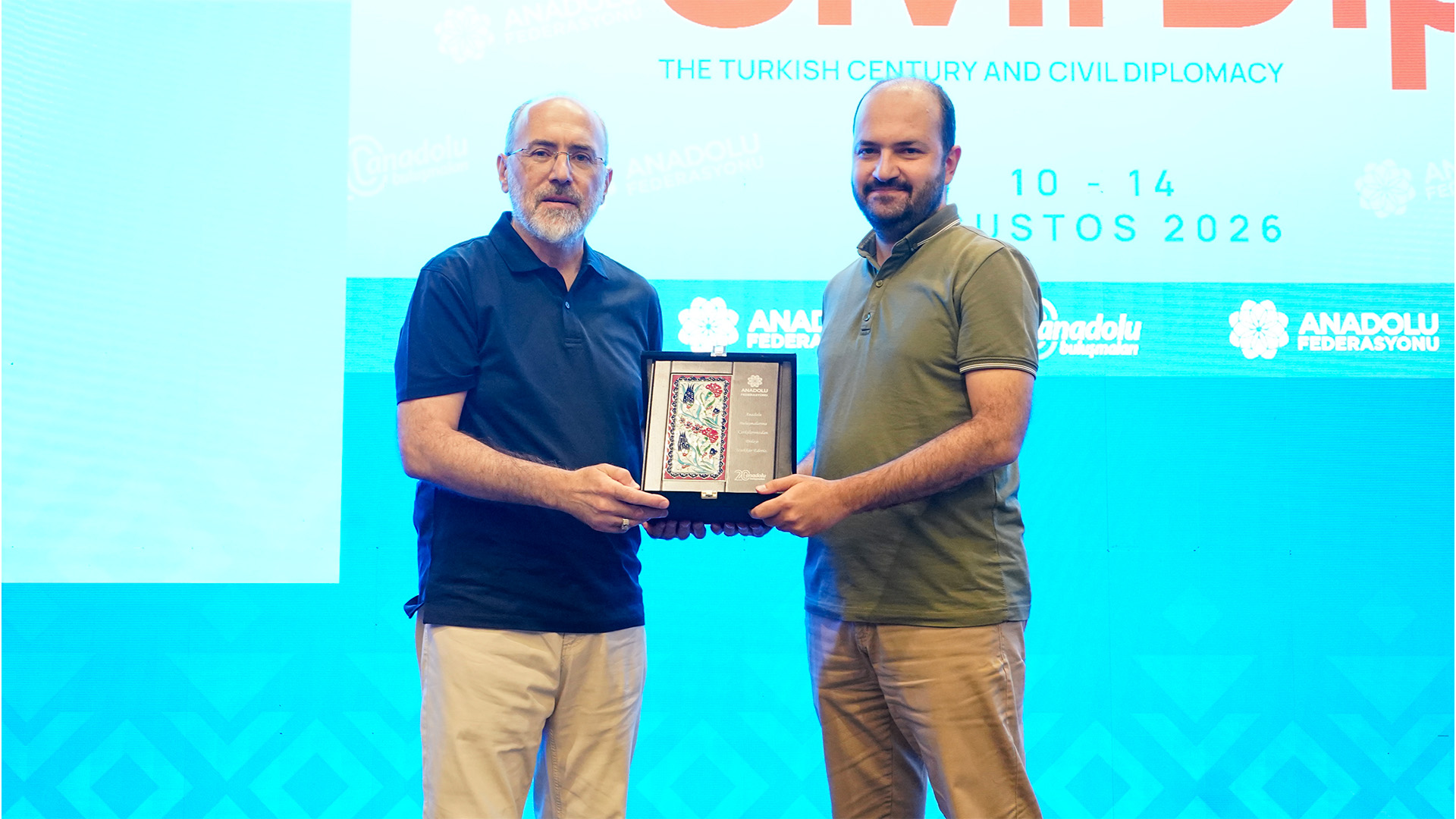
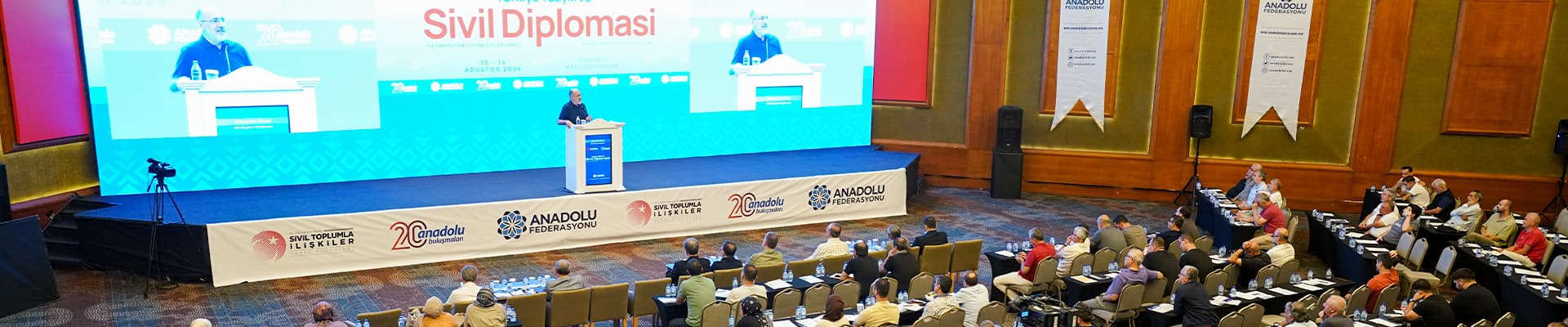
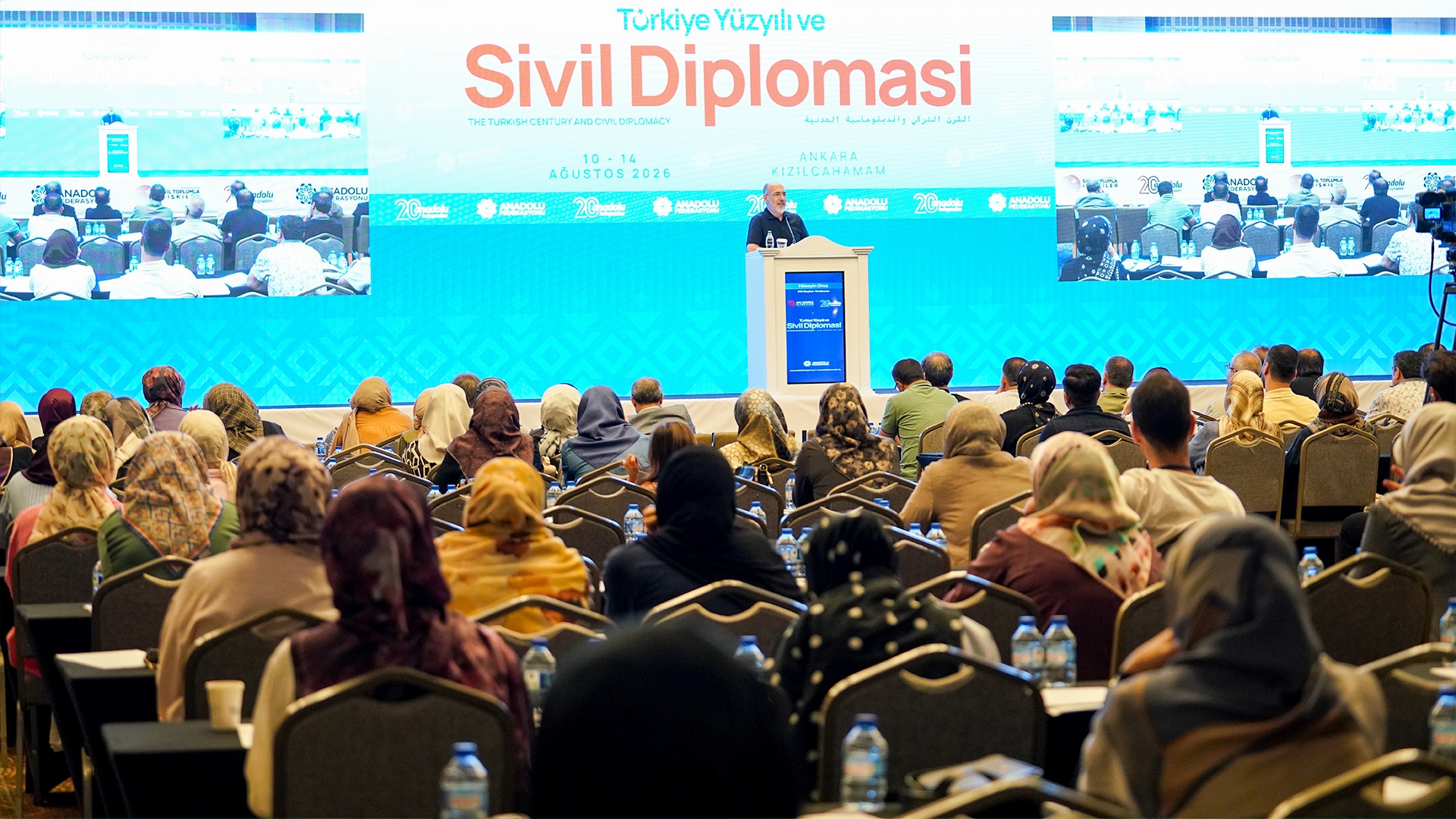
İHH Humanitarian Relief Foundation Vice President Hüseyin Oruç, in his speech at the 20th Anatolian Gatherings, shared his experiences in the Bangsamoro peace process and drew attention to the vital role of civil society in peacebuilding.
Speaking at a session held as part of the 20th Anatolian Gatherings, İHH Vice President Hüseyin Oruç addressed the participants with his speech titled "The Bangsamoro Peace Process and Peace Diplomacy." Known for his many years of experience in crisis management, peace processes, and humanitarian diplomacy, Oruç explained the process through which İHH became involved as a "third eye" in the seventeen-year negotiation process between the Moro Muslims (Bangsamoro) in the Philippines and the Philippine state. Emphasizing the social transformation strategy of Moro Islamic Liberation Front founder Salamat Hashim, Oruç stated that peace can only be built when the groundwork is prepared and the parties involved believe in it.
DIPLOMATIC SUCCESS EXTENDING FROM THE FIELD TO THE TABLE
In his speech, Oruç stated that İHH bases its activities on three main pillars: aid, advocacy (activism), and humanitarian diplomacy. Drawing attention to the importance of this integrity, Oruç warned that otherwise, merely providing aid or describing the problem could create space for others to solve the issue according to their own agendas. He stated that İHH's participation in the quadrilateral monitoring team established during the Moro Peace Process was a result of the trust the organization had gained through its previous aid and advocacy activities, and noted that this responsibility also gave İHH greater reach internationally.
THE PSYCHOLOGICAL THRESHOLD IN DISARMAMENT
Pointing out that peacebuilding is a difficult and lengthy process, Oruç stated that socioeconomic steps taken during the normalization phase of the agreement are of vital importance. He explained that support provided by the state, such as homes, agricultural land, and educational scholarships, is a guarantee of lasting peace for groups that have waged armed struggle for years to adapt to civilian life. The experienced figure stated that handing over weapons to an independent commission rather than directly to the state helped cross a psychological threshold, adding that confronting the past and demonstrating a will for fair coexistence is a far more lasting solution than simply ending the war.