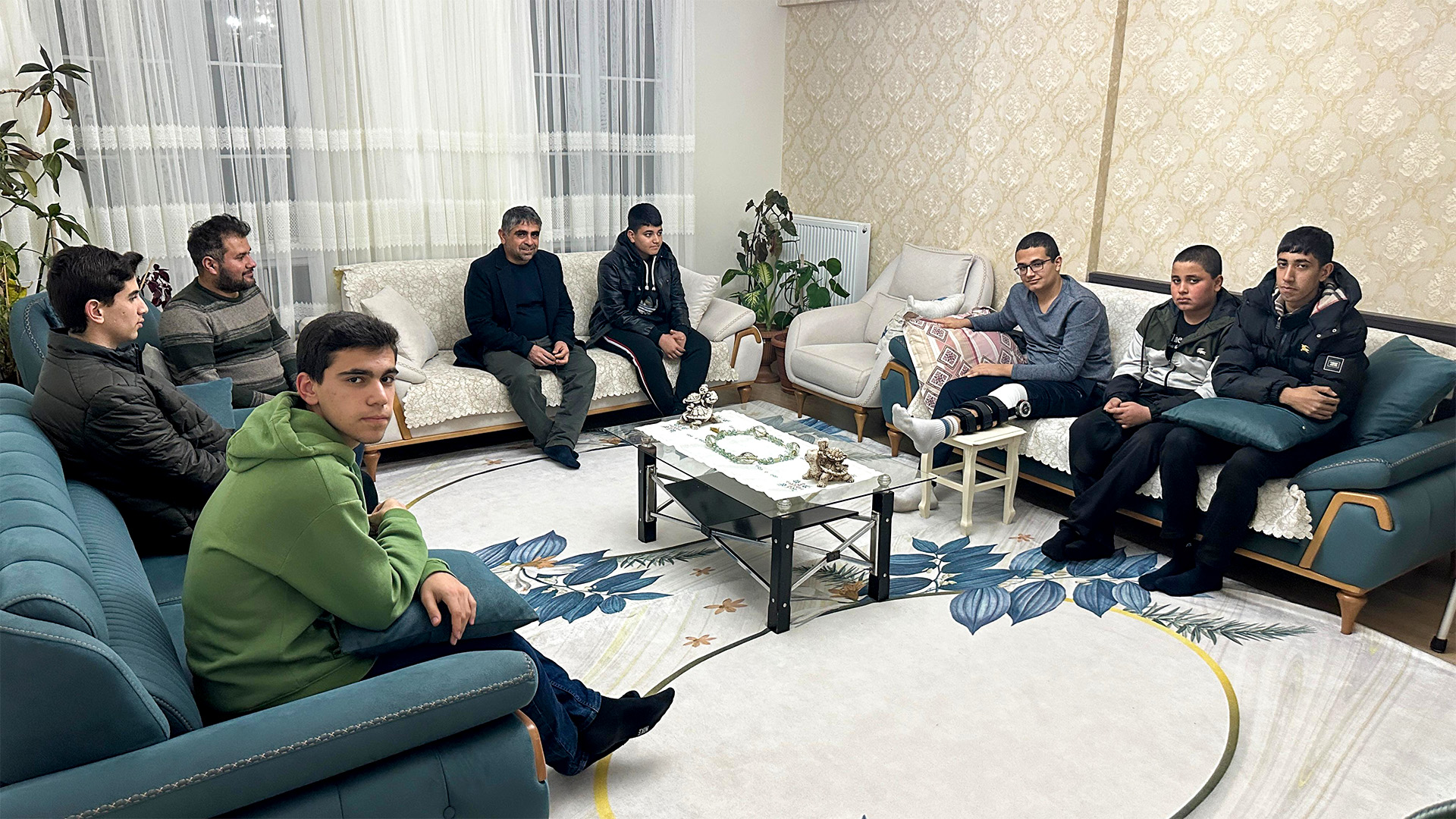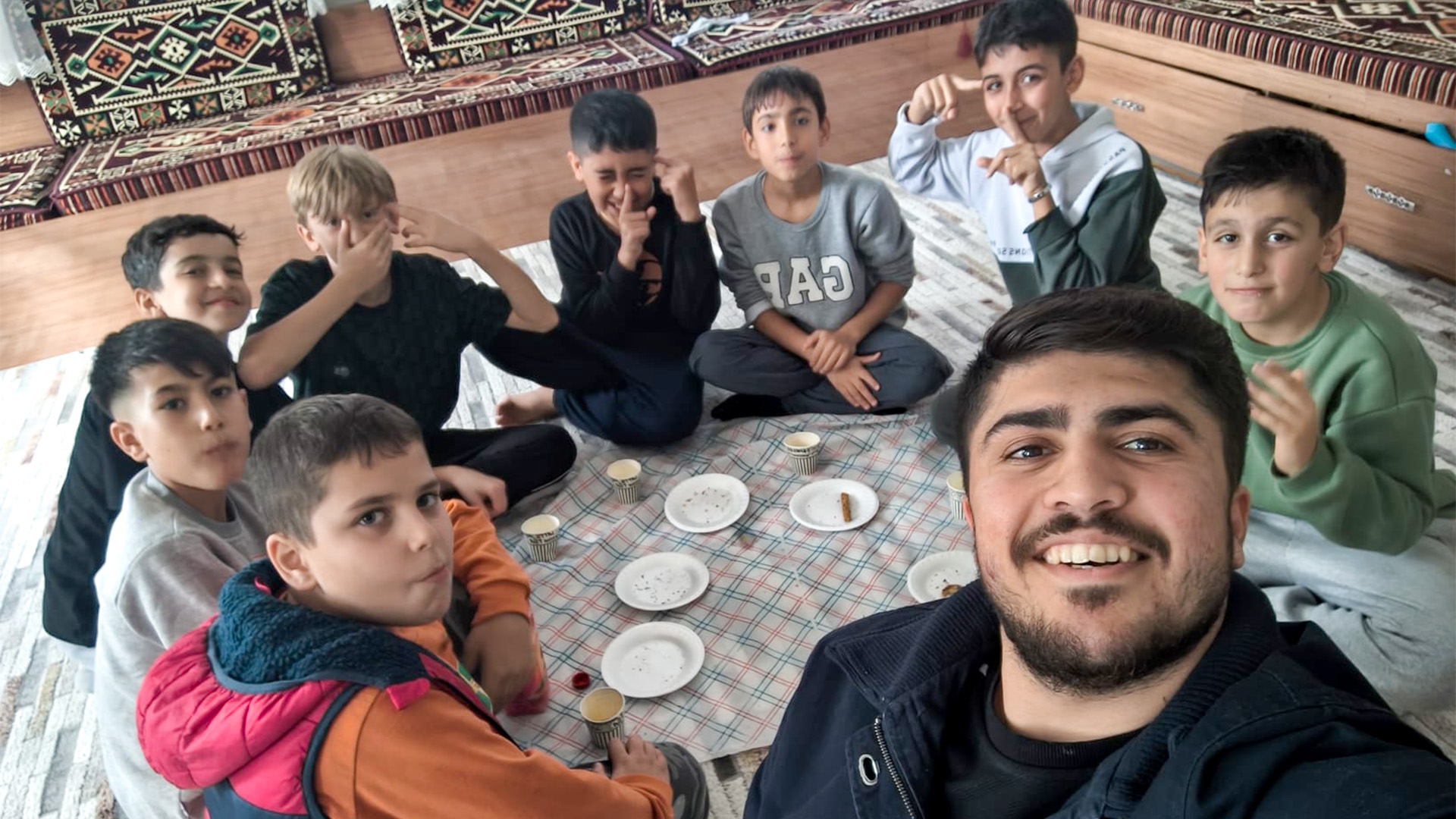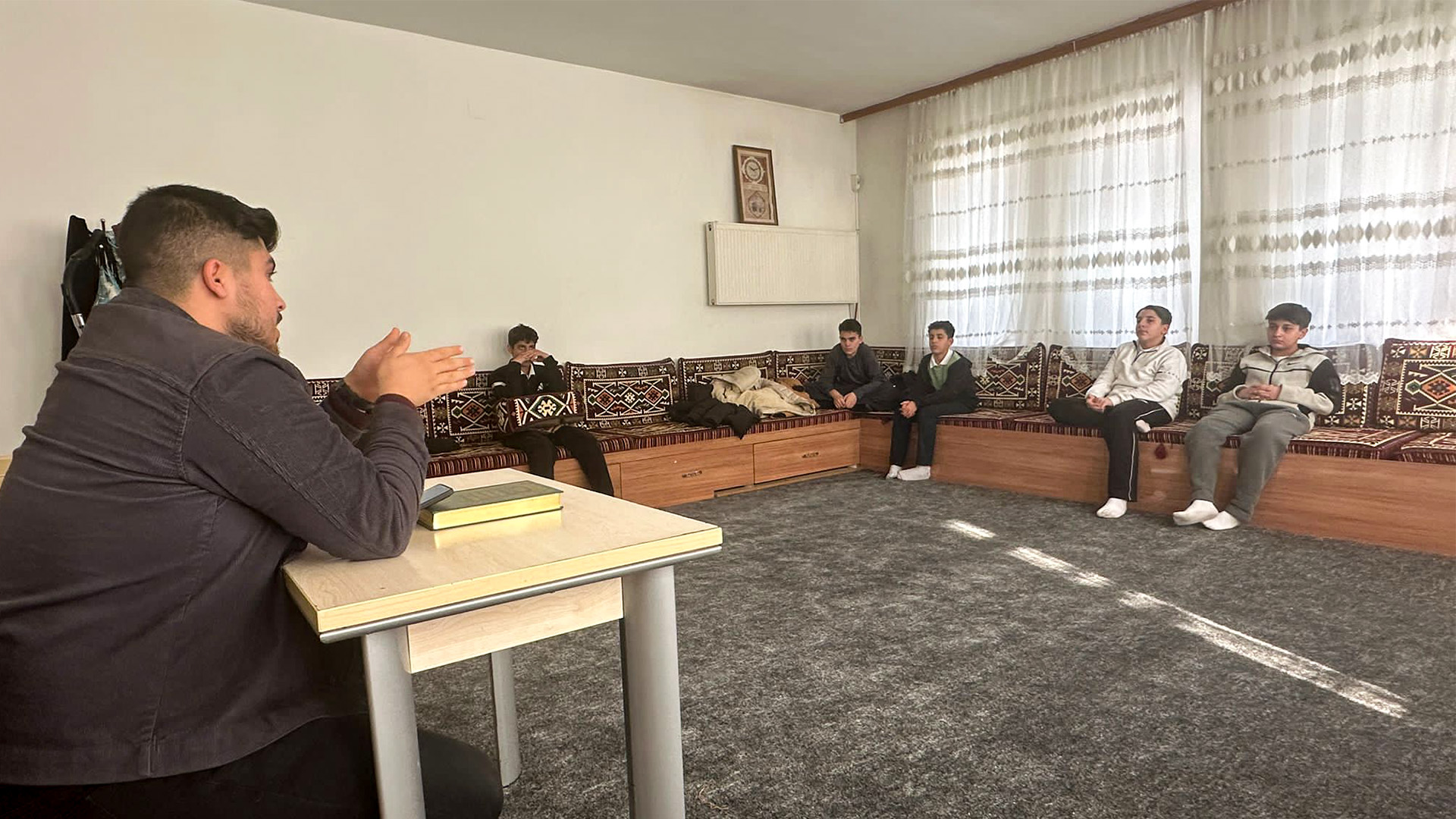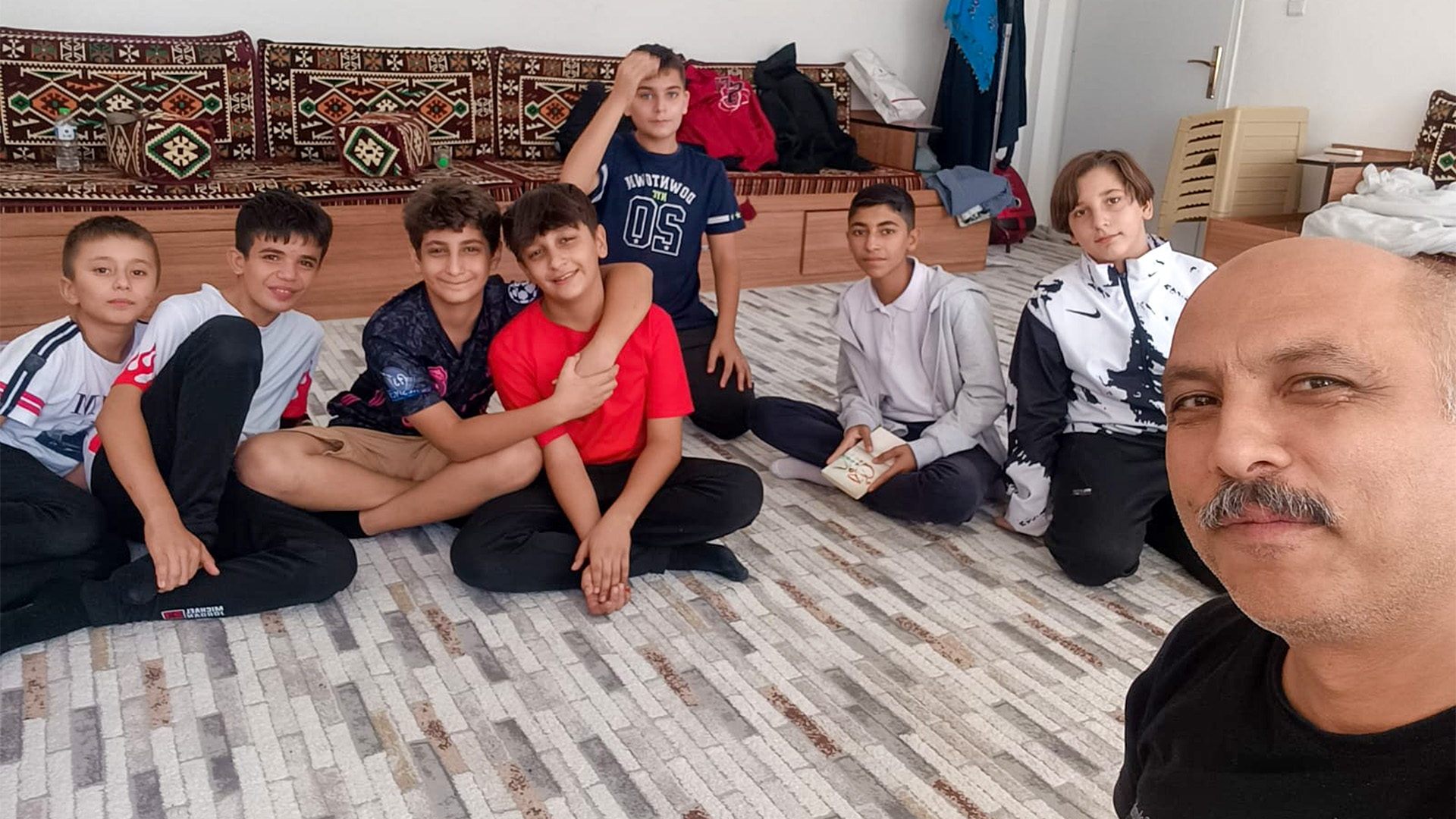
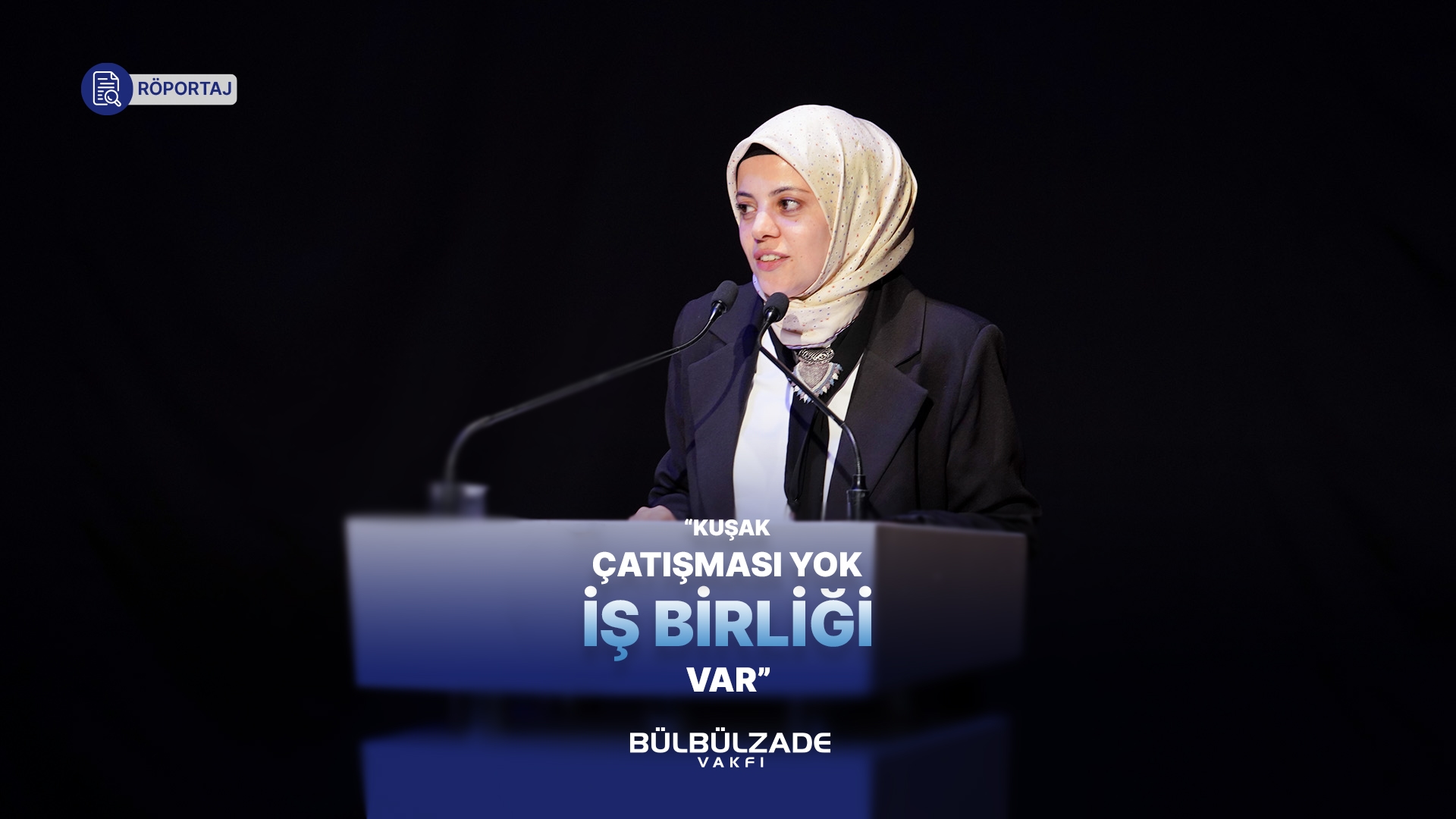
The Bülbülzade Foundation Secondary Education Unit is taking pedagogical steps that actively involve high school students in introducing them to civil society. Rather than viewing the generation gap as an element of conflict, the unit considers it a colorful spectrum of cooperation and builds strong connections with the new generation.
In today's world, where digitalization is rapidly accelerating, new approaches are required for civil society organizations to capture the interest of high school students and convey traditional values to them. The Bülbülzade Foundation Secondary Education Unit stands out with its unconventional approaches toward young people. Going beyond keeping young people merely in the position of listeners, the unit aims to transform them into active volunteers and carries out a wide range of activities, from mentoring systems to horizon-expanding projects. We met with Nesibe Çetinkaya, the unit coordinator, who accurately analyzes the way the new generation perceives the world, and discussed the place of young people in civil society, the language of motivation established with them, and the unit's visionary projects.
In an age when the new generation is constantly immersed in the digital world, attracting the attention of high school students is becoming increasingly difficult. What modern communication channels and pedagogical methods do you use to convey foundation culture and traditional values to them?
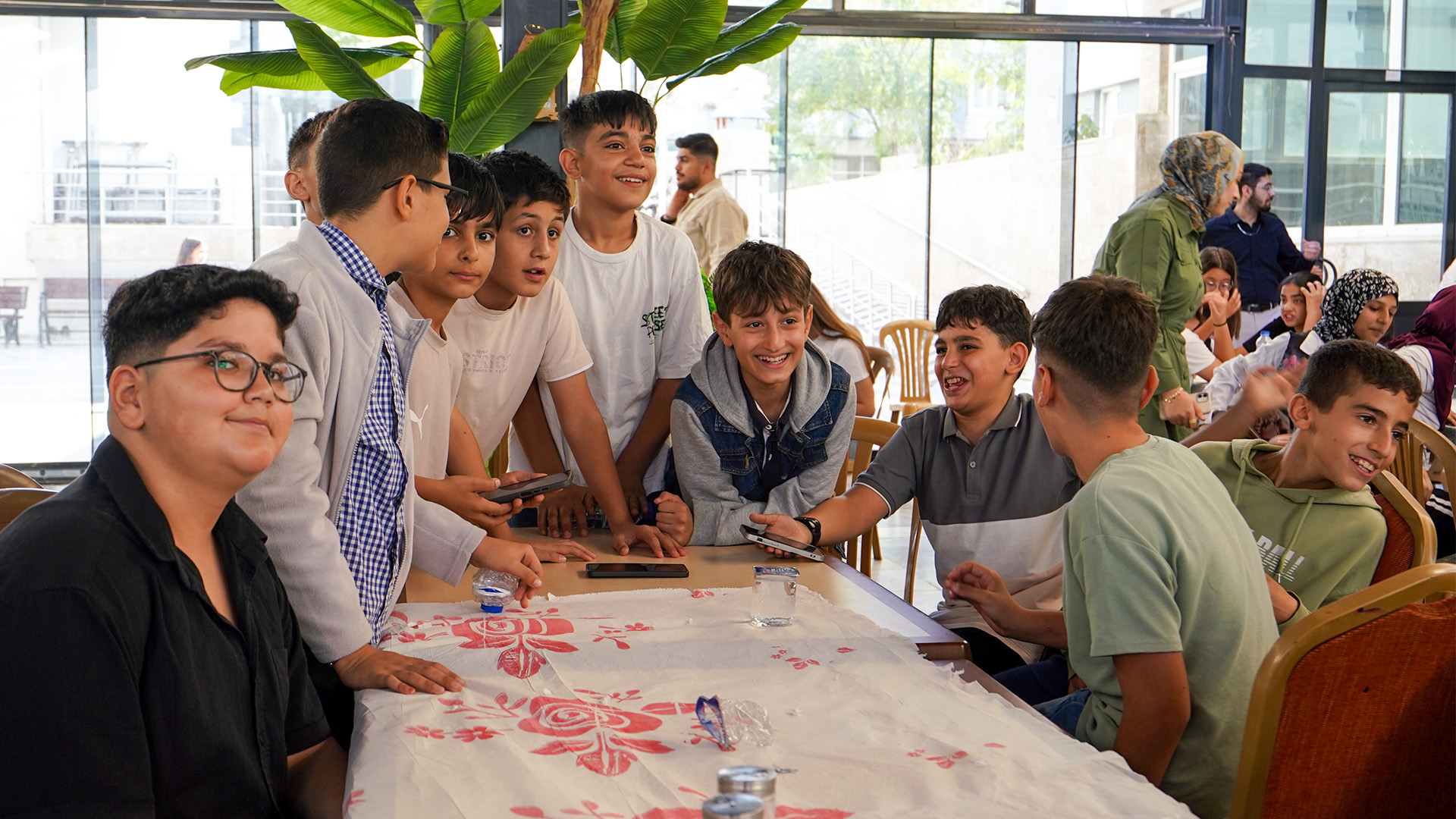
Perhaps the first step toward understanding young people is to think back to our own youth. For most of us, those were energetic years when we wanted to have fun with our friends. Today, in civil society, we approach young people first with the awareness that they are young, and then with the perspective that they will be the ones in our place 10 years from now, in other words, young people who will be able to provide volunteer training. When you invite a young person who goes to school every weekday to an association on the weekend to attend classes, it may not sound very appealing. However, when you first establish a spiritual and emotional familiarity and bond with that young person, and enrich the lessons with activities, young people begin wanting to come even without being invited.
A SENSE OF RESPONSIBILITY BEYOND ACADEMIC ACHIEVEMENT
The Secondary Education Unit does not focus solely on students' academic achievements. What kind of infrastructure do you implement in workshops and camps to develop young people's social skills and instill a sense of responsibility in them?
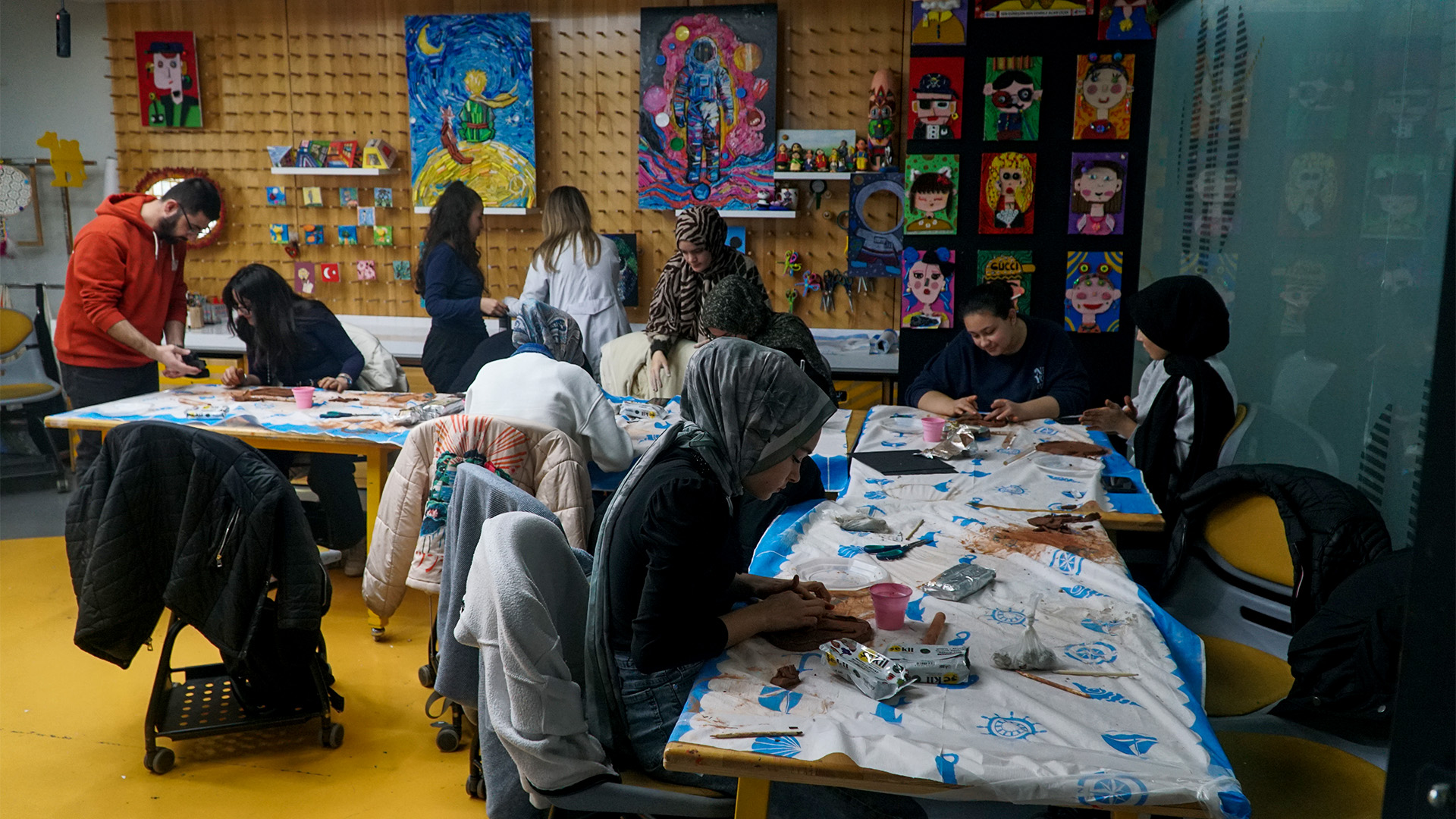
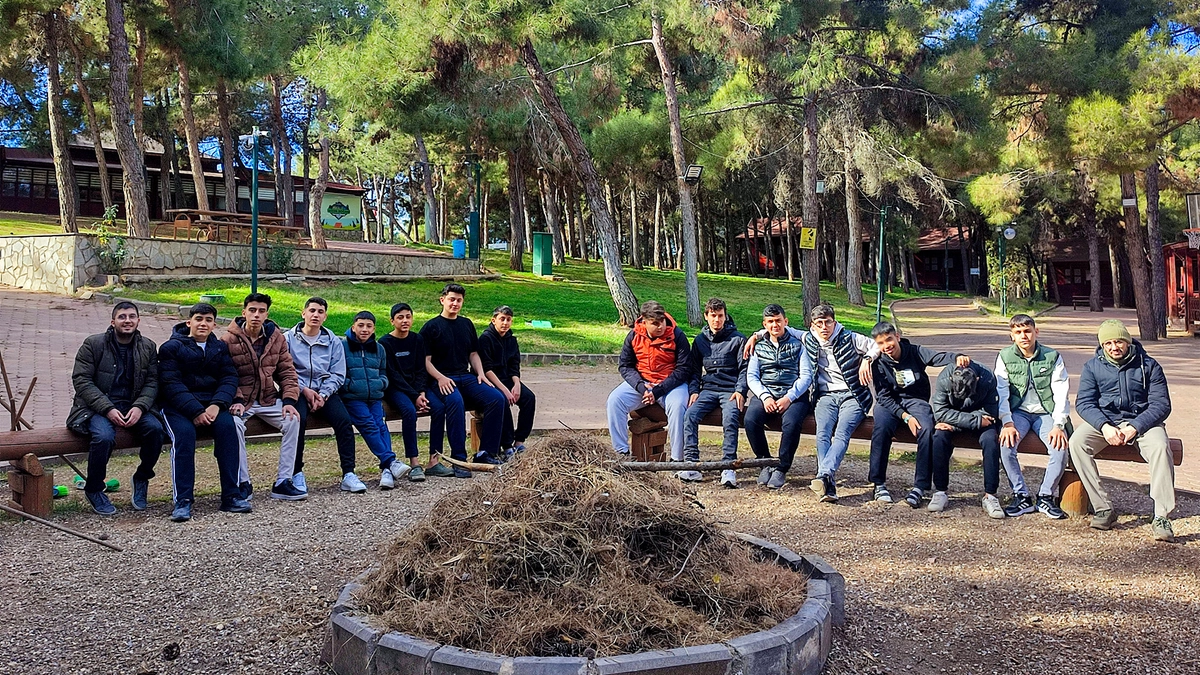
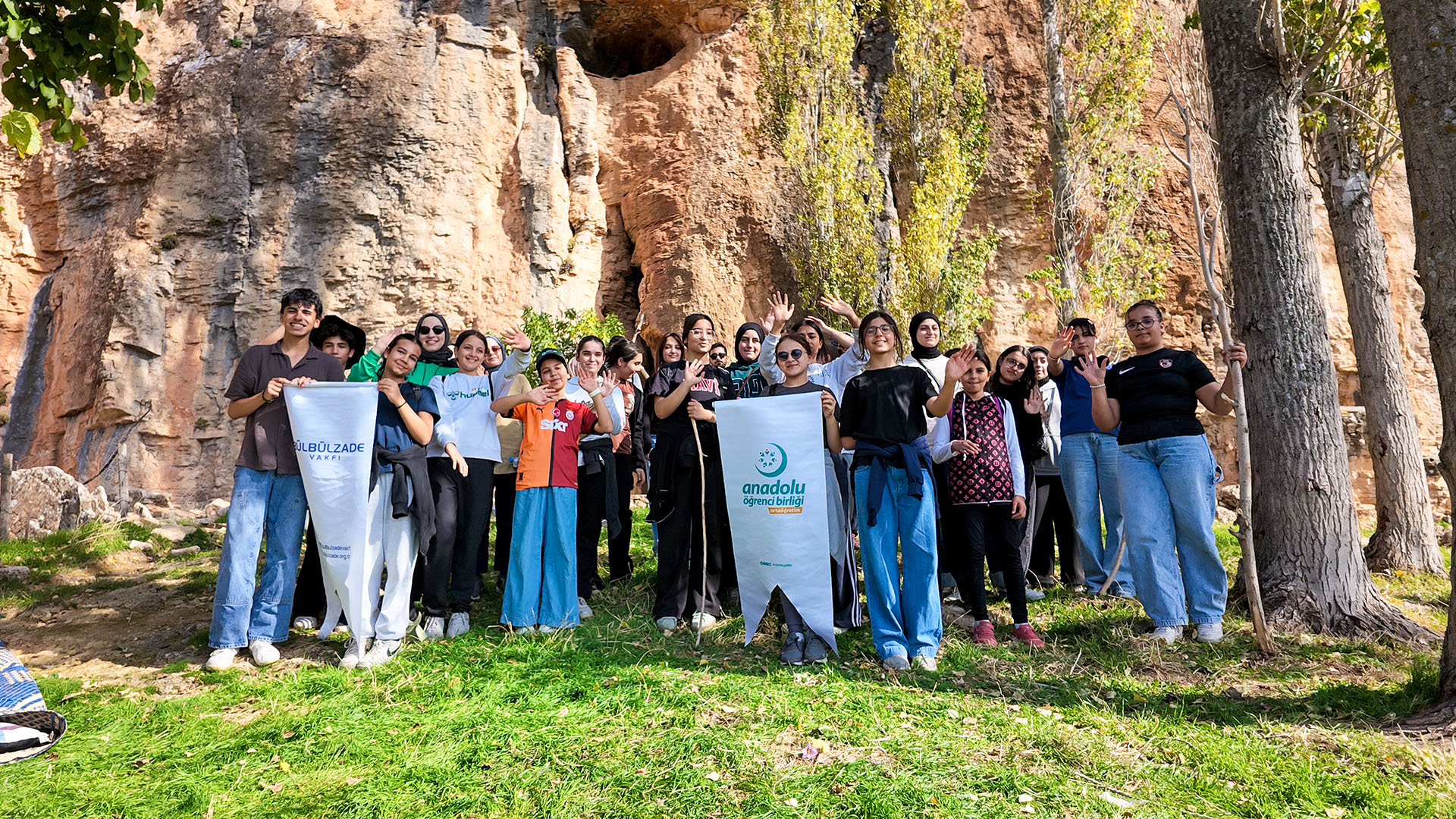
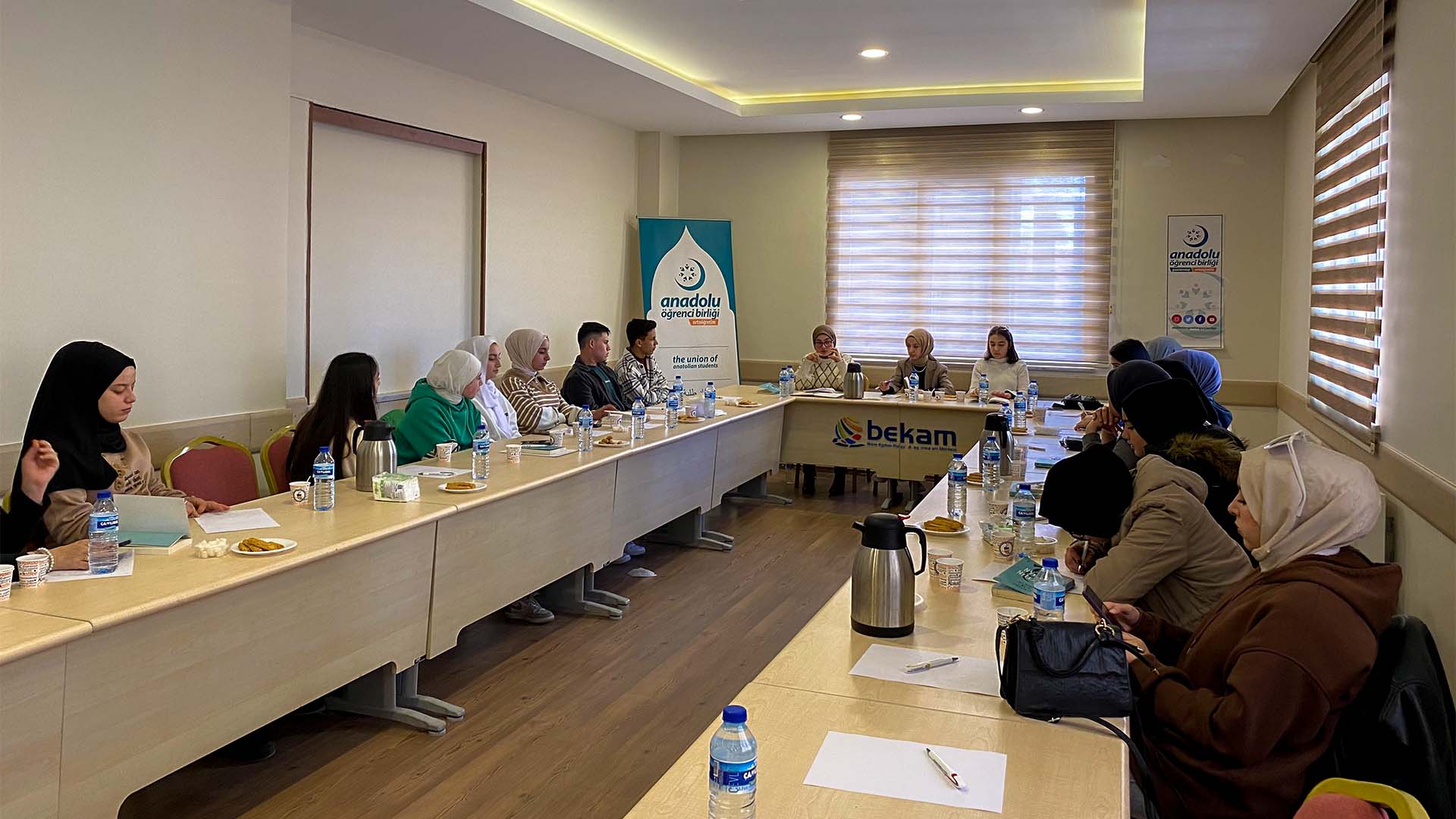
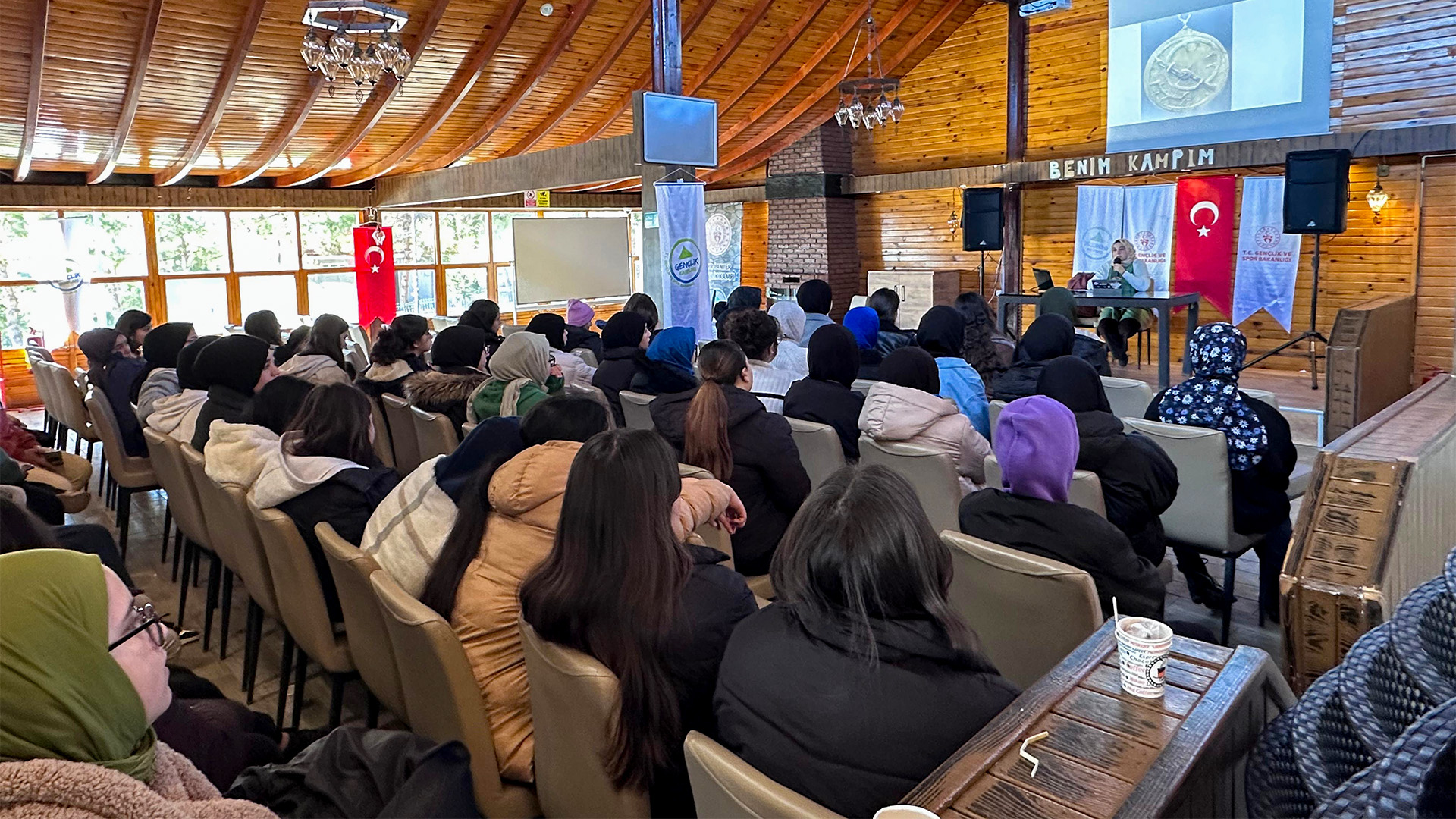
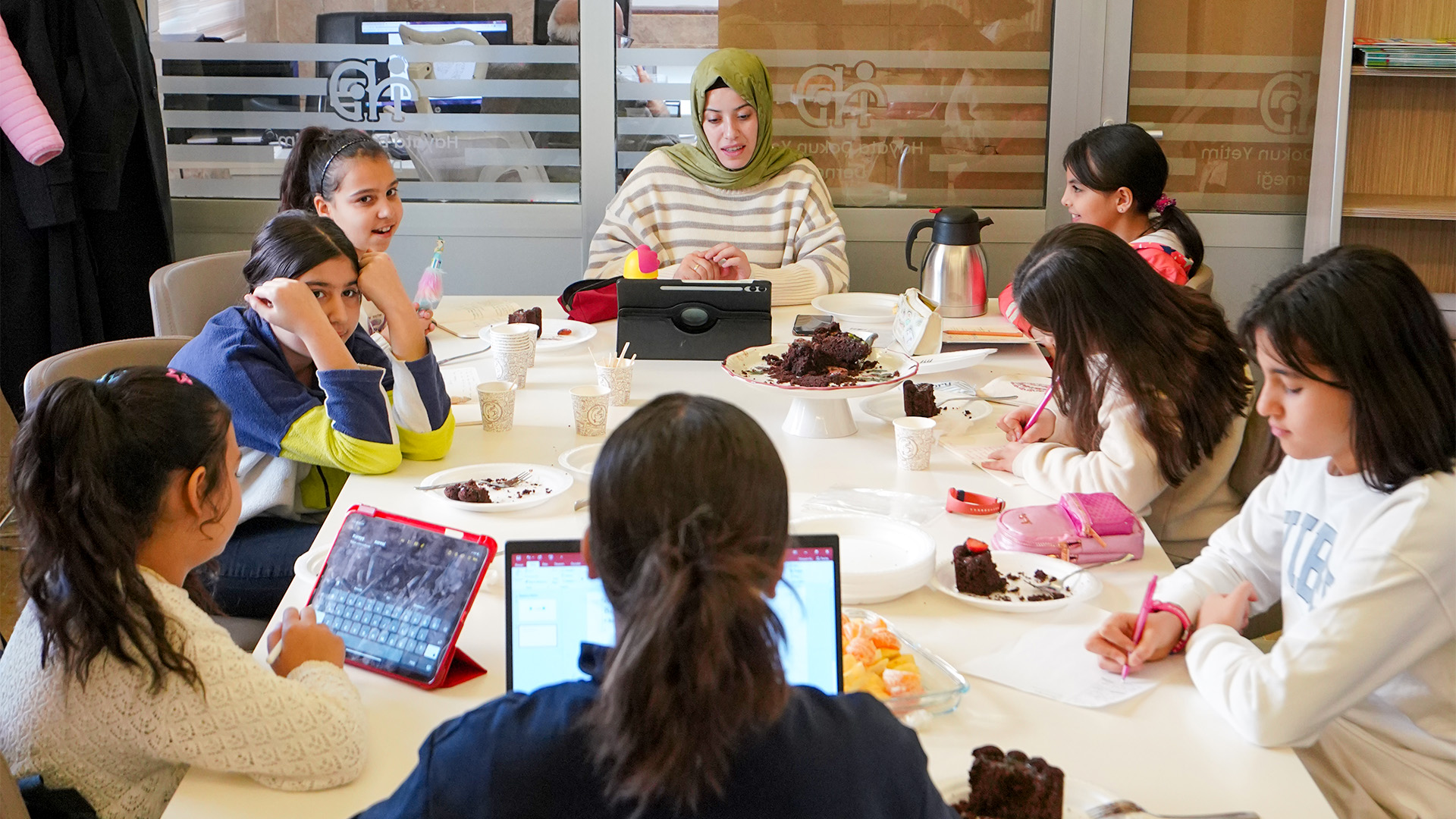
We believe that the way to capture young people's attention is not so much by telling them something as by involving them in the process. For this reason, we use workshop models alongside presentations in both our workshops and camps. We encourage young people to express their opinions and develop new methods during these activities. In the camp programs we organize, we arrange activities that support collaborative learning, strengthen the sense of belonging, and develop a sense of responsibility. At the same time, we invite educators who will leave a lasting impression on their world of reflection.
The foundations laid during high school years are crucial for these young people, who are the university students of tomorrow. What kind of visionary projects are you planning for the new season to strengthen the civil society reflexes of this age group?
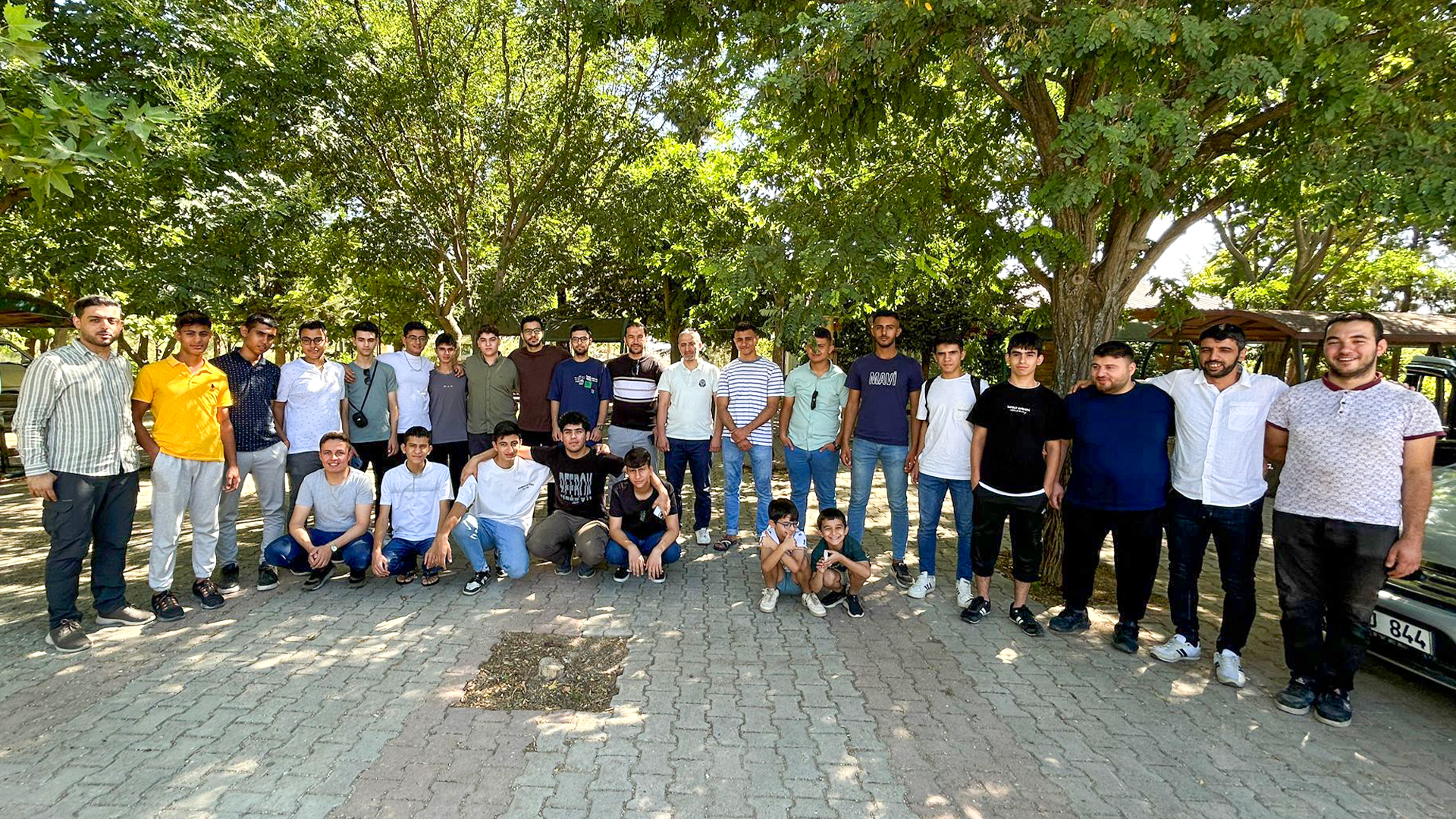
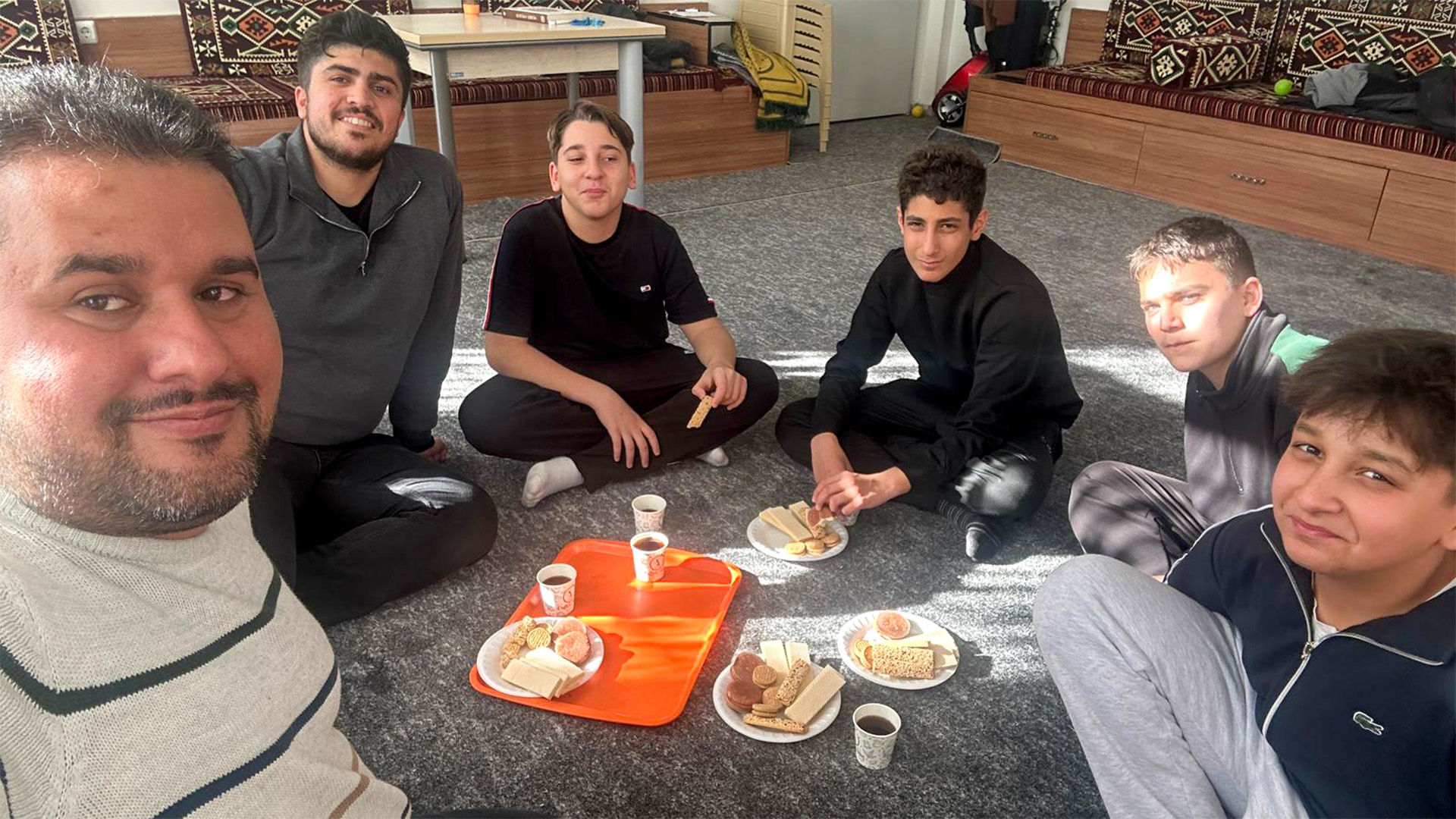
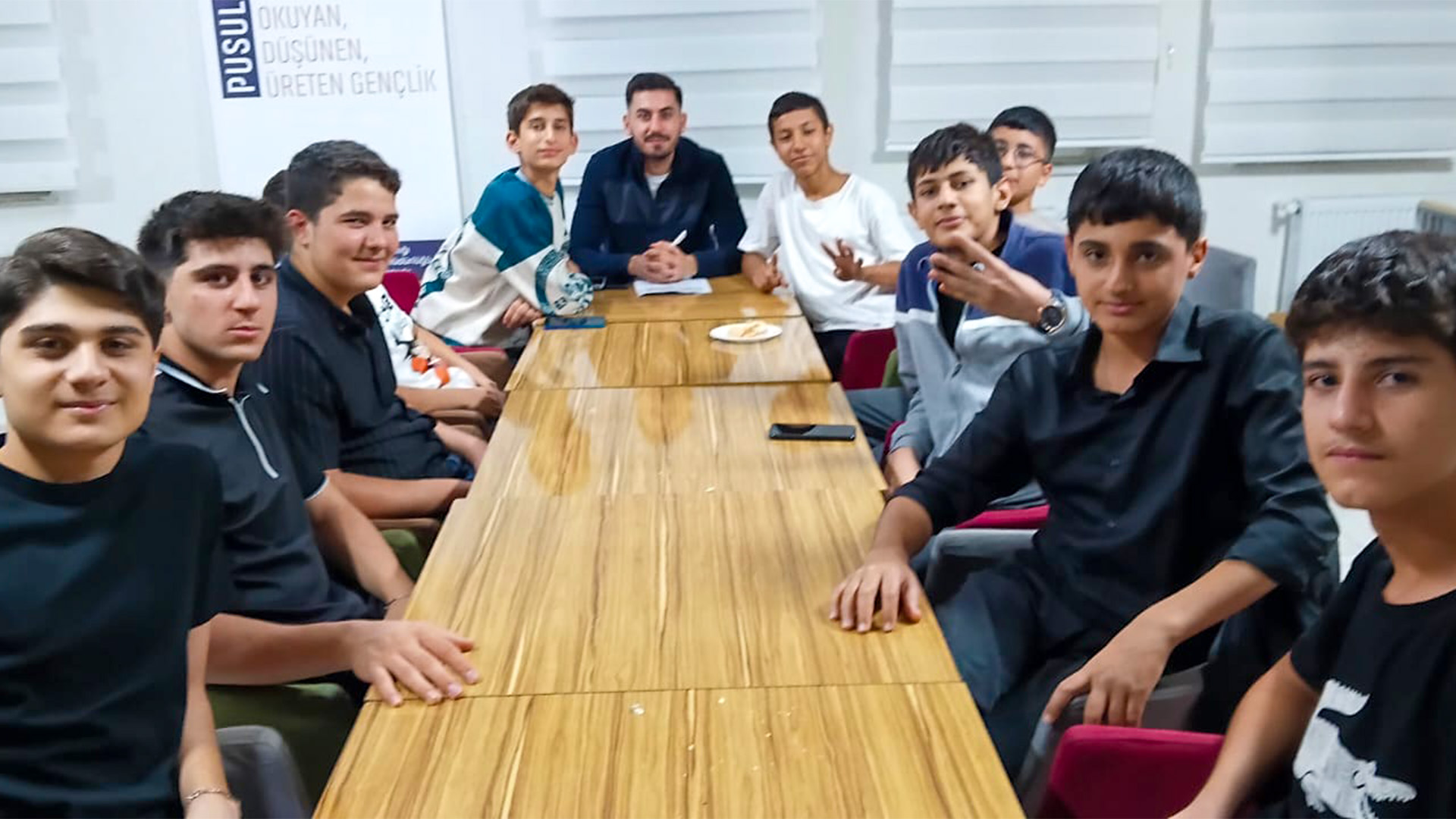
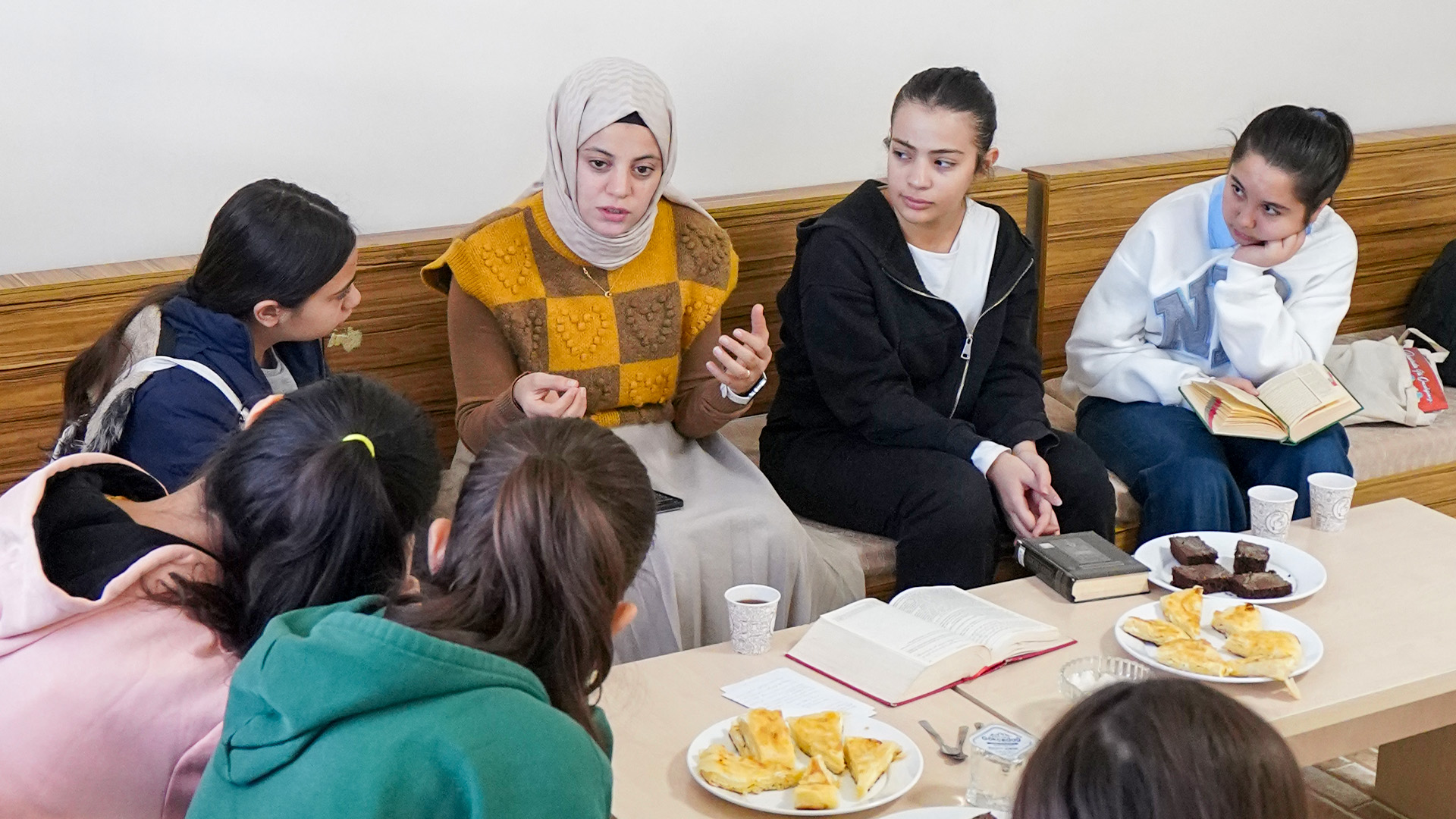
In addition to peer guidance, we attach importance to young people spending time with their university student mentors, the young men and women who act as older brothers and sisters. University students guiding and motivating high school students as they transition to a higher level of education brings out precisely this civil society reflex in young people. Through implicit learning, high school students learn the etiquette of volunteering in civil society by observing these role models they look up to. Drawing on this mentor-mentee relationship, we have written an Erasmus project, and we are following the process in the hope that its results will be announced soon.
What kind of language of motivation do you use to transform high school students from individuals who merely receive services from outside into volunteers who independently produce and provide services through their own initiative?
Research shows that one of the reasons artificial intelligence is being used so widely is its language of excessive praise and glorification directed toward users. In other words, people want to be appreciated. If we move beyond the idea of creating inflated egos and instead approach young people with the awareness that they are inherently valuable by virtue of their creation, and that human beings were created as stewards on earth, we actually establish an authentic language of motivation. Young people's direct experience of volunteering, having the right to make mistakes, and taking responsibility for an important task naturally create an environment of motivation.
EVERY COLOR REPRESENTS A DISTINCT VALUE
The way this group, referred to as Generation Z, perceives the world is very different from that of previous years. How do you manage this generational difference within the institution while building a strong bridge between families and young people?
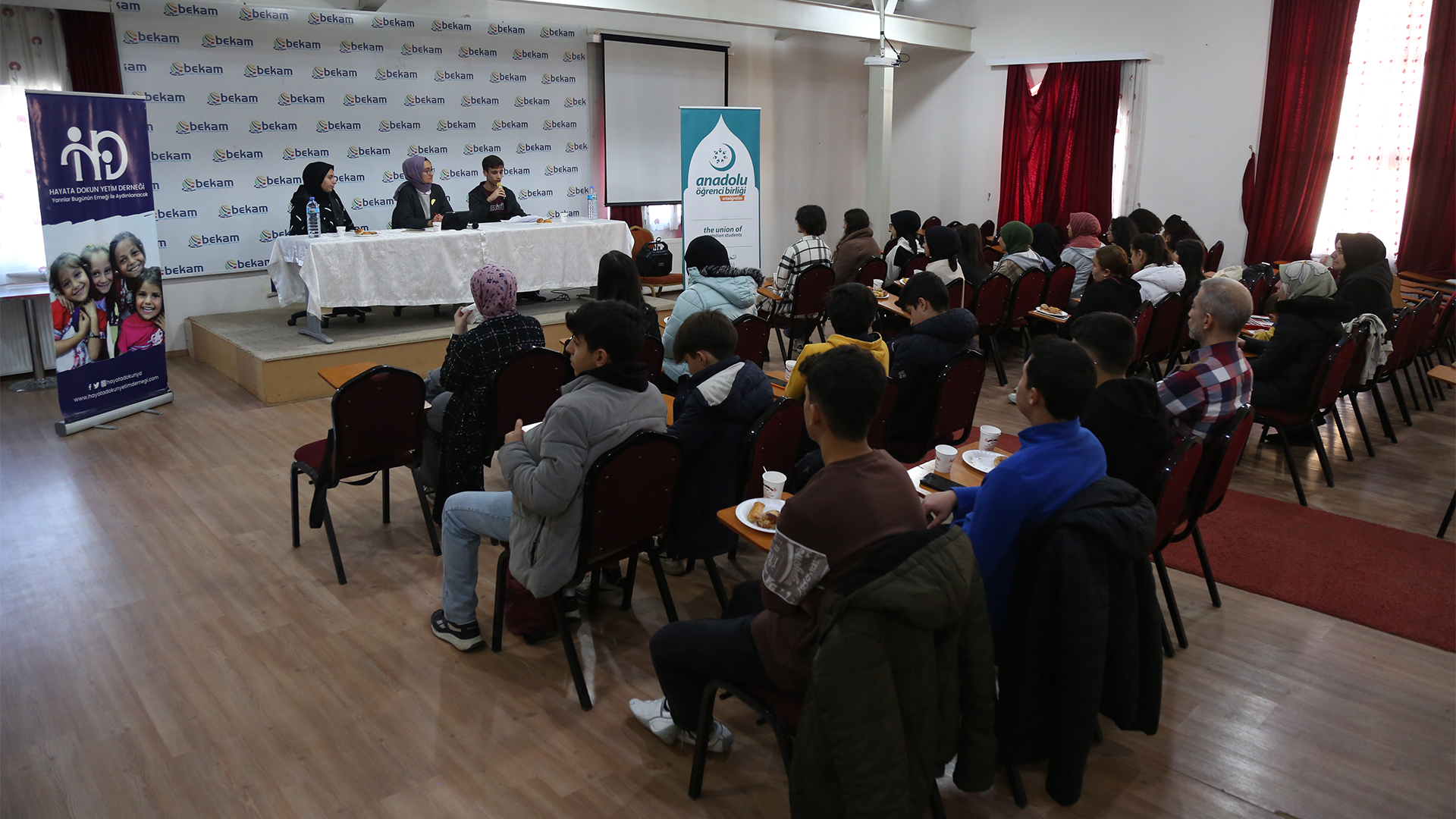
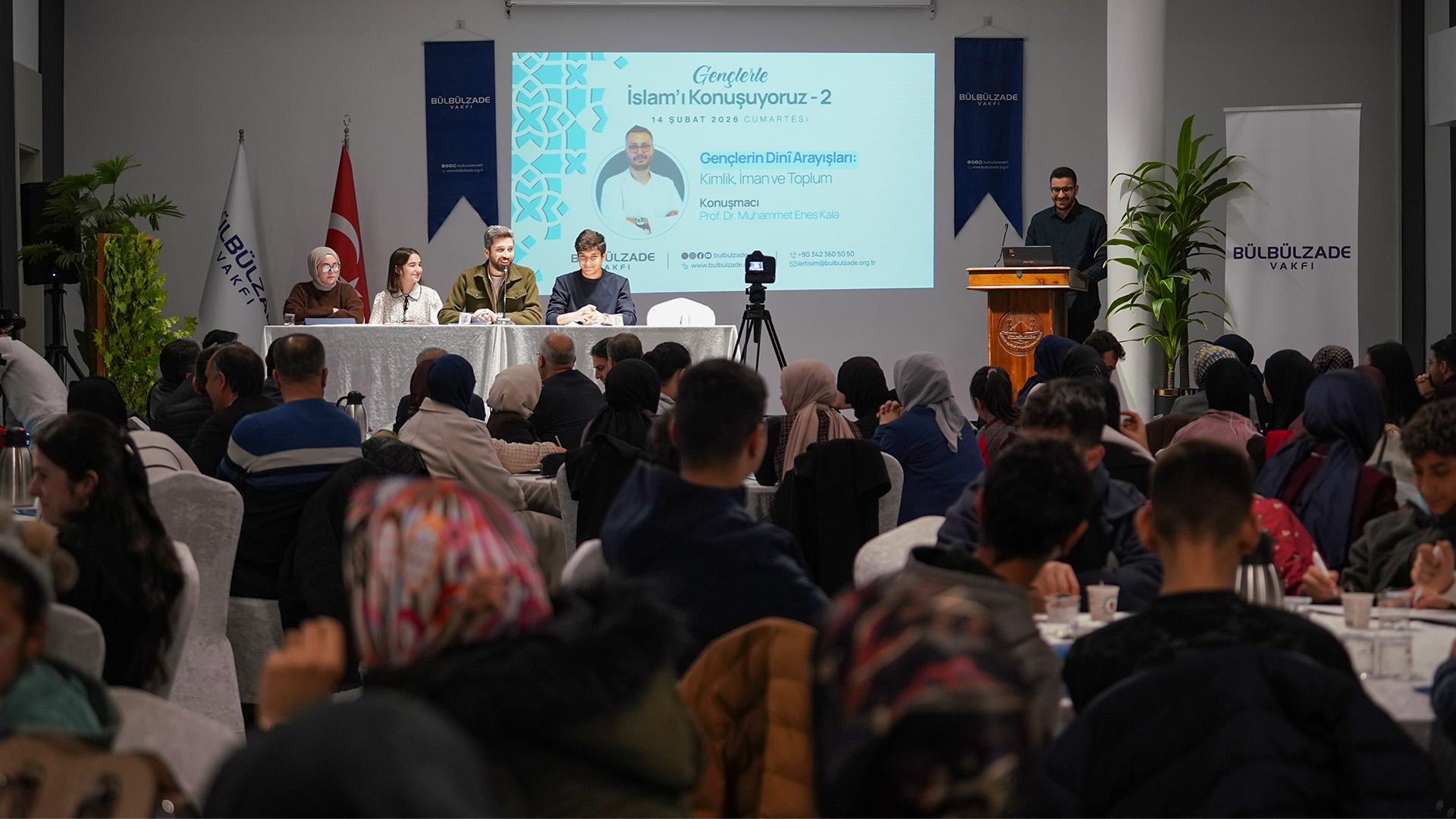
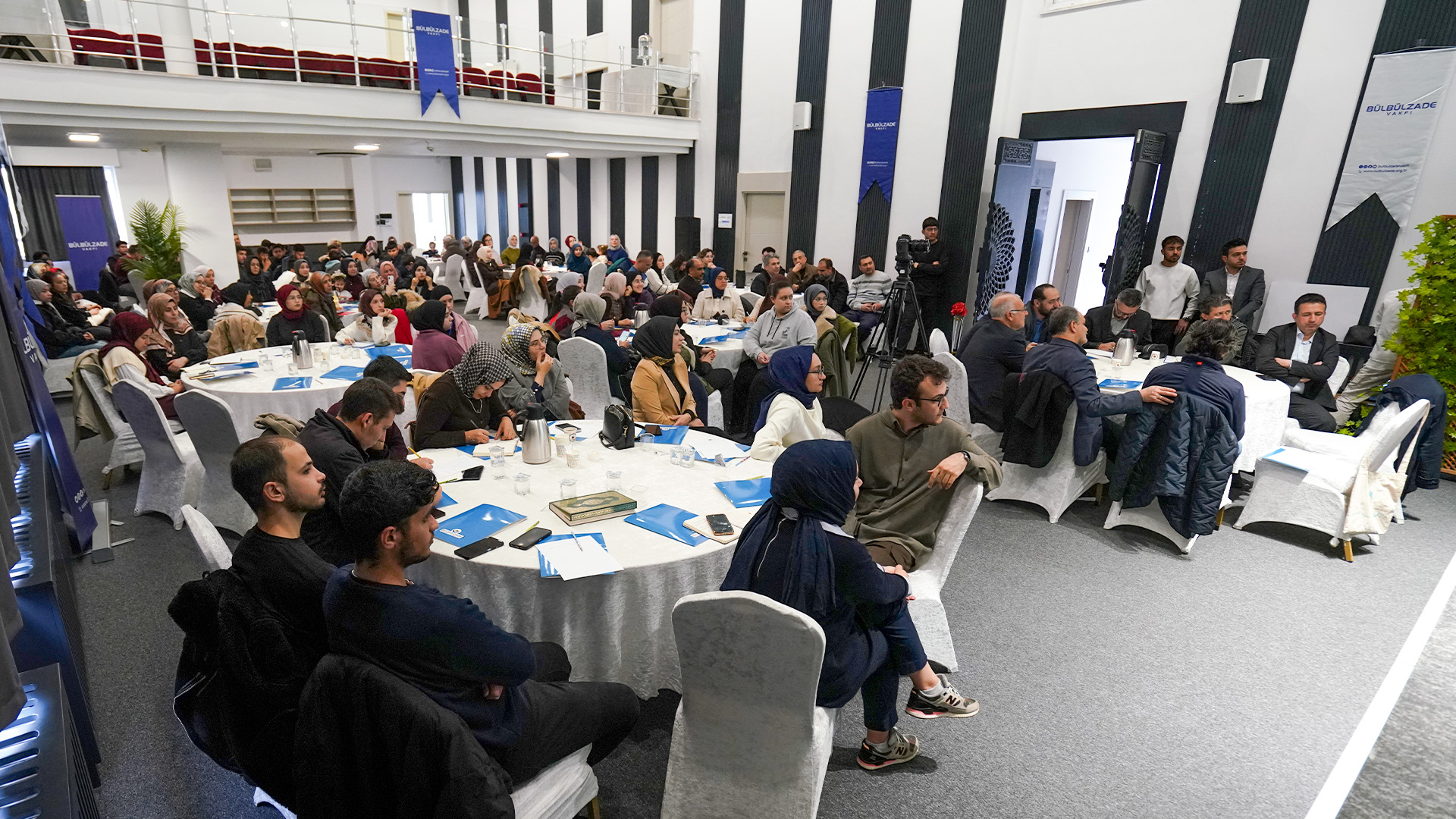
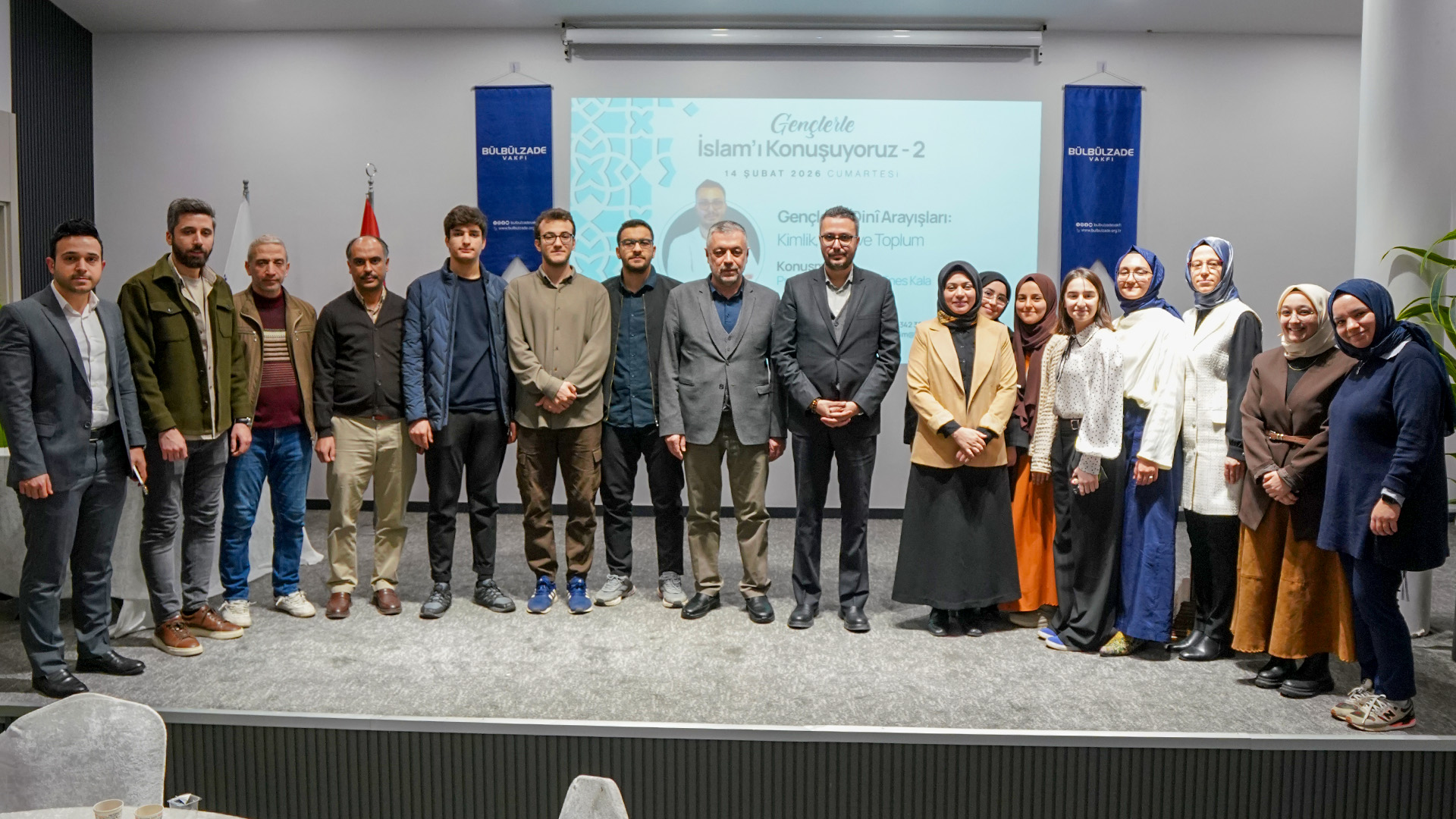
Interestingly, at the Bülbülzade Foundation, we approach the concept of the generation gap not in the context of conflict, but rather in the context of strength and cooperation. Different generations coming together to create value is actually a tradition here. When the experience and wisdom of adults come together with the energy and practical solutions of young people, very colorful activities emerge. We are in the process of organizing the third edition of the “We Talk About Islam with Young People” workshop, and our organizing team includes high school and university students, as well as volunteers from the foundation. Although generational labels may evoke different associations in a company or workplace, the concept of generations brings a spectrum to our minds. Each color brings forth a different value.