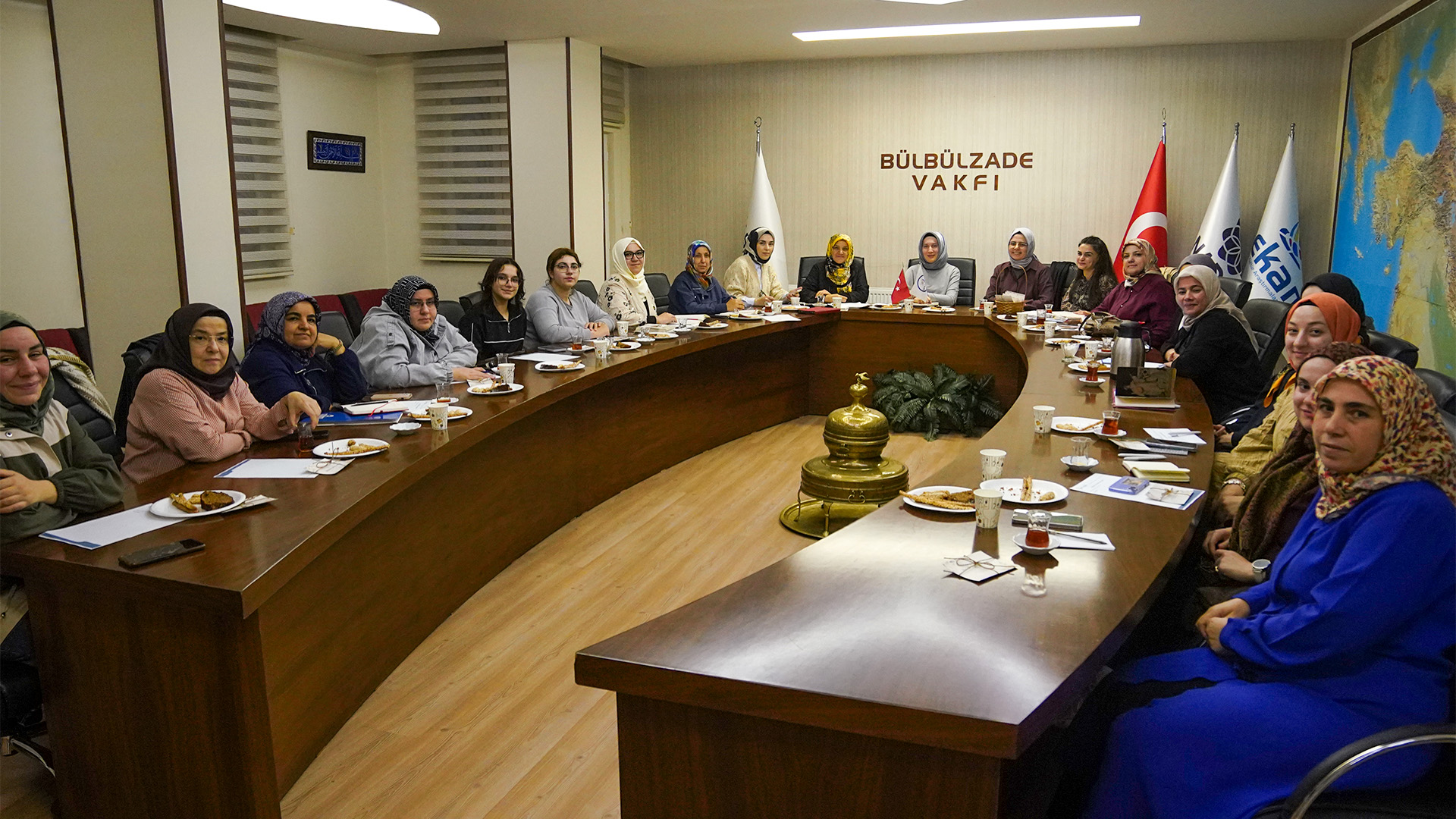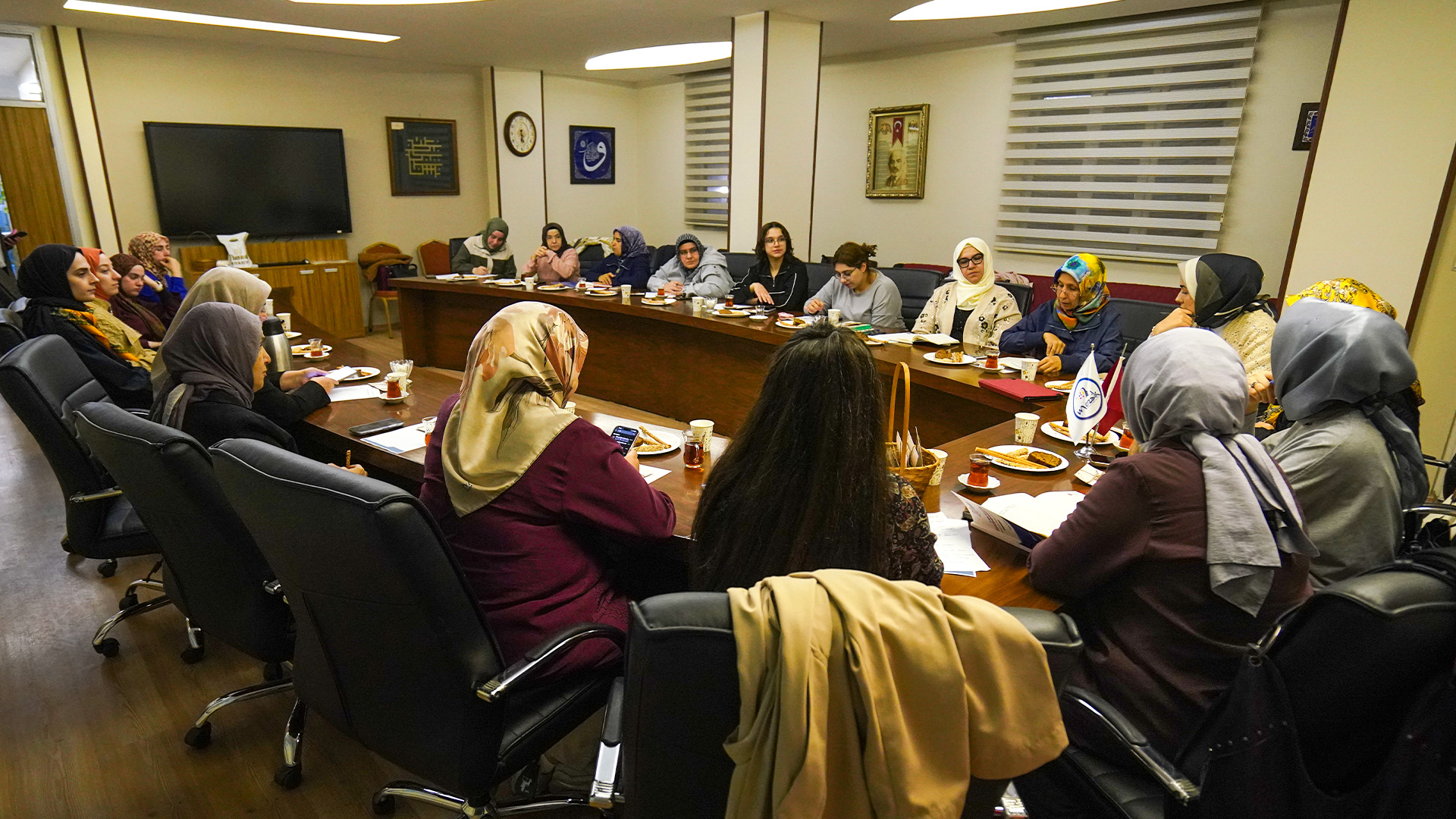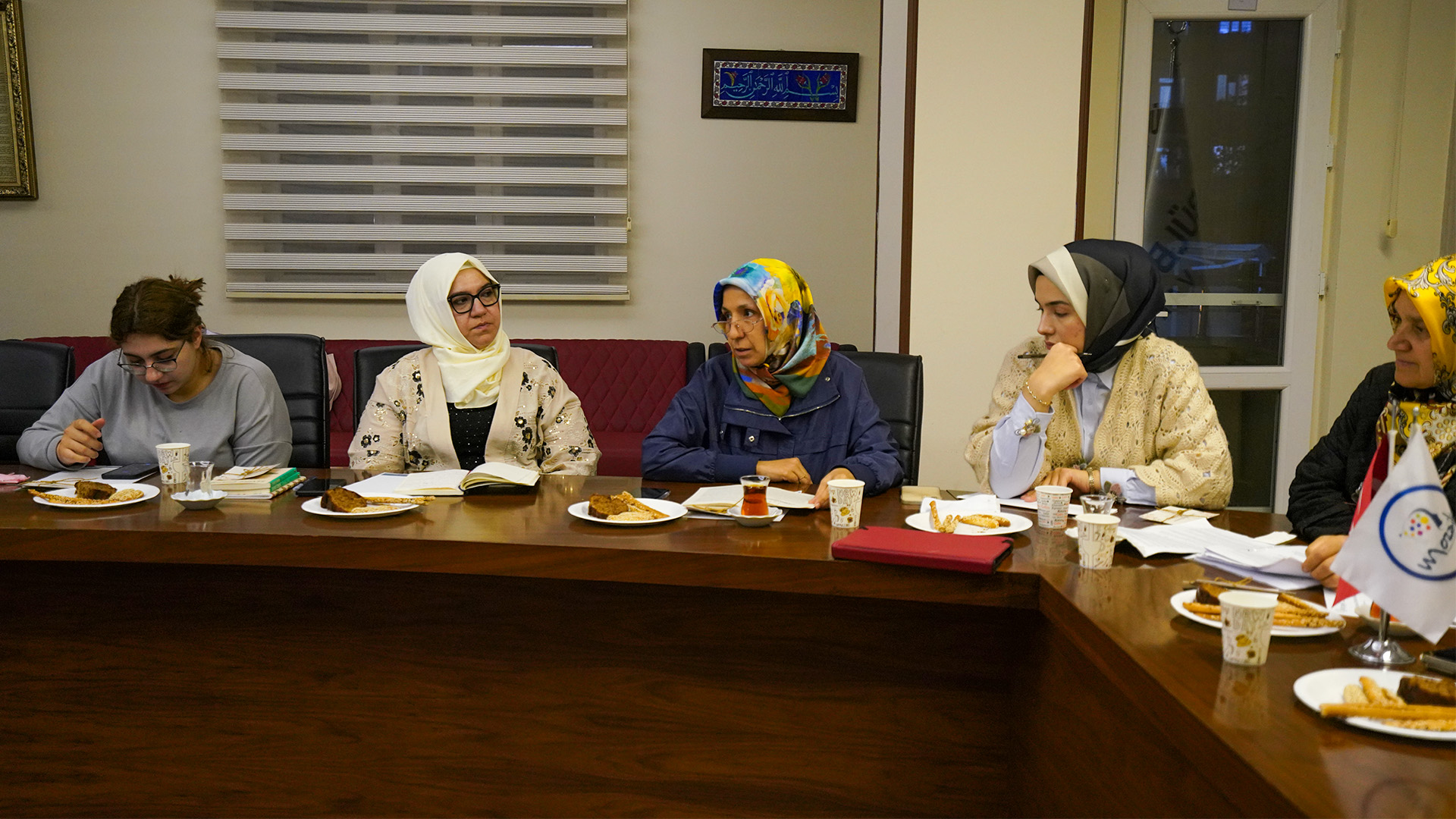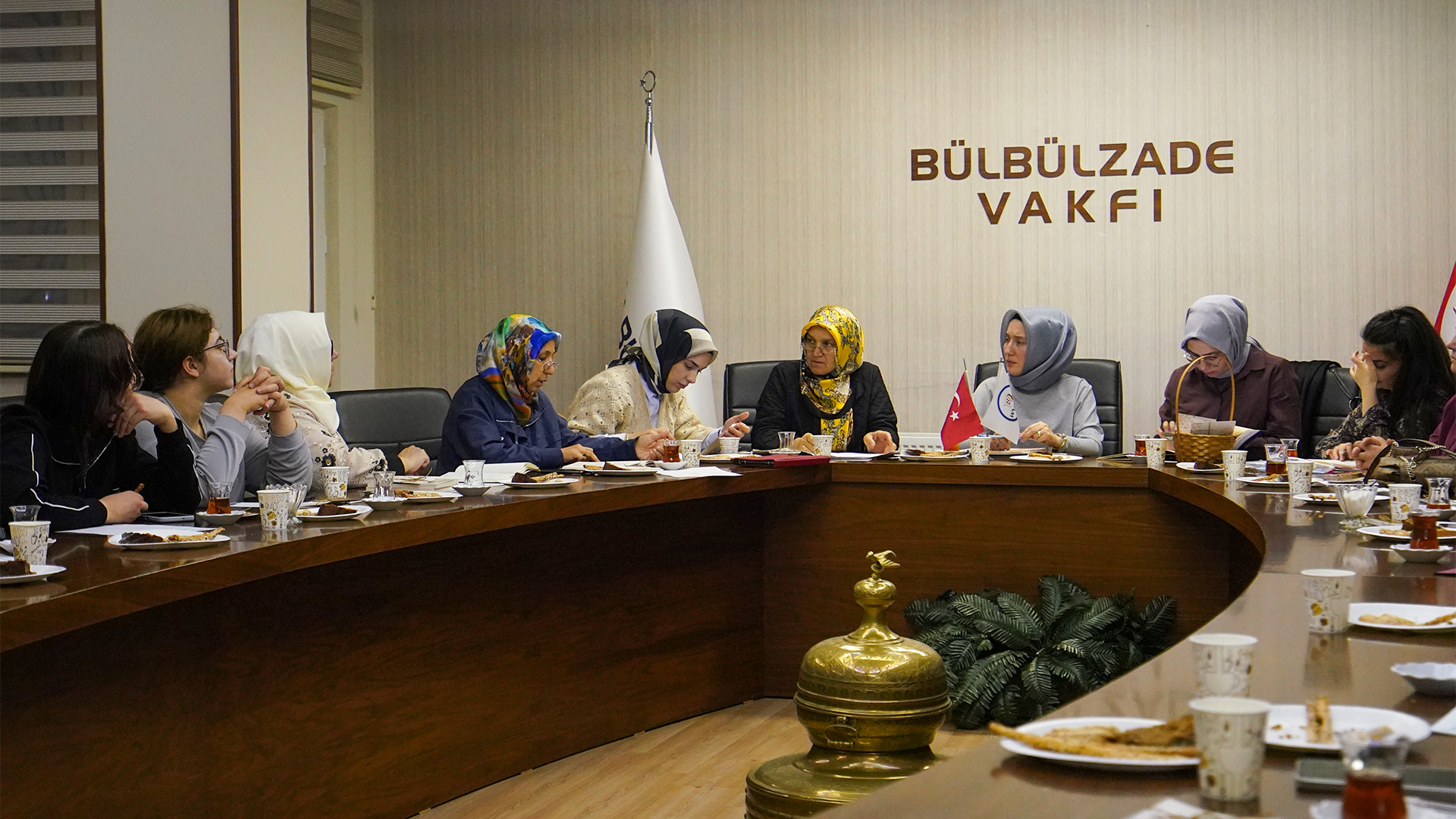
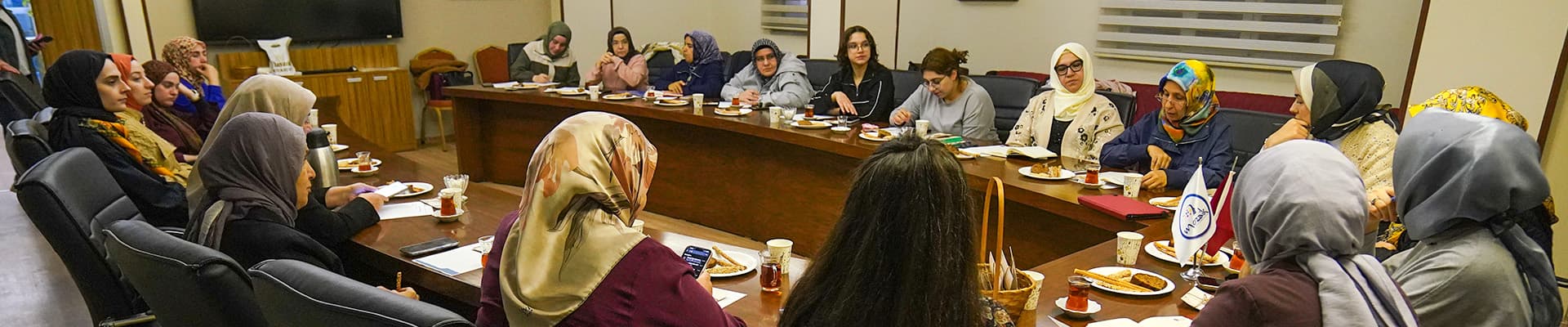
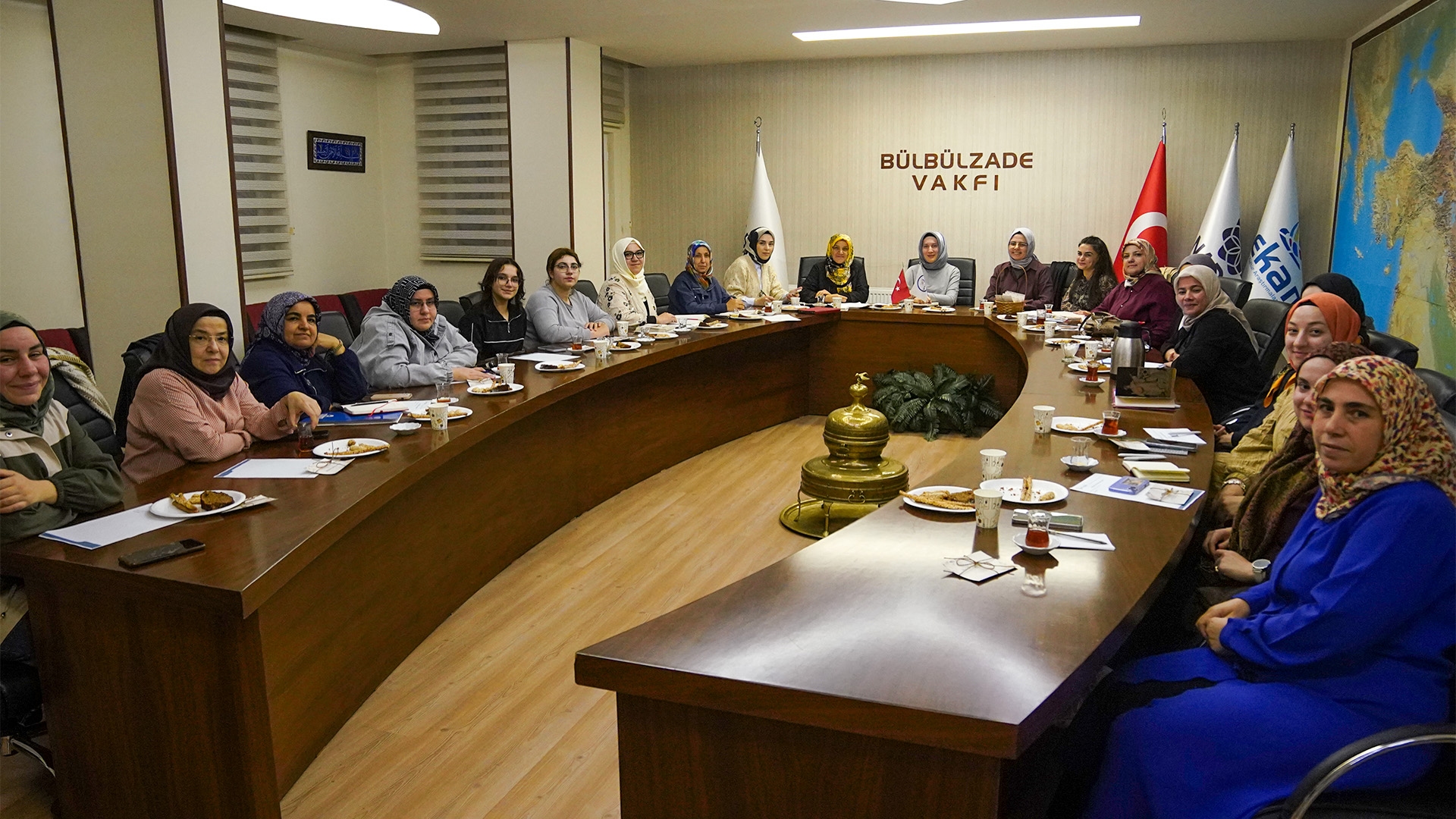
The outcomes of the 20th Anatolian Gatherings were discussed within the scope of the Tafsir Readings organized by Mozaik Association at Bülbülzade Foundation.
Mozaik Tafsir Readings, organized by Mozaik Women’s Association, held the first session of the new term with a special opening lecture. At this gathering, held on October 16, 2026, the outcomes of the 20th Anatolian Gatherings, organized by the Anatolian Federation, were comprehensively evaluated. At the program, where the reflections of the symposium shaped around the main theme of “Türkiye Yüzyılı ve Sivil Diplomasi” (The Century of Türkiye and Civil Diplomacy) were discussed, the role of civil society in global crises and the importance of building cultural bridges were emphasized. Accompanied by presentations, participants discussed new approaches to civil diplomacy that go beyond traditional state diplomacy in international relations, social memory, and opportunities for human-centered global communication.
FOUR FUNDAMENTAL PRINCIPLES OF CIVIL DIPLOMACY
In the first part of the meeting, details of the opening speech delivered at the symposium by Turgay Aldemir, Chairman of the Board of the Anatolian Federation, were shared. The importance of the transformative role undertaken by civil society organizations in conflict zones and during times of crisis was emphasized. It was stated that civil society actors can establish much faster and more constructive contacts when official diplomacy reaches an impasse or proves insufficient. It was underlined that, for civil diplomacy to be legitimate and lasting, institutions must strictly adhere to the principles of transparency, competence, humility, and consistency, avoiding attempts to act as the state. It was stated that the primary role of civil society is not to replace the state, but rather to open the doors of the official sphere through experience gained on the ground and to position itself as a complementary force.
CULTURAL BROTHERHOOD NETWORKS ARE BEING ESTABLISHED
In the second part of the session, the strong connection between the international activities carried out by the Presidency for Turks Abroad and Related Communities (YTB) and TİKA and the “Türkiye Yüzyılı” vision was shared. It was explained that Türkiye’s historical and cultural heritage is being safeguarded across vast geographies extending from the Balkans to Africa. It was reported that brain drain is being reversed through scholarship and internship programs that have been implemented. Through associations established and projects carried out by Türkiye graduates in countries such as Sudan, participants were given examples of how a model based on humanitarian development and brotherhood, in opposition to colonial approaches, has been successfully built.
EMPHASIS ON EGALITARIAN LANGUAGE AGAINST CONFRONTATIONAL MINDSETS
In the final presentation of the meeting, global double standards and Western-centric discriminatory discourse were criticized, drawing on Prof. Dr. Bekir Berat Özipek’s paper presented at the symposium. While objections were raised against the suspension of human rights on the grounds of extraordinary circumstances, discussions addressed how humanity has been desensitized throughout the process extending from historical genocides to today’s tragedies in Gaza and Palestine. Referring to the concepts of thinkers such as James Baldwin, Hannah Arendt, and Jean-Paul Sartre, the need to break free from a dualistic system of thought that portrays oneself as a savior and declares the other as an outsider or a monster was emphasized. It was noted that peace and justice can only be established through a holistic language that is non-hierarchical, egalitarian, and open to dialogue.
It was announced that the next session of Mozaik Tafsir Readings would continue on Friday, October 30, with the theme “The Family of Imran, Prophet Jesus, and Prophet Mary.” It was also announced that an analysis of the book Rozalya Ana by author Sevinç Çokum would be held on Saturday, October 31.