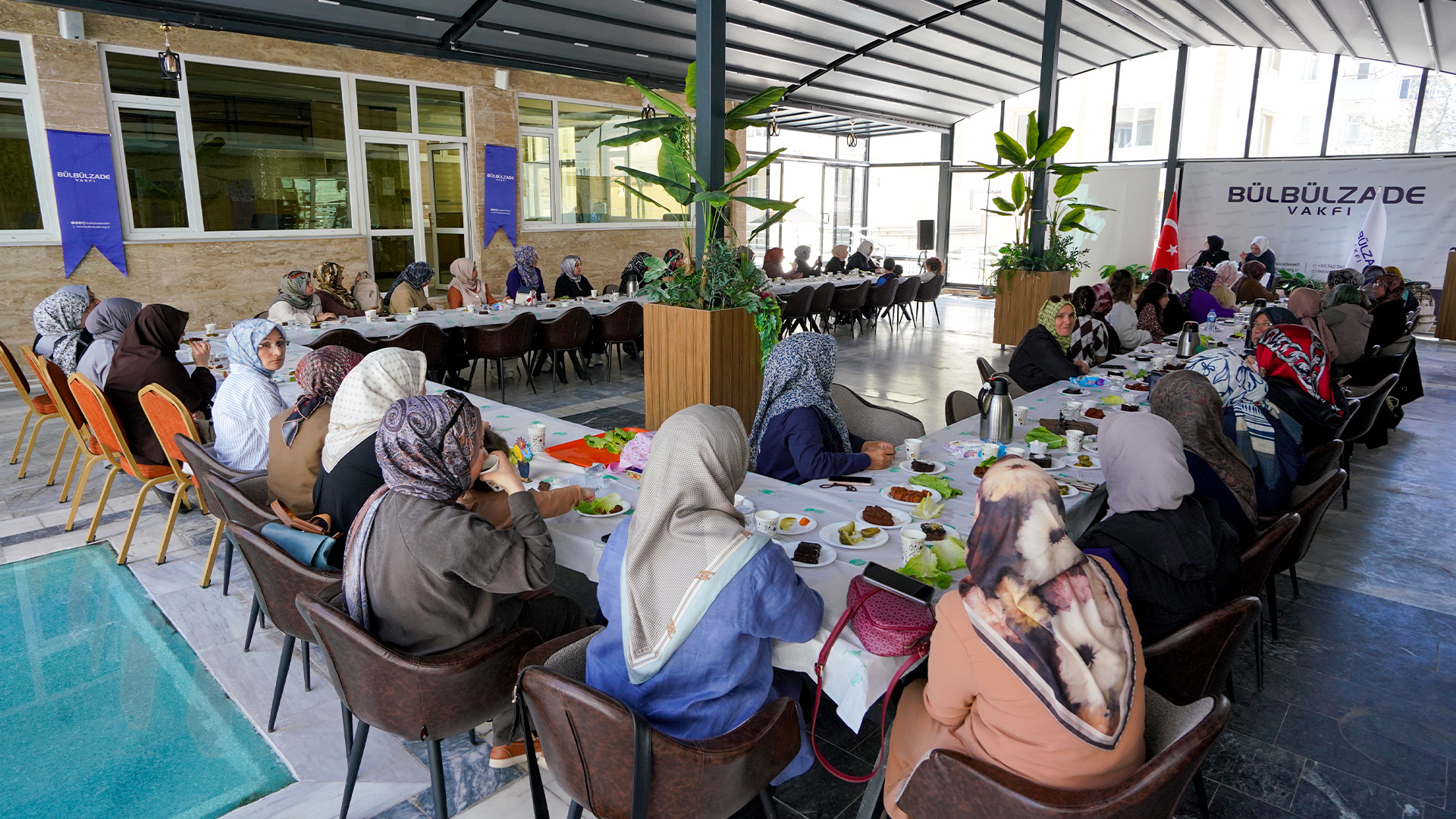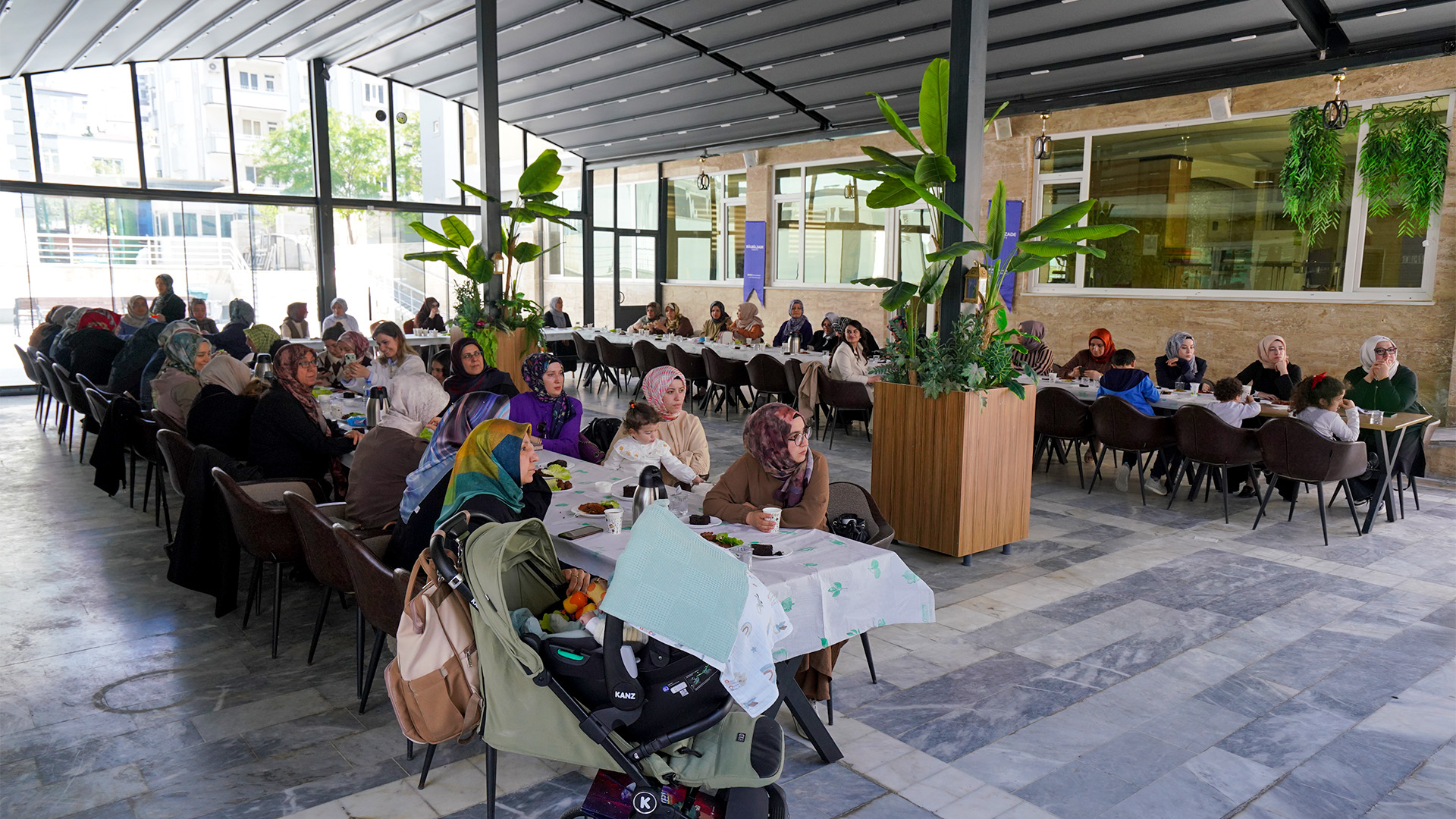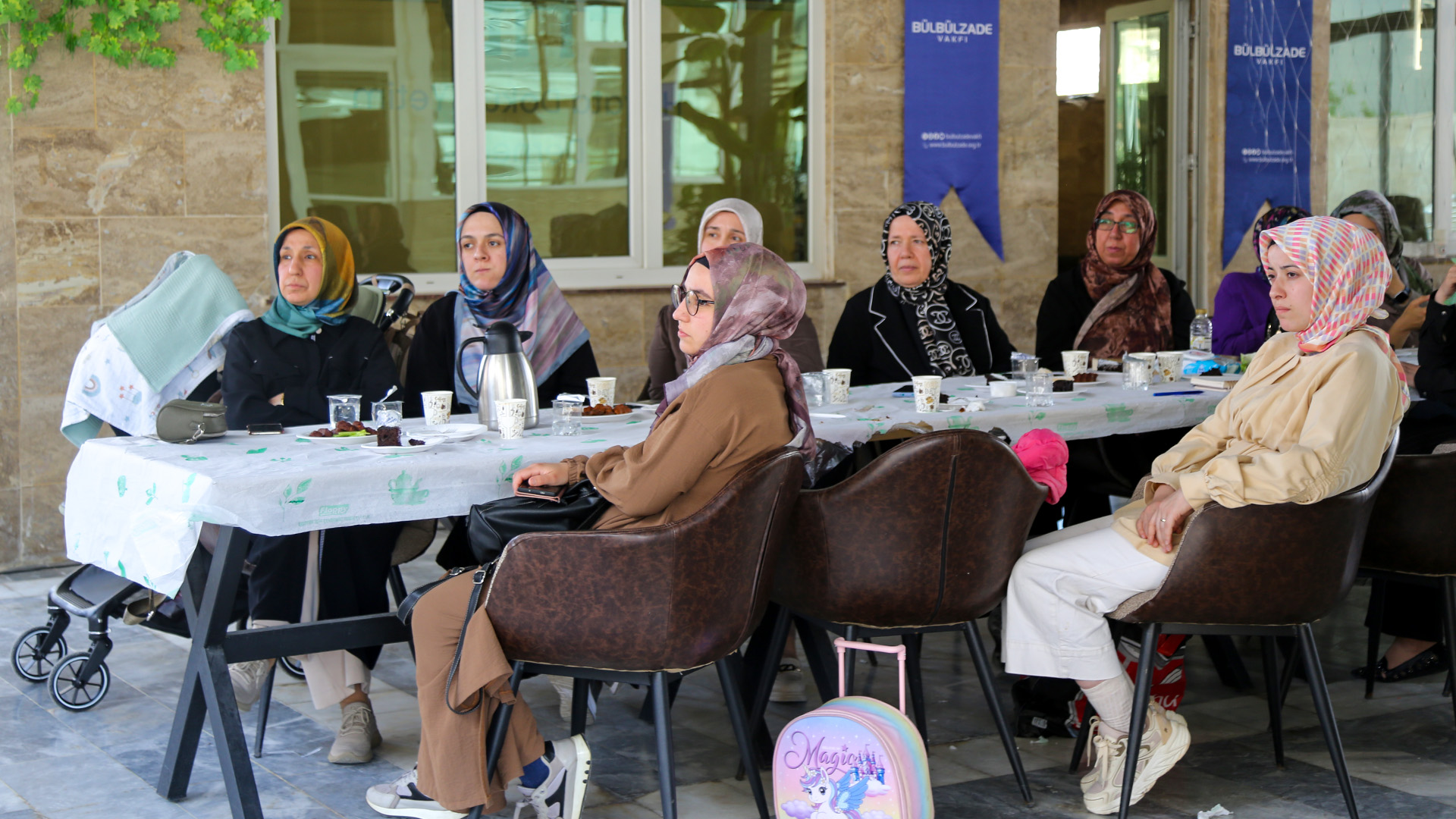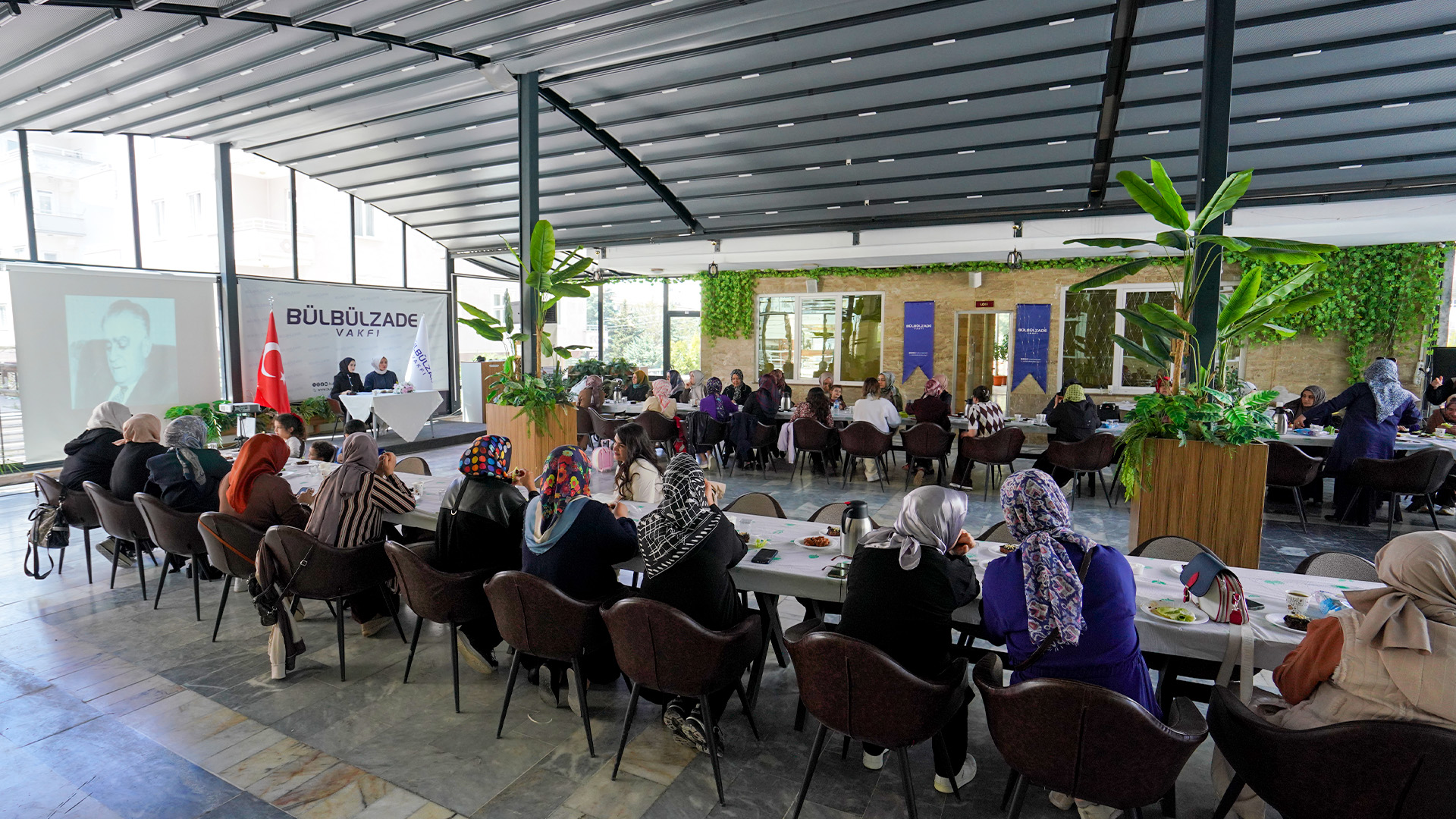
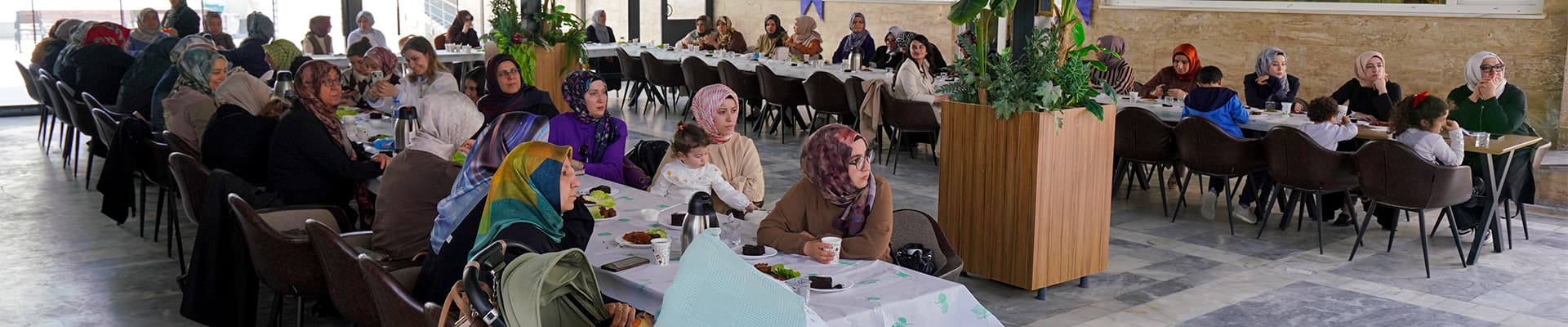
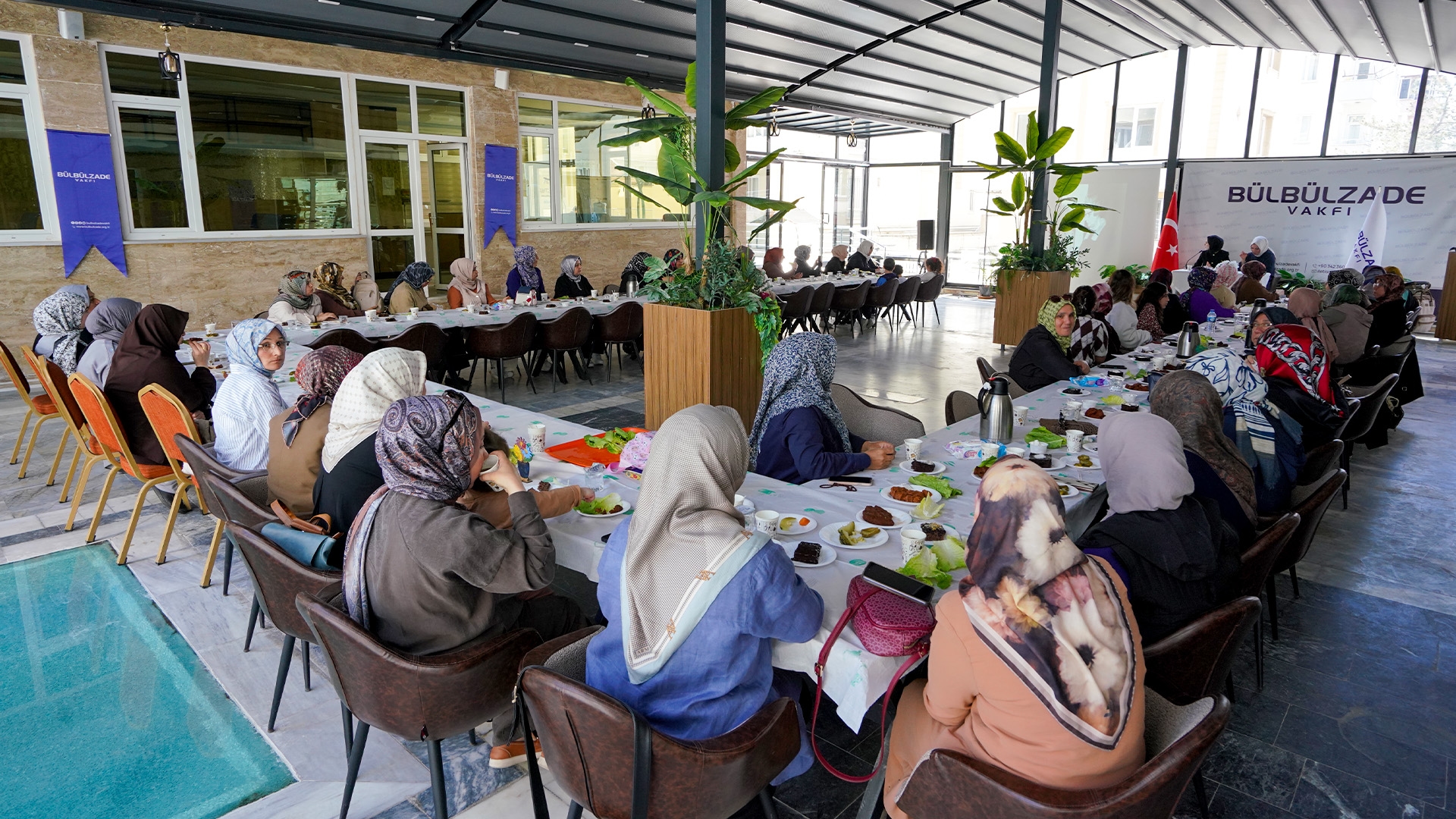
The Mosaic Women and Family Association, operating under the umbrella of the Bülbülzade Foundation, analyzed Samiha Ayverdi’s unforgettable work İbrahim Efendi Konağı through a special program. During the event, the conflict between tradition and modernization, as well as issues of cultural transformation, were discussed in depth.
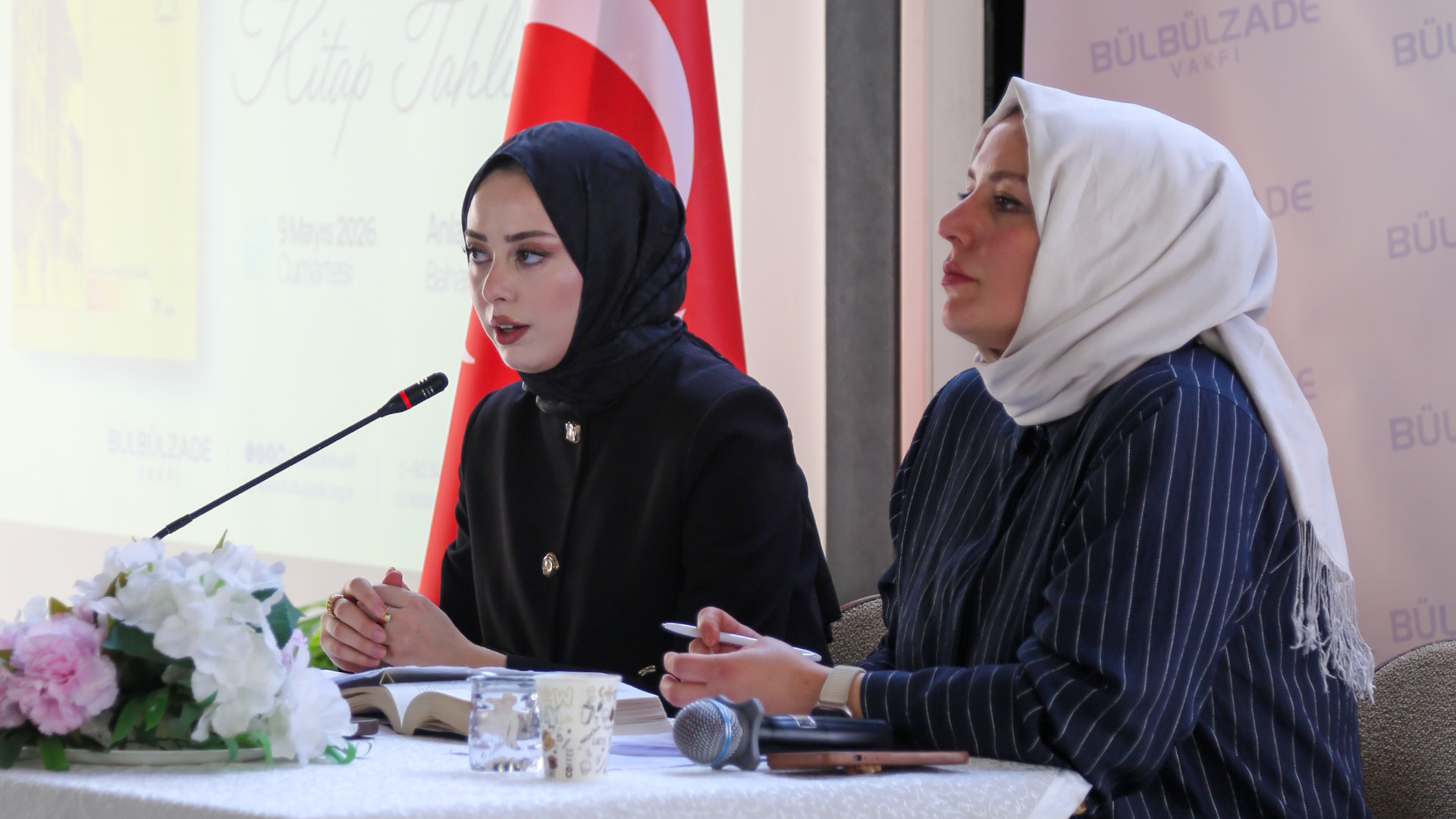
Continuing its activities under the roof of the Bülbülzade Foundation, the Mosaic Women and Family Association proceeds with its book analysis programs without slowing down. Within this scope, İbrahim Efendi Konağı, regarded as the masterpiece of one of the important figures of Turkish literature, Samiha Ayverdi, was recently examined. During the event, held under the guidance of Bahar Dinç, a graduate of the Department of Turkish Language and Literature at Gaziantep University, the literary and social aspects of the work were evaluated. Participants had the opportunity to examine the world represented by the mansion, character analyses, and changing value judgments.
THE COLLAPSE OF A CIVILIZATION AND THE LANGUAGE OF SPACE
During the program, the perception of space flowing from Samiha Ayverdi’s pen was discussed in all its dimensions. Bahar Dinç emphasized that the author did not use spaces as ordinary backgrounds, stating that mansions symbolized the collapse of a civilization. Through the question of whether the work was a novel or a memoir, its reflections in the literary world were opened to discussion. At the same time, the internal erosion that began with the Tanzimat period and the loss of lifestyle accelerated by the Constitutional Era were discussed in detail in terms of how they were reflected in mansion life. Through a short slideshow presented to the audience, the author’s life and mystical depth were also conveyed.
WOMEN AS THE BEARERS OF ORAL CULTURE
One of the most striking parts of the analysis was the role of women in cultural transmission. It was stated that Ayverdi did not limit women in her works solely to intellectual competence, but regarded them as the main pillar of the construction of national identity. Insightful evaluations were made regarding the effects of oral culture on family structure and the contemporary equivalent of the idealized female figure. In the question-and-answer section, participants reflected together on where today’s İbrahim Efendi Konakları are and what messages the work should convey to new generations, thereby concluding the program. A common conclusion was reached that the true element keeping places alive is not merely stone, but the morality and manners of the people within them.