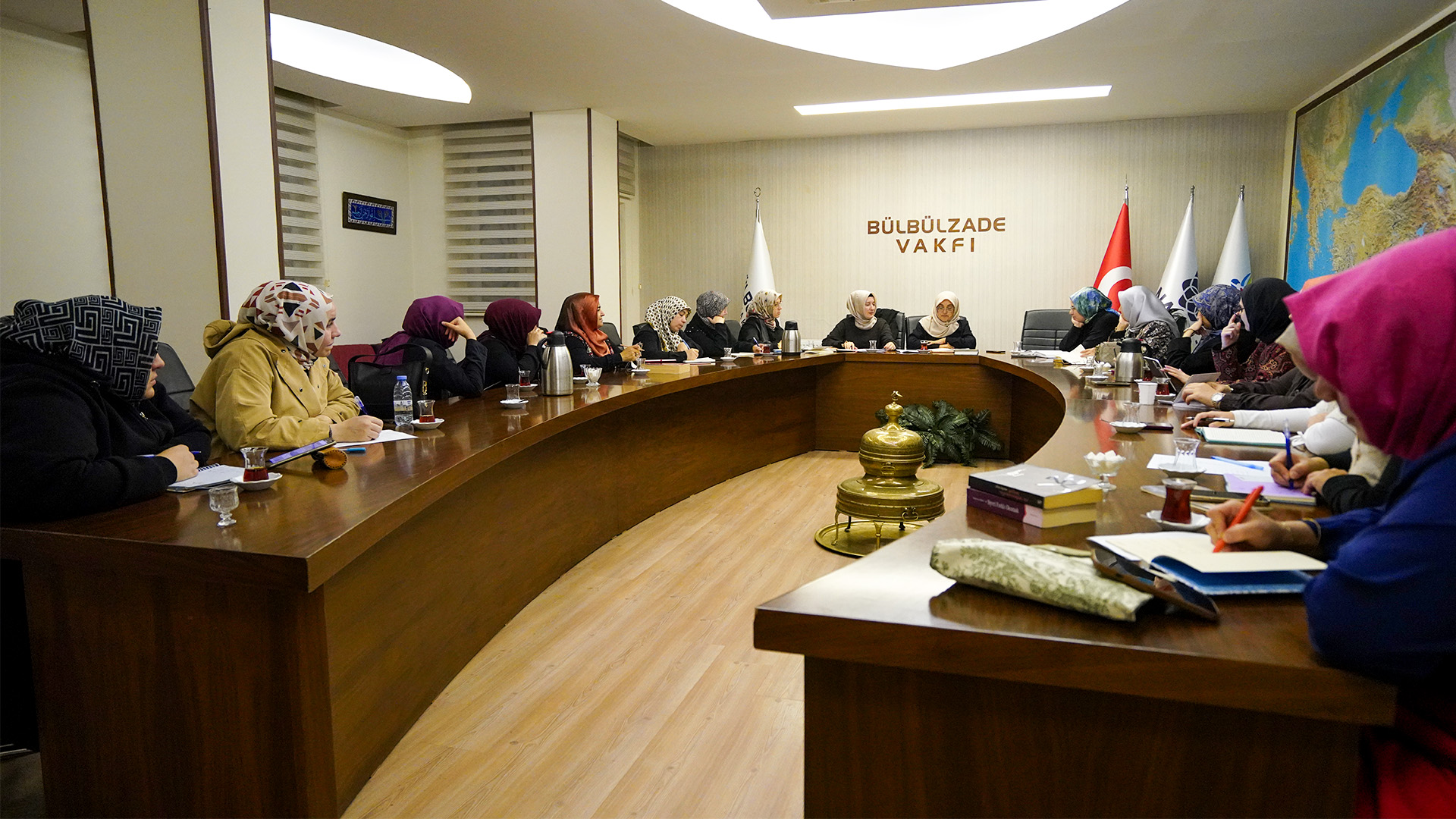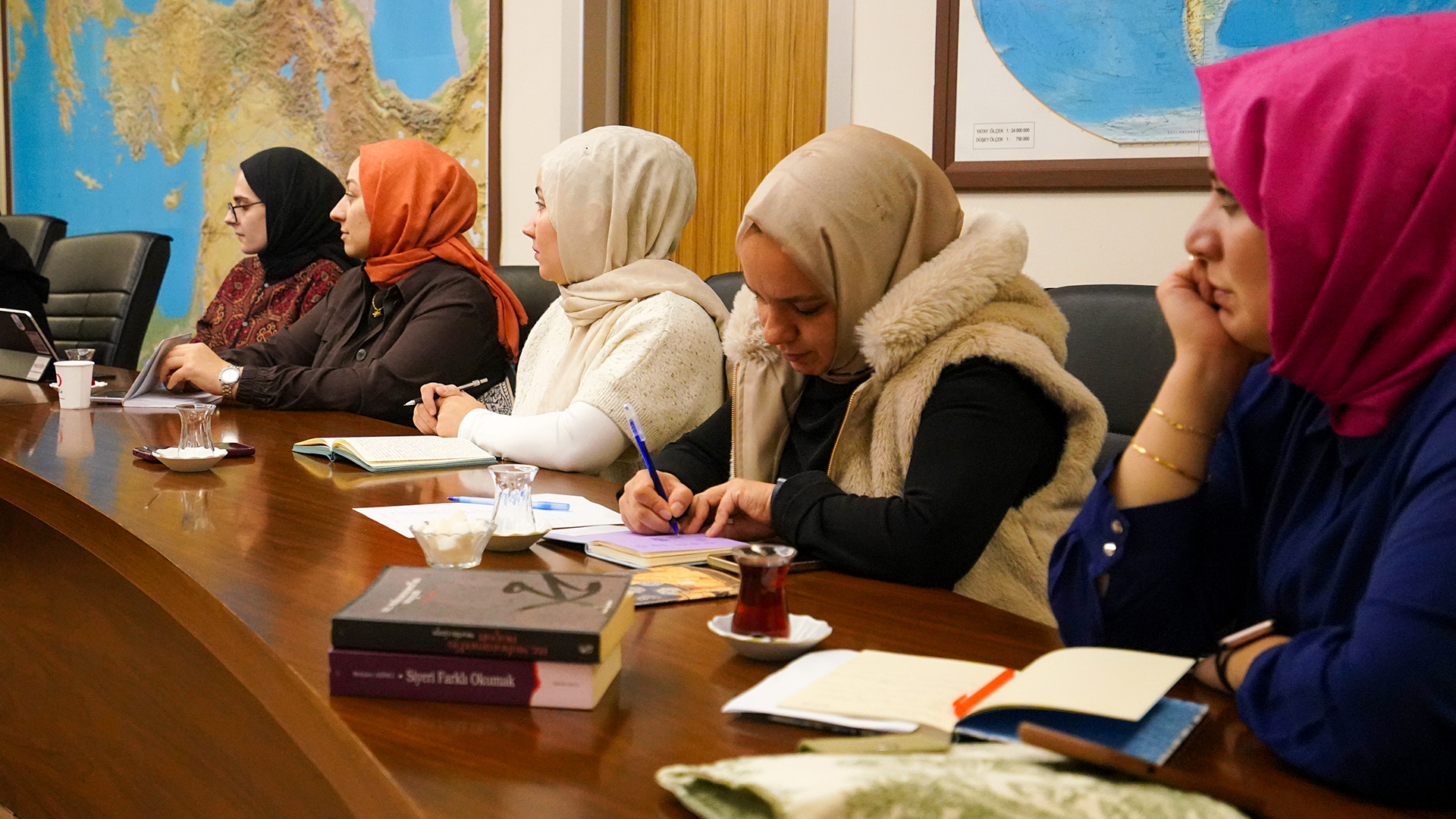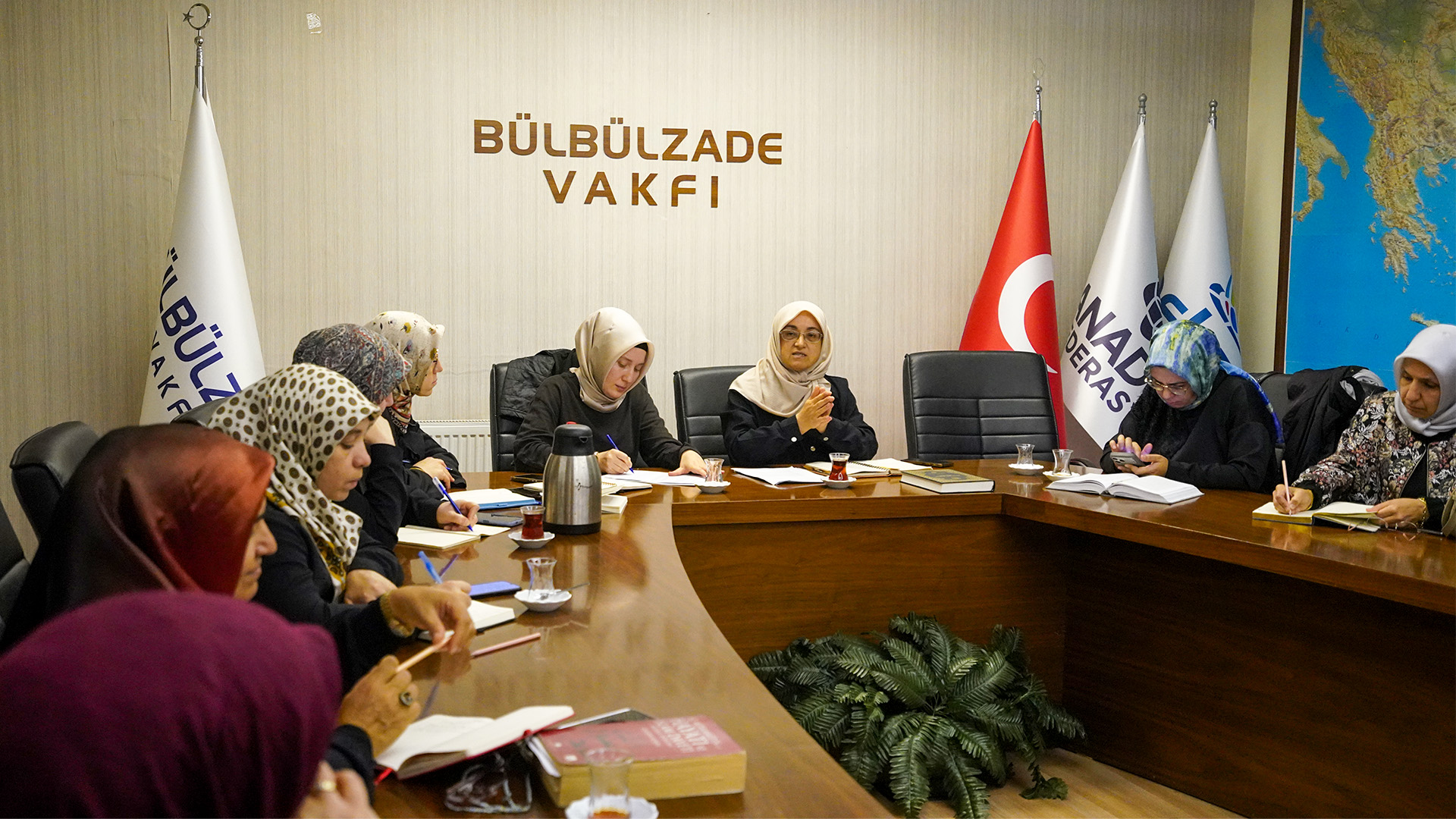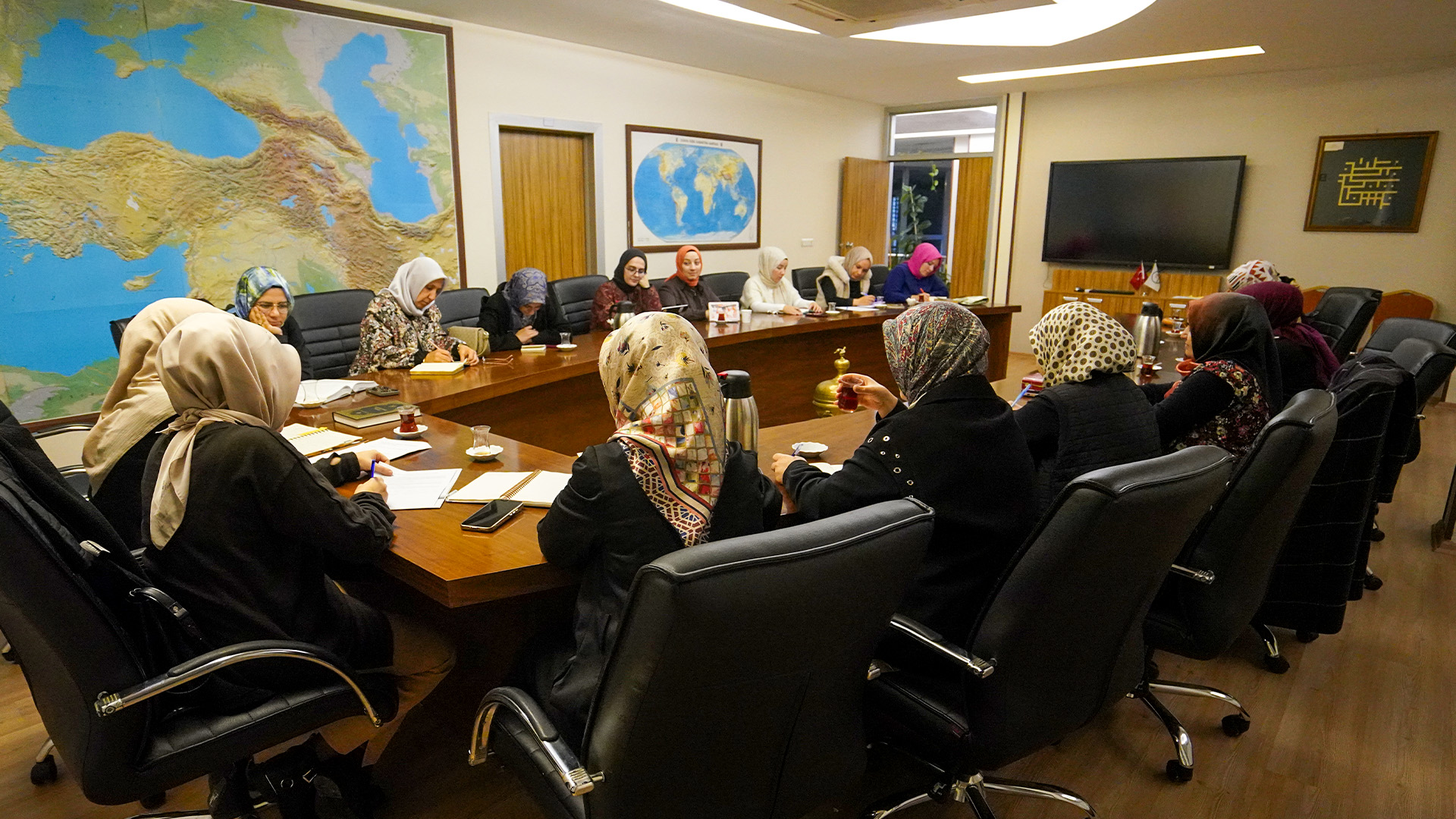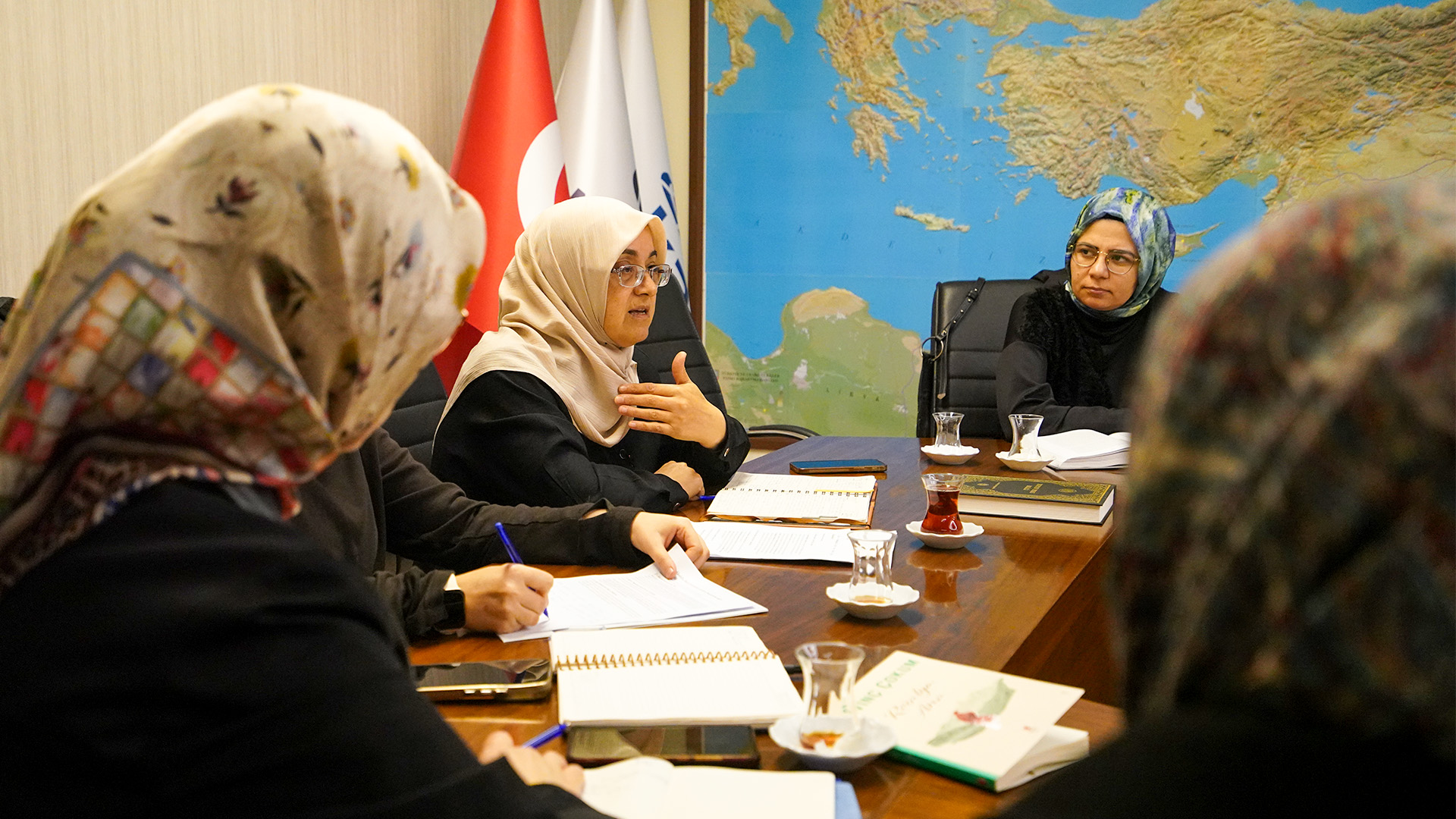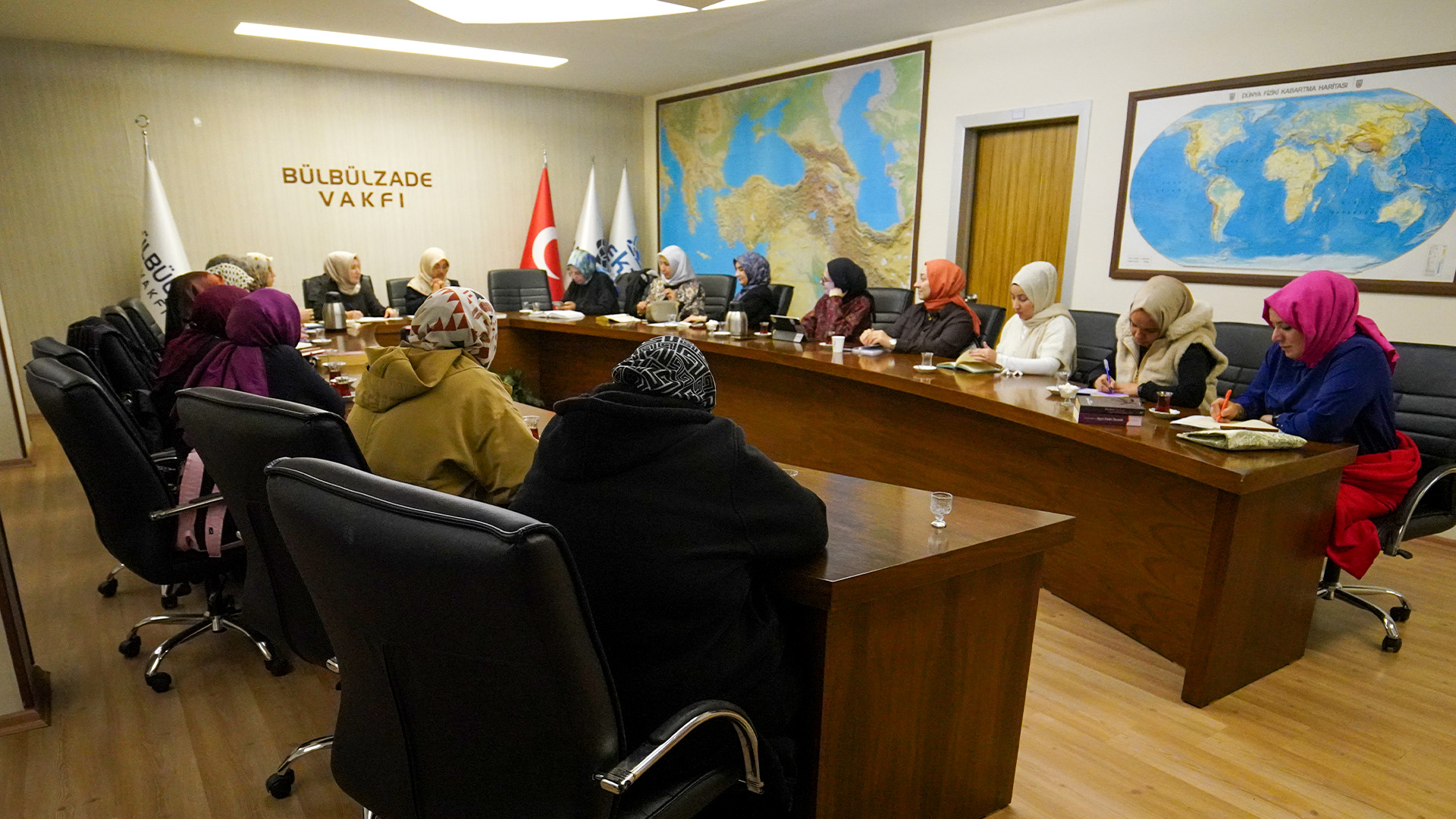
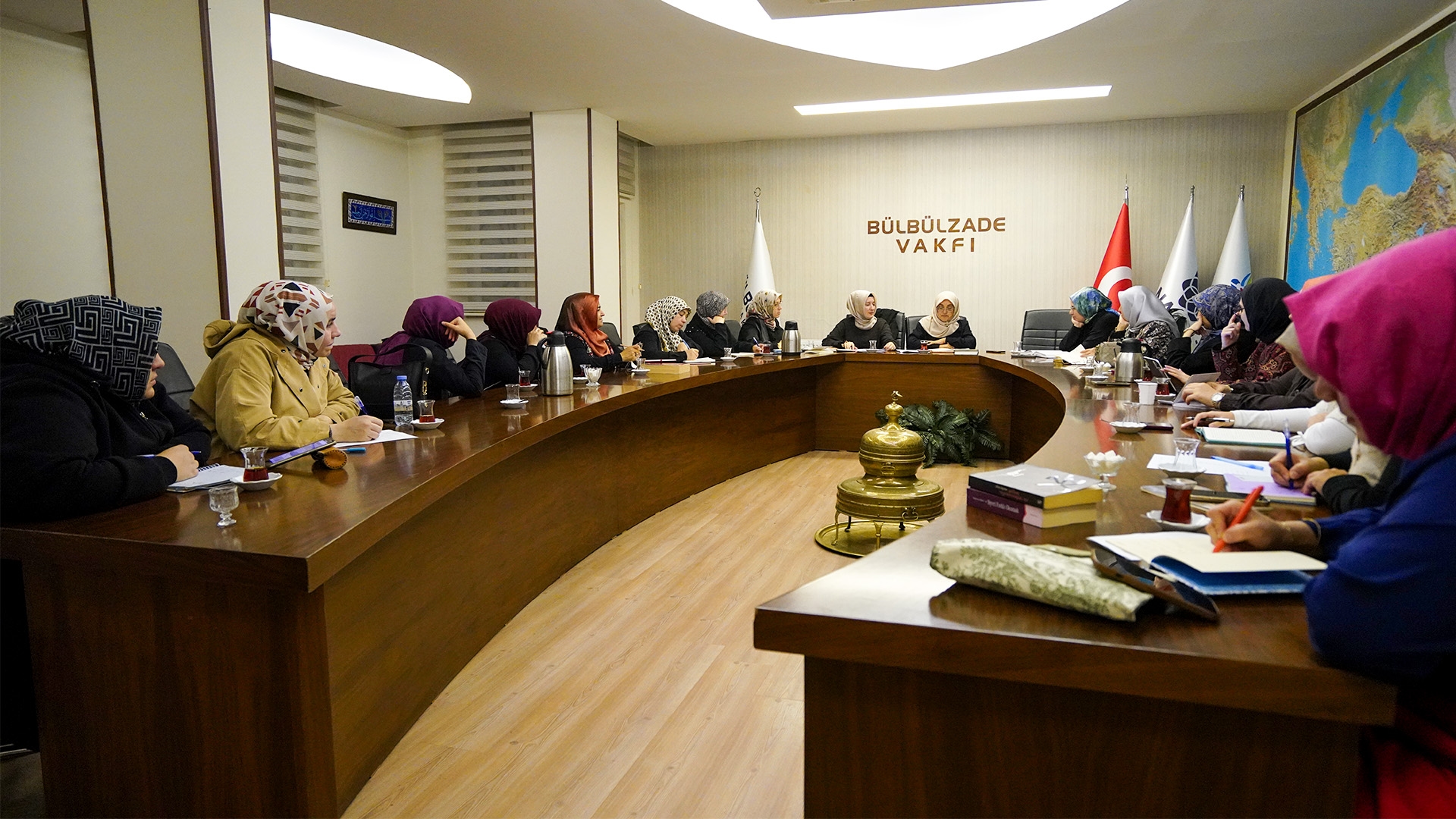
At the second lesson of the term, organized as part of the Mozaik Association’s Tafsir Readings, the moral path that the science of Sirah offers to the present day and the integrity between the Qur’an and Sirah were discussed in all their dimensions.
The second lesson of the new term of the Mozaik Tafsir Readings program, operating under the Bülbülzade Foundation, was held on October 30, 2026. The program began with an analysis of the final verse of Surah Al-Fath and the opening verses of Surah Al-Hujurat, followed by a discussion on the intellectual and social necessity of prophethood. Participants stated that no individual or understanding can take precedence over the guidance of the Prophet Muhammad, emphasizing that he is the sole example to be followed.
PROPHETIC GUIDANCE
Within the scope of the lesson, drawing on the theological analyses of Ibn al-Humam, it was explained that human reason can arrive at the existence of a Creator by observing the order in the universe. It was emphasized that prophetic guidance is an absolute necessity in determining the boundaries of religious practices, unseen realities, and salvation in the Hereafter. Contemporary discourses advocating religion without prophethood were critically examined within the framework of the approach that reason is the eye and revelation is the light.
SIRAH IS A LIVING PATH
It was noted that the concept of Sirah, derived from the Arabic root "sayr," meaning to walk and to be in motion, represents a living path that believers must continue to follow today. Criticism was directed at hagiographic and excessively romanticized approaches to writing about the Prophet’s life, which present Sirah as a static biography confined to the past. The importance of an approach based on principles, rather than formal imitation, was emphasized—one that carries the Prophet Muhammad’s transformative power, strategic understanding of struggle, and vision of civilization into the present day. The program concluded with an emphasis on the necessity of understanding the Qur’an and Sirah together, without separating one from the other.