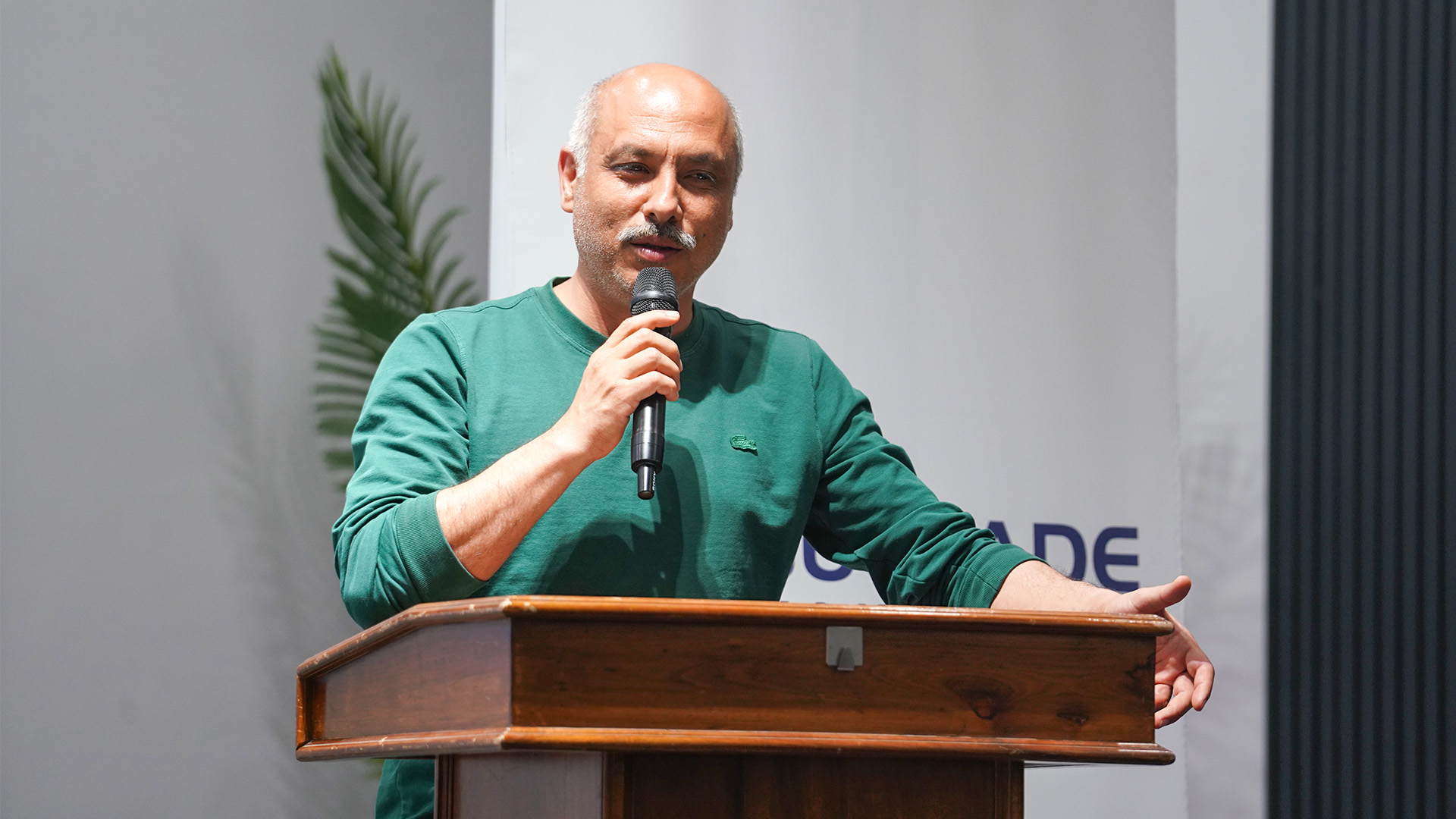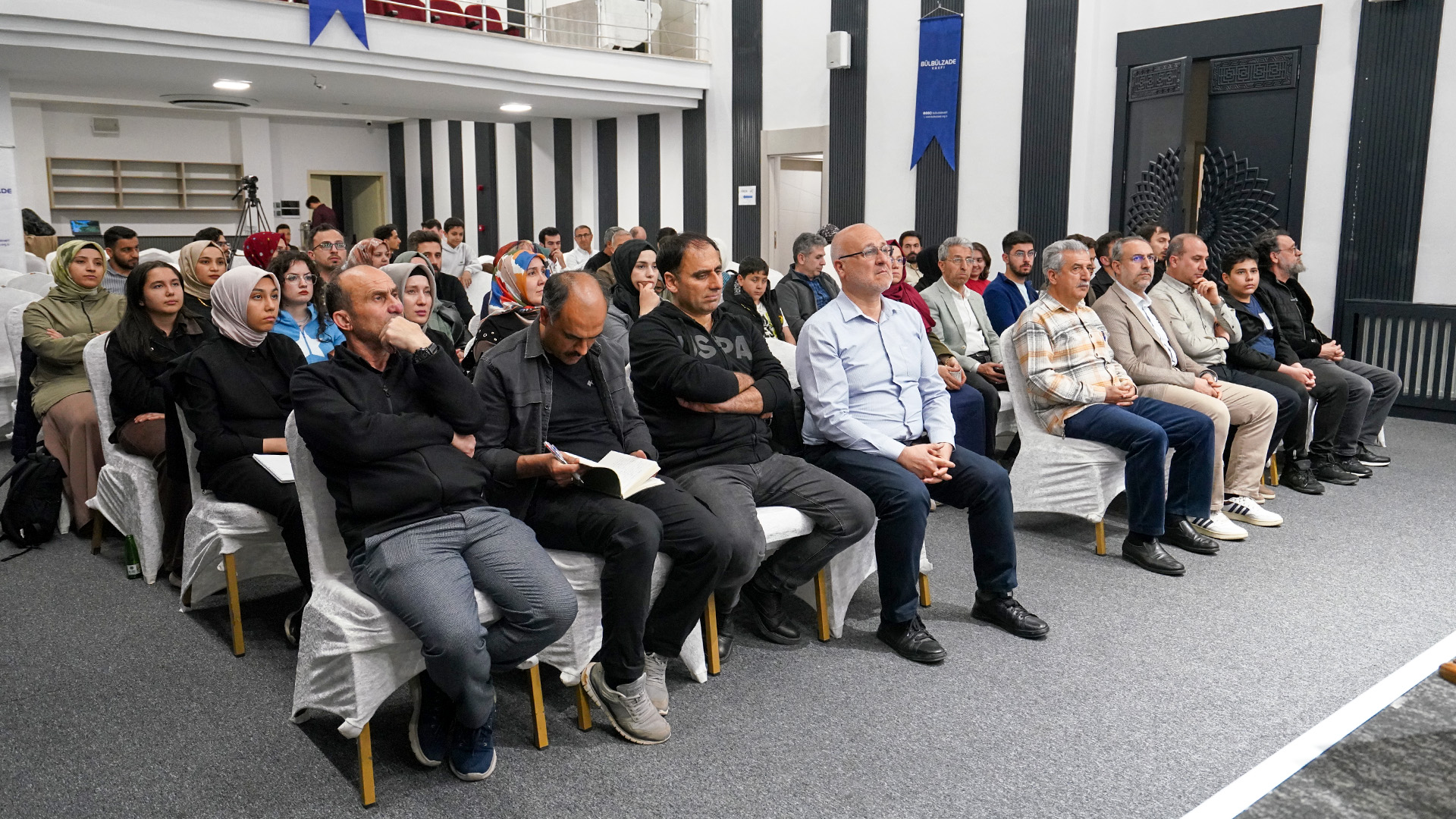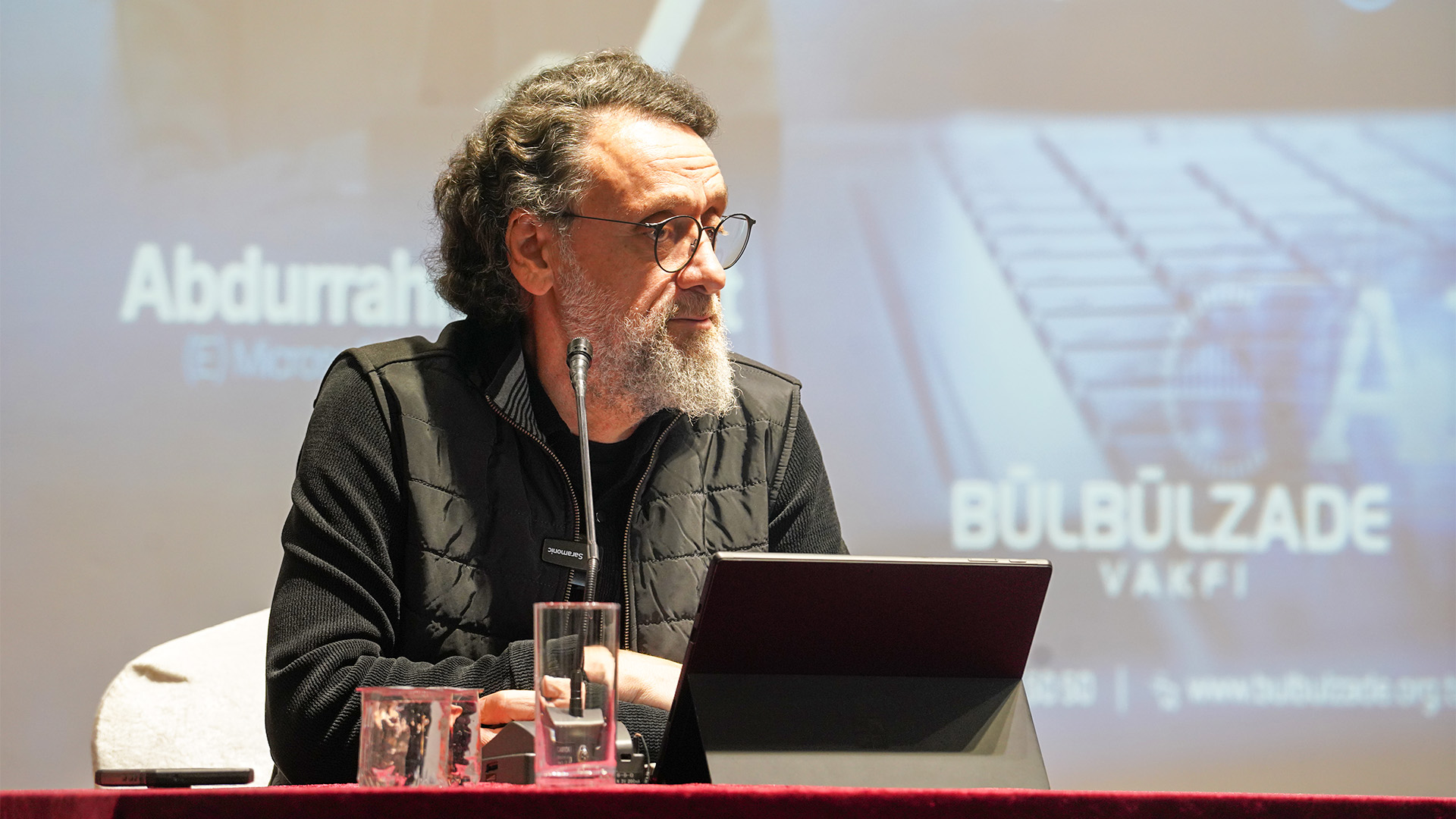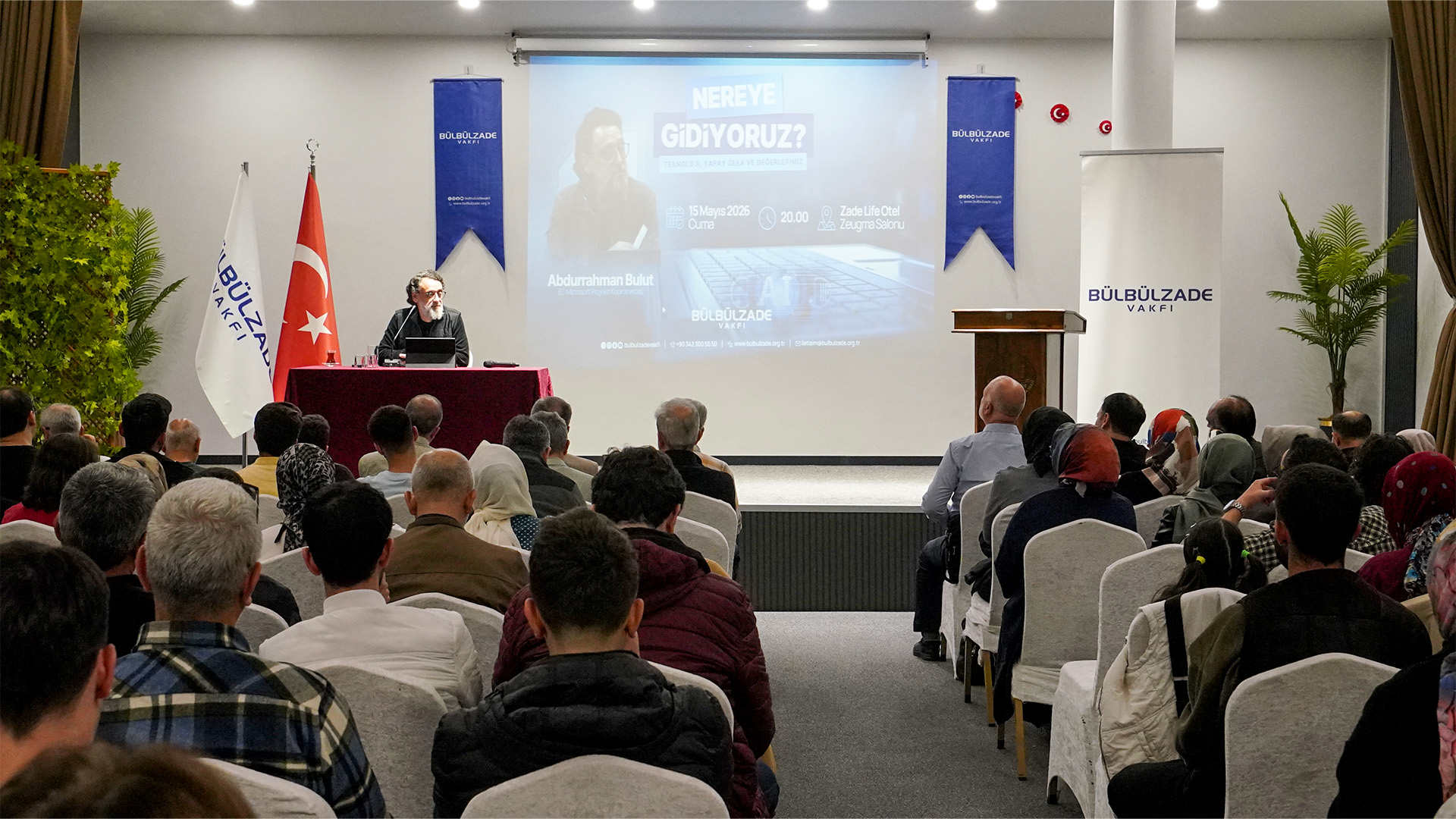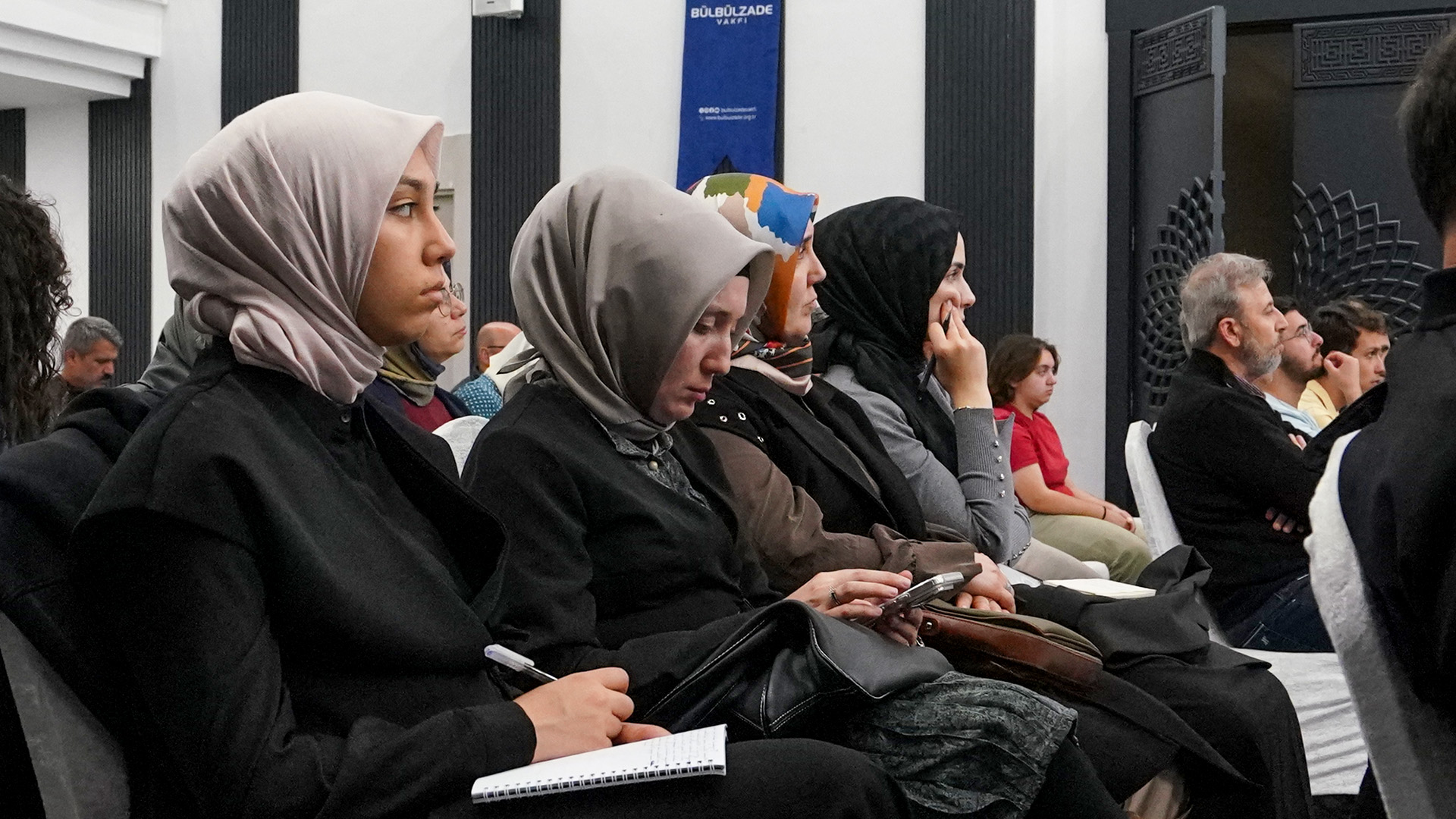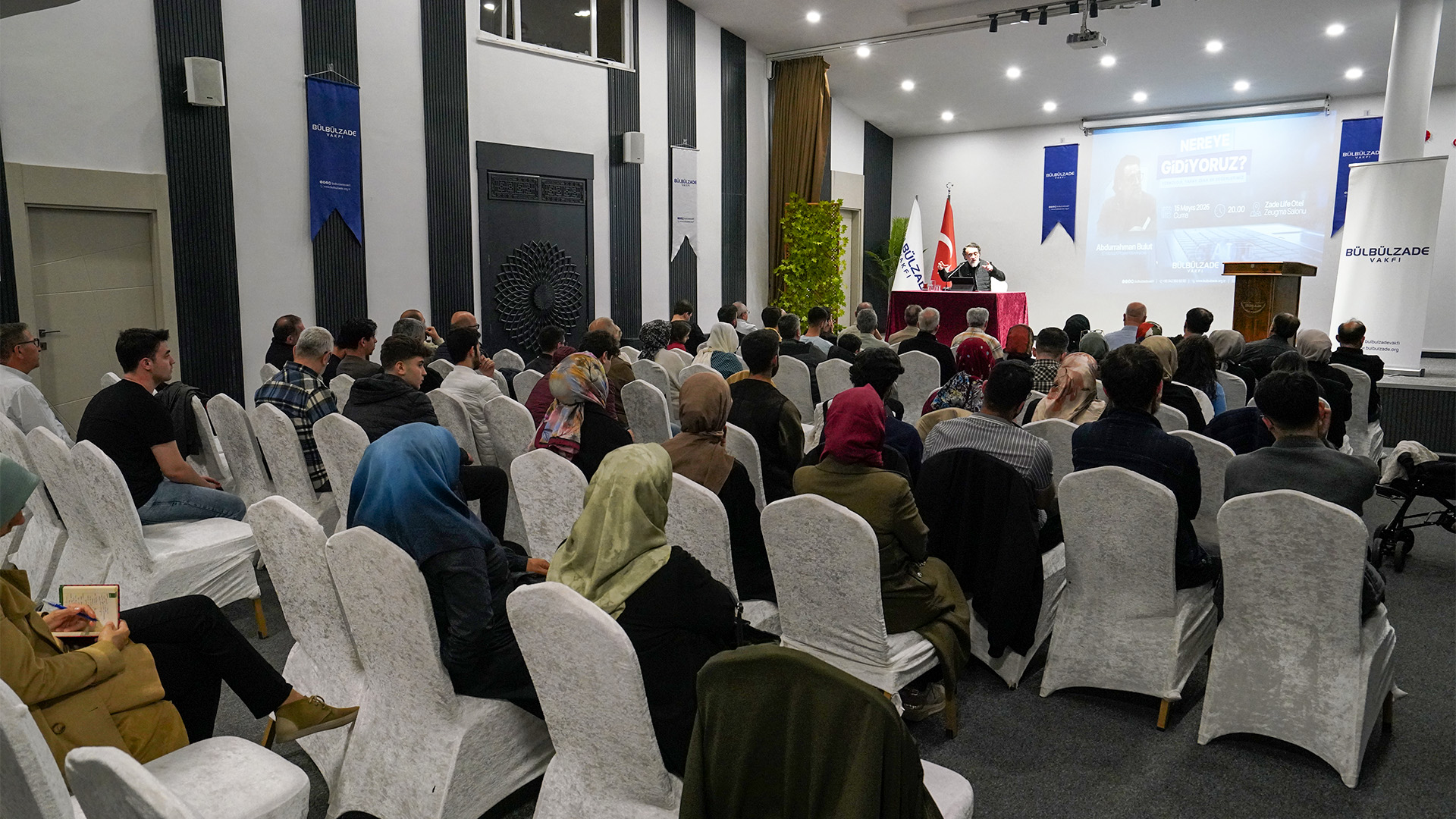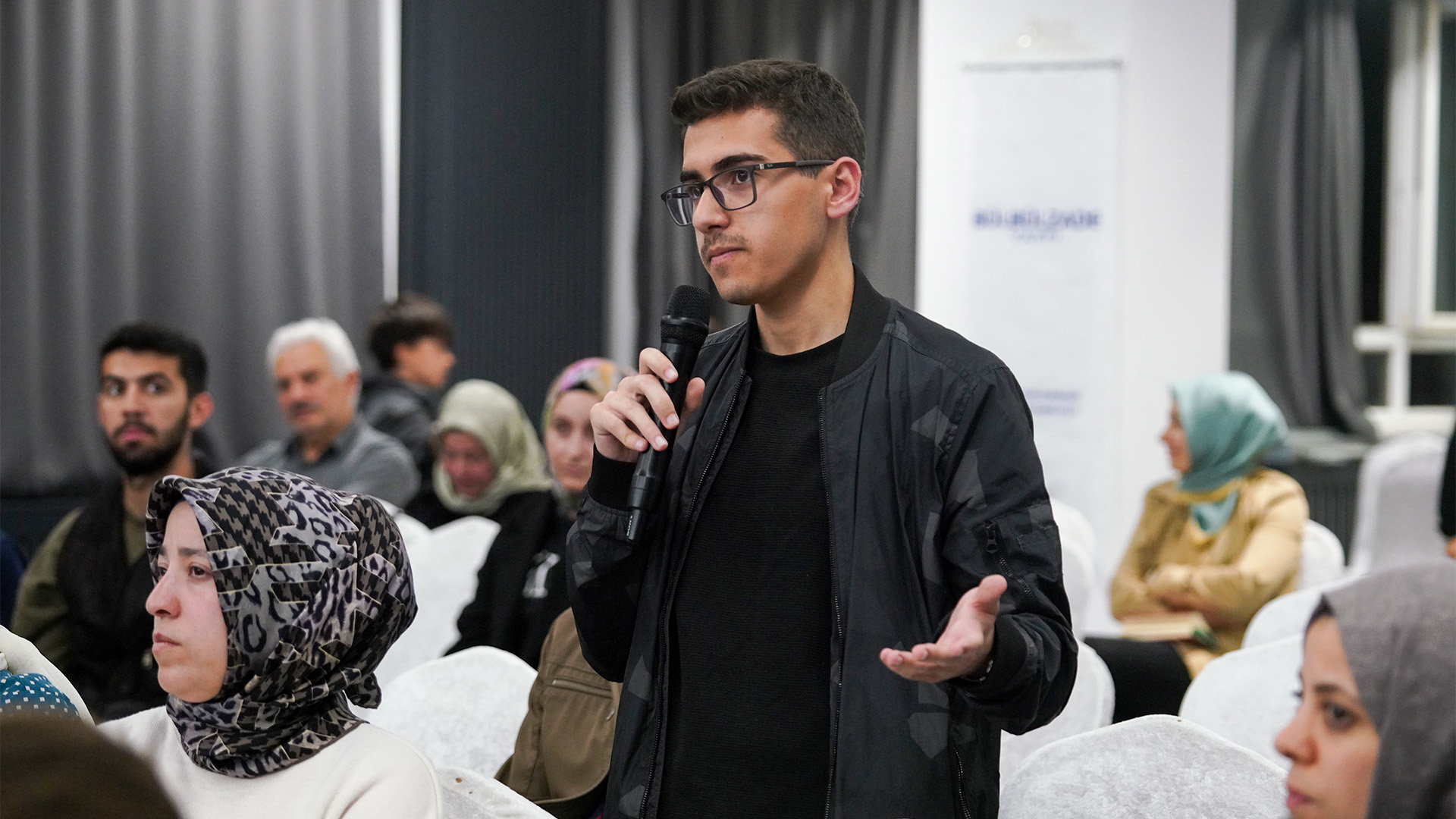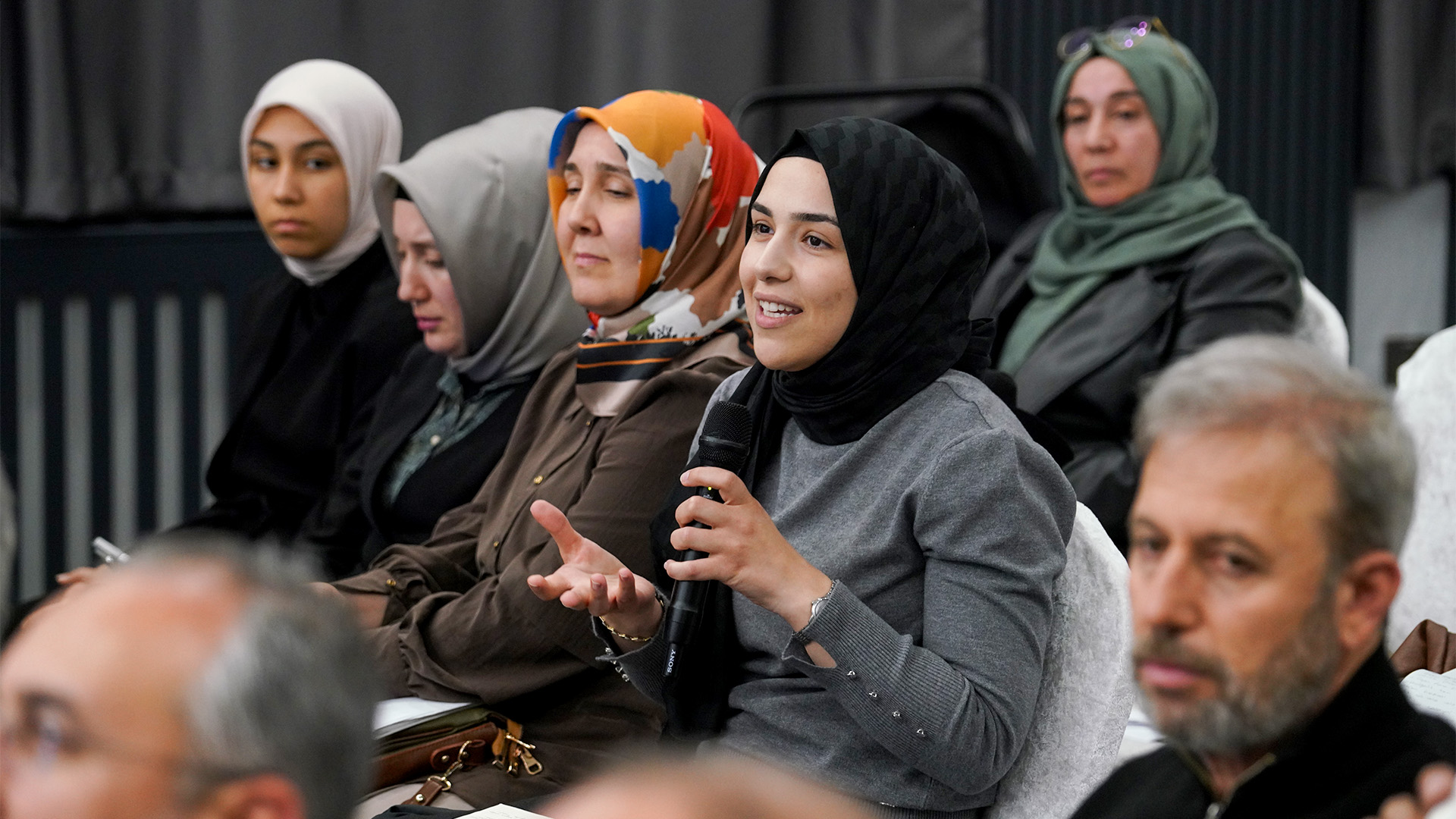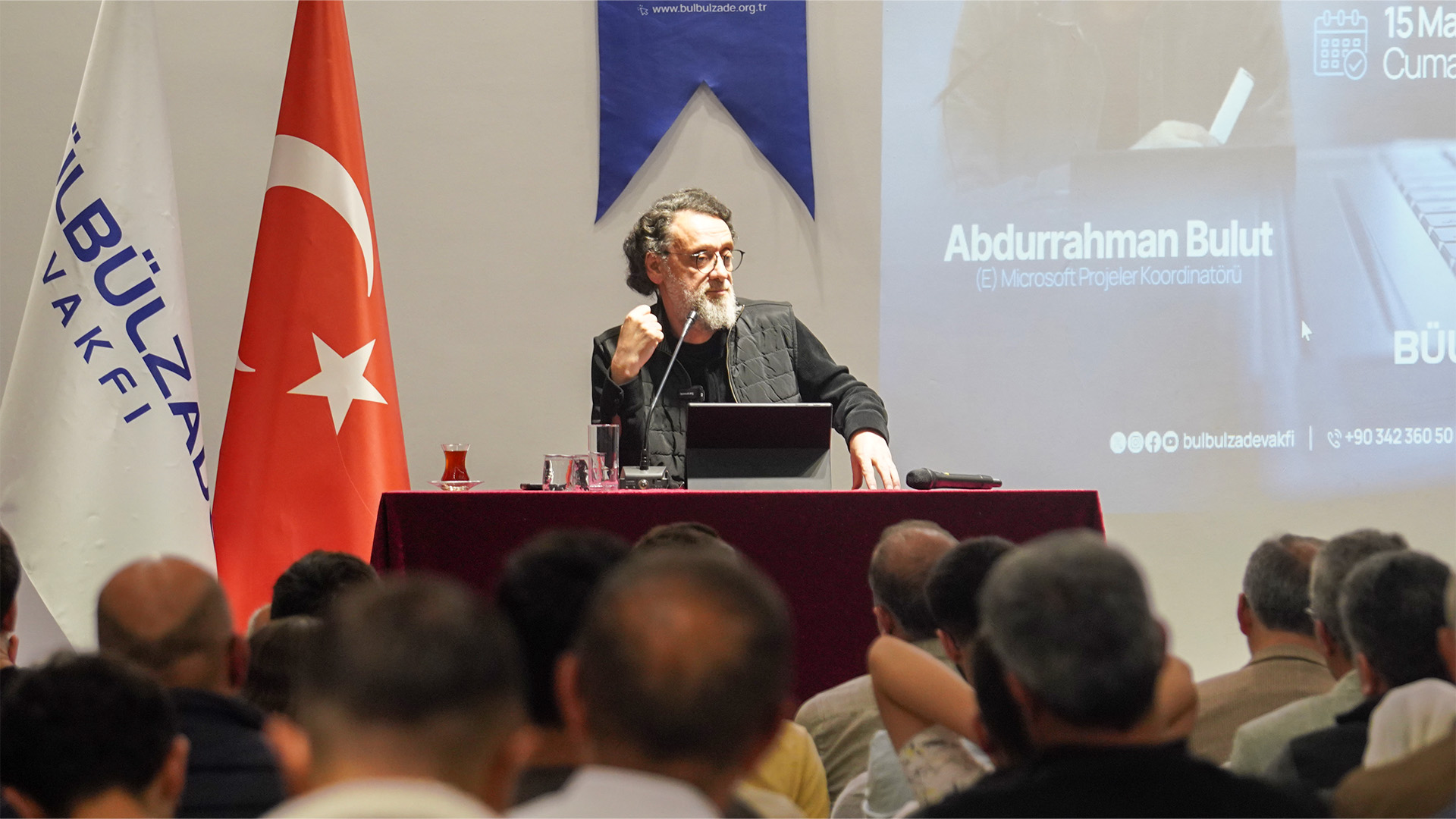

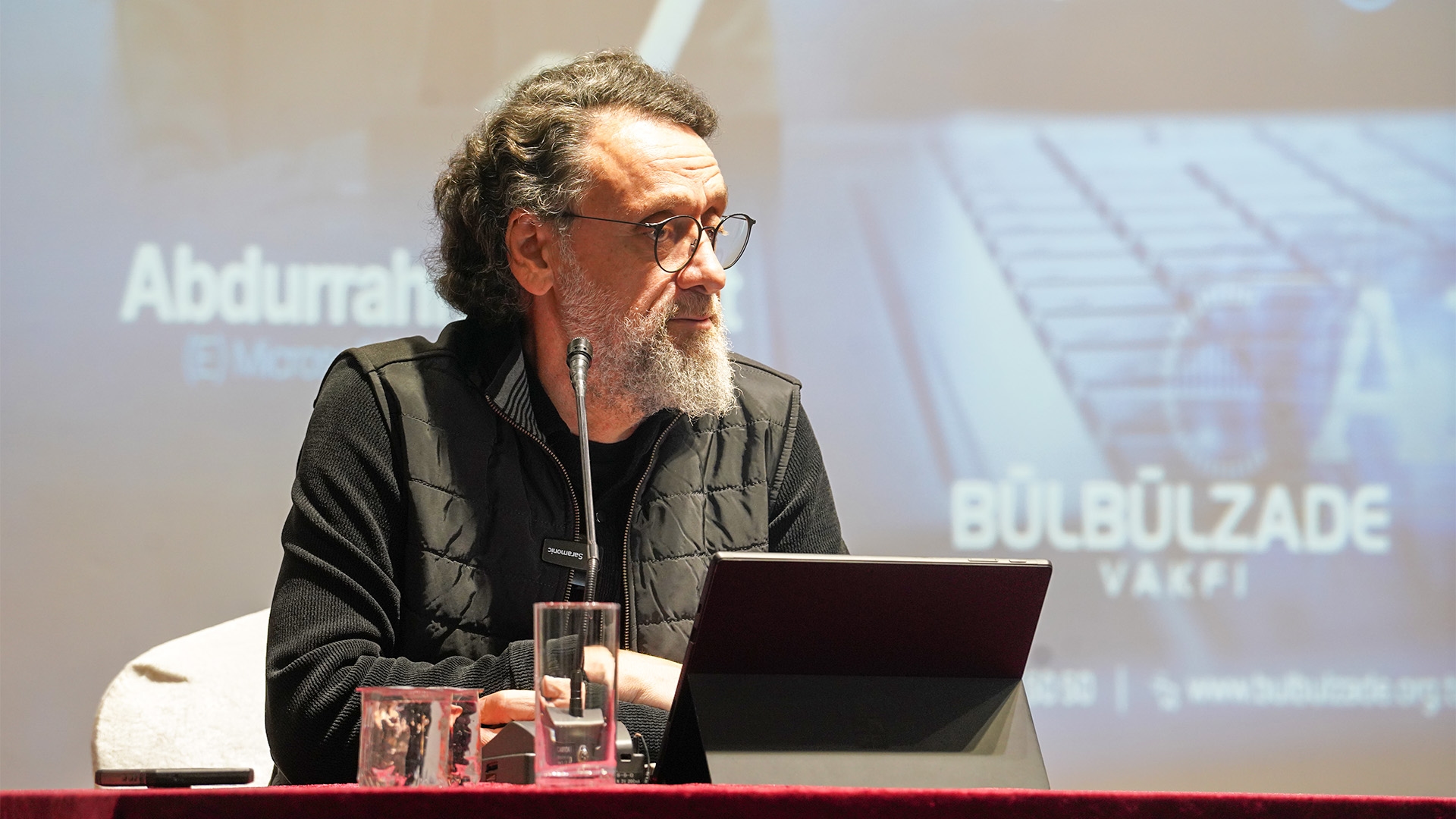
Speaking at the conference titled “Where Are We Going: Technology, Artificial Intelligence and Our Values” organized by our foundation, Technology Philosopher Abdurrahman Bulut drew attention to the fact that artificial intelligence is a philosophical threat that transforms human nature and ancient values through the materialist codes it carries.
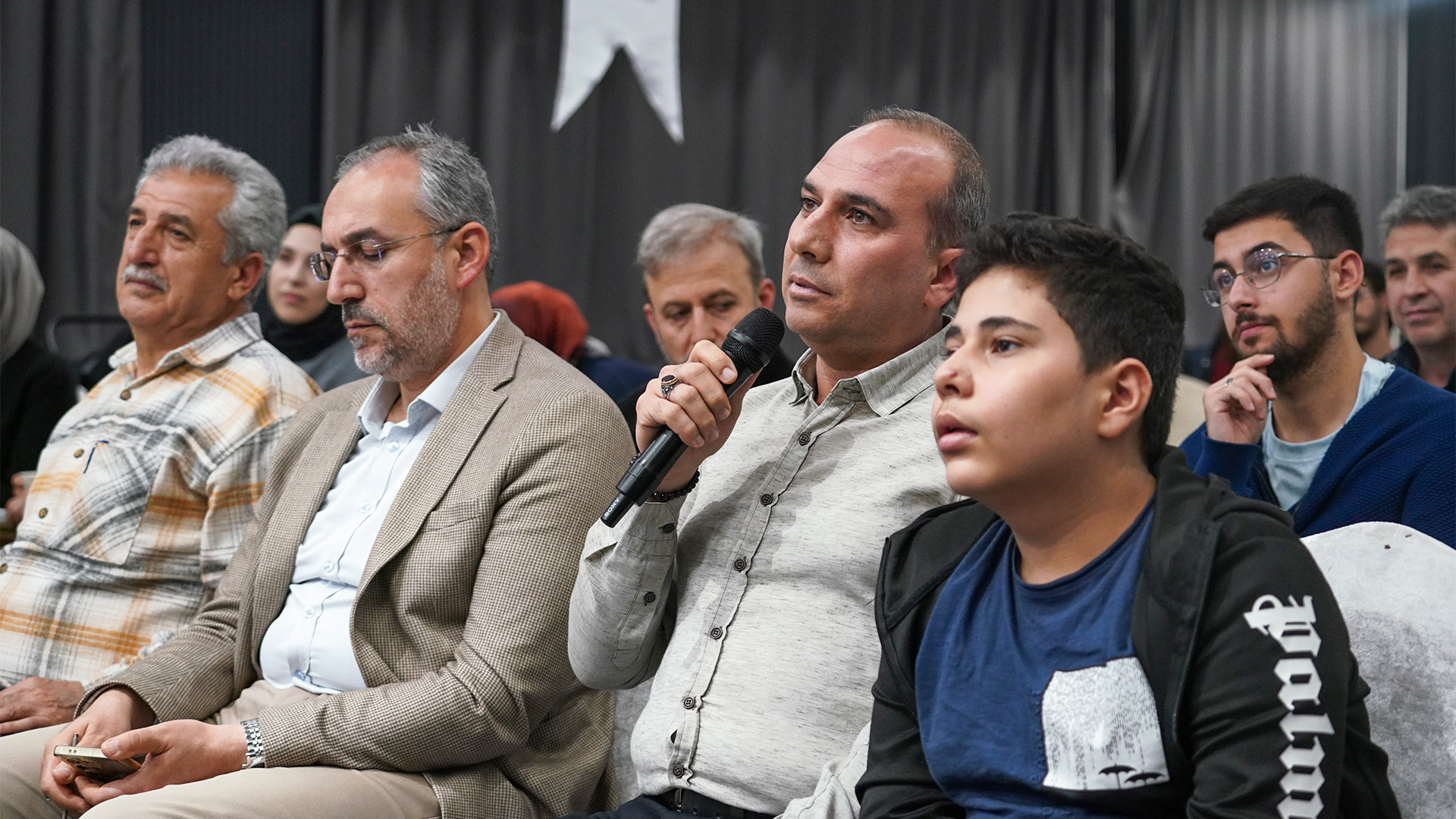
At the conference titled “Where Are We Going: Technology, Artificial Intelligence and Our Values,” hosted by Bülbülzade Foundation at Zade Life Hotel Zeugma Hall, the philosophy of technology and the effects of artificial intelligence on humanity were discussed in depth. Abdurrahman Bulut, who managed information technology projects abroad for many years and has recently become known for his studies on the philosophy of technology, delivered a comprehensive presentation to participants about the opportunities offered by the digital future and the risks it carries. In his speech, Bulut emphasized that technology cannot be considered independently from its cultural and intellectual background and made important warnings.
TECHNOLOGY IS NOT NEUTRAL
Stating that technological tools are neither innocent nor neutral, Abdurrahman Bulut said that every product carries traces of the mentality that designed it. Emphasizing that technology cannot be separated from philosophy, Bulut said, “You cannot produce something independent of ontology, that is, the perception of existence. A technology or system is not independent from the fundamental codes, philosophy, thought system, and belief of the society from which it emerges.” Saying that the founding codes of today’s technology are built upon positivism and materialism, Bulut stated that this situation imposes a secular lifestyle that distances people from their values.
ARTIFICIAL INTELLIGENCE IS THE FIRST ENTITY TO MAKE DECISIONS OUTSIDE HUMANITY
Bulut noted that the most fundamental difference separating artificial intelligence from other technologies is its ability to make decisions, adding that this process is a first in human history. Emphasizing that humanity is currently in the first phase of artificial intelligence and that the next 25 years are likely to bring greater changes than the past century, Bulut said, “For the first time, an entity emerges outside humanity that learns and makes decisions on its own. This system learns by imitating the mental processes of humans in a synthetic environment.” Drawing particular attention to algorithms, Bulut stated that the main purpose of these structures is to keep individuals within the system regardless of content and to weaken control over free will.
AN ORIGINAL ARCHITECTURE IS NECESSARY TO PROTECT OUR VALUES
Arguing that the current technological order is evolving toward the savagery of a “modern Rome,” Bulut said that Muslims cannot succeed in this process by remaining merely consumers. Stating that producing something domestic and national cannot be achieved simply by changing names, Bulut said, “The issue lies in the system and the model of thought. If you adopt an artificial intelligence architecture that does not carry your own ontology exactly as it is, you will have to bear its consequences. If we want to achieve success, we need to build a new architecture compatible with human nature and centered on our values.”
A STRUGGLE OF WILLPOWER FOR FUTURE GENERATIONS
In the final part of his speech, Abdurrahman Bulut addressed families and young people, stating that the fight against technology addiction should be carried out within the framework of a methodology. Arguing that children are being pushed into the grip of exam- and career-oriented materialism, Bulut said, “For a child to be considered knowledgeable, it should not be enough merely to prove mechanical knowledge. They should also demonstrate that they possess values such as compassion and justice. If today we define the most successful student as the one who gets the highest score, then we ourselves have already become materialists.” Bulut concluded his speech by stating that the way to exist in the digital world passes through a moral stance that harmonizes technology with human nature.