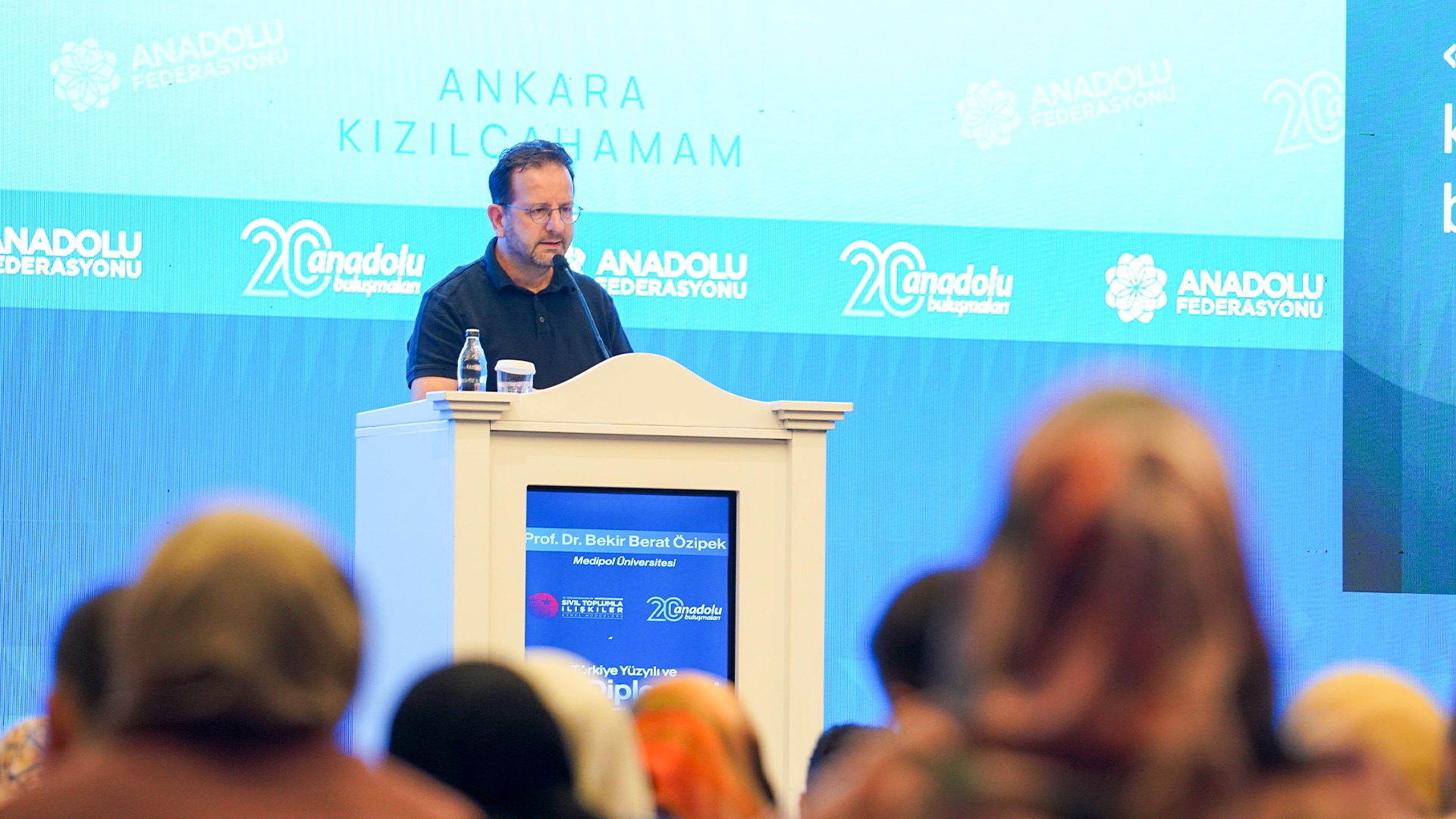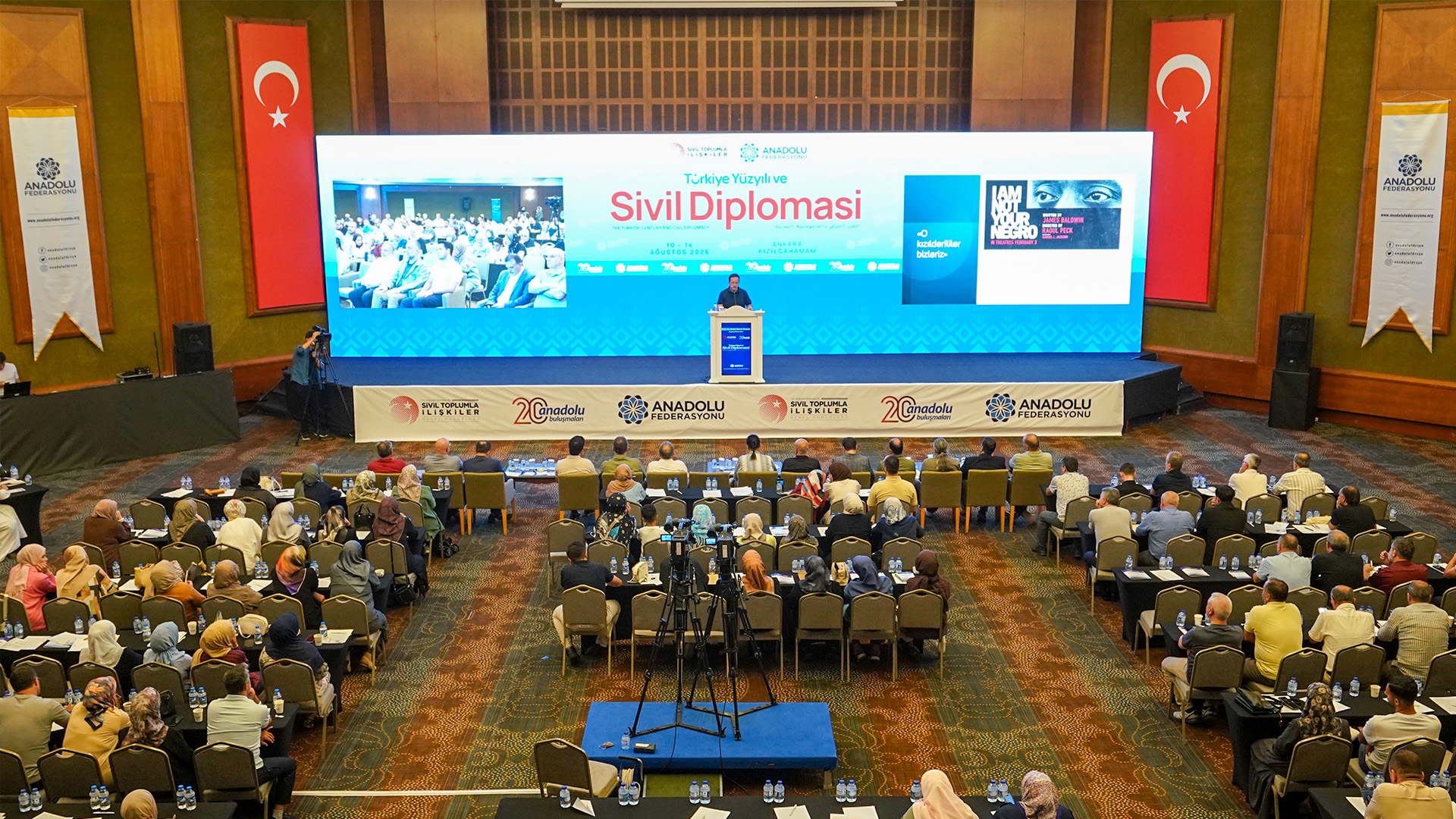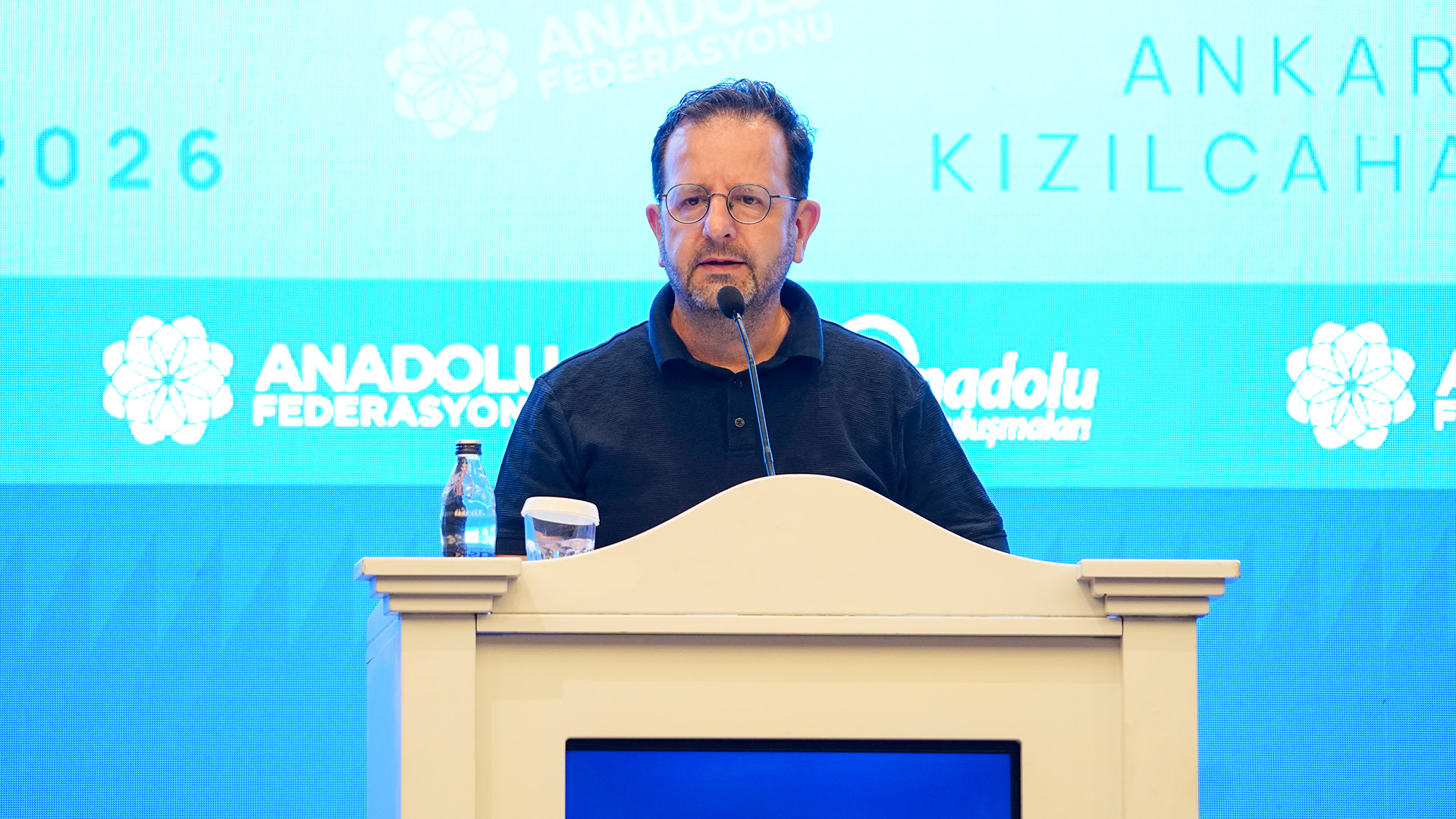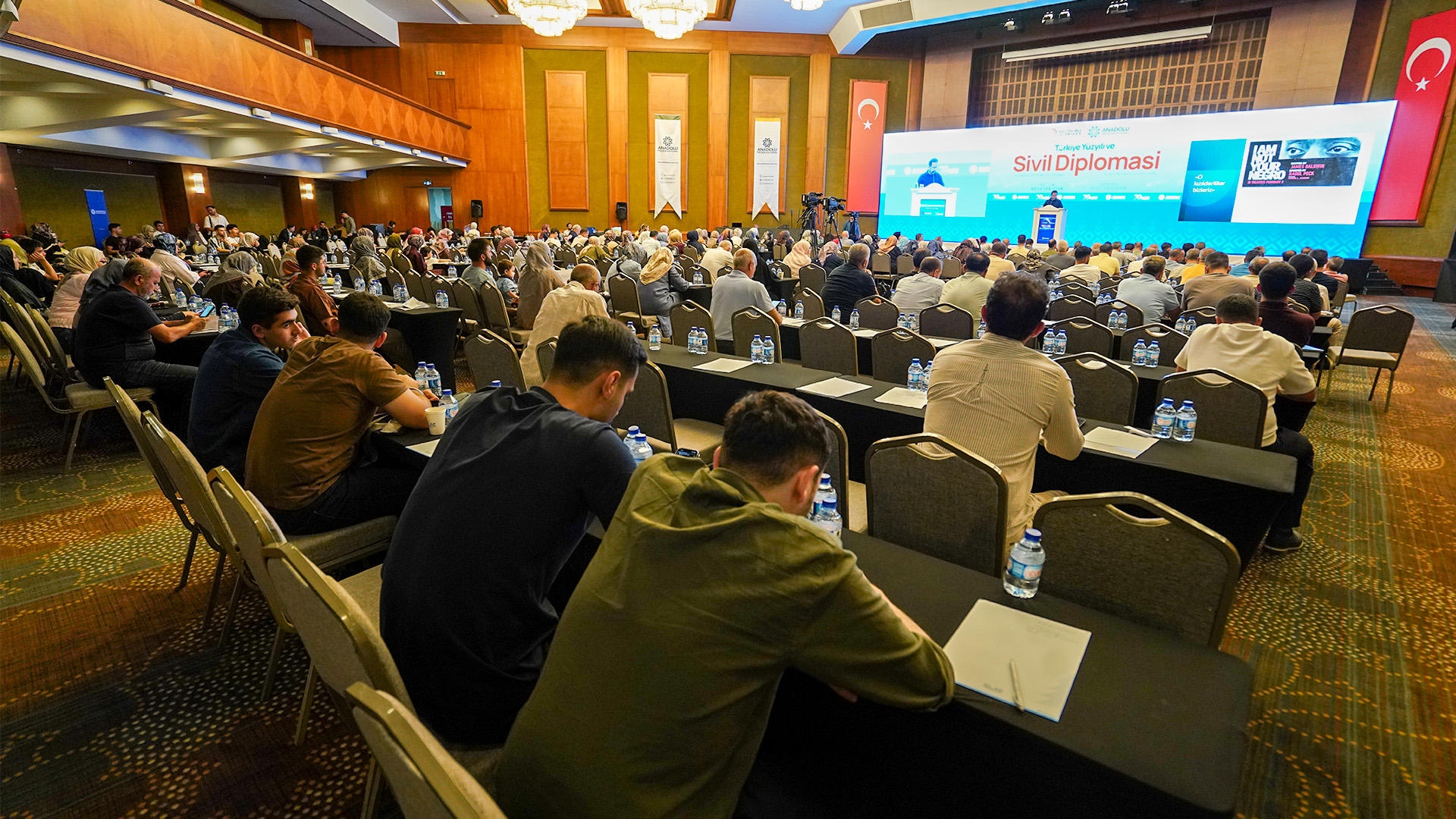
Speaking at the 20th Anatolian Gatherings, Prof. Dr. Bekir Berat Özipek emphasized the necessity of a new language of civil communication against global injustices and crises.
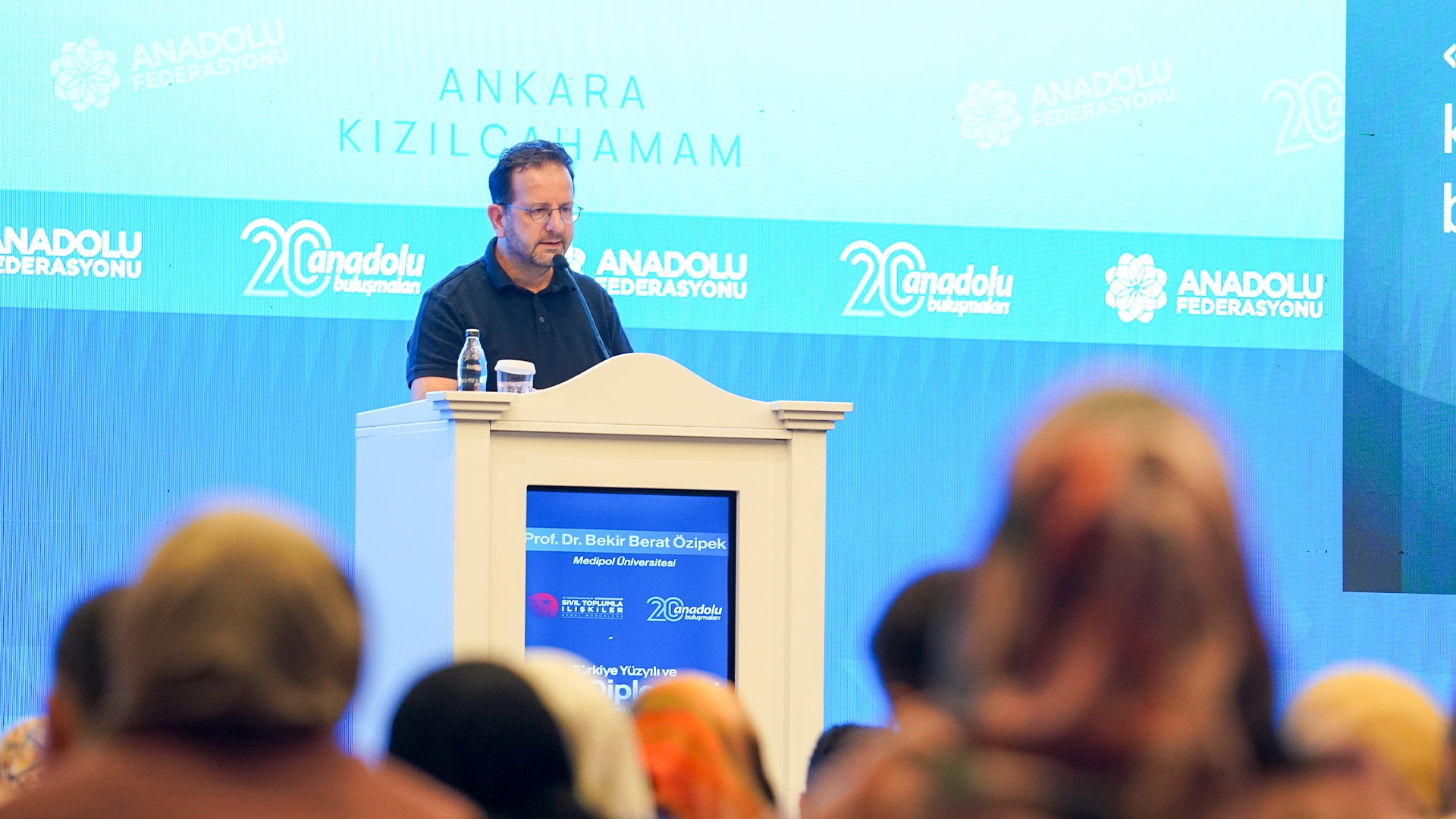
The 20th Anatolian Gatherings, organized by the Anatolian Federation, hosted Prof. Dr. Bekir Berat Özipek, one of Türkiye's leading political scientists and a faculty member at Istanbul Medipol University. In his presentation titled “Global Civil Communication and the Possibilities of a Cross-Border Conversation,” Özipek deeply analyzed the vital roles that civil society should undertake in the shadow of injustices in the modern world and ongoing conflicts. The academic called for a global awakening that appeals to the common conscience of humanity in the face of the declining legitimacy of the international system.
A NEW ERA OF CIVIL CONSCIENCE
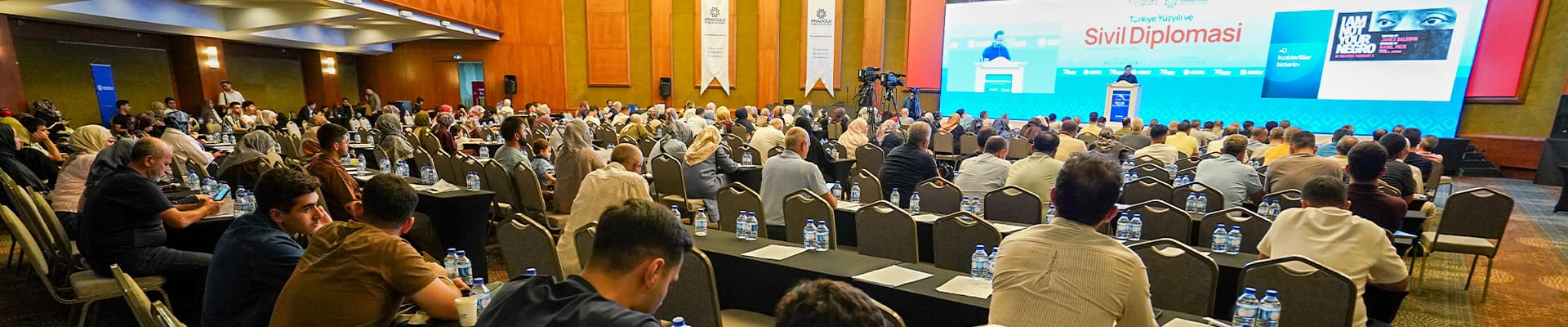
Beginning his speech with a reference to James Baldwin's documentary “I’m Not Your Negro,” Özipek drew attention to the tragedy experienced by peoples marginalized by the global system. Stating that the West approaches human losses in Palestine and similar conflict zones with double standards, Özipek expressed this injustice with the words, “We were their Native Americans, they were us.” Emphasizing that the violation of international law by dominant powers demonstrates not only the strength of the system but also the dissolution of consent, Özipek pointed to the fact that hegemony cannot be permanent by saying, “You can win victory with bayonets, but you cannot sit on bayonets.”
AN EQUAL, HIERARCHY-FREE AND DECENTRALIZED CONVERSATION
Arguing that the solution lies in creating an environment of conversation that transcends nation-state borders and is equal, hierarchy-free and decentralized, Özipek addressed the role of civil society organizations at this point. He recalled that the work carried out by civil structures in different parts of the world offers a major opportunity to build this atmosphere of dialogue. Özipek underlined that a global movement based on rights, without calculations or ulterior motives, can be achieved through the common conscience of people from every faith. At the end of his speech, Özipek gave an example through a dream metaphor from Filibeli Ahmed Hilmi's work Amak-ı Hayal, explaining that in the struggle between good and evil, the true victory will come through the love that eliminates war. Özipek stated that a common word spoken with the right content would illuminate humanity, and his speech received great interest from the participants.