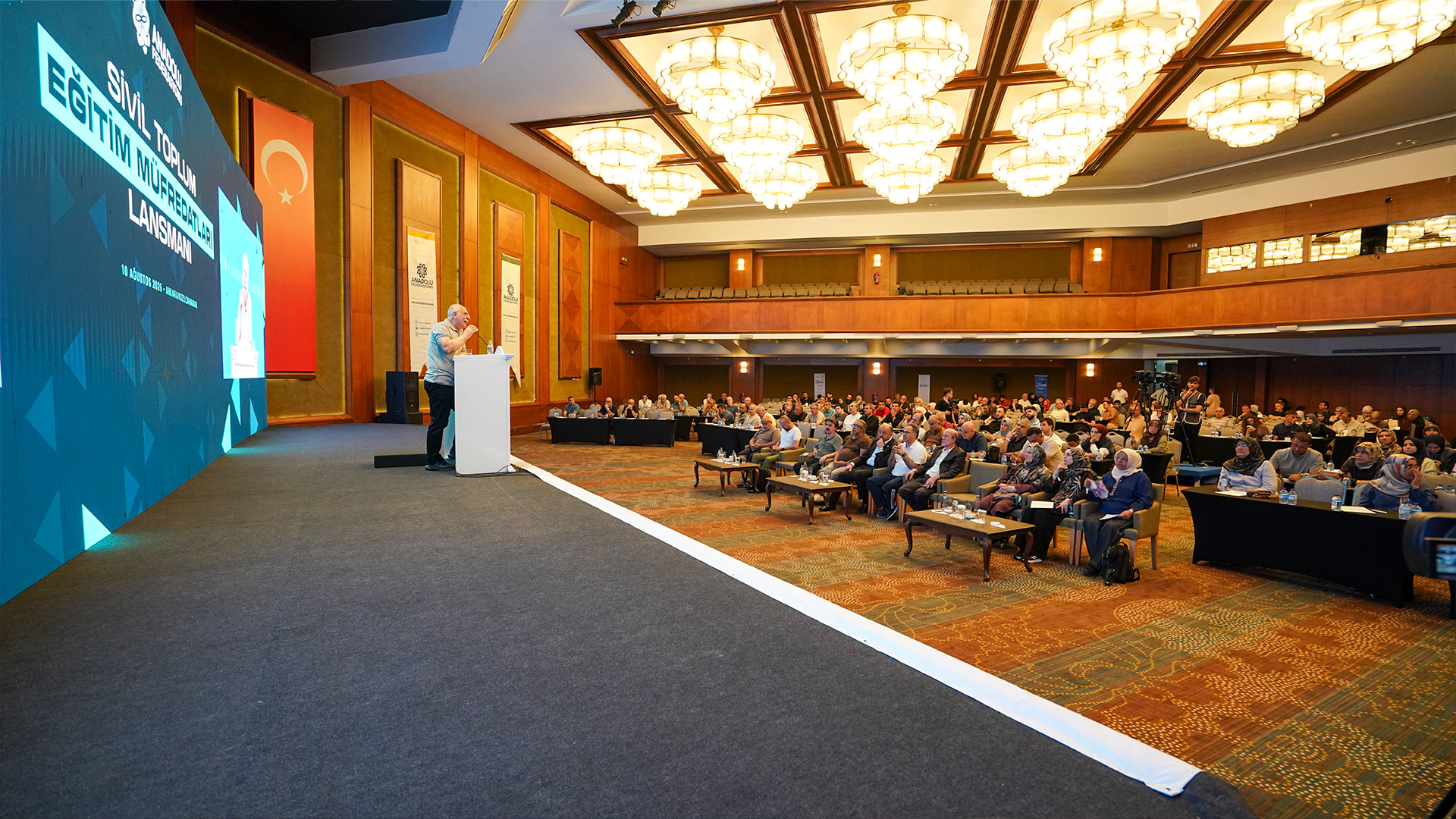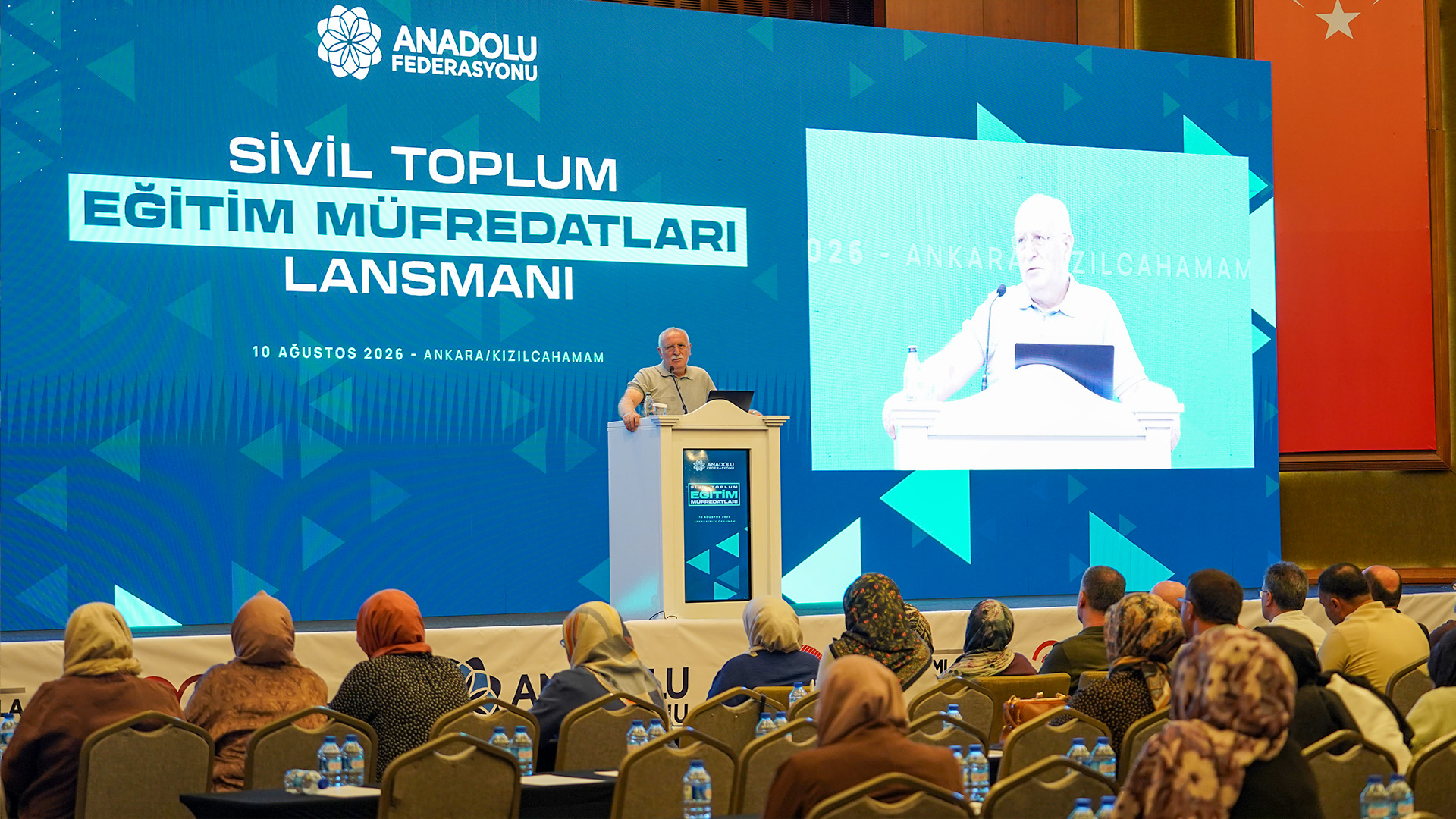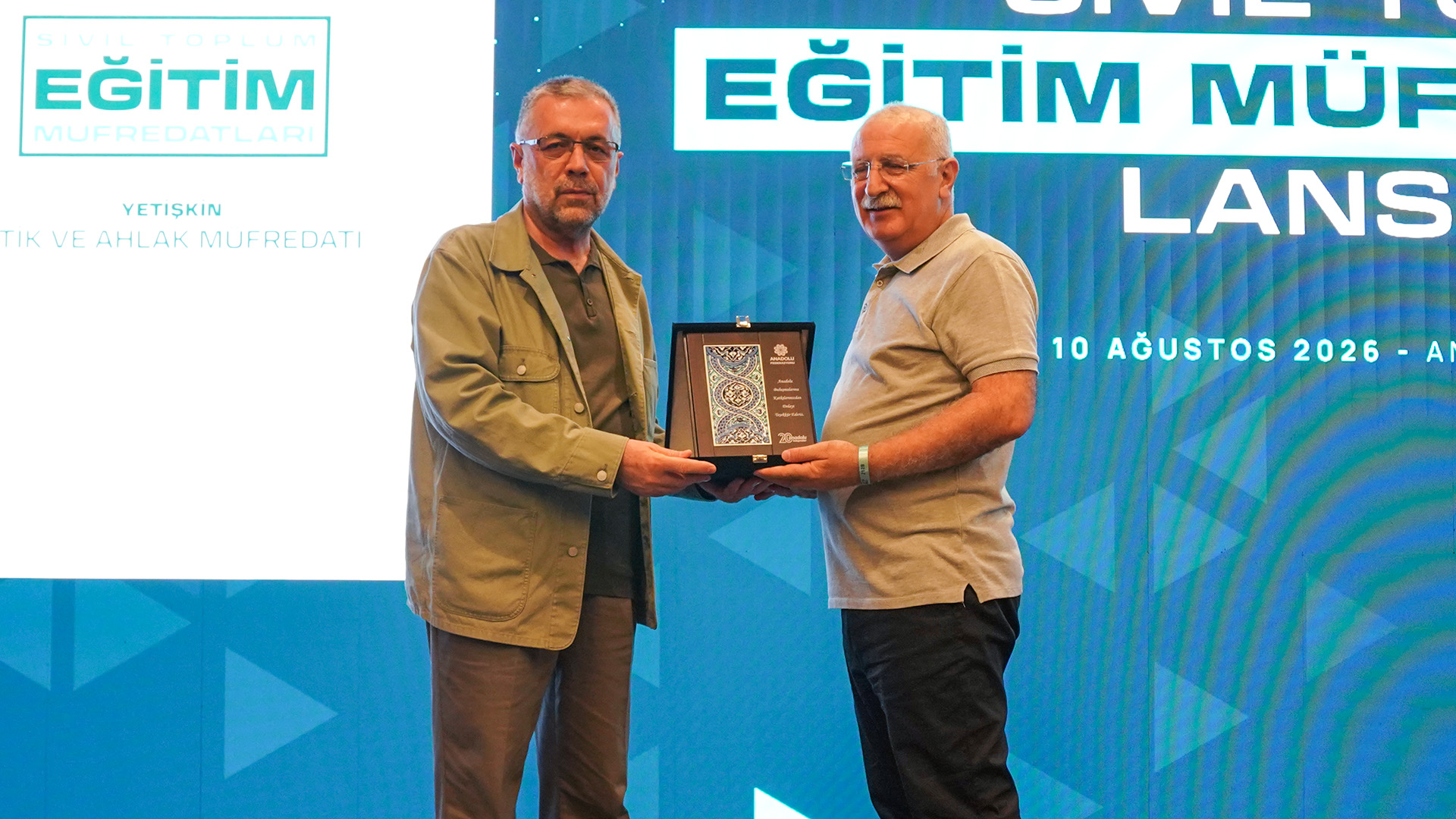
The Civil Society Education Curricula were introduced as part of the 20th Anatolian Gatherings, which began in Ankara under the theme of “The Century of Türkiye and Civil Diplomacy.” Prof. Dr. Ahmet Yayla explained the new educational philosophy centered on the formation of the human being at the launch.
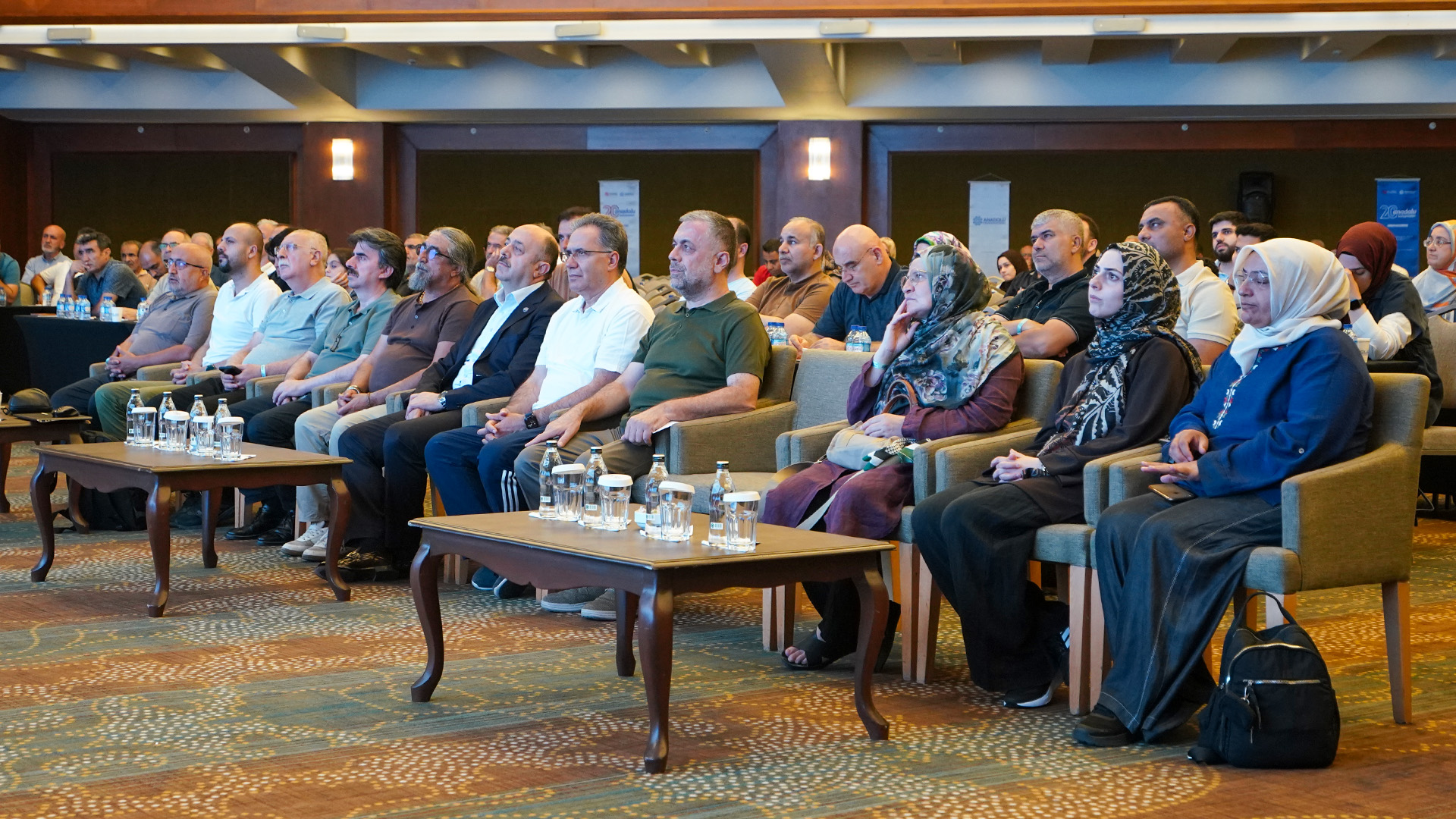
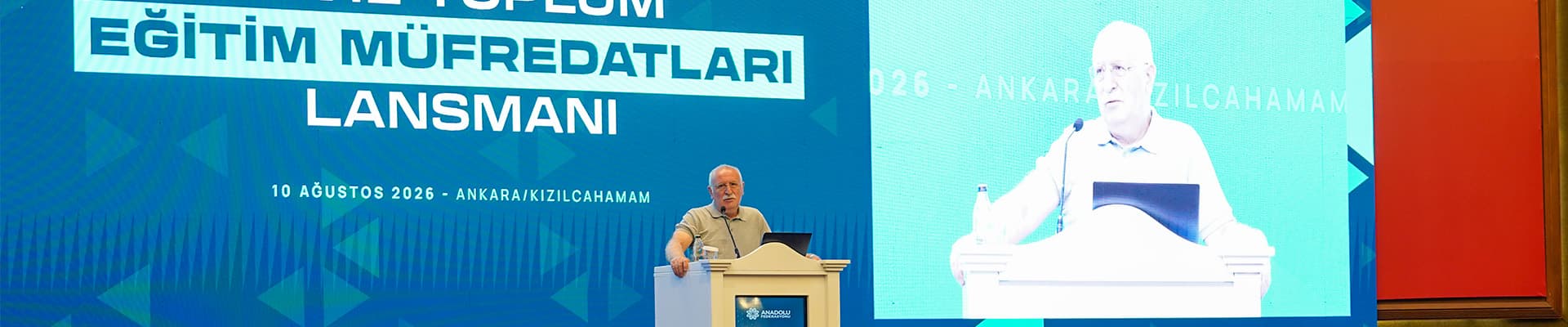
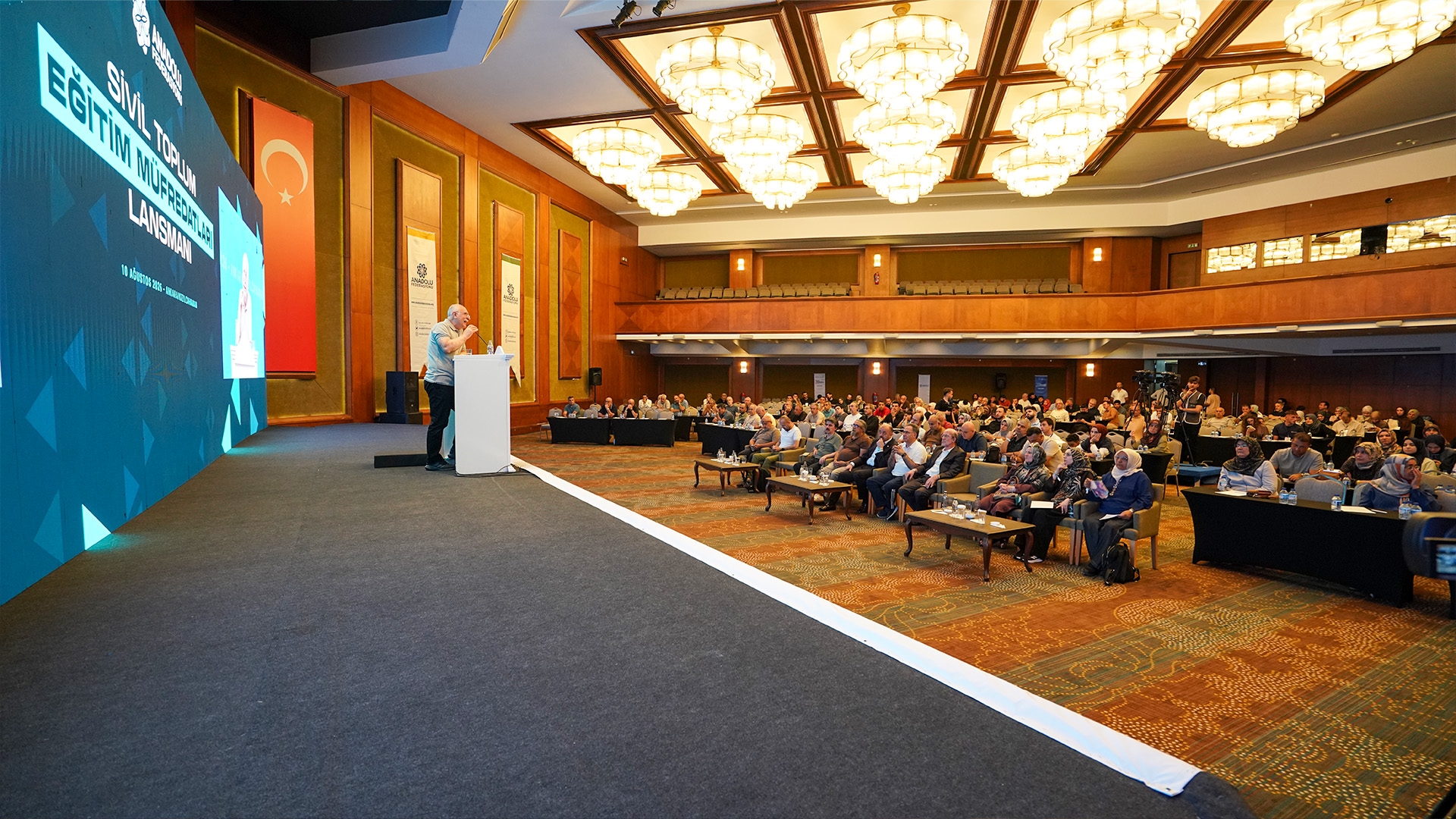
One of the traditional meetings organized by the Anatolian Federation, the 20th Anatolian Gatherings brings together civil society representatives in a widely attended program at Eliz Hotel Ankara. This year’s organization, shaped around the main theme of “The Century of Türkiye and Civil Diplomacy” and continuing from August 10 to 14, officially began with the launch of the Civil Society Education Curricula held in the Eliz Hotel conference hall. At the launch program, Prof. Dr. Ahmet Yayla, who led the preparation of the curricula, delivered a speech. Describing educational philosophies as a journey from the formation of the human being to the formation of civilization, Yayla emphasized that education cannot consist solely of transferring knowledge. Stating that they adopted a human-centered approach, Yayla noted that the individual cannot be reduced to an economic or academic element.
LET US RAISE A GENERATION THAT SEEKS THE TRUTH
Yayla stated that the human being should be considered as a whole throughout the process extending from childhood to adulthood. He explained that fundamental concepts such as responsibility begin at an early age with simple acts such as putting away one’s toys and later develop into taking a conscious stance toward social issues. He drew attention to the fact that the education curricula were prepared in accordance with this developmental trajectory and human nature. Referring to the importance of preserving children’s innate sense of curiosity, Yayla stated that they aim to raise a generation that asks questions and seeks the truth rather than one based on rote learning.
THE IMPORTANCE OF CRITICAL THINKING
Yayla stated that they focus on identity formation during adolescence and noted that young people cannot simply be left to the flow of social media and popular culture. Emphasizing that young people need to make sense of the world and be raised with a culture of verification, Yayla highlighted the importance of researching the source of accurate information and critical thinking. Stating that the language of education should be ethical, Yayla noted that young people should interpret the world while upholding human dignity and justice.
EDUCATION IS NOT LIMITED TO SCHOOLS
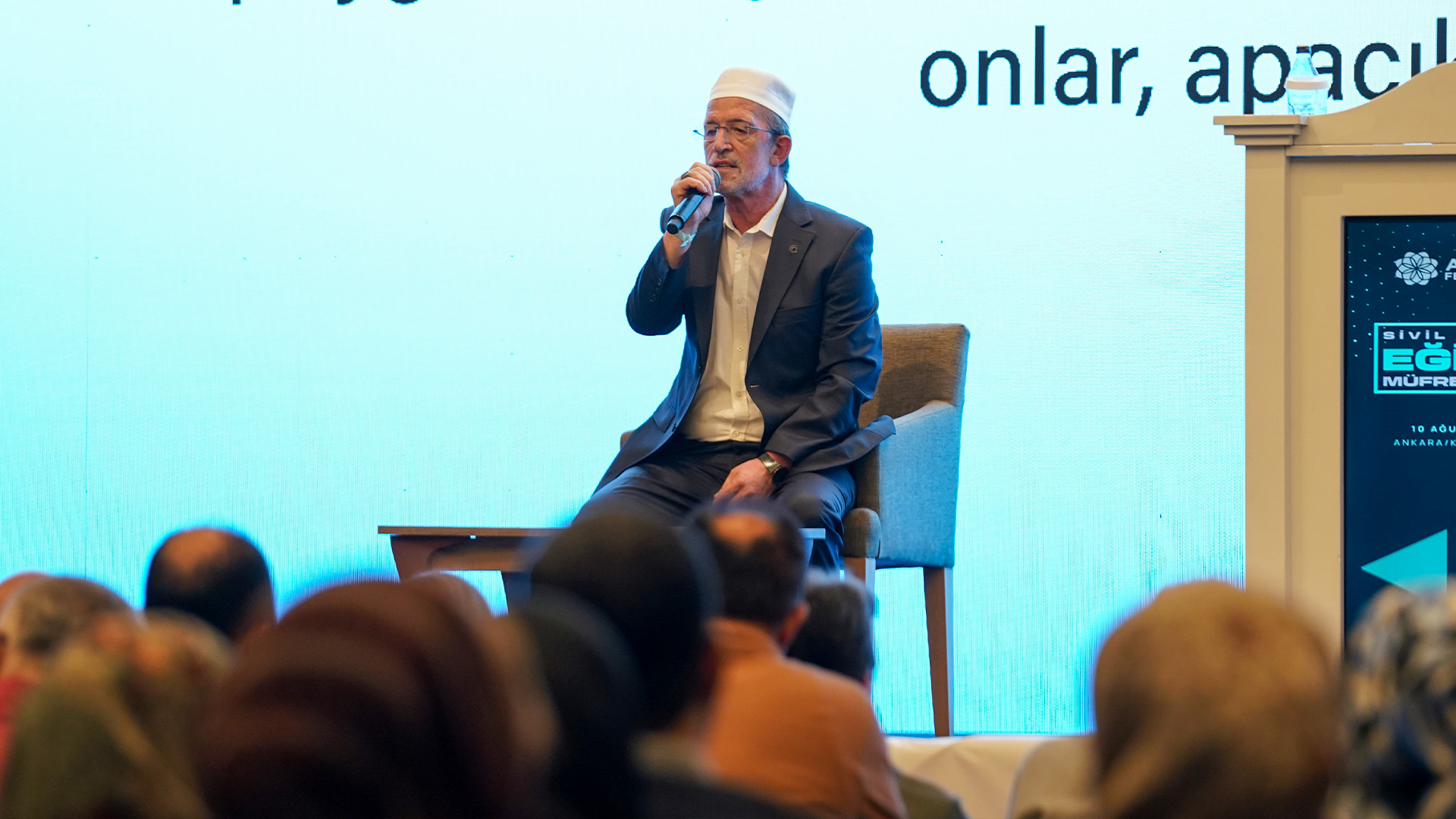
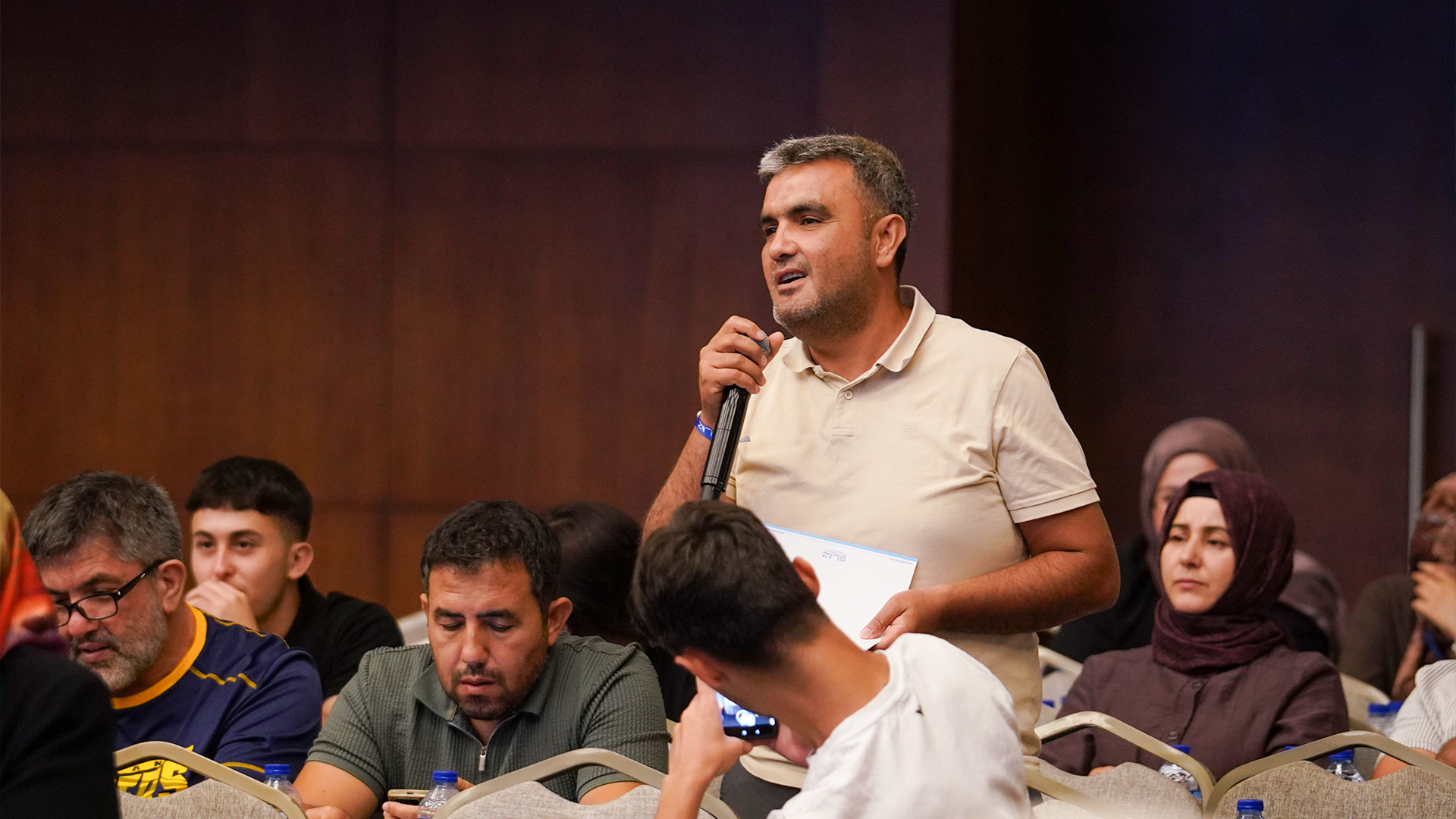
Stating that education cannot be confined solely to schools, Yayla said that civil society organizations play a key role in the transmission of values and social solidarity. He noted that, as the Anatolian Federation, they aim to demonstrate through these curricula that civil society can carry out systematic and value-based educational activities. At the end of his speech, Yayla thanked everyone who contributed and added that the real issue lies in the question of what kind of character a person develops through the knowledge they acquire. The launch concluded following a session in which questions from the participants were answered.