
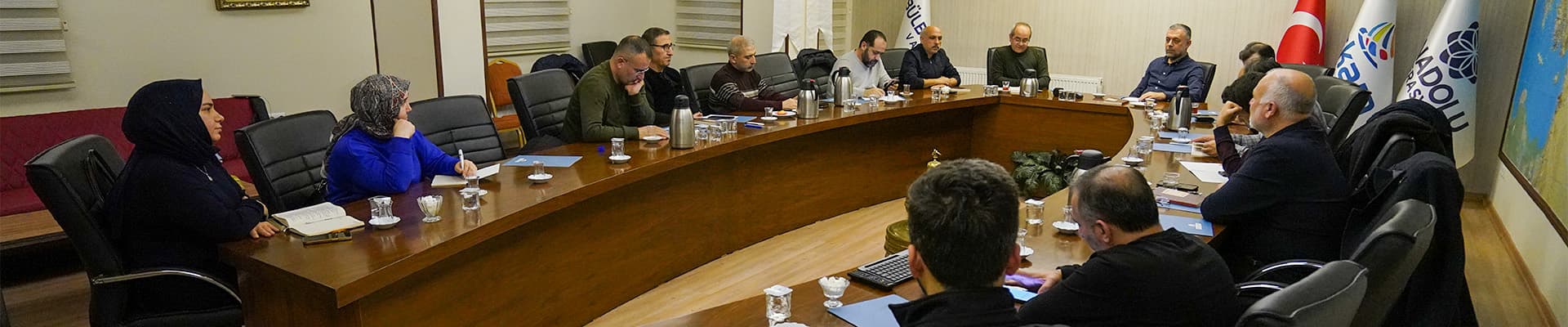
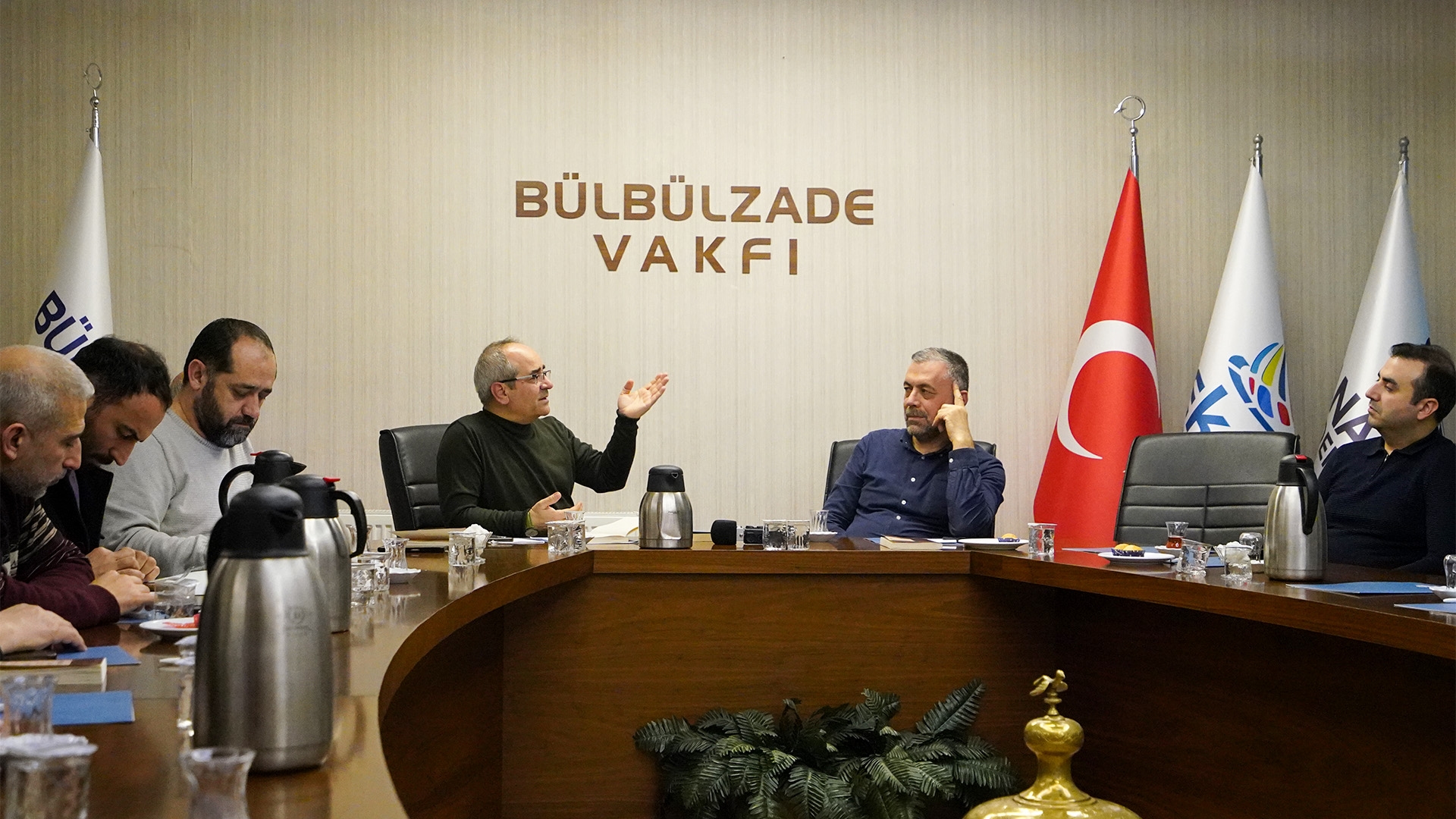
As part of our foundation's traditional book analysis programs, this week we conducted an in-depth examination of the book “Knowledge as Resistance: History, Sharia, and Modernity” by Wael B. Hallaq, one of the most original figures in Islamic law.
Wael B. Hallaq, a faculty member at Columbia University, has been teaching courses on ethics, law, and political thought since 2009. Hallaq, one of today's leading Islamic law scholars, has had his books translated into many languages, including Arabic, Turkish, Japanese, Italian, Hebrew, French, and German. In an interview, Hallaq stated that he discovered how depressing and negative the West's view of Islam was in 1978. In his book “Knowledge as Resistance: History, Sharia, and Modernity,” he questions the intellectual hegemony of the West across a broad spectrum ranging from the origins of the modern state to Orientalism. Hallaq defines the reconstruction of Islamic knowledge through concrete realities such as the destruction of Gaza and the Great Intifada as a form of resistance beyond an academic endeavor.
ETHICS-CENTERED UNDERSTANDING OF KNOWLEDGE
As part of our traditional book analysis programs, this week at the Bülbülzade Foundation, we examined Hallaq's work titled “Knowledge as Resistance: History, Sharia, and Modernity.” During the session held at our Foundation's headquarters, we discussed Wael B. Hallaq's life, academic journey, and critiques of the modern world. We examined an alternative vision of society that does not surrender to the concepts produced by the colonial mind and an ethics-centered understanding of knowledge. We emphasized that Hallaq is not only a legal historian but also a founder of a methodology that resists the epistemological ruptures imposed by modernity.
WE MUST FREE OURSELVES FROM THE CONCEPTS OF MODERNITY
In our program, where we discussed how no one remains “the same as before” at the meeting points of civilizations and the unique role of Islamic civilization in these interactions, we reevaluated why the modern nation-state structure does not align with Islam's understanding of governance and justice from Hallaq's perspective. We emphasized the importance of Muslims freeing their own concepts from the grip of modernity and ensuring that the methods of knowledge production are also nourished by an Islamic foundation.
The program, which was attended by our educators as well as guest students from Novi Pazar, Serbia, served as a platform for global knowledge exchange. Enriched by the interest of young people from different regions, the session concluded with participants' evaluations of the book.