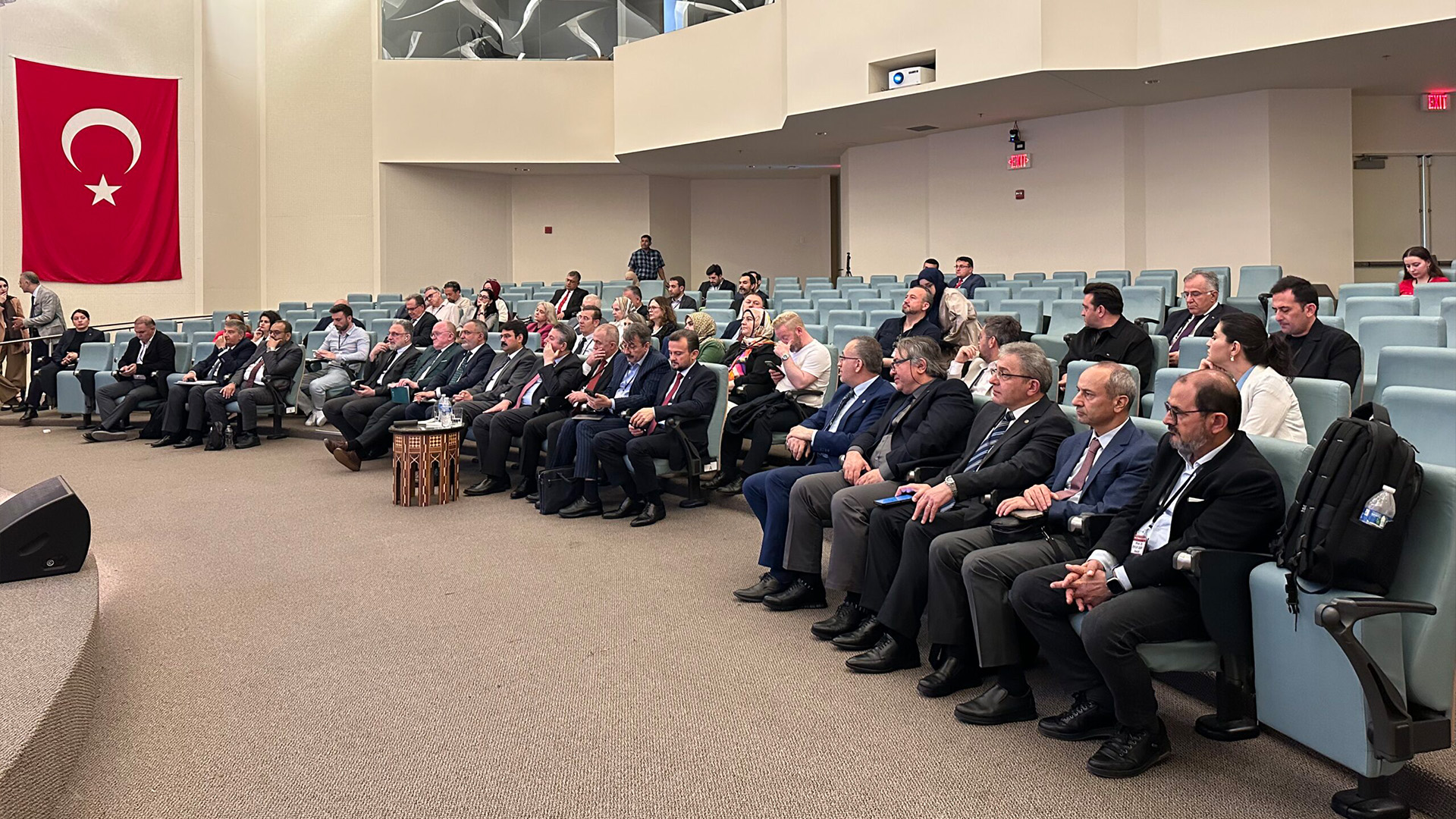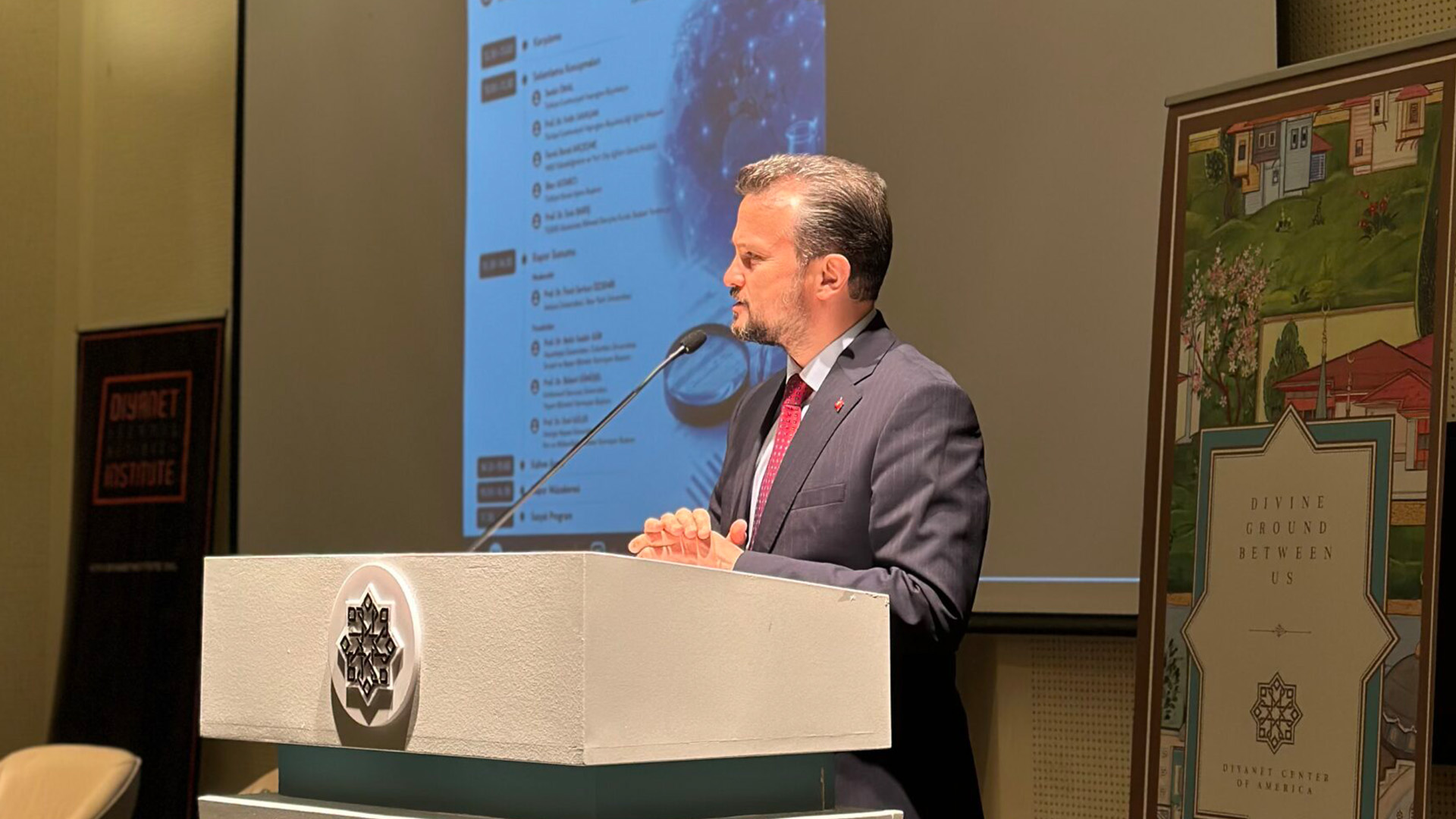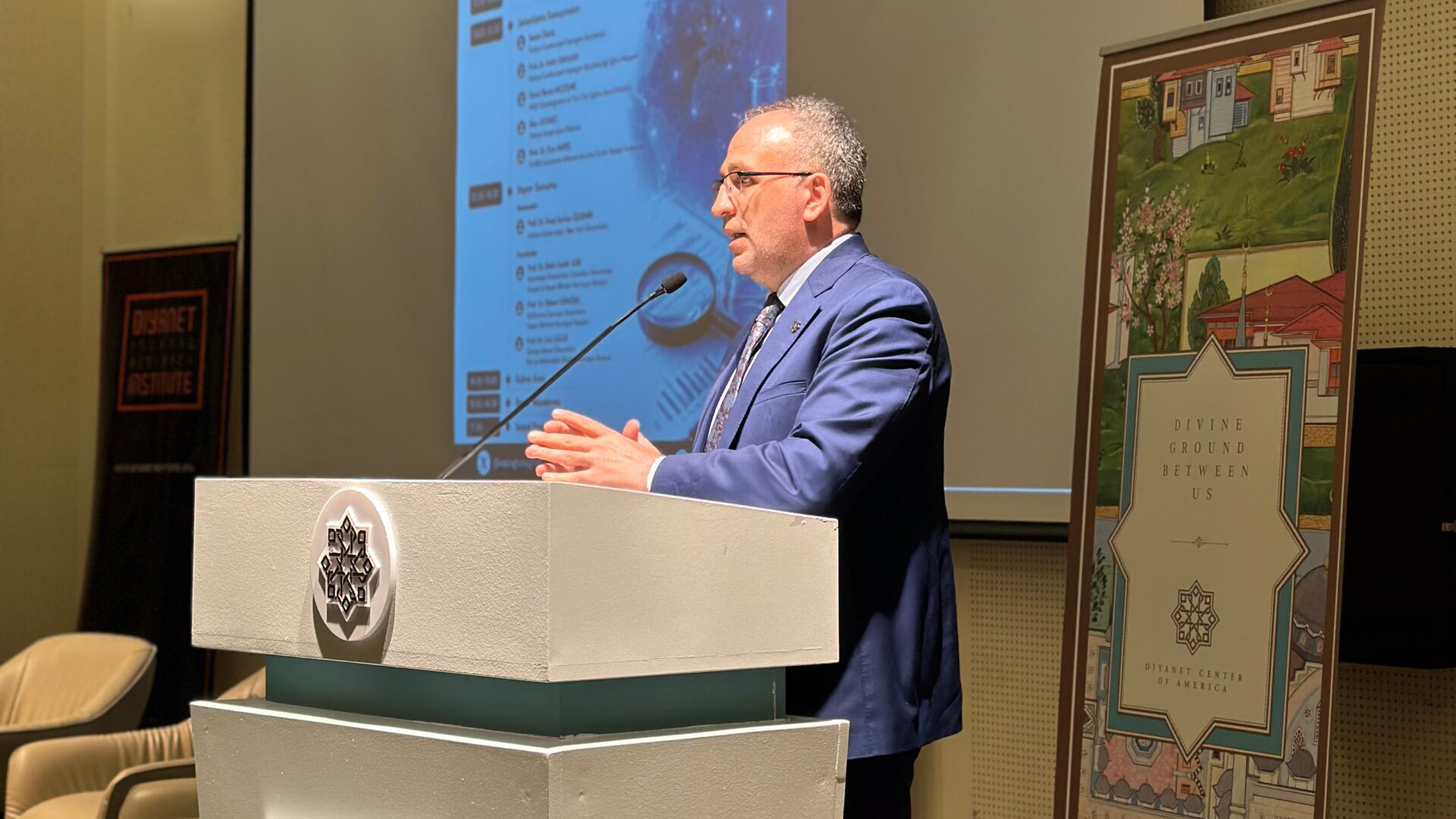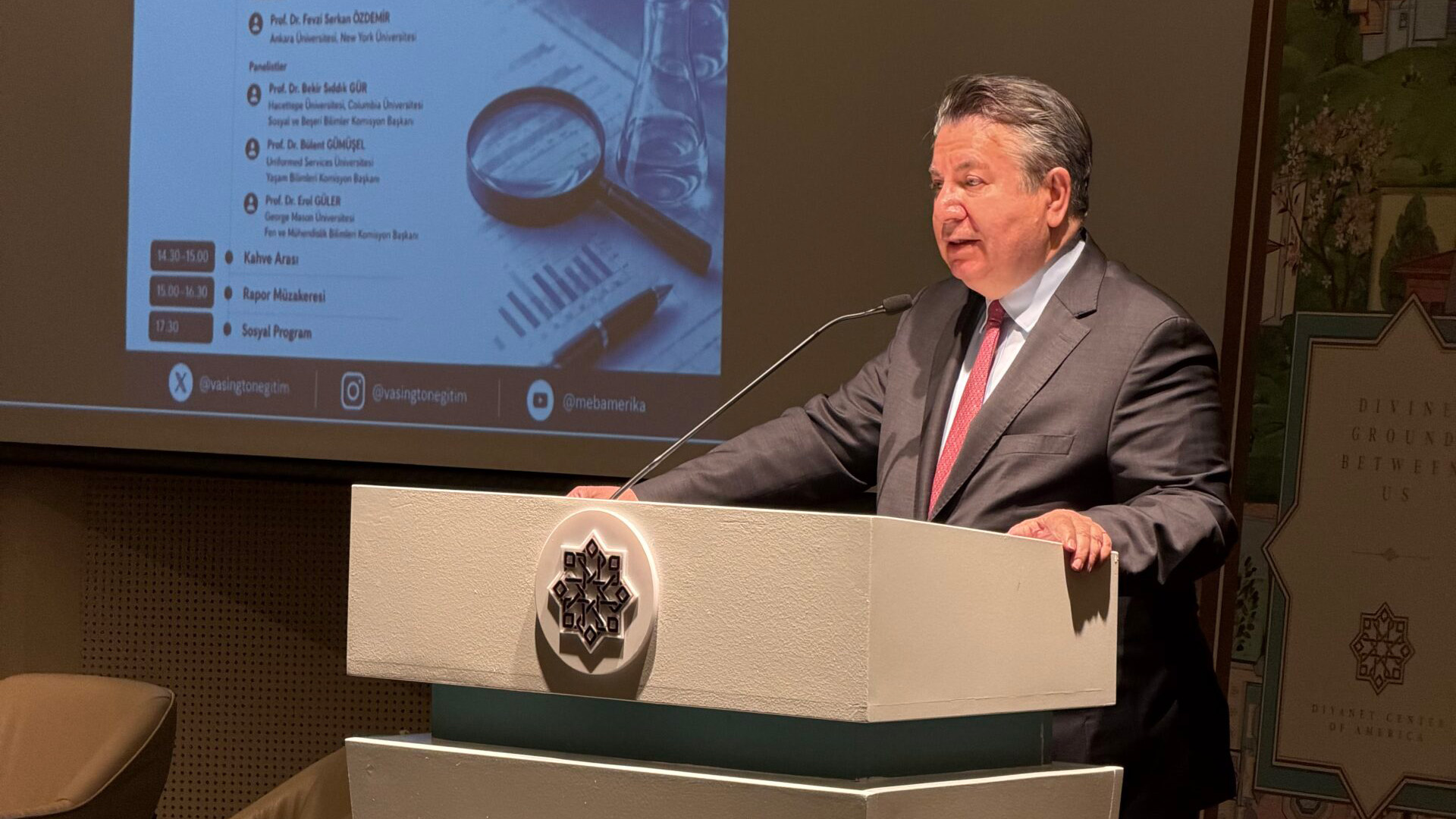
As part of the U.S. visit of Turgay Aldemir, Chairman of the Anatolian Federation and Bülbülzade Foundation, the Diyanet Center of America (DCA) hosted two significant and well-attended programs. The first was a strategic seminar organized within the framework of Friday Gatherings, while the second was a major workshop comparing the higher education systems of Türkiye and the United States.
First Stop: Strategic Deliberation on Civil Society, Civil Diaspora, and Syria
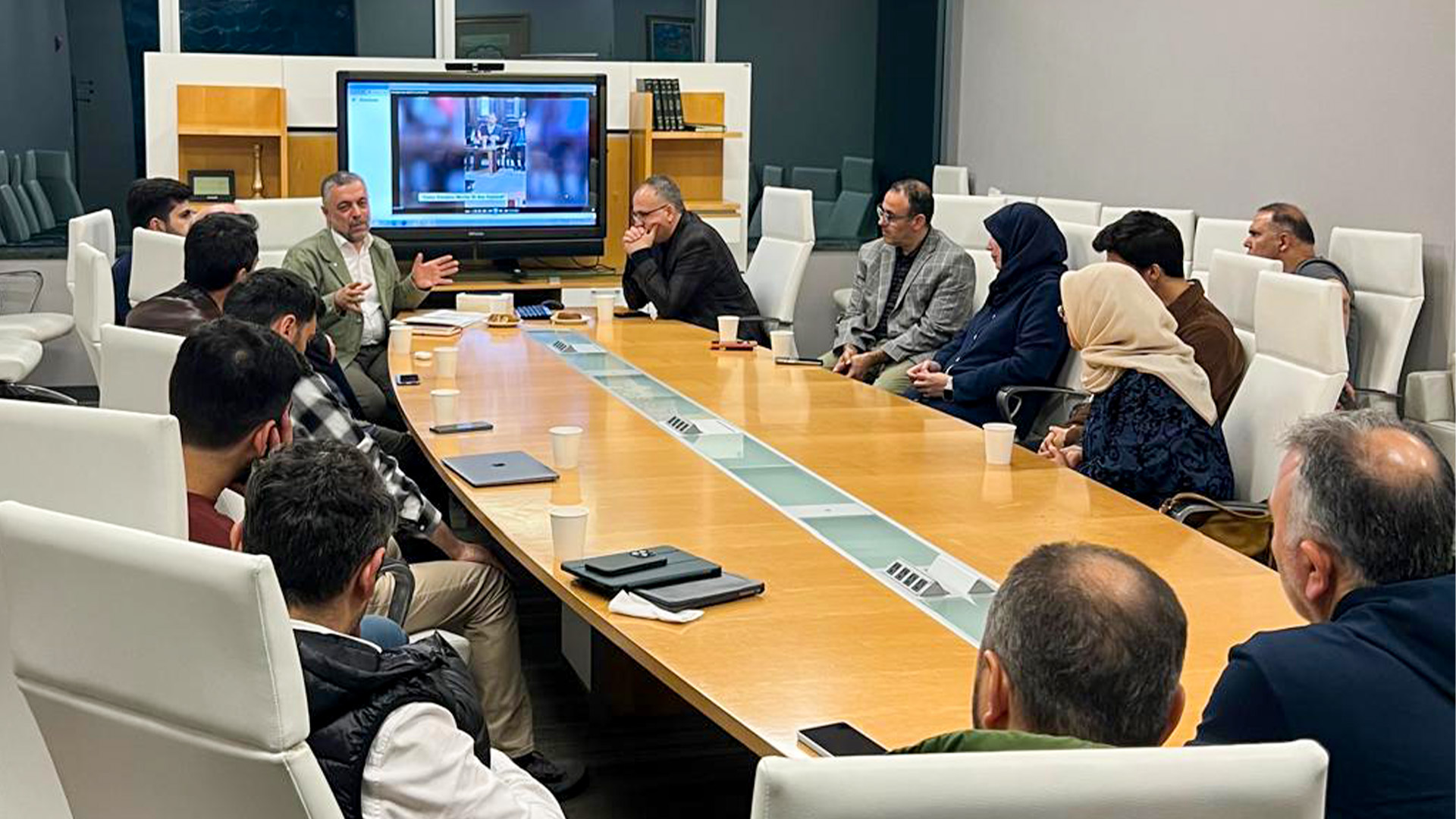
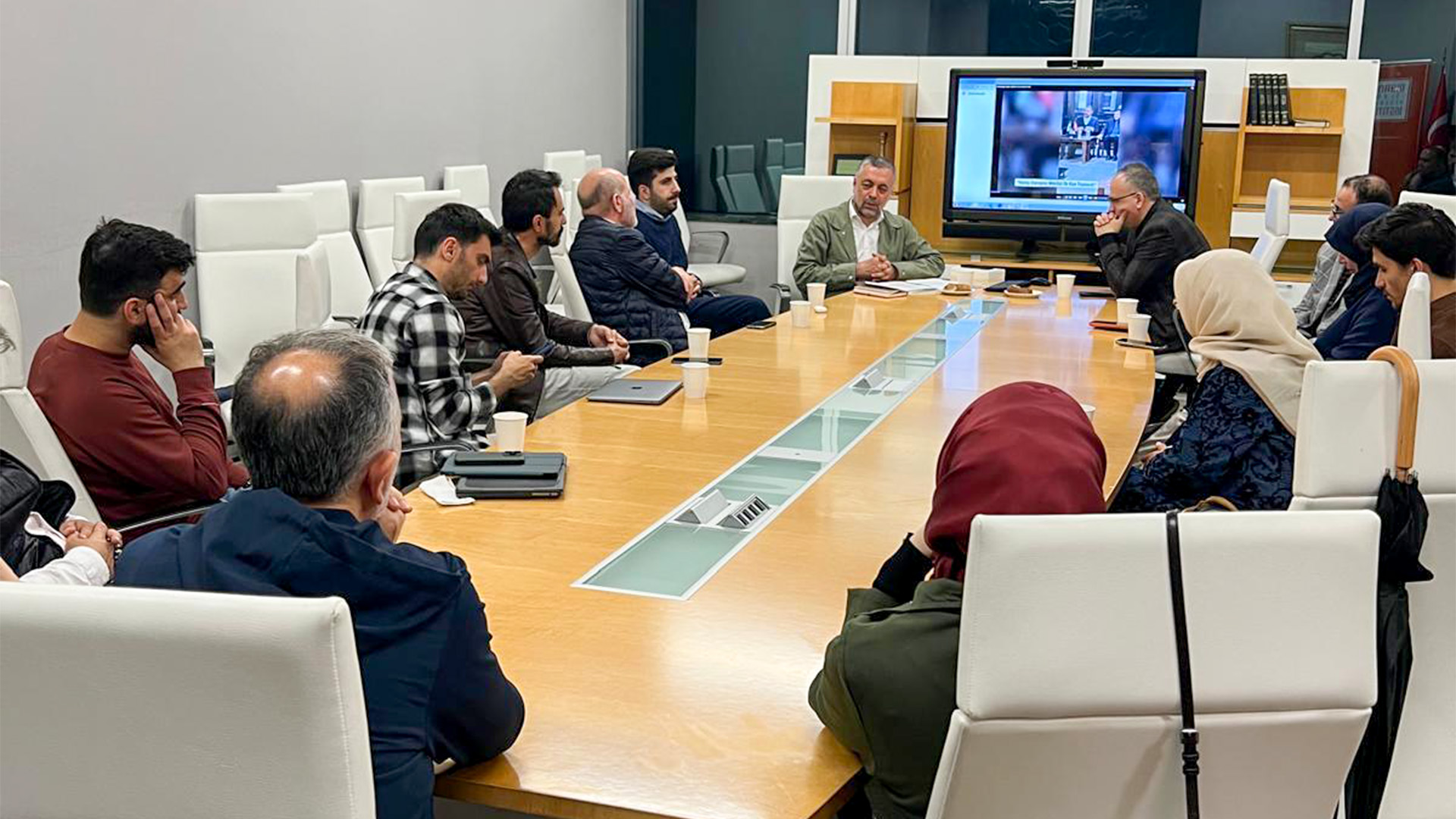
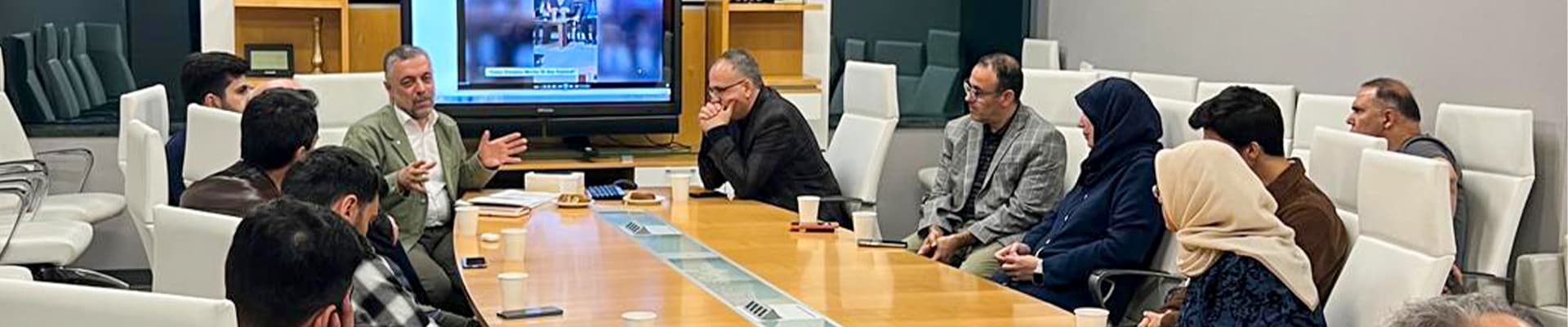
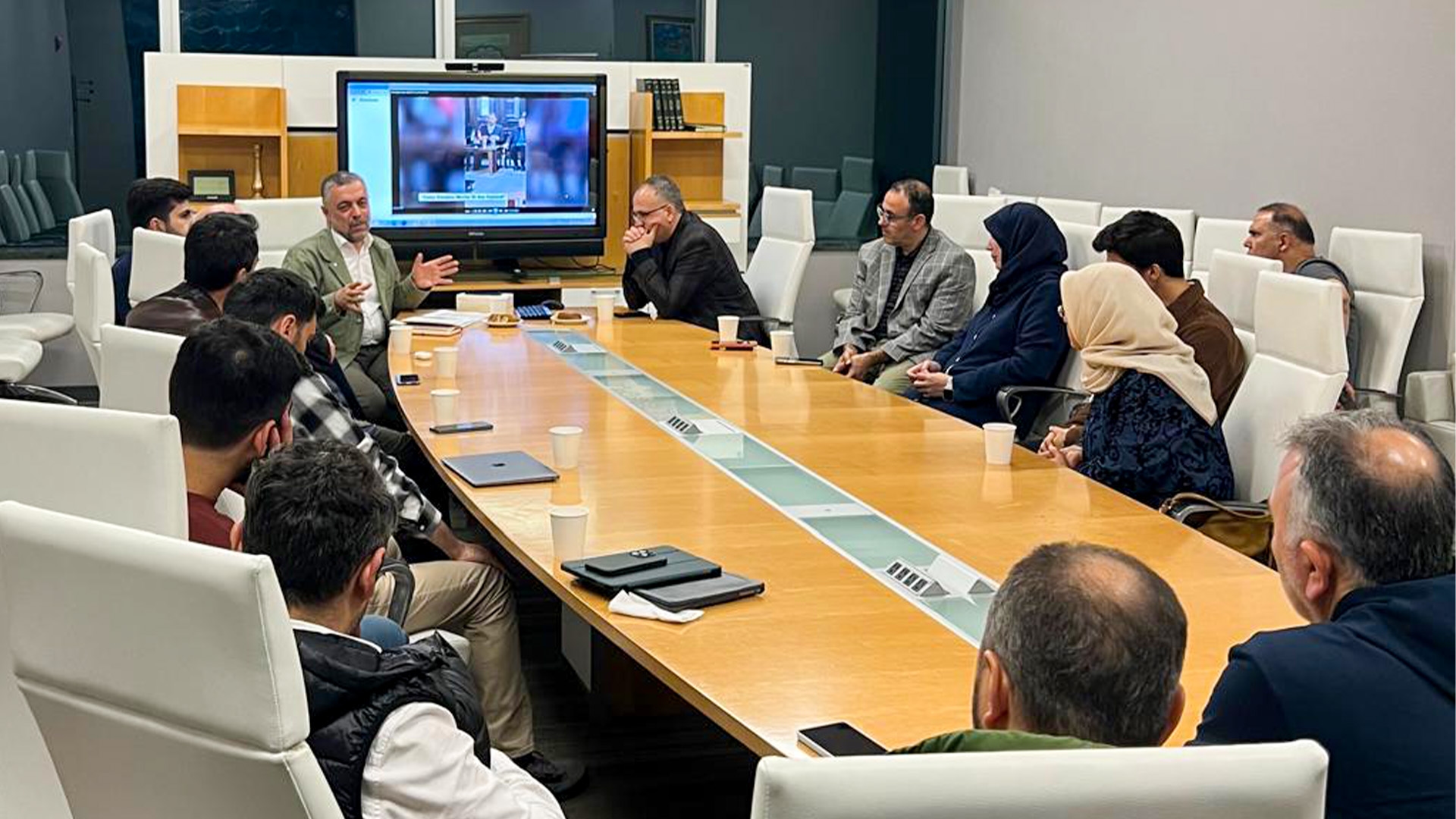
Within the scope of the "Friday Gatherings" program hosted by Fatih Kanca, Social Affairs and Religious Services Counselor at DCA, a high-level seminar and consultation meeting titled “Civil Society, Civil Diaspora, and Syria” was held.
Following the presentation delivered by Turgay Aldemir, the topics were discussed extensively with the active participation of Turkish academics, researchers, and experts residing and working in the United States. Benefiting from the participants’ expertise and field experience, the meeting proved highly productive, offering illuminating perspectives and a forward-looking vision regarding regional policies, migration processes, and ways to make the diaspora more effective through civil society initiatives. In his presentation, Aldemir stated:
“Türkiye-Syria relations, rooted in a deep civilization and an ‘urban twinship’ bond that artificial borders could not separate, experienced a historic rupture beginning in 2011 with the brutality of the Baath regime and the sacrifice of one million martyrs. In the face of this crisis, which was prolonged by proxy wars among global actors and U.S. support for terrorist organizations such as the PYD/YPG, Türkiye taught the world a lesson in humanity through its Open Door Policy, cross-border operations, and the schools, hospitals, and local council models it established within a 30-kilometer safe zone, enabling the dignified return of more than 1.5 million people. Although the collapse of the Baath regime on December 8, 2024, and Assad’s flight left behind a country with 65 percent of its infrastructure destroyed and an empty treasury, the peaceful stance demonstrated by the revolutionaries through the Transitional Justice Committee and diplomatic achievements such as the removal of Caesar sanctions have marked a new milestone for a New Syria. In this new era, where reconstruction costs exceed 600 billion dollars, civil society organizations must completely close the chapter of ‘emergency aid’ and transition to a model of ‘sustainable development’ that will revive production, law, education, and universities, thereby rebuilding Syria spiritually and intellectually.”
Second Major Step: Higher Education Workshop with the Participation of 27 University Rectors
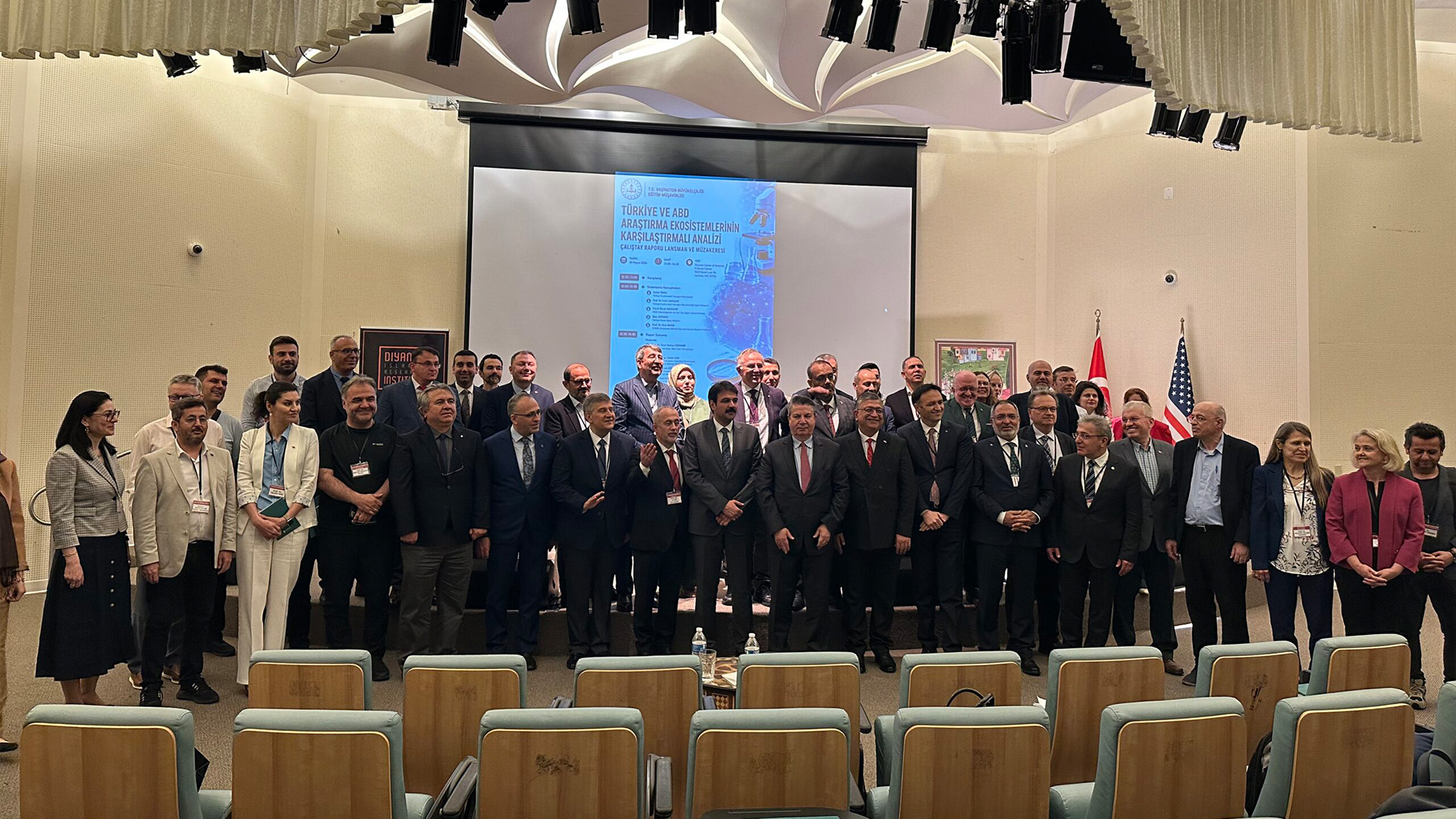
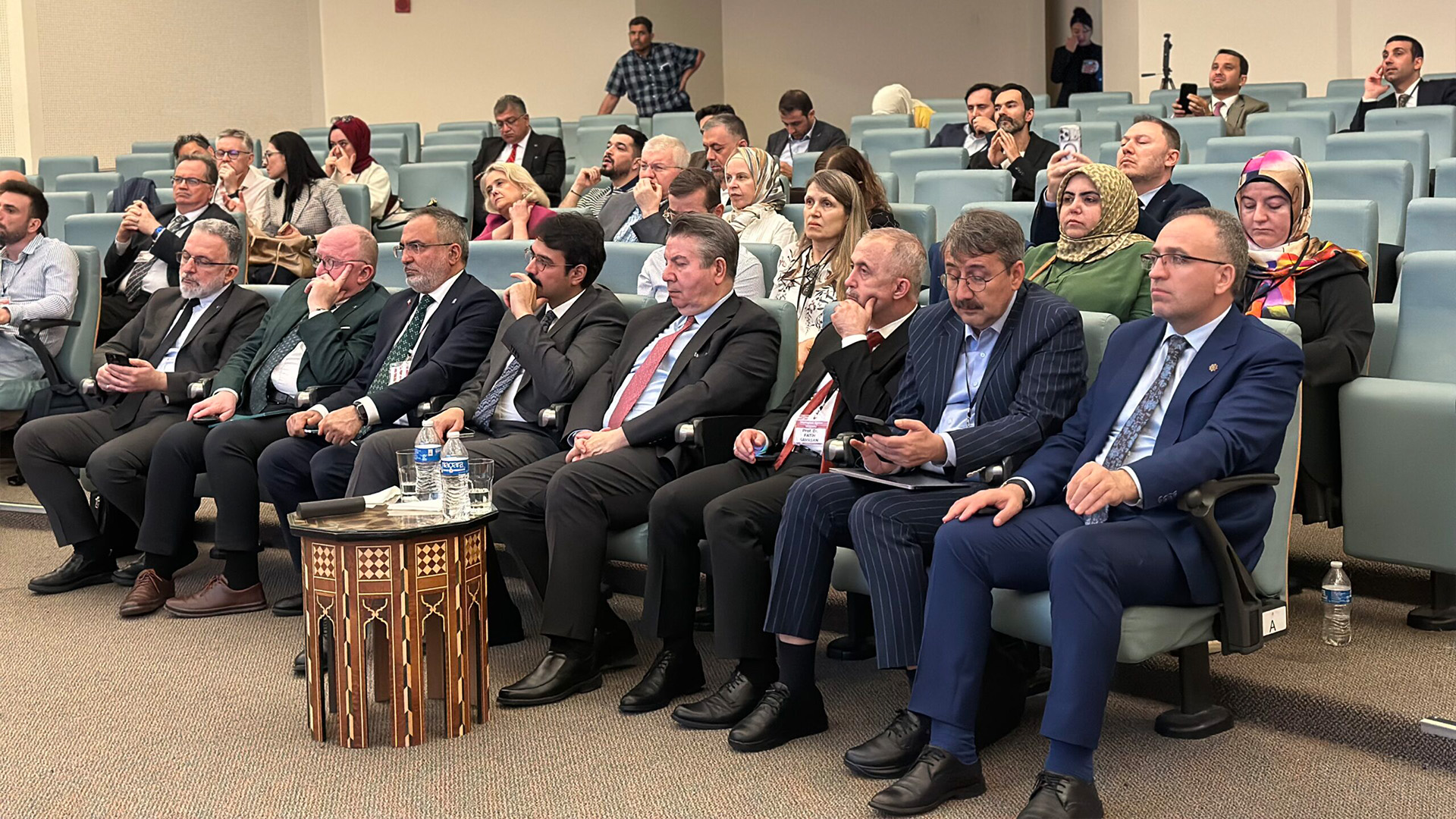
Another major event held at the Diyanet Center of America was the Higher Education Workshop organized under the sponsorship of the Turkish National Agency and coordinated by National Agency President İlker Astarcı.
The workshop was attended by Ambassador of Türkiye to Washington Sedat Önal, embassy officials, representatives of relevant institutions, and Anatolian Federation Chairman Turgay Aldemir, alongside approximately 80 academics working in the United States and rectors from 27 universities in Türkiye.
Within the framework of the workshop, comprehensive academic and administrative analyses were conducted under the title “Comparison of the American Higher Education System and the Turkish Higher Education System.” The strengths of the educational models of both countries, student and academic exchange programs, internationalization strategies, and joint scientific projects were discussed in a highly qualified consultative environment.
“Historic Steps in Academic and Cultural Diplomacy”
Following the events, Turgay Aldemir stated that the Diyanet Center of America serves as a bridge worthy of Türkiye’s global vision and said:
“Bringing together our academics, who represent our intellectual strength in America, to discuss both our civil diaspora vision and the realities of Syria and the region was an extremely strategic step. Immediately afterward, the Higher Education Workshop, organized under the leadership of the Turkish National Agency with the participation of our Ambassador in Washington, 27 university rectors, and 80 academics, constitutes a historic collaboration that brings the academic worlds of our two countries closer together. I would like to thank our Counselor Fatih Kanca and all officials who contributed to and hosted these distinguished gatherings.”